
How Much Does Furniture Assembly Cost in London?
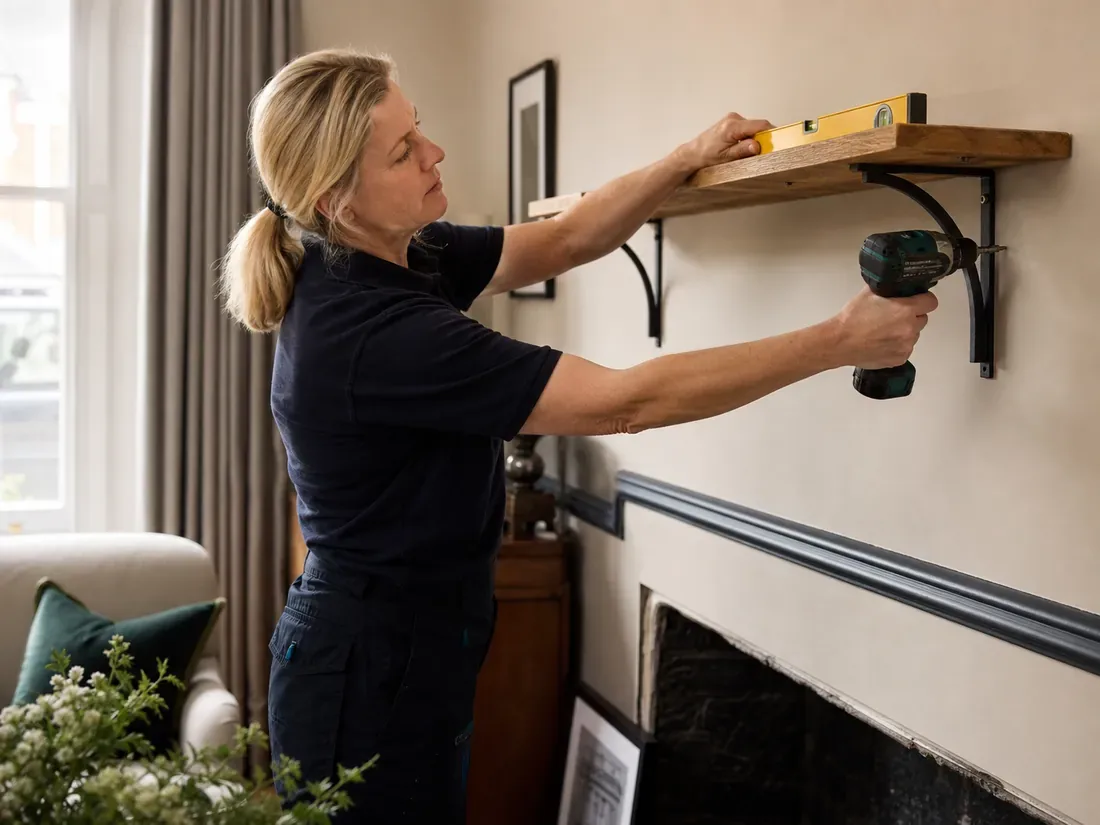
London furniture assembly is charged by time, per item or as a fixed project. Compare totals for an exact product list, not headline hourly rates. Send product links, quantities, room and floor, lift and parking details, wall-fixing requirements and packaging instructions. A desk and a sliding-door wardrobe are not comparable “one-item” jobs.
Create a box-level inventory
List retailer, exact model, colour or size variant, quantity, box count and destination room. Photograph delivery labels. “Two wardrobes” hides drawers, glass, lights, sliding tracks and restraints that change labour.
State whether old furniture must be moved or dismantled. Most assembly quotes assume clear floor space. Carrying boxes, rearranging a room and removing an old unit should be written separately.
How the pricing methods behave
| Method | Best fit | Question |
|---|---|---|
| Hourly | Mixed or changing list | Minimum, team size and what pauses time? |
| Per item | Standard identified products | Are variants and restraints included? |
| Fixed project | Complete known scope | What event changes the figure? |
Two people for two hours represent four labour-hours. Confirm whether a quote uses labour-hours or appointment duration.
Complexity hides in adjustment
Sliding doors require alignment, tall frames need squaring, lift-up beds use loaded mechanisms and modular storage needs repeated levelling. A unit built flat needs enough space to be raised without hitting a ceiling or light.
Period floors, high skirting and chimney breasts complicate a rectangle. Send room measurements. Alesta’s London furniture assembly service can quote from the actual list and site.
Wall restraints need a separate decision
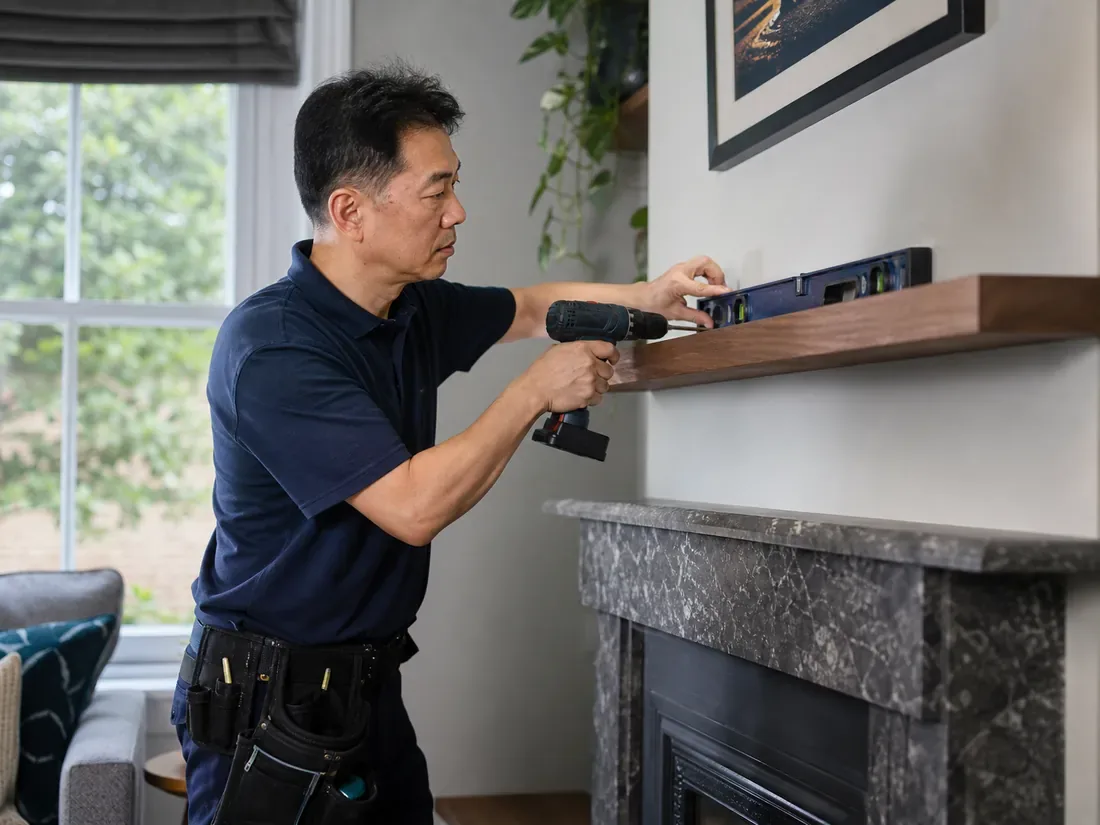
Many tall units require anchoring. Fixing depends on wall construction and hidden cables or pipes. Plasterboard, masonry, dot-and-dab and tile are not interchangeable. Manufacturer straps may still require wall-specific hardware.
Tell the assembler if you rent, have underfloor heating or cannot authorise holes. Ask whether detection and fixings are included. For shelves, blinds and unrelated small repairs, general handyman help may make a clearer combined brief.
Inspect the delivery first
Count boxes and check labels match the ordered variant. Photograph crushed corners or water damage before opening. Keep hardware with its product. Do not empty several furniture packs into one pile.
A split structural panel or damaged glass should go back to the retailer. Agree how waiting, return visits and partially built furniture are charged when parts are absent.
Prepare the route
Measure lift, stair turns and doorways for long boxes. Reserve loading access where required and inform a concierge. Decide whether carrying happens before or during billed assembly. Protect communal areas according to building rules.
Clear a rectangle larger than the finished item and remove fragile objects, pets and children. Assemble in the destination room: a completed wardrobe may not fit through its doorway.
Packaging is part of the scope
Large furniture produces cardboard, foam, film and timber. “Take rubbish away” must appear on the quote. Ask about the disposal route or flatten clean cardboard for authorised recycling. Never block communal corridors.
During a move, a packing and unpacking service can coordinate boxes, but assembly and household unpacking still need distinct deliverables.
Compare like with like
- Identical product list and variants?
- One-person or two-person team?
- Travel, parking, congestion and VAT included?
- Anchoring, levelling and adjustment included?
- Packaging removal?
- Missing-part policy?
- Appropriate accidental-damage cover?
A lower hourly rate is not better value if preparation, tools or repeat travel are missing.
Acceptance test
Open every door and drawer, inspect gaps, test mechanisms without overload and confirm restraints. Compare spare hardware with the manual. A few generic spares may be normal; unexplained structural fasteners need an answer. Photograph retailer defects and retain instructions.
What changes a fixed quote
Typical changes are a different product variant, inaccessible room, absent parking, missing components, unsafe wall, unrequested dismantling or waste. Ask for these assumptions in writing. If the site matches the information supplied, the project price should not become an improvised negotiation halfway through.
Predictable assembly cost starts before a tool case opens. Exact products, clear access, an empty room and an agreed fixing plan turn a vague estimate into a job both sides can recognise as complete.
Two-person lifts should be planned, not improvised
Large tops, mirrored doors and tall side panels may exceed safe one-person handling even if the final furniture is light enough to move. Ask whether the quote includes the necessary team. Do not volunteer an untrained resident to hold a loaded mechanism or glass panel merely to keep the price down.
Where a package exceeds lift or stair capacity, unpacking downstairs can create loose vulnerable parts on a long route. Agree protection and handling before boxes are opened.
Children’s furniture needs disciplined completion
Cots, bunk beds, changing units and tall storage must follow their supplied instructions without substituted fasteners. Check age, mattress and guard requirements with the manufacturer. An assembler should not modify a safety-critical product to make a missing part fit. Register the product where recall notifications are available.
Anchor furniture where instructed and keep climbable items away from windows or blind cords. Final handover should show the adult how to recheck fasteners at the manufacturer’s interval.
Fitted-looking does not mean fitted furniture
Scribing panels, cutting skirting, joining cabinets, adding fillers or integrating electrics moves beyond ordinary flat-pack assembly. Describe that finish before booking. It may require carpentry, electrical work or landlord consent and will not be captured by a standard per-item price.
Likewise, mounting a television to a wardrobe panel or routing extension leads inside furniture is not a harmless add-on. Use the correct trade and manufacturer-approved arrangement.
When moving assembled furniture later
Keep wall-fixing instructions, spare parts and the disassembly sequence. Do not drag a tall loaded unit; empty it, detach it from the wall and use enough people. Some cam fittings lose strength after repeated dismantling, so ask whether the product is designed to be rebuilt.
Label shelves and doors before a move and protect hardware in a sealed bag attached to the correct item. Good assembly documentation lowers the cost and damage risk of the next relocation.
A useful written brief
Attach the inventory, photographs, access description, desired wall fixing, waste requirement and target date in one message. Ask the provider to return the same list with inclusions and assumptions marked. That simple exchange is the closest thing to price control: both parties are quoting the same physical job rather than two different ideas of “assemble some furniture”.
Remote quotes need honest photographs
Show the whole room, not only the unopened box. Include ceiling height, skirting, the intended wall and the route from entrance. Mention sloping floors and anything fixed that cannot move. Concealing access problems may secure a lower estimate but produces a predictable dispute at arrival.
If dimensions are tight, compare the manufacturer’s finished measurements with your own at several points. Allow doors and drawers to open, sockets to remain usable and radiators to circulate air. An item that technically fits wall-to-wall may still be impossible to assemble, raise or operate safely.
