
Burst Pipe at Home: The First 10 Minutes Before the Plumber Arrives
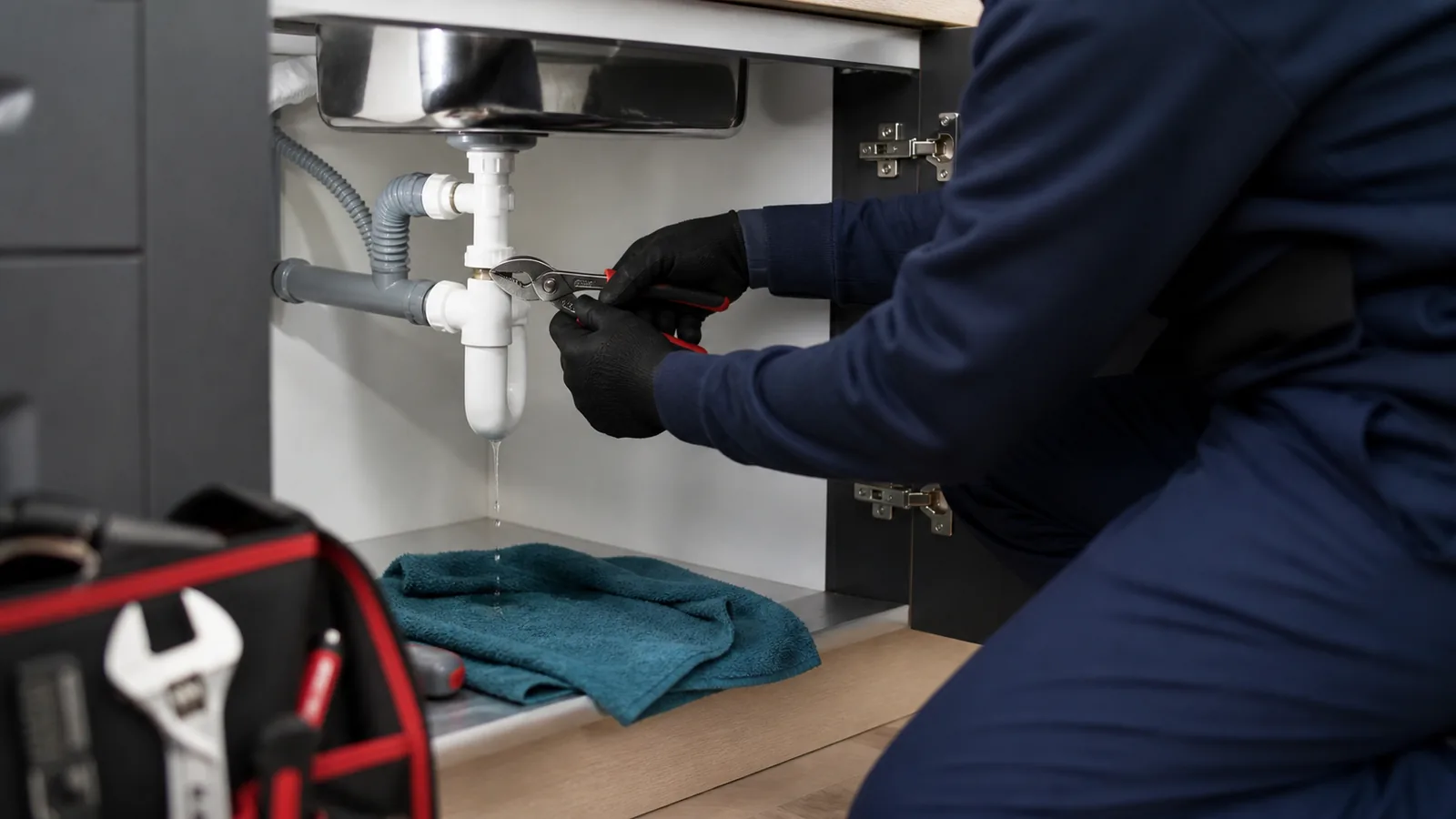
Turn off the internal stop tap if it is safe to reach, isolate electricity only when you can do so without entering water, open a cold tap to relieve pressure, contain the leak and call an emergency plumber. Protect people before possessions. This guide explains the safest useful checks, the mistakes that can make the situation worse and the point at which a trained specialist should take over.
Why this problem happens
- frozen pipework expanding in cold weather
- a failed flexible connector or joint
- corrosion or physical damage
- excess pressure or a component failure
- pipework disturbed during other work
Safe checks you can make now
- move people and pets away from water and electrical risks
- close the main internal stop tap
- switch off affected electrical circuits only from a dry safe position
- open a cold tap to reduce remaining pressure
- use towels and containers to limit spread
- photograph damage and contact the appropriate insurer or landlord
Mistakes to avoid
- touching switches while standing in water
- using an exposed flame to thaw a pipe
- attempting a permanent repair without suitable skill
- turning the supply back on before the failure is repaired
How to document the problem clearly
Take a wide photograph showing the room or appliance position and a closer image showing the affected detail. Record the date, recent weather or appliance use, any smell or sound, and whether the symptom changes after move people and pets away from water and electrical risks. If it is safe, repeat the observation at the same time on the following day. A short, accurate timeline is more useful than guessing at a diagnosis.
Preparing for a professional visit
When professional help is the better choice
Arrange an assessment when the source is uncertain, the issue returns, access requires dismantling or there is a safety concern. In particular, seek help when water is near electrics, ceilings or structural materials; the stop tap does not close or cannot be found; the leak is substantial or the source is concealed.
For related help, view Alesta’s emergency plumbing service, or call 020 3608 3976 to discuss access and availability.
Frequently asked questions
When should I stop and call a professional?
Professional help is sensible when water is near electrics, ceilings or structural materials.
What is the most common cause?
The common causes include frozen pipework expanding in cold weather, a failed flexible connector or joint, corrosion or physical damage. The pattern and timing usually provide the best clues.
Can I deal with a small problem myself?
How can I prevent it returning?
Prevention starts with open a cold tap to reduce remaining pressure, use towels and containers to limit spread, photograph damage and contact the appropriate insurer or landlord. Address the source rather than repeatedly hiding the symptom.
