
The main dwelling
Name the affected rooms rather than only the overall property.
PEST CONTROL / ESHER
Property access before a quoted programme.
A proposed visit needs a reachable, defined area.
Restricted entrances, locked rooms and separate storage can all affect what is practical on a visit. Describe them before comparing a quoted scope with the work you expect.
05 / PROPERTY BRIEF
Name the affected rooms rather than only the overall property.
State who can open it and whether it is being requested for assessment.
Identify the structure separately; a shared postcode does not include it automatically.
Clarify who approves work and who can admit the visitor.
Check commercial suitability separately rather than folding business use into a home enquiry.
Check the premises requirements01 / START WITH THE EVIDENCE
An inaccessible room remains an unknown, not an automatically affected part of the property.
Chewing or possible traces in household storage.
Mice controlA sighting or larger traces with a clear location.
Rats controlPhysical signs around a bed or nearby furniture.
Bed bug treatmentRepeated insects beside kitchen equipment.
Cockroaches controlName the cupboard and visible position; describe any obstruction separately.
Distinguish a directly seen animal from a sound whose source is uncertain.
Specify the bed and physical evidence. Irritation alone cannot establish identification.
Give the fitting and any previous products, without dismantling equipment.
07 / SCOPE BEFORE A QUOTE
A quote is clearer when it names the areas and any access limits, rather than promising unspecified whole-property work.
from £120
See published service pricingfrom £150
See published service pricing| Service | Pricing basis | Price |
|---|---|---|
| Mice control | Activity, access and programme | Quote after assessment |
| Rat control | Internal / external routes and visits | Quote after assessment |
| Proofing / repairs | Surveyed openings and separate work | Quoted separately |
Guides checked 27 August 2026. Confirm current coverage, prices, visits and exclusions; separate structures and repairs are not assumed included.
ESHER / PROPERTY CONTEXT
Confirm postcode coverage before coordinating access. Then identify the reported rooms and the route into them.
List gates, locked rooms or separate stores individually. A main-door key may not provide access to the relevant area.
If a space will be unavailable, say so before accepting a proposal that appears to include it. Unexamined should not become described as clear.
The scope should distinguish the dwelling from additional structures and work requiring another person’s approval.
08 / THE CONTROL PLAN
Access arrangements support the assessment; they do not replace pest identification.
The report identifies accessible evidence and remaining unknown areas.
The method and included rooms are agreed for the actual concern and occupants.
New findings or newly available rooms can prompt review without silently extending the original scope.
09 / FROM FIRST CONTACT
The booking should reflect access that can actually be provided.

Supply the full postcode and requested residential service.
Separate evidence-bearing rooms from unexamined spaces.
Name the contact for any relevant locked area.
Ask which rooms, tasks and attendance are included.
Do not dismantle or move suspect materials merely to create access.
Explain whether later evidence falls within or outside the original areas.
06 / SIGNS → LOCATION → NEXT STEP
| Pest problem | Signs to describe | Areas to mention | Next step |
|---|---|---|---|
| Mice | Possible traces in storage | Named cupboard and visible edge | Disclose obstructions separately |
| Rats | Animal sighting or larger traces | Exact private or outside position | Keep uncertain sounds distinct |
| Bed bugs | Physical evidence around a bed | Specific furniture and room | Explain access without moving belongings unnecessarily |
| Cockroaches | Recurring insects at fittings | Named kitchen position | Disclose earlier products and fixed equipment |
03 / OBSERVATION CHECKLIST
Limited access is worth reporting without taking risks to overcome it.
Avoid suspect contamination, unsafe voids and forced entry to restricted areas.
Record the visible position and when it was noticed.
Name the object and its storage location; damage is not a species diagnosis.
Give the room and timing, keeping the source uncertain.
Describe physical signs separately from skin irritation.
Note repeat sightings against a particular fitting and disclose products used.
Keep the exact external position distinct from household findings.
04 / AT A GLANCE
10 / PROBLEM → TREATMENT → CONTROL
Opening a previously locked room adds information; it does not itself prove the outcome of a programme.
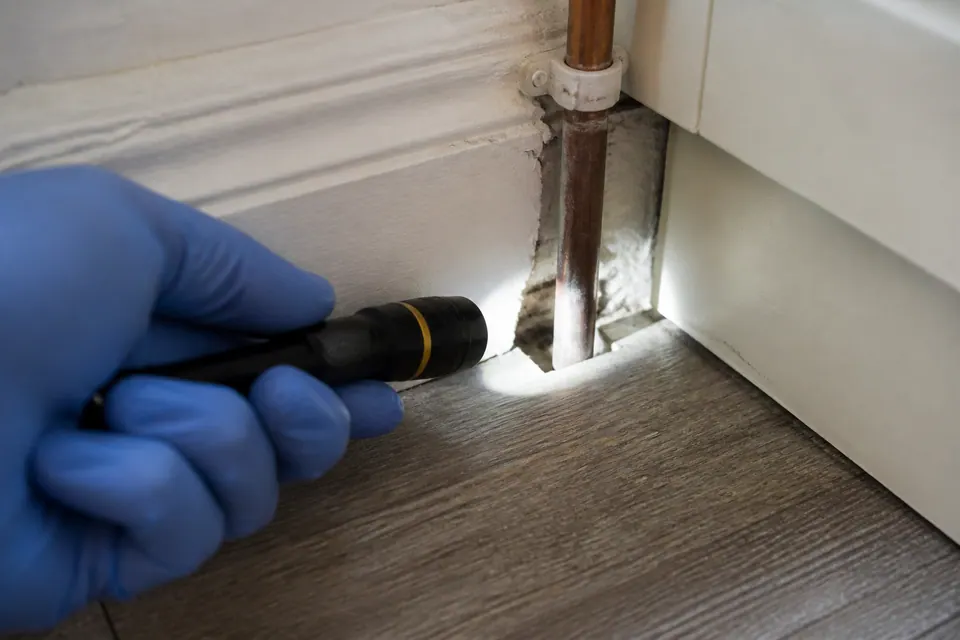

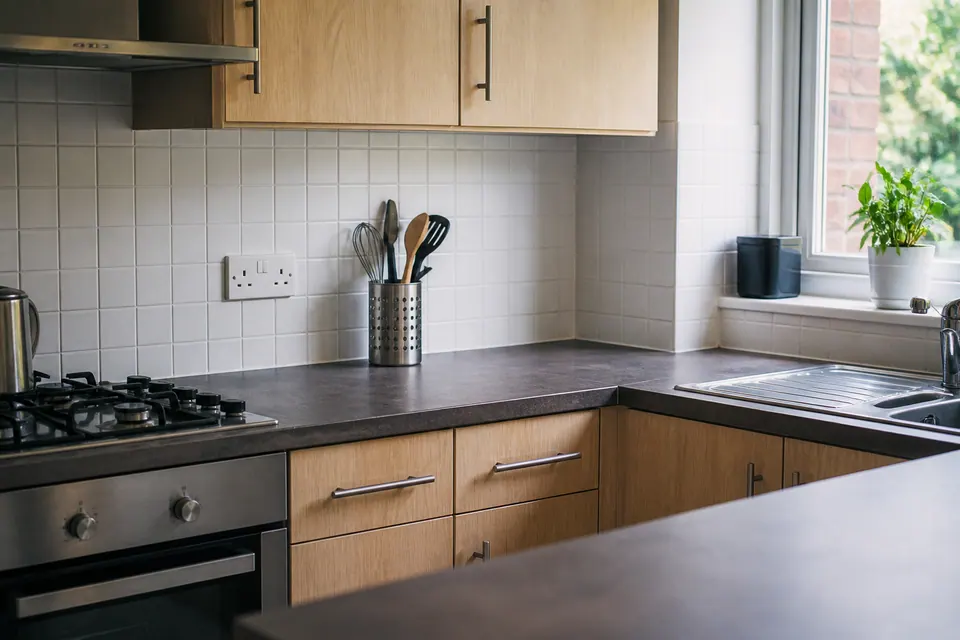
Illustrative stages, not photographs of an Esher customer assessment or result.
MAKE THE ENQUIRY SPECIFIC
Explain any further keys needed before attendance is assumed.
Describe its relationship to the home and requested inclusion.
Keep the limitation explicit rather than presenting the room as examined.
Provide the new location and ask how the proposal should be reviewed.
ADDRESS AND AVAILABILITY
Check coverage for the precise address before arranging multiple keyholders.
Describe gates, separate entrances and restrictions relevant to the proposed assessment. The map does not define the booked scope.
Open Esher in Google Maps ↗13 / CLEAR EXPECTATIONS
A practical room list is clearer than an undefined property-wide promise.
Unavailable spaces should remain visible in the assessment brief.
Additional work needs clarification before it is treated as included.
ESHER / QUESTIONS
Not necessarily. Identify additional keys or permissions relevant to the reported areas.
Yes. State the limitation and who can resolve it.
Only if expressly included after its use, evidence and access are discussed.
Clarify the actual arrangements and ensure relevant occupants receive preparation instructions.
Explain it before attendance is agreed so the route can be considered.
No. Unavailable and assessed without findings are different descriptions.
Supply the new details and ask whether scope, cost or preparation changes.
Do not assume that is required or safe. Follow the agreed preparation advice.
No such inclusion should be assumed; clarify separate recommendations.
The areas, work, limitations and relevant attendance or review arrangements.
15 / TAKE THE NEXT STEP
Give the findings and access limits together, then confirm coverage and the proposed boundary before arranging attendance.
