
PADDINGTON / MAKE THE BRIEF TRAVEL WELL
Coordinated Garden Care in Paddington
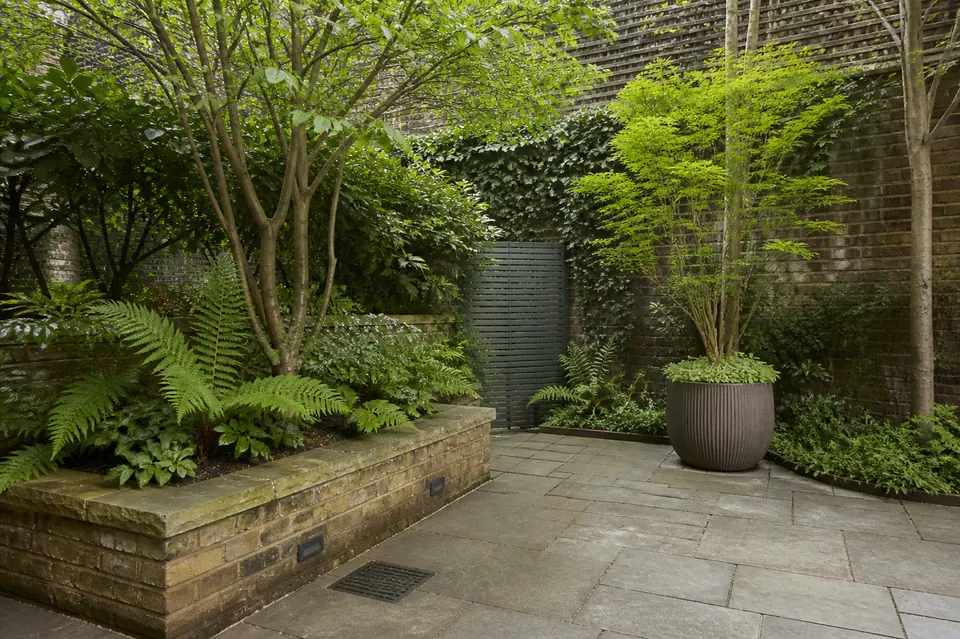
If you are not usually at the property, the gardening brief needs to speak clearly for you. Current photographs, a reliable entry contact and a short list of decisions help avoid assumptions on the day.
- Use recent rather than archive photographs
- Name one person for scope decisions
- Identify plants that must be left alone
- Agree entry without assuming someone is home
 GARDEN CARE / Paddington
PADDINGTON / BRIEFING FROM ELSEWHERE
Give photographs dates and labels
For a Paddington property you cannot visit regularly, ask for fresh images before describing the job. Label the bed by the door, the rear lawn or the pots that should stay; “the plants on the left” can become ambiguous from another viewpoint. Nominate the person who can approve a change if something unexpected is found. A keyholder may provide entry without being authorised to expand the work.
02 / Named decision-maker
03 / Separate entry contact
COORDINATION CHECK
Give each contact a clear role
- Can a keyholder provide entry only?
- Yes. State whether they also have authority to approve changes or merely open the property.
- Are old listing photographs enough?
- They may explain layout but should not be relied on to represent present growth or condition.
- Can one visit be coordinated remotely?
- Discuss the practical arrangement, supported by a bounded task list and an available decision contact.
- What helps a recurring arrangement?
- Keep the brief current and communicate changes in entry, responsibility or included areas.
- Who decides where cuttings go?
- The agreed scope should identify the destination; do not leave the choice to an uninformed keyholder.
- Can vague left-and-right instructions cause problems?
- They can. Use labelled views and fixed landmarks instead of viewpoint-dependent directions.
- Are photographs a guarantee of the finish?
- No. They support assessment; actual conditions still influence suitable work.
PHOTOGRAPHS WITH A PURPOSE
Show the evidence needed for each task
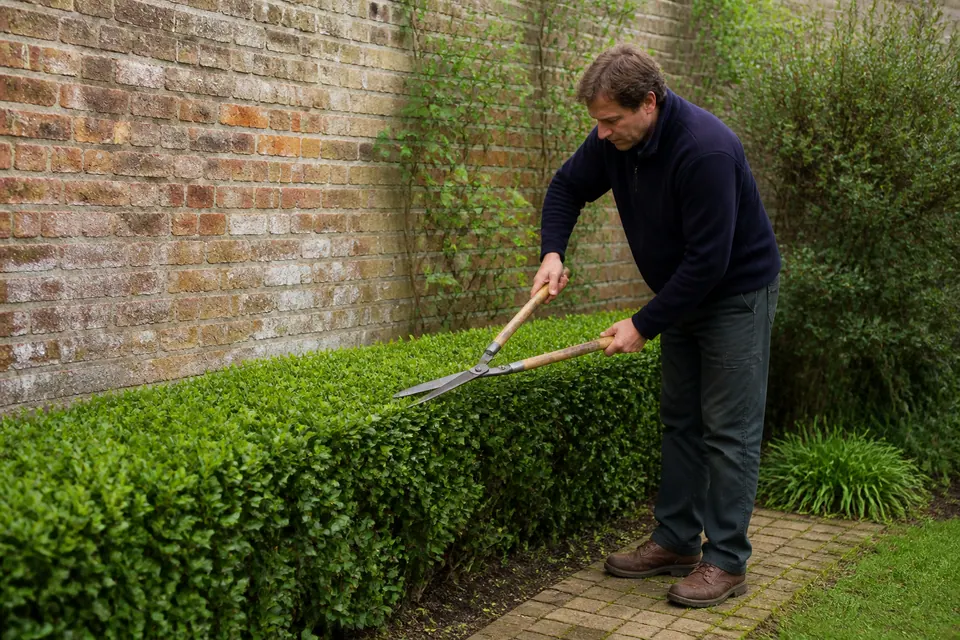
Hedges & shrubs
An overview of the grass and close views of problem areas distinguish routine mowing from concerns requiring further assessment.
Explore hedges & shrubs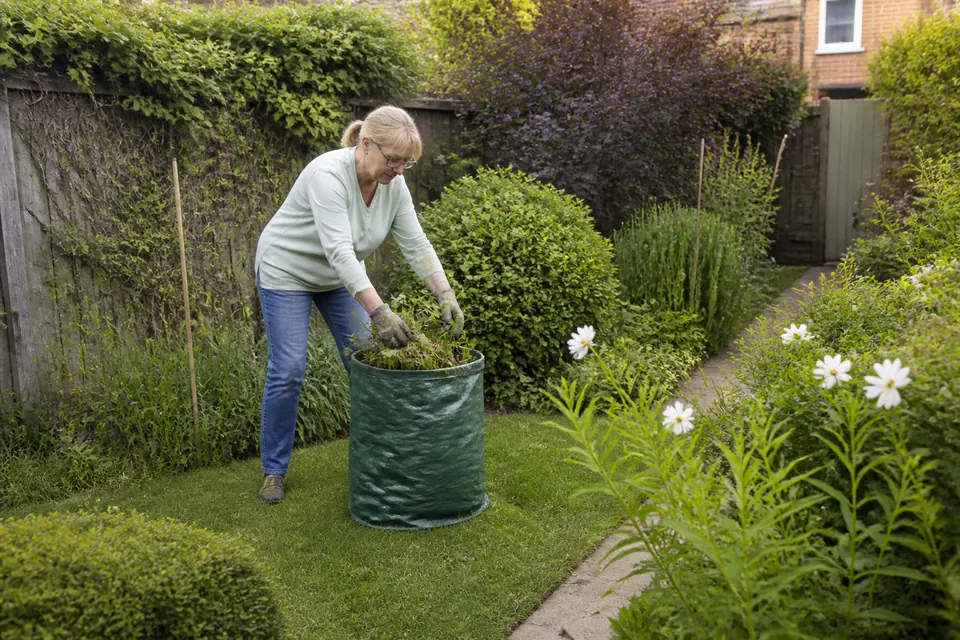
Garden clearance
Mark the plants and intended limits on a photograph instead of relying on an absent person's general instruction to trim.
Explore garden clearance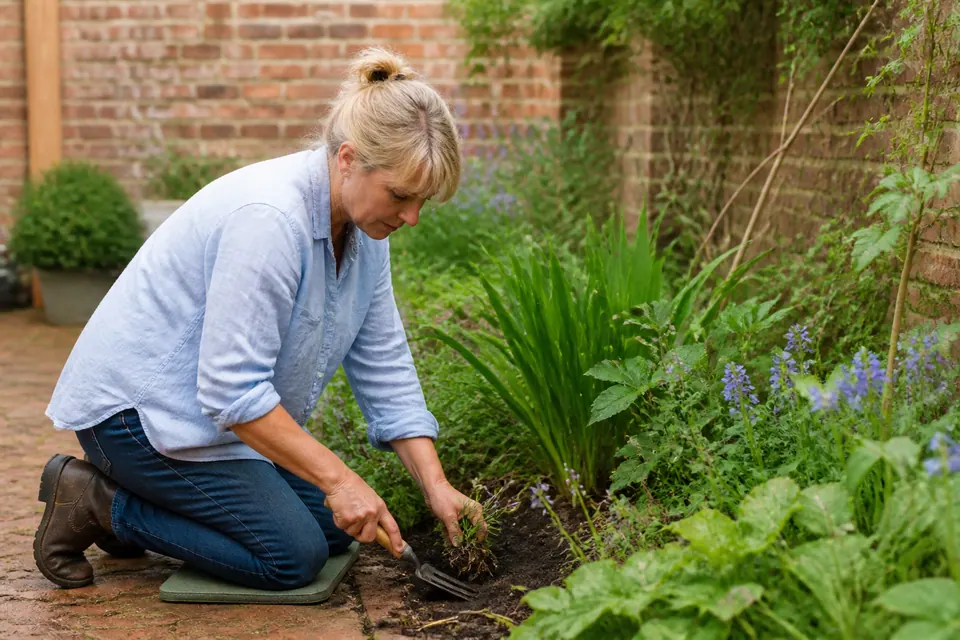
Garden maintenance
Provide a visible keep-and-remove list, including existing piles that may not be obvious in a wide view.
Explore garden maintenance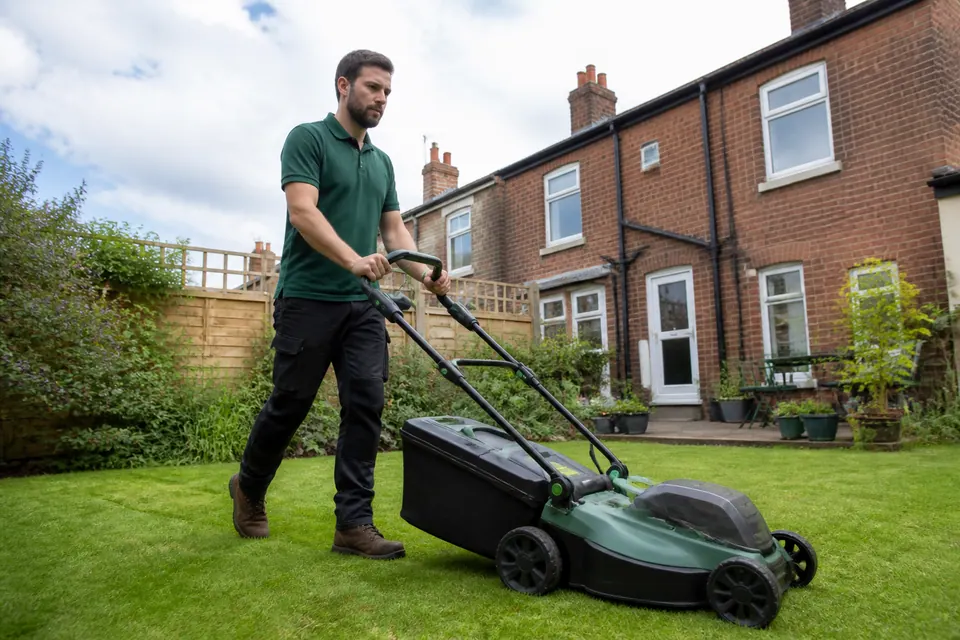
Lawn care
Rank beds, edges and seasonal attention in writing so the first priorities remain clear without a walkthrough.
Explore lawn care- Work
- Tasks supported by current views and a written brief
- Spaces
- Properties with established authority and entry arrangements
- Visits
- A defined appointment or coordinated repeat care
- Area
- Paddington address checked before attendance is arranged
- Price
- Assessment based on condition and agreed responsibilities
ILLUSTRATIONS ARE NOT SITE RECORDS
Know what an example image can tell you
This sequence explains a gardening task visually; it is not evidence of work at a Paddington property.
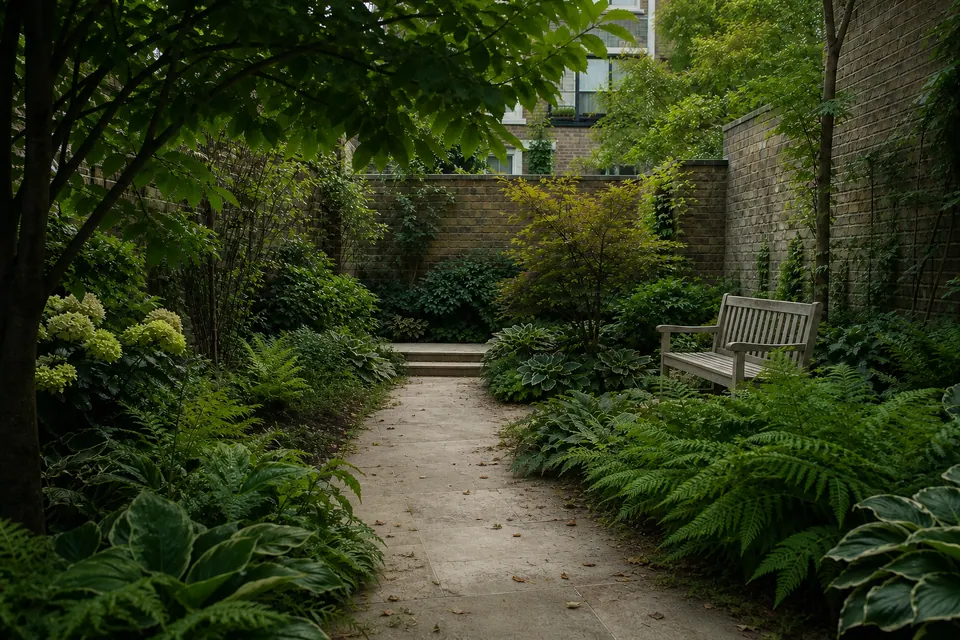
A pictured starting condition
Loose material and the edge of the border define the example.
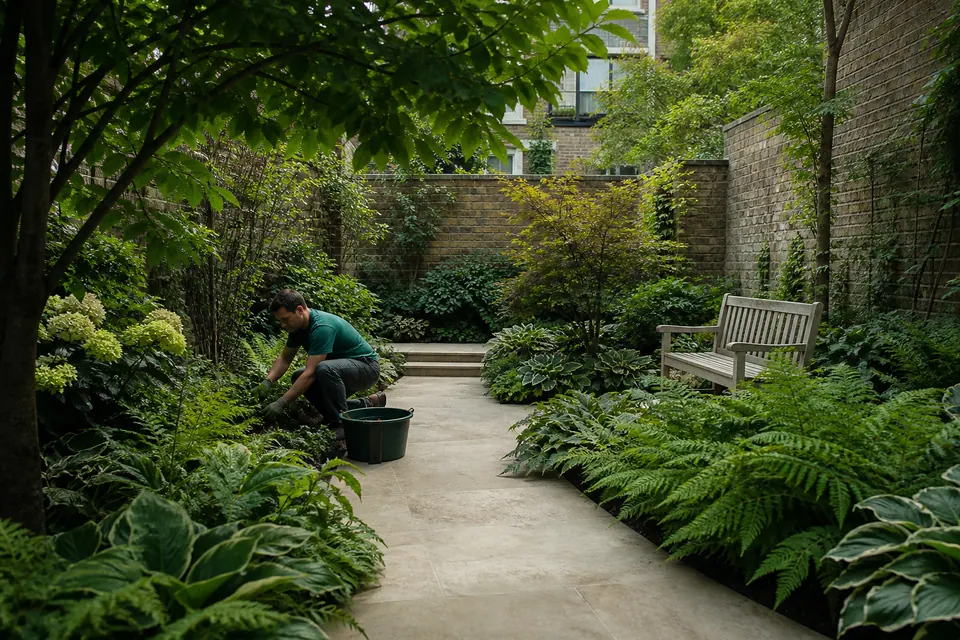
A selected tidy
Attention focuses on existing planting and gathered debris.
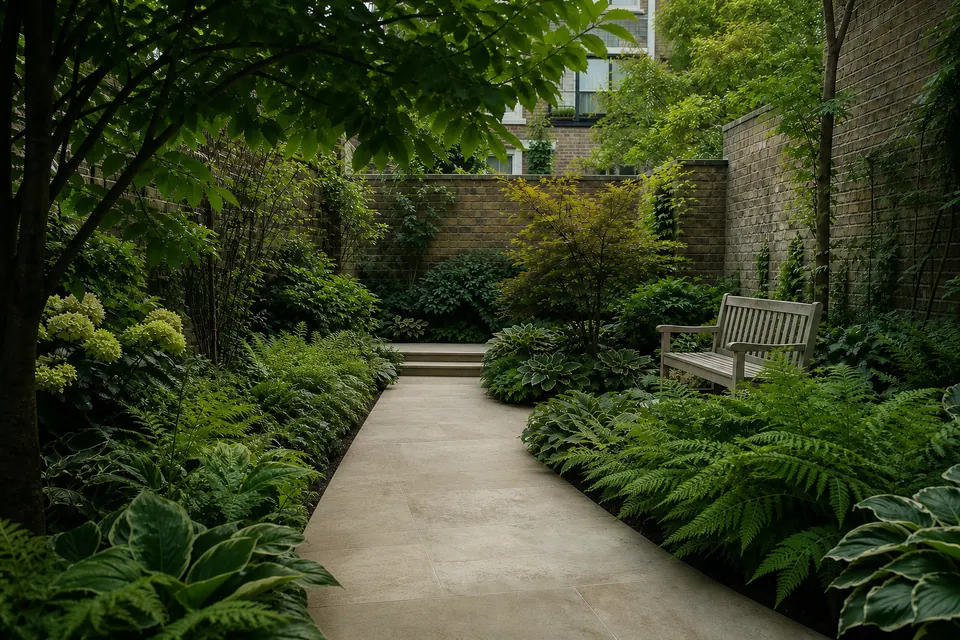
A visible difference
The route is clearer, without implying repairs or reconstruction.
CURRENT INFORMATION SUPPORTS THE QUOTE
Avoid pricing from an outdated picture
ROUTINE GARDEN CAREAssessed from
Assessed from
the current brief.
Send recent condition views and explain entry, materials and disposal. Confirm who accepts the scope and any proposed changes.
LIGHT GARDEN CLEARANCE£100–£300
The light-clearance figure is an indicative published range, not a remote-maintenance package or a confirmed property quote.
See clearance pricing| Service | Assessment information | Guide |
|---|---|---|
| Routine garden maintenance | Current condition, priorities and proposed repeat care | Quote after assessment |
| Lawn mowing & edging | Visible grass growth and equipment route | Quote after assessment |
| Hedge & shrub trimming | Plant dimensions and authorised trimming limits | Quote from photographs / assessment |
| Small green-waste collection | Identified green material and collection arrangements | From £40 |
| Light garden clearance | Marked vegetation and the agreed disposal list | Typically £100–£300 |
| Large overgrown garden | Extent of overgrowth shown in recent views | From £500 |
Decide how changes are approved
An unseen extra task should not silently become part of the appointment. Establish who can discuss additions and distinguish them from the accepted gardening scope.
REMOVE AMBIGUOUS DIRECTIONS
Use landmarks within the property
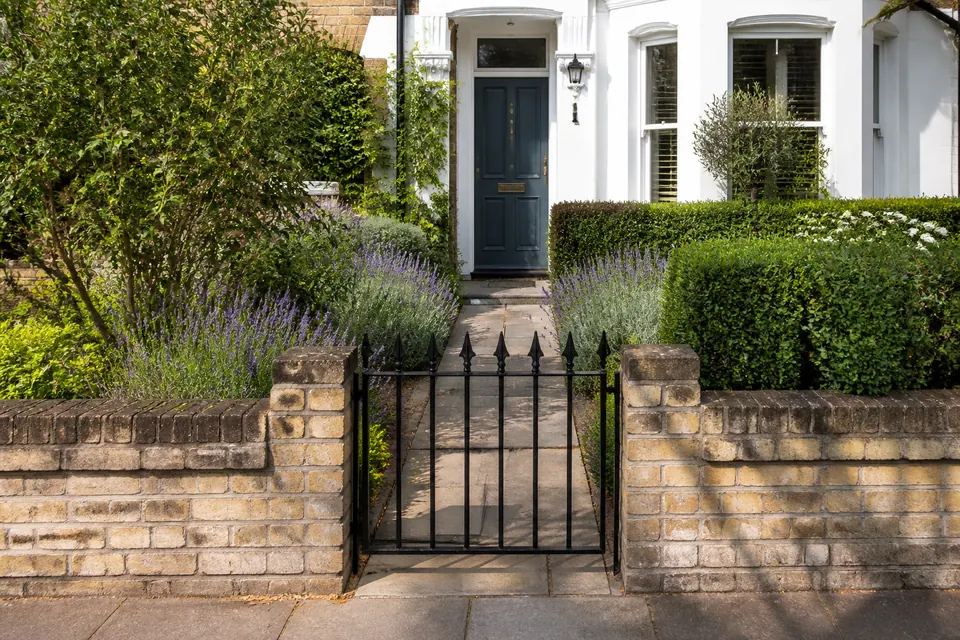
The identified lawn
Label its location and show the full perimeter.
Named boundary plants
Number shrubs where their names are unknown.
Specific beds and pots
Mark exclusions directly on the supplied views.
The entry-to-garden route
Show doors and steps as well as the final path.
The nominated material point
Identify where cuttings may be gathered or removed from.
MAKE PRIORITIES PORTABLE
What should the written brief put first?
ONE CONSOLIDATED INSTRUCTION SET
Garden maintenance
Send the ranked tasks with the labelled images. Keep approval responsibilities separate from the practical entry arrangements.
Read the maintenance boundaries ↗ONE ARRANGEMENT OR CONTINUING COORDINATION
Keep responsibilities current over time
| Visit choice | One-off gardening | Regular maintenance |
|---|---|---|
| Best for | A specific written request for one attendance | Continuity across defined maintained areas |
| Frequency | An agreed entry and decision arrangement | A reviewed schedule with updated contact details |
| Scope | Current images and ranked immediate tasks | A maintained brief that records later changes |
WRITE OBSERVABLE TASKS
A service brief should make sense without you present
| Service | What to show | What to authorise |
|---|---|---|
| Garden maintenance | Labelled beds and edges | Selected upkeep with explicit retained areas |
| Lawn care | Full grass views and concerns | Appropriate mowing rather than assumed renovation |
| Hedges & shrubs | Numbered shrubs and their role | Suitable shaping within recorded limits |
| Garden clearance | A marked neglected section | A definite removal list, excluding uncertain belongings |
UPDATE THE BRIEF AS CONDITIONS CHANGE
Older photographs cannot show today's priorities
Seasonal development may alter what is suitable, even when the written request remains unchanged.
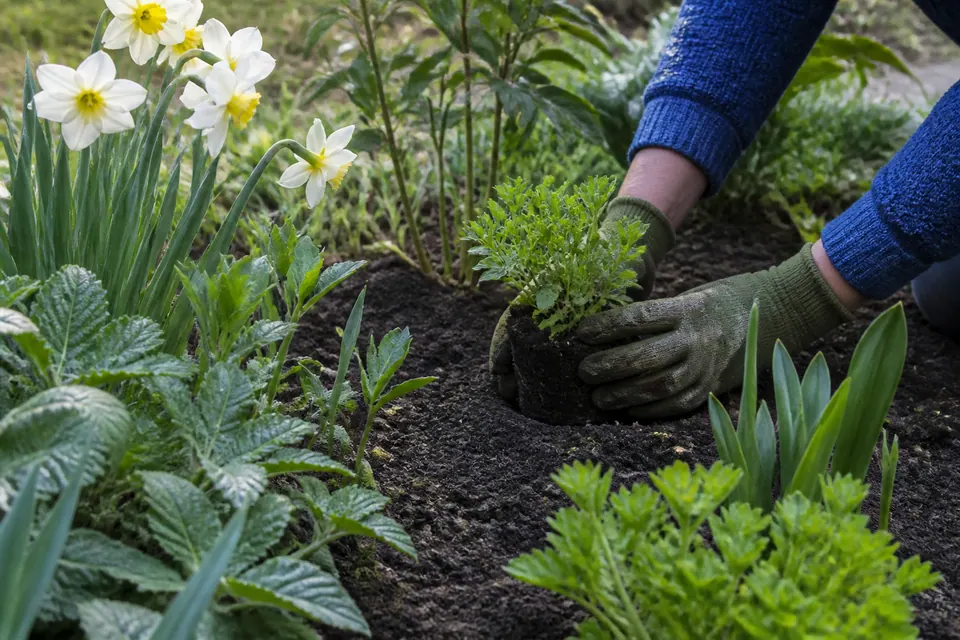
Spring
Fresh views help identify emerging plants that should not be removed as weeds.
Summer
Recent grass and shrub photographs show growth that an earlier visit record cannot capture.
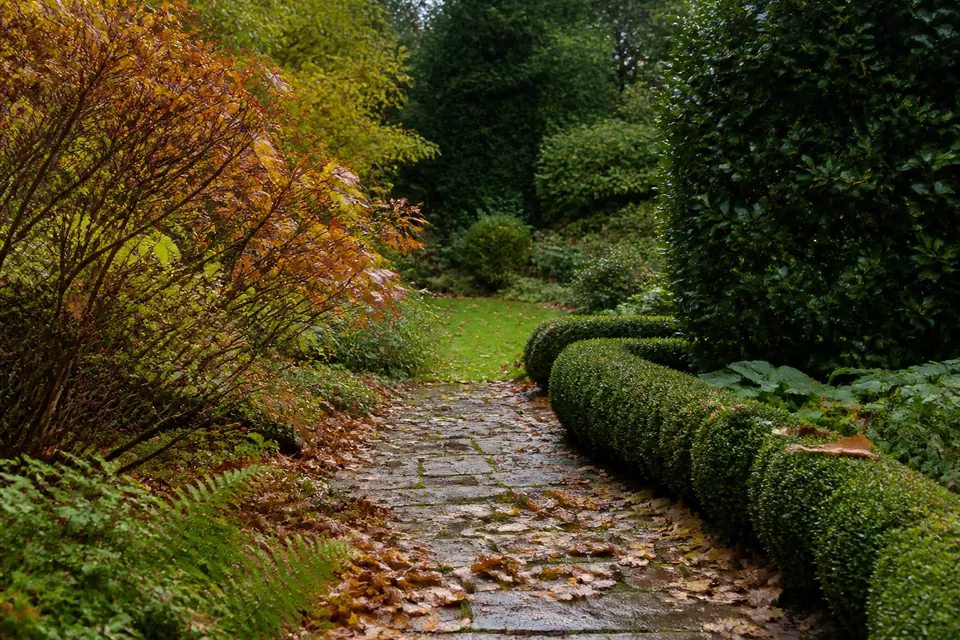
Autumn
Include accumulated leaves when updating the task list, rather than assuming only summer growth matters.
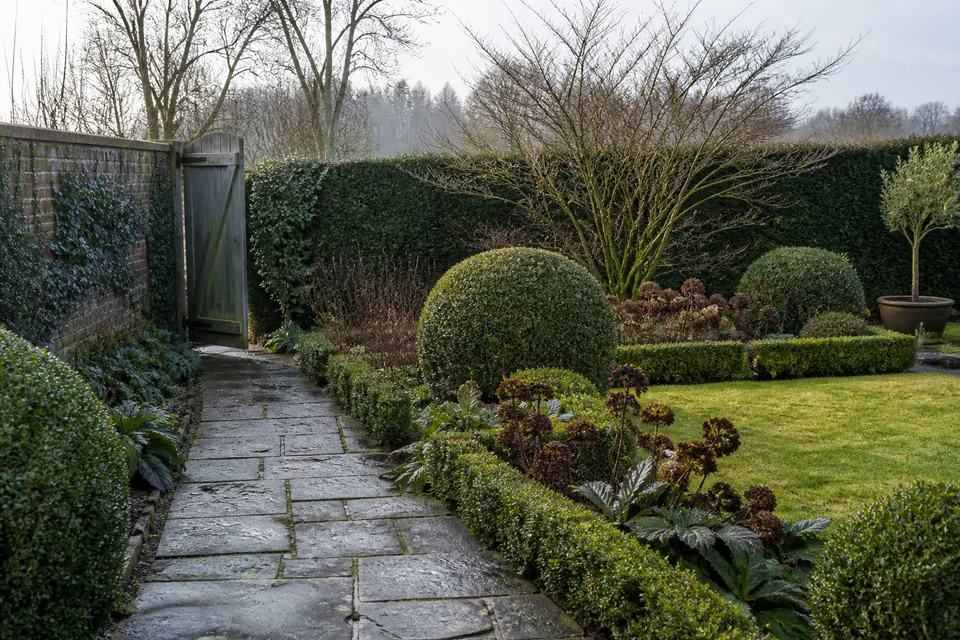
Winter
Ground and weather checks may require decisions different from those made remotely.
INFORMATION BEFORE ATTENDANCE
Prepare a brief another person can follow
Refresh the photographs
Label each area and identify exclusions clearly.
Name the contacts
Separate entry responsibility from authority over scope changes.
Check actual conditions
Resolve differences between the images and the garden before affected tasks.
Review agreed priorities
Keep outstanding items distinct from completed gardening.
Remote coordination does not expand the service
Alesta's routine gardening scope remains separate from landscaping, major tree work and specialist treatments, regardless of who supplies the instructions.
Read how Alesta plans gardening workPADDINGTON / ADDRESS AND ENTRY CONTACT
A map pin does not provide permission to enter
Confirm attendance at the full Paddington address and agree the authorised entry route. Supply relevant contact arrangements without assuming the property will be occupied.
Open Paddington in Google Maps ↗Gardening services near Paddington
REMOTE-BRIEF QUESTIONS
Coordinating Paddington gardening
Can someone else take the photographs for me?
Yes. Ask for current wide views, priority areas and the entrance, then label them before sending the consolidated brief.
What if the keyholder cannot approve extra work?
Make that limitation clear and nominate the authorised decision contact before attendance is arranged.
Should I number plants instead of guessing names?
Numbered photographs are useful when identity is uncertain. State which must remain and resolve unclear decisions before cutting.
Can instructions come from several messages?
Consolidate them where possible so later amendments and superseded requests are not confused with the final scope.
What if the garden has changed since the quote images?
Provide updated views and discuss the change. A materially different condition may need reassessment.
Is a tenant automatically the gardening decision-maker?
Do not assume so. Establish the appropriate authority and responsibilities for the particular arrangement.
Can disposal be left for someone else later?
If agreed, identify the holding place and responsible arrangement explicitly instead of leaving material handling undefined.
Does remote planning guarantee a date?
No. Address attendance, scope and availability must be confirmed before you rely on a particular appointment.
PADDINGTON / SEND A BRIEF THAT SPEAKS CLEARLY
Start with current views and one decision contact
Label the priorities and explain who can provide entry. Those details make a remotely coordinated enquiry easier to assess.
Call about coordinating your garden visitThe example scenes are illustrative, not remote inspection records of Paddington properties.
