
LEWISHAM / START WITH A DEFINED SECTION
Lewisham Garden Care with a Clear First Stage
An overgrown garden does not need an undefined promise to do everything. Identify what must remain, choose the first section to address and distinguish that initial task from any later maintenance.
- Draw a first-stage boundary
- Identify retained plants and structures
- List existing waste separately
- Define what should be visible when the stage ends
 GARDEN CARE / Lewisham
CHOOSE THE INITIAL OBJECTIVE
What should the first section achieve?
DEFINE BEFORE EXPANDING
Garden maintenance
Identify the first-stage boundary and intended endpoint. Keep later areas visible as future decisions, not assumed additions.
Read the routine-care scope ↗LEWISHAM / CHOOSE THE FIRST BOUNDARY
A stage should end somewhere you can identify
If your Lewisham garden contains several overgrown areas, use a photograph to mark the first section rather than describing the entire plot as one indistinct problem. Identify wanted plants, structures and belongings within it. Explain whether the aim is to reveal a route, reclaim a bed or remove listed vegetation. Later landscaping or planting decisions can remain separate; the initial scope needs its own practical endpoint.
02 / Record everything retained
03 / Define the stage's endpoint
ILLUSTRATING A BOUNDED CHANGE
A completed stage can leave later choices open
The example sequence is illustrative, not a Lewisham staged-clearance case study or promised timeframe.
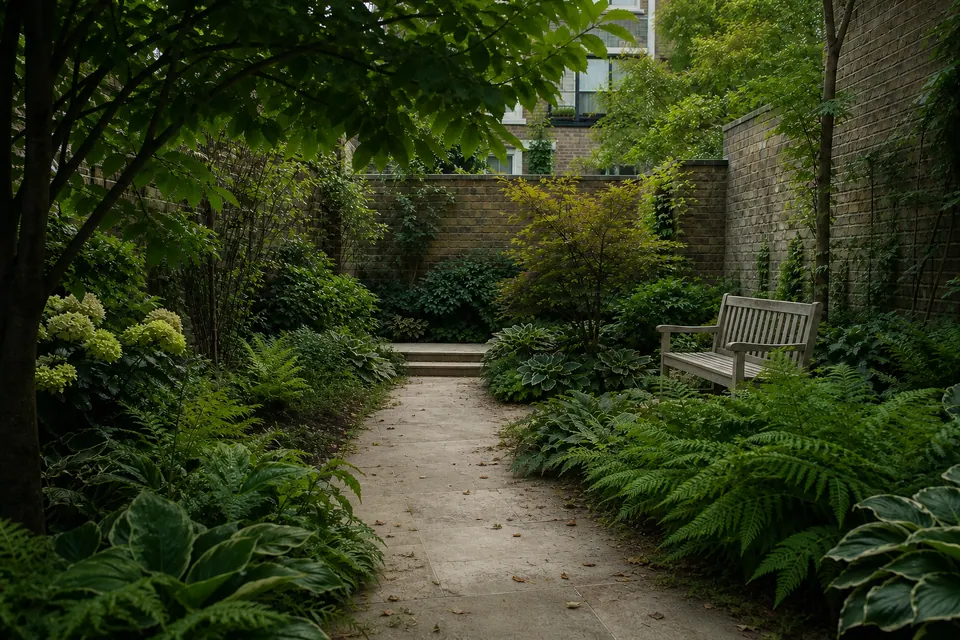
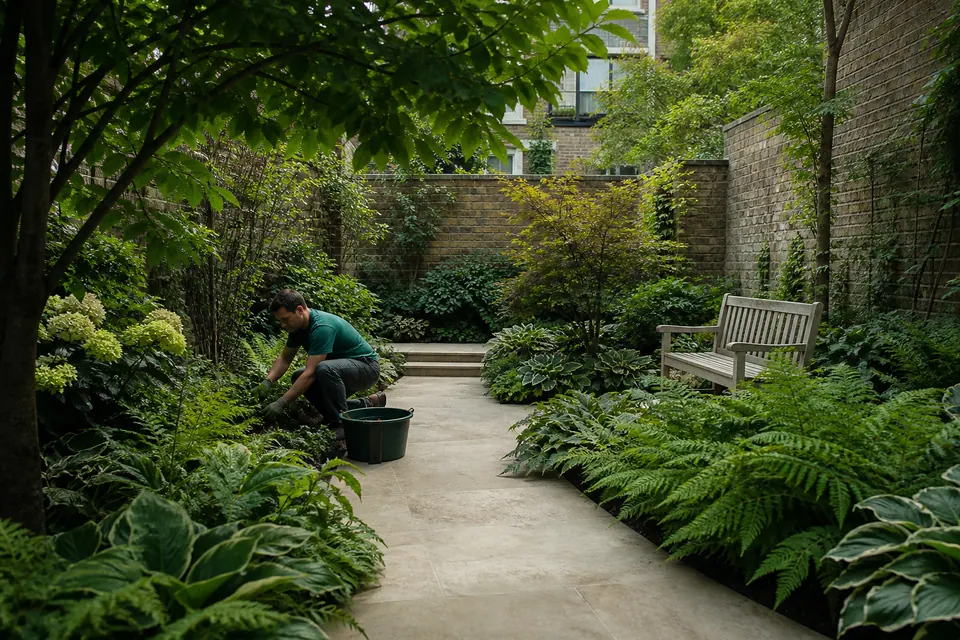
Choose the example area
The route and adjoining planting define the pictured focus.
Complete selected attention
Gathering debris and tending the border form the limited task.
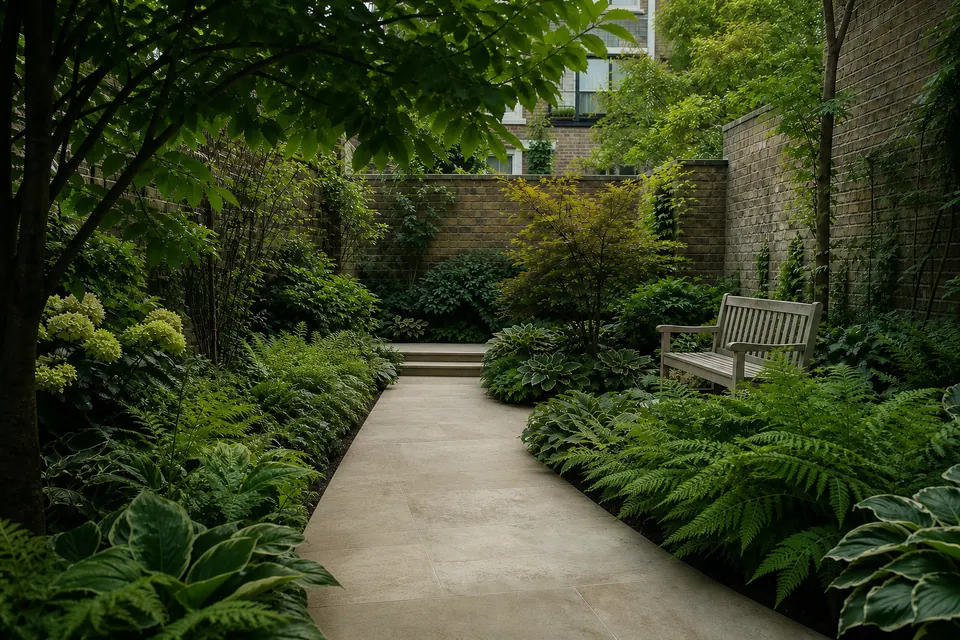
Review before extending
The clearer route does not imply a fully redesigned garden.
CLEARANCE AND UPKEEP ARE DISTINCT
Give each stage the correct service description
| Service | Stage objective | Scope to define |
|---|---|---|
| Garden maintenance | Maintain an already manageable section | Selected weeding and appropriate seasonal care |
| Lawn care | Attend to accessible grass | Suitable mowing and edges, not whole-plot restoration |
| Hedges & shrubs | Keep nominated shrubs in the plan | Agreed shaping separate from surrounding removal |
| Garden clearance | Reclaim the first overgrown section | Listed vegetation, waste handling and a practical endpoint |
PRICE THE SELECTED STAGE
A first-stage quote should say where it stops
ROUTINE GARDEN CAREAssessed for
Assessed for
the initial section.
Mark the boundary, retained features and existing waste. Confirm the total and disposal arrangement before assuming further sections can be added.
LIGHT GARDEN CLEARANCE£100–£300
The light-clearance guide is indicative for an assessed clearance category, not a fixed allowance for an entire staged project.
See clearance pricing| Service | Stage details needed | Guide |
|---|---|---|
| Routine garden maintenance | Manageable areas and separately requested upkeep | Quote after assessment |
| Lawn mowing & edging | Accessible grass extent and current condition | Quote after assessment |
| Hedge & shrub trimming | Retained shrub dimensions and suitable attention | Quote from photographs / assessment |
| Small green-waste collection | Identified green material and collection requirements | From £40 |
| Light garden clearance | The bounded section and its removal contents | Typically £100–£300 |
| Large overgrown garden | Density, extent and handling of substantial overgrowth | From £500 |
Later sections are later scope decisions
A quote for one part should not be treated as covering the rest of the plot. Discuss expansion explicitly, including additional material and the finish expected.
STAGING IS ABOUT SCOPE, NOT SHORTCUTS
Choose the right task for the first section
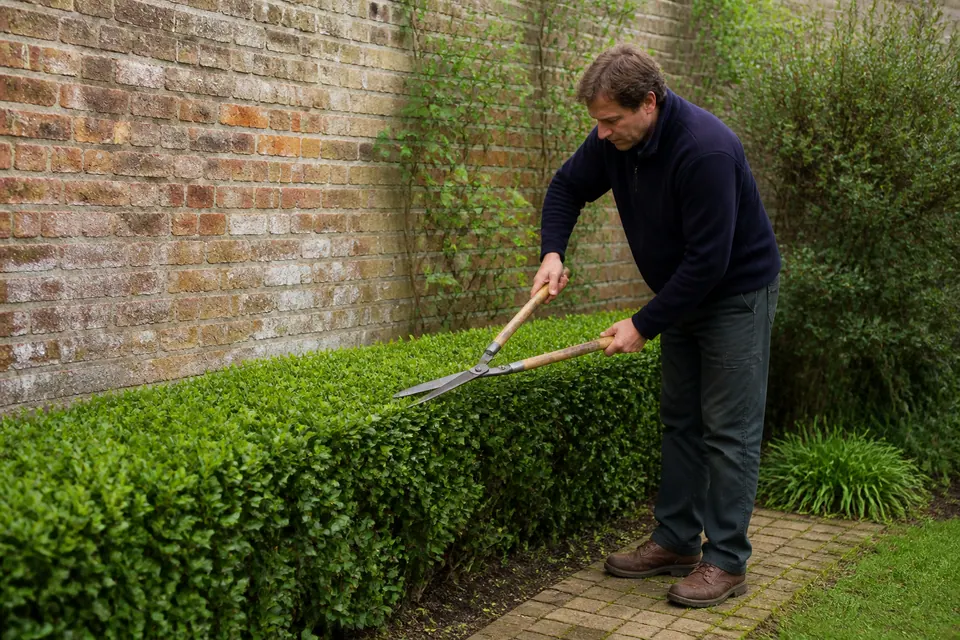
Hedges & shrubs
If grass is accessible and suitable for mowing, describe it independently of the heavier growth elsewhere.
Explore hedges & shrubs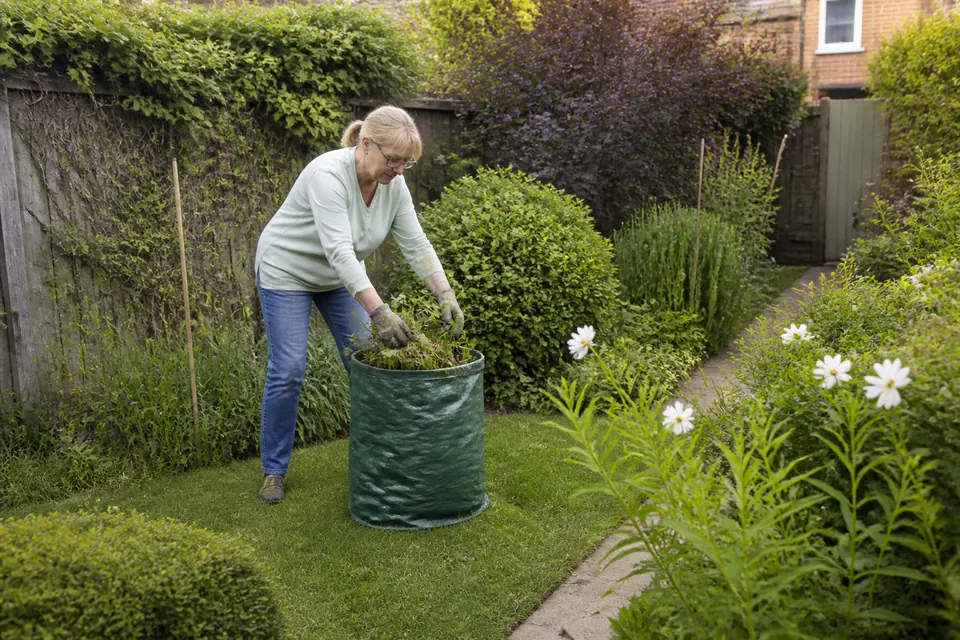
Garden clearance
Mark shrubs that should survive the initial attention and discuss any appropriate shaping separately.
Explore garden clearance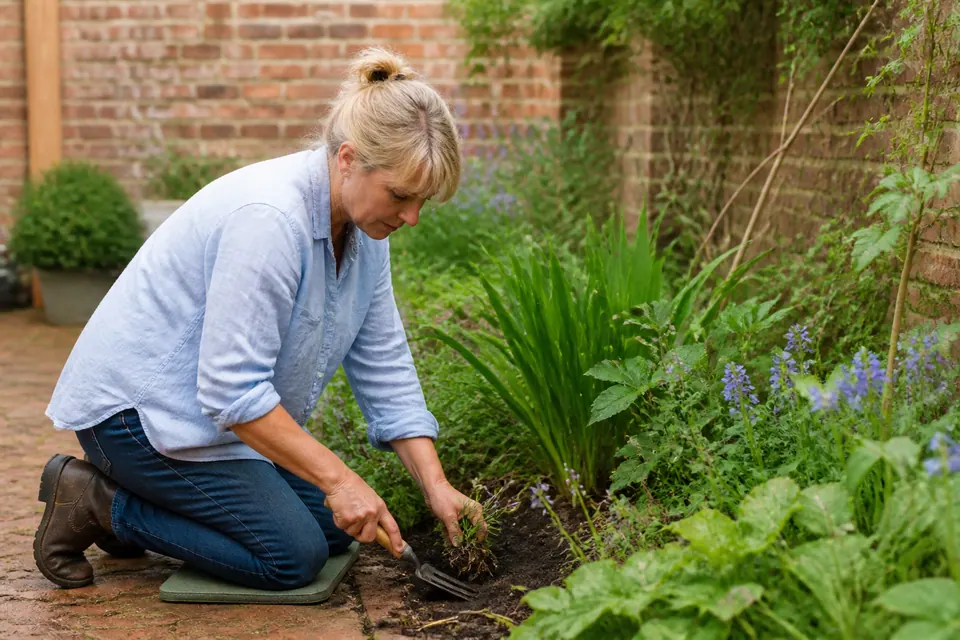
Garden maintenance
Define the section, unwanted growth and disposal requirements without assuming a landscaped finish at the end.
Explore garden maintenance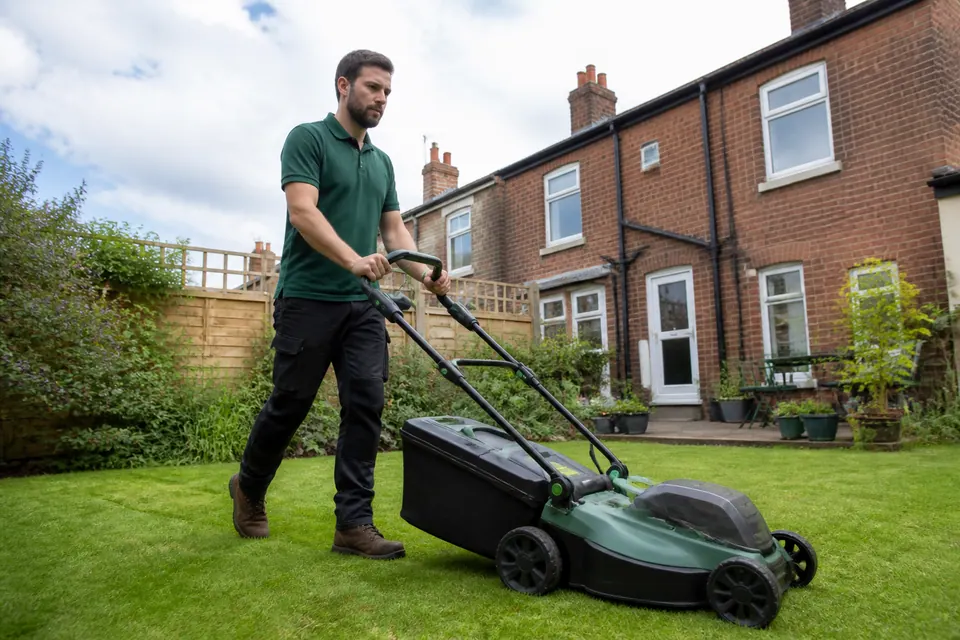
Lawn care
Routine border and seasonal care may follow a first stage, but should not be confused with substantial initial removal.
Explore lawn care- Work
- A bounded first stage and separately discussed upkeep
- Spaces
- Areas with clear authority over retained and removed items
- Visits
- A defined intervention with later stages considered separately
- Area
- Lewisham address attendance checked before confirmation
- Price
- Assessment of the selected section and removal scope
SEPARATE THE PLOT INTO DECISIONS
Not every area needs the same intervention
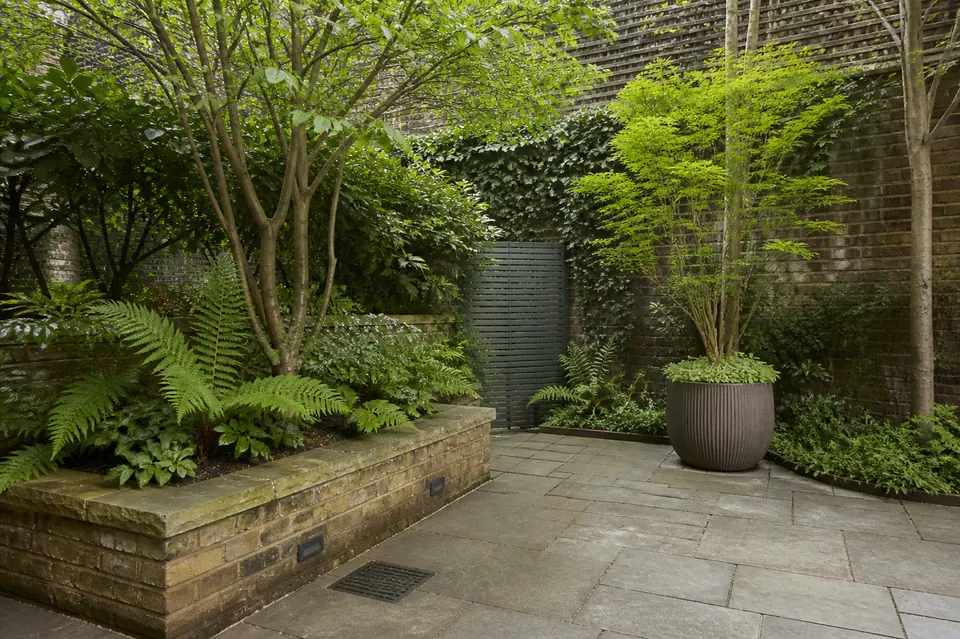
Accessible grass
Identify ordinary mowing needs outside the heavier section.
Shrubs to retain
Mark them before surrounding vegetation is considered for removal.
A bed to reclaim
Distinguish wanted plants from the selected unwanted growth.
A route to reveal
State whether the goal is vegetation removal, not new paving.
Existing and generated waste
List both so the first-stage handling is understood.
THE STAGE MUST STILL SUIT CONDITIONS
A sequence cannot override plant needs
Retained planting, ground condition and timing influence which tasks are appropriate within the selected area.
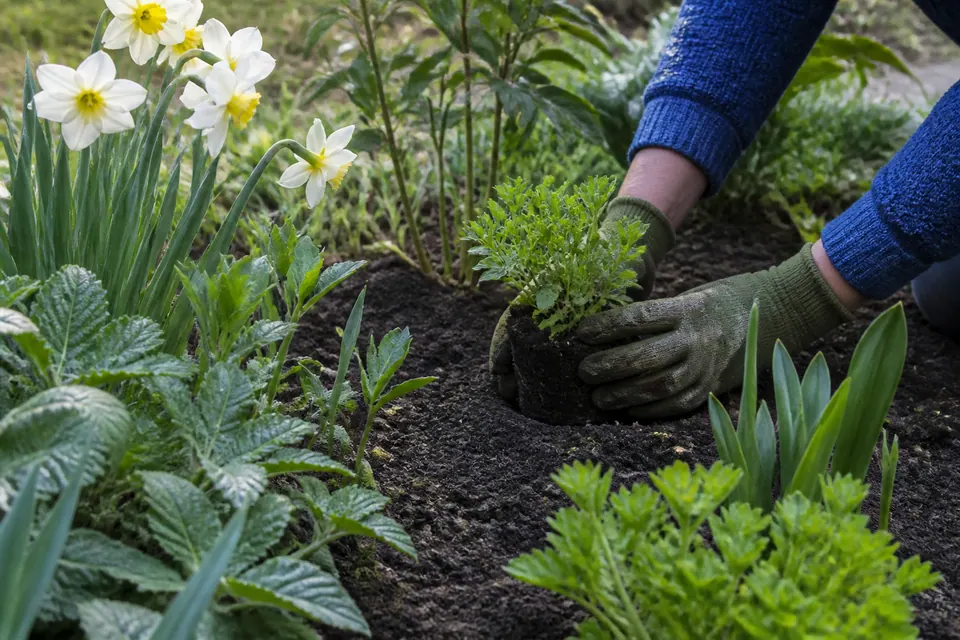
Spring
Identify emerging plants before clearing a bed that appeared empty earlier.
Summer
Review suitable cutting and retained growth rather than relying on a blanket removal instruction.
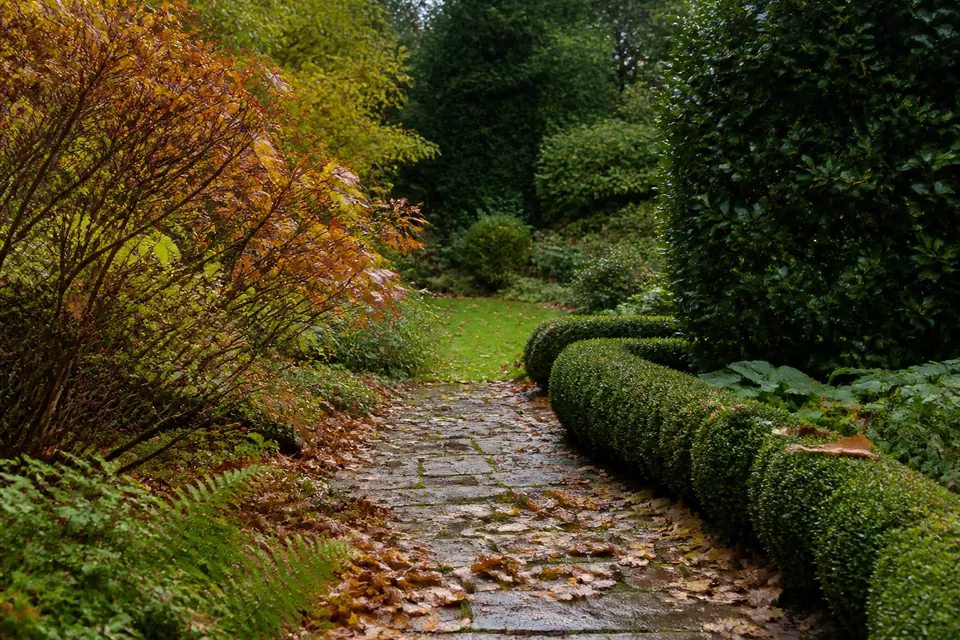
Autumn
Include accumulated leaves in the material plan without assuming all standing plants should disappear.
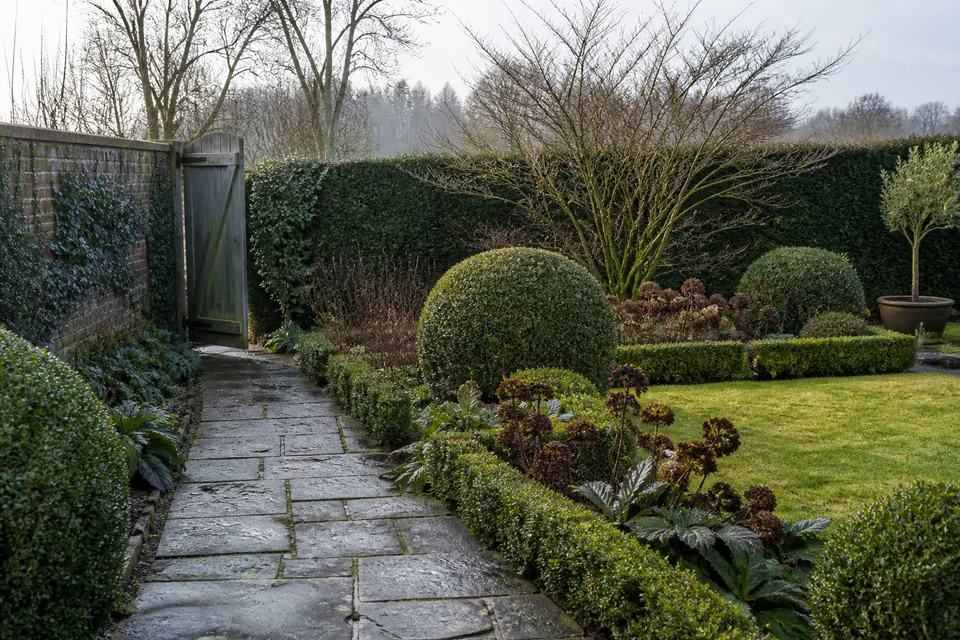
Winter
Ground limitations may require revising the sequence or immediate priorities.
A FIRST INTERVENTION AND WHAT FOLLOWS
Keep the stages distinct from the upkeep plan
| Visit choice | One-off gardening | Regular maintenance |
|---|---|---|
| Best for | Reclaiming the specifically agreed section | Supporting areas suitable for ordinary upkeep |
| Frequency | An individually assessed stage | A later reviewed maintenance arrangement |
| Scope | Removal boundary, retained features and endpoint | Defined ongoing tasks without assumed heavy clearance |
FIRST-STAGE CHECK
Keep the endpoint visible
- Can only one bed be reclaimed initially?
- Mark its boundaries and identify what should remain within it.
- Does staging imply a guaranteed number of visits?
- No. The actual scope and conditions require assessment.
- Can the first visit have a narrow objective?
- A clear bounded objective is useful for discussing the initial task.
- When does routine upkeep begin?
- Discuss it separately for areas ready for ordinary maintenance.
- Are pre-existing piles included automatically?
- List them explicitly so the removal assessment includes them if agreed.
- Will the cleared section be landscaped?
- A practical clearance finish does not imply redesign or planting.
- Can a retained shrub stay inside the section?
- Identify it clearly and discuss suitable work around it.
BOUNDARY, RETENTION, CONDITIONS, ENDPOINT
Make the first section understandable
Draw the stage boundary
Use a labelled photograph to show where attention stops.
Mark retained features
Include plants, structures and belongings in the keep list.
Check before removal
Actual conditions may change suitable cutting or handling.
Review the agreed stage
Decide later priorities without silently expanding the completed scope.
A clearance stage is not a complete restoration package
Alesta's gardening scope distinguishes ordinary care from substantial specialist operations and landscaping. Keep future ambitions separate from the agreed initial intervention.
Read how Alesta plans gardening workSTAGED-GARDEN QUESTIONS
Planning an initial Lewisham gardening stage
How should I mark a section without a physical border?
Use a labelled photograph and fixed landmarks so the intended stopping point is clear.
Can later planting remain undecided?
Yes. Keep the initial removal or upkeep objective separate from future planting decisions.
What if I discover a wanted plant within the overgrowth?
Identify it before affected work proceeds and clarify how the retained feature changes the task.
Does the light-clearance guide cover every first stage?
No. It is a guide for its stated category; the actual section and material require assessment.
Can grass elsewhere be mown during the same appointment?
List that additional task beforehand so equipment, time and scope can be considered together.
Will all non-plant objects be removed from the section?
Not by assumption. Distinguish belongings and other material from the authorised green-waste list.
Can a stage finish with the existing layout retained?
Yes. Describe the practical endpoint without implying new surfaces, structures or replacement planting.
What if the next section proves more demanding?
It needs its own assessment rather than being priced or timed from the first section automatically.
LEWISHAM / ROUTE TO THE FIRST SECTION
Confirm where the initial work can be reached
Check attendance for the full Lewisham address and show the approach to the selected section. Explain the outward route for material as well as the entrance.
Open Lewisham in Google Maps ↗Gardening services near Lewisham
LEWISHAM / START WITH A CLEAR BOUNDARY
Which section should come first?
Mark the initial area, what stays and the endpoint you want to discuss. Leave later stages as explicit future decisions.
Call about a defined first-stage briefThe scenes illustrate gardening and do not document Lewisham staged-clearance results.
