
Lawn & edges
Request the relevant grass edge, including places equipment may not reach.
Barnet / GARDEN PLANNING
Start with the route you use every day: from the door to the gate, a seat or another part of the garden. Describe what affects that route before listing the surrounding tasks.
BUILD A USEFUL BRIEF
A STARTING POINT
Choose the planting or growth concern that affects the route. A practical tidy does not replace assessment of damaged surfaces or a separate repair request.
Read the service scope ↗READ YOUR GARDEN
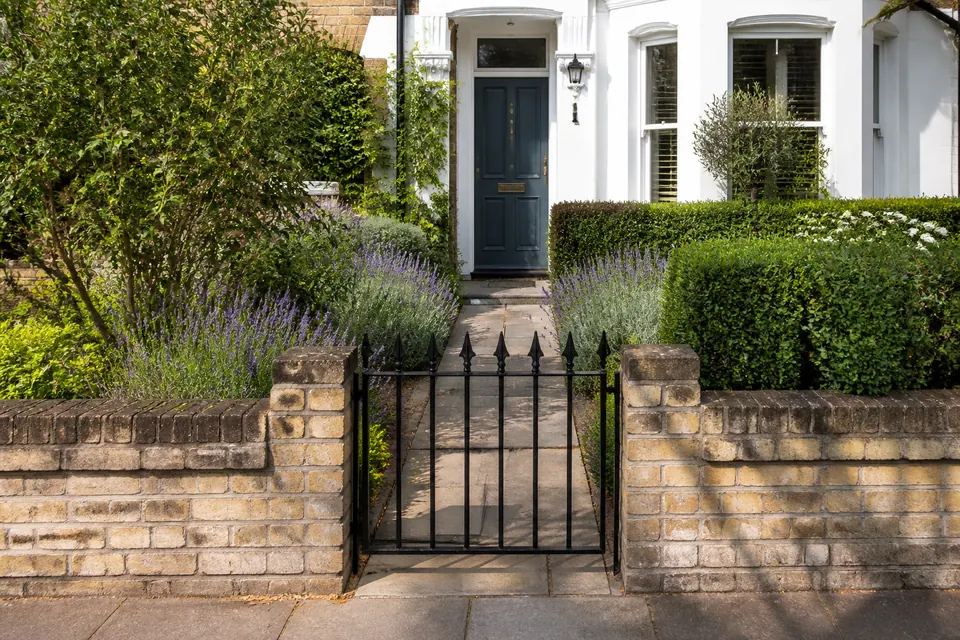
Request the relevant grass edge, including places equipment may not reach.
Show woody growth beside the path and explain the desired outcome for assessment.
Identify plants to retain where borders meet the walking route.
Describe loose material separately from uneven or damaged paving.
Specify where gathered vegetation should go rather than leaving it on another route.
Barnet / YOUR GARDEN BRIEF
For a Barnet property, photographs taken along a path can explain a concern more clearly than a view from above. Show where planting narrows the way and identify what should be retained. Distinguish vegetation and loose debris from broken paving or changes to levels. Gardening may address the agreed growth, but it should not be described as repairing the route or guaranteeing accessibility standards.
PRICE THE WORK, NOT THE POSTCODE
Include views of the path and its neighbouring planting. The length alone does not show the density or the work required.
The published light-clearance range does not price paving repairs or establish a path-access guarantee.
See clearance pricing| Service | Pricing basis | Guide |
|---|---|---|
| Routine garden maintenance | Border condition and requested tasks | Assessment of the stated priorities |
| Lawn mowing & edging | Reachable grass and edge requirements | Assessed mowing scope |
| Hedge & shrub trimming | Growth dimensions and working access | Photograph-based assessment |
| Small green-waste collection | Gathered green volume and loading route | From £40 |
| Light garden clearance | Nominated vegetation and disposal | Typically £100–£300 |
| Large overgrown garden | Scale of the specified overgrowth | From £500 |
A short route with dense planting can need more attention than a longer open edge. Carrying arrangements, retained features and any requested materials should be discussed before the total is confirmed.
CHOOSE THE WORK
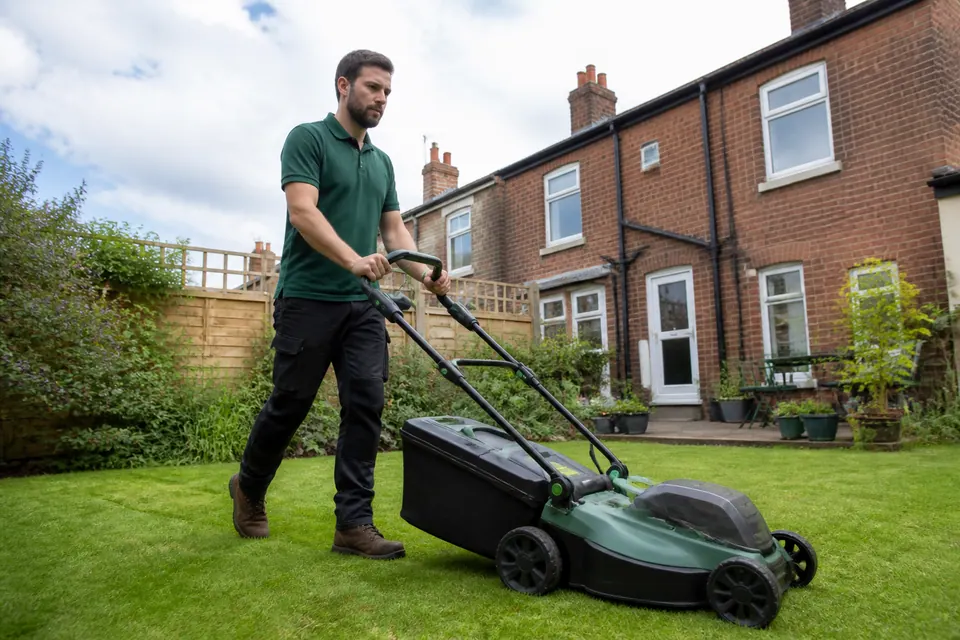
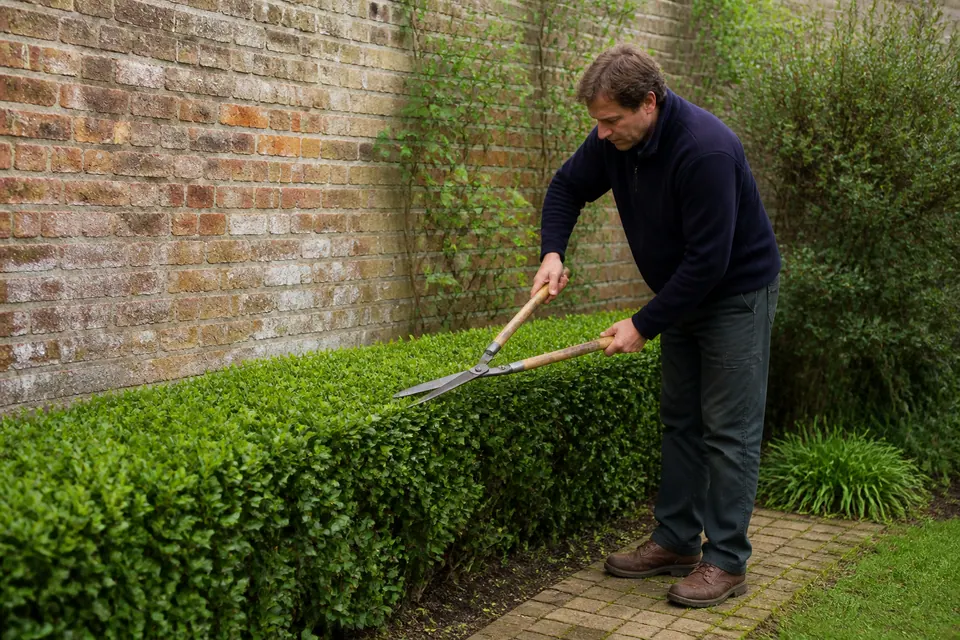
Describe encroaching growth and ask what reduction, if any, is suitable.
Explore hedges & shrubs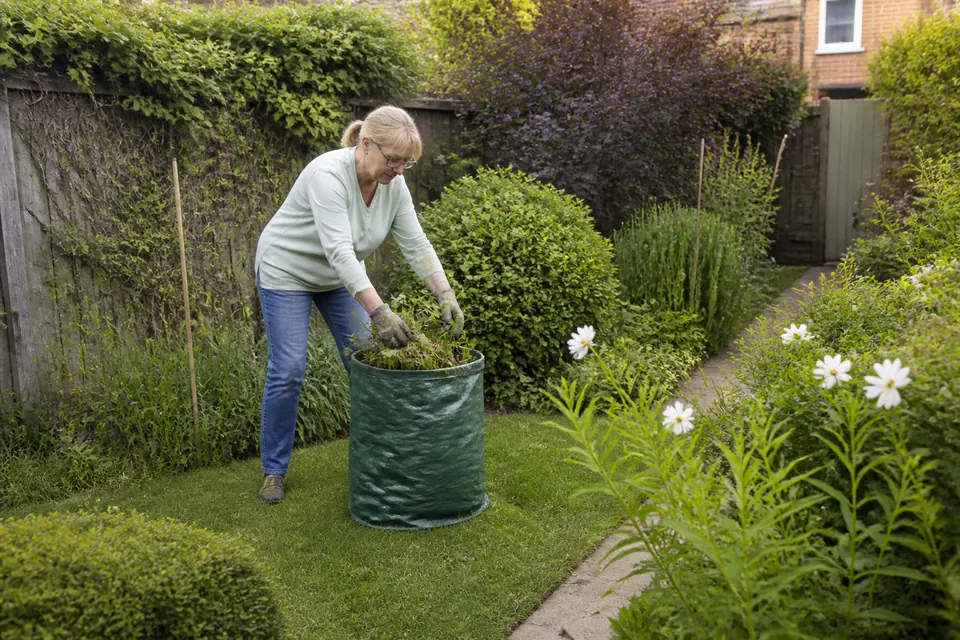
Identify a nominated overgrown section rather than requesting unrestricted removal.
Explore garden clearance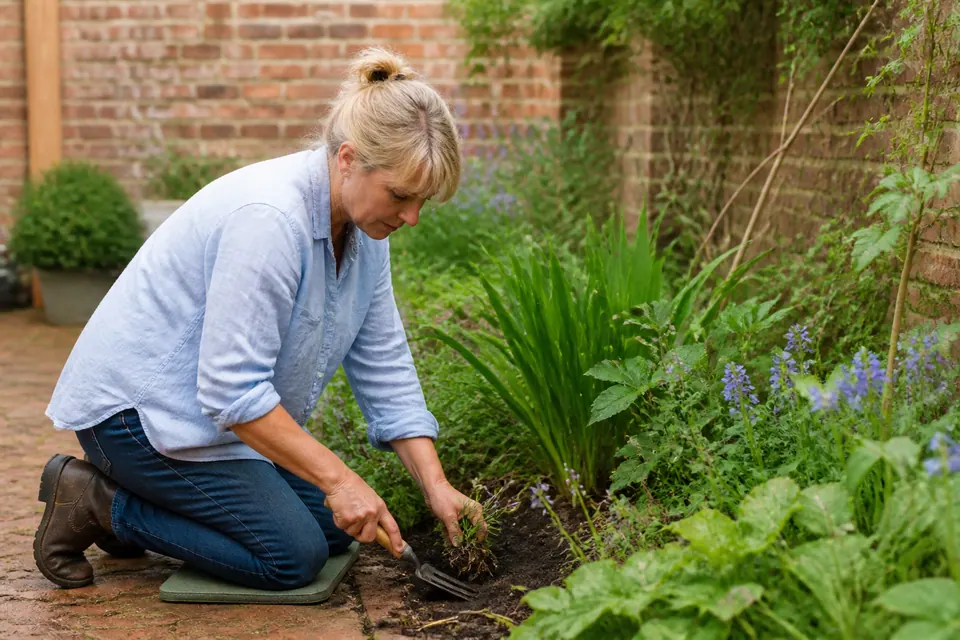
List the border attention that affects the path you use.
Explore garden maintenanceA LIVING SPACE, NOT A FIXED CHECKLIST
The route may remain the priority even when the suitable gardening tasks change.
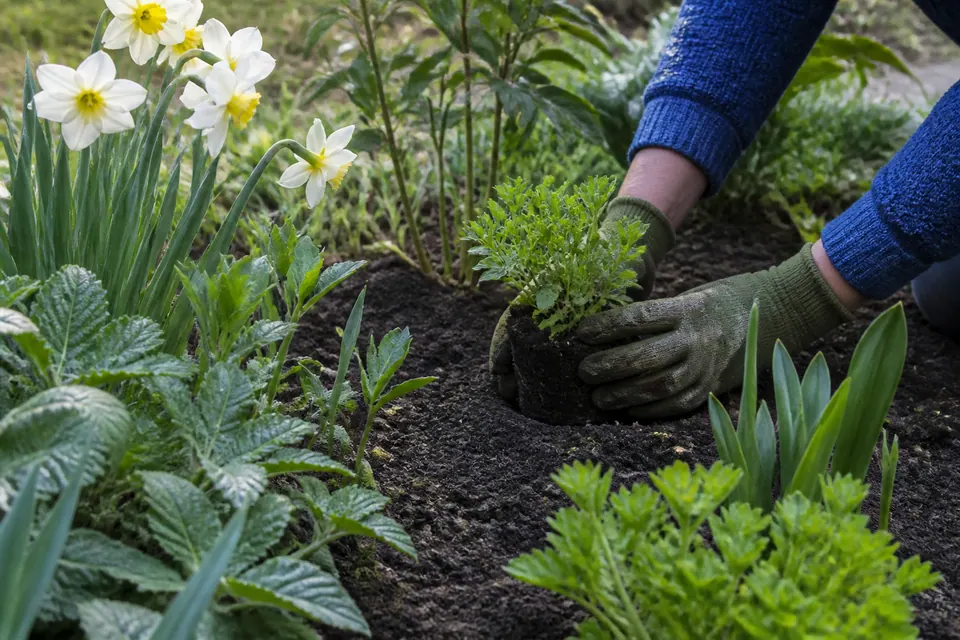
Review emerging growth beside the path and mark plants you want retained.
Describe grass edges and planting that extend into the usable route.
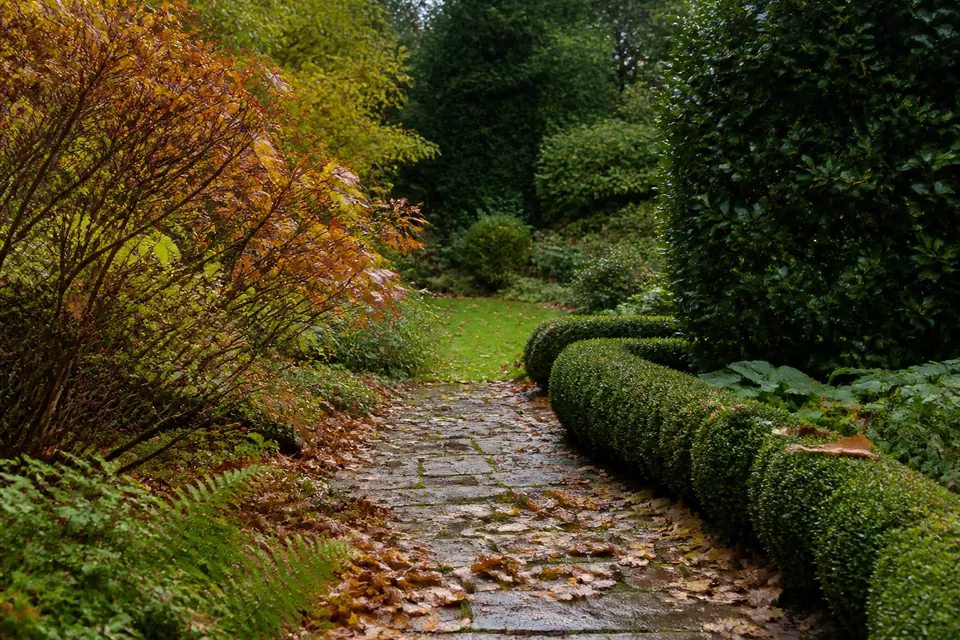
List leaf gathering where it is requested and agree where the material goes.
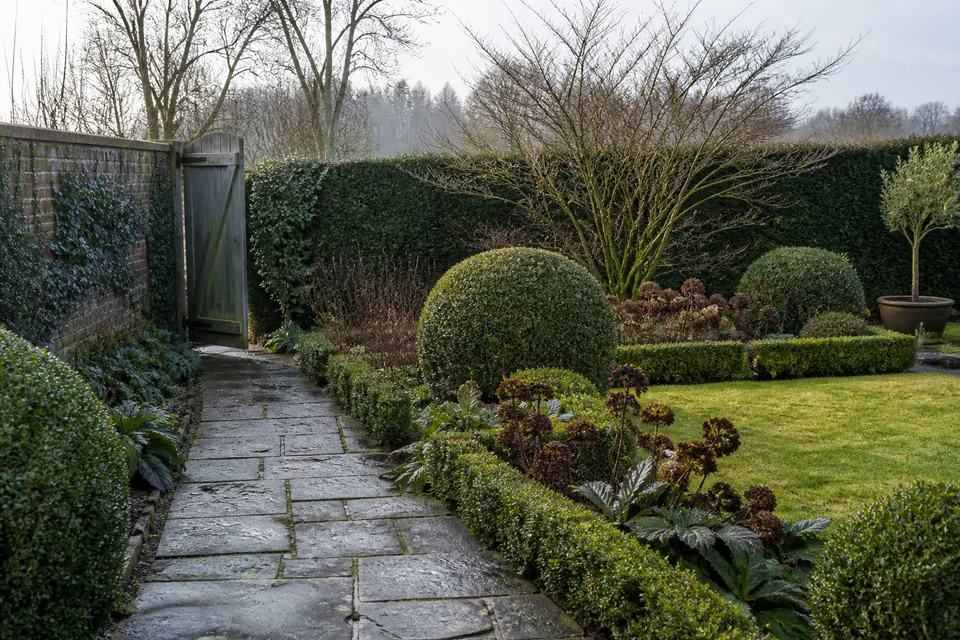
Distinguish seasonal debris from surface defects that gardening does not resolve.
FROM OVERGROWTH TO EVERYDAY USE
This illustrated courtyard demonstrates limited tidying, not a certified access improvement or a completed Barnet job.
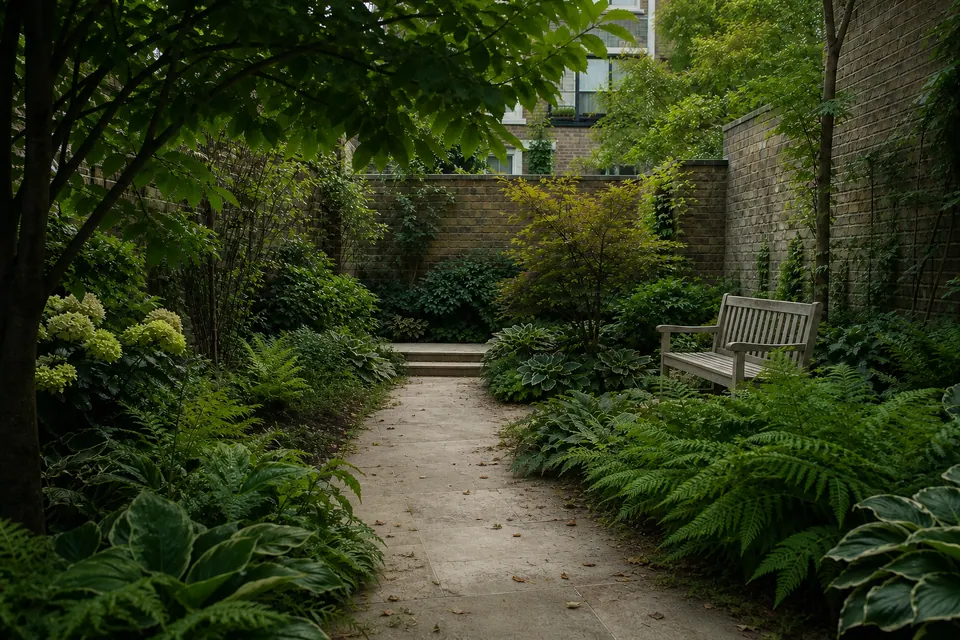
Loose material makes the existing path less distinct in the illustration.
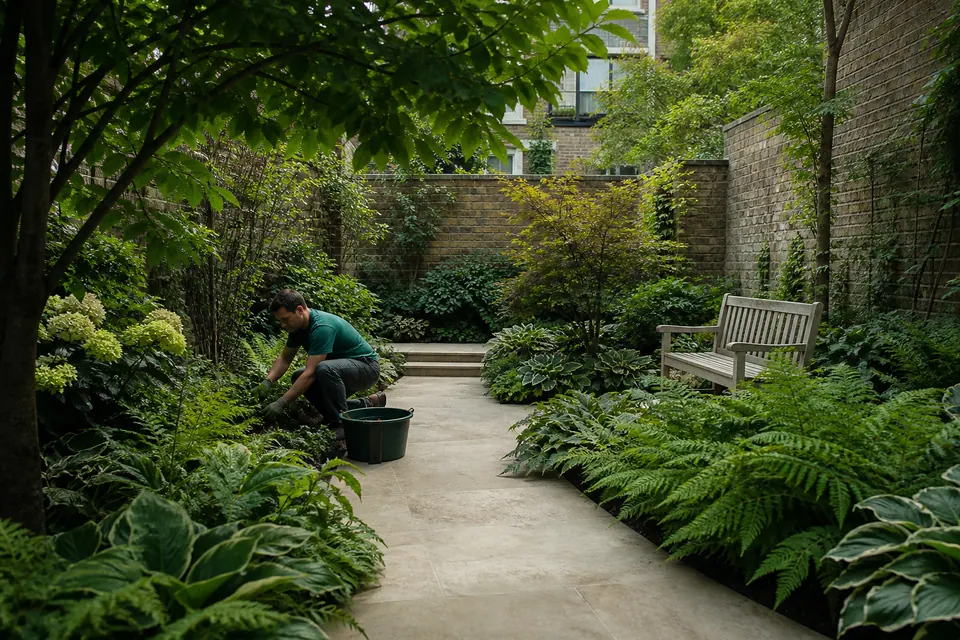
Attention stays with the border and debris rather than rebuilding the surface.
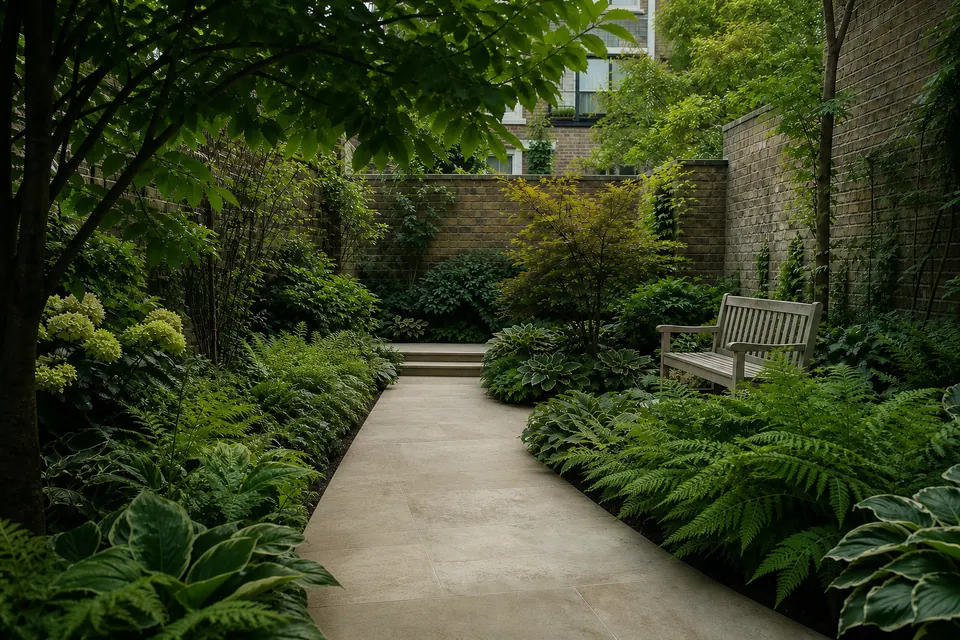
The same route is clearer to see; the example does not promise repair or a particular access standard.
QUICK ANSWERS
A RESET OR A ROUTINE?
| Visit choice | One-off gardening | Regular maintenance |
|---|---|---|
| Best for | A named route and its present planting concerns | Ongoing care of specified bordering areas |
| Frequency | One defined appointment | A separately confirmed upkeep arrangement |
| Scope | Current tasks beside the route | Review of returning growth and changing priorities |
AT A GLANCE
| Service | Best suited for | Typical work |
|---|---|---|
| Garden maintenance | Borders beside frequently used routes | Defined weeding and seasonal tidying around retained plants |
| Lawn care | Grass adjoining a path | Suitable mowing and requested edge attention |
| Hedges & shrubs | Woody growth beside the way | Assessed trimming within agreed plant-aware limits |
| Garden clearance | A specified overgrown section | Named vegetation removed within the approved scope |
HOW THE VISIT COMES TOGETHER
Take views along the route, including its starting point and any narrow sections.
Identify which concerns are plants or loose material and which relate to the surface itself.
Mark valued planting so the requested outcome does not imply indiscriminate removal.
Review the included tasks and keep additional repair or redesign requests separate.
Alesta’s gardening scope covers agreed maintenance, not a promise to make every route compliant, safe in every condition or structurally sound. Describe those separate concerns directly rather than relying on a general tidy.
Read how Alesta plans gardening workBEFORE ARRANGING WORK
That can help show encroaching growth and the way it connects to the entrance. Include the narrowest section clearly.
Mark them and explain the desired outcome. Appropriate work should be assessed rather than assuming removal is the only option.
No. A surface defect is a separate issue and should not be included implicitly in vegetation maintenance.
Yes, describe that route and the nearby planting needing attention, with other areas separately ranked.
Not automatically. Washing is a different request from gathering debris or attending to growth.
Raise this in the brief and agree a suitable destination or removal arrangement before the work.
No such guarantee is established by a gardening visit. Explain the concern and keep any design, surface or access-standard assessment separate.
Identify the person authorising work and the section covered, along with any planting that must remain untouched.
Barnet / LOCATION CONTEXT
Include the full Barnet address and the entrance leading to the priority route. Confirm attendance and permission for any shared approach before making arrangements.
Open Barnet in Google Maps ↗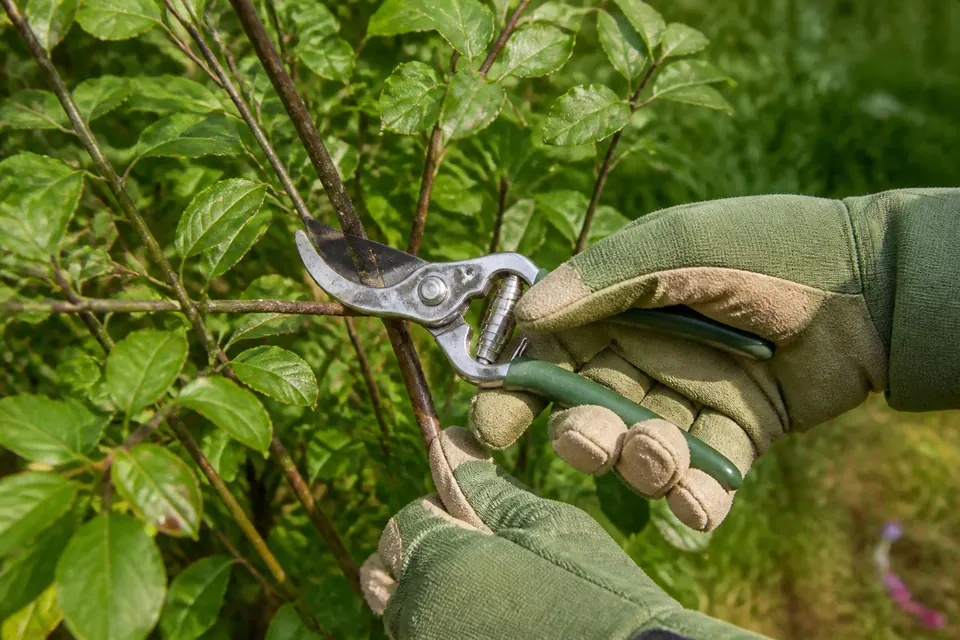
Barnet / NEXT STEP
Show the route and the planting beside it. We can discuss the gardening tasks while keeping surface repairs and redesign outside the maintenance brief.
Plan the path-side tasksIllustrative garden scenes; not photographs of Alesta customer jobs.
