
Lawn & edges
Show accessible grass without assuming clearance will restore its underlying condition.
Romford / GARDEN PLANNING
An overgrown garden can be easier to discuss when the first goal is limited and practical. For Romford, identify the section you most need to reach before deciding what a wider reset should involve.
BUILD A USEFUL BRIEF
A STARTING POINT
A clearance enquiry becomes more useful when it names an achievable stopping point. Select the closest category and explain the section, retained features and desired access.
Read the service scope ↗READ YOUR GARDEN
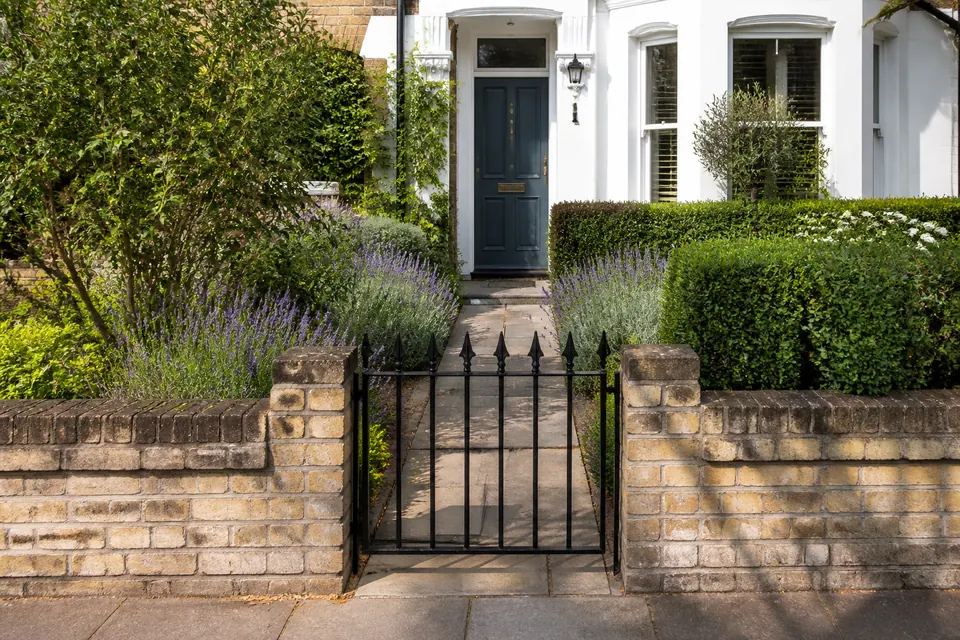
Show accessible grass without assuming clearance will restore its underlying condition.
Mark hedges that should remain as boundaries rather than joining the removal list.
Identify valued planting or ornaments that may be concealed in the selected area.
Describe the existing route you want reopened, distinguishing it from a new path.
List old piles separately from the fresh material the first stage will generate.
Romford / YOUR GARDEN BRIEF
If growth obscures a Romford garden, choose an initial endpoint such as reaching a retained bed or reopening an existing route. Describe hidden features as far as you know them, without entering unsafe areas to investigate. Later planting, surface repairs and layout changes can remain separate decisions once the actual condition is clearer.
PRICE THE WORK, NOT THE POSTCODE
Send safe overview photographs and mark the proposed boundary. Describe known obstacles and material already present.
Light clearance is typically £100–£300 in the published guide; the assessed stage may not fall into that category.
See clearance pricing| Service | Pricing basis | Guide |
|---|---|---|
| Routine garden maintenance | Later upkeep requirements after the reset | Maintenance assessed as a separate brief |
| Lawn mowing & edging | Accessible grass and its actual condition | Mowing priced after review |
| Hedge & shrub trimming | Retained growth and suitable reduction | Individual trimming assessment |
| Small green-waste collection | Existing collected volume and loading route | From £40 |
| Light garden clearance | Extent of the first defined removal stage | Typically £100–£300 |
| Large overgrown garden | Dense growth, retained features and disposal loads | From £500 |
Large overgrown gardens start from £500 in the source guidance. Neither figure guarantees a landscaped finish. Density, handling and disposal must be understood before the stage has an agreed total.
CHOOSE THE WORK
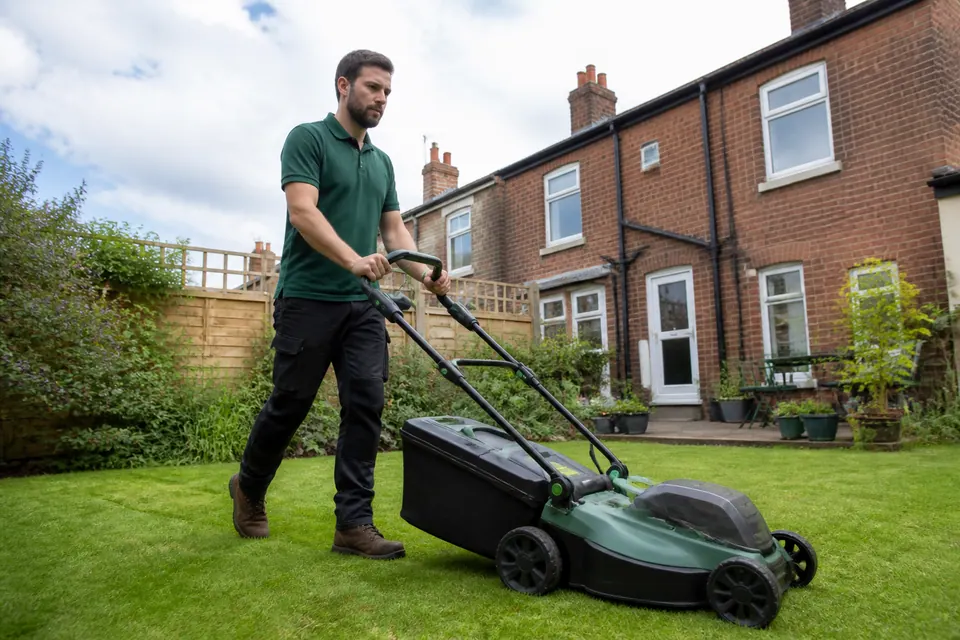
Grass may need assessment after surrounding growth is addressed; a reset does not promise instant lawn recovery.
Explore lawn care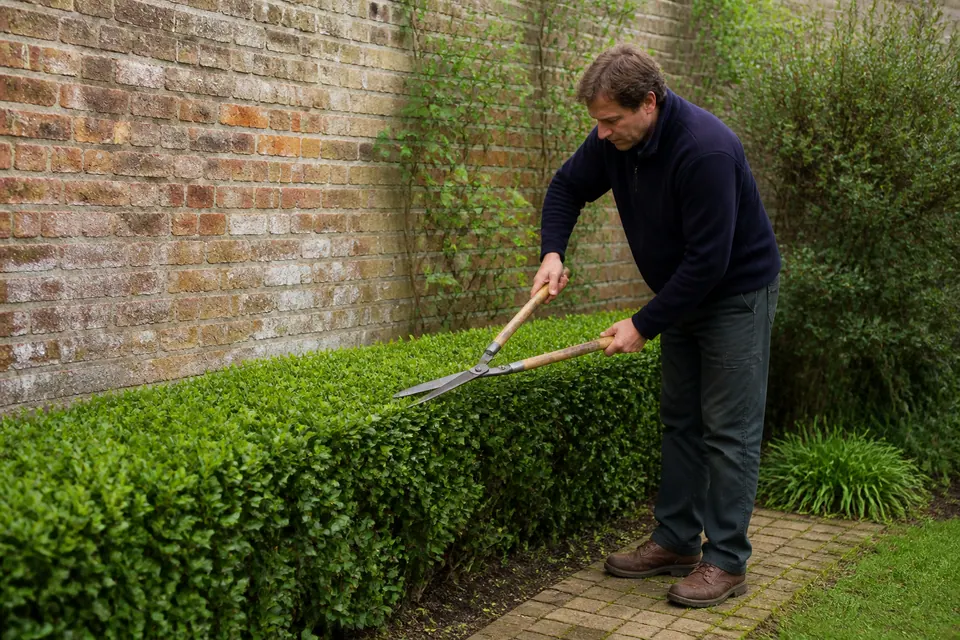
Identify retained boundaries before discussing which encroaching sections might suitably be reduced.
Explore hedges & shrubs
Define the first area to reopen and the material to remove instead of requesting an unspecified total transformation.
Explore garden clearance
Later upkeep can build on a cleared section, with a new brief reflecting what remains and how it grows.
Explore garden maintenanceA LIVING SPACE, NOT A FIXED CHECKLIST
Splitting work into stages does not override plant suitability, nesting activity or ground conditions at each appointment.

New growth may reveal retained planting that changes the initial removal boundary.
Recheck the selected section if vigorous growth alters the earlier photographs.
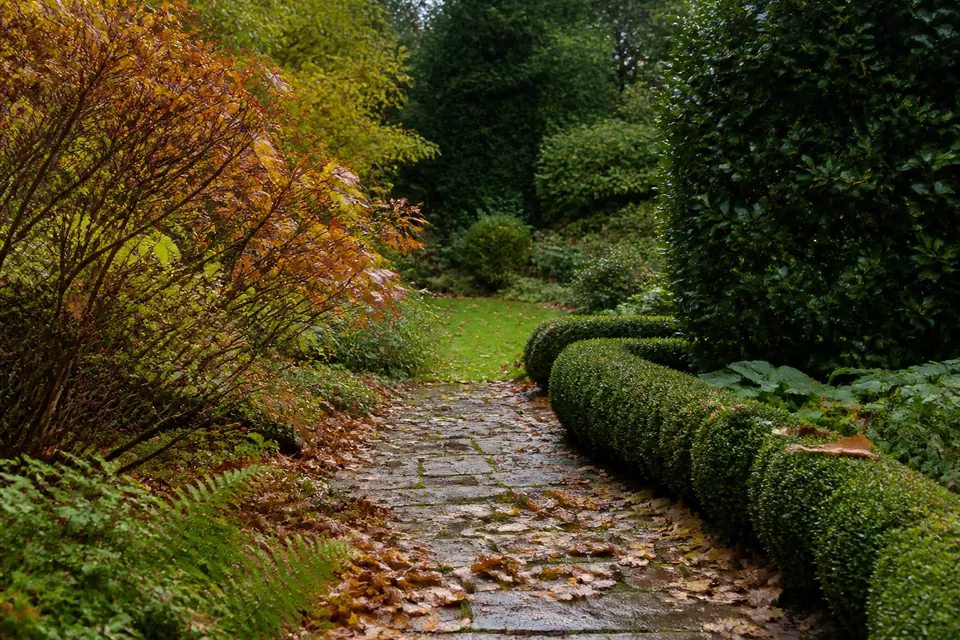
Separate leaf accumulation from the denser growth driving the clearance request.
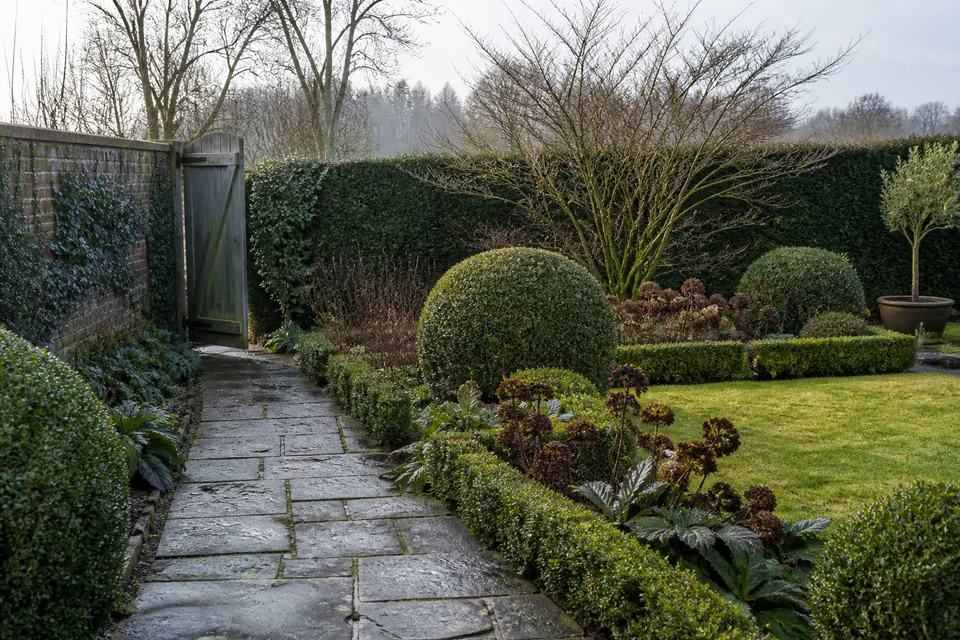
Use unsuitable ground as a reason to reassess timing, not force the sequence.
FROM OVERGROWTH TO EVERYDAY USE
The scenes illustrate stages in one garden setting, not a Romford clearance project or an assured transformation.
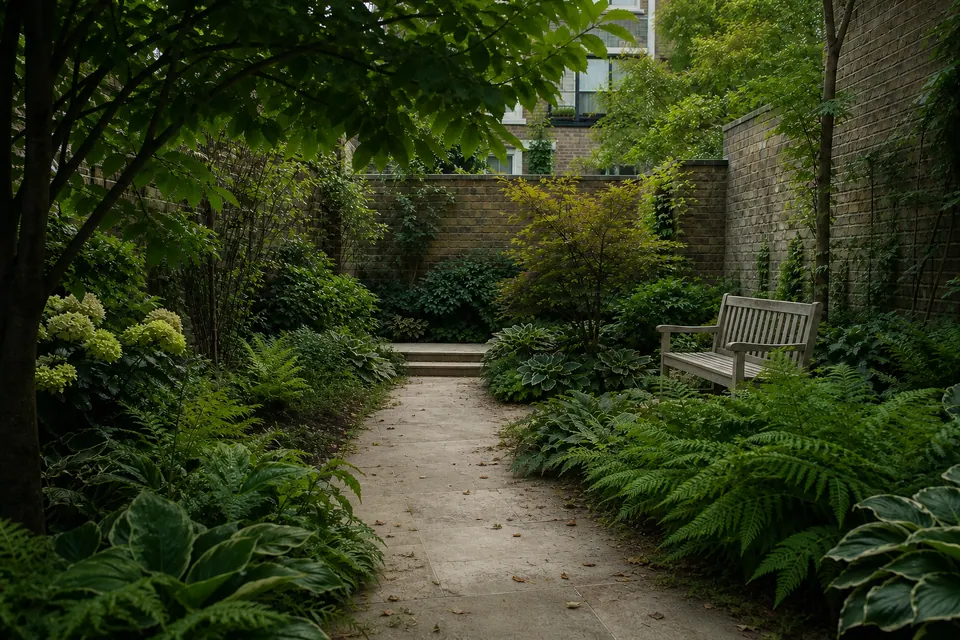
The first image helps explain why current condition must be shown honestly.
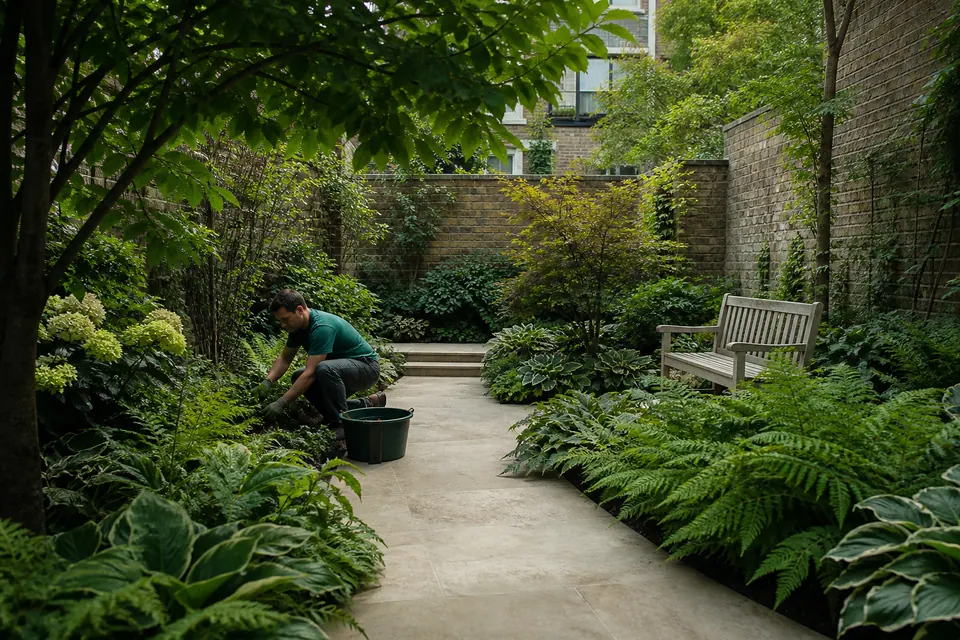
The working scene suggests selective intervention around features that remain in place.
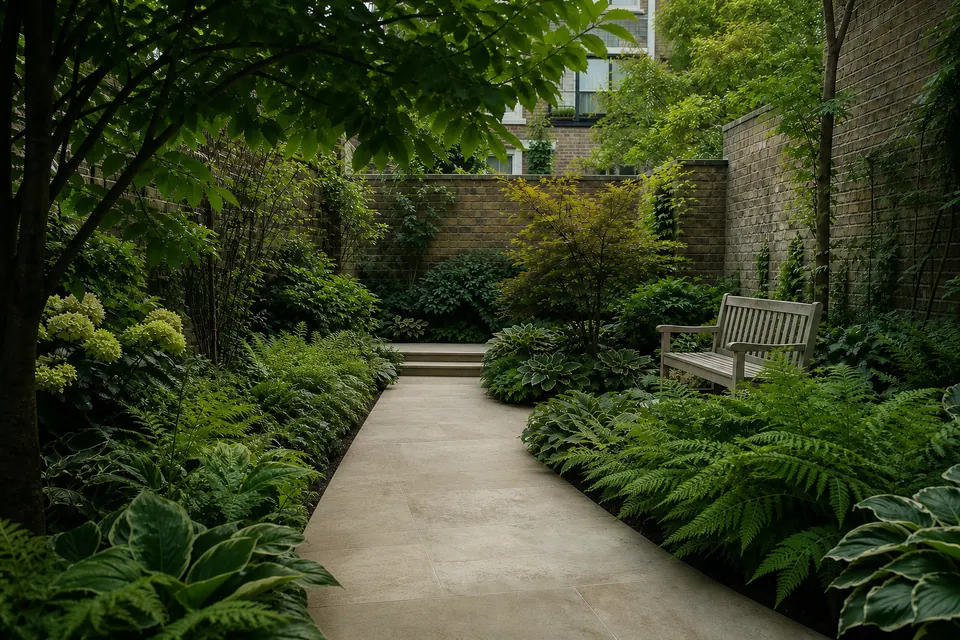
A clearer section is an outcome to discuss, not proof of restored landscaping.
QUICK ANSWERS
A RESET OR A ROUTINE?
| Visit choice | One-off gardening | Regular maintenance |
|---|---|---|
| Best for | Open a chosen section with an agreed limit | Care for the areas retained after clearance |
| Frequency | An individually arranged stage | A later plan based on observed regrowth |
| Scope | A clear stopping point and disposal scope | Review of remaining plants and manageable priorities |
AT A GLANCE
| Service | Best suited for | Typical work |
|---|---|---|
| Garden maintenance | Care after a defined section becomes manageable | A later upkeep brief based on remaining growth |
| Lawn care | Grass needing attention within an accessible area | Assessed mowing rather than promised renovation |
| Hedges & shrubs | Retained shrubs near the clearance boundary | Suitable selective trimming, not blanket removal |
| Garden clearance | A specified overgrown section | Agreed cutting, listed material and a practical tidy |
HOW THE VISIT COMES TOGETHER
Show the selected section from safe viewpoints and identify known retained features.
Confirm removal limits, disposal arrangements and what the first stage will not include.
Review newly visible obstacles or plant conditions before expanding the proposed cutting.
Assess the agreed endpoint and discuss later decisions without assuming further work is booked.
A staged clearance is not an open-ended landscaping contract. Major tree operations, specialist treatments, repairs and new installations need their own discussion rather than being implied by the word reset.
Read how Alesta plans gardening workBEFORE ARRANGING WORK
Describe a useful section rather than an arbitrary size. Its feasibility depends on access, cutting and disposal, which still require assessment even for a limited area.
Mark its position and state that it is retained. The removal brief should distinguish wanted plants from surrounding growth before any clearance is authorised.
Do not assume so. Clearance reveals the underlying condition; preparation, materials and new planting require a separate agreed scope.
No. Large overgrown gardens are advertised from £500, with the actual work, density, access and disposal affecting the assessed quotation.
The proposed tasks may need review before continuing around it. A staged brief should not be read as permission to remove every newly exposed feature.
List existing material separately and describe its type. The waste arrangement must identify what is included rather than assuming all contents are green waste.
No. A later maintenance discussion can reflect the remaining garden, but it is a separate arrangement with its own priorities and attendance confirmation.
Provide the complete address, current views and a marked stage boundary. Attendance, practical scope and disposal need confirmation before a date or guide figure can be relied upon.
Romford / LOCATION CONTEXT
Send the full Romford address and a safe view of the approach to the selected section. Confirm attendance and handling requirements before treating the first clearance stage as booked.
Open Romford in Google Maps ↗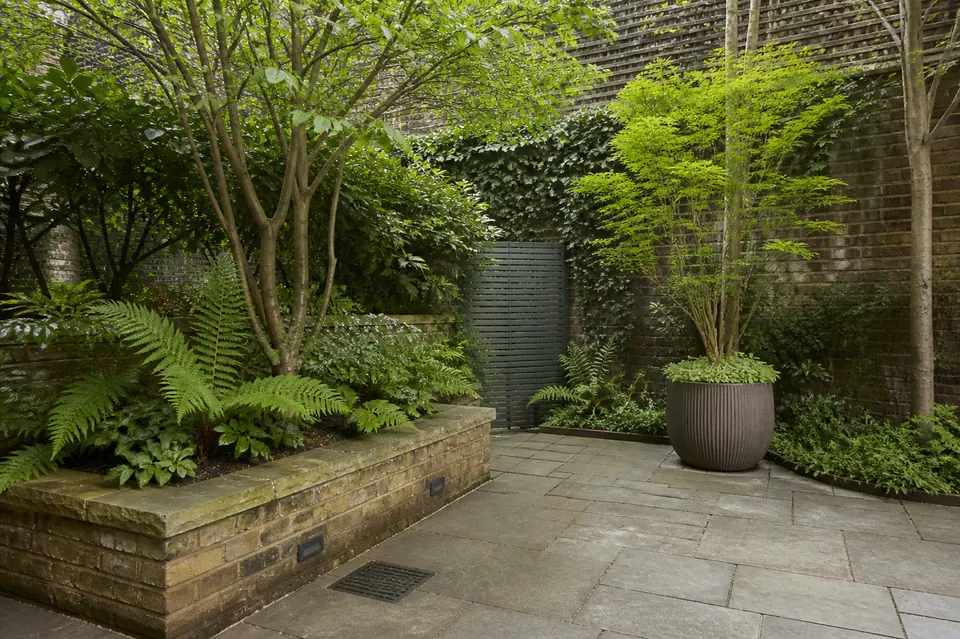
Romford / NEXT STEP
Share the Romford address, safe photographs and a marked first-stage boundary. Ask what can be assessed before committing to wider changes or follow-on plans.
Call about a manageable starting stageThe sequence and supporting pictures are illustrative, not documented Alesta clearance outcomes.
