
Lawn & edges
Show actual grass growth and the extent of the lawn.
Slough / GARDEN PLANNING
If you are unsure whether a Slough garden needs maintenance or clearance, start with photographs and a keep-and-remove description. The category can then be discussed without understating the growth or assuming a full reset is necessary.
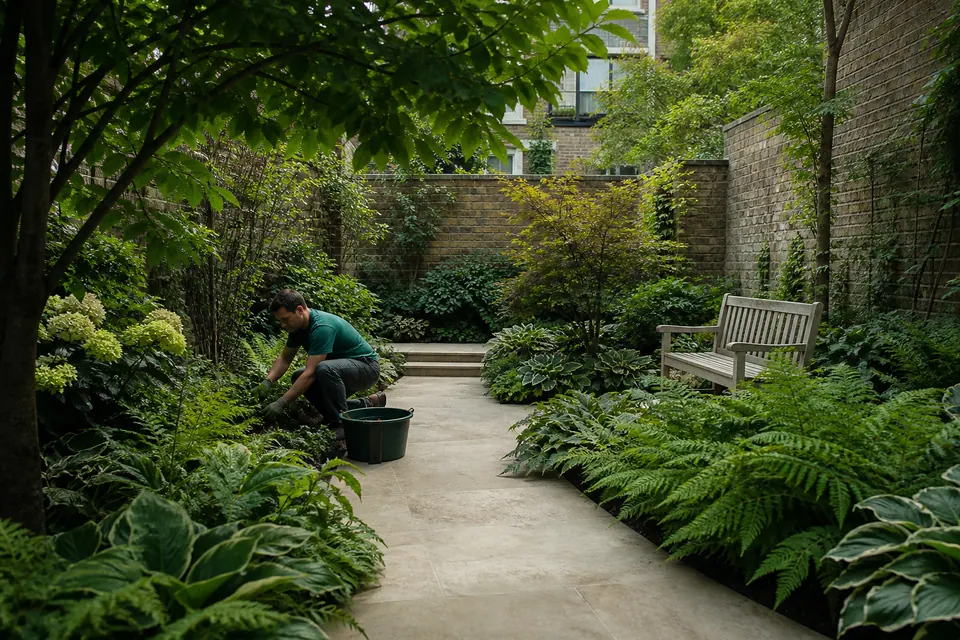 GARDEN CARE / Slough
READ YOUR GARDEN
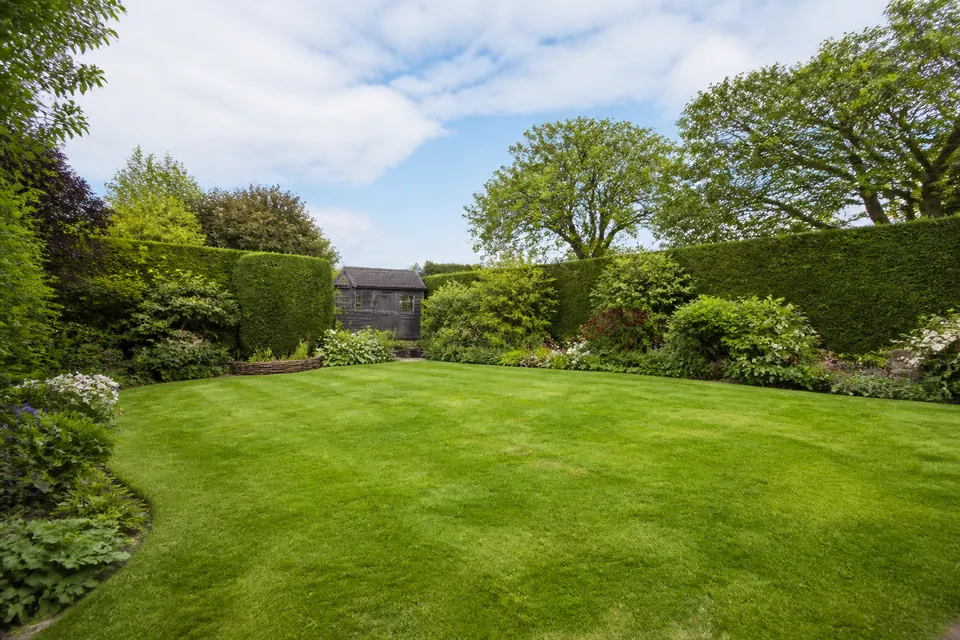
Show actual grass growth and the extent of the lawn.
Distinguish retained hedges from planting specifically proposed for removal.
Mark valued plants among any dense bed growth.
Show whether passage is usable or obscured.
Separate existing material from the cuttings the proposed tasks would generate.
PRICE THE WORK, NOT THE POSTCODE
Send current photographs and explain the desired retained areas.
Light clearance is typically £100–£300 in the published guide, not the price of every garden tidy.
See clearance pricing| Service | Pricing basis | Guide |
|---|---|---|
| Routine garden maintenance | Ordinary upkeep in the included areas | Assessment-based routine quote |
| Lawn mowing & edging | Grass condition and intended cut | Lawn element reviewed separately |
| Hedge & shrub trimming | Retained planting and suitable change | Trim assessed from the proposed scope |
| Small green-waste collection | Collected green material and handling | From £40 |
| Light garden clearance | Defined cutting and removal requirements | Typically £100–£300 |
| Large overgrown garden | Dense overgrowth and disposal extent | From £500 |
Routine gardening is quoted after assessment. Small green-waste collection starts from £40 and large overgrown gardens from £500; these categories should not be interchanged without understanding the actual work.
Slough / YOUR GARDEN BRIEF
For your Slough property, explain which areas are manageable and which need more substantial attention. Identify retained plants and any stored material. These details support assessment better than choosing a label solely from appearance. The complete address requires an attendance check;
A RESET OR A ROUTINE?
| Visit choice | One-off gardening | Regular maintenance |
|---|---|---|
| Best for | Address the current assessed need | Maintain selected areas after any reset |
| Frequency | One confirmed scope | A later routine if separately agreed |
| Scope | Maintenance and clearance elements distinguished | Review based on what remains manageable |
HOW THE VISIT COMES TOGETHER
Provide the address and photographs showing the actual condition.
Identify retained areas, removal requirements and existing waste.
Review suitability before treating a category as confirmed scope.
Check the agreed elements separately and discuss any later care.
Neither maintenance nor clearance implies landscaping, major tree operations or specialist treatments. The chosen label should clarify the work, not expand it to every problem visible outdoors.
Read how Alesta plans gardening workBUILD A USEFUL BRIEF
A STARTING POINT
Use the category as a starting point rather than a fixed conclusion. Describe the desired retained areas so assessment can distinguish ordinary care from a defined clearance element.
Read the service scope ↗CHOOSE THE WORK

Routine care concerns selected upkeep; it should not hide a much larger backlog under a familiar label.
Explore garden maintenance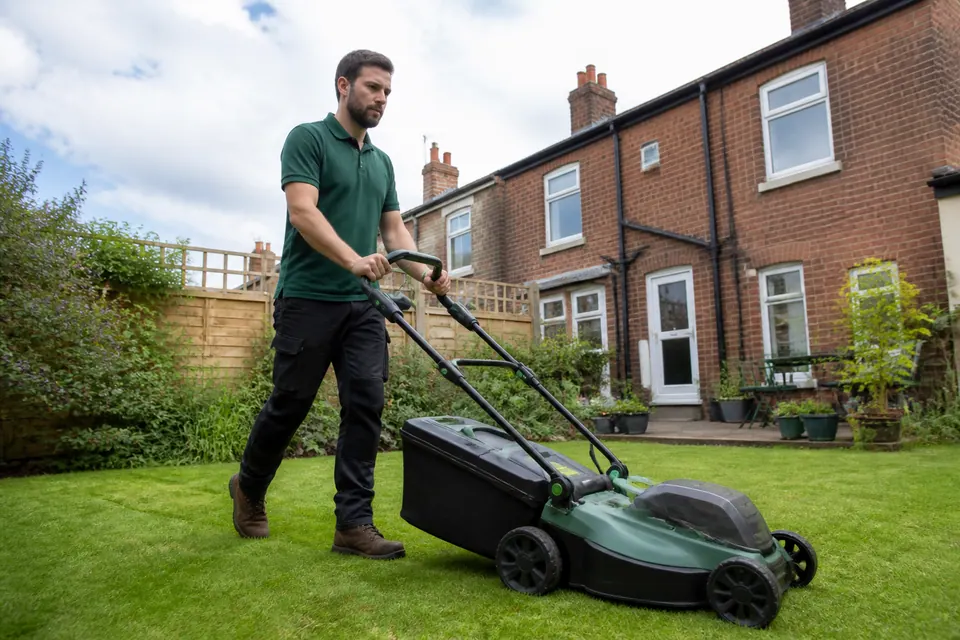
Describe the grass honestly rather than assuming very long growth is an ordinary mowing request.
Explore lawn care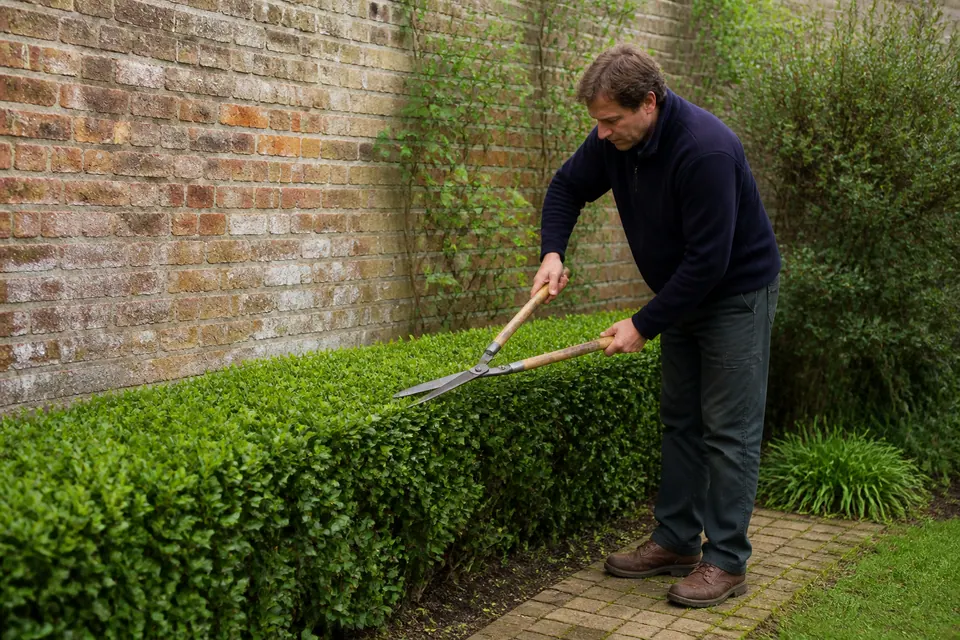
Identify retained planting and intended change before choosing trimming or removal language.
Explore hedges & shrubs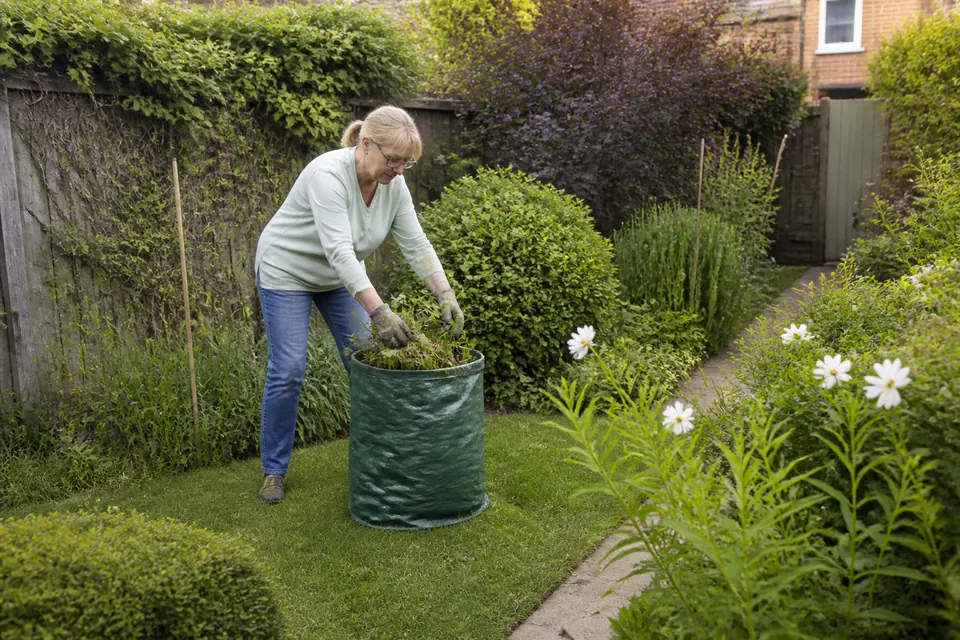
Use this category for defined unwanted growth or material, not simply as another word for tidying.
Explore garden clearanceAT A GLANCE
| Service | Best suited for | Typical work |
|---|---|---|
| Garden maintenance | Manageable areas needing ordinary upkeep | Named weeding and suitable seasonal attention |
| Lawn care | Grass suitable for routine care | Assessed mowing and edging |
| Hedges & shrubs | Planting retained with an adjusted outline | Suitable selective trimming |
| Garden clearance | Specified unwanted growth or material | Defined removal and a practical final tidy |
A LIVING SPACE, NOT A FIXED CHECKLIST
A seasonal backlog can involve ordinary care or more substantial removal; the calendar alone cannot decide.

Identify emerging plants before categorising an entire bed as unwanted growth.
Show current density rather than using a general summer-tidy label.

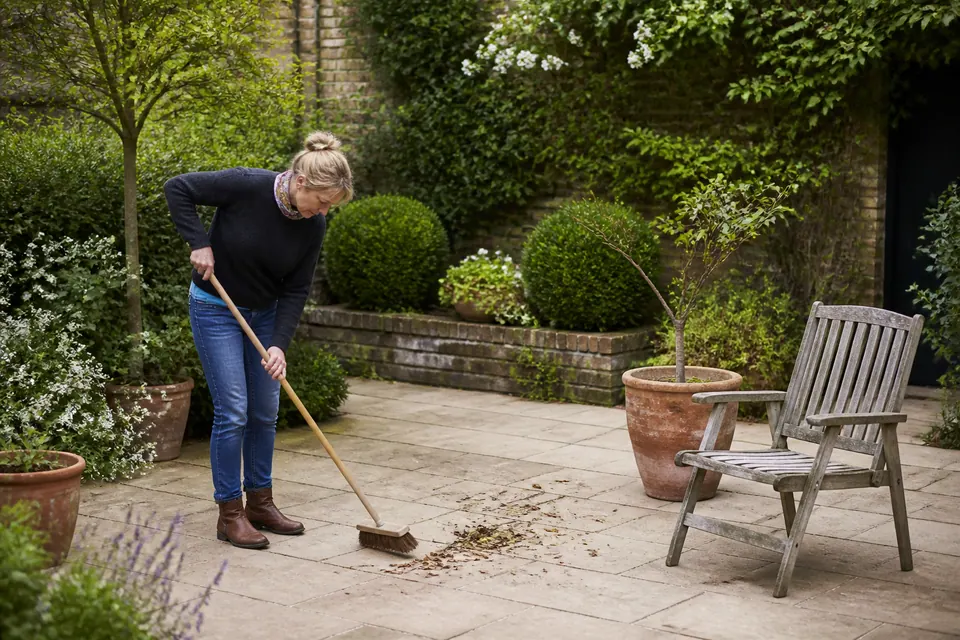
Separate loose leaves from the standing growth requiring attention.
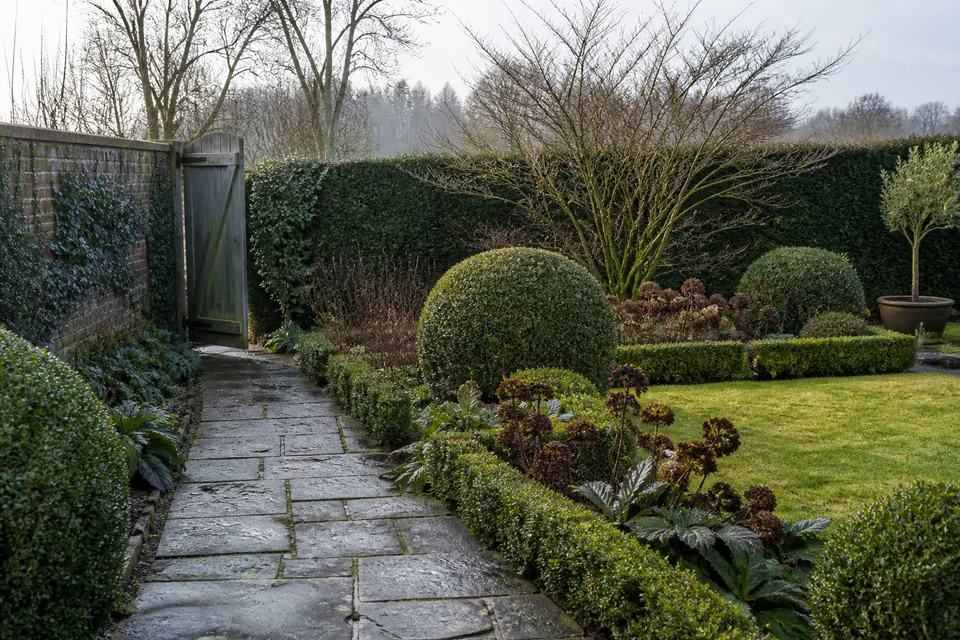
Ground and plant suitability still constrain the assessed scope.
FROM OVERGROWTH TO EVERYDAY USE
These scenes are illustrative, not a Slough maintenance-to-clearance customer example.
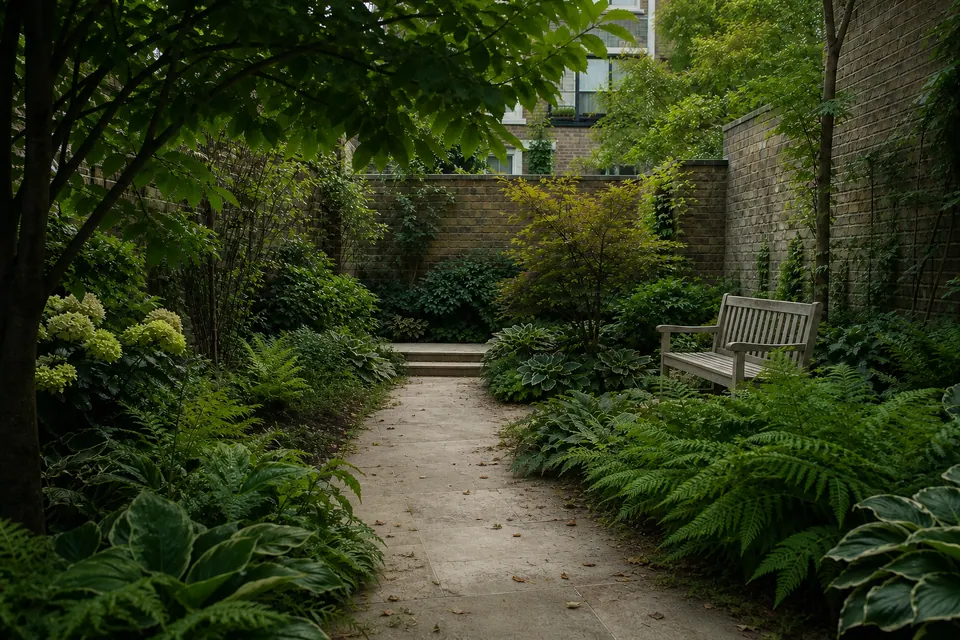
The initial view invites a description of actual condition.
The work scene illustrates selective attention rather than automatic total removal.
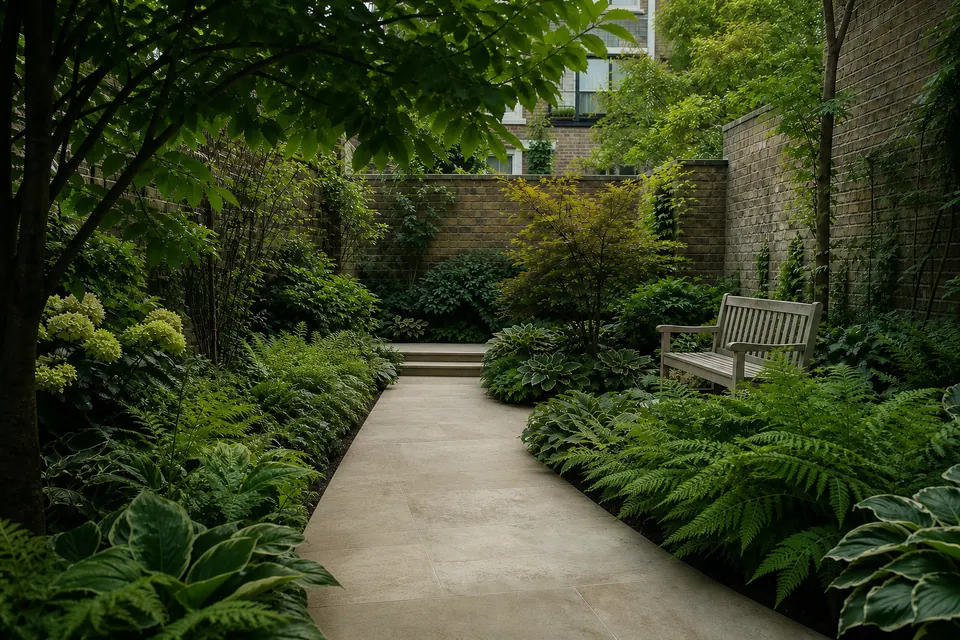
The result does not establish which service your garden requires.
QUICK ANSWERS
Slough / LOCATION CONTEXT
Send the complete Slough address and current views of the areas needing attention. Ask about attendance before relying on a maintenance or clearance arrangement, then confirm the appropriate scope.
Open Slough in Google Maps ↗BEFORE ARRANGING WORK
Send current photographs and describe the outcome wanted. Identify what remains so the service category can be assessed.
Yes, describe the sections separately rather than applying one label to the entire property.
No. A keep-and-remove brief should identify valued plants and features that remain within or beside the selected area.
Not necessarily. The actual cutting, removal and handling distinguish the scope rather than the informal wording alone.
No. Routine gardening is separately assessed; the clearance guide should not be treated as a universal maintenance tariff.
Yes, independently from standing growth, so the assessment can distinguish collection from cutting requirements.
Raise it as a separate preference based on the remaining garden rather than assuming a recurring arrangement is included.
Provide the full address and actual requirements, then confirm attendance and whether the scope concerns upkeep, clearance or separately defined elements of both.
Slough / NEXT STEP
Send your Slough address and current views. Ask for attendance and a scope assessment before relying on a service label or guide figure.
Call to clarify the right gardening scopeIllustrations are not verified Alesta category assessments or customer transformations.
