
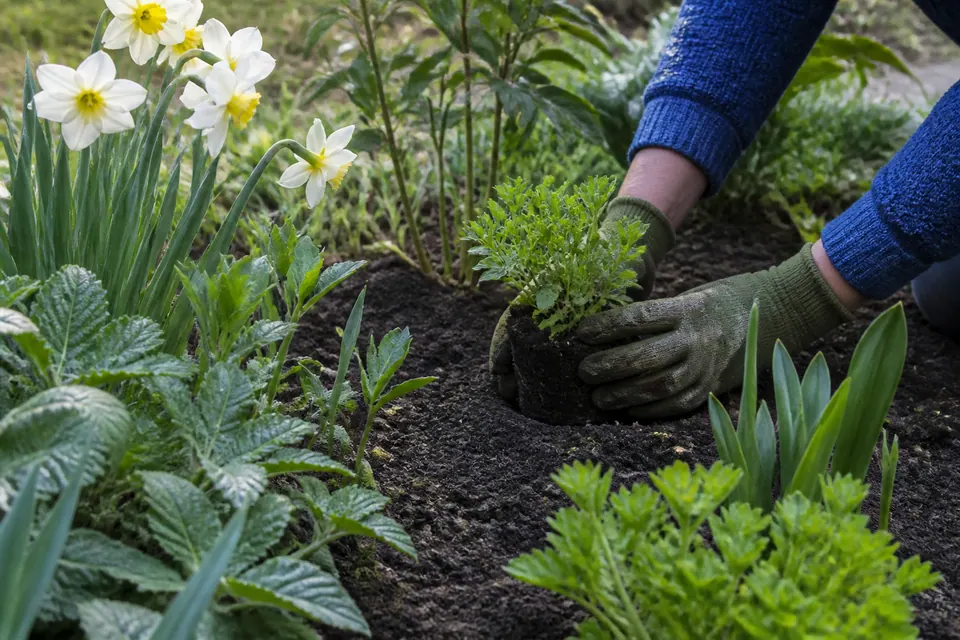
Spring
Update notes for newly emerging growth.
Isleworth / GARDEN PLANNING
A note saying to keep a rose is less useful if several plants stand together. Match plant names or simple labels to their positions in a photograph so selective gardening has an unambiguous starting point.
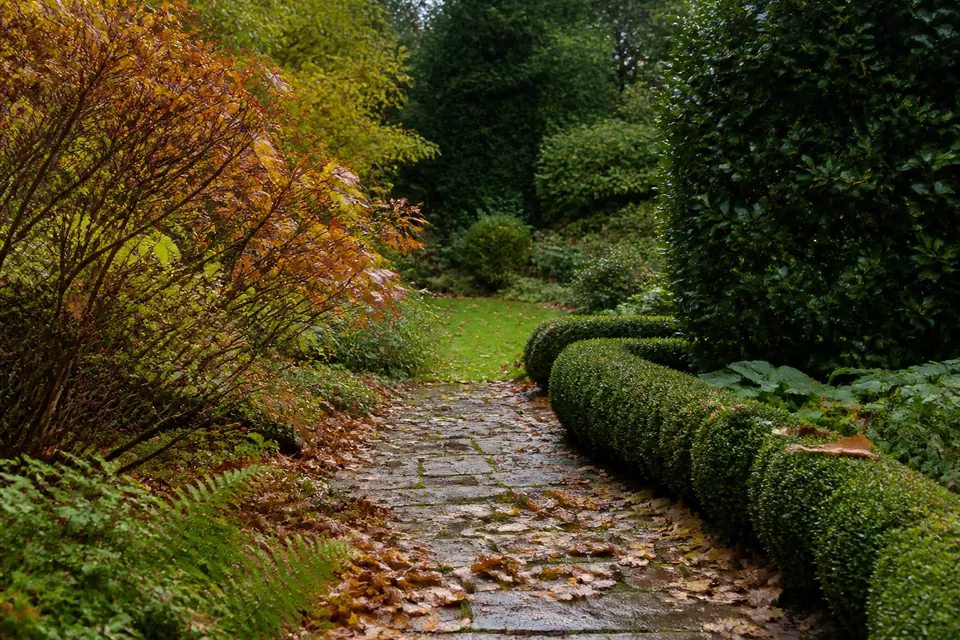
A LIVING SPACE, NOT A FIXED CHECKLIST
A useful record changes when the plants do.
Update notes for newly emerging growth.
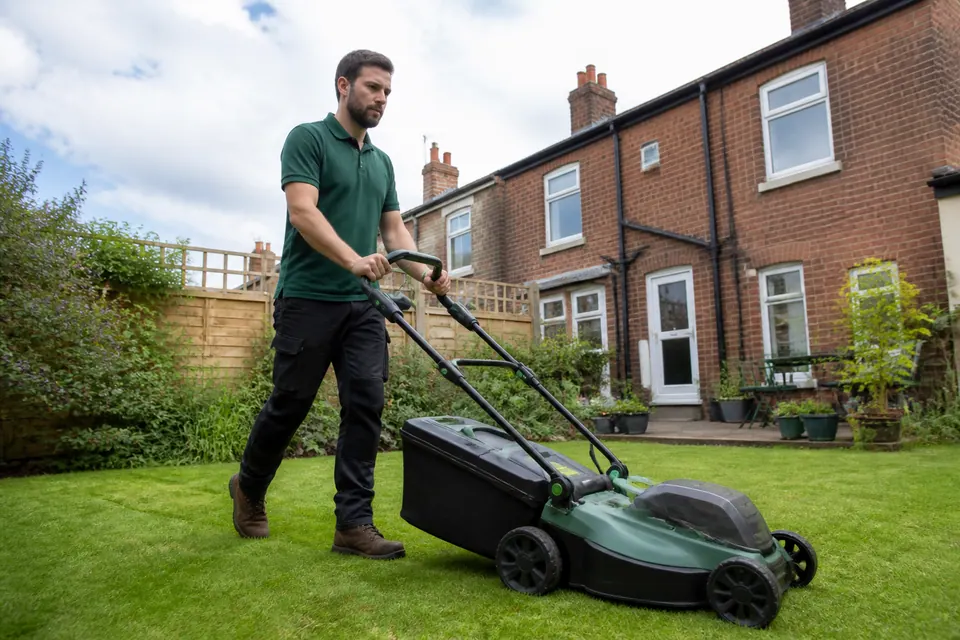
Refresh photographs when foliage obscures labels.
Identify retained seasonal stems clearly.
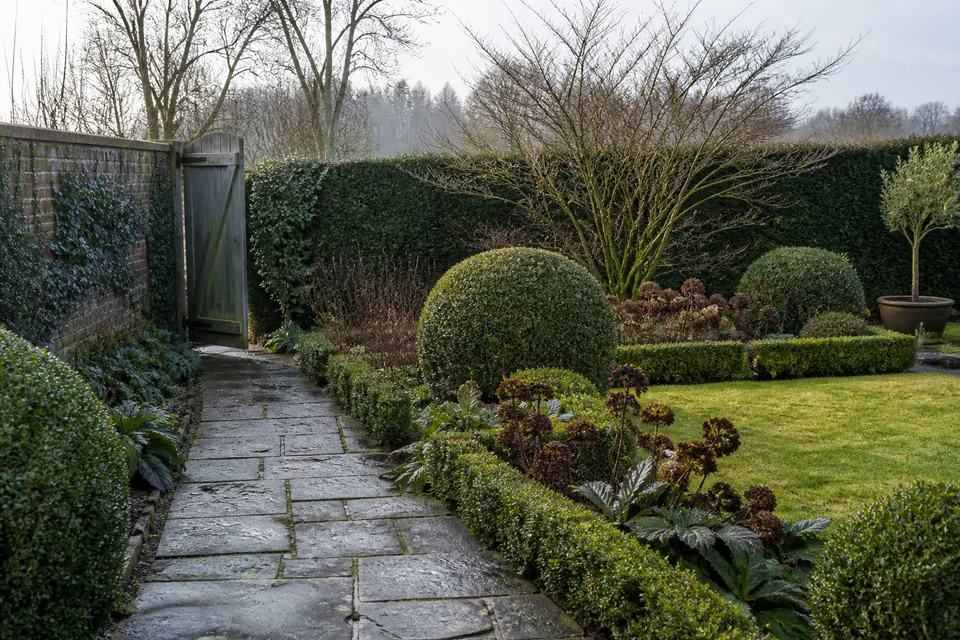
Record unresolved questions for a later suitable review.
AT A GLANCE
| Service | Best suited for | Typical work |
|---|---|---|
| Garden maintenance | Selective routine attention | Agreed weeding around identified plants |
| Lawn care | Grass with marked exclusions | Condition-appropriate mowing |
| Hedges & shrubs | Clearly identified shrubs | Suitable shaping of the intended specimen |
| Garden clearance | Confirmed unwanted vegetation | A removal list excluding ambiguous growth |
READ YOUR GARDEN
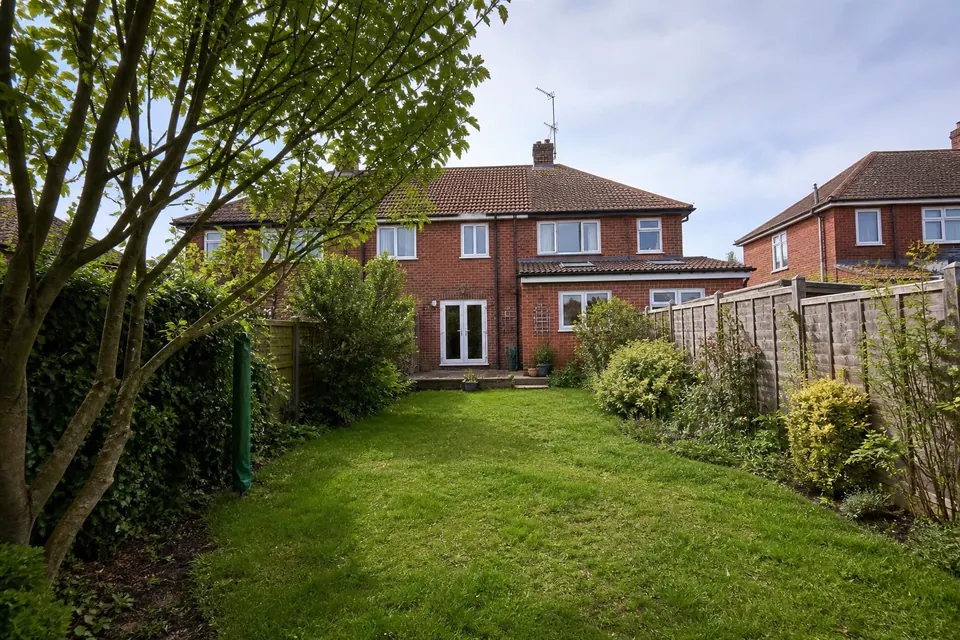
Identify exclusions before agreeing mowing.
Match each trimming request to the correct specimen.
Distinguish wanted seedlings from uncertain growth.
Mark containers beside the working route.
Only confirmed removals belong in disposal.
Isleworth / YOUR GARDEN BRIEF
For an Isleworth enquiry, use simple consistent labels such as bed A or shrub 2 if names are uncertain. Show the label in a wide photograph and provide a closer view if needed. Avoid relying on a verbal description that could refer to more than one plant.
PRICE THE WORK, NOT THE POSTCODE
Provide the labelled brief with current photographs. The quote should reflect selective tasks rather than assumed broad clearance.
The light-clearance guide is not a fee for specialist plant identification.
See clearance pricing| Service | Pricing basis | Guide |
|---|---|---|
| Routine garden maintenance | Selected beds and understood priorities | Routine quotation after assessment |
| Lawn mowing & edging | Included grass and labelled exclusions | Assessed lawn estimate |
| Hedge & shrub trimming | Identified specimens and suitable trimming | Photo-based or assessed shrub price |
| Small green-waste collection | Confirmed material and collection route | From £40 |
| Light garden clearance | Approved removals and disposal | Typically £100–£300 |
| Large overgrown garden | Heavy growth and handling scale | From £500 |
Replacement plants, supplies and specialist questions remain separate. Labels clarify the instruction but do not make an unassessed task suitable or included.
QUICK ANSWERS
BUILD A USEFUL BRIEF
A STARTING POINT
Resolve ambiguous instructions before approving cutting or removal. Clear labelling supports care; it does not replace assessment of what is suitable.
Read the service scope ↗CHOOSE THE WORK
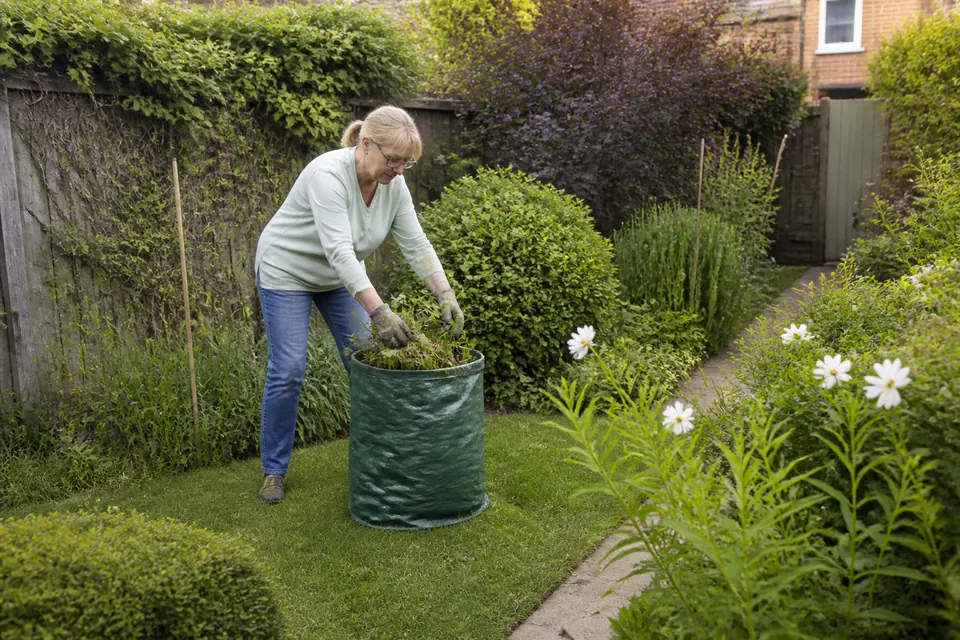
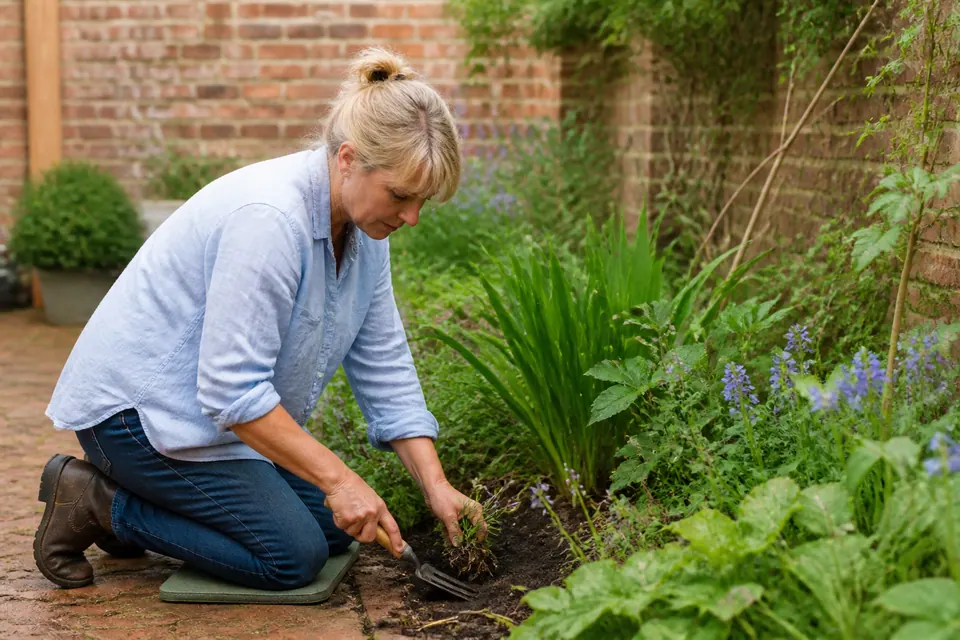
Identify the whole specimen before requesting suitable shaping.
Explore garden maintenance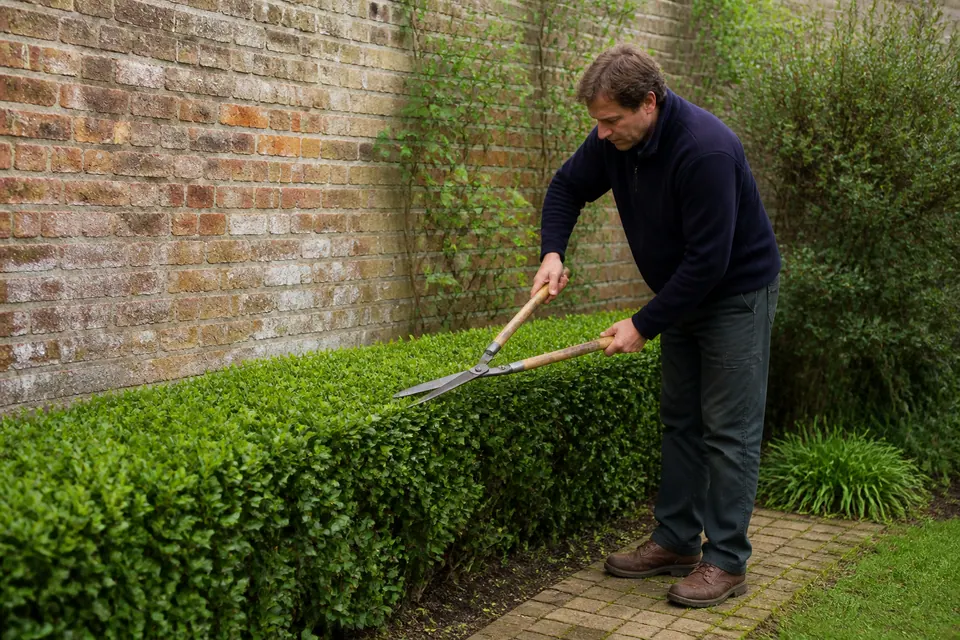
HOW THE VISIT COMES TOGETHER
Match each note to a photograph and garden position.
Agree tasks and flag uncertain identities.
Check the labels against actual growth before work.
Review the retained features as well as removals.
Routine gardening does not imply comprehensive botanical identification, specialist treatment or major tree operations. Raise those requirements separately.
Read how Alesta plans gardening workA RESET OR A ROUTINE?
| Visit choice | One-off gardening | Regular maintenance |
|---|---|---|
| Best for | Complete a selective labelled brief | Keep care notes relevant over time |
| Frequency | One confirmed appointment | A reviewed ongoing arrangement |
| Scope | Current labels and approved removals | Records updated when planting changes |
FROM OVERGROWTH TO EVERYDAY USE
The pictures are illustrative rather than an Isleworth plant record.
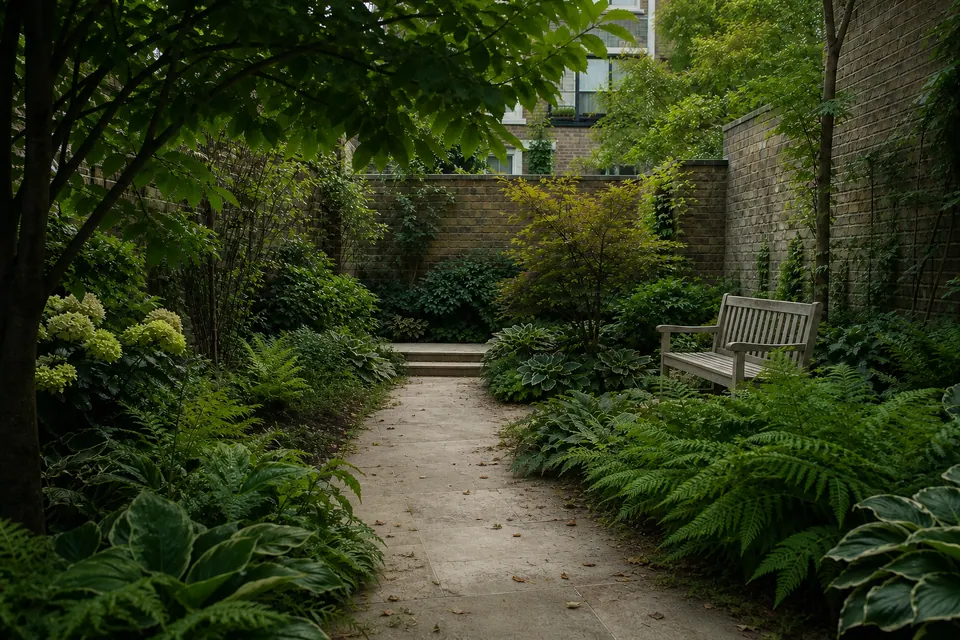
Existing planting gives the example its arrangement.
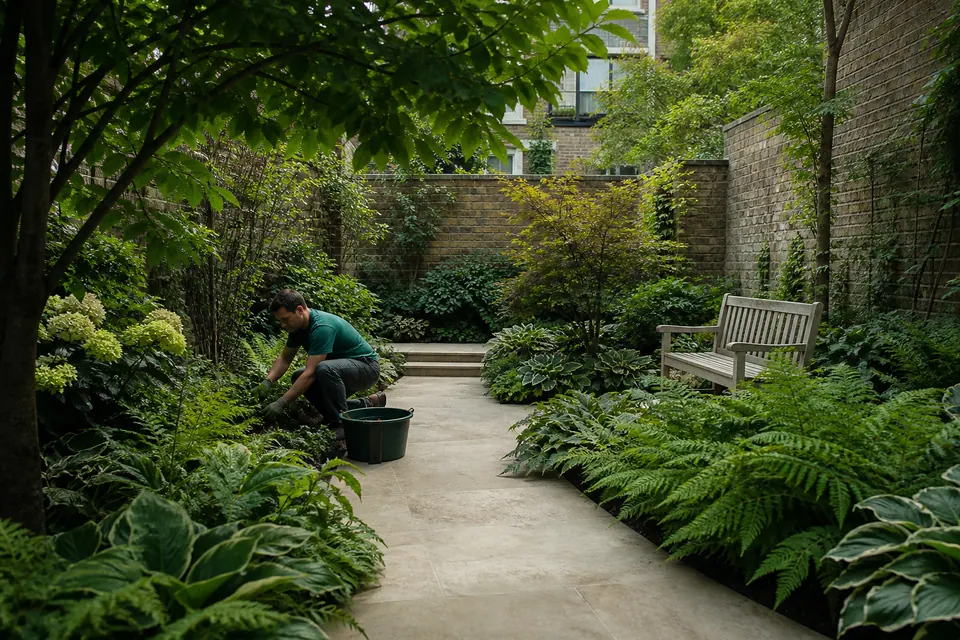
Selected attention occurs around retained features.
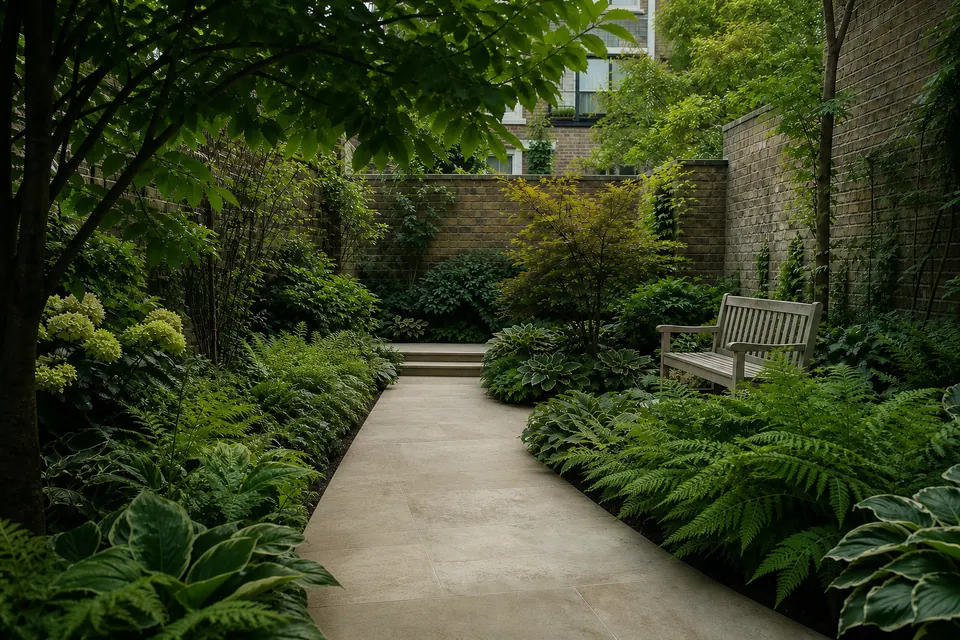
Your own labels must define what remains at your property.
BEFORE ARRANGING WORK
No. Clear position-based labels and photographs can explain the instruction while uncertainties remain explicit.
Yes, provided the same numbers are used consistently in the pictures and written notes.
Update the photograph and explain the position before relying on it for selective work.
Not merely because they are unknown. Keep uncertainty separate from an approved removal decision.
Yes. Show their location so weeding instructions do not overlook them.
No. They communicate your brief; specialist identification or treatment is not implied.
Yes, when planting or priorities change so earlier instructions do not become misleading.
Provide the complete address and labelled task list, then obtain confirmation before arranging a visit.
Isleworth / LOCATION CONTEXT
Give the full Isleworth address and identify the labelled areas along the working route. Attendance must be confirmed; the map cannot resolve a plant instruction.
Open Isleworth in Google Maps ↗Isleworth / NEXT STEP
A few consistent labels can prevent an unclear removal brief. Send current views and identify anything that should be left pending discussion.
Prepare the retained-plant notesIllustrative garden scenes; not photographs of Alesta customer jobs.
