
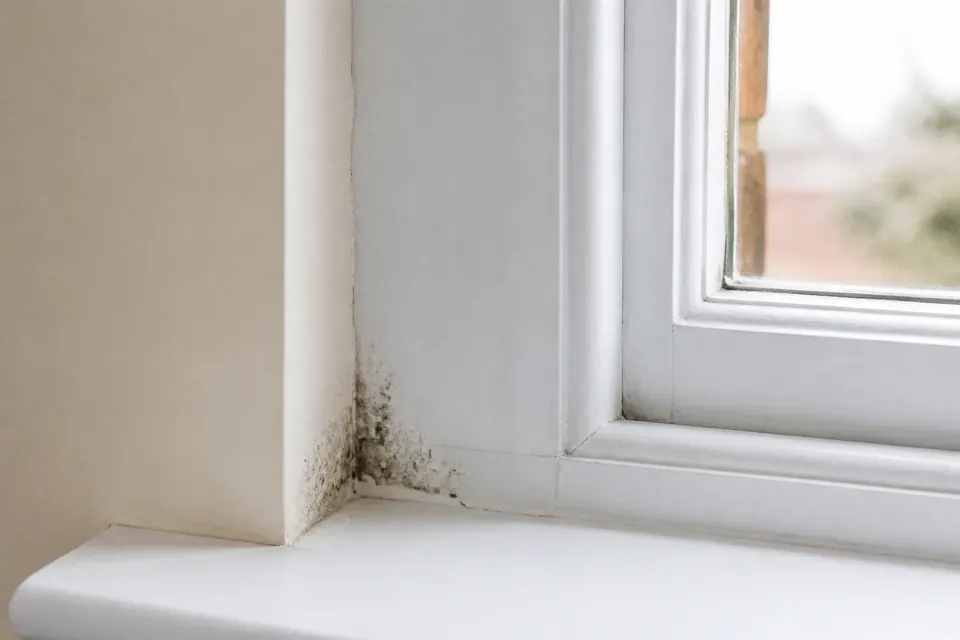
Window photographs
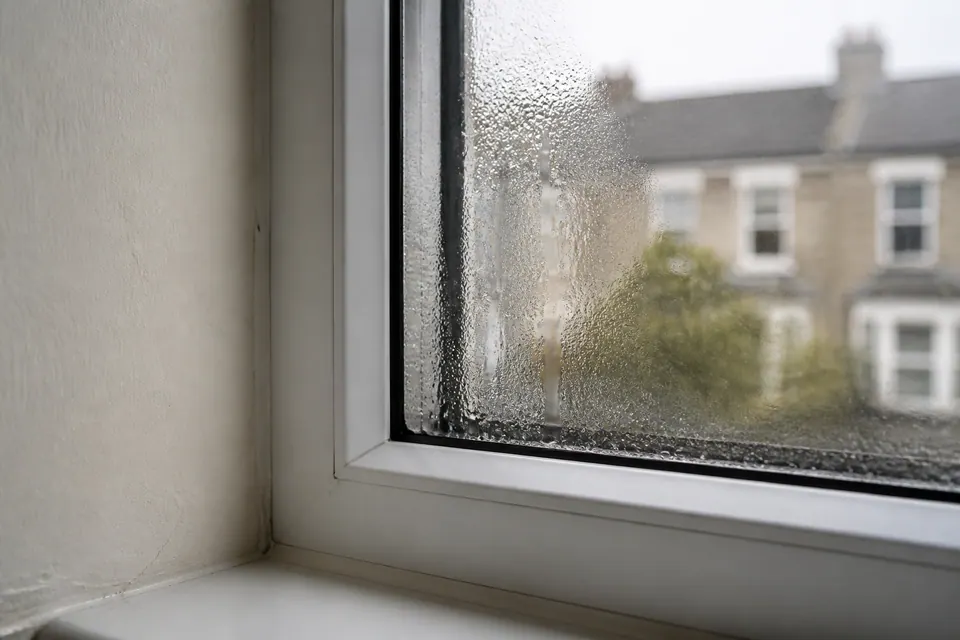
Include the frame and surrounding reveal in one image, then add the detail view. State which component is marked instead of sending several unlabelled crops of the same opening.
Kingston upon Thames / PHOTO BRIEF
Every photograph should identify an area, not create a guess.
Several close-ups can be difficult to interpret without room labels or scale. Organise your Kingston upon Thames enquiry so Alesta can distinguish the finishes, current extent and earlier treatment history before discussing a quotation.
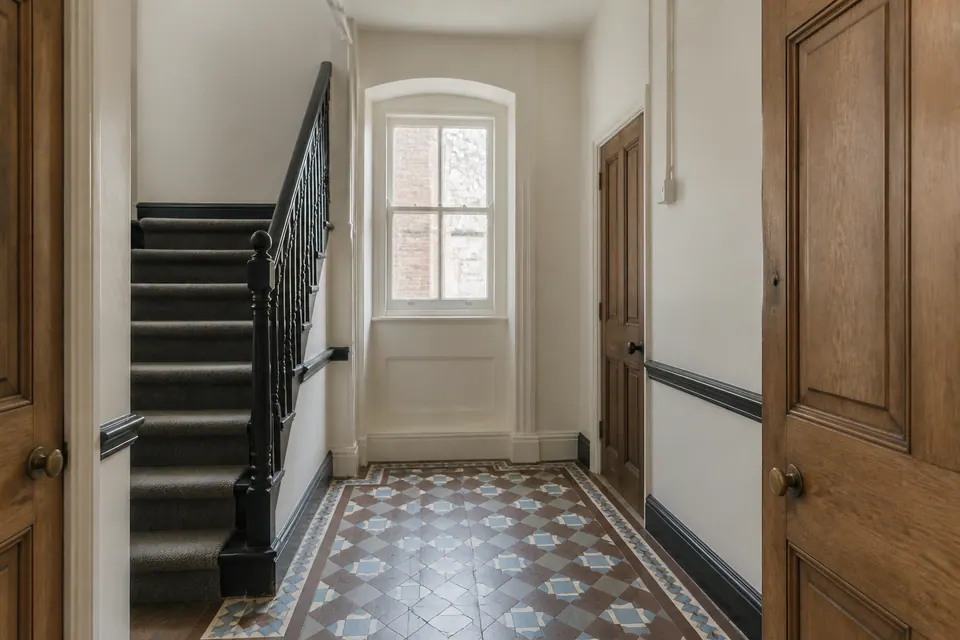
Current views · earlier history · access limits
01 / SEPARATE THE QUESTIONS
A well-labelled image shows what was recorded. The cause, hidden extent and appropriate work may still need assessment, even when the picture is sharp.
| Image content | Useful accompanying detail | Limit of the evidence |
|---|---|---|
| Window-edge spotting | Component and date | The picture does not establish the moisture source |
| Bathroom ceiling marks | Finish and approximate extent | Colour alone does not confirm material suitability |
| A stain after a water event | Known incident and repair dates | An image cannot certify completed drying |
| A patch seen again later | Matched earlier and current views | Different lighting may affect the apparent outline |
Ask which visible areas and assumptions the proposal covers. Extra rooms, damaged material or inaccessible portions should be clarified rather than treated as automatically included.
Keep observations and confirmed history identifiable in the same enquiry.
| Question | Mould | Damp |
|---|---|---|
| What is described | A visible affected surface | Moisture conditions or known events |
| What may be photographed | Spots and the marked boundary | Water or staining at a recorded time |
| What the connection means | Growth may persist where moisture remains | An event can affect more than the visible coating |
| What remains to be agreed | Suitable accessible treatment and its limits | Any separate investigation or repair question |
02 / LOCATE THE ISSUE
Use the selector to organise the enquiry. A room label and one wider view help explain what a close-up cannot show about the material or practical approach.
Include the frame and surrounding reveal in one image, then add the detail view. State which component is marked instead of sending several unlabelled crops of the same opening.
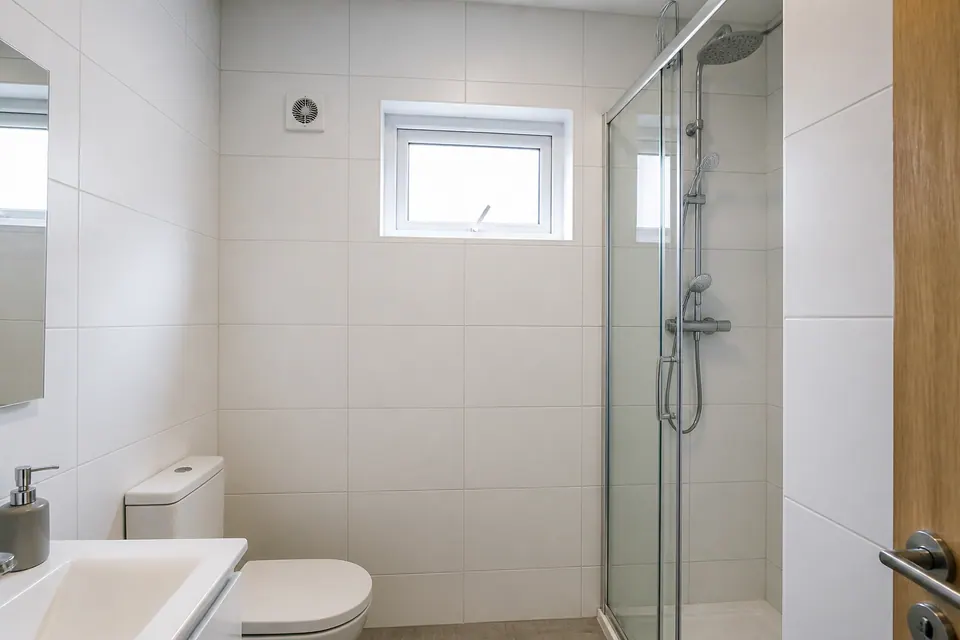
Identify whether the image shows a ceiling, wall, joint or another finish. Show the adjoining fittings for orientation without assuming they explain the moisture.
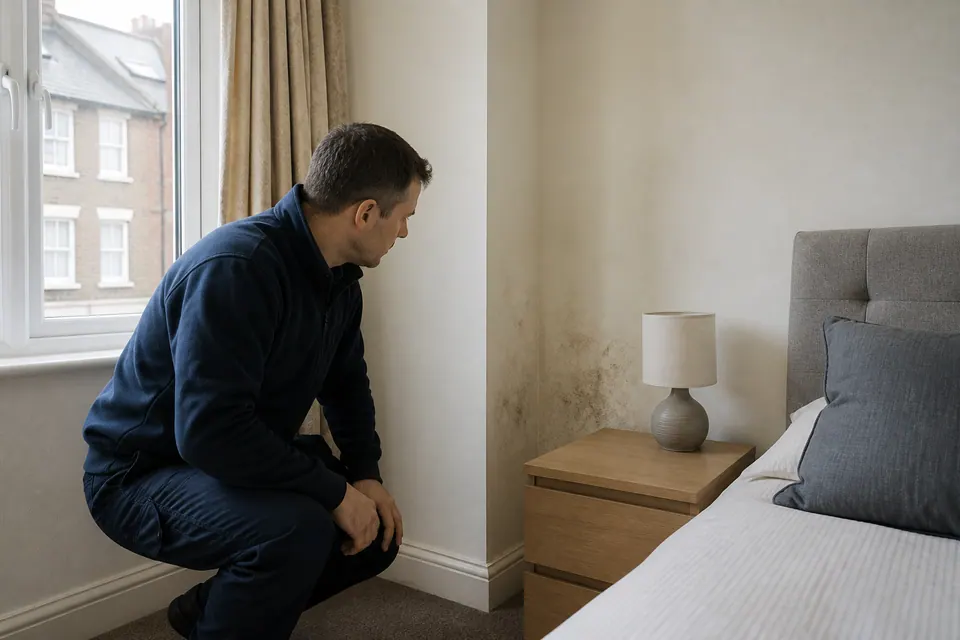
Name the wall position and indicate nearby furniture. If two bedrooms are involved, use distinct labels rather than describing both sets as bedroom pictures.
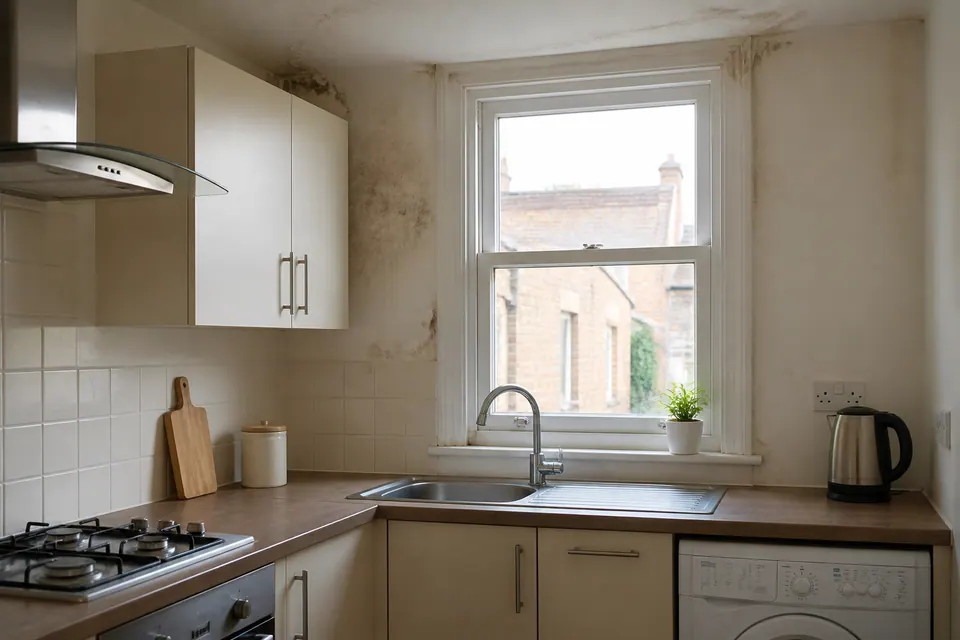
Pair the marked finish with a wider layout view. Indicate the limit of the exposed wall where units obscure it and leave concealed extent unconfirmed.
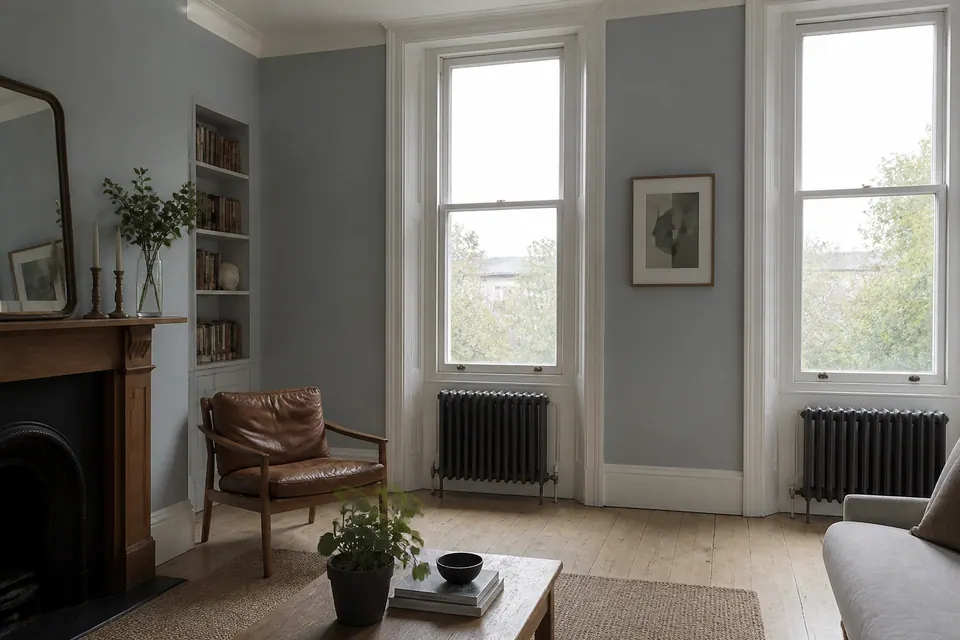
Keep a recognisable corner or fitting in view. A close crop of plain decoration can otherwise be difficult to match to the correct part of the room.
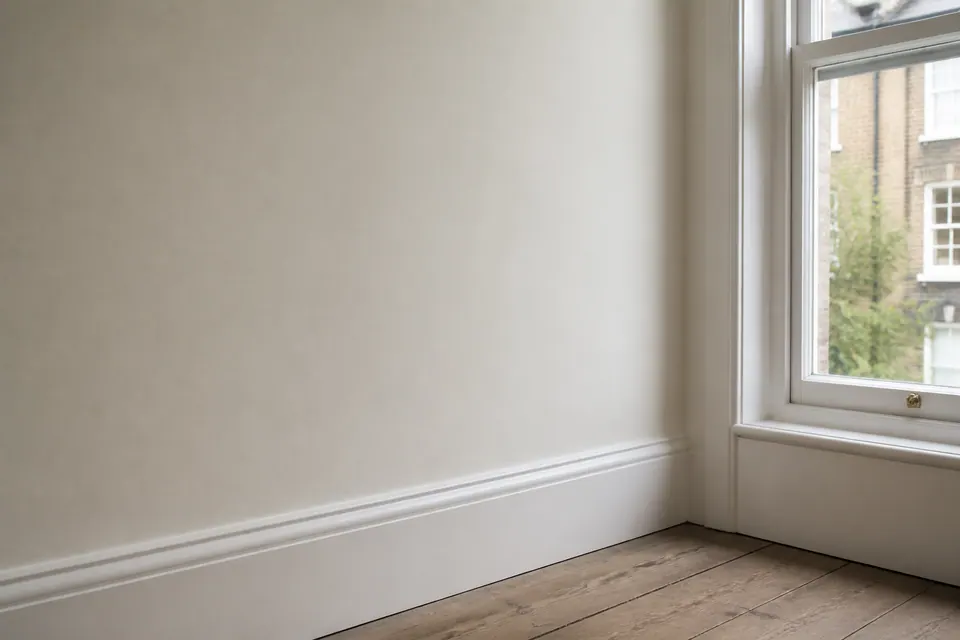
Explain orientation where it is not obvious. Use approximate marked dimensions from a safe position rather than climbing to create a more detailed image.
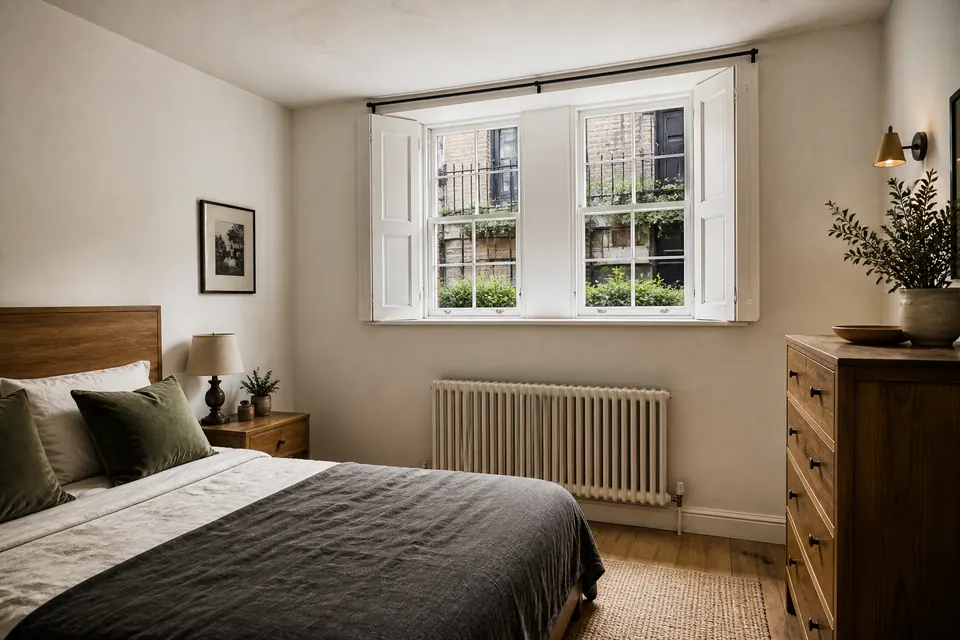
Show the available opening and say what cannot be seen. A dark or obstructed photograph should not be interpreted as evidence of the whole hidden area.
Photographs support an initial enquiry, but they are not a diagnosis, a material test or proof of an inaccessible condition.
Kingston upon Thames / THE PROPERTY BRIEF
A short room list can make a large photo folder understandable.
Give each affected position a consistent description in your Kingston upon Thames message. Match the current photograph, approximate dimensions and known history to that position. Do not combine the floor area of several rooms into a supposed treatment quantity when only separate patches are visible.
04 / A CONTROLLED APPROACH
Match each photograph to the stated room, date and finish. Clarify duplicate views or missing context before defining the proposed area.
Discuss access that the pictures may not reveal, together with the instructions for nearby contents and occupants.
Carry out the suitable accessible work in the scope. A newly identified area needs clarification rather than an assumption that it was included in the original folder.
Distinguish treated positions, remaining marks and separate questions. Refer to recognisable areas so subsequent observations can be described clearly.
These stages connect the enquiry to the agreed surface work; they do not certify hidden spaces.
Identify the position and date.
Treat the suitable accessible finish.
Keep any comparison matched to the same position.
The sequence illustrates the process and is not a set of customer before-and-after photographs.
05 / QUOTATION, NOT GUESSWORK
Twenty images may show one patch from different angles, while three images may represent three different rooms. Label the positions so the quotation can refer to the actual suitable areas rather than the size of the attachment folder.
Check the main quotation information ↗| Current concern | Possible route | What the pictures should clarify |
|---|---|---|
| Small suitable accessible area | Photographic quotation where appropriate | Boundary, finish and approach |
| Multiple positions or returning growth | Assessment to establish the scope | Which views show distinct areas |
| Complex damp or damaged material | Specialist quotation needed | Visible damage and unresolved limits |
Confirm the named positions and inclusions before booking. A proposal based on one labelled area should not be read as covering every room photographed later.
06 / WHEN IT COMES BACK
Use the same recognisable corner or fitting and retain the date. A change in camera angle or a tighter crop can alter how extensive a patch appears without proving new growth.
Describe any treatment, decoration or confirmed repair between the images. A returning mark can raise moisture questions, but the photographs should not be used to assign a cause that has not been assessed.
Do not rename every image simply “mould”. Preserve enough information to distinguish room, position and timing, while leaving uncertain dates explicitly uncertain.
Kingston upon Thames / ACCESS & PEOPLE
The person living in the property may have the newest observations. Identify their current images separately from an older folder held elsewhere.
Keep earlier treatment or repair information matched to the relevant position. A record for one wall should not be applied to every photograph.
Use clear names or positions to distinguish them. A booking should not depend on guessing which close-up belongs upstairs or downstairs.
Share the observations and practical access, and confirm the booking contact. The enquiry does not decide legal responsibility for repairs.
Combine images without losing their labels or dates. Ensure the people receiving preparation guidance know which areas were agreed.
Ask whether the available evidence is sufficient for the proposed quotation or whether assessment is needed before deciding the work.
08 / ROOM-BY-ROOM CONTEXT
State whether the view concerns paint, tile or a joint, and pair detail with orientation.
Differentiate similar rooms and show furniture relevant to the approach.
Indicate fixed units and the edge of the exposed finish rather than assuming hidden extent.
Include enough decoration or layout to locate a plain-wall close-up.
Identify the precise section and the permission arrangements for access.
Give floor level and known water history without treating the label as a diagnosis.
09 / DIRECT ANSWERS
Small suitable accessible areas may be quoted from photographs. Multiple, recurring or complex concerns can require assessment or a specialist quotation; images do not establish every hidden condition.
Give the approximate affected dimensions for each patch, with the overall room shown for context. Floor area is not the same as the quantity of marked wall or ceiling.
Yes, but identify the dates and match them to the same position. Unlabelled older images can make the current extent difficult to understand.
No. Painting does not substitute for mould treatment, and a close view cannot establish every material or moisture issue that affects later decoration.
The recurrence history can inform assessment, but does not settle the cause. Include actual water observations and known work between appearances.
They may support planning, but preparation, suitability and access still matter. Ask for timing after the proposed work is understood rather than inferring it from the number of images.
Do not move heavy or affected items just to complete the folder. Explain the obstruction and ask what access arrangements are appropriate.
Clarify the applicable instructions for the agreed work and occupants. Do not assume one generic timing applies merely because the rooms appear in one enquiry.
Kingston upon Thames / PLAN THE APPOINTMENT
Send the Kingston upon Thames postcode with the labelled images and identify who can answer questions about them. Confirm availability before arranging access around an assumed quotation or visit.
Mention which photographed areas are currently available and which have changed since the images were taken.
Load the area map.
Kingston upon Thames / BEFORE BOOKING
A few clear labels can be more useful than many unexplained close-ups.
Send enough to show each visible position in context and detail. There is no useful fixed count if the images do not identify which room and finish they show.
You can provide approximate affected dimensions separately with the same label. Do not climb or disturb material simply to obtain a more precise measurement.
Use distinct room descriptions and keep those labels consistent across photographs and messages. This helps avoid combining separate patches by mistake.
Identify their date and origin where known, and distinguish them from the current condition. Older images may provide history without defining today’s scope.
No such identification should be inferred from an ordinary enquiry image. Describe the visible condition rather than attaching an unsupported species label.
Explain the obstruction or uncertainty. Do not treat an inaccessible view as a confirmed area or disturb fittings merely to complete the record.
Only rely on the agreed quotation. Ask which positions are covered and clarify additional areas before assuming the whole folder is included.
Report a material change with its date and location so the proposed work can be reconsidered if necessary. Keep the earlier view identifiable for comparison.
They can show appearance at two times, not certify a hidden condition or repair. Surface change and the underlying moisture question remain distinct.
Kingston upon Thames / A CLEAR BRIEF
Send current labelled views, approximate affected dimensions and the known history. Ask what remains uncertain before agreeing the proposed treatment.
The property photographs on this page are illustrations, not evidence submitted by customers or verified treatment outcomes.
