Milton Keynes / PROPERTY CONDITION

Mould Removal Milton Keynes: Enquiries before a move

Keep the next move separate from the surface decision.

An empty room can make a mark easier to see without making the next step obvious. If you are preparing a Milton Keynes property for furnishing or occupation, ask about address-specific availability and the condition of the exposed finish before building a delivery timetable around treatment.

  • Show where incoming furniture is intended to stand.
  • Keep the delivery date separate from return-to-room instructions.
  • Identify marks photographed before the room became vacant.
  • Confirm postcode coverage before reserving an attendance slot.
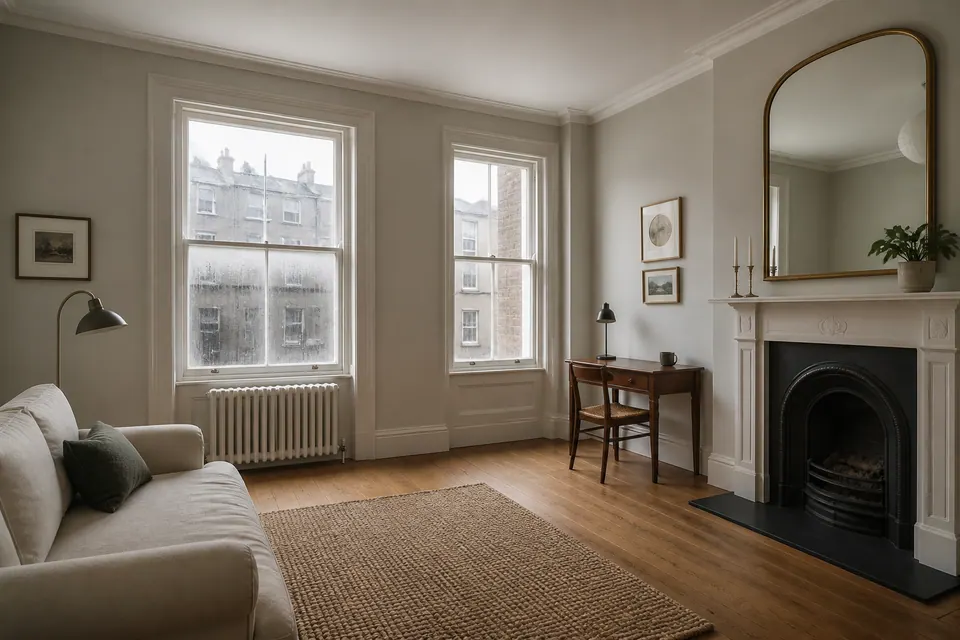
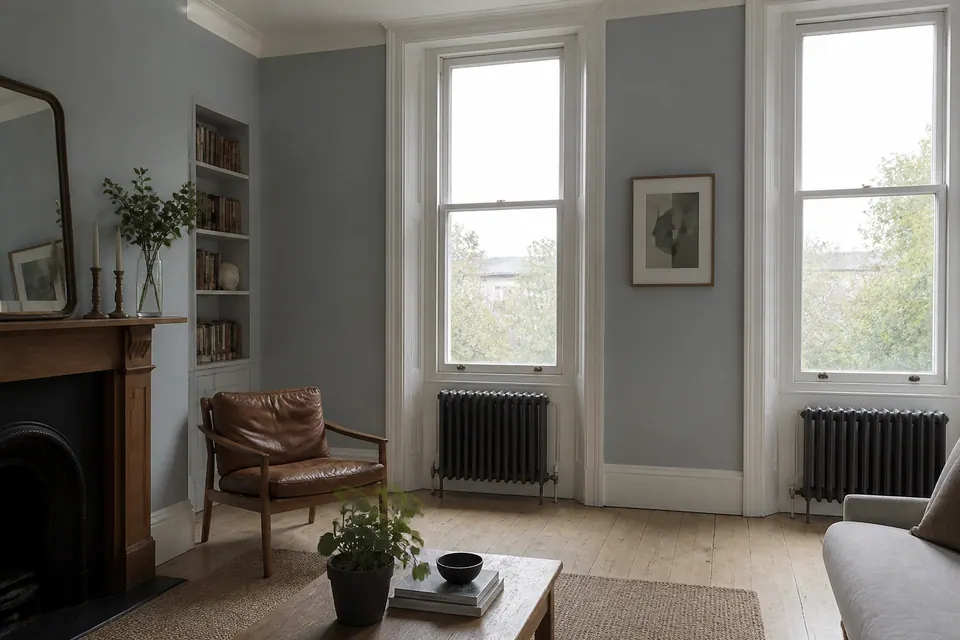
Illustrative sitting room with timber sash windows
PROPERTY CONTEXT Milton Keynes
Surface condition
THE ENQUIRY BRIEFBefore the furniture arrives

Vacant room · visible finish · next use

An evidence-led enquiryA realistic preparation windowNo assumed delivery deadline

01 / LOCATE THE ISSUE

What does the empty room reveal?

Use the room selector to identify the setting, then describe the visible condition. An unobstructed view helps define a question; it is not proof that a surface is ready for treatment.

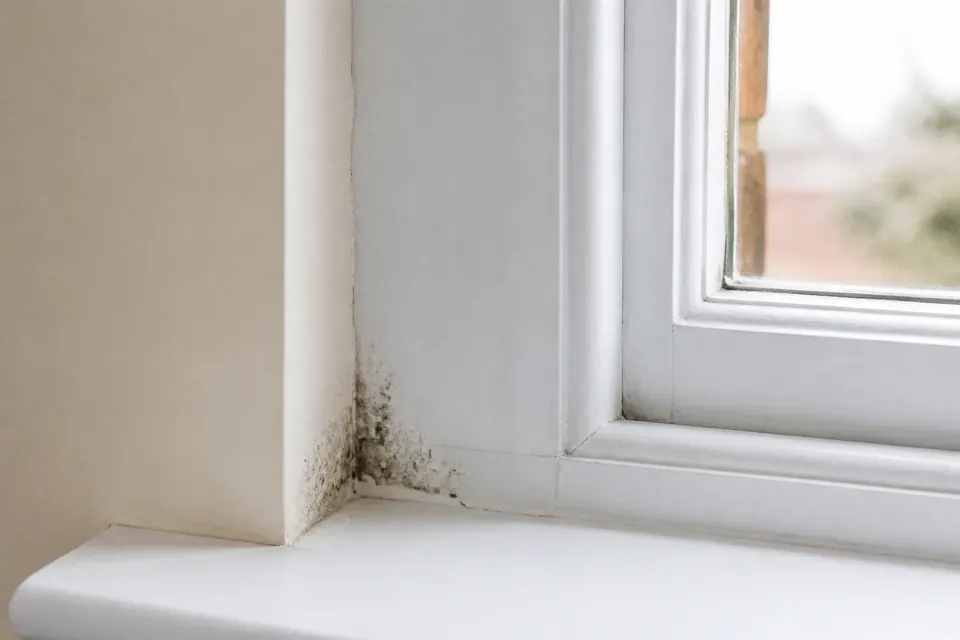
Illustrative around windows property context

Window edges before curtains return

Photograph the reveal while it is visible, including the frame and sill. Water on the glass, damage to a coating and marks on plaster should be described separately rather than combined into a single claim about a leaking window.

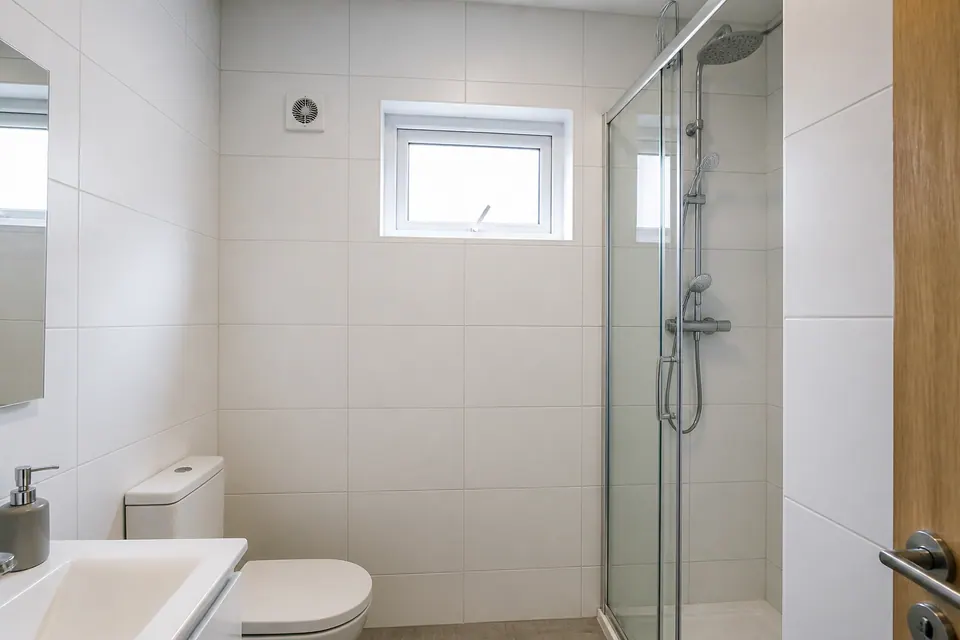
Illustrative bathroom property context

A bathroom that has been unused

State when the bathroom was last used if that is known. An apparently dry ceiling during vacancy does not explain previous spotting or establish how the room behaves during normal washing and showering.

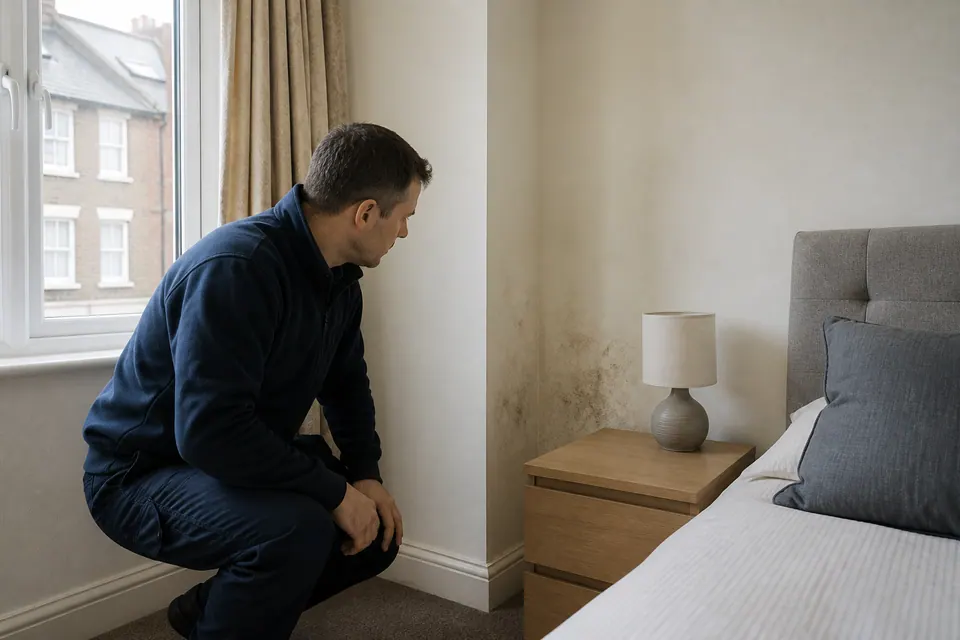
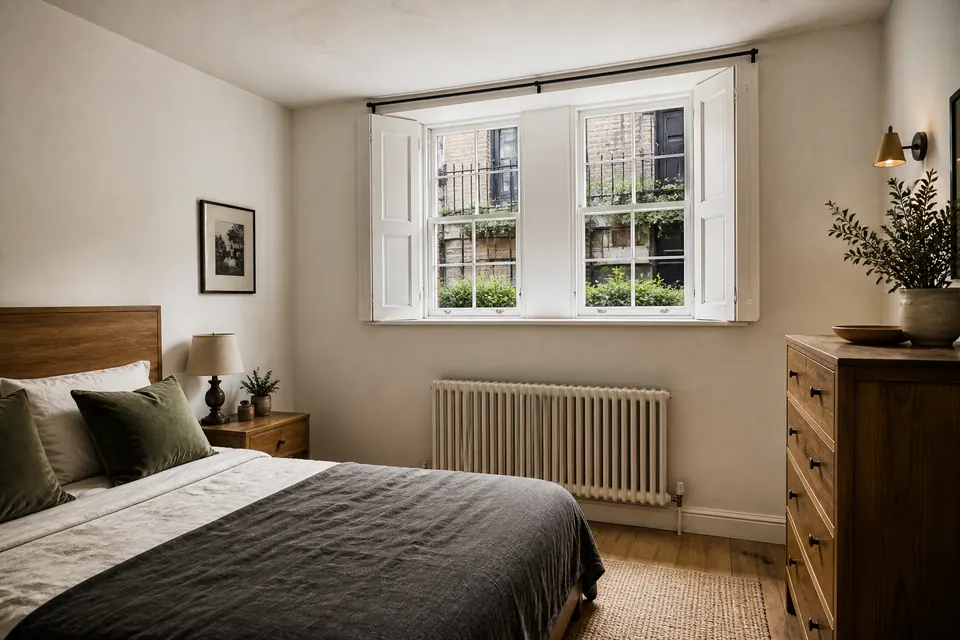
Illustrative bedroom property context

Before a bed hides the boundary

Include the future bed position in the enquiry without moving new furniture into the marked area. Ask about the finish and suitable preparation first; mattress or fabric concerns do not automatically belong in a wall-treatment quote.

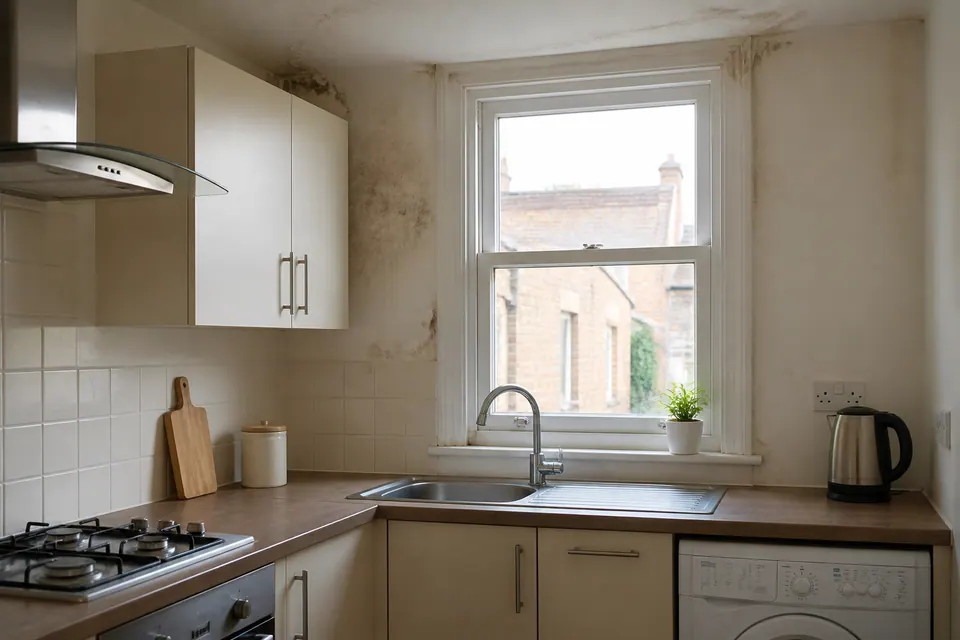
Illustrative kitchen property context

Kitchen finishes behind empty spaces

Where an appliance has already been removed, distinguish the exposed wall from any cupboard or pipework. Do not disconnect equipment to enlarge the view. A known water event should be reported with its own repair information.

Illustrative living room property context

The wall before furniture placement

A full elevation photograph can show the edge of a patch that would later sit behind seating. Include intact surrounding finish for comparison, avoiding the assumption that every discoloured portion requires the same work.

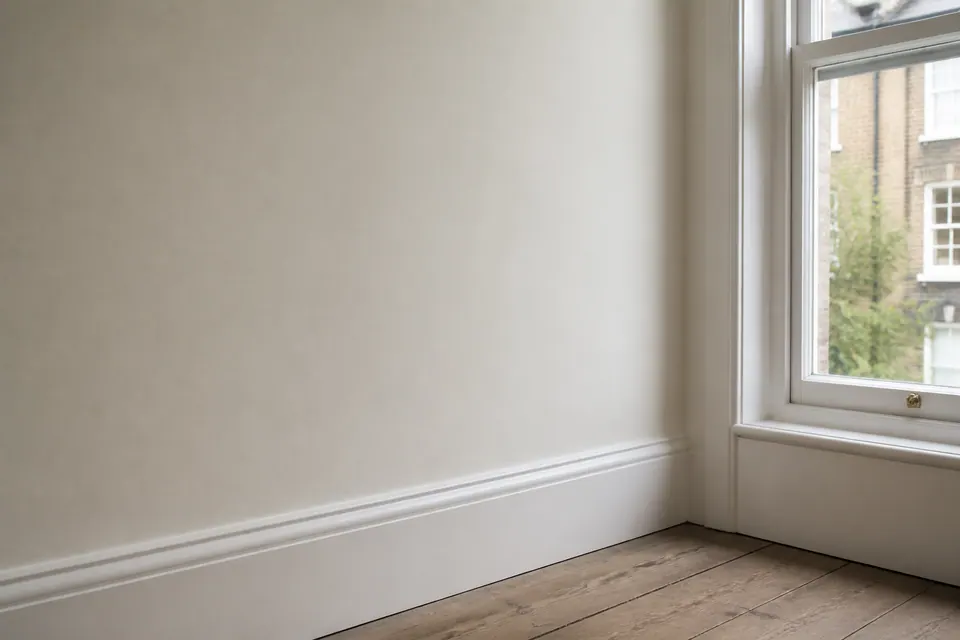
Illustrative walls & ceilings property context

Do not confuse exposed with suitable

Bare plaster, remaining wallpaper and paint may be visible together after a move. Describe those transitions and any loose material. A newly accessible area can still require a separate material decision rather than straightforward surface removal.

Illustrative corners & cupboards property context

Cupboards left by the previous occupant

Identify fixed cupboards and any recess that remains hidden despite the empty room. Access to an open floor does not authorise dismantling joinery or establish the condition inside a covered space.

Changes worth recording before unpacking

  • Spotting visible in the vacant room
  • A boundary different from the checkout image
  • Odour noticed on first entry
  • Discolouration beside an uncovered reveal
  • Water observed on glazing
  • Loose coating around the marked portion

Keep the original images with their dates. A mark first noticed during a move may have existed earlier; the discovery date and the start of the condition are not necessarily the same.

Milton Keynes / ACCESS & PEOPLE

Who controls the room
during the move?

A genuinely vacant space

Tell us whether keys can be provided and whether another contractor will be using the room. An empty photograph does not establish uninterrupted access on the proposed day.

A partly furnished home

List items already delivered and any restriction on relocating them. Preparation should be agreed for the actual arrangement rather than based on the assumption that the room can be emptied again.

An overlapping handover

Where possession or keys are changing hands, identify the contact authorised to arrange the visit. The treatment enquiry does not determine tenancy responsibilities or settle a dispute about the condition.

TENANT ENQUIRY

Keep move-in evidence

A tenant can provide dated views and the known handover timetable while checking permission for the proposed work. Avoid presenting an inventory description as confirmation of the moisture source.

LANDLORD ENQUIRY

Coordinate the separate trades

A landlord can supply known repair history and explain whether decorating or delivery is planned. Each job needs its own scope; a surface visit should not silently become approval for the next contractor.

HOMEOWNER ENQUIRY

Set realistic milestones

A homeowner should distinguish assessment, suitable treatment, any repair and the later furnishing decision. Ask which stage must be clarified before committing to a delivery arrangement that cannot easily be changed.

Milton Keynes / THE PROPERTY BRIEF

Plan the furnishing sequence
for Milton Keynes

Availability comes before a delivery-linked booking.

Send the complete postcode and explain whether the room is vacant, awaiting delivery or already in use. A location page does not confirm travel coverage. Once availability is established, the proposed work still needs to distinguish accessible growth, damaged finish and any question about continuing moisture.

Four details for a move-related enquiry

Current room
Explain what is actually in place today, not only the intended layout.
Next use
Give the planned furnishing or occupation date without treating it as an agreed treatment deadline.
Existing evidence
Attach any checkout or pre-move view that shows the same wall.
Outstanding work
Identify repairs or decorating that have not yet been completed.
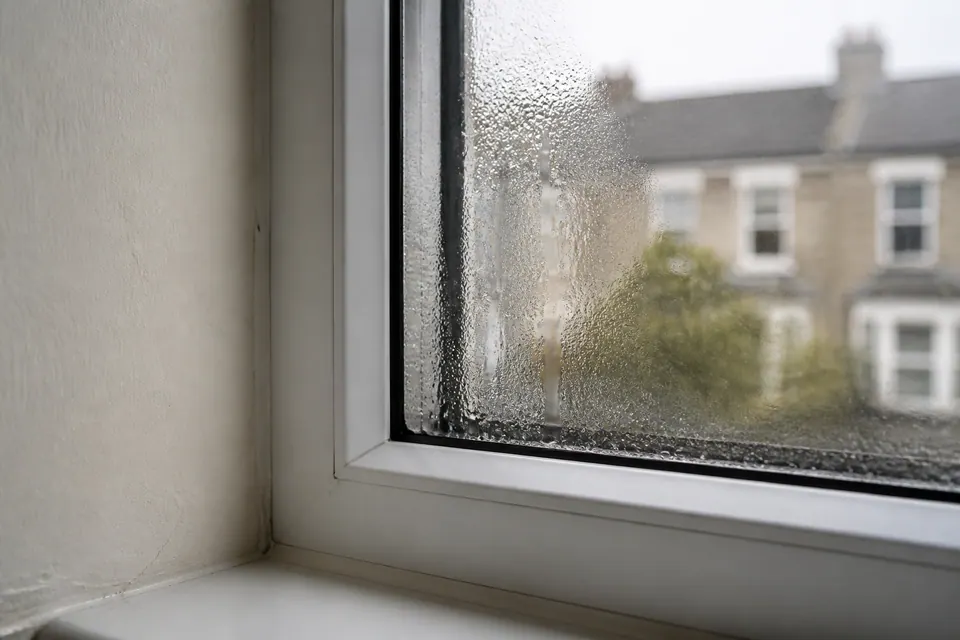
Illustrative condensation along a window pane

04 / WHEN IT COMES BACK

What changed while the room was vacant?

Compare an earlier photograph with the current view using the same wall feature. An altered outline during vacancy is worth reporting, but differences in light and camera distance can make a patch appear larger or smaller.

If moisture continues to reach the finish, growth may return despite surface work. A move does not establish whether condensation, retained moisture, a leak or another building condition is involved; that question remains separate from the delivery plan.

Keep the dates attached.

Record when the room became empty and when each image was taken. Do not scrape or wipe the patch to produce a clearer comparison; retain the condition available for an appropriate assessment.

05 / A CONTROLLED APPROACH

A sequence that leaves room for decisions

01

Assess

Review the exposed finish, current extent and available history before agreeing what can be treated. Confirm address availability separately from the suitability of the wall.

02

Prepare

Set the working arrangement while the room is still accessible, with instructions for any belongings already delivered. Do not presume that vacancy removes all preparation needs.

03

Treat

Carry out the agreed work on suitable surfaces, keeping damaged material and other excluded tasks distinct. A furniture deadline does not change the limits of the selected approach.

04

Advise

Explain the observed result and the instructions relevant to returning the room to use. Identify outstanding moisture or repair questions rather than implying that unpacking can proceed automatically.

From first view to a defined next step

The diagram distinguishes observations and work stages; it is not a guaranteed visual transformation or a schedule for furniture delivery.

  1. Visible issue

    Keep a dated view of the exposed wall.

  2. Treatment in progress

    Follow the limits agreed for the reachable finish.

  3. Reviewed surface

    Separate remaining stain from the condition requiring further work.

These drawn stages are illustrative, not photographs of a completed customer job. Continuing moisture can still affect a treated surface.

06 / QUOTATION, NOT GUESSWORK

Quote the condition,
not the moving date.

Alesta prices mould-removal work by quotation. For a room awaiting furniture, the useful starting point is the affected finish and its extent, not the urgency of delivery. Small accessible areas may be considered from photographs; unresolved or more extensive concerns can need assessment.

See the main mould-removal service ↗
START WITH THREE THINGS
  1. A view before the wall is obstructed
  2. Approximate dimensions of the visible change
  3. The repair and furnishing timetable
Ask about the move-related scope
Evidence for a room awaiting furnishing
ScopeQuotation basisDecision needed
A clearly visible, suitable patchPhoto-led quotation may be possibleEstablish the finish and reachable boundary before furniture arrives
Several surfaces or a returning outlineAssessment informs the quotationSeparate the rooms and provide their earlier history
Deteriorated finish or unresolved water issueA specialist scope may be neededDo not assume treatment can precede required material or repair work

What changes the proposed cost?

  • The actual boundary, not the whole empty room
  • Different coatings exposed by the move
  • Items delivered before preparation is agreed
  • Protection required for the confirmed method
  • Stages needed before normal room use
  • Investigation or repairs outside removal

Ask for the total and exclusions before confirming. Rebooking a delivery, replacing a damaged finish and later decoration are not silently included in a surface-treatment price.

07 / SEPARATE THE QUESTIONS

A newly visible mark
is not a newly proven cause

Moving furniture can reveal a condition that was previously obscured. Describe what has become visible without assuming the move created it or that an empty room will prevent its return.

Questions prompted by a move-related observation
Visible issuePossible contributing factorWhat may need checking
Spotting exposed at a window edgeMoisture may have affected the revealDistinguish water on glass from frame or coating concerns
Bathroom marks seen during vacancyEarlier repeated wetting may be relevantConsider history during ordinary room use, not only its present appearance
A stain beside a recorded repairPast or retained moisture may be involvedClarify repair status and material condition rather than relying on an invoice alone
A patch changes before deliveryAn ongoing condition may remainReview dated evidence and whether additional investigation is required
A clear room does not equal a repaired building.

Treatment of an accessible finish does not automatically include plumbing, ventilation changes, structural investigation or replacing damaged material. Those tasks need explicit scope decisions before they are used as milestones in the move.

Growth and moisture are different questions

Mould concerns fungal growth; damp describes excess moisture. They can be related without being interchangeable descriptions of the work.

Two questions before furnishing
QuestionMouldDamp
What is being described?Growth on the exposed finishMoisture affecting the material or its setting
What evidence is useful?The visible boundary and condition of the coatingKnown water history and observations of wetness
Why consider both?Removing growth alone may leave contributing conditions unchangedPersistent moisture can support further growth
What decision follows?Assess suitability and limits of surface workClarify whether the moisture source needs a separate investigation

08 / ROOM-BY-ROOM CONTEXT

Room details that affect the moving plan

Illustrative bathrooms setting for a mould-removal enquiry

Bathrooms

If the bathroom is needed immediately after moving, say so before booking. Discuss its finish and return instructions without assuming a treatment visit can be fitted between ordinary uses.

Illustrative bedrooms setting for a mould-removal enquiry

Bedrooms

An incoming bed can hide the patch and reduce reach. Keep proposed furniture placement in the brief, with fabric and contents questions distinct from the wall itself.

Illustrative kitchens setting for a mould-removal enquiry

Kitchens

Describe an empty appliance position only if it is already exposed. Pipework repair and treatment of a surrounding finish remain different tasks even during a wider kitchen change.

Illustrative living rooms setting for a mould-removal enquiry

Living rooms

Show where seating will stand and retain a photograph of the whole affected elevation. A future clear layout should not replace the actual conditions on the visit day.

Illustrative hallways & shared spaces setting for a mould-removal enquiry

Hallways & shared spaces

Key handover and common-entry arrangements may involve another contact. Permission to reach the room does not make communal walls part of an in-room treatment scope.

Illustrative lower-ground rooms setting for a mould-removal enquiry

Lower-ground rooms

For a lower-ground room, include the floor level and known water history before planning storage there. Persistent wetness or damaged materials may require work beyond accessible-surface removal.

09 / DIRECT ANSWERS

Decisions before
the next delivery

Can an empty room be quoted more easily?

Clear views can help an initial quotation, but the finish, extent and history still matter. An unobstructed patch is not automatically suitable, and a complex or recurring concern may need assessment before a price is agreed.

Should the wall be painted before furniture arrives?

Do not use a new coating as a substitute for reviewing growth and moisture. Ask what condition must be clarified before decoration; an urgent delivery does not make covering the mark an appropriate treatment.

Will leaving the room empty stop recurrence?

Vacancy alone does not resolve a moisture contributor. Report the previous use and current observations, but keep diagnosis open rather than assuming that removing belongings has corrected the reason growth developed.

Can treatment fit a fixed move-in date?

Ask after the evidence has been reviewed. The method, preparation and any separate work affect the sequence, and the visit duration should not be treated as the full period before the room is ready for its next use.

When can delivered items be unpacked?

Obtain the return-to-room instructions for the agreed approach. Do not assume the technician leaving, the wall looking cleaner or a delivery arriving means belongings should immediately be placed against the finish.

Can bathroom marks be included before occupation?

Suitable accessible bathroom finishes can be considered, but name them explicitly in the enquiry. Deteriorated sealant or damaged coating may require a different decision rather than being included as routine removal.

What about marks exposed behind window furniture?

Show the frame, reveal and nearby room. Assessing visible growth around the window does not certify the frame or resolve a suspected leak, and any blind or curtain removal needs agreed preparation.

Does the quotation include repair work needed for moving?

Not unless expressly agreed. Surface treatment, moisture-source repair, replacement material and decoration are separate scopes; keep each one visible when planning the timetable.

Milton Keynes / PLAN THE APPOINTMENT

Milton Keynes
address availability first

Ask about availability for the full Milton Keynes postcode before organising keys, deliveries or a visit window. Explain whether the room will remain vacant and when its next use is planned.

Explain whether the room will remain empty and who can provide entry if the furnishing schedule changes.

Open in Google Maps ↗

Mould Removal in other areas

Milton Keynes

View the Milton Keynes area map.

Milton Keynes / BEFORE BOOKING

A move-related enquiry:
questions for Milton Keynes

Clarify the decisions that connect the exposed finish with the room’s next use, without turning a proposed delivery date into an assumed service promise.

Should I send the furniture delivery date?

Yes, as a planning constraint rather than a guaranteed deadline. The first checks are address availability, the condition of the finish and the proposed method; room-use instructions may affect what can happen afterwards.

Is the checkout photograph useful?

It can help if it shows the same wall. Keep its date and describe what is known about the interval since it was taken, allowing for changes in lighting and camera angle.

Can I place new furniture against the patch temporarily?

Ask for preparation advice before doing so. It can obstruct the view and create an additional handling question; a clear treatment brief is easier to agree while the accessible finish remains visible.

Does an empty room need no preparation?

No such assumption should be made. The selected approach and any belongings already present still determine preparation, access and room-use instructions, even where the floor looks clear.

What if the decorator is booked first?

Explain the proposed sequence before confirming either task. Covering the mark is not a substitute for reviewing growth and moisture, and separate repairs or material decisions may affect the decorating plan.

Should I wipe the mark for the inventory?

Keep a dated image of the visible condition and ask what preparation is appropriate. Do not dry-brush growth or mix products to improve a handover photograph; that can change the evidence being reviewed.

Can the quote include assembling the new furniture?

Do not assume that it does. Assembly and delivery arrangements are different from the agreed surface scope and should be discussed as separate tasks if needed.

What if the room becomes occupied before the visit?

Tell the booking contact promptly. The layout, access and preparation may have changed since the photographs, so the original arrangement should not simply be treated as still accurate.

Will treatment guarantee the wall is ready to decorate?

No universal cosmetic guarantee is appropriate. Growth, residual staining, damaged material and moisture-source questions are distinct; ask what must be clarified before the next decorative step.

A PROPERTY-SPECIFIC NEXT STEP

Plan the exposed wall
before the next move

Send the Milton Keynes postcode, a current room view and the relevant move dates. Ask about availability and the surface decision before committing the room to its next arrangement.

The room images illustrate property settings; they do not document a customer move or a completed mould treatment.

Chat