
Leaves
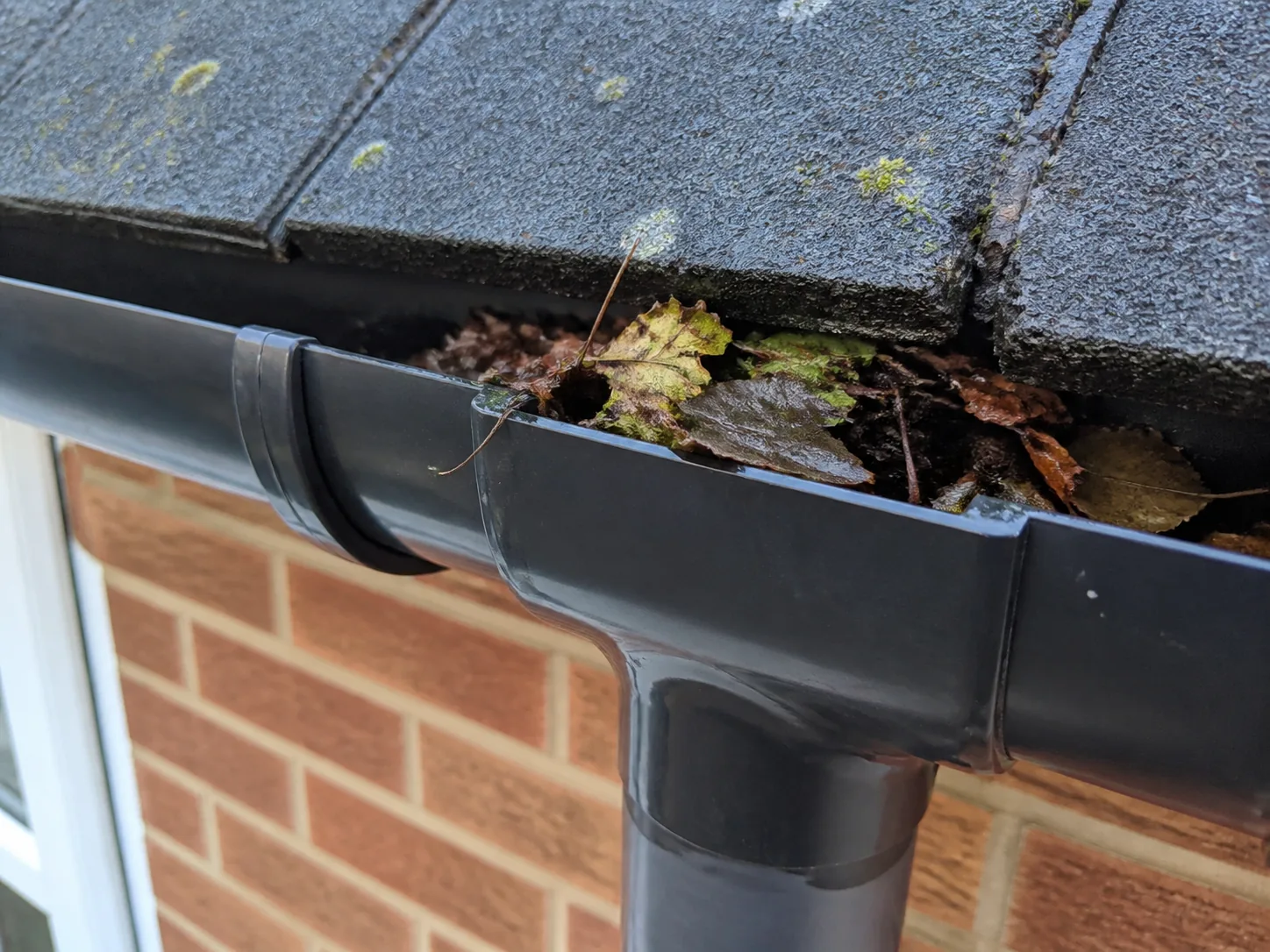
Wet leaves can settle into layers and slow water moving towards an outlet.
Rainwater routes · access · clear scope
Useful maintenance begins by agreeing which roof edges belong in the job. Esher gutter cleaning can cover one channel or several accessible runs, with leaves, loose moss, silt and routine debris removed. Reachable outlets are included only when specified. Repairs, roof-surface work, obstructions inside hidden downpipes, underground drainage and specialist access are assessed apart from the clean.
Visible clues
Water over an edge, visible tufts of growth, deposits around an outlet or a channel that drains slowly can indicate build-up. Cracks, separation, sagging or continuing leakage after clearance suggest a physical issue beyond routine maintenance.
Local property context
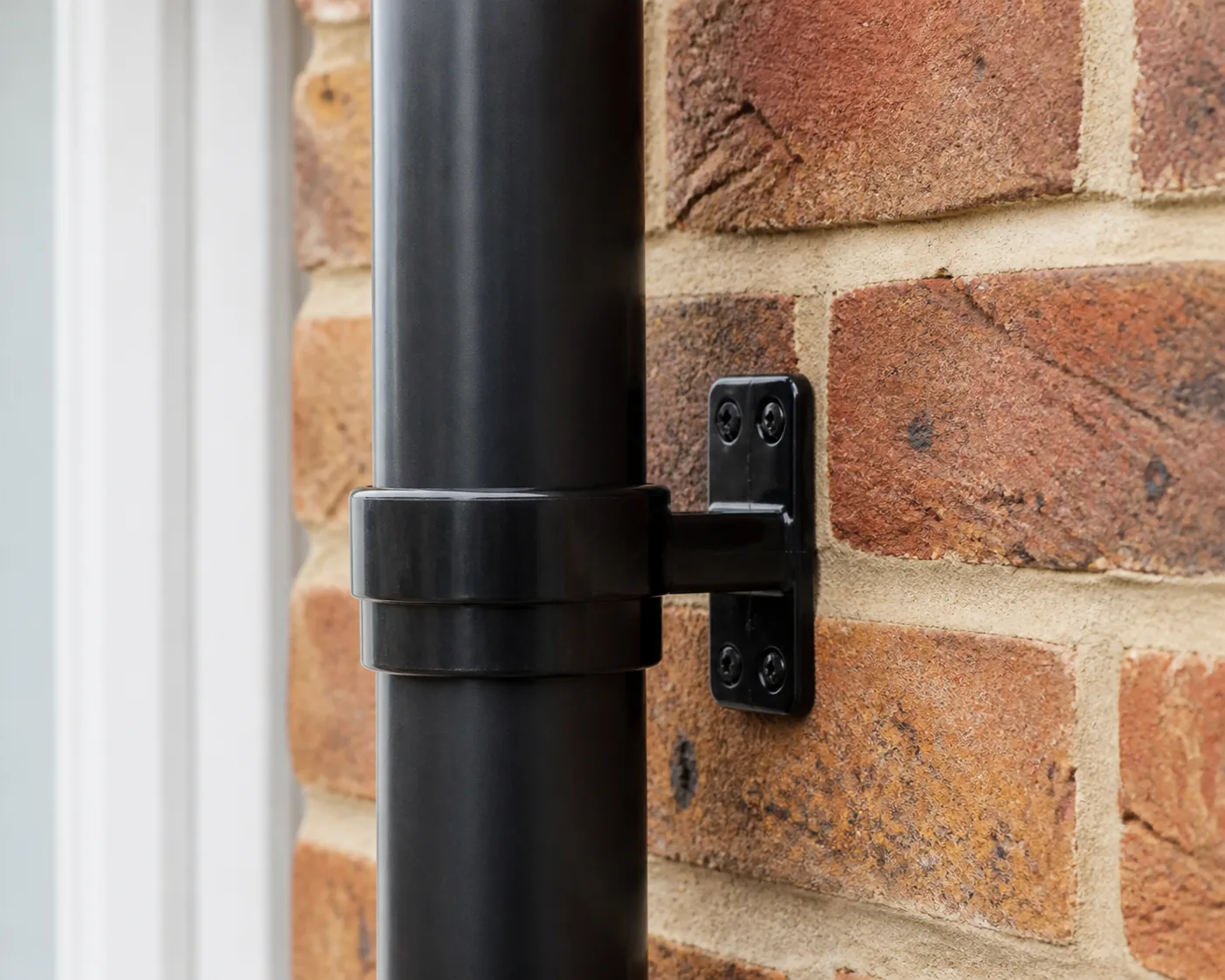
An Esher address may include only the main building, or it may have lower additions, a garage, a carport or another ancillary roof. Some properties may have open access on one side and a confined route on another. None of these features should be inferred from the place name. The enquiry should say which structure and elevation shows build-up or overflow, then list any extra channels expected within the visit. Gates, boundaries, planted areas and surfaces beneath the roof edge are also relevant because each requested run must be assessed on its own conditions.
A separate structure can have a separate rainwater problem. Leaves in a garage gutter are ordinary channel contents; a broken garage outlet, however, still requires repair. On the house, water spilling above a downpipe may reflect a small deposit at the opening or a deeper restriction that cleaning cannot reach. The routine service removes loose material from the channels agreed and reachable outlet mouths where included. It does not extend through concealed pipework or below the ground. This boundary makes the result understandable when several roof areas are discussed together.
Building height is only one part of reach. Additions, conservatories, fences, narrow passages, sloping ground and separate locked areas may alter access from one roof edge to the next. The service is agreed from the actual layout, without presuming specialist arrangements.
| Property situation | Access or gutter consideration |
|---|---|
| Property with a detached garage | The building and required sides should be listed because its channels are not part of the house request automatically. |
| Home with a carport or canopy | A lower roof can have its own drainage while changing the usable area beneath a higher edge. |
| House on changing ground levels | The same eaves line may present different reach conditions at the front, side and rear. |
| Address with controlled gates | Access arrangements should cover every separate area needed for the selected roof runs. |
Structured service guide
| Roof area | Routine scope when agreed | Excluded by default |
|---|---|---|
| Main house channel | Clear accessible ordinary debris | Unnamed elevations |
| Garage or outbuilding run | Include specified sides | Automatic inclusion with house |
| Reachable outlet | Remove loose matter at the mouth | Concealed pipe interior |
| Ground drainage | Outside roof-edge maintenance | Underground clearance |
Structured service guide
| Finding | Role of cleaning | Other work to consider |
|---|---|---|
| Loose moss and silt | Remove from the chosen run | None if drainage resumes normally |
| Cracked outlet fitting | Clear surrounding contents | Component repair |
| Empty channel sagging | No corrective effect | Support or alignment assessment |
| Outlet open but discharge poor | Confirm mouth is clear | Deeper pipe or drain assessment |
Structured service guide
| Scope detail | Practical consequence |
|---|---|
| More than one building | Adds distinct roof edges to assess |
| Several elevations or heights | Expands the selected channel extent |
| Gates, fences or additions | Can restrict approach to particular runs |
| Dense or widespread deposits | Changes the amount of clearing needed |
Structured service guide
| If present | Boundary question |
|---|---|
| Detached garage | Which sides belong in the clean? |
| Carport below house eaves | Does it affect the higher run’s access? |
| Changing ground level | Which elevations remain approachable? |
| Locked garden section | Who will make the required route available? |
Common causes
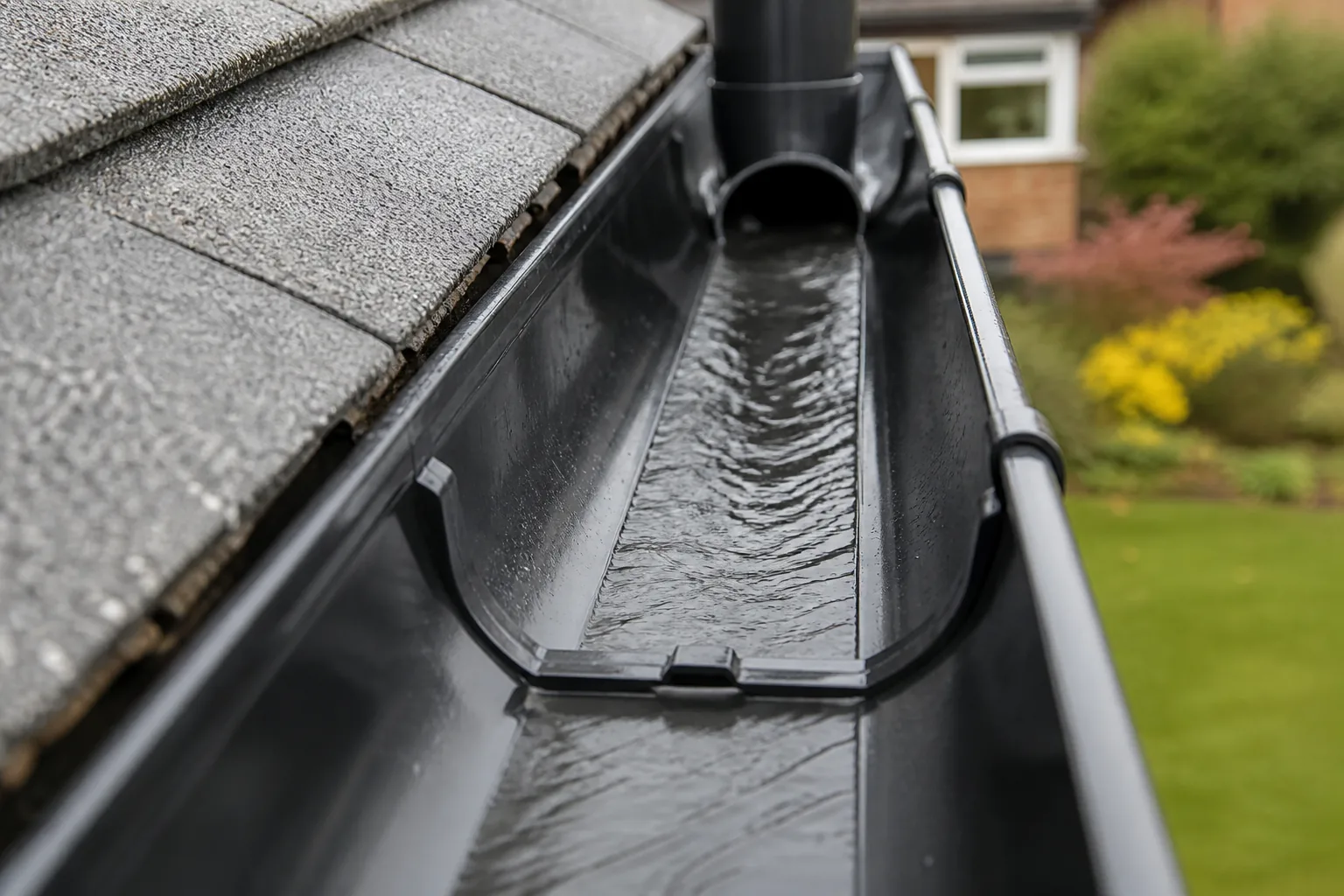
Leaves, moss fragments and fine sediment can collect differently across separate roofs. A sheltered garage run may hold material even when an exposed house channel looks open. Only accessible sections named in the agreement form part of routine clearance.
Wet leaves can settle into layers and slow water moving towards an outlet.
Loose roof moss can collect in the channel and hold other material in place.
Small twigs can bridge narrow points and trap lighter debris behind them.
Loose surface material may wash down from the roof during wet weather.
Older material can become dense and reduce the channel available for runoff.
Fine deposits can gather beneath larger debris and close to an outlet.
Seasonal context
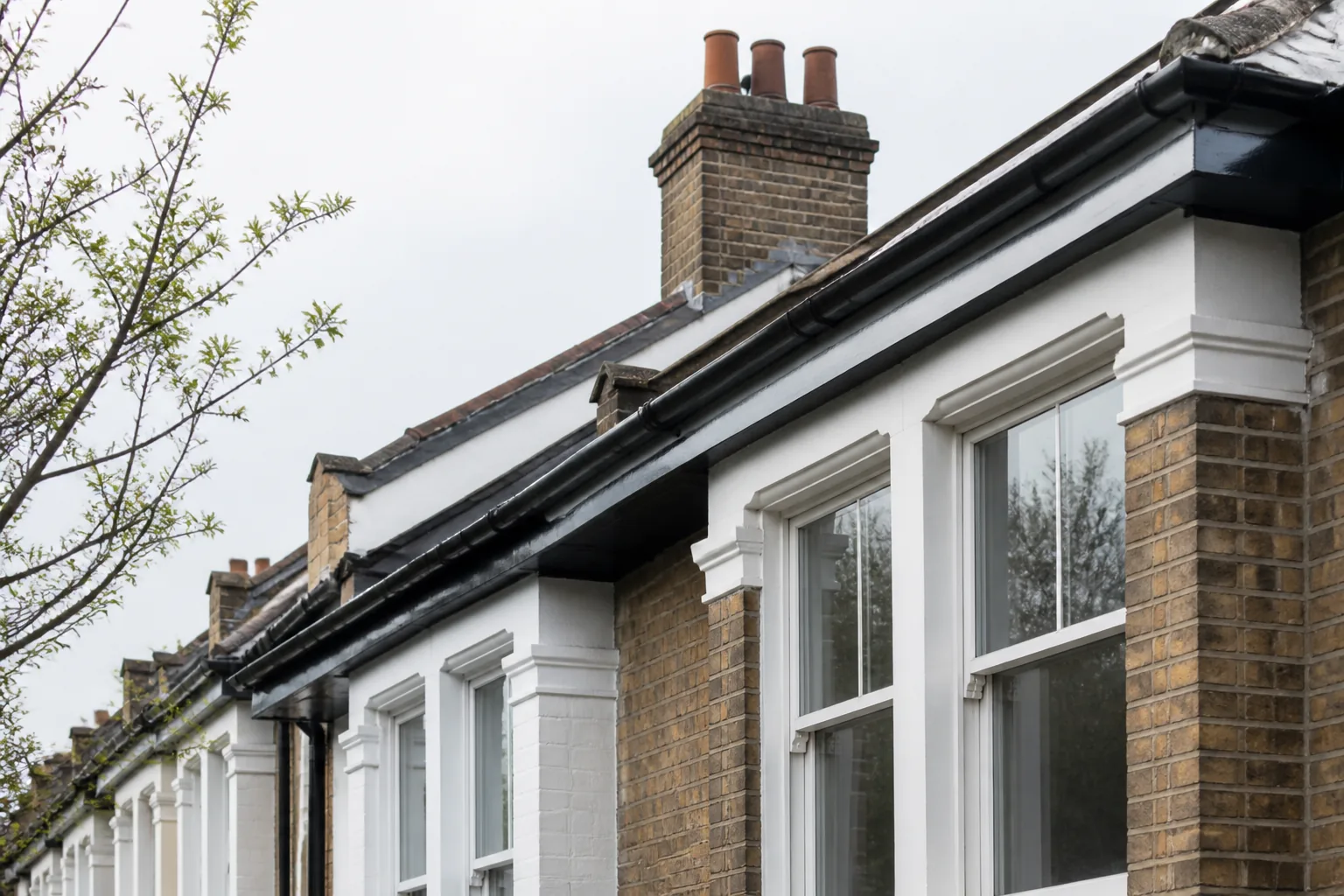
Different roofs at one property can accumulate at different rates. Autumn leaf fall may affect a sheltered edge quickly, while moss and silt build more gradually elsewhere. Previous contents and observed flow provide a better guide than one recurring date for every channel.
Nearby trees, roof moss, gutter shape and exposure can all affect how quickly material accumulates. A visible symptom is more useful than applying one fixed timetable to every address.
Quick answers
No. It is a separate building with its own elevations and access. State which garage channels need attention so they can be assessed and added expressly to the agreed house scope.
They may be included in one arranged visit when each required run is identified and accessible. The quotation should distinguish the structures instead of treating every roof edge within the boundary as assumed work.
The ordinary scope covers leaves, loose moss, silt, seeds and comparable routine debris in agreed accessible runs. Attached roof growth, damaged parts and material hidden deeper in pipes are different concerns.
No. A reachable outlet mouth can be freed of loose deposits where specified, but the concealed pipe below may still contain a restriction. Further investigation requires a separate service.
A selected channel may depend on entry through a locked or controlled part of the property. Confirming that route before attendance helps establish whether the run can actually be included.
Not within a routine cleaning quotation unless repair work has been assessed and agreed separately. Loose debris removal should remain distinct from resealing, replacing, realigning or opening concealed drainage routes.
Esher service area
Nearby gutter-cleaning pages
Before booking
Identify the structure, its required sides and any route needed to reach them. The outbuilding can then be considered independently from the house. Sharing the same property does not establish that all of its channels are included.
The request can focus on that accessible run without adding unaffected house gutters. Visible growth indicates retained material and moisture in the relevant section, but it does not confirm the condition of other channels or hidden pipework.
Yes. A channel at one eaves height may have quite different approach conditions along the building because the ground below rises or falls. Each elevation is assessed as found, even where the gutter itself appears continuous.
It is outside routine gutter cleaning. The agreed work ends with accessible channels and reachable outlet openings where specified. Suspected trouble after the downpipe enters the ground needs separate drainage investigation and should be described in advance.
No. Silt, moss and other deposits can reduce capacity, while damaged fittings, alignment, a concealed obstruction or unusually heavy rainfall may also affect water movement. The visible symptom helps locate the concern but does not prove its cause.
Yes. Its roof edge and outlet are distinct from the main building, and the structure may also influence access nearby. Naming it makes clear whether clearance of that lower run is expected within the arranged work.
A failed seal, cracked union or displaced connection may continue leaking without any blockage. That points towards repair rather than more debris removal. Cleaning does not restore the component, even if build-up was previously present beside it.
Only when access can be arranged and the section is otherwise suitable for inclusion. Provide gate details when booking. If entry is unavailable on the day, visibility from another area does not make the roof edge accessible.
Consider each structure’s earlier accumulation, surrounding planting, exposure and visible water behaviour. A sheltered lower run may need attention at a different time from the main house. One universal maintenance interval can miss those differences.
They should be named or clearly covered in the agreement. A reachable opening may be attended to, but that does not authorise work throughout the connected downpipe. Outlet scope and concealed pipe assessment remain different things.
Discuss the actual roofline
The quoted work reflects the selected buildings, elevations and channel lengths, together with levels, access conditions and debris quantity. An outbuilding is not included simply because it shares an address. Repairs, internal downpipe obstructions and buried drainage need their own scope.
