
What does the basic service include?
It removes leaves, loose moss, silt and comparable routine debris from the accessible channels agreed for the visit. Reachable outlet mouths are included only where they have also been confirmed.
Rainwater routes · access · clear scope
When rainwater starts spilling, the useful first step is to identify the affected run and what can actually be reached. Our Tunbridge Wells gutter cleaning covers leaves, loose moss and settled silt in agreed accessible channels. Reachable outlet entrances may be added by agreement. Component faults, obstructions below that opening, underground drainage and specialist access are assessed apart from routine clearance.
Visible clues
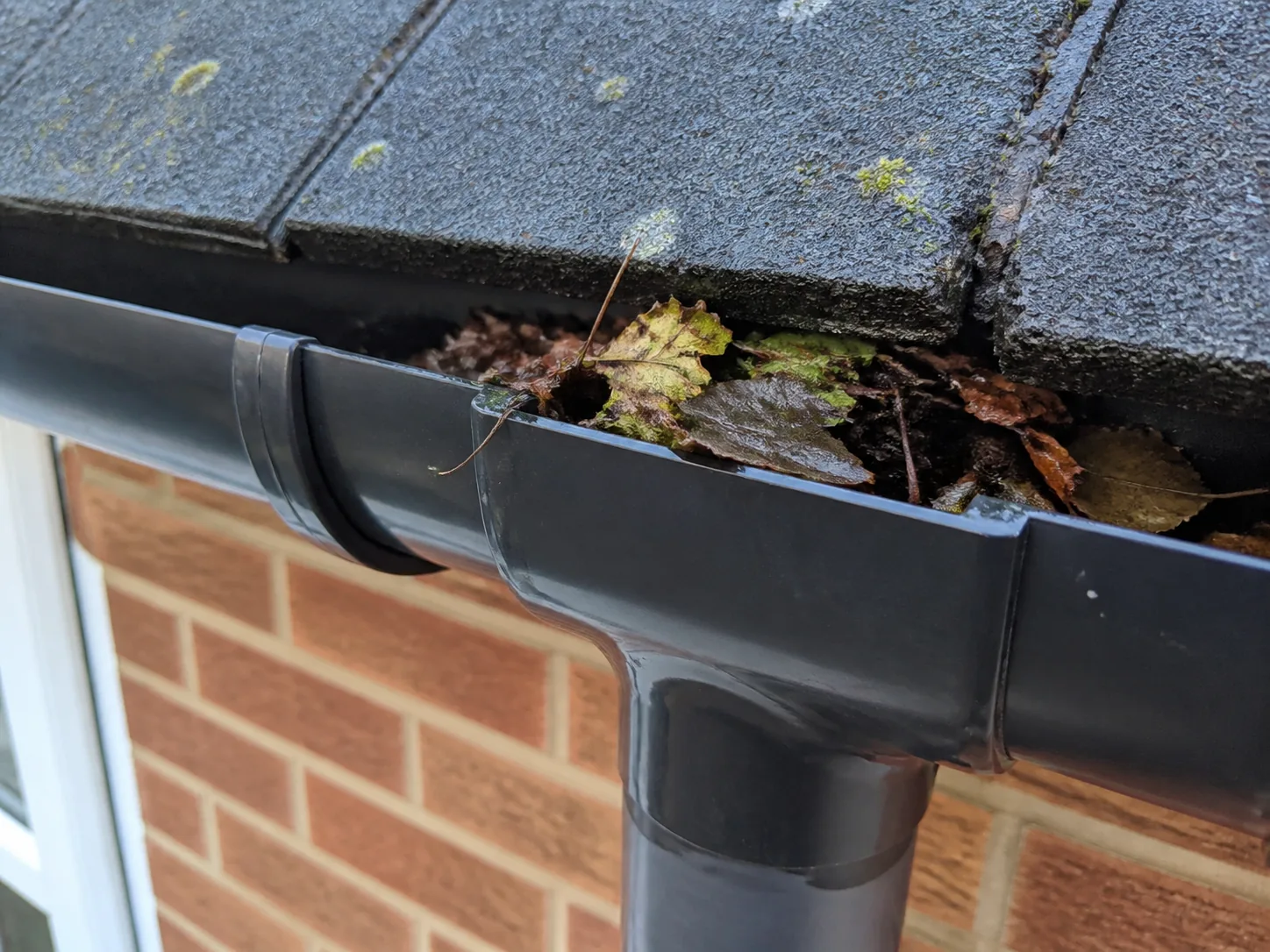
Overflow during ordinary rainfall, damp debris visible above the edge, sprouting material or a delayed trickle towards the outlet may indicate reduced space. Note whether the water crosses the front, tracks behind or escapes at a fitting, because repair may be relevant.
Local property context
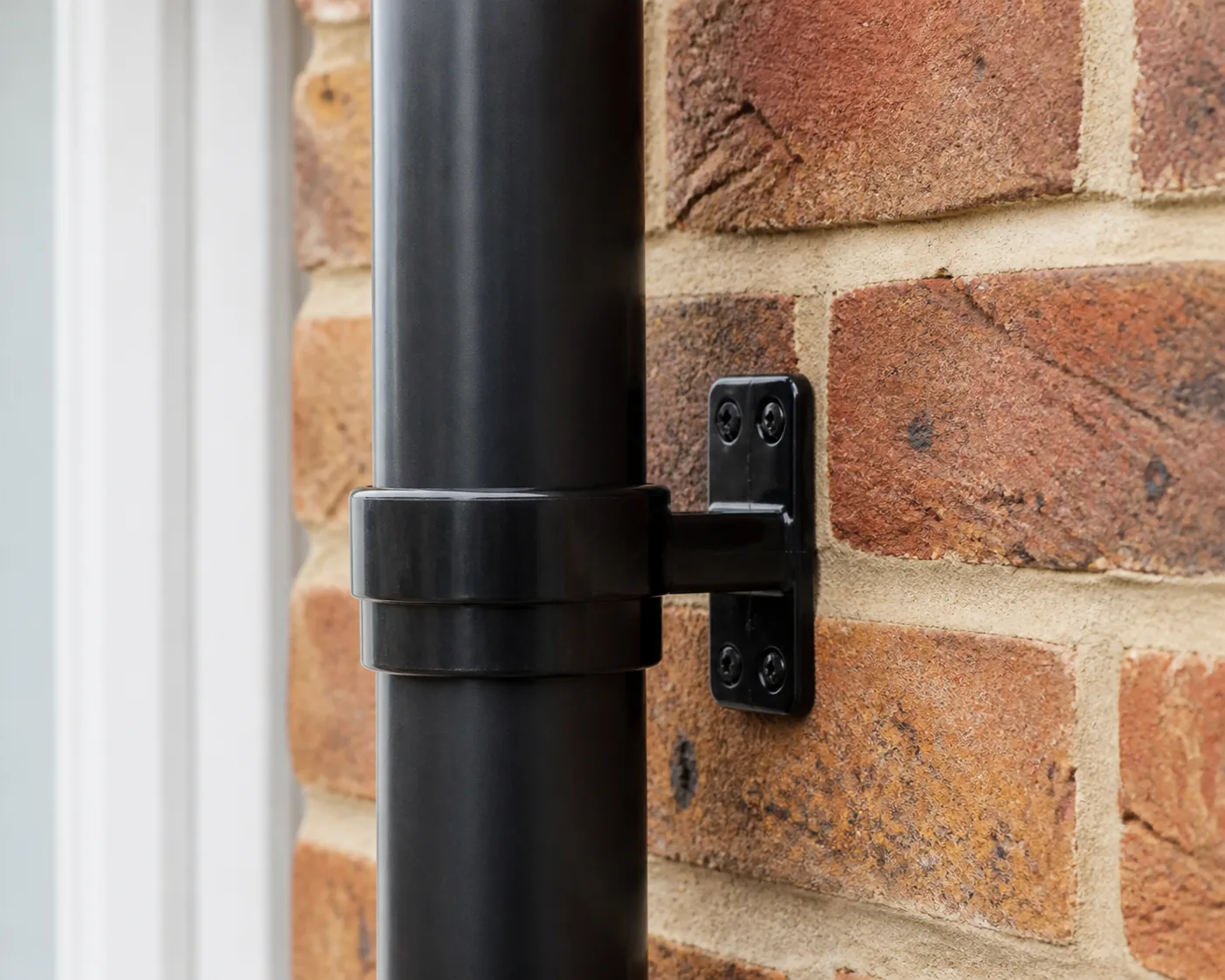
At a Tunbridge Wells property, water might spill at the front during steady rain, drip from a rear corner afterwards or leave one short run visibly full. Each observation describes a different part of the system and helps shape the request. Note the nearest outlet, the elevation and whether the channel belongs to the main roof, a porch, an addition or a garage. The actual layout, surrounding ground and route to that point then determine whether it can form part of the accessible agreed work.
Cleaning is useful where everyday debris occupies the channel, but not every wet mark calls for more clearing. A joint may leak despite an open run, supports can allow water to collect away from the outlet, and a downpipe can remain restricted below a clear entrance. For this reason, the visit should distinguish removal from diagnosis or repair. Loose leaves, moss and silt can be taken from the selected reachable sections; altering components or following water through concealed drainage is a separately defined task.
The route to every requested section matters. A clear front approach does not confirm a rear run beyond an addition, raised bed or narrow boundary. Mention changes in ground, enclosed courtyards, locked entrances, adjoining land and separate structures so exclusions can be settled early.
| Property situation | Access or gutter consideration |
|---|---|
| Terraces with enclosed rear space | Rear access and the boundary between connected gutter sections should be confirmed. |
| Homes with porches and bays | Small lower runs may have their own outlets and need to be requested explicitly. |
| Addresses on changing ground | The effective height and available space can differ markedly from front to rear. |
| Converted or shared properties | Responsibility, permission and the precise communal roofline require agreement beforehand. |
Structured service guide
| Part | Included when agreed | Handled separately |
|---|---|---|
| Accessible roof-edge run | Lift ordinary loose contents | Repair fittings or supports |
| Reachable outlet entrance | Remove material at the opening | Investigate inside the downpipe |
| Drain below ground | No cleaning action | Assess drainage condition |
Structured service guide
| Symptom | What cleaning addresses | What it does not settle |
|---|---|---|
| Leaves rising above the rim | The accessible accumulation | Condition beneath the debris |
| Water leaking through a joint | Any nearby blockage | Integrity of the fitting |
| Slow flow below an open outlet | Nothing deeper than the mouth | Pipe or drain restriction |
Structured service guide
| Information | Its practical value |
|---|---|
| Exact affected elevations | Defines which runs are requested |
| Main and lower roof levels | Shows separate access points |
| Gates, walls and additions | Highlights possible limits |
| Loose or compacted contents | Indicates the clearing involved |
Structured service guide
| When present | Question to settle |
|---|---|
| An enclosed rear terrace | Is a suitable route available? |
| A porch below the main eaves | Is its short channel included? |
| Changing ground levels | How does each elevation differ? |
| Communal roofline sections | Who has responsibility and access? |
Seasonal context
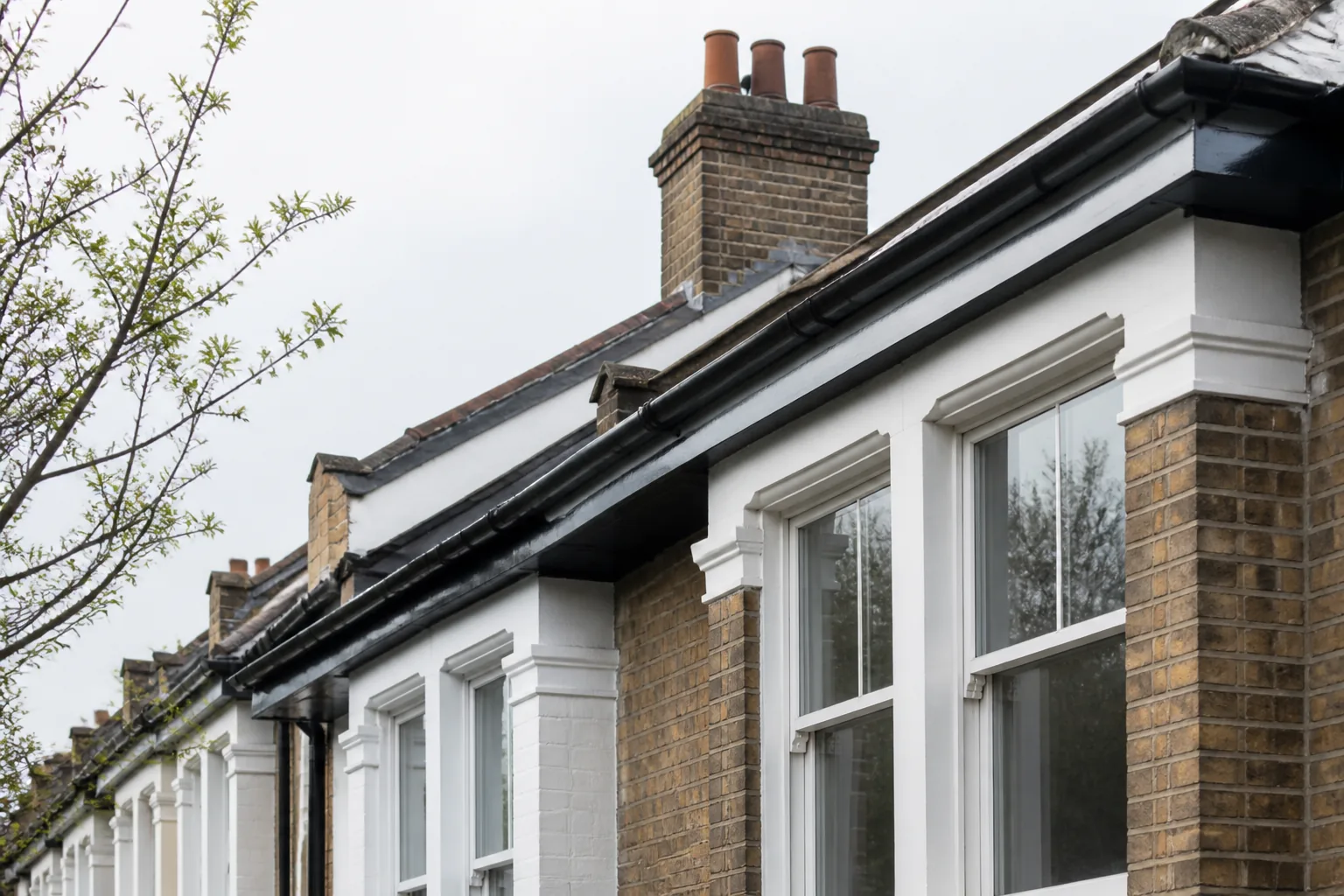
Leaf fall may prompt a check, yet moss particles, seeds and fine sediment can gather at other times. Rooflines with shelter or known catch points may retain material differently from exposed sections. Let what the household observes guide the timing rather than relying on a universal calendar.
Nearby trees, roof moss, gutter shape and exposure can all affect how quickly material accumulates. A visible symptom is more useful than applying one fixed timetable to every address.
A clear service sequence
Quick answers
It removes leaves, loose moss, silt and comparable routine debris from the accessible channels agreed for the visit. Reachable outlet mouths are included only where they have also been confirmed.
Yes, a focused clean can be discussed when that section and its approach are clear. The cause may still prove to be a damaged component or a restriction outside the channel.
No. The service may uncover loose material at an agreed reachable outlet entrance, but the concealed pipe, bends and below-ground connection are outside routine gutter clearance.
Ground-level photographs help explain roof levels, additions and obstacles, but they may not show all surrounding space or changes in ground. Actual access still needs to suit the agreed arrangement.
No. Sealing joints, replacing sections, correcting supports and investigating hidden restrictions are different tasks. A quotation should keep them distinct from removing ordinary contents in a channel.
Their gutters may be short, separate or at another level, and they are not automatically included with the main roof. Listing them ensures that the intended extent is understood.
Tunbridge Wells service area
Nearby gutter-cleaning pages
Before booking
The service excludes component repairs, realignment, concealed downpipe clearance, underground drains and rooflines that were not agreed or cannot be accessed. Reachable outlet mouths are dealt with only when included, not treated as permission to investigate the pipe beneath.
Yes. Fine material can form a shallow continuous bed that reduces the space available for rainwater and holds moisture. It may be less obvious than a pile of leaves, but accessible settled silt still belongs within routine debris removal.
It may help if retained debris is releasing water slowly, but dripping can also come from a failed union, crack or poor fall. Clearance addresses contents only. If the symptom remains in an open channel, another assessment is appropriate.
The agreement can be limited to the front if that is the reachable requested section. Rear, side and lower channels should then remain clearly excluded. A partial scope is preferable to assuming access that the property does not provide.
Yes. Its position helps define the affected run. Loose material covering a reachable mouth may be lifted when agreed, but poor flow after that point suggests a deeper downpipe or drainage issue needing separate investigation.
No. Smaller particles may pass through and leaves can settle across the surface or near openings. Guards may also alter access to the contents beneath. State what is fitted so the relevant channel can be considered properly.
Ground height, boundary width, lower roofs, extensions, walls and planting can change from one elevation to the next. A section at the same roof level may therefore present a different approach. Every requested side needs its own access decision.
Not within routine clearance. Removing debris may reduce weight, but it does not restore brackets, joints or alignment. Mention any visible movement or sagging before booking so the repair concern is not mistaken for an ordinary cleaning request.
No. Leaf fall is relevant to some rooflines, while others gather grit or moss gradually and at different times. Use known overflow, visible contents and the behaviour of individual runs to choose an appropriate check for the address.
Establish who controls the route and obtain any necessary permission before the visit. Identify the communal or private channel concerned. Without the agreed access or authority, that section may need to wait until the arrangement is resolved.
Discuss the actual roofline
Cost depends on the selected runs rather than a town-wide rate: their length, roof levels, surrounding restrictions and the character of the build-up all contribute. Short isolated channels may still require separate consideration. Fault repair and concealed pipework are quoted under another scope.
