
RUG CARE FOR COVENT GARDEN HOMES
Thoughtful Rug Cleaning in Covent Garden
A rug here may face restaurant footfall, crumbs beneath a dining table and awkward access through a pedestrian lane. We consider both the textile and the journey to it before proposing a sensible scope.
- Show the entire rug in good natural light
- Take separate pictures of spills, ripples and worn areas
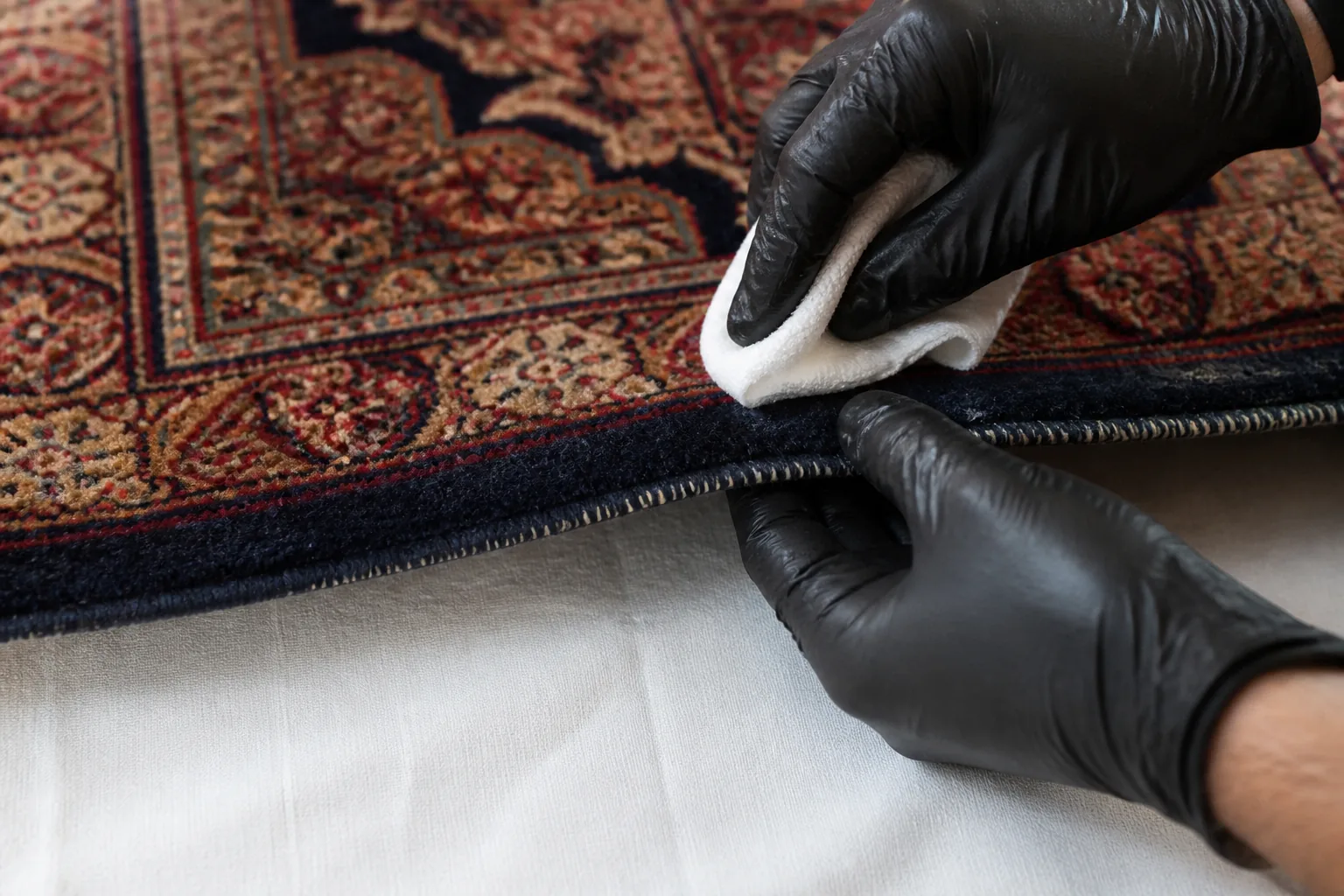
- Include the underside and label when reachable
- Describe stairs, narrow turns and the nearest stopping point
A BETTER FIRST ESTIMATE
Give the estimator a usable picture
- Covent Garden postcode
- Length and width
- Full overhead photograph
- Detailed problem images
- Fibre information
- Back and edging views
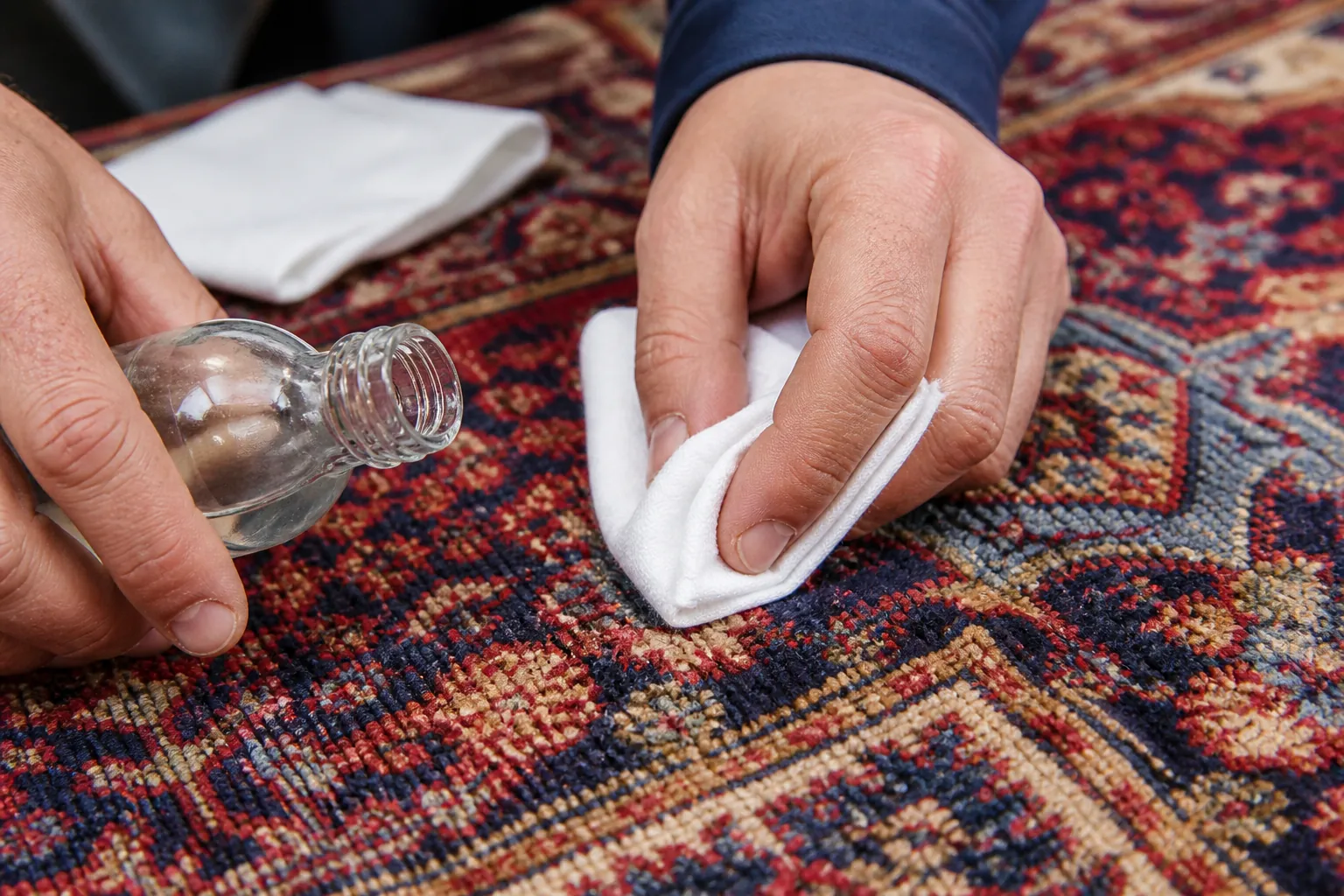
- Previous stain products
- Preferred appointment days
- Street-to-room access
Useful points before booking
Are photographs enough to confirm the process?
No. Touch, construction and colour behaviour may alter the proposed approach.
Could a pale patch be cleaned away?
Fading, abrasion and changed pile direction can resemble a stain but do not respond like soil.
Must the room be empty?
No. Identify furniture resting on the rug so movement can be agreed beforehand.
Can fragrance hide an unwanted smell?
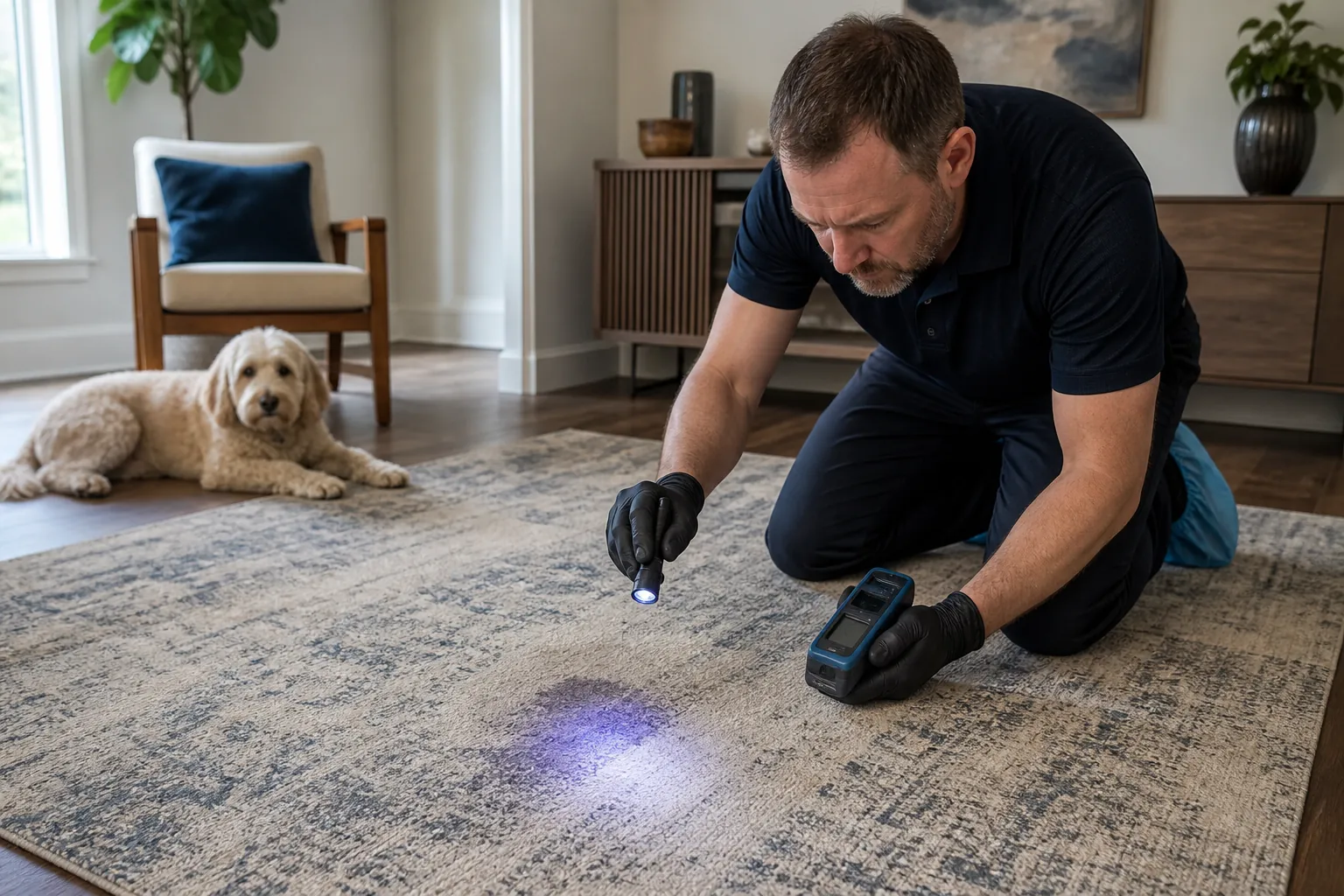
Masking is not a remedy; the affected section and likely cause need investigation.
A CENTRAL LONDON COLLECTION
The route through the building matters
Converted warehouses, mansion blocks and newer apartments present different handling puzzles. A short map distance can still involve timed loading, a long carry or a compact lift.
Consider a dining-room example. Food splashes sit in the centre, one bound side has begun to curl, and broad oak boards lie underneath. Each issue is recorded independently rather than describing every tonal change as dirt.
The owner also explains that vehicles cannot wait outside. With doorway measurements and a collection point already noted, nobody has to improvise while moving the piece.
A Covent Garden handover note
Use: Record the room and normal activity around the piece.
Dimensions: Measure both directions rather than trusting an old receipt.
Orientation: Show doors, furniture legs and regular traffic.
Marks: Give the location, age and known cause of each spill.
Wear: Treat flattened lanes as condition, not a cleaning promise.
Edge: Show loose binding or open stitching before rolling.
Reverse: Powdering and old repair cloth can affect handling.
Colour: Flag vivid shades and strongly contrasting borders.
Past action: Name sprays, powders or hired equipment used.
Odour: Identify where it is strongest and any known source.
Floor: Oak boards require separate protection arrangements.
Access: Give the walking distance from a legal vehicle stop.
Lift: Confirm floor number, car size and the narrowest turn.
Timing: Share building restrictions before choosing a slot.
Estimate: Area starts the figure; handling completes the scope.
Expectation: Cleaning cannot rebuild yarn lost through wear.

READ THE OBJECT, NOT JUST THE LABEL
Four clues shape the conversation
Two wool rugs may have entirely different foundations, colour systems and repairs. Those distinctions matter more than a generic material name.
Pile behaviour
Absorbency and resilience vary between fibres.
Dye response
Selected shades may warrant a stability check.
Underlying build
Woven, knotted and tufted pieces handle differently.
Earlier change
Repairs, thinning and loose finishes are logged first.
BUILD YOUR ENQUIRY
Choose what you know
This record prompts useful questions; it is not a remote diagnosis.
FROM DOORWAY TO HANDOVER
Seven checkpoints for one individual rug
Dense pile, unstable colour, aged adhesive or slow-moving air may require the route to pause or change.
- 01
Log
Match measurements and reported concerns to the item.
- 02
Examine
Look over pile, seams, fringe and backing.
- 03
Check
Investigate relevant fibre and colour risks.
- 04
Prepare
Deal with accessible loose debris appropriately.
- 05
Clean
Stay within the textile’s observed limits.
- 06
Finish
Attend to moisture, pile direction and edges.
- 07
Return
Explain when furniture may safely go back.
PRICE GUIDE
Start with area, then define the work
Measure the widest length by the widest width. Construction, condition, collection difficulty and approved extras may affect the quotation.
WHEN APPEARANCE HAS CHANGED
Cleaning and restoration are different promises
A deposit may lift, while sun fading, pile loss or chemical bleaching may remain. We distinguish removable matter from damage.
WHEN AN ODOUR PERSISTS
Follow the source instead of covering the smell
Liquid can travel into the foundation, underlay or timber floor. Incident history therefore matters.
- Mark the strongest-smelling zone
- Explain when the event happened
- List everything applied afterwards
- Keep outcomes conditional until inspected
COVENT GARDEN FAQ
Answers for planning an appointment
Which photographs help most?
Send full, reverse, label, edge and concern views.
How should I measure an irregular rug?
Use its longest and widest points and show the outline.
Can you collect from a pedestrian street?
Usually this can be planned once the stopping point and carry are known.
Will cleaning flatten a curled edge?
Not necessarily; tension, construction or wear may cause it.
Is the fibre label enough?
No. Dyes, backing and repairs still deserve examination.
What if I used stain spray?
Name it, describe the amount and avoid another application.
Can dining stains be guaranteed away?
No. Age, ingredients and earlier treatment affect improvement.
When may furniture return?
Follow the specific handover advice after residual moisture has gone.
Why mention the wooden floor?
It influences lifting, protection and return arrangements.
What determines the final price?
Area, build, condition, access and agreed extras define it.
READY TO DESCRIBE YOUR RUG?
