
RADLETT · BUILD A RELIABLE ITEM RECORD
Rug Cleaning in Radlett, Planned from Evidence
A rug rarely arrives with its whole story attached. In Radlett, we begin by recording what can be seen, what the owner knows and what remains uncertain, so the cleaning discussion follows the textile rather than an assumption.
- Photograph the rug in daylight before shifting furniture
- Capture selvedges, corners and any change in pile direction
- List every spray, powder or machine used on the item
- Explain where the rug can be examined and left undisturbed
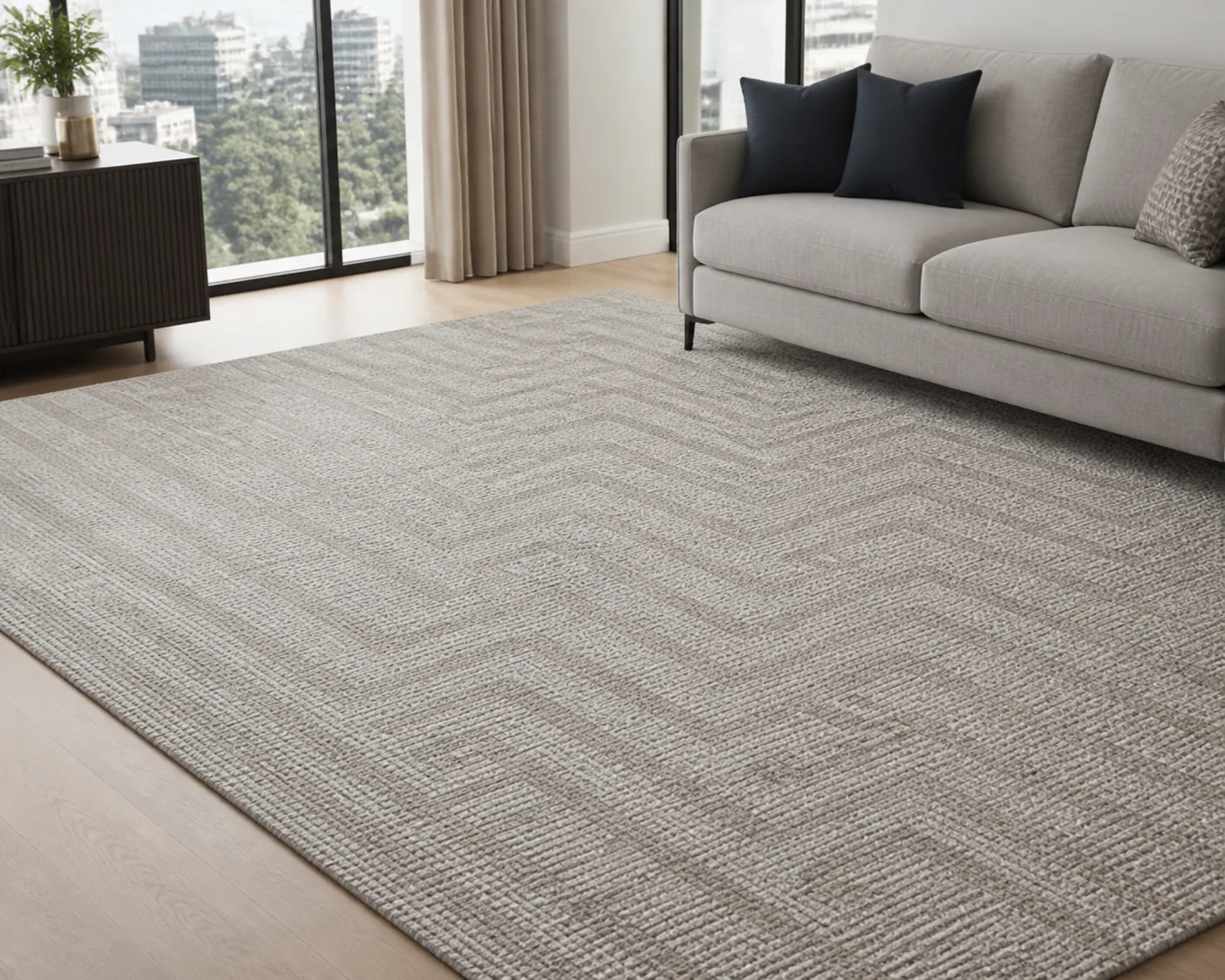
CREATE A DESCRIPTION
Sort known facts from useful unknowns
These choices prepare the conversation; they are not a remote fibre diagnosis.
RADLETT QUESTIONS
Answers for preparing an informed visit
Which photographs are most useful?
Send one complete overhead or room view, then separate close-ups of the label, reverse, edges and concern.
Can you confirm fibre from a phone image?
Not safely in every case. Photography guides the questions, while touch, construction and testing may be needed.
Does a darker patch always mean dirt?
No. Crushed pile, dye change, residue and wear can alter appearance in different ways.
Why record an old repair?
Repair yarns, adhesives and weakened foundation can respond differently from the surrounding field.
Should loose dust be vacuumed first?
Only use a suitable setting and avoid vulnerable fringe or unstable areas; mention any concern before proceeding.
What if a product was used years ago?
Include it if remembered. Old residues can still affect assessment and rinsing decisions.
Do you promise removal of pet odour?
No outcome is promised before the depth, source and affected layers are understood.
Can the rug dry in its usual position?
That depends on airflow, the floor underneath and whether the area can remain clear.
Is collection automatically included?
Transport and handling are confirmed as part of the individual scope, not assumed.
How does the £68 visit minimum work?
It is the starting minimum for an eligible visit; compatible agreed tasks may contribute to it.
A RADLETT HANDLING PLAN
Trace the rug from room to workable space
A dining rug may be easy to see yet awkward to lift. Chairs, table legs, narrow turns and a protected floor all belong in the brief. Recording the route before arrival helps distinguish textile work from furniture handling.
Use sequence, not guesswork. Start with the entire room, then photograph the concern in relation to a corner or pattern motif. This makes later comparisons meaningful.
If the provenance is uncertain, say so. A clear unknown is safer than a confident but unsupported material label.
Evidence sheet for a Radlett rug
Identity: Distinguish this item from other rugs in the property.
Dimensions: Measure the longest and widest points.
Pattern: Use a motif to locate the concern precisely.
Label: Transcribe wording rather than interpreting it.
Surface: Note sheen, pile direction and flattened areas.
Colours: Include pale and saturated sections in photographs.
Ends: Record fringe loss, binding or curling.
Foundation: Show any exposed or repaired structure.
Reverse: Look for transfers, labels and old work.
Intervention: Name substances and equipment already tried.
Timing: Give an approximate date for the incident.
Placement: Describe furniture resting on the textile.
Route: Count steps and tight doorways.
Ventilation: Identify a safe area with moving air.
Limits: Separate cleaning aims from repair needs.
Handover: Wait for advice before replacing weight.
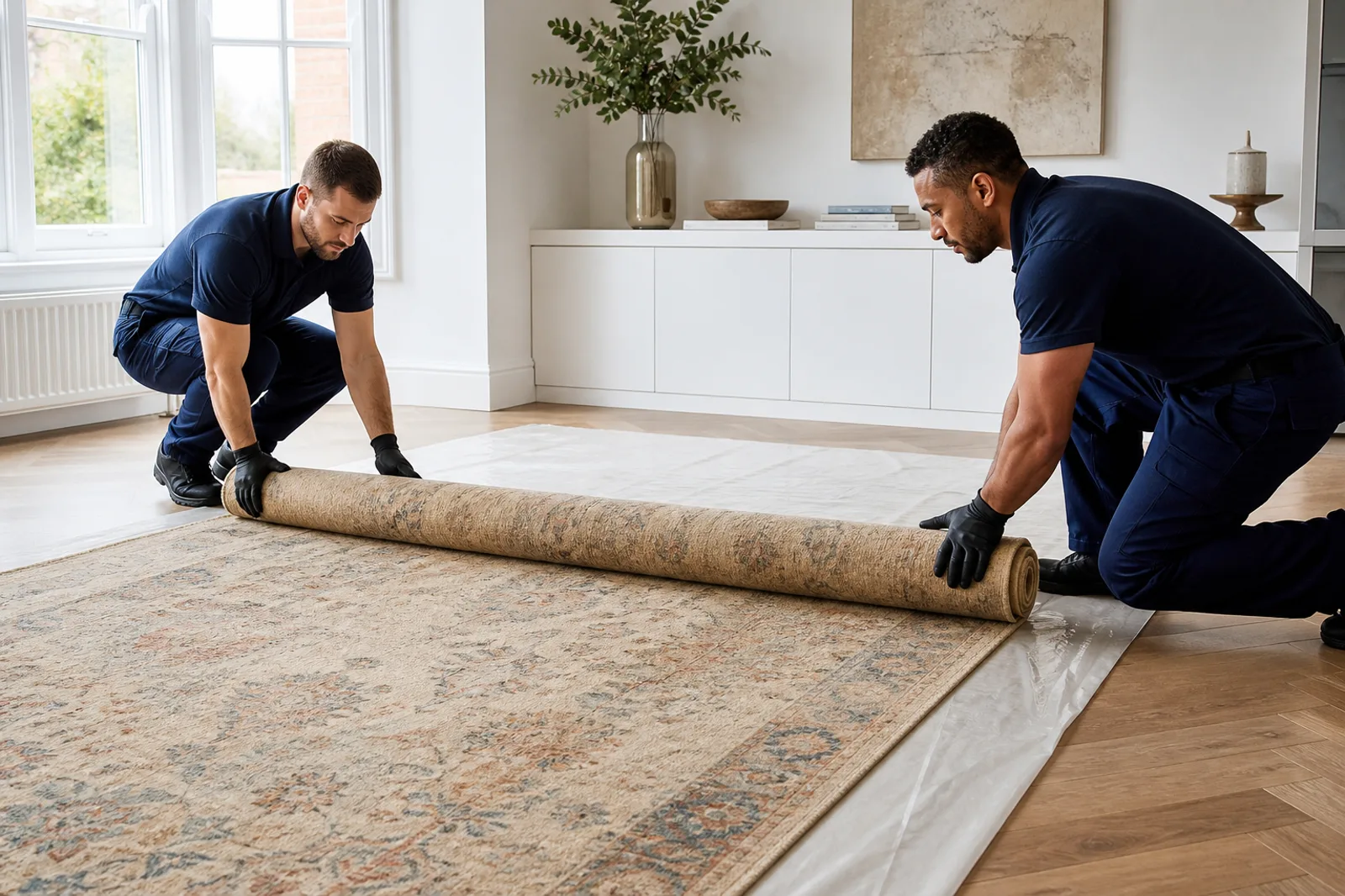
SIZE GUIDE FOR RADLETT
Measurements create the first band, not the final method
The confirmed quote also reflects fibre response, assembly, soiling, handling and any separately agreed specialist work.
READ THE TEXTILE IN LAYERS
Face yarn is only one part of the object
A rug may combine pile, foundation, backing, edging, repair yarn and adhesive. Each layer can introduce a different constraint.
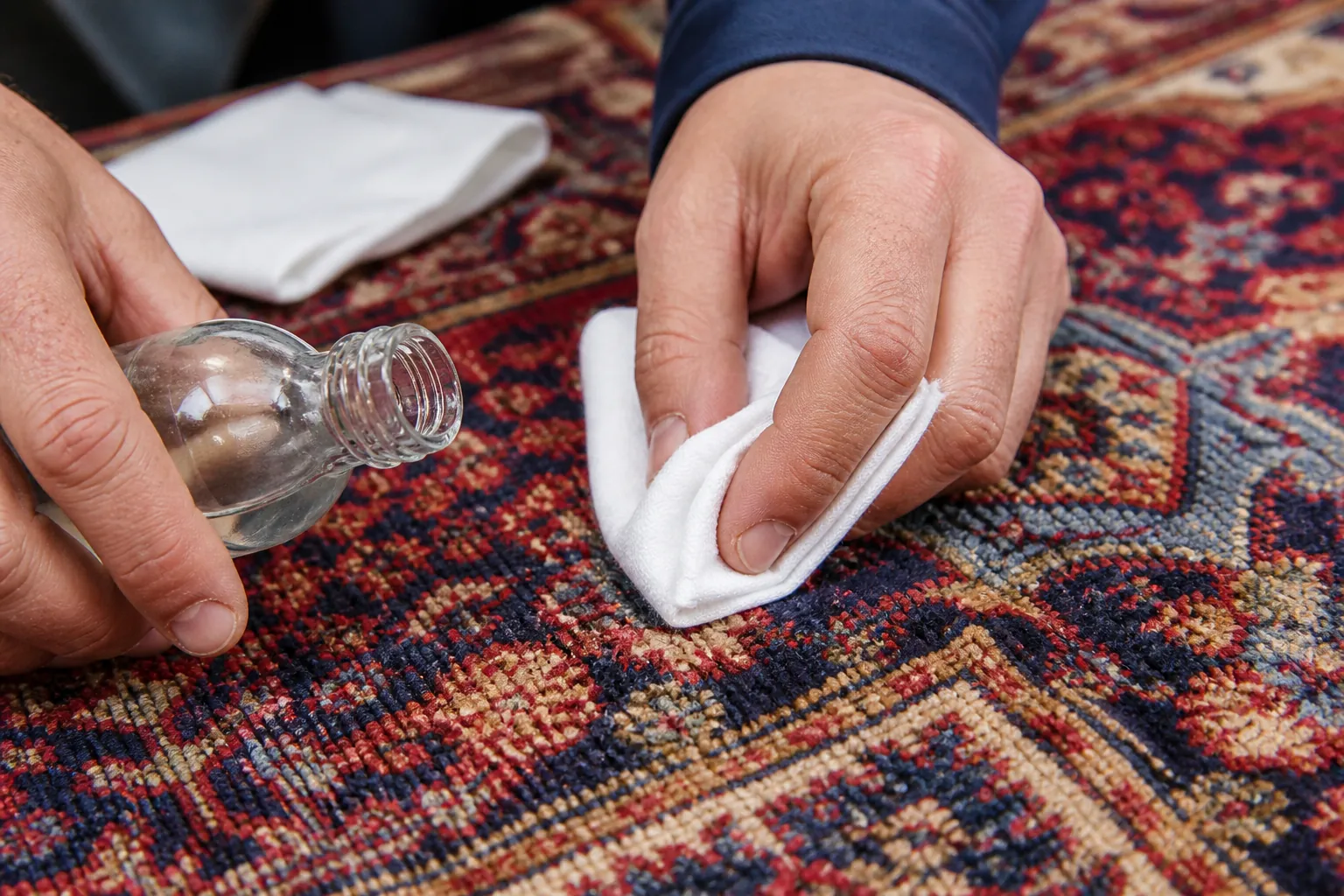
Texture and pile
Direction, density and wear change how the field presents.
Dye response
Strong contrasts may call for separate stability checks.
Foundation
The hidden structure influences handling and moisture tolerance.
Repairs and coatings
Later additions are documented before work is scoped.
ASSEMBLE THE CASE FILE
Nine details reduce avoidable back-and-forth
Send observations in plain language and keep uncertain answers marked as uncertain.
- Radlett postcode and preferred contact
- Length and width at maximum points
- Whole-item image in natural light
- Concern located against a pattern reference
- Both long edges and both ends
- Label plus a clear reverse view
- Known repair and product history
- Furniture and floor beneath
- Carrying route and available clear area
Before sending
What if the label is missing?
Photograph the construction and leave the fibre field open.
May I crop the room out?
Keep one wider photograph because scale and placement matter.
Should I estimate dimensions?
Measured figures are more useful; mark any unavoidable estimate clearly.
Can I move the rug beforehand?
Only if it can be handled safely without stressing damaged areas.
FROM RECORD TO HANDOVER
A seven-stage review keeps decisions traceable
Observations are revisited as new evidence appears; the sequence is not a promise of one universal technique.
- 01
Register
Identify the item and stated objective
- 02
Locate
Map marks, wear and previous repairs
- 03
Examine
Review yarn, colour and hidden build
- 04
Plan
Select compatible boundaries and handling
- 05
Carry out
Work only within the agreed scope
- 06
Compare
Inspect the field, ends and weak points
- 07
Return
Explain drying, placement and aftercare
APPEARANCE
Shade changes can have several causes
Light direction, compressed pile, remaining residue, abrasion and altered dye can produce similar photographs. The aim of assessment is to tell these possibilities apart before setting expectations.
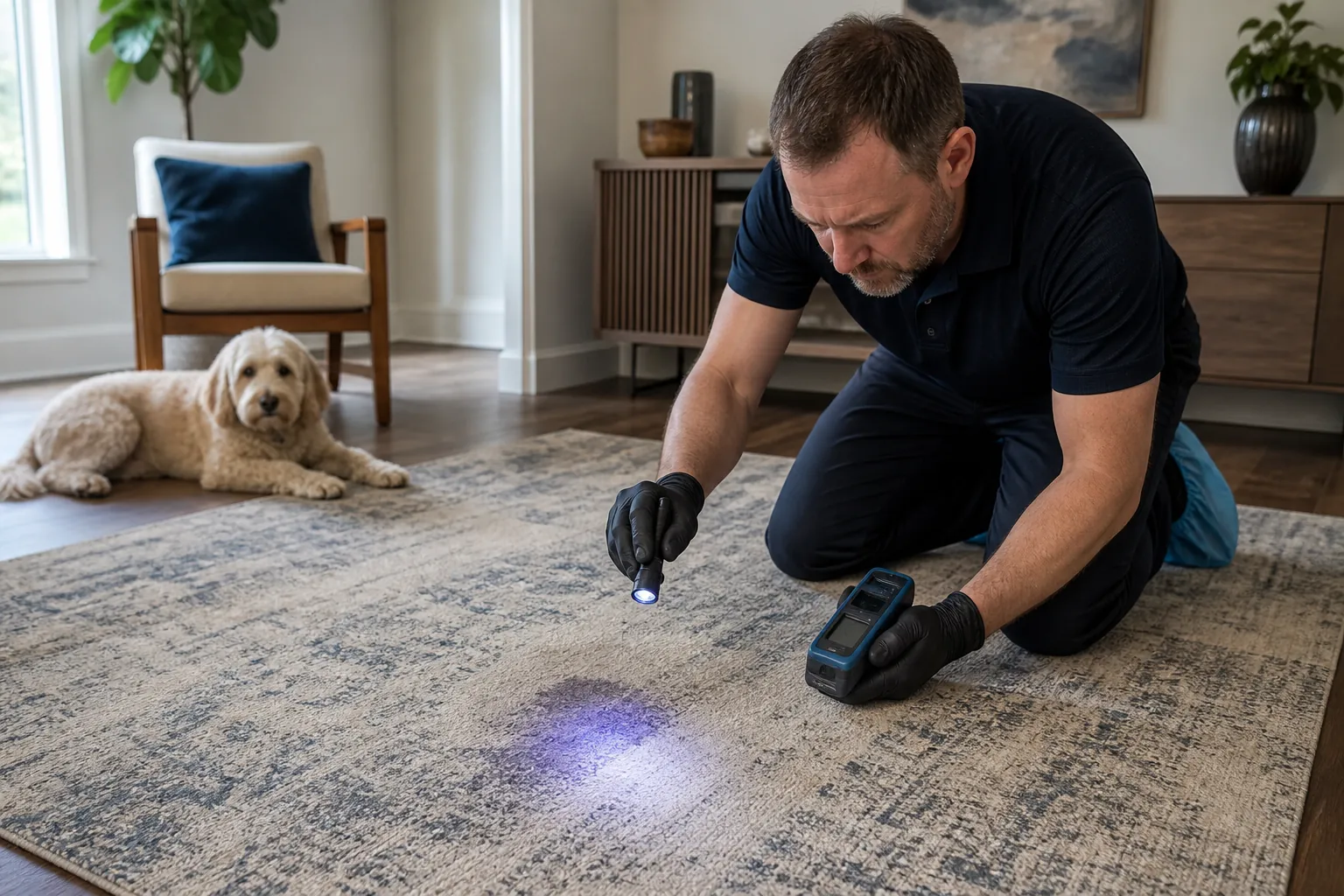
WHAT MAY SIT BELOW
A small surface mark can cross more than one layer
Liquids may travel through pile and foundation into backing or the floor. Describe the event, blotting, products and any smell from both sides.
- Where the liquid first landed
- How far it appears to have spread
- Whether the reverse looks or smells different
- What has already dried, rinsed or been extracted
BEGIN WITH WHAT YOU CAN SHOW
Turn the Radlett rug story into a usable brief
Measurements, photographs and honest history give the enquiry a sound starting point.
