
FINCHLEY HALLWAYS · FOLLOW THE ROUTE PEOPLE WALK
Finchley Rug Cleaning for Runners and Busy Hallways
A long runner can look evenly grey while hiding different conditions at the doorway, turn and stair foot. We begin with its position in the house, then read the textile from end to end.
- Photograph the runner from each end of the hall
- Give the usable length, width and fringe allowance
- Lift one safe corner to show backing and edge wear
- Explain narrow turns, steps and where shoes enter
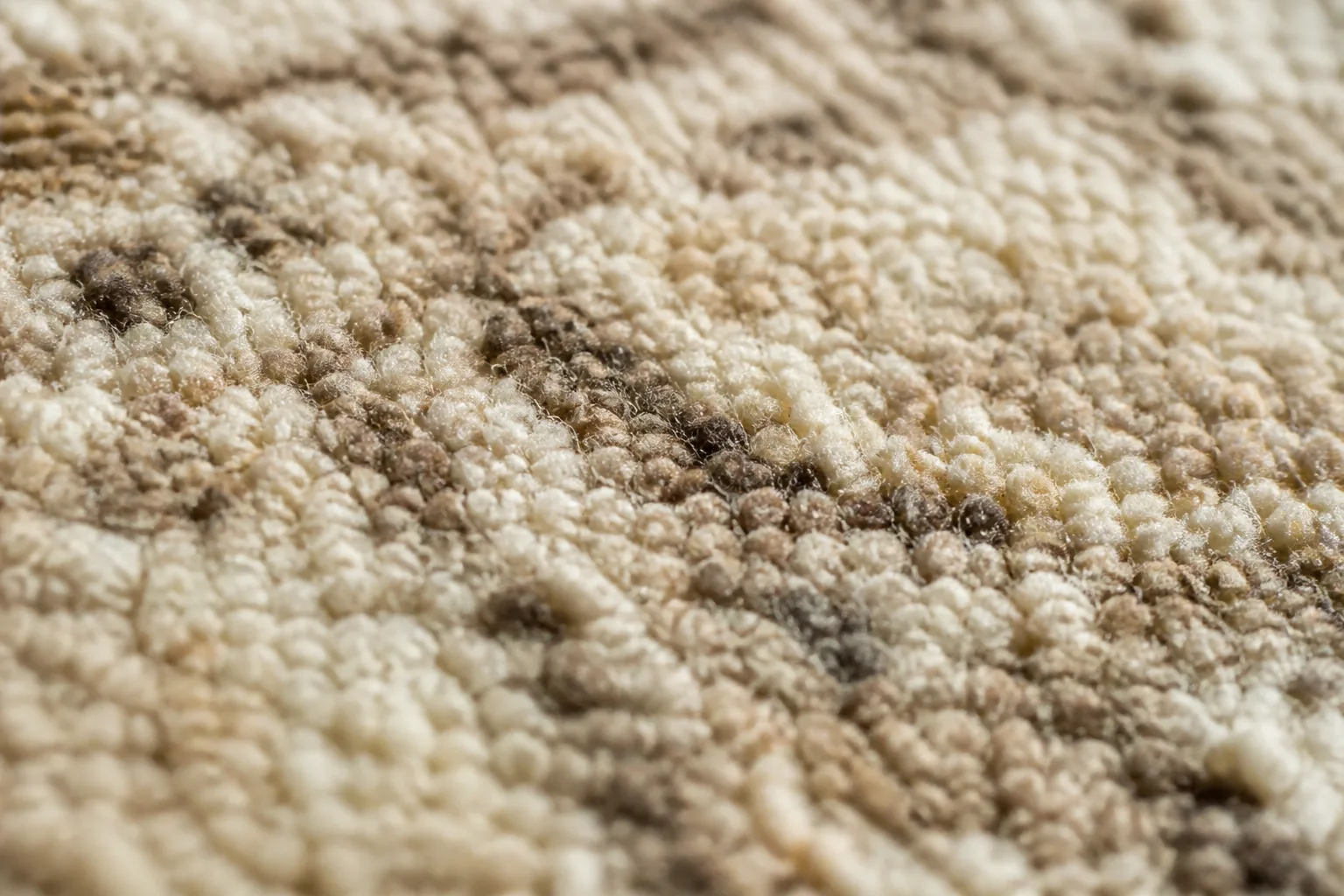
BUILD A ROUTE MAP
Mark where the runner changes along its length
These observations compare traffic, edges and colour without guessing at fibre content.
A FINCHLEY HALLWAY IS PART OF THE JOB
Plan the lift before the runner leaves the floor
Many Finchley runners sit between a front door and staircase, with little space to roll or turn them. Note bannisters, console tables and door clearances so handling can be planned without dragging across thresholds.
Working example. One full photograph establishes scale; close views then locate the concern, fringe and wear. A second image of the reverse may reveal a label, repair or vulnerable backing.
Previous sprays, powders, rented machines or professional cleaning belong in the record. Unknown history should stay marked unknown instead of being filled with a guess.
Finchley rug dossier
Item: Record the wool runner as a removable textile.
Scale: Provide maximum length and width.
Concern: Map worn edge beside a traffic lane on the full view.
Fibre: Share the label but leave uncertain material open.
Colour: Contrasting dyes may require stability checks.
Build: Pile, foundation and backing affect handling.
Edge: Photograph fringe, binding and worn corners.
Reverse: Show backing, repairs and transferred residue.
History: Name products already applied.
Odour: State source, age and affected area if known.
Access: Describe the route through the Finchley property.
Surface: Identify the floor beneath the rug.
Drying: Note available space and ventilation.
Return: Keep heavy furniture off until advised.
Scope: Separate soil, staining, odour and damage.
Expectation: Cleaning cannot reverse fibre or dye loss.
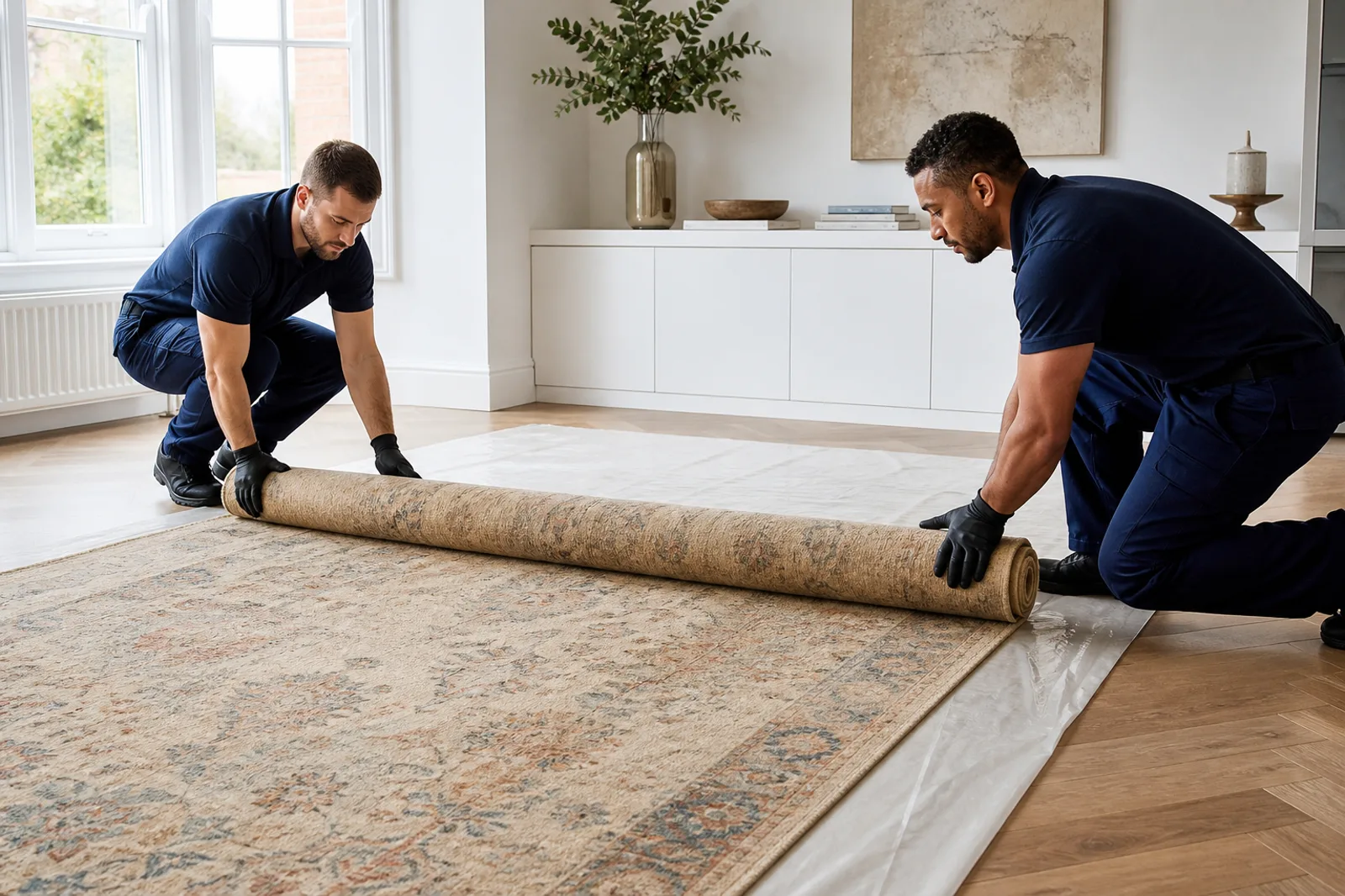
READING THE TRAFFIC LANE
Compare compressed pile with removable soil
The centre line may contain grit while the same area also has flattened yarn and faded colour. Side light and a protected edge provide comparison; cleaning cannot reconstruct worn fibre.
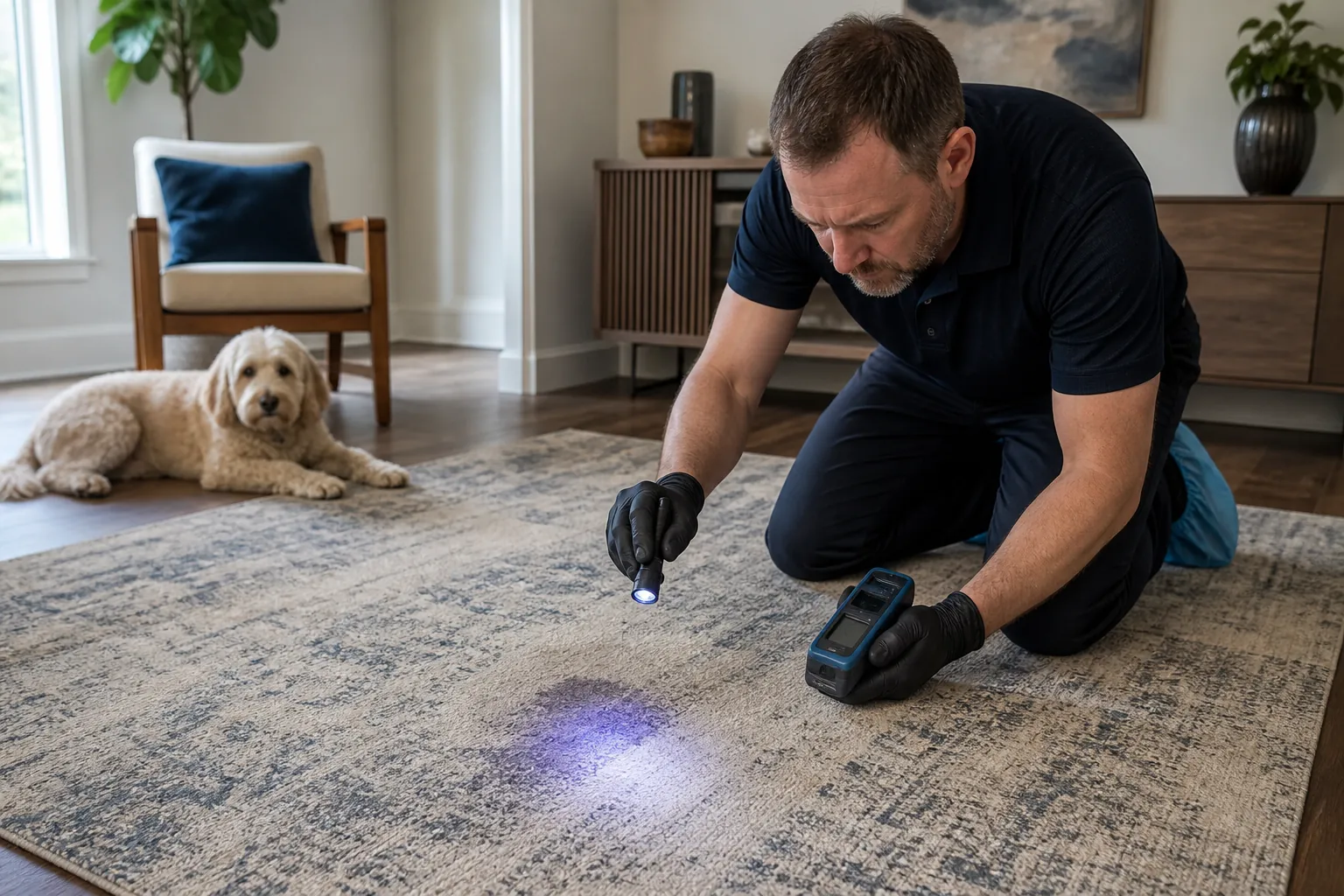
DOORWAYS, RAIN AND HOUSEHOLD REMEDIES
Tell us what reached the runner before we did
For worn edge beside a traffic lane, report liquids and products that may have reached the pile, backing or floor. Avoid layering on another remedy before assessment.
- Source and approximate date
- Area affected above and below
- Products, rinsing or extraction used
- No complete-removal promise before review
PHOTOGRAPH THE JOURNEY
A simple sequence of views explains this runner
Combine a room view with focused photographs, measurements and honest unknowns.
- Finchley postcode
- Maximum length and width
- Complete rug photograph
- Close view of worn edge beside a traffic lane
- Label and reverse
- Fringe and repair details
- Earlier products
- Floor and furniture position
- Entrance and carrying route
Four points before booking
Can a photo identify the fibre?
It can guide questions, but material and dye response may still need checking.
Is every patch removable?
No. Some patches are colour or fibre changes rather than soil.
Is drying time fixed?
No; construction, moisture, airflow and room conditions determine advice.
When can furniture return?
Follow the handover for this rug rather than a generic timetable.
FROM FRONT DOOR TO HANDOVER
The runner is reviewed as a changing surface, not one uniform rectangle
Material, dyes, construction, contamination and room conditions are considered together.
- 01
Map
Record size, wear, repairs and concerns
- 02
Check
Examine fibre, colour and construction
- 03
Reduce particles
Remove compatible accessible dry soil
- 04
Work selectively
Stay within the assessed limits
- 05
Manage moisture
Support pile, backing and finish
- 06
Inspect again
Review field, edges and fringe
- 07
Explain return
Give placement and drying guidance
SIZE BRACKETS FOR FINCHLEY RUNNERS
Length and width establish the first guide
Fibre, construction, condition, access and agreed specialist work can qualify the final quotation.
FACE YARN · FOUNDATION · EDGES
Runner construction decides how it can be handled
Absorbency, colour stability, foundation, backing and repairs influence handling and moisture limits.

Material response
Helps exclude incompatible options.
Colour behaviour
Testing informs risk around strong shades.
Structural limits
Pile and foundation guide moisture control.
Edges and repairs
Existing faults enter the pre-work record.
FINCHLEY RUNNER QUESTIONS
Answers for hallways, stairs and high-traffic edges
What belongs in a Finchley quote request?
Postcode, dimensions, a complete view, close photographs, access and known treatment history.
Can wool runner be assessed from images alone?
Images are useful evidence, but fibre, dyes and hidden construction may still require checks.
Will worn edge beside a traffic lane definitely disappear?
No. Removable residue, dye alteration and physical wear must first be distinguished.
Why include the reverse?
It may reveal the label, foundation, repairs, backing faults or transferred contamination.
Should I apply another spot product?
Avoid adding chemistry before review and report anything already used.
How is deeper odour considered?
Source, age, pile, backing and the floor below all matter.
May heavy furniture return straight away?
Wait for item-specific handover advice.
What changes drying in a Finchley home?
Fibre, pile, backing, route, temperature, airflow and available space.
Are square metres the only price factor?
No; construction, condition, access and agreed extras can qualify the guide band.
How does the £68 minimum apply?
It is the eligible visit minimum; compatible work may contribute after scope confirmation.
SHOW US THE WHOLE FINCHLEY ROUTE
Send the runner, its busiest section and the turns needed to carry it
Clear evidence supports a useful first conversation.
