
Need earlier
The items that should not disappear into the whole load.
- Dining items for a usable room
- A named household essentials carton
- Furniture needed for the first completed space
Barnes / Storage for a Home That Remains Occupied
Clear the project area without blocking everyday life.
If your Barnes home remains occupied, the storage plan needs to recognise two spaces: the rooms being cleared and the temporary setup still supporting the household. Keep their belongings distinct.

A useful first conversation
Count the furniture actually leaving rather than every piece in the affected room. Add notes about preparation and the route through occupied spaces.
Plan the return before the departure
The first return should fit the room that is genuinely ready, not merely the one with the earliest hoped-for finish date.
Need earlier
Need later
Agree notice and any separate delivery costs. Keep valuables, essential papers and irreplaceable records outside ordinary household storage.
Name the cartons needed to restore the first useful room.
Record furniture protection requirements without assuming stacked loads are suitable.
Distinguish occasional household contents from items needed as soon as the room reopens.
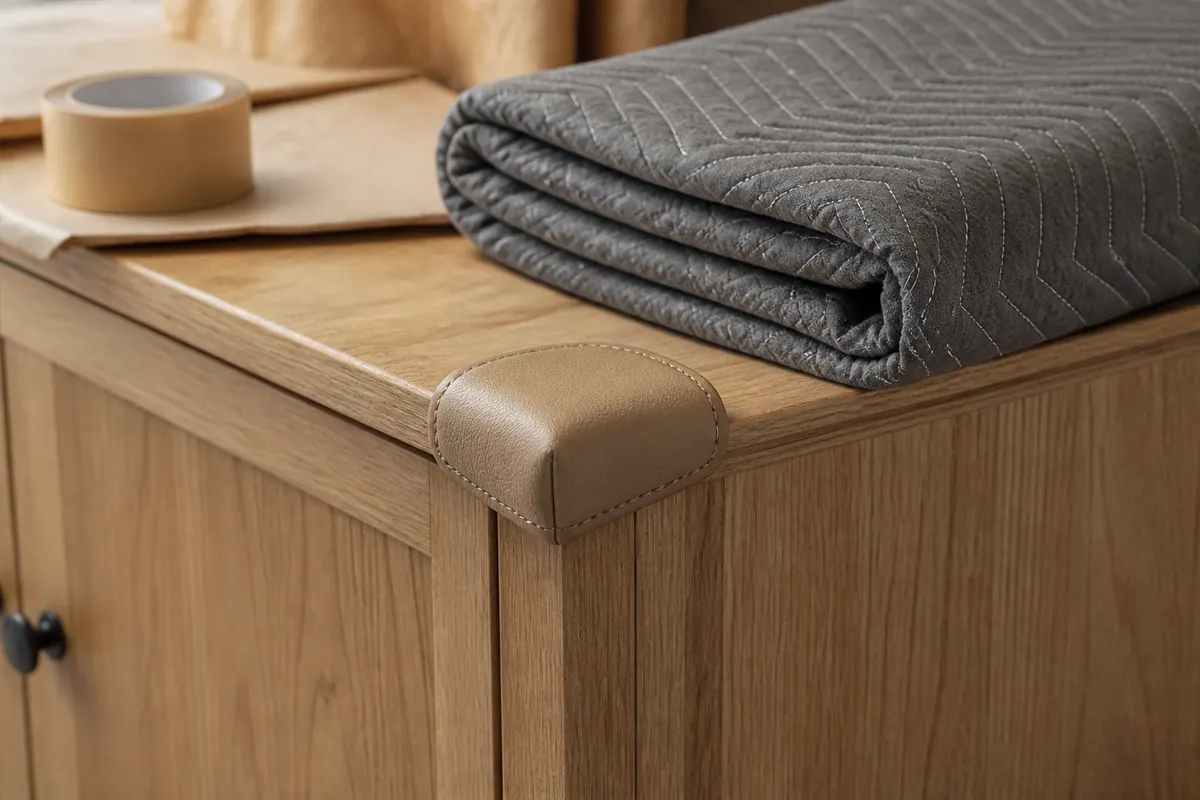
Barnes, before collection day
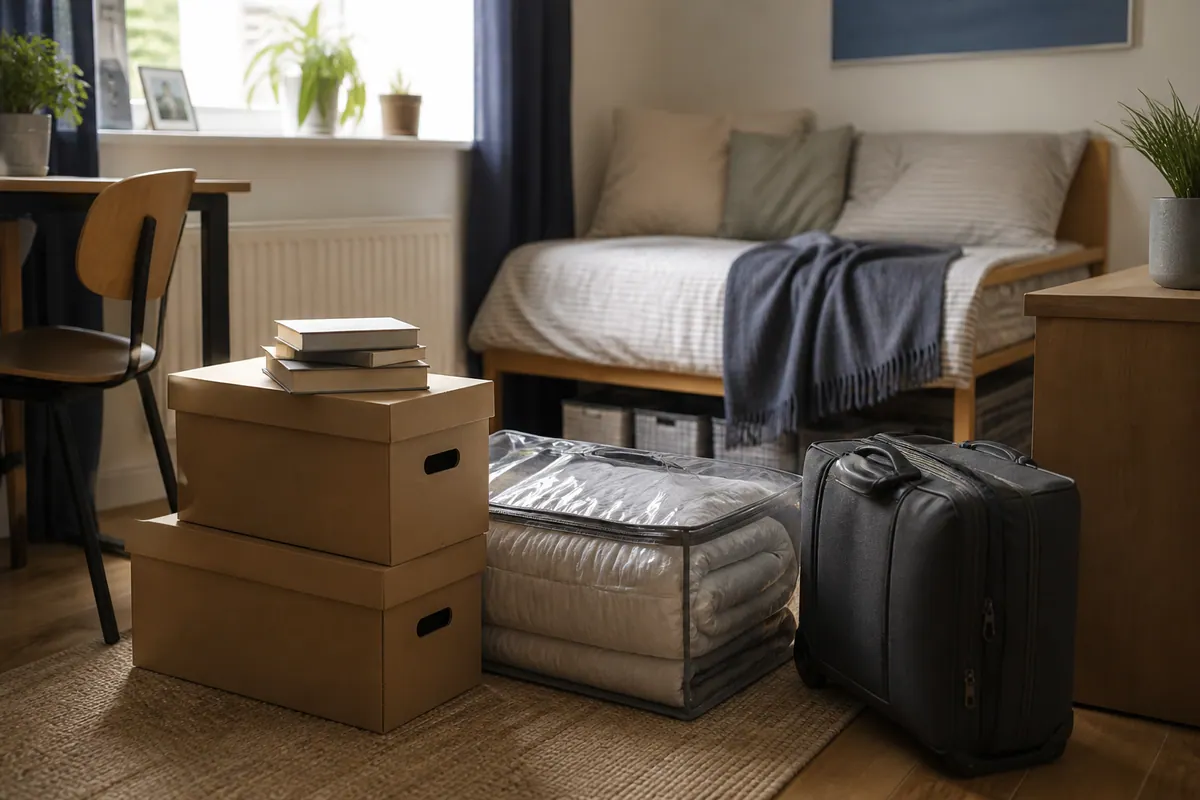
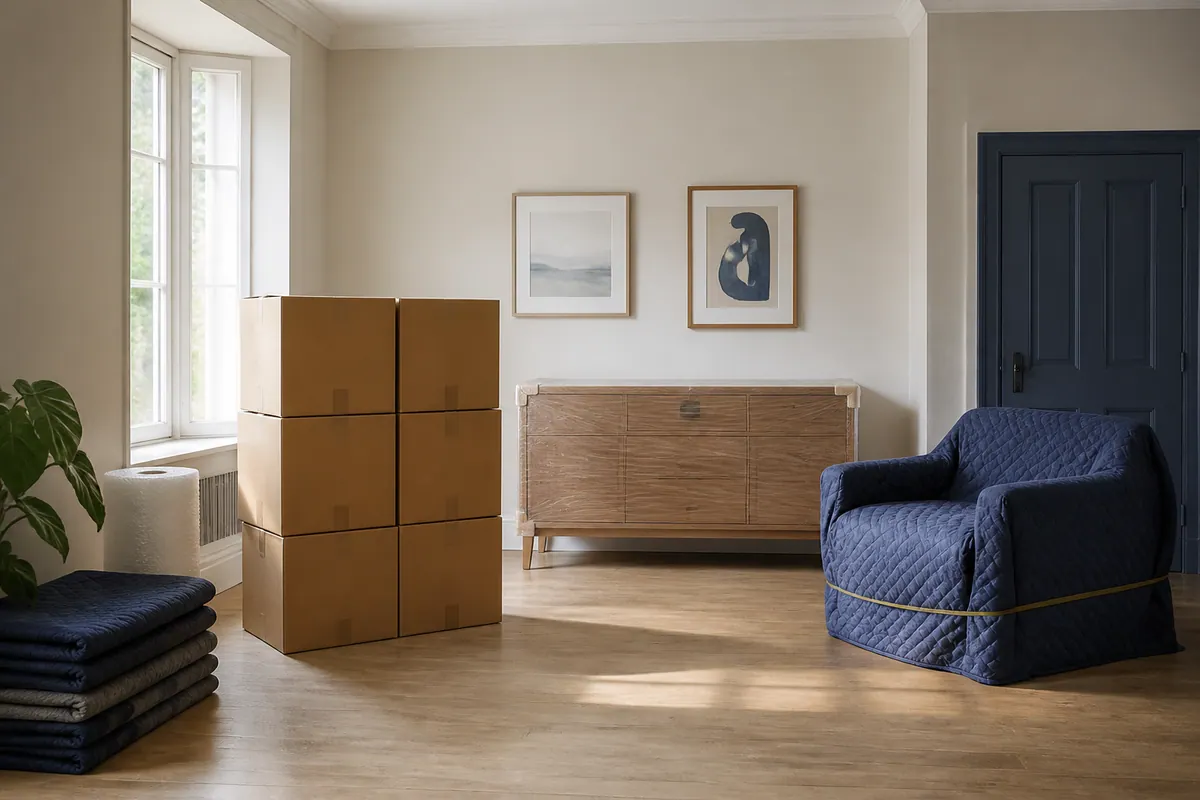
In a Barnes home that remains in use, storage can focus on the project area’s selected furniture. Explain which items still support meals, seating and everyday access elsewhere in the property. Prepared belongings also need a workable waiting place that does not obstruct the route out.
For this enquiry: A dining set or dresser should be described individually, including dimensions and preparation needs. Link its return to a room that can actually receive it, with any separate delivery agreed before the load leaves.
Explain how the collection route can stay clear while the household remains at home. Keep the items supporting everyday meals outside the cleared-room inventory.
Plan the route out of your property ↓Keep the move connected
Coordinate a wider move if the project also involves changing address.
Discuss a defined smaller load without overlooking its route through the home.
Arrange preparation while keeping everyday living areas usable.
Plan the furniture return when the receiving room can accommodate it.
Alesta customer feedback / Furniture removal & packing
“I used Alesta Services for furniture removal and packing when I moved houses. The team was incredibly careful with my belongings and made the whole process seamless.”
James W. · Existing Alesta review, not a storage testimonial for Barnes.
Choose your starting point
Choose the belongings leaving the project area, then check that the household can manage without their contents during the interval.
Inventory focus
Pack only the agreed household selection and keep everyday meal or personal items available in the occupied part of the home.
Add this to your inventory ↓
Dimensions before estimates
The cleared floor area is not a storage measurement. List the departing furniture, packed contents and handling requirements individually.
Provide the furniture’s full dimensions.
Separate retained daily-use pieces from the departing group.
Identify whether the rooms leave together or in stages.
Request a fuller review if the project affects most household contents.
Suitability must be checked for unusual or sensitive belongings; a renovation context does not establish automatic acceptance.
What changes at home?
Identify furniture obstructing the work and leave the household’s temporary essentials outside that collection.
Decide which chairs and table items remain useful before packing a complete dining group.
Link return to genuine room readiness, with the date confirmed through the agreed process.
List the selected dresser or units explicitly; a room name does not authorise a general clearance.
Collection is part of the storage plan
Describe stairs and turns, and explain how residents will move while prepared items wait.
Show the route from entrance to the proposed vehicle point, including gates or steps.
Give dimensions for long dining pieces and note any fixed or delicate components.
Agree who meets the team and any managed-entry requirements affecting the collection.
Do not use shared passages or the only exit as an assumed preparation area; describe a workable plan for assessment.
Flats and apartments: Keep common passages separate from waiting cartons.Mansion blocks: Verify building rules before using shared spaces.Houses: Describe how residents retain usable access.Rental or managed properties: Confirm the selected-room instructions.
One connected arrangement
Define the room-clearing selection.
Review circulation through the occupied home.
Agree where preparation happens and what it includes.
Collect the confirmed furniture and cartons.
Review conditions and the expected project interval.
Reconfirm readiness before requesting the return.

The timetable can change
| Planning point | A shorter gap | A longer arrangement |
|---|---|---|
| Typical purpose | Clearance during a defined piece of work | Belongings held through a longer project |
| Preparation | Prepare for the agreed occupied-home route | Review the interval and material needs |
| Retrieval | Return to the first finished room | Discuss any sequence of later deliveries |
| Duration | Use a realistic readiness estimate | Ask how delays change the term |
| Quotation | Include selected furniture and cartons | Separate ongoing storage from extra movements |
A project delay does not guarantee an extension or immediate return slot. Confirm terms, notice, conditions and insurance arrangements before booking.
Scope first. Quote second.
For Barnes, explain whether the home remains occupied and which furniture leaves. The collection should be priced around the real route and selection, not an assumed empty property.
| Service scope | Price approach | Main factors |
|---|---|---|
| Volume & access assessment | Selected-room inventory review | Furniture sizes and contents leaving |
| Collection & placement | Occupied-home collection assessment | Route, loading and preparation scope |
| Ongoing storage | Project-period quotation | Duration and suitable arrangement |
| Final retrieval / delivery | Room-ready return proposal | Access and separately requested groups |
Carrying constraints, preparation, substantial furniture and staged returns can affect the proposal. Check the expected storage period and each additional movement explicitly.
Direct answers before you book
Describe the selected belongings and the route through occupied areas. Keep the temporary household setup separate from the items proposed for collection.
Only list what you want assessed. Decide which furniture remains useful before treating the room as a single departing group.
Explain the available space without assuming passages or exits can be blocked. The preparation and collection plan needs a usable route.
Identify the stages before booking. Separate returns depend on the agreed process, notice and any extra handling or delivery charges.
Treat that date as provisional until confirmed. Room readiness, access and the return arrangement must be checked before delivery is booked.
No. Describe sensitive or unusual contents and confirm acceptance. A project-related reason for storage does not override restrictions.
Send its dimensions, condition and photographs of narrow turns. Ask about preparation rather than assuming alterations or dismantling are included.
Yes. The departing furniture and cartons determine the assessment; the size of the room being cleared does not establish storage volume.
Discuss the extension process and charges before the agreed term ends. Longer availability should not be assumed.
Review the specific proposal. This page makes no blanket promise about location, environmental conditions, insurance or unrestricted access.
Provide the selected list, occupied-home access, expected dates and room-return sequence. Review the draft enquiry before sending.
Barnes / Service area
Describe the Barnes property, selected rooms and occupied-home route. The household service overview is available at Storage Services.
Confirm the proposed storage terms alongside the practical arrangements for clearing and restoring the rooms.
A little space. A clear next step.
Identify what goes, what stays and how furniture can leave without losing the household’s practical access.
