
A few items
Describe the carton dimensions, not just their number.
Peckham / Storage for a Shared-Flat Change
A shared space needs a clearly defined load.
When belongings from more than one room or person sit together, an item list prevents uncertainty at collection. Start a Peckham storage enquiry with what is included, who can release it and which possessions must remain at the property.

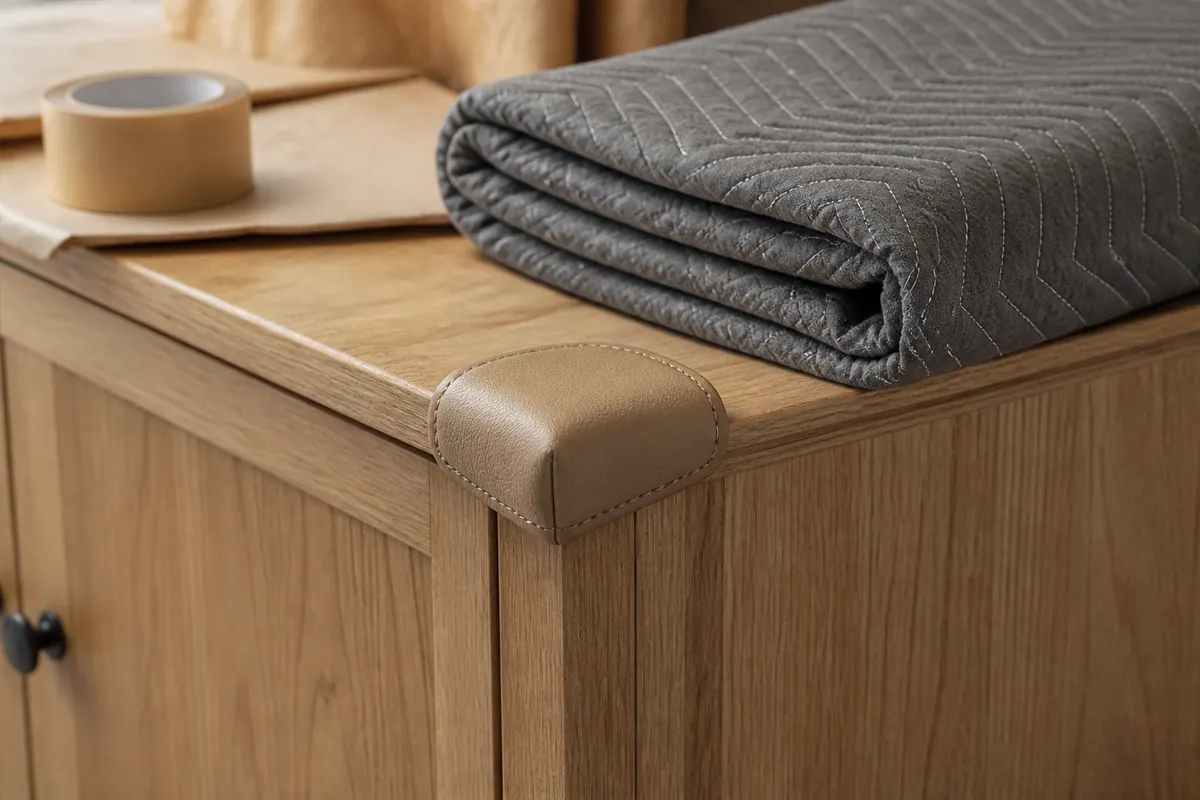
Peckham, before collection day
Before a Peckham collection is discussed, separate the proposed storage inventory from nearby belongings. A spare chair beside a packed carton is not automatically included, and an unlabelled box should not require an on-the-day ownership decision.
Your item-list example: For example, list one person’s seating and numbered cartons independently from a housemate’s belongings. Use references that are understandable without revealing private contents.
If another person will provide entry, give them the current list and explain the exclusions. Resolve permission to release goods before the visit; access to a room is not by itself an instruction to remove everything inside.
Plan the route out of your property ↓Dimensions before estimates
A room may contain more than one person’s furniture. Estimating its whole contents can misrepresent the actual requirement; measurements should follow the selected items.
Describe the carton dimensions, not just their number.
Record furniture that occupies space despite holding nothing.
Identify components travelling with each larger piece.
Request a fuller review for a mixed load across several rooms.
The proposed storage arrangement also depends on protection and suitable placement. Sensitive or unusual items require a separate acceptance check.
Collection is part of the storage plan
Name the person meeting the collection team and make sure their item list is current.
Show any stairs or corridor turns relevant to the selected furniture.
Explain known loading restrictions and where the proposed handover can occur.
Keep excluded belongings clear of the agreed movement route where practical.
For a managed or shared property, establish the relevant entry arrangements before a visit is confirmed.
Flats and apartments: Name the selected room and excluded possessions.Mansion blocks: Confirm who controls common-area entry.Houses: Describe the route for the owned furniture.Rental or managed properties: Give the authorised contact the current list.
Plan the return before the departure
Keep a copy of the agreed inventory after collection. If only one person’s boxes are needed, their references should distinguish them without relying on colour, position or memory.
Need earlier
Need later
Explain whether a partial release is likely. The storage process, notice and costs need confirmation before anyone plans around that access.
Connect each requested carton to its inventory reference rather than asking for an unspecified box from the room.
Describe fragile pieces individually and agree protection without assuming one item can carry another.
Belongings needed later should remain on the list with their owner or agreed destination identified.
Choose your starting point
A category describes the belongings, not their ownership. Identify the selected load first, then use furniture or carton prompts to collect the necessary details.
Inventory focus
Number the cartons and connect each reference to the household’s agreed list. Keep sensitive records and valuables apart from ordinary stored belongings.
Add this to your inventory ↓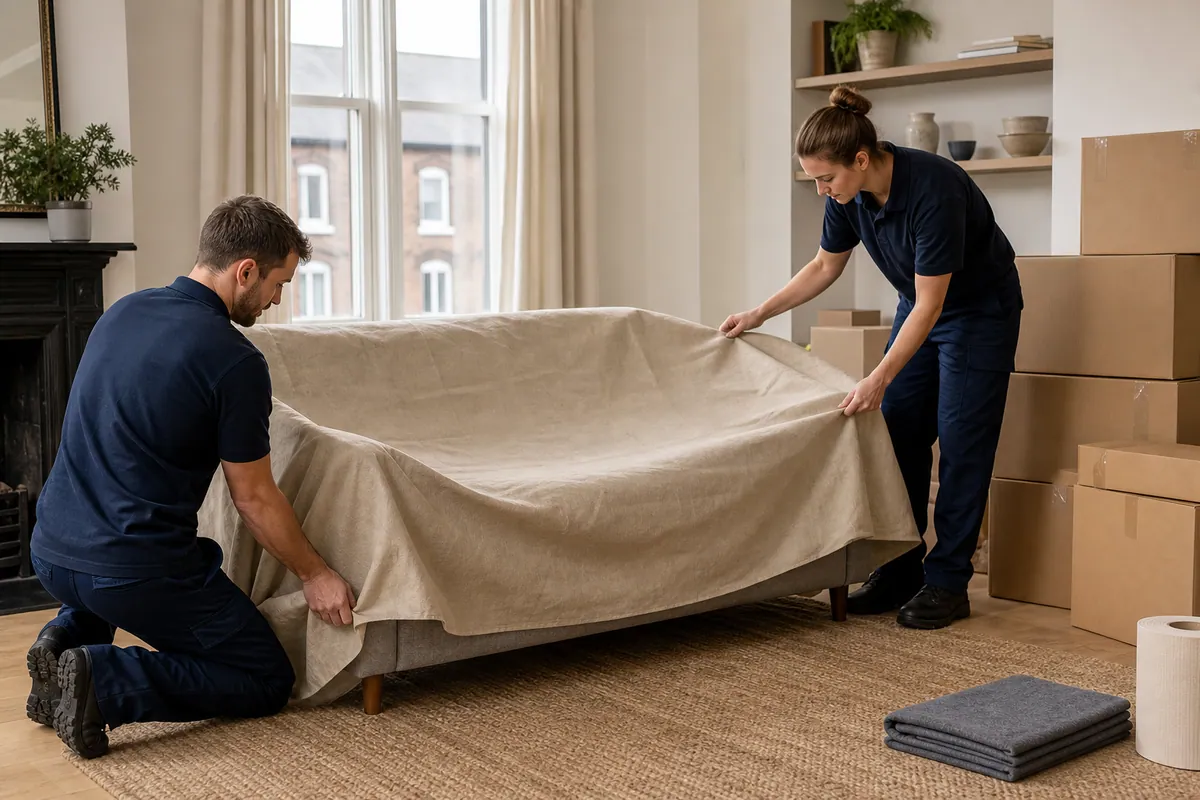
A useful first conversation
Count the selected pieces only. Put additions or uncertain quantities into a clearly marked note and update the enquiry before they become part of the collection.
What changes at home?
One person leaving a shared home may need only their own furniture stored. Distinguish it before discussing dates.
A room clearance for work should identify the work-zone belongings rather than surrounding household goods.
When several people coordinate a move, agree which list is current and who can change it.
A temporary reduction in household clutter still needs decisions about what is retained and what is no longer wanted.
One connected arrangement
Agree the contents and exclusions with the people involved.
Describe the property route for that selected load.
Confirm preparation responsibilities and any requested help.
Provide the authorised contact with the current item references.
Review the arrangement for those belongings, not an open-ended collection.
Use the same references when requesting their release.

The timetable can change
| Planning point | A shorter gap | A longer arrangement |
|---|---|---|
| Typical purpose | A defined departure gap | An unsettled onward household move |
| Preparation | Prepare for the agreed initial handling | Review protection for the longer proposal |
| Retrieval | Identify the first person’s required items | Discuss separate requests before booking |
| Duration | Give the known departure deadline | Agree who monitors changes to the term |
| Quotation | Include the selected quantities | Check charges for additional releases |
Different people may have different plans. Confirm who communicates term changes and retrieval instructions so an individual request does not silently change the whole arrangement.
Scope first. Quote second.
For Peckham, supply the final selected list and highlight items whose ownership or inclusion is unresolved. The quotation should be based on a defined requirement, with changes discussed before collection.
| Service scope | Price approach | Main factors |
|---|---|---|
| Volume & access assessment | Inventory-based assessment | Selected quantities, measurements and exclusions |
| Collection & placement | Defined collection requirement | Entry arrangements, handling and authorised release |
| Ongoing storage | Agreed storage proposal | Term, conditions and the retained load |
| Final retrieval / delivery | Release and onward movement requirements | Item references, notice and destination access |
Additional goods can alter volume, crew needs and preparation. Access, duration and later releases also affect the work, so request an updated scope when the list changes.
Keep the move connected
Discuss the wider move if some belongings travel directly to another home.
Assess a smaller collection from the actual selected items and handling needs.
Arrange preparation for the included cartons and furniture, with exclusions clear.
Request transport for identified pieces rather than an undefined room clearance.
Alesta customer feedback / Furniture removal & packing
“I used Alesta Services for furniture removal and packing when I moved houses. The team was incredibly careful with my belongings and made the whole process seamless.”
James W. · Existing Alesta review, not a storage testimonial for Peckham.
Direct answers before you book
Describe the selected items and who can authorise their release. Keep other residents’ possessions outside that instruction.
Identify them before collection is confirmed. The inventory needs reliable references and quantities, not an assumption about which boxes belong to whom.
Agree an authorised contact and give them the current list. They should understand both the included items and the exclusions.
No. The work follows the agreed collection scope. State clearly which belongings must remain.
Update the item list before the visit and ask whether the change affects handling, space or the quotation.
Discuss that requirement at booking stage. Partial release procedures, authority checks, notice and charges must be agreed.
Use item references linked to your own list. Provide relevant handling information without displaying unnecessary personal details.
Give actual quantities and dimensions. A small number of bulky items can need a different arrangement from the same number of cartons.
Establish the contact responsible for the agreement and request changes through that arrangement. Extensions are not automatic.
Only the agreed preparation is included. Ask for materials and labour requirements to be set out in the quotation.
Prepare the selected inventory, collection access and likely duration. The email builder helps send that information but does not confirm a booking.
Peckham / Service area
Share the Peckham postcode and clarify who can release the selected belongings. The household service overview is at Storage Services.
Confirm the proposed storage setting and access procedure as part of the arrangement. The collection area does not determine where the belongings will be held.
A little space. A clear next step.
Share the Peckham quantities, the person providing entry and any excluded belongings. Flag unresolved additions so they can be discussed separately.
