
Need earlier
The items that should not disappear into the whole load.
- Household items for the first reopened room
- A clearly listed clothing group
- Personal equipment required during the project
Wimbledon / Storage for a Family Room Reset
Free the room without packing away the household routine.
A furniture clearance works better when you first decide what stays available. For your Wimbledon home, distinguish the proposed storage load from the chairs, clothing and everyday supplies still needed during the change.
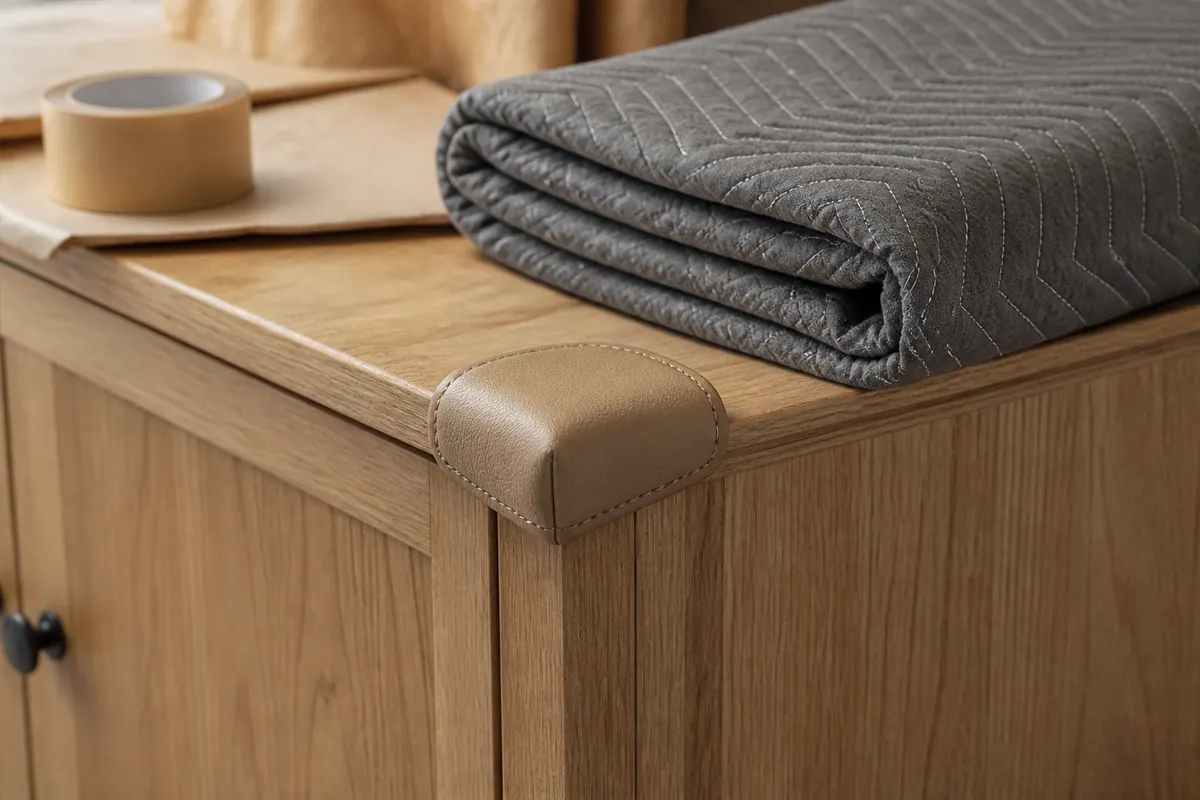
A useful first conversation
Build the list around the furniture leaving each room. Add useful measurements and identify any items still in use until collection.
Plan the return before the departure
Think about which room becomes usable first. A staged return should be requested before the contents are placed into storage.
Need earlier
Need later
Access is governed by the chosen terms, not the fact that a box contains something urgently needed. Keep essential records and valuables separately.
Give priority cartons names that another household member can recognise without opening them.
Explain loose shelves, fragile panels and any preparation needed for safe handling.
Separate next-season household items from things needed as soon as the room reopens.
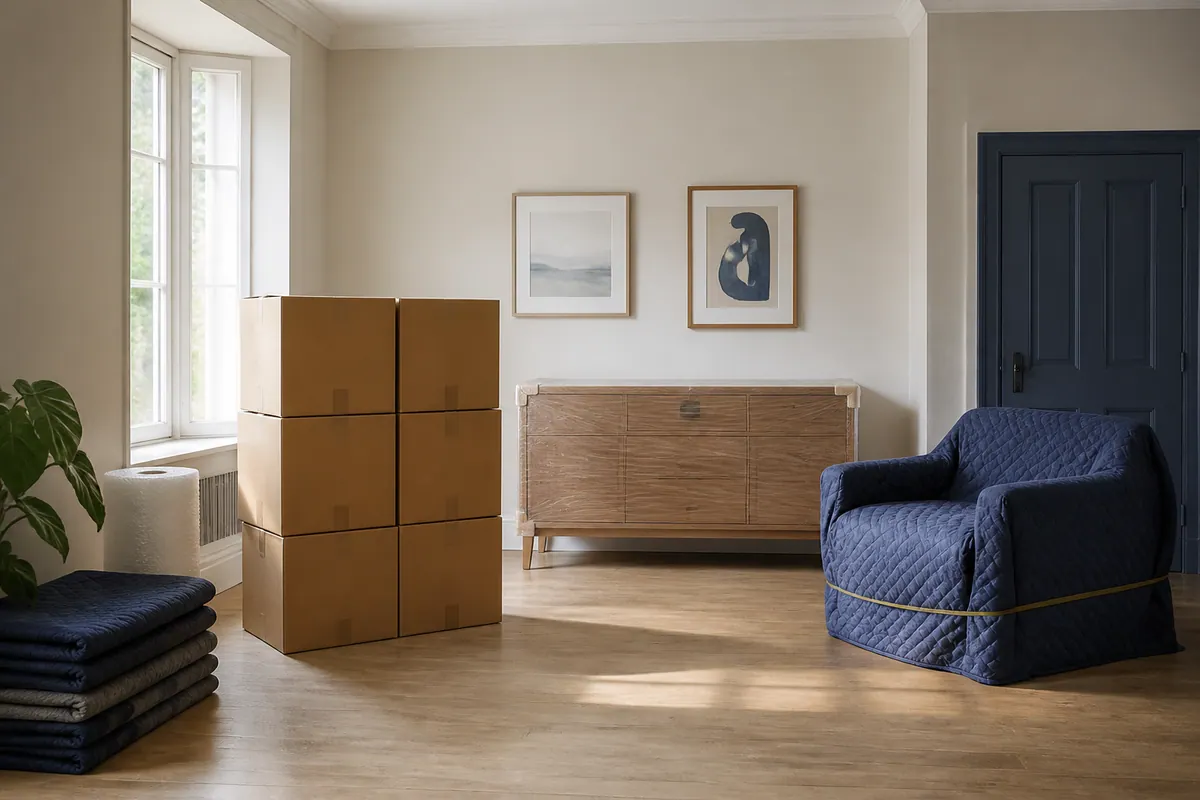
Wimbledon, before collection day
Before a Wimbledon room is cleared, walk through an ordinary day and decide which belongings still support it. The storage selection can then focus on furniture that genuinely needs to leave, without removing every useful item simply because it belongs to that room.
For this enquiry: If a playroom unit or sofa is included, list its condition and loose components alongside dimensions. Keep books, clothing or household items needed during the interval outside the departing group rather than relying on immediate retrieval.
Identify loose shelves and detachable components on the storage unit. Keep the household items needed every day separate from longer-term boxes.
Plan the route out of your property ↓Keep the move connected
Connect a wider household move with the period furniture is away.
Discuss a limited load without assuming that fewer items mean simple handling.
Arrange the preparation needed before the room is cleared.
Coordinate a furniture return when the receiving space is ready.
Alesta customer feedback / Furniture removal & packing
“I used Alesta Services for furniture removal and packing when I moved houses. The team was incredibly careful with my belongings and made the whole process seamless.”
James W. · Existing Alesta review, not a storage testimonial for Wimbledon.
Choose your starting point
Select a household group and use it to check what you have overlooked, especially loose components and the contents of furniture.
Inventory focus
Count packed containers, not the number you expect to buy. Note fragile contents and leave everyday essentials outside the departing group.
Add this to your inventory ↓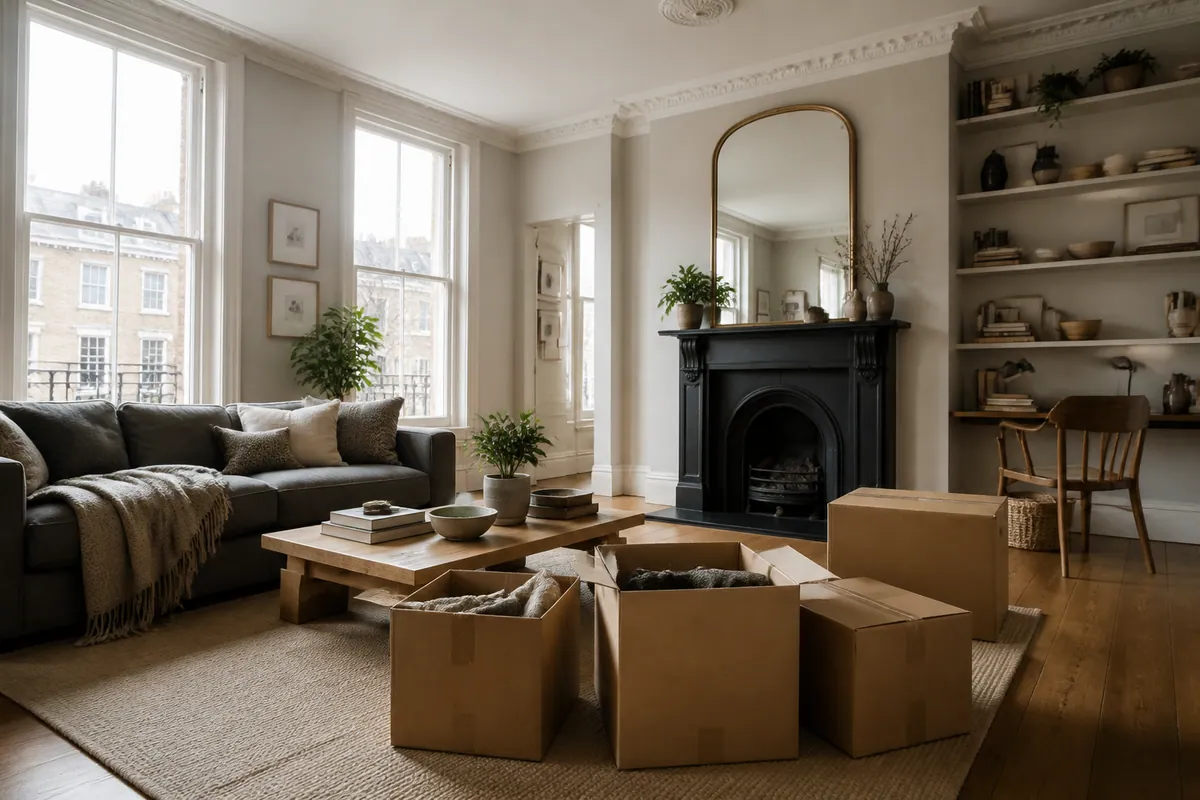
Dimensions before estimates
Two similar rooms can contain very different furniture. Describe bulky pieces, non-stackable contents and protection needs before discussing space.
Measure the individual unit as well as counting cartons.
Separate furniture from the belongings normally kept inside it.
Make clear which pieces remain in daily use at home.
Provide a fuller inventory when several rooms contribute to the collection.
Children’s belongings still require suitability checks where contents are unusual, sensitive or potentially hazardous; category labels do not approve them.
What changes at home?
Start with the area that must be clear, then check that the remaining household can still move and use essential rooms.
A room reset may involve only a few larger pieces. Identify those rather than treating every toy or book as part of the load.
If furniture leaves before the next room is ready, plan temporary seating and sleeping arrangements outside the storage inventory.
Keep the agreed retained pieces distinct from donations or disposal; those are different decisions and are not implied by collection.
Collection is part of the storage plan
Explain stair turns and lift restrictions, including whether the largest unit can negotiate them in its present form.
Describe the carry from door to vehicle and flag any limits on stopping or waiting.
Note removable shelves and doors on storage units. Ask who will prepare them and how their parts remain identifiable.
Confirm the person meeting the collection team and any building requirements affecting entry.
Prepared cartons should not block the route still needed by residents or the collection team.
Flats and apartments: Keep the common route usable while preparing.Mansion blocks: Verify shared-building entry requirements.Houses: Identify where residents need continued access.Rental or managed properties: Confirm who approves the selected furniture.
One connected arrangement
Agree which household belongings are actually leaving.
Keep a practical route available through the home.
Confirm packing and furniture preparation responsibilities.
Check the final list before the selected load departs.
Review conditions against the belongings and expected duration.
Request the return in the order agreed for room readiness.
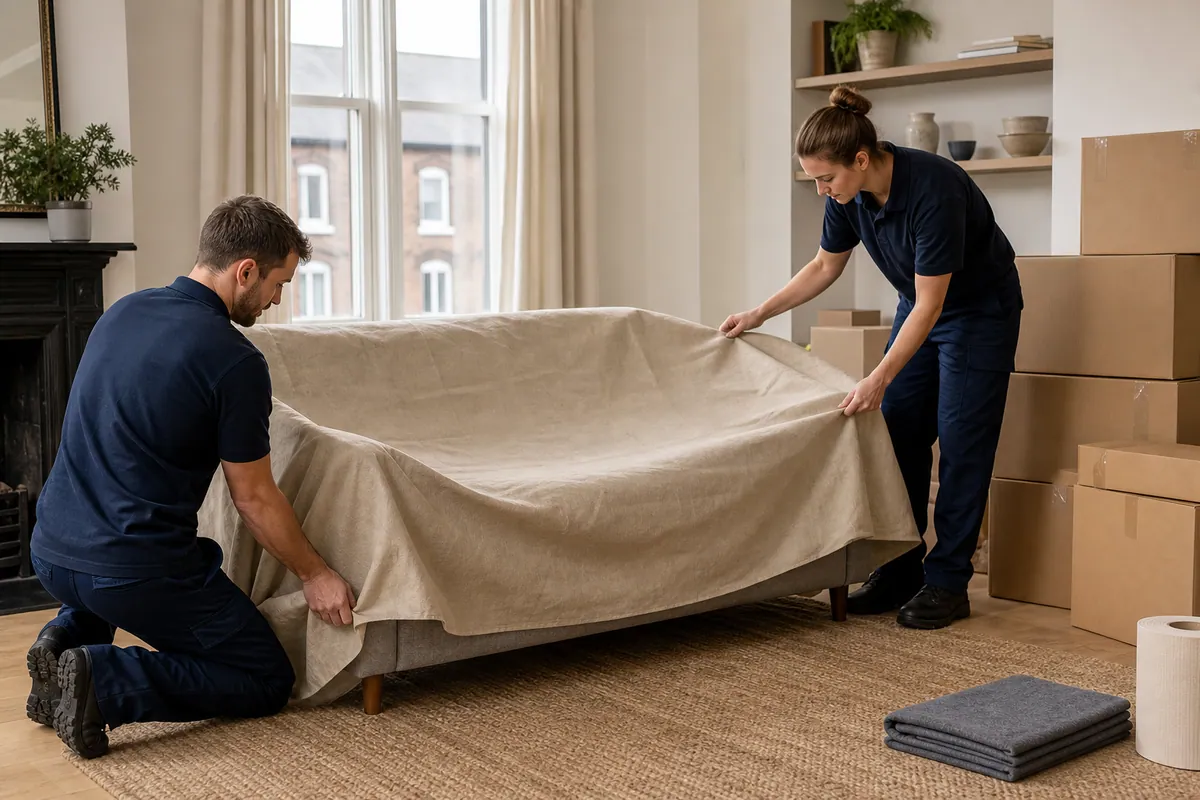


The timetable can change
| Planning point | A shorter gap | A longer arrangement |
|---|---|---|
| Typical purpose | Clearance for a defined room change | Furniture waiting through a larger transition |
| Preparation | Prepare for collection and planned return | Reassess sensitive materials over more time |
| Retrieval | Bring back the first useful room group | Consider whether later needs will change |
| Duration | A likely date guides the discussion | Ask how revised dates are handled |
| Quotation | Include the particular departing furniture | Review space, duration and retrieval scope |
Neither a short project nor a longer household change implies unrestricted access. Confirm notice, duration, charges, storage conditions and insurance choices before proceeding.
Scope first. Quote second.
The Wimbledon enquiry should make clear whether you need one collection and one return or several room-based movements. The work quoted should reflect that distinction.
| Service scope | Price approach | Main factors |
|---|---|---|
| Volume & access assessment | Inventory-based assessment | Bulky units and containers actually leaving |
| Collection & placement | Agreed collection work | Access, preparation and carrying requirements |
| Ongoing storage | Duration-specific proposal | Suitable space and confirmed conditions |
| Final retrieval / delivery | Room-return arrangement | Groups requested and delivery constraints |
Large furniture, loose parts, protection, building access and the number of movements matter alongside the carton count. Ask for storage-period costs and transport work to be distinguishable.
Direct answers before you book
Only include the agreed belongings. Identify the furniture and contents you want assessed, leaving essential household items outside the proposed collection.
Describe the actual packed contents and ask about suitability. Do not assume every item is acceptable simply because it comes from a family room.
Record dimensions, condition and removable shelves or doors. Ask whether dismantling, component labelling and protection form part of the agreed work.
Consider clothing, essential records, personal equipment and items supporting daily meals or sleep. Storage access should not substitute for a workable temporary household setup.
Raise that requirement before booking. Separate retrieval and delivery may need additional notice, handling and charges under the selected arrangement.
No. The individual pieces, packing needs, access and duration are relevant. A lightly furnished room and a densely packed one need different assessment.
Send the revised count before collection and ask for confirmation. The team should not have to discover a larger inventory on arrival.
It prepares an email draft from your quantities and notes. You review and send it yourself; availability and the service scope remain to be confirmed.
Explain the shared entrance, lift rules and any collection-time arrangement. Confirm permissions with the responsible person rather than assuming unrestricted use.
No blanket terms are promised. Review the actual solution offered for your belongings, including restrictions, conditions and any insurance options.
Keep a consistent item list and mark the first room group clearly. Ask how that request will be handled before the load goes away.
Wimbledon / Service area
Describe the Wimbledon property and the route through the occupied rooms. The wider scope is explained under Storage Services.
The storage proposal should identify suitable conditions and the return process for your actual household selection.
A little space. A clear next step.
Send the Wimbledon furniture list, the items staying with you and the rooms you expect to set up first.
