
Assembled dimensions
Measure furniture that remains assembled and mention fixed projections.
Balham / Storage During a Room Conversion
Keep the move smaller without making rushed decisions about everything.
A Balham household move may leave selected belongings without an immediate place. Start with the furniture and cartons you intend to retain, while keeping undecided items clearly separate. Storage can then be assessed as a defined part of the move rather than a substitute for deciding what the whole household needs.
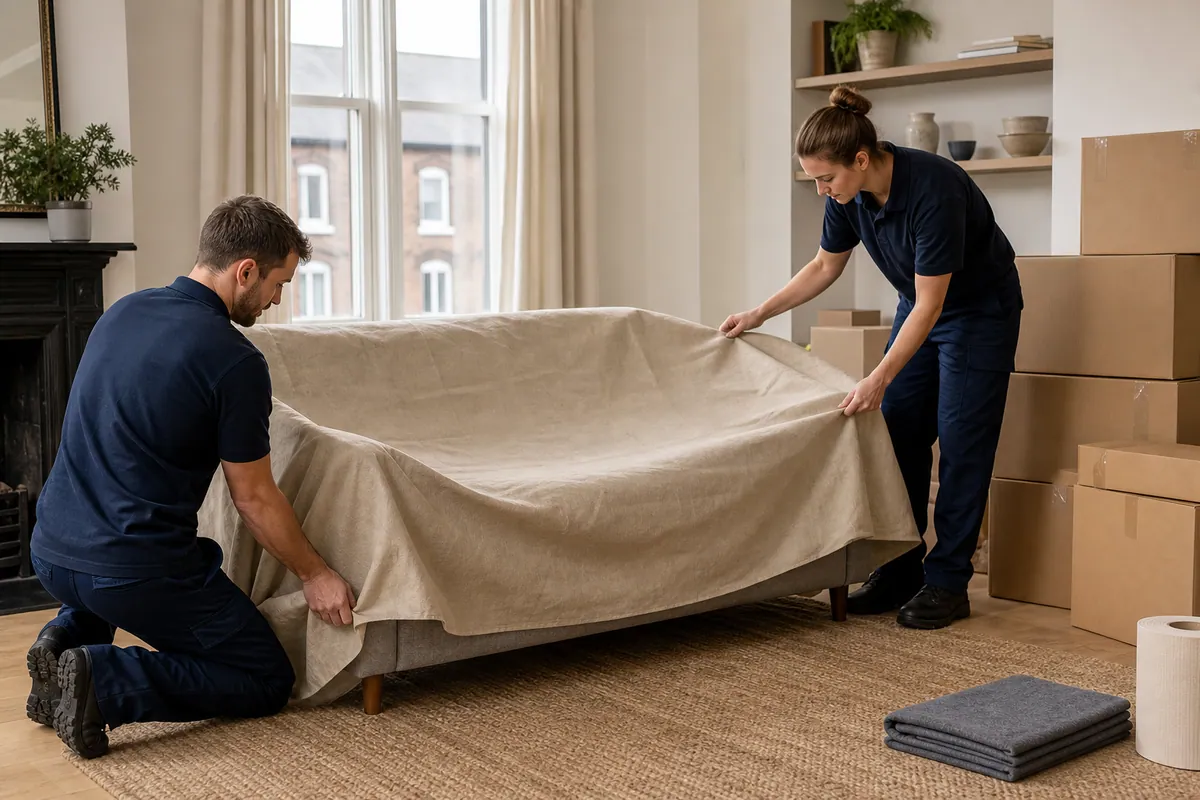
Choose your starting point
A category introduces the contents but does not decide whether you want to keep them. Resolve that question first, then use the prompts to describe the selected furniture and cartons.
Inventory focus
Number the boxes that will wait and distinguish them from possessions travelling with you. Keep irreplaceable records and valuables out of ordinary storage.
Add this to your inventory ↓
Collection is part of the storage plan
Measure furniture that remains assembled and mention fixed projections.
Show stair turns or passages affecting the largest retained piece.
Clarify which nearby belongings are excluded from collection.
Confirm the loading proposal and the person providing entry.
Supply new access information if the retained goods will return somewhere different.
Flats and apartments: Identify the shared route for the selected pieces.Mansion blocks: Verify any permissions needed for the collection.Houses: Record internal levels and the outside carrying route.Rental or managed properties: Confirm who approves the final household list.
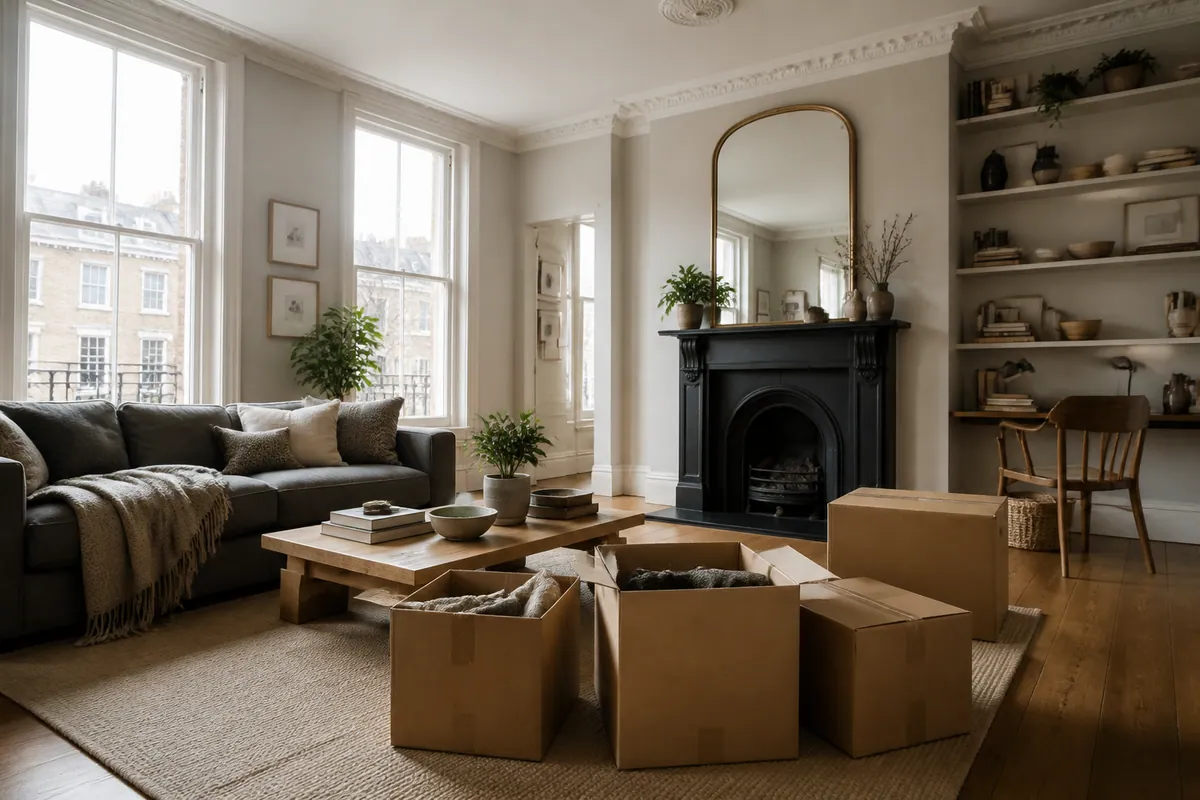
Balham, before collection day
Consider the rooms available at the next home before putting every Balham possession into a storage enquiry. Furniture already allocated a place may travel directly; other retained pieces may need a waiting period. These are different instructions even when they begin at the same address.
Your item-list example: An occasional chair, a small cabinet and household cartons can each be recorded with their intended use. Use actual measurements and quantities, not a general description of the old room.
If you are still deciding about an item, mark that uncertainty outside the agreed load. Changing the list before collection can affect preparation, handling and storage requirements, so the final version matters.
Plan the route out of your property ↓A useful first conversation
Enter the retained quantities and note furniture dimensions. Keep possible donations or sales separate so the collection instruction remains clear to everyone involved.
What changes at home?
Furniture with a confirmed place at the next home may be part of direct transport rather than the storage load.
Pieces you want to retain for later can be listed with their likely purpose and an estimated waiting period.
A temporary gap in room availability may affect only selected furniture, not the whole household.
Unwanted possessions require a separate decision and instruction instead of automatically entering storage.
Dimensions before estimates
The number of items does not tell the whole space story. A broad armchair can need more allowance than several compact cartons, particularly when protection and placement are considered.
Record the awkward item alongside the box total.
Distinguish furniture from the contents once held inside it.
Group several rooms without hiding large-piece measurements.
Ask for a more detailed review when the retained load is substantial.
The assessment concerns actual dimensions and suitable arrangement. The category display does not calculate a fixed unit or establish acceptance for unusual belongings.
The timetable can change
| Planning point | A shorter gap | A longer arrangement |
|---|---|---|
| Typical purpose | A defined gap before placement | A retained load awaiting more space |
| Preparation | Preparation for the planned journeys | Review the proposed longer arrangement |
| Retrieval | Release items with a confirmed place | Discuss partial requests in advance |
| Duration | Give the likely review date | Explain uncertainty about the end |
| Quotation | Quote the definite retained inventory | Identify ongoing and extra movement costs |
Discuss the expected period and what happens if the next home cannot receive everything then. Extension and release terms should be understood before the belongings leave.
Plan the return before the departure
Before requesting release, match the retained pieces to the space that is ready. If only part of the load has a place, discuss whether a staged return can be arranged and what it involves.
Need earlier
Need later
Ask about notice and charges for separate requests. A decision to keep something does not mean immediate access is included in the agreement.
Keep carton references specific enough to request the right household group.
Describe the protection and components of retained furniture so return handling can be considered properly.
Record later-use items on the same inventory, with their likely destination or purpose still visible.
One connected arrangement
Choose the belongings intended to return to you.
Check their departure route at the Balham property.
Agree preparation for the selected pieces.
Confirm the current quantities before collection.
Review the proposed period and relevant conditions.
Arrange release against the next home’s available space.
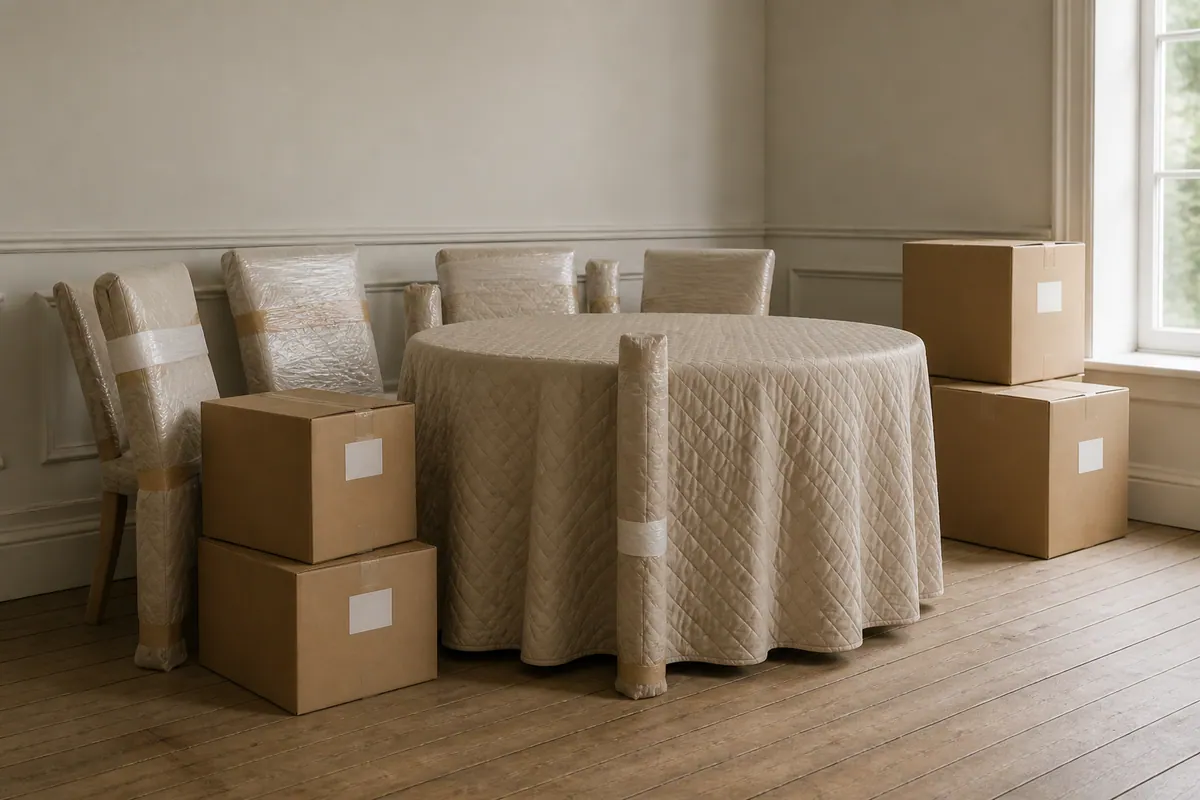

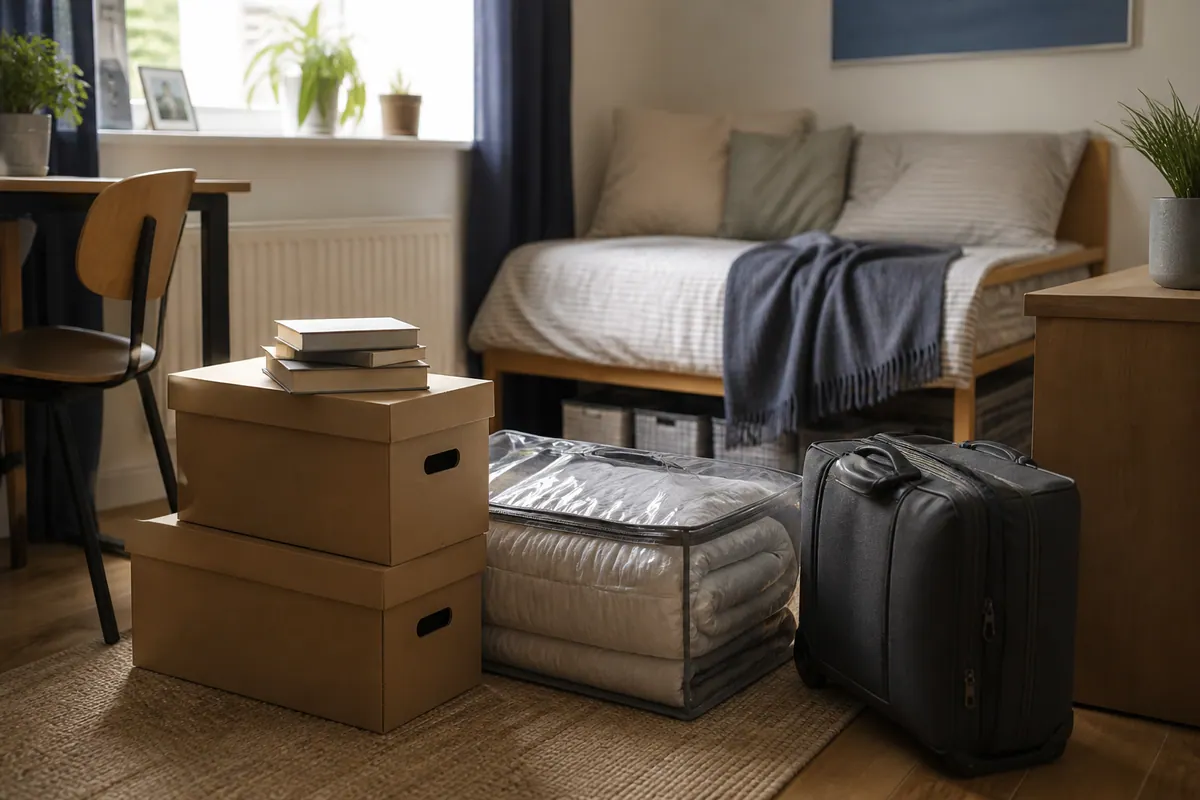
Scope first. Quote second.
The Balham quotation should use the pieces actually going into storage. If other goods are travelling directly or being removed for a different purpose, keep those requirements distinguishable.
| Service scope | Price approach | Main factors |
|---|---|---|
| Volume & access assessment | Assessment of retained belongings | Actual pieces, measurements and protection |
| Collection & placement | Collection of the defined load | Route, handling and preparation scope |
| Ongoing storage | Storage proposal for the chosen interval | Space requirements and applicable terms |
| Final retrieval / delivery | Release matched to the receiving home | Available rooms, access and requested groups |
Dimensions, preparation, property access and the expected term influence the proposal. Later changes to the retained list or requested releases should be discussed before relying on the same total.
Direct answers before you book
Explain the pieces you intend to keep and the expected period. Their suitability, preparation and collection are assessed individually.
Mark it as undecided rather than including it silently. The final list needs confirmation before collection requirements are agreed.
Discuss that as a separate transport requirement. Distinguish direct goods from the items intended for storage.
Not necessarily. Their dimensions, shape and suitable placement matter more than item count alone.
Contact the team for the relevant procedure and any different service requirements. Do not assume disposal is included in a storage arrangement.
Discuss staged release before booking and confirm notice, handling and delivery costs. The remaining term also needs clarity.
Use stable references linked to your inventory. Add relevant handling information while keeping unnecessary personal details private.
Set aside everyday necessities, valuables and essential records. Plan early needs before the stored cartons are prepared.
Ask about the proposed terms and extension process. Availability and charges require agreement rather than an assumption of indefinite storage.
Request the specific wrapping, materials or labour needed. Confirm those tasks alongside collection and storage.
A definite retained list, furniture measurements, departure access and an honest estimate of when you may want the goods back.
Keep the move connected
Discuss the full household move when only part of it needs a storage interval.
Assess transport for a smaller selected load with handling needs included.
Request preparation for the furniture and cartons you are keeping.
Arrange furniture movement when the receiving space is confirmed.
Alesta customer feedback / Furniture removal & packing
“I used Alesta Services for furniture removal and packing when I moved houses. The team was incredibly careful with my belongings and made the whole process seamless.”
James W. · Existing Alesta review, not a storage testimonial for Balham.
Balham / Service area
Share the Balham postcode and access for the belongings actually proposed. For the wider household scope, see Storage Services.
The proposed storage location and release process should be confirmed with the arrangement. Review those details rather than inferring them from the collection area.
A little space. A clear next step.
Send the Balham retained-item list, access details and likely duration. Identify direct transport requirements and decisions still unresolved.
