- How is the proposed work priced?
- The £29/hour published guide is a starting figure, not a total for the flat after its final trade visits.
- How do I explain the affected area?
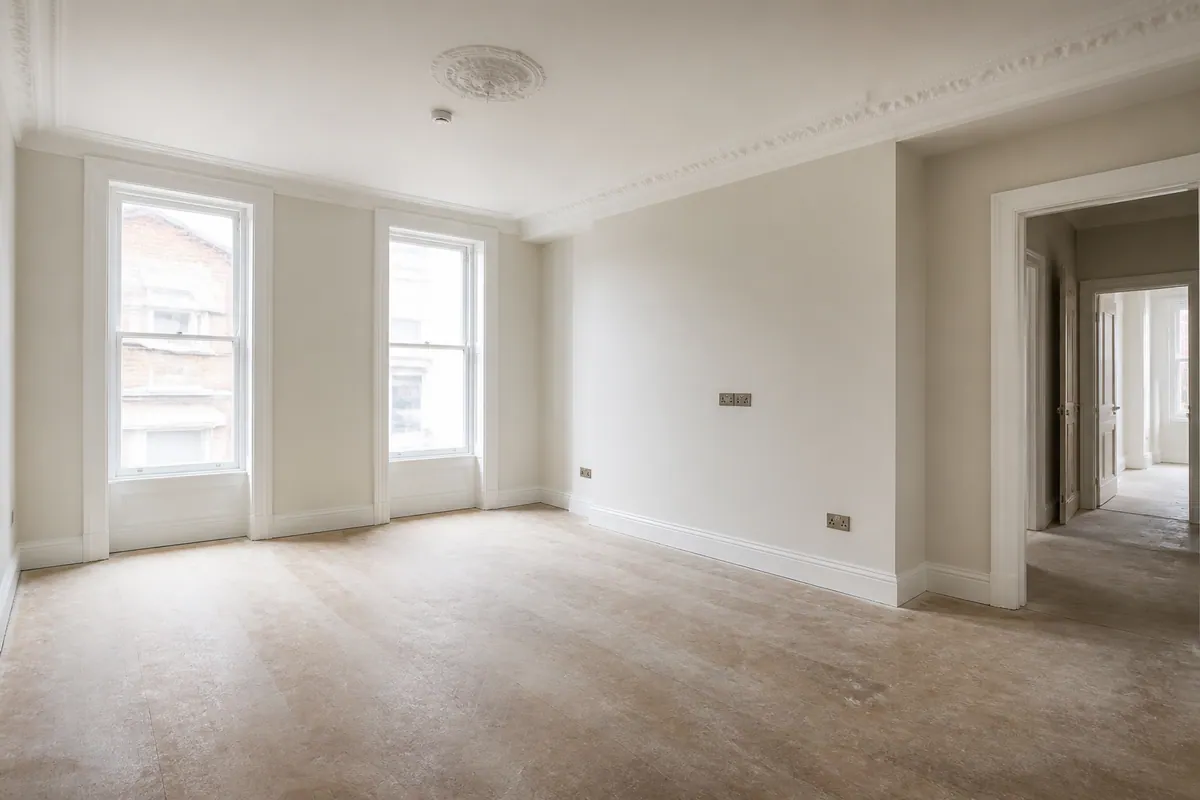
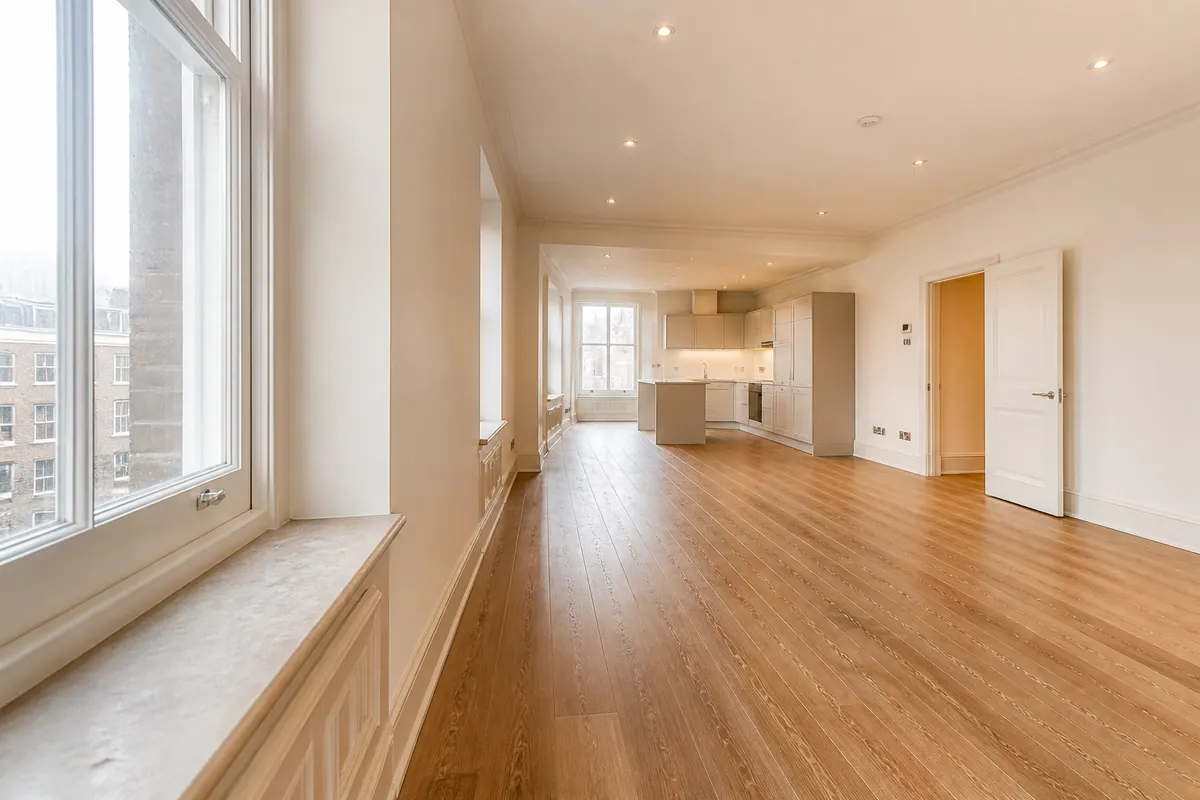
- Start with new tile edges and installed fittings; lift settled deposits from the agreed surfaces, with the material informing treatment. A useful scope summary for Croydon explains the flat after its final trade visits through new tile edges and installed fittings. Surface decisions concern new tiles and fittings; practical arrival means confirm lift or stair access to the flat.
- What should happen before cleaning?
- Confirm which trades have genuinely finished and identify any future cutting, drilling or fitting before choosing the visit sequence.
- How are difficult spots approached?
- Identify the deposit without assuming an aggressive treatment is appropriate.
- Does cleaning include bulky leftovers?
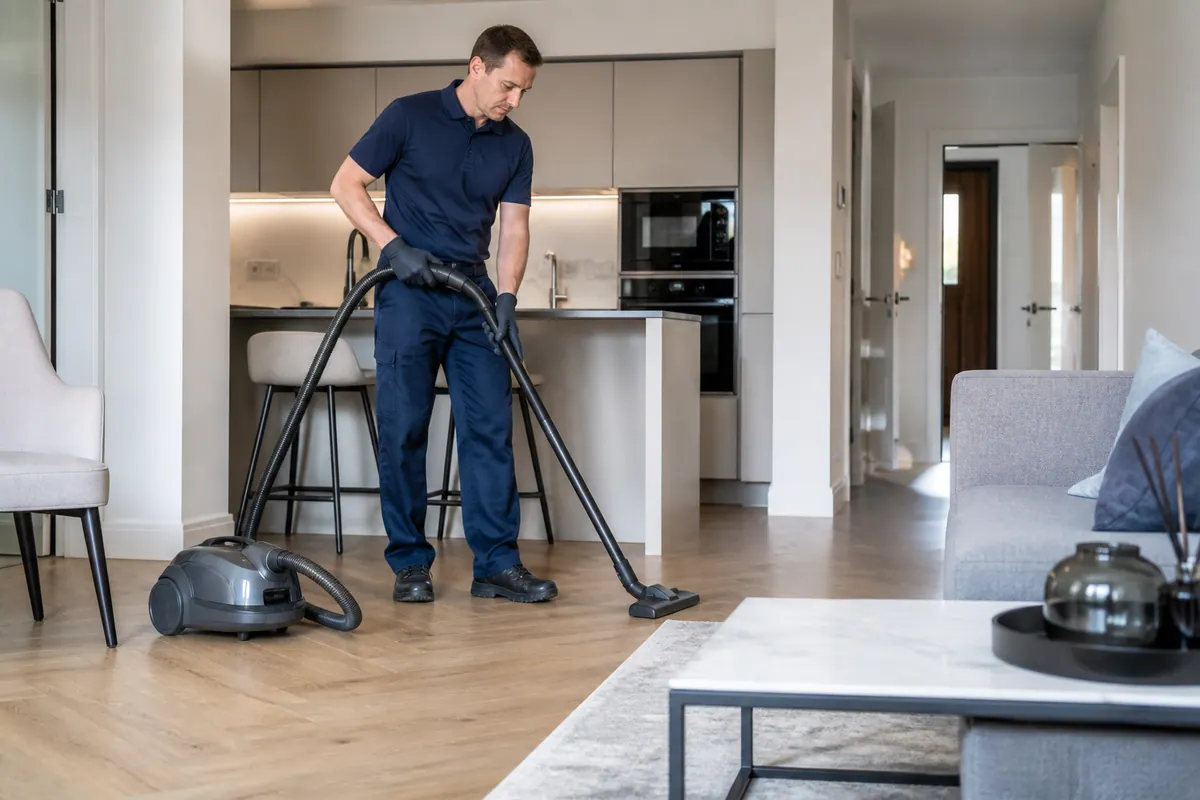
- Loose dust can be discussed within the clean, while discarded fittings and boards require their own clearance arrangement. Keep both descriptions visible.
- Which kitchen surfaces need identifying?
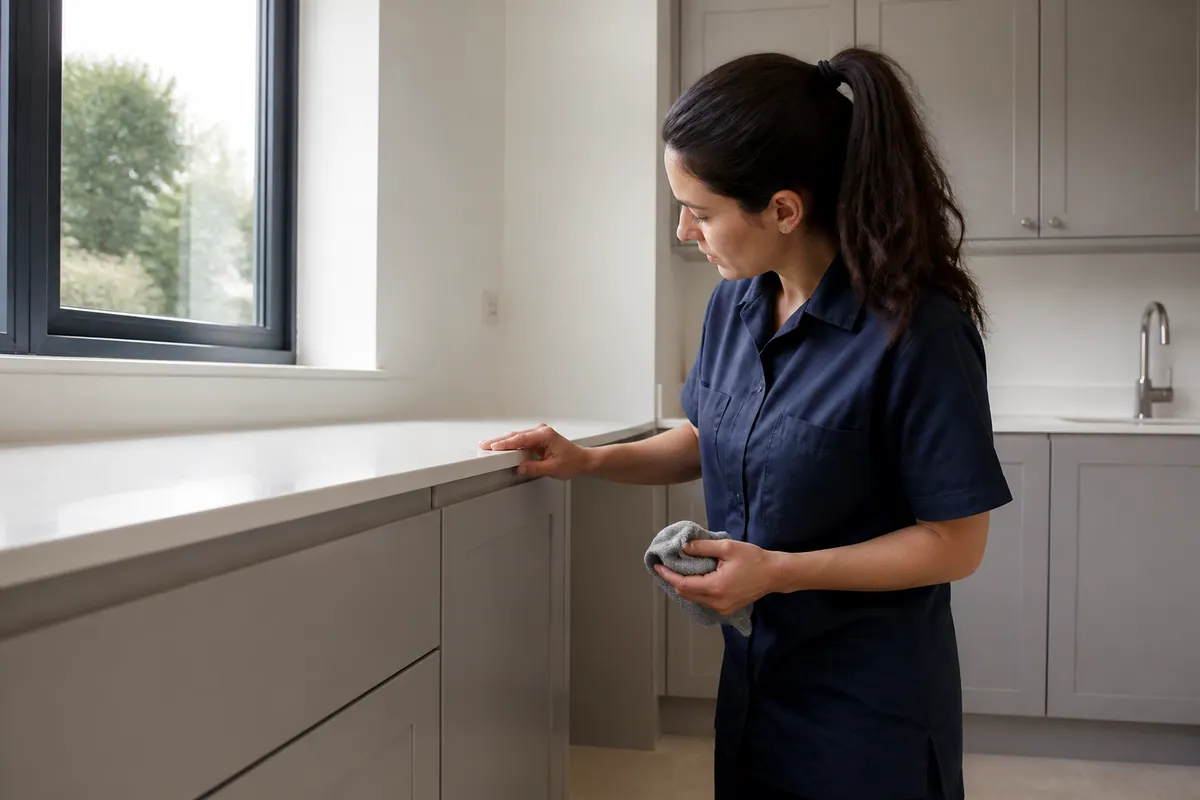
- A kitchen with belongings already returned has different access from an empty one. Describe the reachable exterior surfaces and any extra work wanted.
- How does fresh decoration affect the visit?
- Yes, once the relevant surfaces are ready. Confirm that recently applied products permit cleaning before including their surfaces.
- What determines cleaning duration?
- Alesta needs the workload and access information before discussing time. Treat your desired handover as context, not a guarantee that an unassessed property fits a set slot.
- How do I scope additional windows?
- Use a specific glazing description when contacting Alesta. The number of rooms says little about window access, surface condition or additional equipment needs.
- What should be moved first?
- The working route must be accessible. Give the lift or stair details and the floor number, including any restrictions on bringing equipment to the flat.