A scope accounting for stairs, light, ventilation and several living levels
 020 3608 3976
BLACKHEATH CLEANING SERVICE NAVIGATOR
Blackheath’s period houses, villas, conversions and mansion flats can combine generous rooms with basements, tall windows and finishes that need cautious care. Homes near open green space may also collect grit, pollen and leaf debris around entrances. This guide helps you brief providers for regular cleaning, one-off detail, moving work or cleaning after completed renovation. It separates safe household upkeep from high-level, restoration and hazardous tasks, while covering shared access, parking and preparation. The result should be a scope suited to the actual property, not a generic promise of thoroughness.
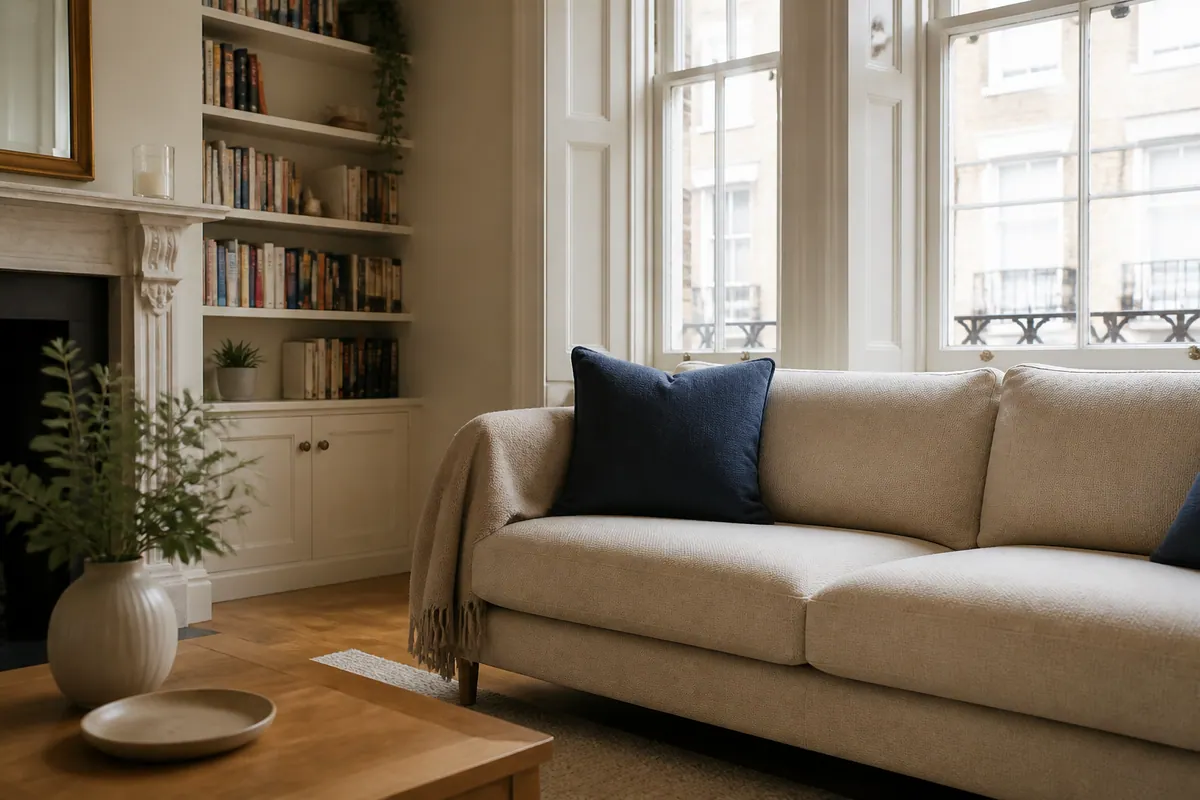
A scope accounting for stairs, light, ventilation and several living levels
Respectful communal access and care for retained period features
Prioritise entrance areas without assuming exterior maintenance
Share parking, stairs, lift, keys or reception details before the visit.
START WITH THE REASON
The closest match takes you to the relevant Alesta service page. It does not assume every task belongs in a general house-cleaning visit.
SERVICE FINDER · Blackheath
This navigator suggests a service page; it does not diagnose damage or produce an instant quote.
WHICH SERVICE FITS?
| What is happening | Service to explore | Reason for the distinction |
|---|---|---|
| A tenancy is ending in Blackheath | End of Tenancy Cleaning | Handover work needs a move-out scope |
| Occupied rooms need continued care | Domestic Cleaning | A recurring routine can be agreed |
| The home needs one broader refresh | One-Off Cleaning | Priorities can be handled in a single visit |
| Decoration or building work is complete | After Builders Cleaning | Fine dust and residue change the process |
| Floor fibres or upholstery need treatment | Carpet Cleaning or Sofa Cleaning | Dedicated equipment and material checks apply |
BLACKHEATH PROPERTY CONTEXT
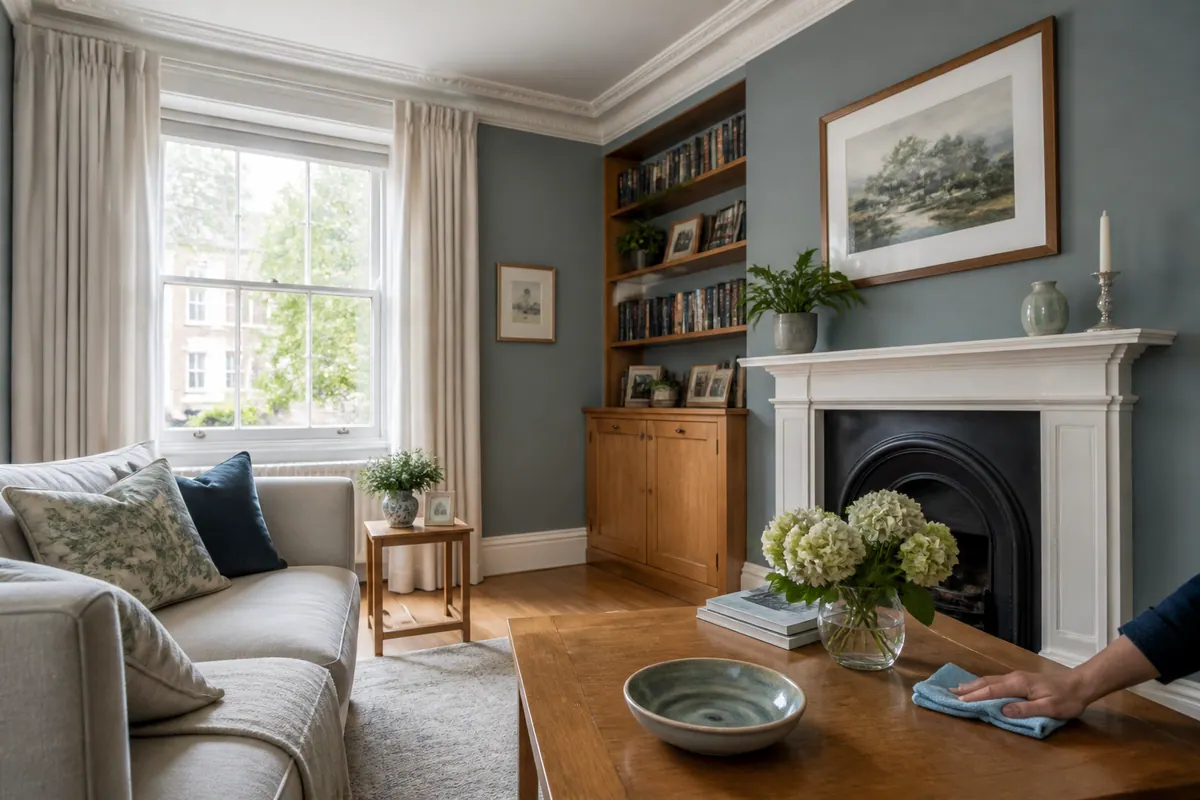
A large period home may include a lower-ground kitchen, several staircases, formal rooms and later bathroom additions. A converted villa might be smaller yet involve communal steps and original features within a compact plan. Give the current layout, not the historic house description, and identify rooms that can rotate. Mention fireplaces, cornices, old floorboards, stone hearths and any known conservation advice. Domestic dusting can maintain reachable features, but restoration, paint stabilisation and treatment of fragile plaster need specialist knowledge. Where a surface is flaking, loose or undocumented, leaving it untouched may be the safest choice until advice is obtained.
Entrances facing the heath or a garden can gather wind-blown grit, pollen, leaves and damp footprints. Good mats and a sensible floor routine help, but the cleaning method must suit timber, encaustic tile, stone or carpet. Explain basement steps, side gates and where lawful parking is available. For mansion flats, check communal-door and contractor arrangements. Outdoor debris should be removed without sweeping it into neighbours’ space or drains. Seasonal dirt can justify changing priorities, though it does not automatically turn an indoor appointment into gardening, exterior maintenance or specialist stone restoration.
Older properties can show staining, cracks and movement unrelated to cleanliness. A cleaner may reduce accessible cobwebs, dust and ordinary bathroom or kitchen residue, but cannot resolve chimney damp, failed pointing, leaking roofs, historic water marks or crumbling plaster. Cellars with poor lighting, mould, stored chemicals or unboarded areas may be excluded entirely. Similarly, tall sash windows and chandeliers should not invite unsafe ladder use. Describe unusual areas before quoting and accept a referral where appropriate. Clear limits protect the building, its occupants and the people carrying out the work.
PROPERTY SITUATION → SERVICE
| Property situation | What needs resolving | Service direction |
|---|---|---|
| Period house with lower-ground rooms | A scope accounting for stairs, light, ventilation and several living levels | Map rooms and rotate non-essential detail within recurring cleaning |
| Converted villa or mansion flat | Respectful communal access and care for retained period features | Confirm entry and identify sensitive surfaces before a visit |
| Heath-facing entrance | Regular removal of grit, pollen and seasonal debris using floor-safe methods | Prioritise entrance areas without assuming exterior maintenance |
| Home with fragile plaster or decoration | Protection from moisture, abrasion and unsafe high-level work | Exclude unstable features and seek conservation advice where needed |
| Cellar or basement storage | Assessment of lighting, damp, access, contents and possible hazards | Scope separately rather than including it as an ordinary room |
WHOLE-PROPERTY OPTIONS
| Decision point | Domestic | One-Off | End of Tenancy |
|---|---|---|---|
| Purpose in Blackheath | Maintain an occupied home | Complete one prioritised refresh | Prepare around a rental handover |
| Timing | Repeating visits | Single appointment | Usually linked to a move |
| Scope | Agreed household routine | Rooms ordered by need | Property and handover requirements |
| Specialist items | Booked separately | Added only when confirmed | Quoted where relevant |
ROOM NAVIGATOR · Blackheath
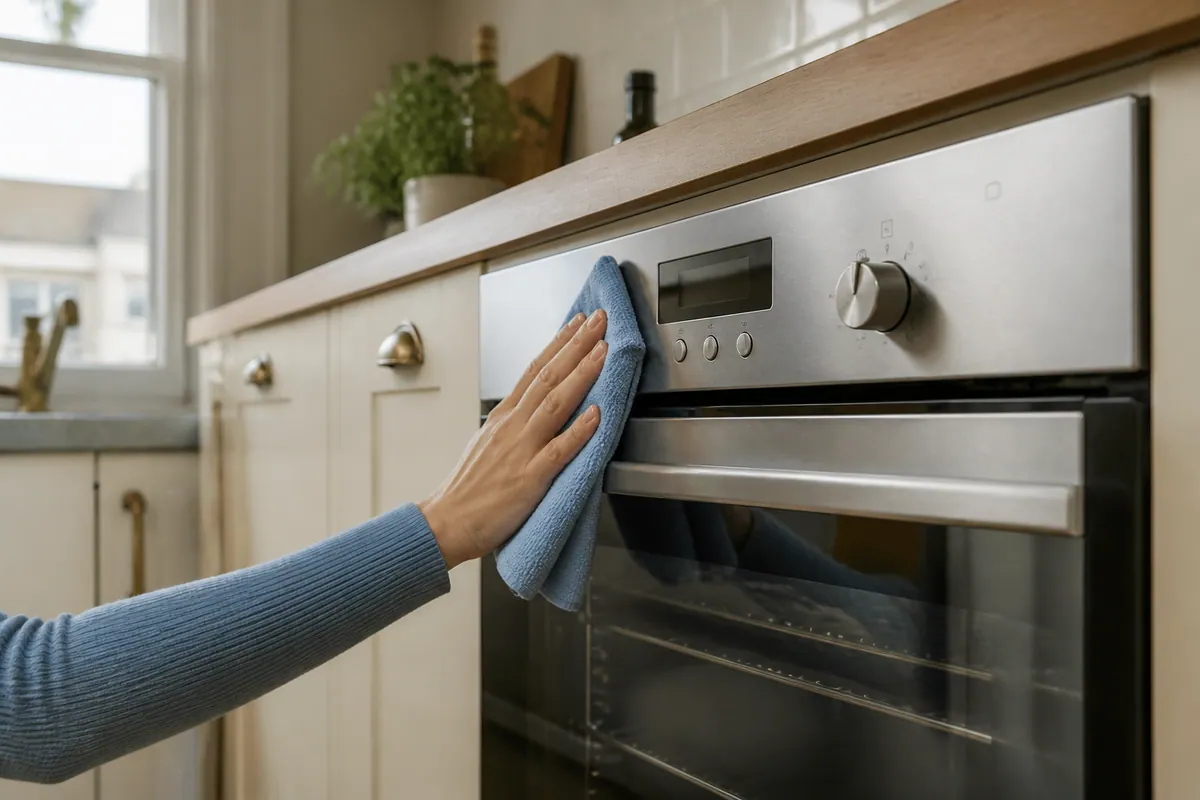
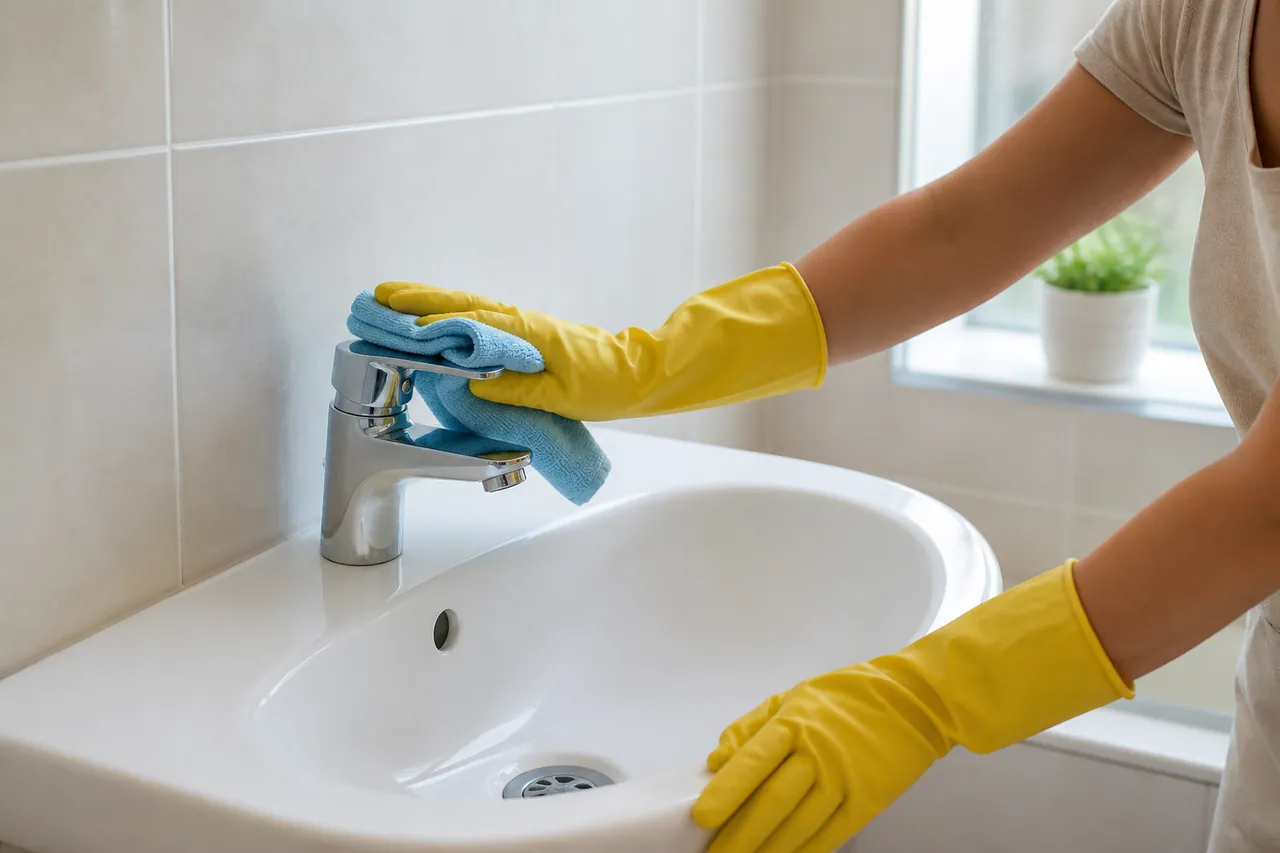
A kitchen may need routine care, a one-off reset, oven work or post-renovation cleaning. State the condition and objective rather than selecting from the room name alone.
GENERAL OR SPECIALIST?
Extraction, upholstery care, appliance detailing, mould work and post-build residue use different methods. Naming them early allows the correct quotation and team to be considered.
| Need | General visit | Dedicated route |
|---|---|---|
| Reachable surfaces and household floors | Usually within an agreed room scope | Not normally required |
| Carpet extraction in Blackheath | Not included | Carpet Cleaning |
| Upholstery treatment | Not included | Sofa Cleaning |
| Detailed oven interior | Not included automatically | Oven Cleaning |
| Visible mould | Not ordinary bathroom cleaning | Mould Removal |
| Construction dust or residue | Not standard upkeep | After Builders Cleaning |
PRICING LOGIC · Blackheath
Explain the property type, levels, approximate size, bathrooms, occupancy and rooms included. Mention lower-ground access, tall features, communal entrances, parking and the seasonal condition of entrance floors. Identify timber, stone, historic tiles, fragile plaster and any conservation instructions. Ask how reachable-height limits are defined and whether occasional rooms can rotate. Cellars, fireplaces, chandeliers, carpets and exterior glazing should be discussed separately. Provide honest details about damp, loose surfaces or renovation dust so the provider can decline unsuitable work or recommend a specialist before arrival.
The current Alesta general guide starts regular household cleaning from £20 per hour and a one-off priority clean from £90. Confirm the final figure and inclusions before booking.
| Service | Pricing basis | Information that changes it |
|---|---|---|
| Domestic | Time and frequency | Hours, routine, supplies and property |
| One-Off | Time and selected scope | Condition, rooms and priorities |
| End of Tenancy | Property handover scope | Size, condition and requested extras |
| Carpet or sofa | Area or item | Material, size, soil and access |
| Oven | Appliance type | Size and configuration |
| Windows | Glazing and access | Count, faces, height and safe reach |
COMBINING SERVICES
Coordination is possible where teams and equipment are available, but each specialist task keeps its own scope and quotation.
| Main visit | Additional route | When to mention it |
|---|---|---|
| End of Tenancy Cleaning | Carpet Cleaning | Fitted flooring needs treatment before handover |
| One-Off Cleaning | Oven Cleaning | The home and appliance both need detailed work |
| Sofa Cleaning | Carpet Cleaning | Upholstery and flooring need compatible planning |
| After Builders Cleaning | Window Cleaning | Completed work has affected glazing |
BEFORE REQUESTING A BLACKHEATH QUOTE
Clear leaves and loose grit from the immediate private threshold without pushing debris into communal space. Put away valuables and small decorative items, and mark fragile plaster, unstable furniture or damaged floors. Ensure basement routes are lit and handrails usable, but do not invite access to unsafe storage areas. Secure pets and confirm gates, alarms and shared-door arrangements privately. Provide care guidance for stone, timber and historic tiles. If high features need attention, give approximate heights in advance so suitable specialist access can be considered.
Type, room count, occupancy and floor level.
Recurring care, a single reset, moving or completed work.
Carpets, upholstery, ovens, windows or mould listed separately.
Keys, lift, concierge, parking and the preferred appointment window.
PRACTICAL ANSWERS · BLACKHEATH
Regular vacuuming with suitable filtration and floor care can reduce settled material, particularly around entrances and open windows. It cannot prevent pollen entering or treat allergies. Discuss product sensitivities and equipment, use mats, and follow medical advice separately. Heavy outdoor leaf clearance and air-quality testing are not part of ordinary household cleaning.
Identify the tile and any sealant or previous treatment before products are chosen. Acids, bleach, abrasives and excess water can alter colour or damage grout. Provide conservation or installer guidance if available and request a cautious test. Embedded staining, failed sealant and worn surfaces may require a specialist rather than stronger domestic cleaning.
Only if it is safely accessible, lit, ventilated and free from hazards. Stored chemicals, pests, standing water, unstable steps or significant mould place it outside normal work. Describe the space and contents before booking. Clearance, damp remediation and hazardous cleaning require appropriate specialists, even when the cellar forms part of the house.
Reachable, stable cornices may be lightly dusted with an agreed method. Tall or crumbling plaster should not be touched with improvised poles or ladders. Point out cracks, flaking paint and previous repairs. Cleaning cannot stabilise historic plaster, and a conservator or plaster specialist should advise where material appears loose or significant.
The method depends on whether the hearth is slate, marble, limestone, brick or another material, and whether it is sealed. Remove cold loose ash carefully and provide material guidance. Acidic or oily products can stain. Soot penetration, cracks and heat damage may need a fireplace or stone specialist rather than repeated scrubbing.
Safely reachable interior glass may be agreed, but cords, weights, stuck sashes and exterior faces introduce different risks. Do not ask cleaners to lean out or force painted-shut windows. Describe height and condition. Repairs, high exterior glazing and access above the provider’s stated limit require suitable window or joinery professionals.
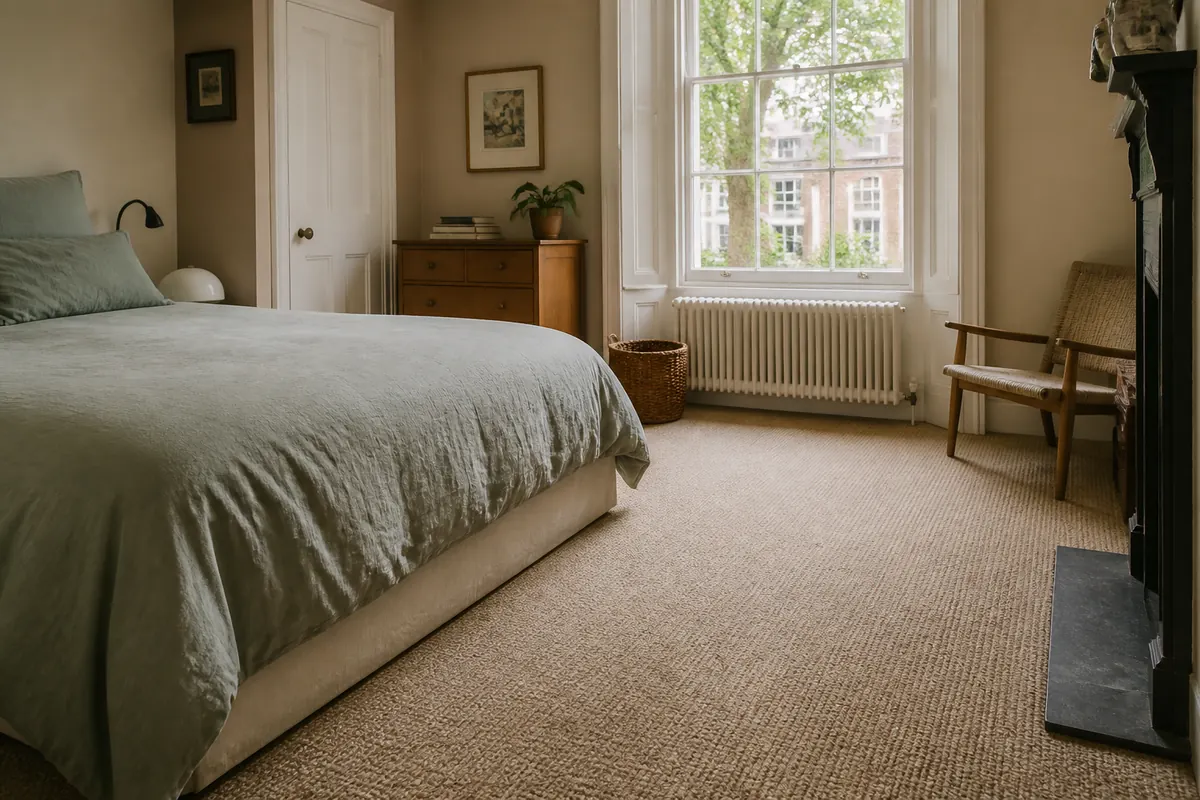
Include the separate stair access, ventilation, natural light, floor material, appliances and any signs of damp. Say whether equipment must pass through living rooms or an exterior lightwell. A lower-ground position does not itself require specialist cleaning, but poor access, active leaks or mould can change what is safe and practical.
Only within their approved reachable-height method, often using an extension tool from floor level. Give approximate ceiling height and note chandeliers, alarms or fragile plaster. Persistent exterior spider activity is not solved by indoor cleaning. Scaffolds, tall ladders and work above stairs should be handled by an appropriately equipped specialist.
Light settled dust may be removable, but soot staining can penetrate paint, plaster, stone and fabrics. Confirm the fireplace is cold and safe, and explain whether a recent incident caused the marks. Chimney faults, smoke damage and extensive contamination require chimney or restoration expertise; domestic products can spread soot or set stains.
Not without agreement about size, weight, furniture and floor condition. Rolling a large rug can strain workers or scratch fragile boards, and hidden fading or damage may be revealed. Arrange furniture movement separately where needed. The cleaner can address accessible edges or a cleared floor using a method suitable for its finish.
Stop cleaning the area, record its condition and seek advice from the owner and an appropriately qualified conservation professional. Do not attempt an improvised repair or disguise the mark. Before any visit, identify protected or valuable features and provide care instructions. Ordinary cleaning providers should work only within methods they have expressly accepted.
It can be sensible to prioritise vacuuming grit and drying suitable hard floors more often, while rotating less urgent detail elsewhere. Use absorbent mats that do not trap moisture against sensitive flooring. Tell the provider about leaf debris and pets. Outdoor paths, drains and large-scale leaf collection remain separate from the indoor checklist.
COMPACT LOCAL VIEW
NEARBY AREAS
Describe the property, reason for the visit, priority rooms and any specialist items before requesting a quote.
Call 020 3608 3976