Every level, stair and high-use room described
 020 3608 3976
HIGHGATE CLEANING SERVICE NAVIGATOR
Highgate’s steep streets contain Georgian and Victorian houses, mansion flats, conversions and modern apartments, often with several levels and carefully maintained original features. A suitable cleaning plan depends on safe access, present occupancy and the materials in each room, not simply floor area. This guide explains routine domestic visits, deeper one-off cleaning, moving work and cleaning after completed refurbishment. It also covers controlled parking, conservation-sensitive surfaces, staff or home-working arrangements and garden entrances, helping residents protect valuable finishes while keeping restoration, repairs and high exterior work separate.

Every level, stair and high-use room described
Porter, lift, visitor and communal boundaries confirmed
Use gentle compatible care and exclude restoration
Share parking, stairs, lift, keys or reception details before the visit.
START WITH THE REASON
The closest match takes you to the relevant Alesta service page. It does not assume every task belongs in a general house-cleaning visit.
SERVICE FINDER · Highgate
This navigator suggests a service page; it does not diagnose damage or produce an instant quote.
WHICH SERVICE FITS?
| What is happening | Service to explore | Reason for the distinction |
|---|---|---|
| A tenancy is ending in Highgate | End of Tenancy Cleaning | Handover work needs a move-out scope |
| Occupied rooms need continued care | Domestic Cleaning | A recurring routine can be agreed |
| The home needs one broader refresh | One-Off Cleaning | Priorities can be handled in a single visit |
| Decoration or building work is complete | After Builders Cleaning | Fine dust and residue change the process |
| Floor fibres or upholstery need treatment | Carpet Cleaning or Sofa Cleaning | Dedicated equipment and material checks apply |
HIGHGATE PROPERTY CONTEXT
Tall houses can include basement kitchens, formal reception rooms, half-landings and converted lofts; mansion flats may add porter, lift and communal-access procedures. Provide the true levels, bathrooms, approximate size, occupants and rooms excluded from entry. Agree core kitchens, bathrooms and busy floors first, then rotate guest rooms or formal areas during fixed visits. A large entertaining clean, long-unoccupied property or post-decoration appointment needs a condition-based quote. A realistic written schedule preserves careful work on valuable surfaces instead of pushing staff to rush through every floor with one unsuitable general method.
Steep streets and controlled parking need planning before equipment travels. Confirm the correct visitor session, lawful unloading point, external steps, gates and distance to the entrance. In managed buildings, complete porter registration and explain fobs and lifts. Households with staff or several decision-makers should nominate one person to approve the brief. Keep deliveries and garden equipment away from routes, and use the provider’s secure key procedure for unattended access. Cleaners should never leave equipment on communal stairs, block fire doors or enter private staff quarters without clear written prior permission.
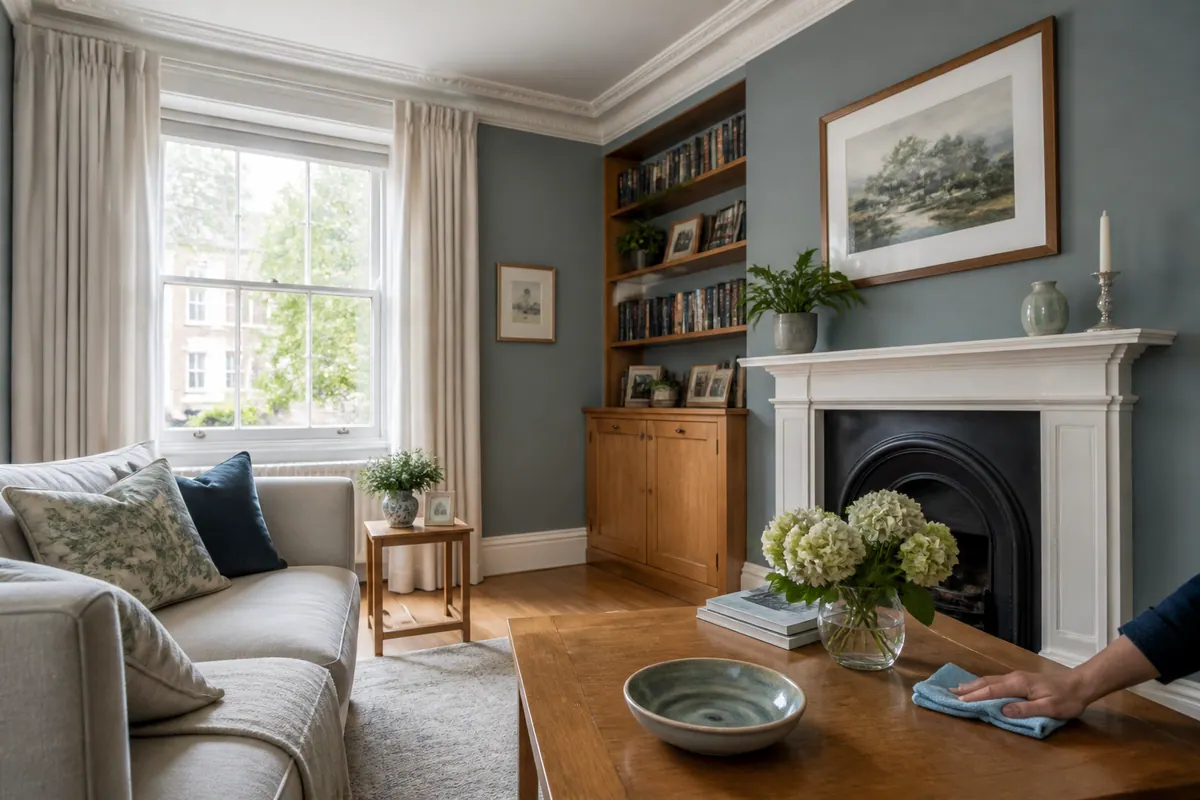
Original timber, marble, encaustic tiles, decorative plaster and antique fittings can be damaged by excess moisture, acids or abrasives. Give the cleaner known conservation or manufacturer guidance and identify previous repairs. Routine care means gentle maintenance of sound reachable surfaces, not stripping, polishing or stain restoration. Upper sash exteriors, rooflights, chandeliers and tall stairwell glazing require specialist access. Active damp, crumbling plaster and loose stone need building professionals first. When the safe method is uncertain, excluding the object or arranging a small test is more responsible than experimenting with a powerful product.
PROPERTY SITUATION → SERVICE
| Property situation | What needs resolving | Service direction |
|---|---|---|
| Tall period house | Every level, stair and high-use room described | Prioritise core rooms and rotate formal spaces |
| Mansion flat | Porter, lift, visitor and communal boundaries confirmed | Resolve managed access before travel |
| Home with conservation finishes | Material guidance and prior repairs identified | Use gentle compatible care and exclude restoration |
| Household with staff or regular visitors | One decision-maker and private-room permissions | Record boundaries before the appointment |
| Property after decoration | Cured finishes, removed tools and residue disclosed | Quote post-work cleaning by actual condition |
WHOLE-PROPERTY OPTIONS
| Decision point | Domestic | One-Off | End of Tenancy |
|---|---|---|---|
| Purpose in Highgate | Maintain an occupied home | Complete one prioritised refresh | Prepare around a rental handover |
| Timing | Repeating visits | Single appointment | Usually linked to a move |
| Scope | Agreed household routine | Rooms ordered by need | Property and handover requirements |
| Specialist items | Booked separately | Added only when confirmed | Quoted where relevant |
ROOM NAVIGATOR · Highgate
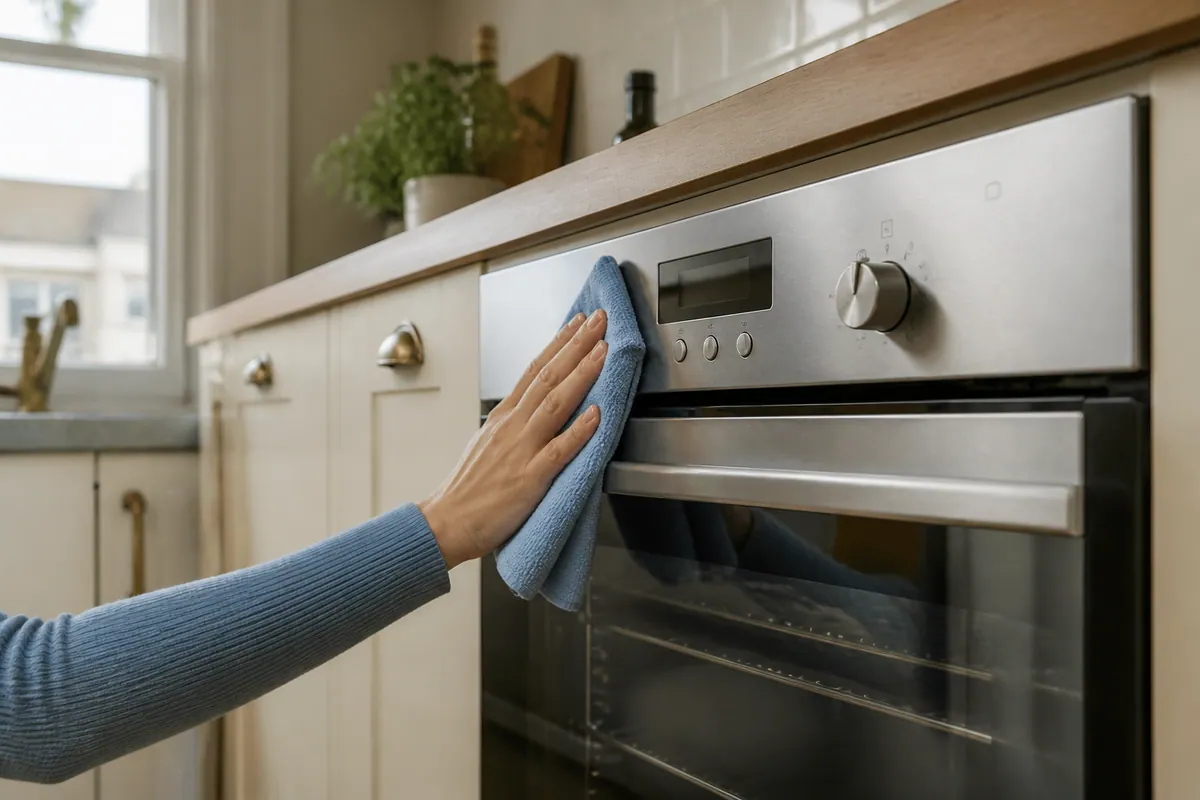
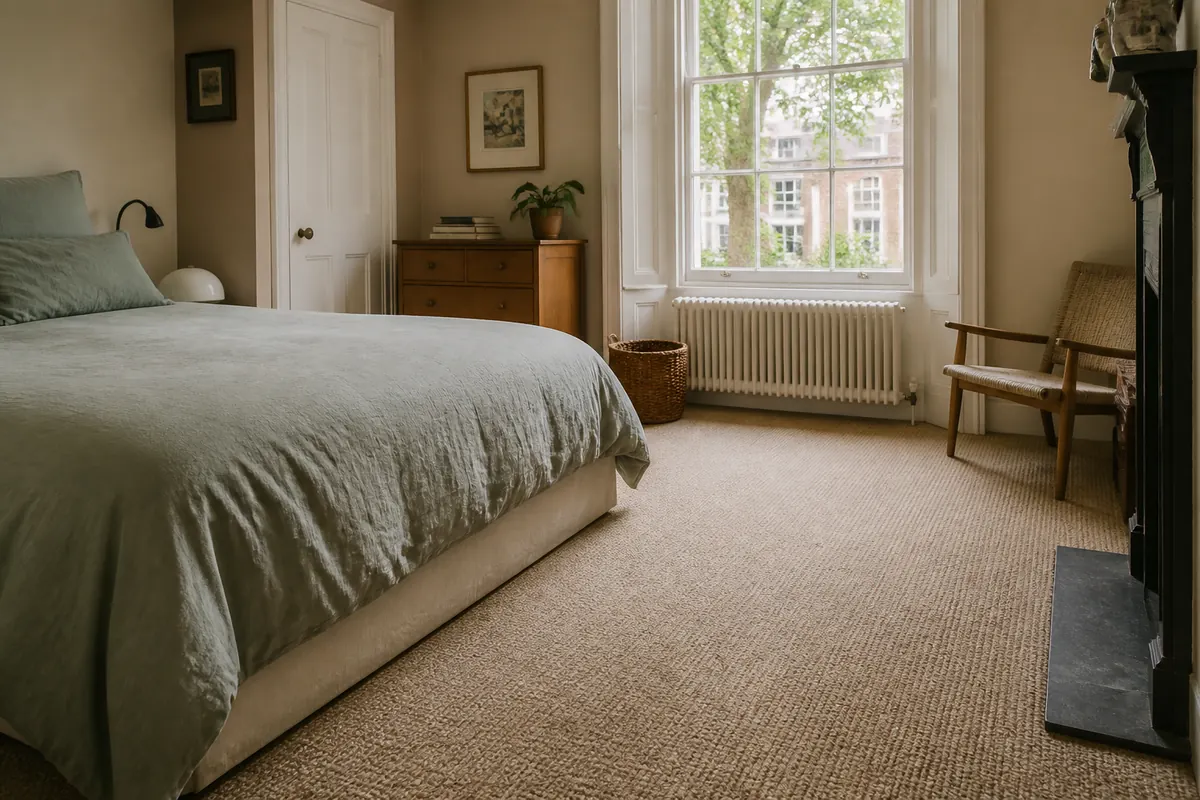
A kitchen may need routine care, a one-off reset, oven work or post-renovation cleaning. State the condition and objective rather than selecting from the room name alone.
GENERAL OR SPECIALIST?
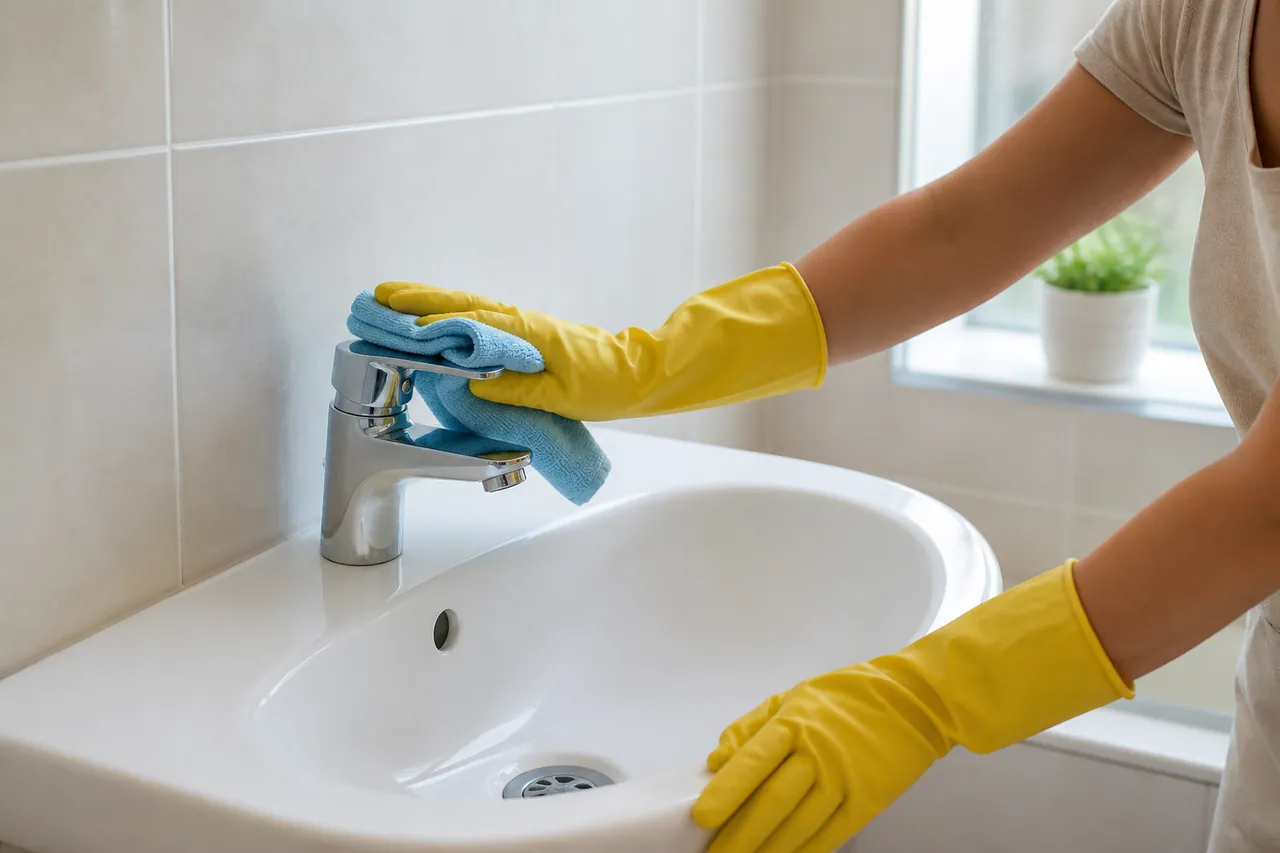
Extraction, upholstery care, appliance detailing, mould work and post-build residue use different methods. Naming them early allows the correct quotation and team to be considered.
| Need | General visit | Dedicated route |
|---|---|---|
| Reachable surfaces and household floors | Usually within an agreed room scope | Not normally required |
| Carpet extraction in Highgate | Not included | Carpet Cleaning |
| Upholstery treatment | Not included | Sofa Cleaning |
| Detailed oven interior | Not included automatically | Oven Cleaning |
| Visible mould | Not ordinary bathroom cleaning | Mould Removal |
| Construction dust or residue | Not standard upkeep | After Builders Cleaning |
PRICING LOGIC · Highgate
Give the Highgate postcode, property type, current rooms, bathrooms, levels, approximate size, occupancy and condition. Explain basement or garden access, steep steps, controlled parking, porters, keys and lifts. Identify formal rooms, staff spaces, pets and anything excluded. List marble, timber, antique or conservation-sensitive finishes and recent decoration. Rank essential results and ask what materials and equipment are supplied. Carpets, chandeliers, exterior sash windows, waste, polishing and post-building residue should each be agreed separately before the appointment is confirmed in writing.
The current Alesta general guide starts regular household cleaning from £20 per hour and a one-off priority clean from £90. Confirm the final figure and inclusions before booking.
| Service | Pricing basis | Information that changes it |
|---|---|---|
| Domestic | Time and frequency | Hours, routine, supplies and property |
| One-Off | Time and selected scope | Condition, rooms and priorities |
| End of Tenancy | Property handover scope | Size, condition and requested extras |
| Carpet or sofa | Area or item | Material, size, soil and access |
| Oven | Appliance type | Size and configuration |
| Windows | Glazing and access | Count, faces, height and safe reach |
COMBINING SERVICES
Coordination is possible where teams and equipment are available, but each specialist task keeps its own scope and quotation.
| Main visit | Additional route | When to mention it |
|---|---|---|
| End of Tenancy Cleaning | Carpet Cleaning | Fitted flooring needs treatment before handover |
| One-Off Cleaning | Oven Cleaning | The home and appliance both need detailed work |
| Sofa Cleaning | Carpet Cleaning | Upholstery and flooring need compatible planning |
| After Builders Cleaning | Window Cleaning | Completed work has affected glazing |
BEFORE REQUESTING A HIGHGATE QUOTE
Reserve lawful parking and clear private steps, halls and staircases of deliveries and loose objects. Store valuables, documents, medicines and fragile collections, secure pets and confirm staff or resident room boundaries. Complete porter, fob, key and alarm arrangements and nominate one contact. Provide care instructions for sensitive finishes and point out loose or previously repaired areas. After decoration, remove trades, tools and waste, allow coatings to cure and retain working utilities, lighting and ventilation for the booked work.
Type, room count, occupancy and floor level.
Recurring care, a single reset, moving or completed work.
Carpets, upholstery, ovens, windows or mould listed separately.
Keys, lift, concierge, parking and the preferred appointment window.
PRACTICAL ANSWERS · HIGHGATE
Only when the precise product and method are approved. Many antiques have wax, shellac, veneer or previous repairs that ordinary spray polish can damage. Dusting may be the safer agreed task. Remove valuable small objects and consult a conservator for stains, lifting veneer, water marks or any treatment intended to change the finish.
Identify the stone and sealer, then avoid acidic descalers and abrasive pads. Use the installer or stone specialist’s guidance, especially around taps where limescale meets marble. Routine cleaning can maintain a sound sealed surface but cannot reverse etching, deep staining or failed grout. Those problems need specialist stone care or repair.
Reachable internal glass may be agreed, but upper exterior faces require appropriate specialist access. Explain shutters, secondary glazing, painted frames and fragile cords. Cleaners should not lean from windows or stand on furniture. High stairwell panes and rooflights also need assessment rather than being assumed part of ordinary room cleaning.
Only when the occupant has consented and the room is explicitly included. Keep employment and privacy arrangements separate from the cleaning task. One household contact should confirm access, but should not instruct cleaners to handle personal belongings without permission. Closed or labelled doors help prevent accidental entry and conflicting on-site directions.
Give accurate lawful options and the walking route before quotation. Steep streets and heavy equipment can make a distant space impractical. A provider may use portable supplies, public transport or reschedule specialist machinery. A resident permit does not automatically cover a visitor, and cleaners should never risk a penalty based on an informal assurance.
They may be maintainable, but first establish their condition, seal and previous treatments. Acids, bleach and abrasive machinery can damage old tile and grout. Request a cautious test and conservation advice where needed. Deep staining, loose sections and failed sealers fall outside routine domestic cleaning and may require floor restoration.
Ordinary cleaning usually covers only safely reachable dusting and excludes dismantling, electrical fittings and work at height. Give photographs and height details if specialist chandelier care is needed. Turn power isolation and component handling over to a qualified provider. Cleaners should not climb furniture or rotate fragile fittings to reach hidden surfaces.
Yes if clear routes remain and the room sequence is agreed. Keep people away from wet stairs and move food preparation around the planned work. The cleaner can accommodate a stable arrangement but should not repeatedly stop as guests cross between floors. For entertaining days, a different time may be safer and more efficient.
It can make material identification and approved care especially important, though cleaning restrictions depend on the feature and building. Ask the owner, managing agent or conservation professional about sensitive fabric. Domestic cleaners should not remove finishes, alter patina or undertake repairs. Document existing cracks or loose details before any surface work begins.
Store small, fragile or irreplaceable pieces securely before the visit and photograph display arrangements if useful. Define whether shelves are dusted around remaining objects or excluded. Cleaners should not catalogue, relocate or apply products to art and collectibles. A specialist conservator is appropriate where an object itself requires cleaning or treatment.
Wait until work is complete, coatings have reached their stated curing time and tools, rubble and protective waste are removed. Explain whether sanding or plastering occurred. Fine dust needs controlled repeated removal, while paint spots and damage remain distinct issues. Premature cleaning can mark fresh finishes and allow trades to resoil completed rooms.
Book early, rank the rooms guests will use and separate cleaning from floristry, catering or furniture movement. Clear surfaces and secure valuables beforehand. Tell the provider about access conflicts with deliveries. Allow floors and bathrooms to dry before arrivals; adding numerous unlisted details on the day can displace the essential work already agreed.
COMPACT LOCAL VIEW
NEARBY AREAS
Describe the property, reason for the visit, priority rooms and any specialist items before requesting a quote.
Call 020 3608 3976