Care around timber, tiles, stone and existing wear
 020 3608 3976
KEW CLEANING SERVICE NAVIGATOR
Choosing cleaning help in Kew starts with the building, not a generic room count. Period terraces, converted houses, mansion flats and newer apartments can involve different finishes, entrances and equipment routes. This guide explains how to scope regular, one-off, moving and post-renovation cleaning, while separating ordinary household work from oven interiors, carpet extraction, exterior glazing and builders’ dust. It also covers parking, shared access, conservatories and careful treatment of older materials, helping you compare quotations on the work actually required.

Care around timber, tiles, stone and existing wear
Confirmed entry, stair, lift and parking arrangements
Assess each glass face and safe route independently
Share parking, stairs, lift, keys or reception details before the visit.
START WITH THE REASON
The closest match takes you to the relevant Alesta service page. It does not assume every task belongs in a general house-cleaning visit.
SERVICE FINDER · Kew
This navigator suggests a service page; it does not diagnose damage or produce an instant quote.
WHICH SERVICE FITS?
| What is happening | Service to explore | Reason for the distinction |
|---|---|---|
| A tenancy is ending in Kew | End of Tenancy Cleaning | Handover work needs a move-out scope |
| Occupied rooms need continued care | Domestic Cleaning | A recurring routine can be agreed |
| The home needs one broader refresh | One-Off Cleaning | Priorities can be handled in a single visit |
| Decoration or building work is complete | After Builders Cleaning | Fine dust and residue change the process |
| Floor fibres or upholstery need treatment | Carpet Cleaning or Sofa Cleaning | Dedicated equipment and material checks apply |
KEW PROPERTY CONTEXT
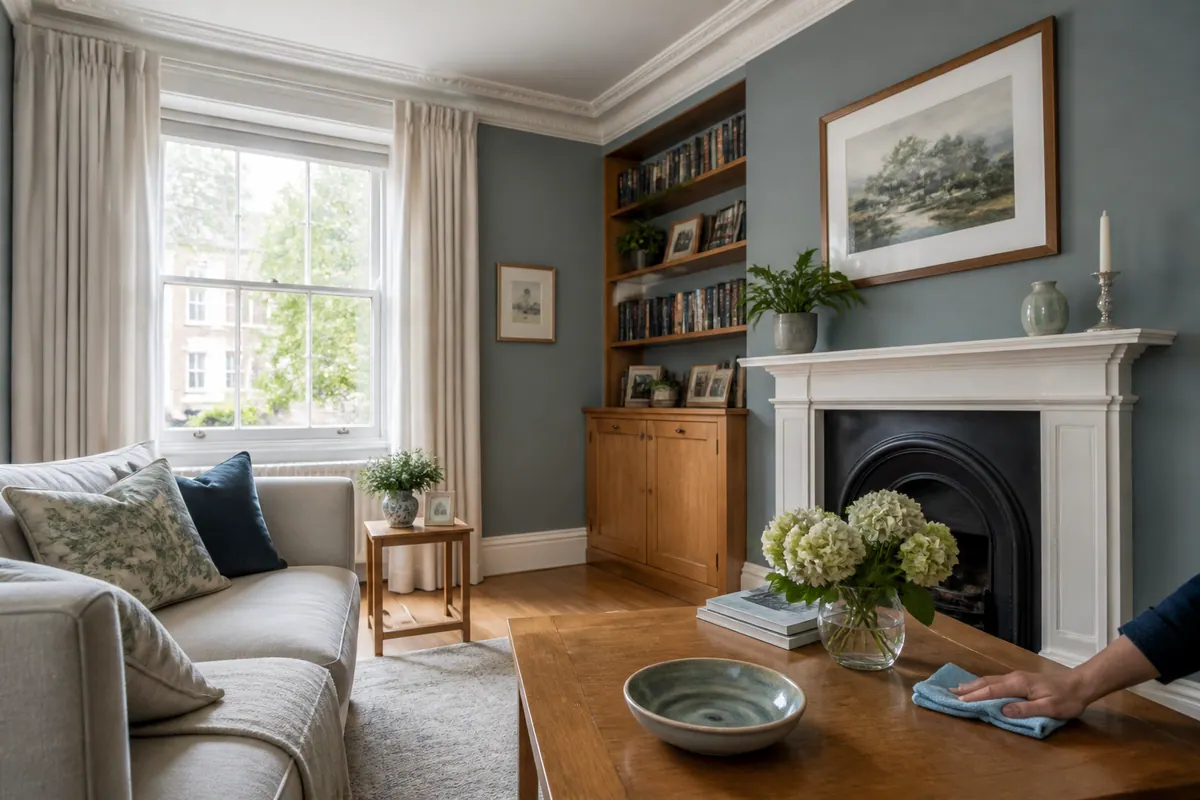
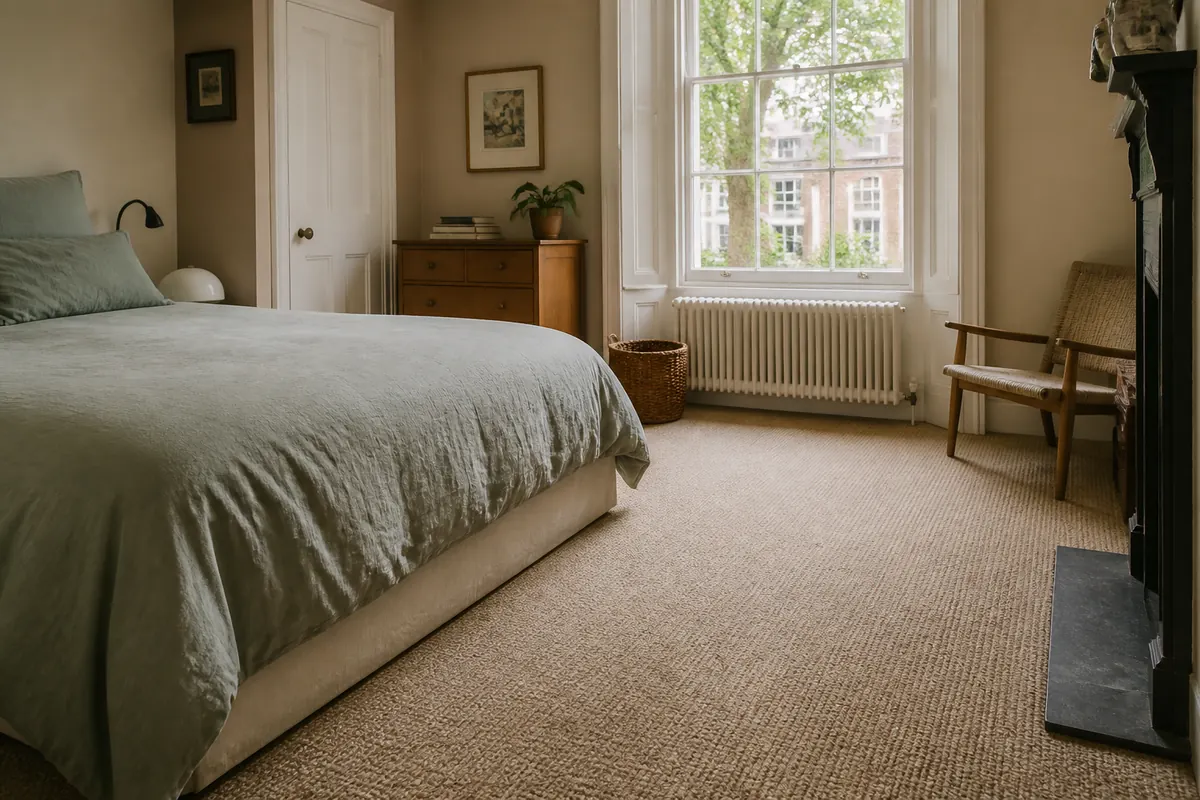
Kew homes can combine original timber, decorative tiles and stone with newer kitchens, extensions or garden rooms. Tell the provider which materials are present and identify anything recently restored, unsealed or already damaged. A room-by-room list is more useful than bedrooms alone because additional bathrooms, studies and conservatories all add work. For recurring visits, protect the kitchen, bathrooms and busy floors first, then rotate low-use spaces or detailed dusting. Cleaning can maintain a suitable finish and remove ordinary soil, but it cannot reverse etching, worn coatings, scratches or water damage; those concerns belong with an appropriate specialist.
Access should be settled before equipment is brought to the area. Controlled parking, narrow streets or shared drives can affect unloading, while flats may require a buzzer, porter, stairs or a booked lift. Explain the lawful parking option and the carrying route, especially for carpet machinery. If nobody will be home, agree key collection, alarm instructions and locking through a secure process. Garden entrances may appear convenient but should only be used when safe and authorised. Ask whether time spent waiting for entry forms part of an hourly visit, and keep one contact reachable if the arrangement fails.
Define glazing and outdoor-facing work carefully. Reachable internal panes may be added to a domestic checklist, but conservatory roofs, upper exterior windows and awkward garden elevations need separate access decisions. Routine cleaning also does not automatically include oven interiors, upholstery, heavy furniture or extensive mould. After decorating, wait until trades finish, coatings cure and waste leaves before requesting builders’ dust removal. List every important addition in writing and explain the condition honestly. A provider can then choose suitable products, price specialist work separately and state where repair or restoration is needed instead of promising an unsafe or damaging shortcut.
PROPERTY SITUATION → SERVICE
| Property situation | What needs resolving | Service direction |
|---|---|---|
| Period terrace with original details | Care around timber, tiles, stone and existing wear | Agree suitable methods within a room-specific cleaning plan |
| Flat in a shared building | Confirmed entry, stair, lift and parking arrangements | Set access before regular or one-off work is booked |
| House with conservatory or garden room | Separation of domestic surfaces from specialist high glazing | Assess each glass face and safe route independently |
| Home changing occupants | A defined clean after possessions leave and before keys transfer | Use the inventory to request a move-related checklist |
| Recently refurbished rooms | Fine-dust cleaning after contractors, tools and waste have gone | Choose an assessed after-builders service |
WHOLE-PROPERTY OPTIONS
| Decision point | Domestic | One-Off | End of Tenancy |
|---|---|---|---|
| Purpose in Kew | Maintain an occupied home | Complete one prioritised refresh | Prepare around a rental handover |
| Timing | Repeating visits | Single appointment | Usually linked to a move |
| Scope | Agreed household routine | Rooms ordered by need | Property and handover requirements |
| Specialist items | Booked separately | Added only when confirmed | Quoted where relevant |
ROOM NAVIGATOR · Kew
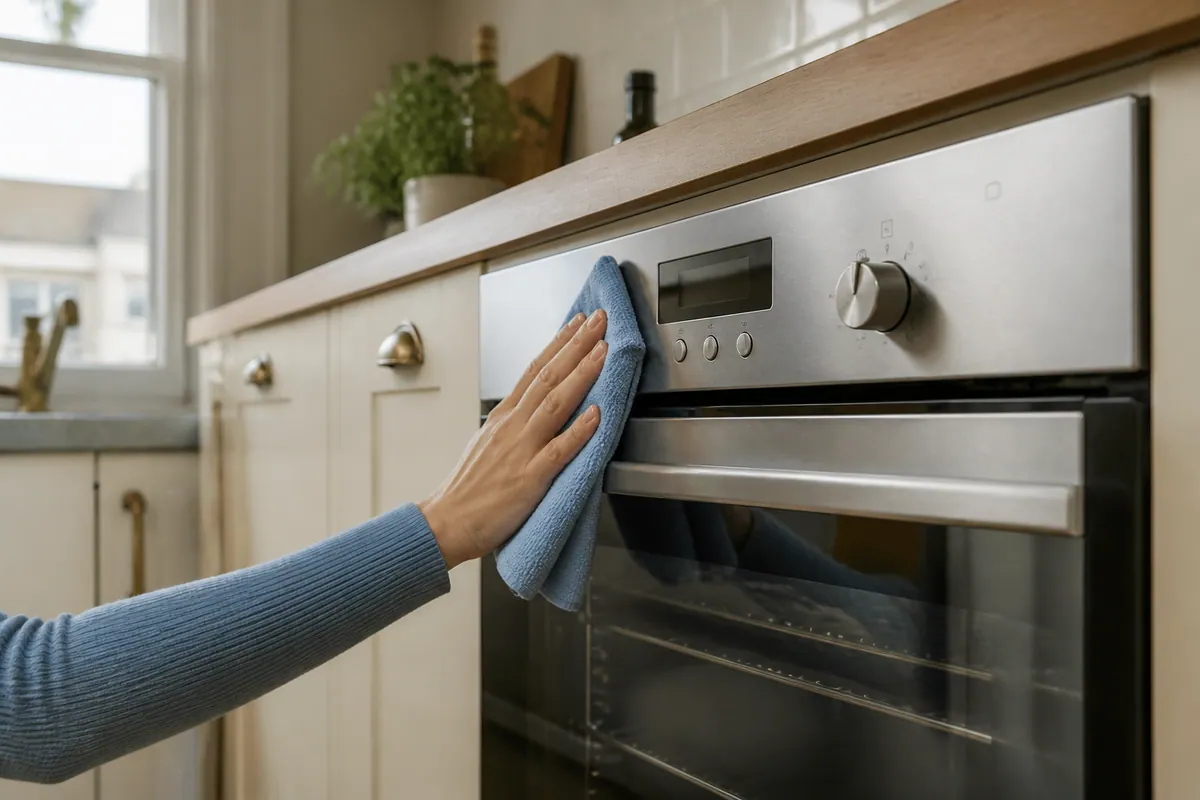
A kitchen may need routine care, a one-off reset, oven work or post-renovation cleaning. State the condition and objective rather than selecting from the room name alone.

GENERAL OR SPECIALIST?
Extraction, upholstery care, appliance detailing, mould work and post-build residue use different methods. Naming them early allows the correct quotation and team to be considered.
| Need | General visit | Dedicated route |
|---|---|---|
| Reachable surfaces and household floors | Usually within an agreed room scope | Not normally required |
| Carpet extraction in Kew | Not included | Carpet Cleaning |
| Upholstery treatment | Not included | Sofa Cleaning |
| Detailed oven interior | Not included automatically | Oven Cleaning |
| Visible mould | Not ordinary bathroom cleaning | Mould Removal |
| Construction dust or residue | Not standard upkeep | After Builders Cleaning |
PRICING LOGIC · Kew
For a meaningful Kew quote, provide the postcode, property type, approximate area, levels, bathrooms, occupancy and current condition. List conservatories, studies and extensions as well as bedrooms. Identify essential tasks, optional specialist items and delicate or restored materials. Explain parking, gates, stairs, lift and equipment distance. Ask whether the price is hourly or fixed, what products are supplied, which exclusions apply and how extra time is approved. For a move or renovation, state when belongings, contractors and waste will be clear of the home.
The current Alesta general guide starts regular household cleaning from £20 per hour and a one-off priority clean from £90. Confirm the final figure and inclusions before booking.
| Service | Pricing basis | Information that changes it |
|---|---|---|
| Domestic | Time and frequency | Hours, routine, supplies and property |
| One-Off | Time and selected scope | Condition, rooms and priorities |
| End of Tenancy | Property handover scope | Size, condition and requested extras |
| Carpet or sofa | Area or item | Material, size, soil and access |
| Oven | Appliance type | Size and configuration |
| Windows | Glazing and access | Count, faces, height and safe reach |
COMBINING SERVICES
Coordination is possible where teams and equipment are available, but each specialist task keeps its own scope and quotation.
| Main visit | Additional route | When to mention it |
|---|---|---|
| End of Tenancy Cleaning | Carpet Cleaning | Fitted flooring needs treatment before handover |
| One-Off Cleaning | Oven Cleaning | The home and appliance both need detailed work |
| Sofa Cleaning | Carpet Cleaning | Upholstery and flooring need compatible planning |
| After Builders Cleaning | Window Cleaning | Completed work has affected glazing |
BEFORE REQUESTING A KEW QUOTE
Put away valuables, documents and loose possessions, and clear only the floors and surfaces included in the booking. Point out fragile objects, existing marks and finishes needing specific care. Secure pets away from doors and equipment. Confirm keys, alarms, gates, parking and shared-building access shortly before arrival. Keep water and electricity available. For conservatory or window work, remove obstacles only as agreed; for moving or renovation cleaning, make sure boxes, tools, coverings and rubbish have already gone.
Type, room count, occupancy and floor level.
Recurring care, a single reset, moving or completed work.
Carpets, upholstery, ovens, windows or mould listed separately.
Keys, lift, concierge, parking and the preferred appointment window.
PRACTICAL ANSWERS · KEW
Name the material if known and share any installer or conservation guidance. Point out unsealed wood, natural stone, brass, decorative tiles and restored paint. Ask what product is proposed and whether a discreet test is sensible. Record existing wear because cleaning cannot repair etching, fading, failed sealant or damage from earlier treatments.
Accessible floors and low internal surfaces might be included when listed, but roof glass and exterior faces usually need separate assessment. Explain height, opening panels, furniture and garden access. Damaged seals or leaks are repairs, not cleaning. Nobody should climb on improvised furniture or fragile roof sections to meet an unplanned request.
Only when the route is authorised, safe and clearly explained. Check locks, steps, lighting and whether equipment fits without damaging planting or property. Agree how the gate will be secured afterwards. Do not leave hidden keys or expect a cleaner to cross a neighbour’s land, communal garden or restricted passage without permission.
Extraction requires fibre-appropriate products, machinery, power, water and drying time. Provide the material, room sizes, stains and access route, and ask whether furniture movement is included. Existing bleaching, wear or unstable backing may remain or make wet treatment unsuitable. Valuable rugs should be assessed independently rather than treated like fitted carpet.
Give every provider the same room list, condition notes and material information. Compare methods, inclusions, exclusions, time, equipment and terms rather than price alone. Check whether glazing, ovens or carpets are separate. A cautious limitation around an uncertain finish may be more responsible than a promise to remove every mark.
Routine maintenance may include suitable dusting or mopping, but polishing, sealing, sanding and restoration are distinct treatments. Identify the finish and provide care instructions before products are chosen. Avoid asking for shine as a result without knowing the material: a glossy appearance can indicate residue or an unsuitable coating rather than proper care.
Wait until dust-producing work ends, trades leave and rubble, tools and coverings are removed. Fresh coatings should cure according to the installer’s guidance. Describe sanding dust, paint specks or adhesive separately. Hardened residue may require the responsible trade, particularly where scraping could scratch glass, stone, timber or new sanitaryware.
Set clear no-touch areas and move portable valuables yourself. A domestic cleaner should not lift artwork, rearrange collections or choose a treatment for an unknown antique. Keep documents and small valuables secured. If an object itself needs cleaning, seek appropriate conservation advice rather than adding it casually to the household checklist.
Agree a secure key or managed-entry process, alarm instructions, locking routine and completion message. Provide one reachable contact if access fails or damage is found. Put away valuables and private papers. Never hide a key outdoors or send permanent codes in an open channel merely to make the visit easier.
Possibly, after the provider assesses each elevation, height and lawful working position. Upper panes, rear gardens and conservatory roofs may require different equipment. Describe obstacles and supply careful photographs without security information. Interior window cleaning does not imply exterior access, and unsafe faces should be excluded rather than reached by improvisation.
Stop before repeated treatment damages the finish. The mark may be permanent, within the material or caused by wear rather than removable soil. Record what products were previously used and ask whether specialist testing is appropriate. A cleaner should explain limitations, not keep applying stronger chemicals to satisfy an unrealistic guarantee.
Refer to the written checklist, identify the exact room and contact the provider within its stated reporting period. Take clear photographs before changing the area. Keep quotation and access messages. A prompt, specific account allows proper review; a general complaint made later is harder to distinguish from an exclusion or subsequent use.
COMPACT LOCAL VIEW
NEARBY AREAS
Describe the property, reason for the visit, priority rooms and any specialist items before requesting a quote.
Call 020 3608 3976