Porter approval, an agreed lift route and care around communal areas
 020 3608 3976
SWISS COTTAGE CLEANING SERVICE NAVIGATOR
Cleaning visits in Swiss Cottage frequently involve mansion blocks, converted period properties and modern high-rise apartments rather than straightforward street-level entry. Porter desks, controlled parking, small lifts and upper-floor stairs can all shape the equipment and time available. This guide helps residents describe recurring cleaning, longer one-off work and tenancy changeovers in a way providers can assess. It also sets clear boundaries around oven interiors, carpets, upholstery, exterior glazing and renovation debris, while recognising that traffic dust and compact rooms create their own priorities inside local flats.
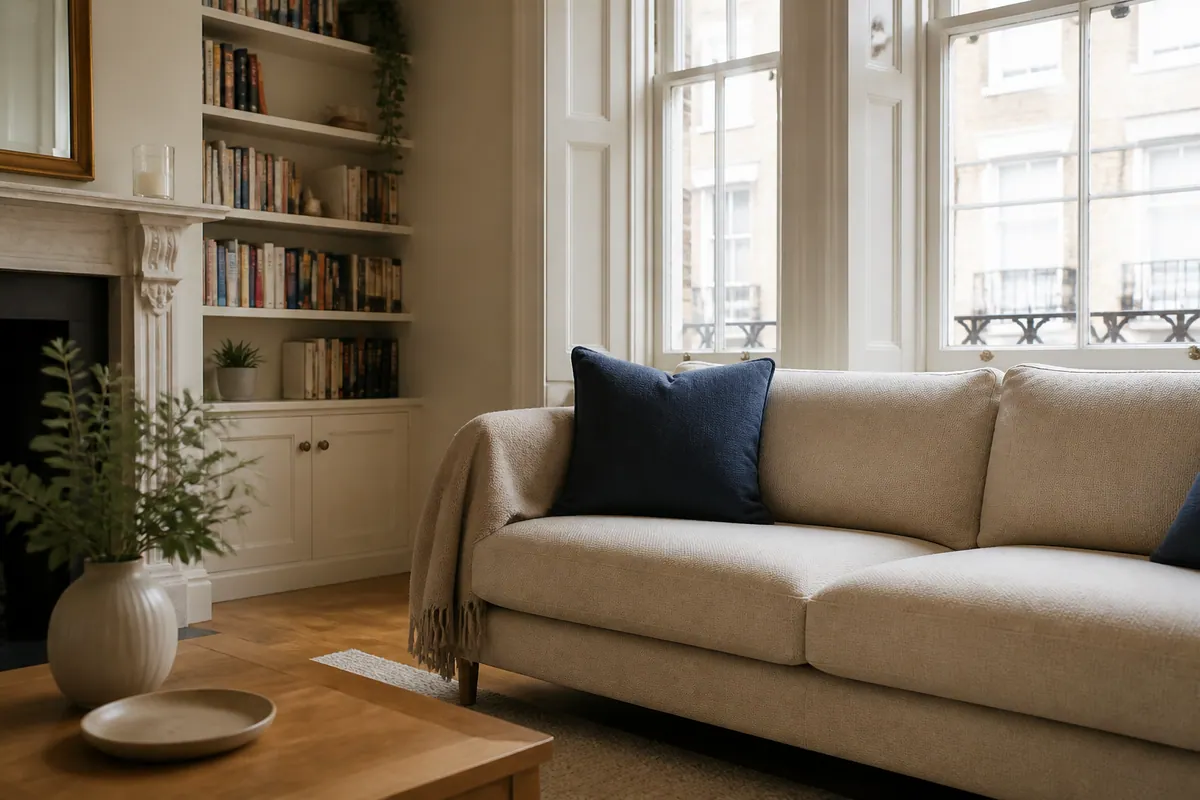
Porter approval, an agreed lift route and care around communal areas
A realistic allowance for stairs, split levels and older finishes
Use a focused recurring checklist for sills, floors and main rooms
Share parking, stairs, lift, keys or reception details before the visit.
START WITH THE REASON
The closest match takes you to the relevant Alesta service page. It does not assume every task belongs in a general house-cleaning visit.
SERVICE FINDER · Swiss Cottage
This navigator suggests a service page; it does not diagnose damage or produce an instant quote.
WHICH SERVICE FITS?
| What is happening | Service to explore | Reason for the distinction |
|---|---|---|
| A tenancy is ending in Swiss Cottage | End of Tenancy Cleaning | Handover work needs a move-out scope |
| Occupied rooms need continued care | Domestic Cleaning | A recurring routine can be agreed |
| The home needs one broader refresh | One-Off Cleaning | Priorities can be handled in a single visit |
| Decoration or building work is complete | After Builders Cleaning | Fine dust and residue change the process |
| Floor fibres or upholstery need treatment | Carpet Cleaning or Sofa Cleaning | Dedicated equipment and material checks apply |
SWISS COTTAGE PROPERTY CONTEXT
Swiss Cottage homes range from purpose-built mansion flats and subdivided period houses to tower apartments. Ceiling height, long corridors, split levels and compact kitchens can change the pace even where floor areas look similar. Describe the layout, bathrooms, floor coverings and occupancy, then state which rooms are included. In a small kitchen, clear preparation space is especially important because products and equipment cannot safely compete with loose belongings. Identify stone, original timber, metal trim or high-gloss cabinetry before cleaning methods are agreed. Routine cleaning cannot correct worn finishes, failed seals or traffic-related discolouration embedded in damaged material.
The route from street to front door needs careful explanation near Finchley Road and Avenue Road. Controlled bays, bus lanes and busy traffic may prevent convenient unloading; mansion blocks can add porter sign-in, a resident lift or several flights of stairs. Check whether contractors require advance authorisation and whether equipment may use the main lift. Give the floor, staircase and lawful parking option, including the carry distance. For unattended visits, agree how a key is issued and returned and who can resolve refused entry. Permanent codes should not be circulated casually simply to make one appointment easier.
Traffic dust on sills and floors may make frequent reachable-surface care a priority, but external façades and upper-level windows remain a separate access question. Likewise, a standard flat clean may vacuum carpeting without offering extraction, or wipe an appliance exterior without treating its cavity. Renovation dust requires trades to finish and remove coverings and waste before specialist cleaning starts. Ask providers to itemise these additions, their method and drying or ventilation needs. In a shared or furnished flat, appoint one contact and record excluded rooms and belongings, preventing unclear instructions from consuming the booked time.
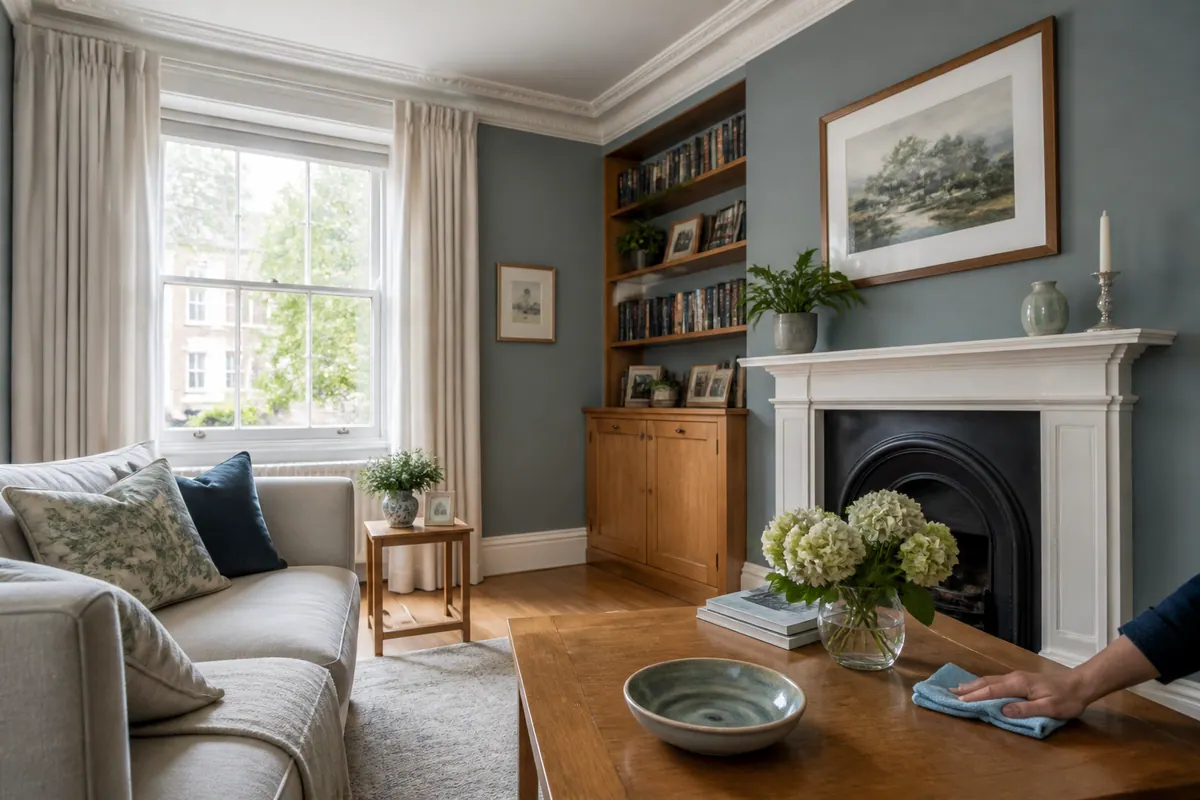
PROPERTY SITUATION → SERVICE
| Property situation | What needs resolving | Service direction |
|---|---|---|
| Mansion-block apartment | Porter approval, an agreed lift route and care around communal areas | Register the visit and confirm equipment rules before booking |
| Upper-floor period conversion | A realistic allowance for stairs, split levels and older finishes | Discuss portable supplies and material care with the provider |
| Compact flat beside a busy road | Priorities for reachable dust traps without overloading limited space | Use a focused recurring checklist for sills, floors and main rooms |
| Furnished rental at changeover | Inventory-led cleaning with possessions removed and damage recorded | Agree appliances, cupboards and upholstery as named additions |
| Apartment following internal works | Fine-residue treatment only after trades and building materials leave | Request post-renovation cleaning suitable for the installed surfaces |
WHOLE-PROPERTY OPTIONS
| Decision point | Domestic | One-Off | End of Tenancy |
|---|---|---|---|
| Purpose in Swiss Cottage | Maintain an occupied home | Complete one prioritised refresh | Prepare around a rental handover |
| Timing | Repeating visits | Single appointment | Usually linked to a move |
| Scope | Agreed household routine | Rooms ordered by need | Property and handover requirements |
| Specialist items | Booked separately | Added only when confirmed | Quoted where relevant |
ROOM NAVIGATOR · Swiss Cottage
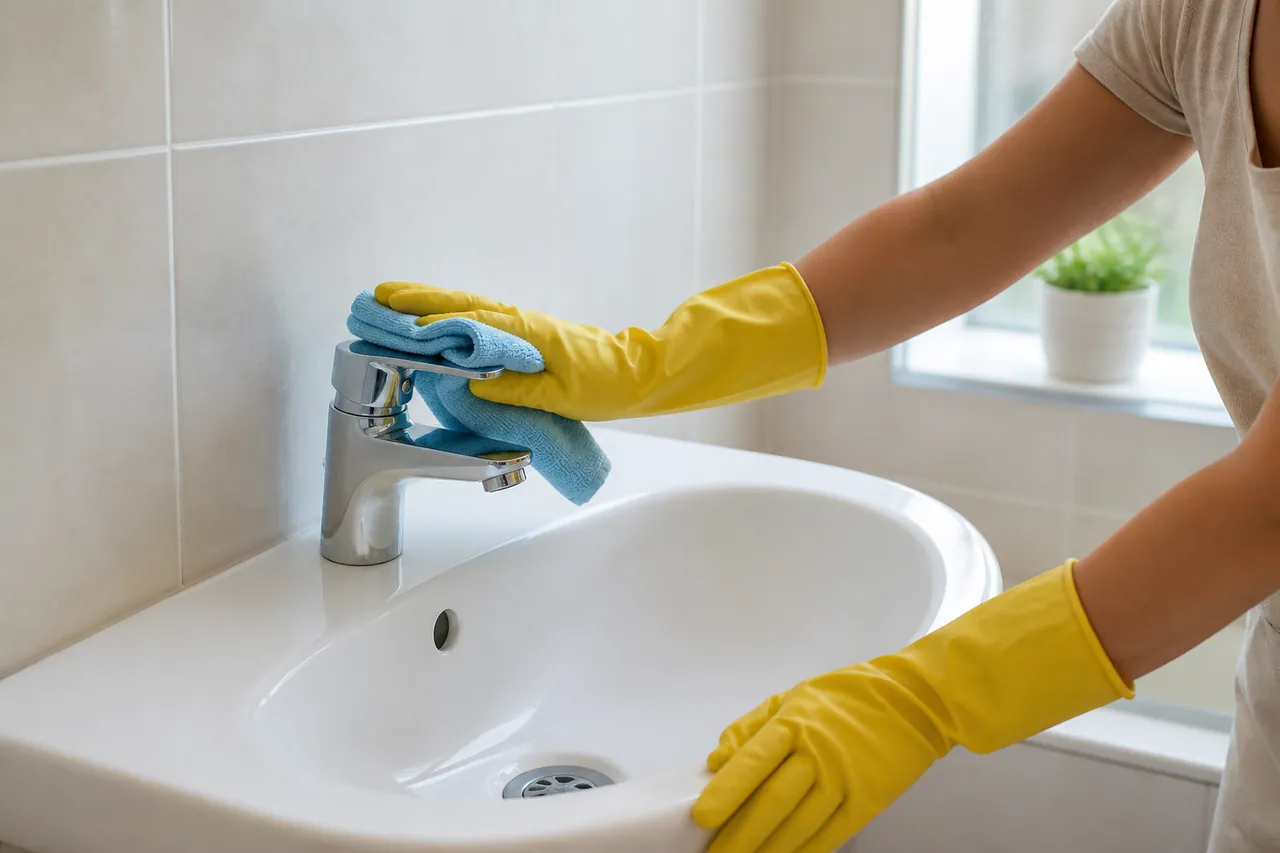
A kitchen may need routine care, a one-off reset, oven work or post-renovation cleaning. State the condition and objective rather than selecting from the room name alone.
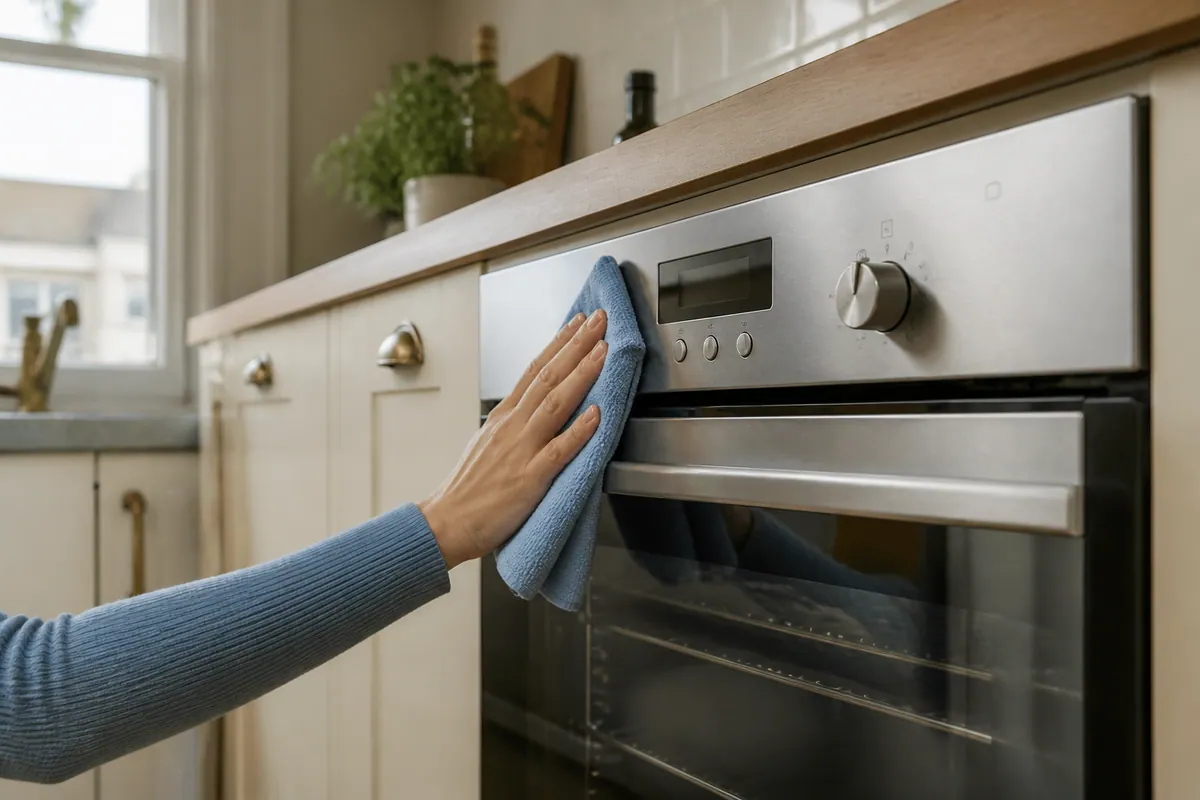
GENERAL OR SPECIALIST?
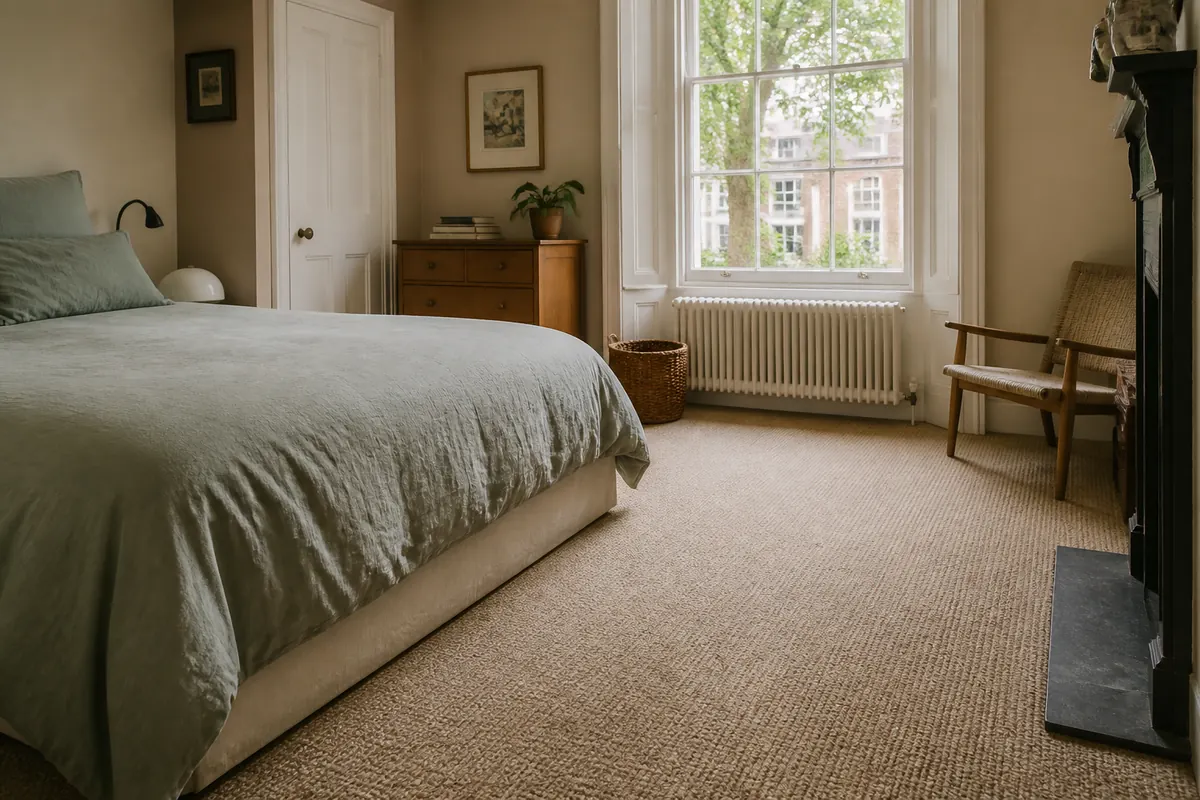
Extraction, upholstery care, appliance detailing, mould work and post-build residue use different methods. Naming them early allows the correct quotation and team to be considered.
| Need | General visit | Dedicated route |
|---|---|---|
| Reachable surfaces and household floors | Usually within an agreed room scope | Not normally required |
| Carpet extraction in Swiss Cottage | Not included | Carpet Cleaning |
| Upholstery treatment | Not included | Sofa Cleaning |
| Detailed oven interior | Not included automatically | Oven Cleaning |
| Visible mould | Not ordinary bathroom cleaning | Mould Removal |
| Construction dust or residue | Not standard upkeep | After Builders Cleaning |
PRICING LOGIC · Swiss Cottage
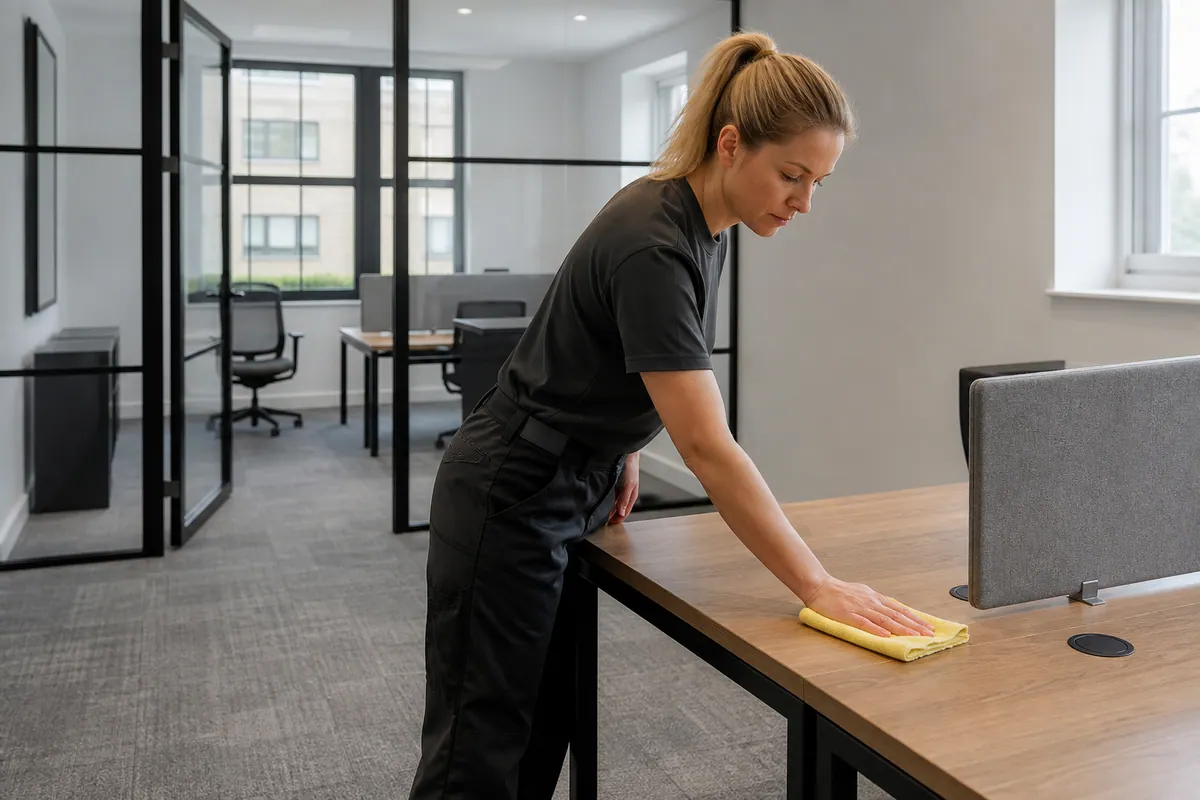
For a Swiss Cottage quote, specify the address, building type, floor, approximate area, bathrooms, occupancy and condition. Detail porter or concierge registration, contractor hours, lift permission, stairs, the legal parking option and how far equipment must travel indoors. Rank the flat’s main tasks and list interior glass, oven cavities, carpets, upholstery or builders’ dust as distinct requests. Ask how labour and access time are charged, what equipment can be brought and who authorises extra work. Mention allergies and delicate finishes. If the property is changing tenants, state when furniture or belongings will leave and when building access ends.
The current Alesta general guide starts regular household cleaning from £20 per hour and a one-off priority clean from £90. Confirm the final figure and inclusions before booking.
| Service | Pricing basis | Information that changes it |
|---|---|---|
| Domestic | Time and frequency | Hours, routine, supplies and property |
| One-Off | Time and selected scope | Condition, rooms and priorities |
| End of Tenancy | Property handover scope | Size, condition and requested extras |
| Carpet or sofa | Area or item | Material, size, soil and access |
| Oven | Appliance type | Size and configuration |
| Windows | Glazing and access | Count, faces, height and safe reach |
COMBINING SERVICES
Coordination is possible where teams and equipment are available, but each specialist task keeps its own scope and quotation.
| Main visit | Additional route | When to mention it |
|---|---|---|
| End of Tenancy Cleaning | Carpet Cleaning | Fitted flooring needs treatment before handover |
| One-Off Cleaning | Oven Cleaning | The home and appliance both need detailed work |
| Sofa Cleaning | Carpet Cleaning | Upholstery and flooring need compatible planning |
| After Builders Cleaning | Window Cleaning | Completed work has affected glazing |
BEFORE REQUESTING A SWISS COTTAGE QUOTE
Make the listed worktops and floors accessible without attempting to pre-clean them, and secure valuables, private documents and medication. Flag loose fittings, vulnerable materials and cupboards or rooms outside scope. Keep pets safely separated from communal doors and open windows. Complete porter registration, reserve any required lift or loading space and recheck the key and alarm procedure shortly before arrival. Ensure power, water and adequate lighting remain available. Do not overlap the appointment with removers or contractors, particularly where everyone would compete for a small lift or narrow hallway.
Type, room count, occupancy and floor level.
Recurring care, a single reset, moving or completed work.
Carpets, upholstery, ovens, windows or mould listed separately.
Keys, lift, concierge, parking and the preferred appointment window.
PRACTICAL ANSWERS · SWISS COTTAGE
Provide the building and entrance, floor, porter procedure, lift restrictions, stairs and lawful unloading point. Include any advance registration or working-hour rule. Then explain the rooms and work inside the flat. These details help the company select portable equipment, allow realistic access time and avoid an appointment failing at the front desk.
Follow the individual building’s policy. Some desks require names, identification, insurance evidence or resident confirmation before admitting a contractor. Complete that process in advance and confirm reception hours. Porter staff do not have to release keys or overlook missing approval, and a provider cannot reasonably be asked to bypass the building’s security arrangements.
Only when management permits it and the equipment fits safely. A service lift, protective lining or booked window may be required in some blocks. Give the lift dimensions and route where machinery is planned. If no usable lift exists, disclose the number and shape of stairs so the provider can assess portable alternatives and safe manual carrying.
Identify a lawful bay or car park, its operating times and the walking distance to the correct entrance. Do not assume a bus lane, red route or building forecourt allows unloading. Tell the provider about permits and charges beforehand. Equipment-heavy services may need a different vehicle arrangement or time from a cleaner carrying only compact domestic supplies.
Usually not. A recurring plan can prioritise reachable sills, hard floors and other surfaces where dust settles most visibly. Keeping windows and ventilation systems maintained may also reduce ingress, though the source cannot always be eliminated. High exterior glass, façade surfaces and vents outside the flat should be assessed separately through safe building-approved access.
Remove food, dishes, papers and small appliances only from the surfaces included, leaving a safe area for supplies. Identify high-gloss fronts, stone or other sensitive finishes. Decide whether the priority is worktops, sink, hob exterior, cupboard fronts or floor. Appliance and cabinet interiors need advance agreement because they require additional clearing and time.
Specify the panes, frames and reachable sides rather than using a general window label. Internal glass may be possible with safe floor-level access, but exterior faces, fixed balcony panels and upper sash surfaces can need specialist equipment and building permission. Blinds, curtains and damaged seals are separate considerations. Nobody should improvise by leaning from a high window.
Possibly, if the company offers both processes and can bring approved equipment through the building. Supply fibre labels, dimensions, stains and previous treatments. Ask about testing, ventilation, drying order and furniture movement. Porter or lift bookings may need longer access. A maintenance vacuum is not a substitute for extraction, and complete stain removal cannot be promised.
Agree the communal rooms, private-room boundaries and task order among occupants before the cleaner arrives. Choose a single resident who can clarify instructions and authorise adjustments. Put away personal belongings in shared areas. The provider should not adjudicate competing instructions, enter a bedroom without clear authority or lose working time waiting for several residents to reach a decision.
Start after all cutting and sanding is complete, fresh materials have cured as directed, and contractors have removed tools, sheeting and debris. Explain what was installed and identify paint, plaster, adhesive or grout marks. Unsafe dust and hardened trade residue may require the responsible contractor. Cleaning while works continue often leads to immediate resettling.
Use the inventory to identify surfaces, sanitary fittings, floors, cupboards and appliance cavities that need attention. Record existing damage and clarify whether upholstery or carpet extraction is required. Remove tenant possessions and rubbish first. Cleaning does not repair broken items or replace missing contents, so those matters should remain separate from the provider’s checklist.
Inspect against the written task list promptly and notify the company within its complaint window. Describe the precise room, surface and expected action, adding photographs where useful. Mention any access delay or agreed reduction in scope. Avoid treating the area again until it has been reviewed, particularly where chemicals could alter fabric, wood or stone.
COMPACT LOCAL VIEW
NEARBY AREAS
Describe the property, reason for the visit, priority rooms and any specialist items before requesting a quote.
Call 020 3608 3976