
The first appointment has its own brief
A first booking establishes what needs attention now. It may require longer than later visits, so be clear about accumulated work rather than borrowing a duration from a future routine.
Bayswater / One household list instead of competing instructions
Agree the shared rooms before the cleaner arrives.
In a home shared by several adults, one clear contact can make the domestic brief more useful. Set the kitchen and bathroom priorities together, and specify which private bedrooms are included or excluded.
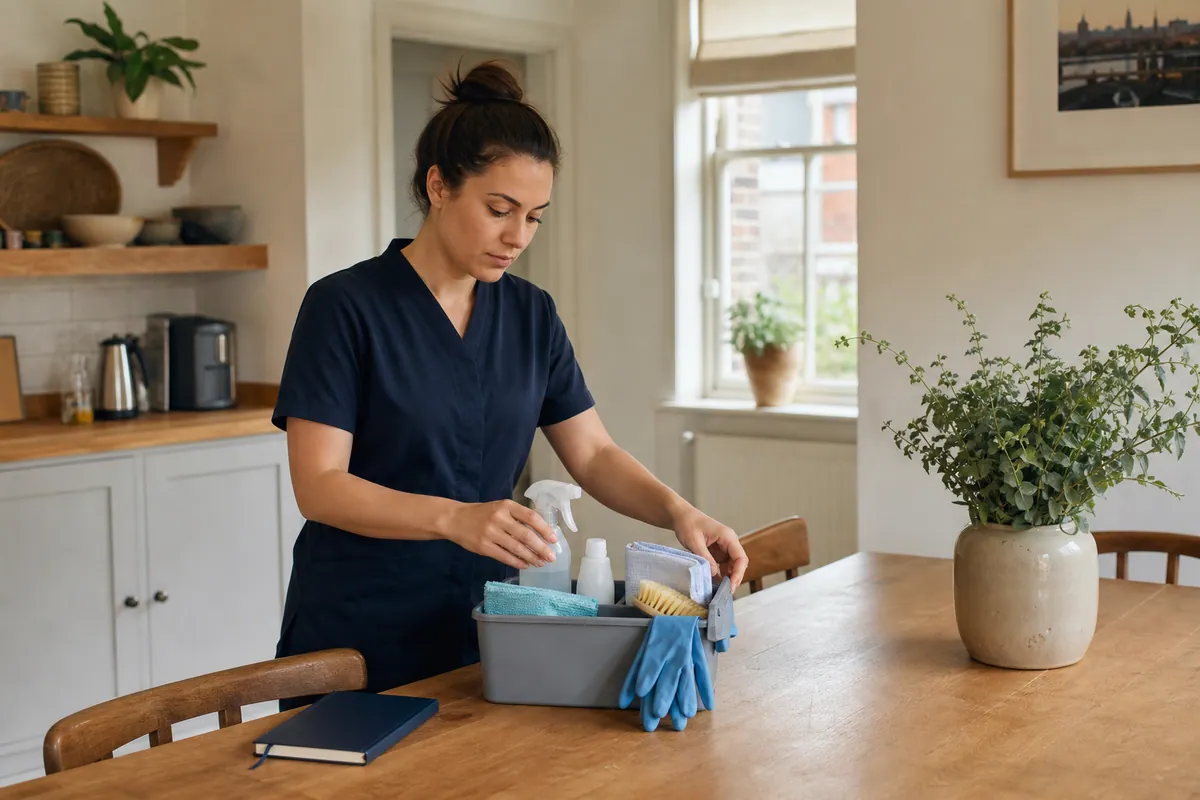
Kitchen · Bathroom
Living areas · Bedrooms
Bayswater / a household scenario
Agree the shared rooms before the cleaner arrives.
Separate requests from several residents can pull a visit in different directions. Decide the shared priorities first and pass on one agreed version rather than asking the cleaner to arbitrate.
For your Bayswater booking, distinguish communal rooms from personal spaces. A bedroom being unlocked is not a substitute for confirming that it belongs in the cleaning list.
Residents should remove their own items from surfaces scheduled for care. The visit is for household cleaning, not deciding who owns or should put away shared belongings.
Review changes through the same contact. Adding a room or specialist task requires a scope discussion even when another household member considers it a small request.
A repeatable schedule
The useful question is what happens in the home between appointments. Explain the occupied rooms, their condition and the priorities instead of choosing a frequency as an automatic package.
| Planning point | Weekly | Fortnightly |
|---|---|---|
| Best suited for | Busy room use that may suit a shorter interval | Periodic upkeep where a fortnightly gap may be suitable |
| Core focus | Maintain the agreed everyday surfaces and floors | Consider accumulated work without assuming unlimited time |
| Priority planning | A manageable recurring task order | Stronger selection may be needed after the gap |
| Visit scope | The booking defines the work | The booking defines the work |
A first booking establishes what needs attention now. It may require longer than later visits, so be clear about accumulated work rather than borrowing a duration from a future routine.
The regular stage is for upkeep of the agreed spaces. Keep its boundaries visible and revisit them when extra rooms or different conditions change the amount of work.
From kitchen to bedroom
Choose a room to see the distinctions worth making in your enquiry. Its condition, preparation and place in the visit affect the agreed scope as much as its size.
Kitchen
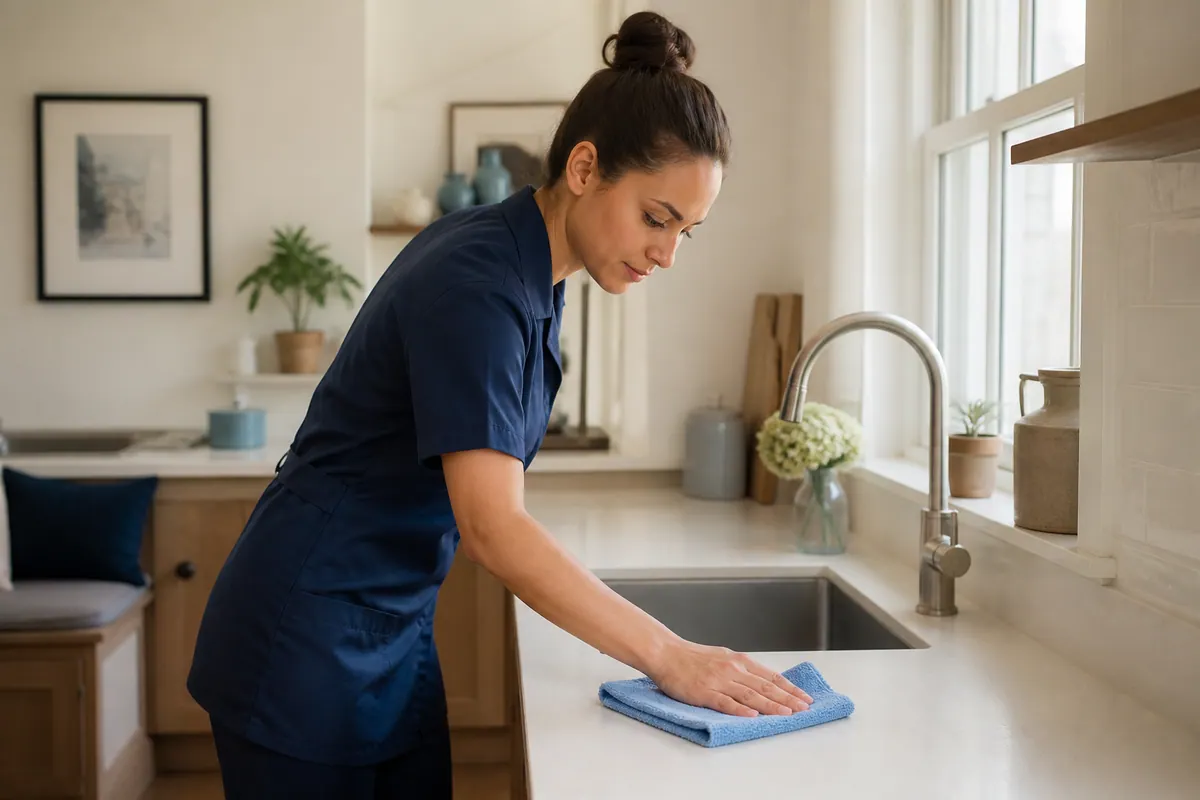
The kitchen can include accessible worktops, splashbacks and the sink, alongside agreed cupboard fronts and appliance exteriors. Routine wiping is distinct from specialist internal cleaning.
Prepare the cooking surfaces by putting belongings and food away; list oven internals separately.
Bathroom
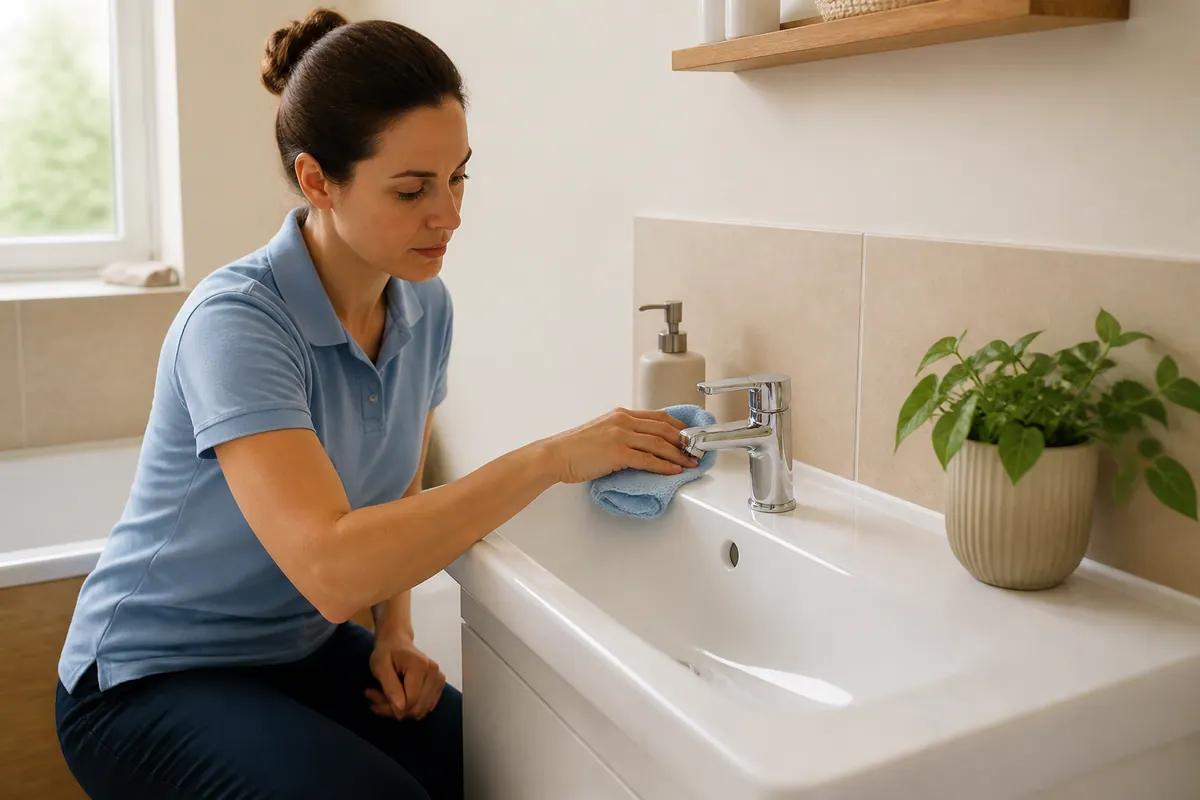
Bathroom surfaces may include the sanitaryware, taps, mirrors, shower and accessible tiles. Their material and existing condition guide the suitable cleaning approach.
Show sensitive finishes and any failing seals or damaged fittings before work begins.
Living areas
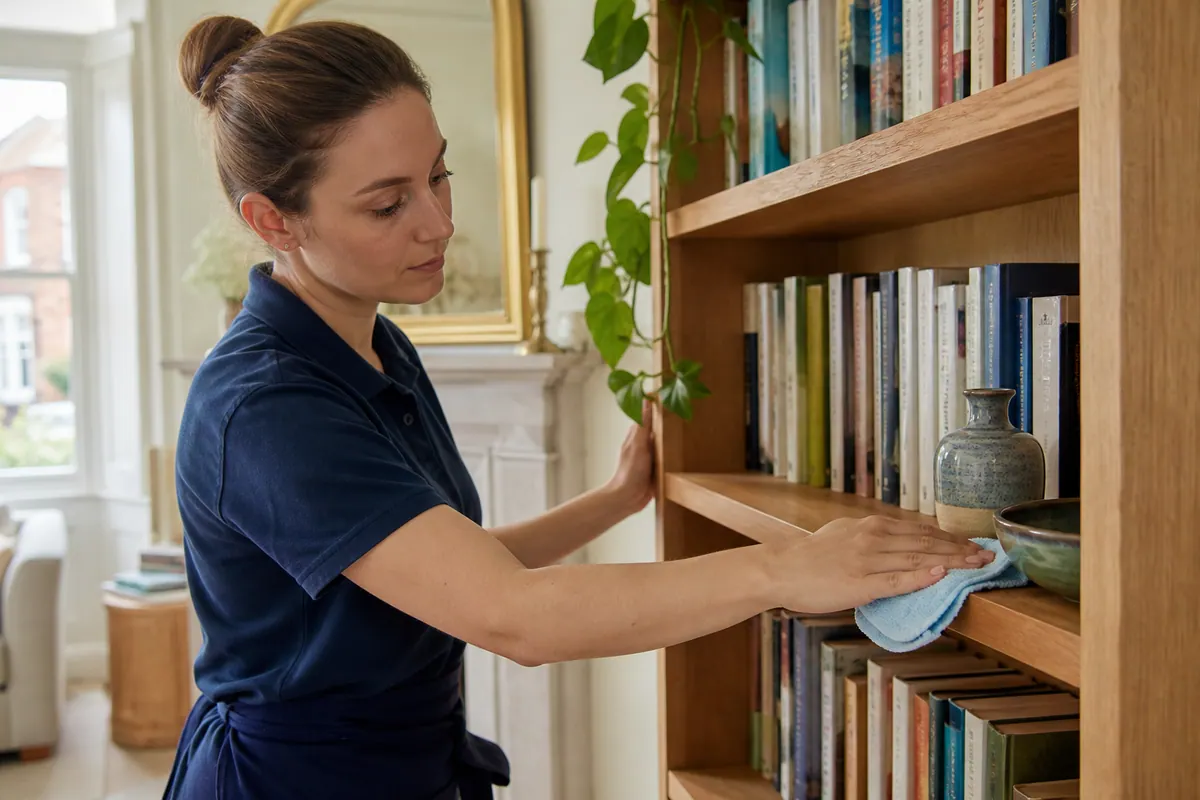
Dust reachable furniture before attention moves to the agreed living-room floors. Vacuuming and suitable floor cleaning belong within a prepared, accessible space.
Keep fragile objects and papers safely elsewhere; identify any furniture or belongings that should not be moved.
Bedrooms
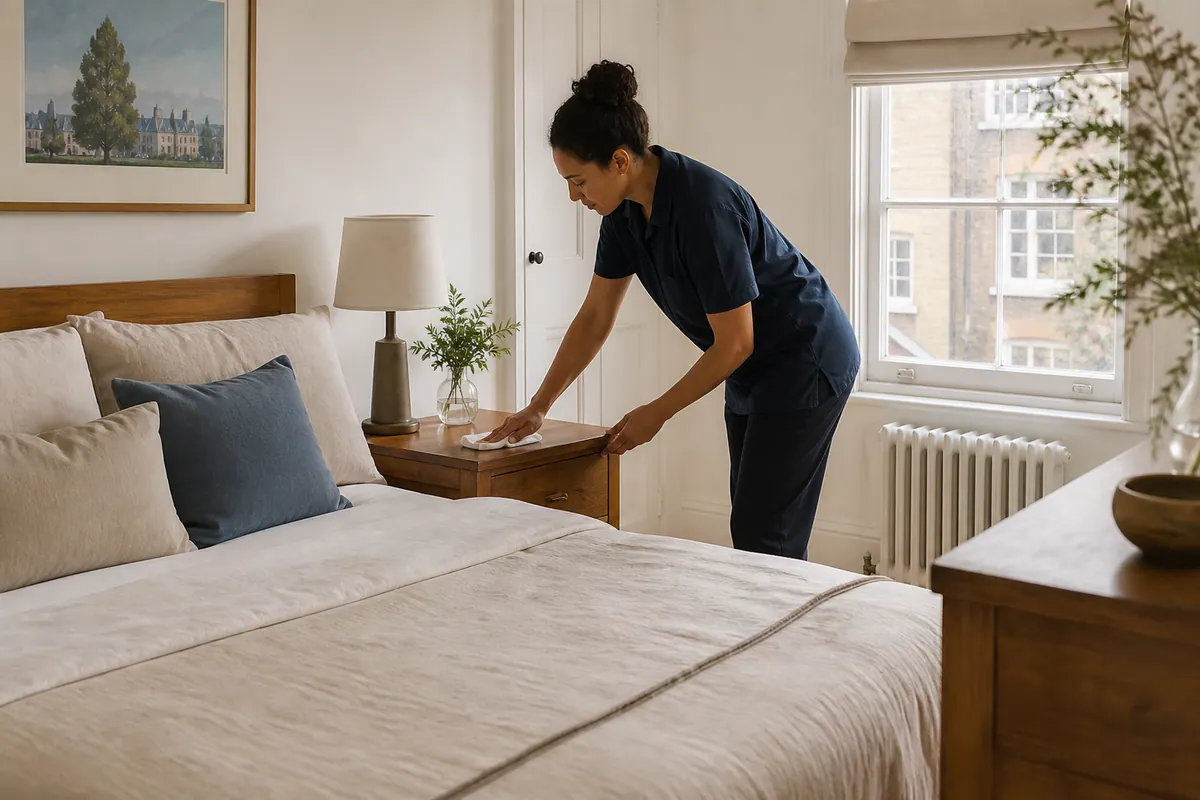
Name the bedrooms that need maintenance. Within them, accessible dusting and floors can be planned without assuming the cleaner will sort drawers or personal possessions.
Keep private items stored safely and give explicit instructions about bedrooms not to enter.
Make the routine explicit
Describe the home as it is now, including room use and the arrangements that affect access.
Discuss a first appointment or recurring frequency, keeping the essential work separate from selected details.
Confirm products, equipment and arrival instructions before assuming the booking is ready.
Cleaning is organised around the agreed priorities with suitable care for each material.
Finish by identifying any limitation or separate requirement, then review what should carry forward.
Household preparation and priorities recorded.
Room care within the confirmed scope.
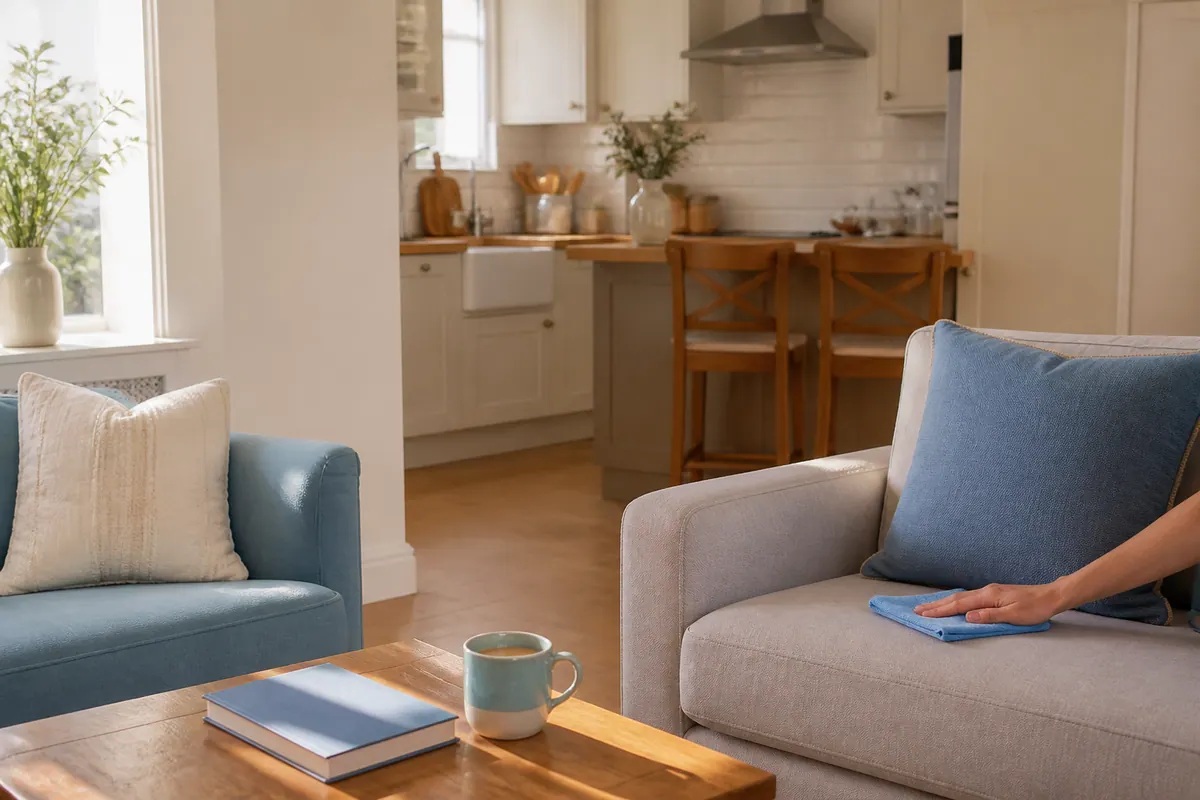
Maintenance needs made easier to review.
These images illustrate household care; they are not evidence of a customer transformation.
Bayswater / enquiry area
For Bayswater, send the postcode and describe the included rooms, condition and entry plan. The team confirms the available arrangement for that address; the map is an area reference, not a booking guarantee.
For the wider service scope, see Domestic Cleaning, or ask the team about your address.
Location reference
Use the map as a reference when explaining the approach to your home.
Open map in a new tabPut the household choices in order
Select the arrangement you would like to explore. The tool is only an outline: pricing and appointment availability require a separate, confirmed discussion.
Everyday care and occasional details
A regular clean needs a recognisable core. Selected skirting, switches or glass can be considered around that core; they should not quietly consume the time intended for essential rooms.
Choose what matters this time and explain it in advance. A longer list is a reason to review the booking, not a reason to assume every item has become included.
The way the home runs
These examples suggest what to mention, not what every household must book. Use them to explain the circumstances that affect your included rooms.
For someone out through the working day, a confirmed entry plan is essential. Name the frequently used rooms instead of assuming all spaces are equally active.
Families can prepare the floor route and shared surfaces before arrival. The visit is easier to define when toys and personal belongings are already put away.
A pet arrangement should cover both the animal’s location and the doors involved. Explain it before the cleaner has to move between rooms.
Working from home may call for a different starting area. Identify the call period or private desk and agree the handover rather than interrupting work unexpectedly.
A regular clean in a rental does not become a tenancy-end service. Discuss the present rooms and keep separate requirements with their own scope.
In a managed home, clarity comes from a named person confirming changes. Coordinate the access instructions and latest priorities through that contact.
Material information matters
Share existing care guidance and identify known damage. Stone, wood and coated surfaces can respond differently to moisture or products, even when they are in the same room.
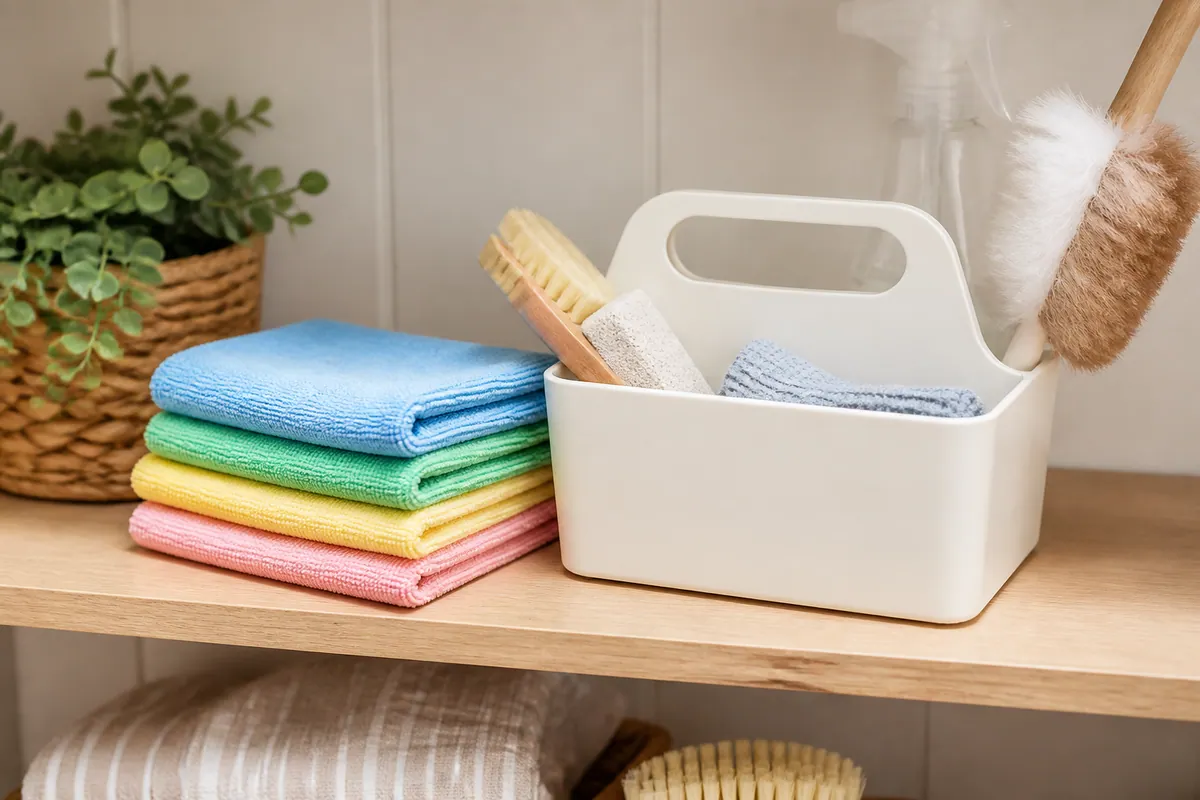
Name the stone if known and provide any manufacturer’s care guidance.
Timber needs its finish identified before a method or moisture level is assumed.
Point out lacquered furniture so its coating is considered during dusting and cleaning.
Agree the stainless-steel exterior area; internal appliance work is a different scope.
Show flaking paint or damaged fittings before work, not as a cleaning expectation afterwards.
When another service is the better fit
A recurring clean should have clear limits. Restoration, heavy lifting and work at height are not routine additions; the linked services have their own requirements.
Extraction cleaning needs specialist equipment, while ordinary carpet upkeep may involve vacuuming.
Internal oven detailing remains separate from agreed appliance-outside care.
A mould issue should be assessed separately rather than added to general surface wiping.
External window cleaning needs an access plan beyond the normal indoor room route.
Post-building residue is not the same as dust from everyday occupation.
A focused intensive visit may be more appropriate than expanding every future maintenance appointment.
Useful points at a glance
The cost conversation
The service guide gives an hourly regular starting rate and a separate initial-visit figure. Confirm the actual rooms, time and supplied items instead of treating either as a complete package.
| Service | Price | Main factors |
|---|---|---|
| Regular domestic cleaning | From £20/hour | Minimum visit and interval, size, supplies, postcode and entry details |
| First / one-off domestic visit | From £90 | Room total, starting condition and the agreed first-visit priorities |
| Specialist / intensive scope | Quoted separately | Heavy soil or specialist surfaces, equipment and access constraints |
The quote depends on the work and its practical conditions: duration, interval, size, condition, products, access and parking. Extra or specialist tasks should be named so their effect can be explained before booking.
Priorities that can be explained
The controls let you reorder the sample tasks for discussion. They do not send instructions to a booked cleaner or confirm that additional work fits the visit.
Access belongs in the booking
Decide how the cleaner receives and returns keys, keeping the details between you and the team.
If building staff are part of entry, check that the proposed arrangement is authorised.
Provide the alarm information required for arrival and departure through a private channel.
Arrange a place for pets and explain the doors or rooms affected.
Name the work area that stays occupied and the point when it can be handed over.
Known parking and loading restrictions should be raised while the visit is planned.
List spaces that remain private, including objects that must not be moved.
A realistic cleaning agreement includes both the room work and the way it can be reached. Confirm any specialist or additional requirement before assuming it belongs in regular upkeep.
Details beyond the room list
Choose a contact who can pass on the household’s agreed priorities and any changes. The cleaner should receive one current instruction rather than having to settle different requests from residents during the visit.
An open door is not a cleaning instruction. Name the bedrooms expressly included and make exclusions clear, with personal belongings prepared by the relevant resident before work in that room is expected.
No. From £20/hour is the starting guide for regular domestic work. The minimum visit, size, frequency, supplies and access need to be confirmed for an actual quotation.
Describe the way rooms are occupied and what accumulates in the interval. The appropriate visit length and available schedule matter too; frequency is not a substitute for a realistic task list.
Mention the request before arrival wherever possible. A new detail or room may change the workload, so its effect on the core list and time should be agreed rather than assumed.
Initial condition may be different from a maintained baseline. The first or one-off starting figure is £90, with room count, priorities and time reviewed rather than copied from a later recurring visit.
Explain them during booking and ask what supplies are included. Preferences and material-care guidance should be considered before work, with any known sensitive or damaged area identified.
Give the actual boundaries: where the pet stays, which doors matter or when a workspace is free. These details make a proposed room sequence clearer than a broad note about being home.
Specialist extraction, detailed oven interiors, mould work and exterior glazing are separate examples. High access, heavy lifting, restoration and building residue also require their own planning.
Send the address details and preferred arrangement to Alesta. Availability is confirmed against the schedule, and neither the map nor the routine planner reserves an appointment.
Bayswater / the next conversation
Tell us about the rooms in your Bayswater home, their condition and the routine you want to arrange. Agree our shared-home routine: share your preferred frequency and access details directly with the team.
