
CHISWICK / KEEP UP WITH THE GARDEN
Chiswick Garden Care with a Flexible Upkeep Plan
A maintenance plan works best when it leaves room for change. Identify what you enjoy doing yourself, what repeatedly falls behind and which parts of the garden need dependable attention.
- Separate your tasks from requested help
- Track areas that repeatedly overgrow
- Keep seasonal decisions open to review
- Agree how each visit's waste is handled
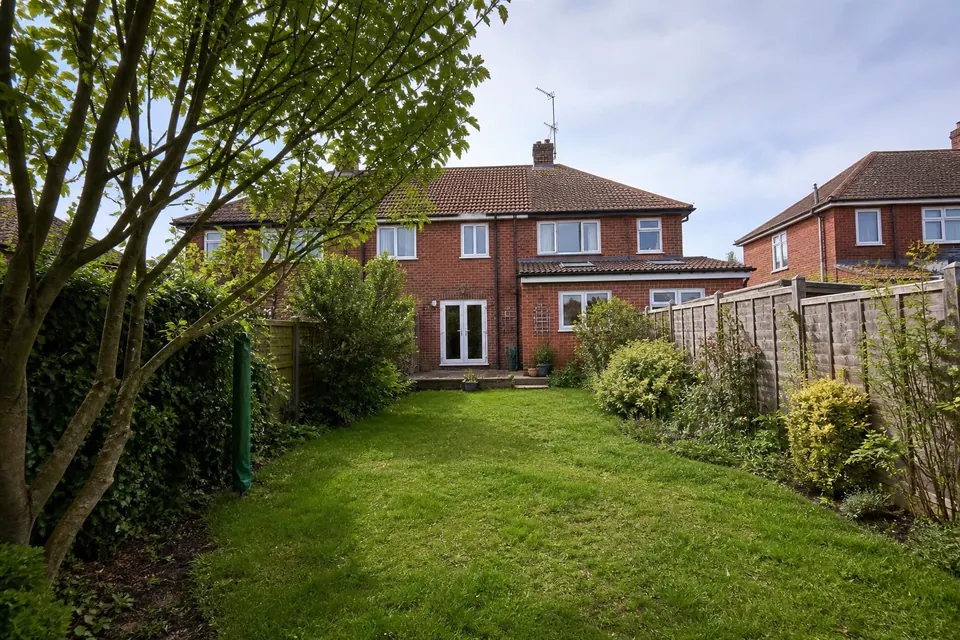 GARDEN CARE / Chiswick
ROUTINE QUESTIONS
Make the arrangement easy to review
- Can I retain some gardening myself?
- Absolutely; identify those areas so the requested help complements rather than duplicates your own work.
- Does every visit involve pruning?
- No. Appropriate timing and plant condition determine whether trimming belongs in that appointment.
- Can we start with one visit?
- A defined initial tidy can help clarify needs before a continuing arrangement is discussed.
- Is there a universal maintenance interval?
- No single interval fits all gardens. Growth, use and the tasks you handle matter.
- Will disposal remain the same each time?
- Agree the normal arrangement and flag unusual volumes or changes to onsite storage in advance.
- What if I want another bed included?
- Treat that as a scope change to discuss, not an automatic extension of the existing plan.
- Who should give instructions?
- A clear nominated contact helps avoid contradictory decisions about retained plants and task priorities.
CHISWICK / A SHARED TASK LIST
Decide what you want to keep doing yourself
If you enjoy part of caring for your Chiswick garden, say so. You might want help with the lawn and larger borders while retaining responsibility for favourite pots. Mark those divisions rather than asking vaguely for regular gardening. Where several people make decisions, nominate a clear brief so plants are not alternately left and cut under conflicting instructions. Revisit the arrangement when growth or household circumstances change.
02 / Identify recurring trouble spots
03 / Set a review point
WHERE DOES TIME GO?
Allocate attention across the garden
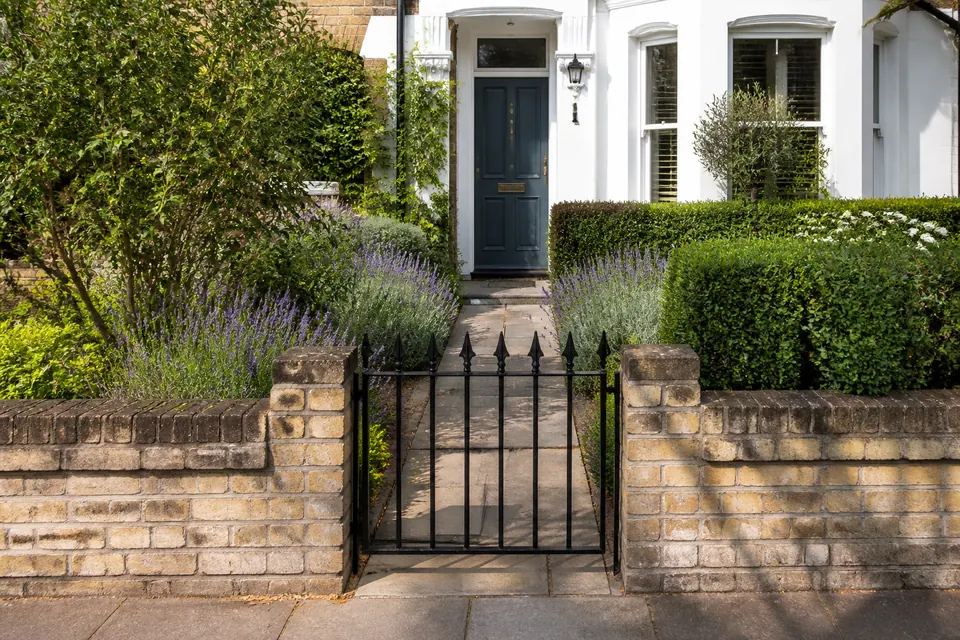
Regular grass tasks
Record the lawn included and any edge you maintain yourself.
Occasional shaping
Keep suitable trimming distinct from the routine mowing schedule.
Beds and personal projects
Mark pots or patches reserved for your own care.
Routes to keep usable
Agree practical debris gathering without implying pressure washing.
Repeat material handling
Make the destination of each visit's cuttings explicit.
SHARE THE UPKEEP CLEARLY
Build the plan around recurring needs
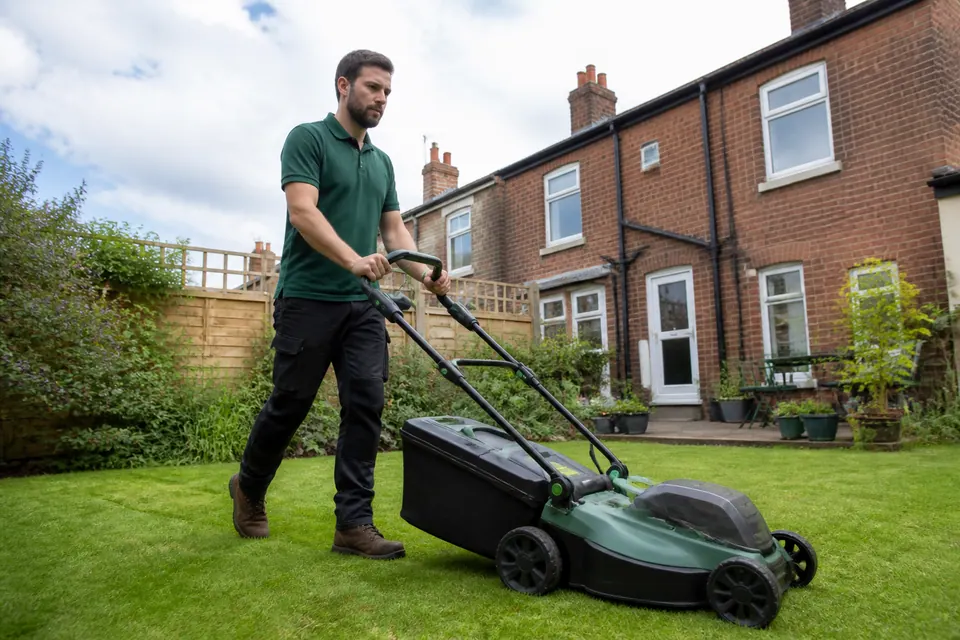
Lawn care
Include mowing and edging where suitable, while noting lawn problems that need assessment beyond regular cutting.
Explore lawn care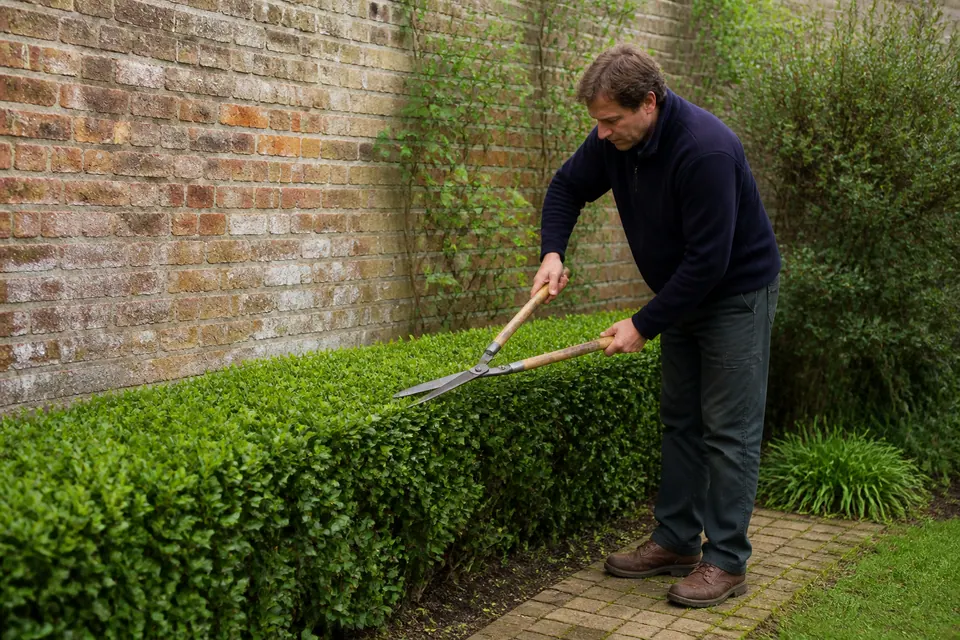
Hedges & shrubs
Review hedge and shrub attention according to plant needs, rather than adding a trim to every appointment automatically.
Explore hedges & shrubs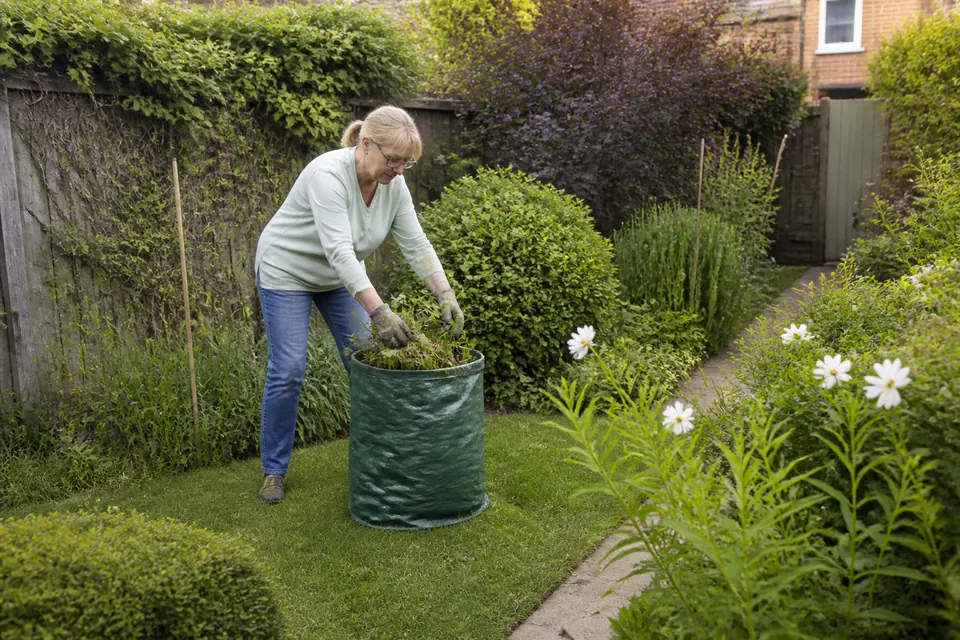
Garden clearance
A substantial backlog may need a defined clearance brief before ordinary upkeep can be sensibly discussed.
Explore garden clearance
Garden maintenance
Specify the beds and seasonal tasks you want supported, leaving household responsibilities clear between appointments.
Explore garden maintenance- Work
- Recurring priorities across named garden areas
- Spaces
- Private plots or shared areas with approval
- Visits
- Initial attention followed by an agreed review cycle
- Area
- Check the specific Chiswick address for attendance
- Price
- Assessment of scope and proposed frequency
REVIEW, DO NOT REPEAT BLINDLY
Let the plan change with the year
A recurring appointment should not become a fixed cutting checklist regardless of conditions.

Spring
Reassess beds as plants emerge and clarify where new planting is being considered.
Summer
Growth and weather may shift the balance between lawn tasks and border attention.
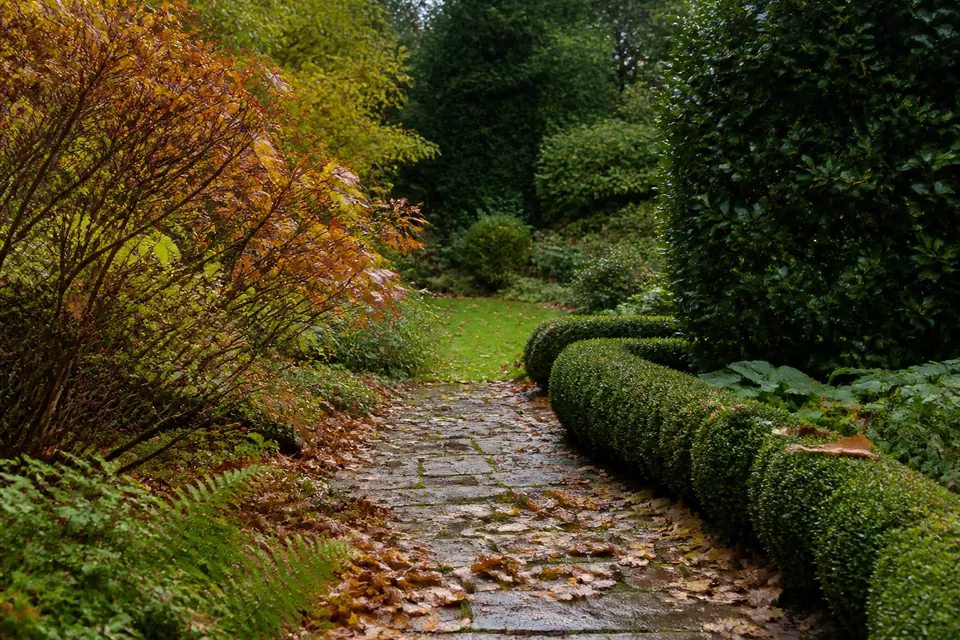
Autumn
Leaf gathering can become a priority without stripping every bed of standing material.
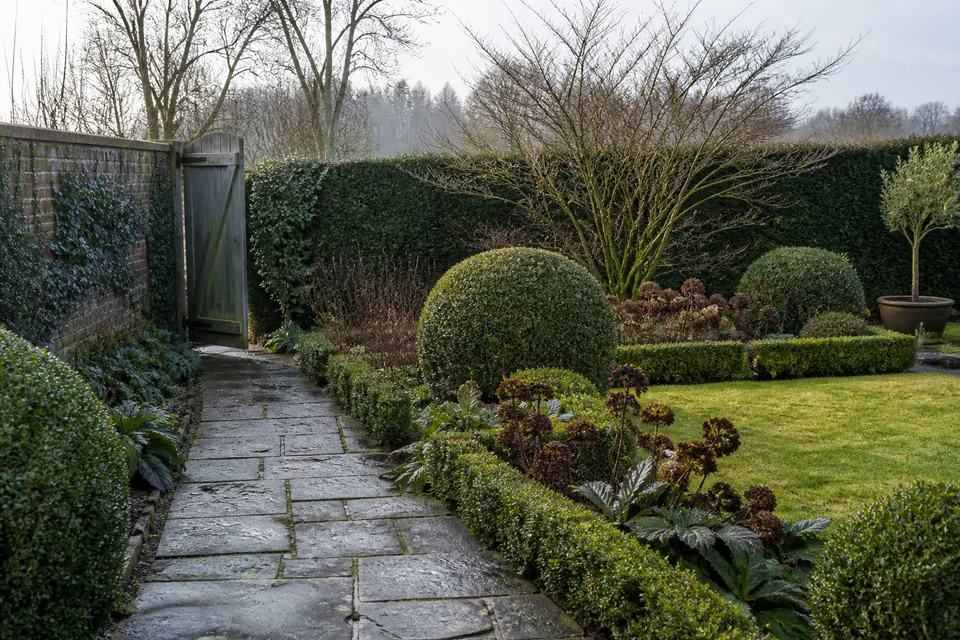
Winter
Review structure and future needs when ground conditions limit active tasks.
DEFINE FREQUENCY WITH SCOPE
A recurring plan still starts with assessment
ROUTINE GARDEN CAREQuoted around
Quoted around
agreed upkeep.
Explain the areas involved and your own contribution. Confirm the proposed arrangement, materials and waste handling rather than assuming a standard package.
LIGHT GARDEN CLEARANCE£100–£300
The light-clearance guide applies to clearance, not the cost of a recurring maintenance appointment or an initial contract.
See clearance pricing| Service | What shapes the quote | Guide |
|---|---|---|
| Routine garden maintenance | Shared responsibilities, areas and proposed intervals | Quote after assessment |
| Lawn mowing & edging | Grass extent and the demands of routine access | Quote after assessment |
| Hedge & shrub trimming | Plant dimensions and appropriate occasional attention | Quote from photographs / assessment |
| Small green-waste collection | Volume generated and agreed collection arrangements | From £40 |
| Light garden clearance | Backlog cutting and the disposal list | Typically £100–£300 |
| Large overgrown garden | Extent of neglect and clearance effort required | From £500 |
Keep additional requests visible
New planting, purchased compost or a neglected extra bed can change the original brief. Raise additions before the next appointment rather than assuming a repeat arrangement absorbs every new task.
MAKE CONTINUITY EXPLICIT
Create a plan that can evolve
Divide the responsibilities
State what you maintain and where assistance would help.
Agree the starting scope
Confirm areas, materials, waste and a sensible review arrangement.
Respond to conditions
Reconsider unsuitable tasks when ground, growth or weather changes.
Record the next priorities
Keep new requests separate from the work already agreed.
An ongoing plan is still bounded
Alesta's gardening scope does not turn a maintenance arrangement into tree surgery, landscaping or specialist treatment cover. Discuss those needs independently.
Read how Alesta plans gardening workFIND THE REPEATING PROBLEM
Which task keeps slipping down your list?
A DIVISION OF RESPONSIBILITIES
Garden maintenance
List the recurring help you need alongside the tasks you will handle. This gives a continuing plan a useful boundary.
Understand planned maintenance ↗ONGOING DOES NOT MEAN UNLIMITED
Define what belongs in the maintenance plan
| Service | Role in the plan | Detail to record |
|---|---|---|
| Garden maintenance | The continuing core of the arrangement | Named beds and agreed seasonal responsibilities |
| Lawn care | Regular grass attention when suitable | Mowing perimeter and concerns beyond the routine cut |
| Hedges & shrubs | A task considered at appropriate times | Plant-specific trimming rather than automatic reduction |
| Garden clearance | A distinct backlog-removal project | What must be cleared before upkeep can begin |
FIRST VISIT AND FOLLOW-THROUGH
A starting point does not dictate every later task
| Visit choice | One-off gardening | Regular maintenance |
|---|---|---|
| Best for | Understanding the backlog and first priorities | Supporting identified tasks over time |
| Frequency | A separately agreed introductory scope | Intervals reviewed against actual conditions |
| Scope | Immediate work and unresolved questions | Named responsibilities with seasonal adjustments |
AN EXAMPLE OF DEFINED ATTENTION
A tidy is one moment in a living garden
These illustrative views explain a possible task sequence, not a Chiswick case study or a promise of permanent neatness.
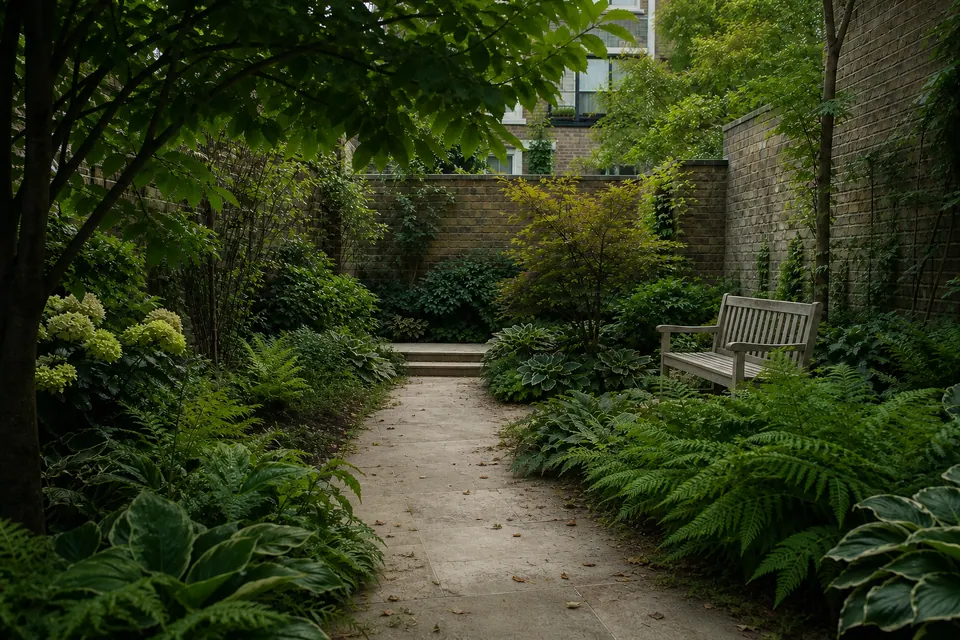
Notice the backlog
Loose material and indistinct edges suggest tasks to prioritise.
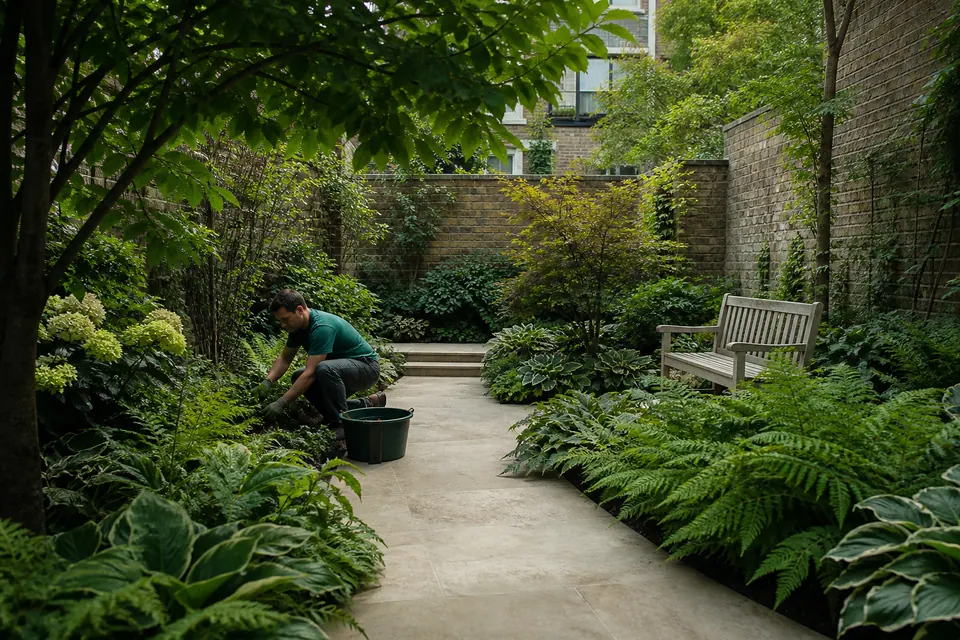
Work to the list
The example concentrates on selected border care and gathering debris.
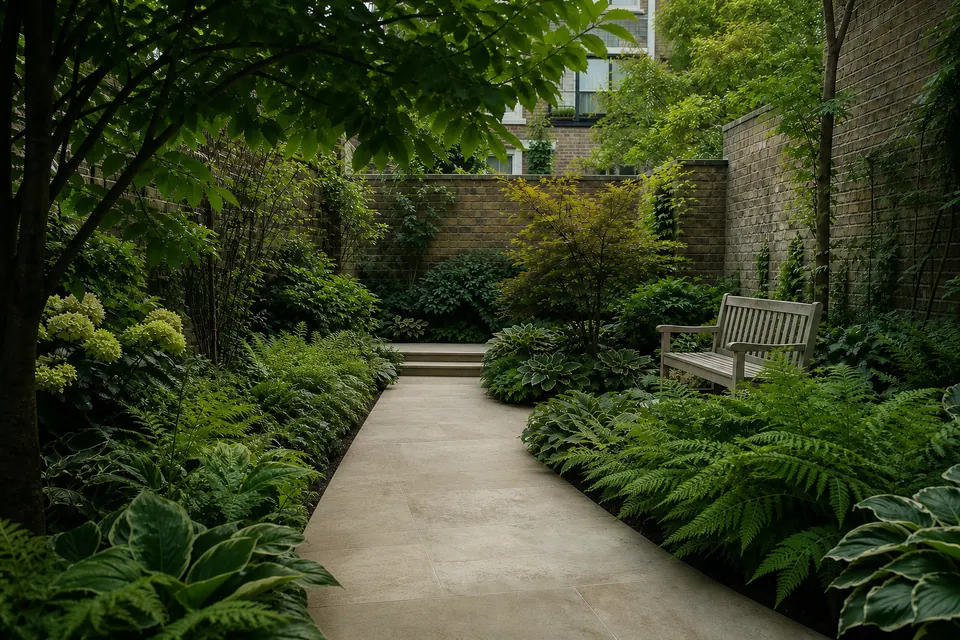
Consider the next need
A clearer space still needs later decisions as plants continue growing.
CHISWICK / REPEAT ENTRY DETAILS
Confirm the address before discussing a schedule
Check attendance for your full Chiswick address and explain the garden entrance. For ongoing visits, keep changes to locks, shared access or contact arrangements visible.
Open Chiswick in Google Maps ↗Gardening services near Chiswick
CONTINUING CARE QUESTIONS
Planning garden upkeep in Chiswick
Can the gardener leave my vegetable patch alone?
Mark it as excluded and explain any shared paths through it. Clear exclusions are as useful as the requested tasks.
Do I need a clearance before maintenance?
Only an assessment can establish that. Show the backlog rather than assuming an ordinary visit can absorb extensive overgrowth.
Can appointment priorities change with the season?
Yes, discuss changes within the agreed arrangement. A spring border task need not be repeated unchanged later in the year.
Will new plants be bought automatically?
No. Plant purchases and supplied materials require agreement, even when gardening attendance is recurring.
How do I explain work I have already done?
Send an updated note or photograph before the appointment so effort is directed to remaining priorities.
Can two household members share instructions?
They can contribute, but consolidate decisions into a clear brief to prevent conflicting directions about plants or scope.
What if growth slows and fewer tasks are needed?
Review the plan and frequency with the team. The arrangement should respond to the actual garden rather than assumed growth.
Do the example photographs show a maintained Chiswick garden?
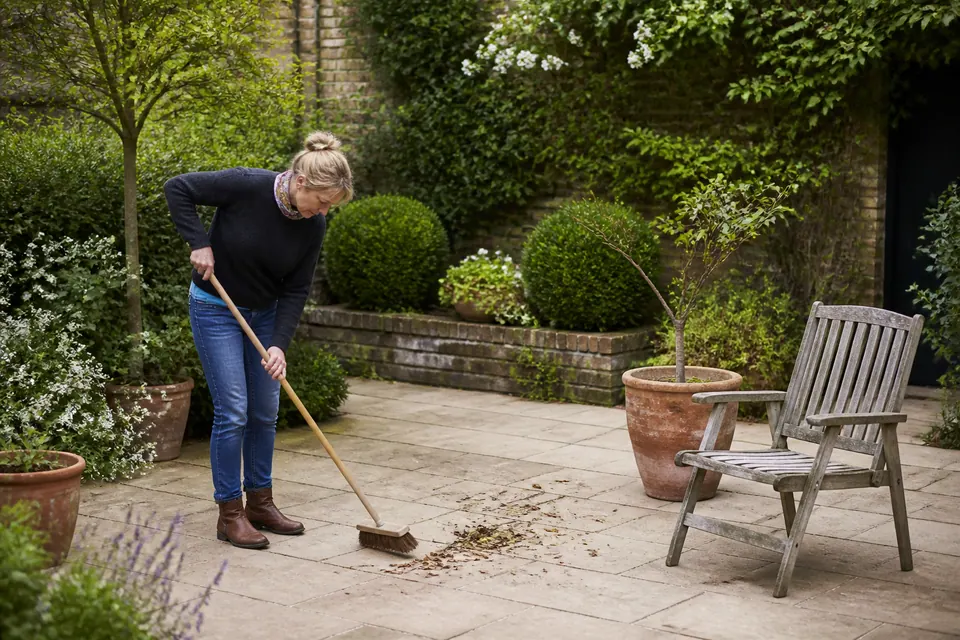
No. They are illustrative scenes and do not evidence a customer relationship, visit frequency or local result.
CHISWICK / MAKE THE RESPONSIBILITIES CLEAR
What would useful ongoing help look like?
Outline what you enjoy doing yourself and what needs support. Use that distinction to begin a practical garden-care discussion.
Call about a maintenance arrangementIllustrations show garden situations, not documented Chiswick maintenance appointments.
