
Why mention a rear addition?
It may sit beneath the gutter that needs attention and change the available approach. Describing its position helps establish whether the upper run can form part of routine cleaning.
Rainwater routes · access · clear scope
A clear view of the roof edge is only part of planning a gutter clean; the space beneath it matters just as much. Chiswick gutter cleaning is arranged around the accessible channels requested, everyday debris and any reachable outlets agreed in advance. Conservatories, additions and restricted side routes may alter access, while repairs and hidden blockages are separate.
Quick answers
It may sit beneath the gutter that needs attention and change the available approach. Describing its position helps establish whether the upper run can form part of routine cleaning.
Yes, when the particular channels are accessible and agreed. A porch, bay or addition may have separate guttering, so specify those runs instead of assuming they accompany the main roof.
Explain how rear access is normally arranged and whether it crosses shared or internal space. Entry must be agreed before the relevant elevation can be treated as available for the visit.
No repair is implied. Loose debris can be removed from an accessible agreed channel, but damaged brackets, joints, end caps or gutter lengths require their own assessment and authorisation.
It can be included when agreed, provided the opening is accessible. That does not include an obstruction deeper within the downpipe or any problem after the pipe enters underground drainage.
It may be useful when the included sections have identifiable build-up and the limitation is understood. Unreachable or excluded runs remain untreated and could still influence symptoms elsewhere on the property.
Local property context
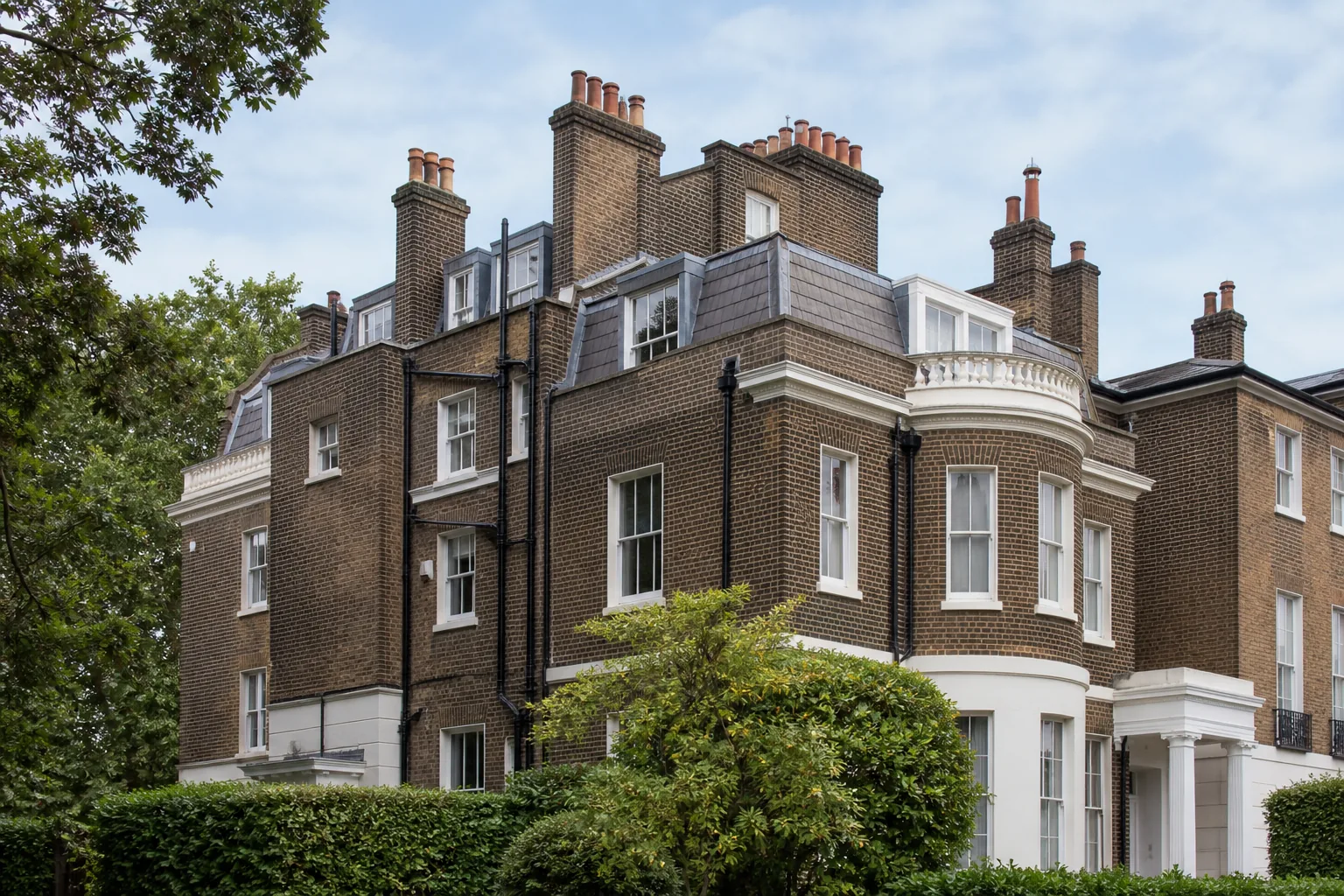
Some properties in Chiswick may have a side return, conservatory, porch or rear addition beneath part of the original roofline. Such features do not automatically prevent cleaning, but they can change which section is reachable and how the work should be scoped. A useful enquiry describes the relevant elevation, the approximate roof level and anything occupying the space below. Gates, enclosed gardens and shared passages can also matter. Providing that context at the outset helps distinguish an accessible front run from a rear channel that needs separate access consideration.
The cleaning itself concerns ordinary material resting in the agreed channels: loose leaves, moss, silt and similar residue. Reachable outlets can be added to the arrangement where appropriate. This defined scope does not include working through a concealed downpipe, addressing drainage underground or fixing joints and supports. If one run cannot be reached because of the property layout, that limitation should remain visible rather than being disguised by a whole-house description. Other accessible sections can still be considered, provided the value and boundary of a partial clean are understood.
Side width, garden entry, boundary arrangements and structures beneath the channel can matter as much as overall height. The front, side and rear should be considered separately. Any section needing a different access solution is assessed on its own, not promised within routine work.
| Property situation | Access or gutter consideration |
|---|---|
| Terraced home with a side return | A narrow passage or enclosed rear may affect entry to channels that are not visible from the street. |
| Property with a conservatory | The roof beneath an upper run must be described so that access can be considered separately. |
| House with a porch or bay roof | Lower guttering may be distinct from the main eaves and should be named if cleaning is requested. |
| Upper-floor flat in a converted building | Exterior responsibility, permission and access through shared areas need confirmation before booking. |
Common causes
A sheltered section above an addition may gather material differently from an exposed front channel. The relevant issue is whether routine debris within the requested run can be reached. Cleaning does not extend to a hidden obstruction simply because it lies beyond the same outlet.
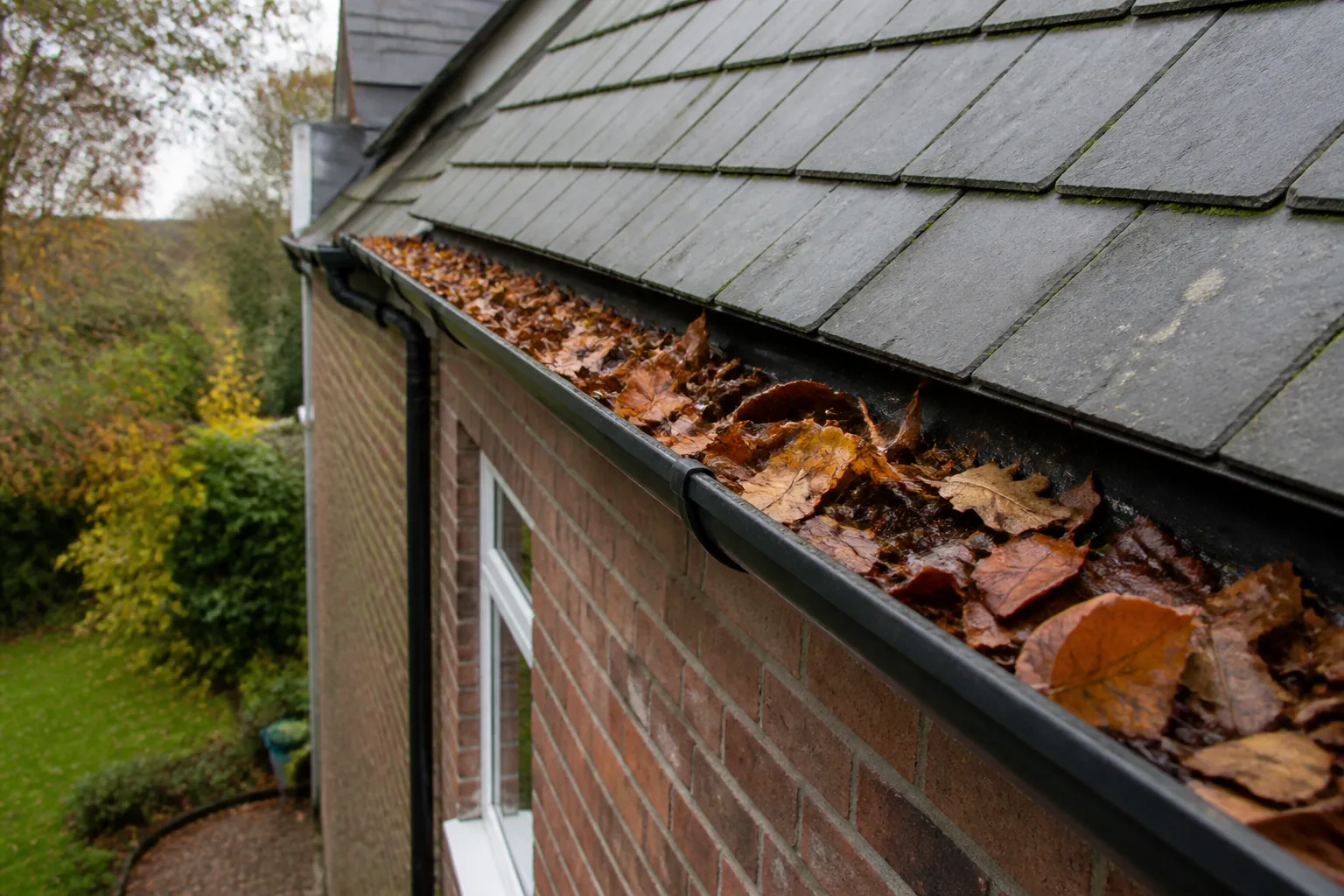
Wet leaves can settle into layers and slow water moving towards an outlet.
Loose roof moss can collect in the channel and hold other material in place.
Small twigs can bridge narrow points and trap lighter debris behind them.
Loose surface material may wash down from the roof during wet weather.
Older material can become dense and reduce the channel available for runoff.
Fine deposits can gather beneath larger debris and close to an outlet.
Structured service guide
| Requested element | How it is treated |
|---|---|
| Accessible named channel | Loose build-up removed |
| Reachable agreed outlet | Opening cleared |
| Channel beyond an obstructed approach | Not assumed reachable |
| Internal downpipe obstruction | Assessed separately |
| Drainage or damaged component | Outside the clean |
Structured service guide
| Condition | Likely response |
|---|---|
| Dry leaves in a porch gutter | Cleaning |
| Silt around an accessible outlet | Cleaning when included |
| End cap allowing water through | Repair assessment |
| Unsupported channel section | Repair assessment |
| Split connector | Repair assessment |
Structured service guide
| Factor | Planning consequence |
|---|---|
| Each requested elevation | Sets geographic scope on the building |
| Upper and lower roof edges | Changes channel quantity |
| Conservatory or rear addition | May alter reachability |
| Side and garden entry | Defines available routes |
| Debris and outlet request | Shows cleaning work involved |
Structured service guide
| Where this feature exists | Clarify |
|---|---|
| If an addition sits below the eaves | Whether the upper channel is reachable |
| If the rear has internal access only | How entry will be arranged |
| If a porch has its own gutter | Whether that lower run is included |
| If exterior parts are shared | Who gives permission for the work |
A clear service sequence
Seasonal context
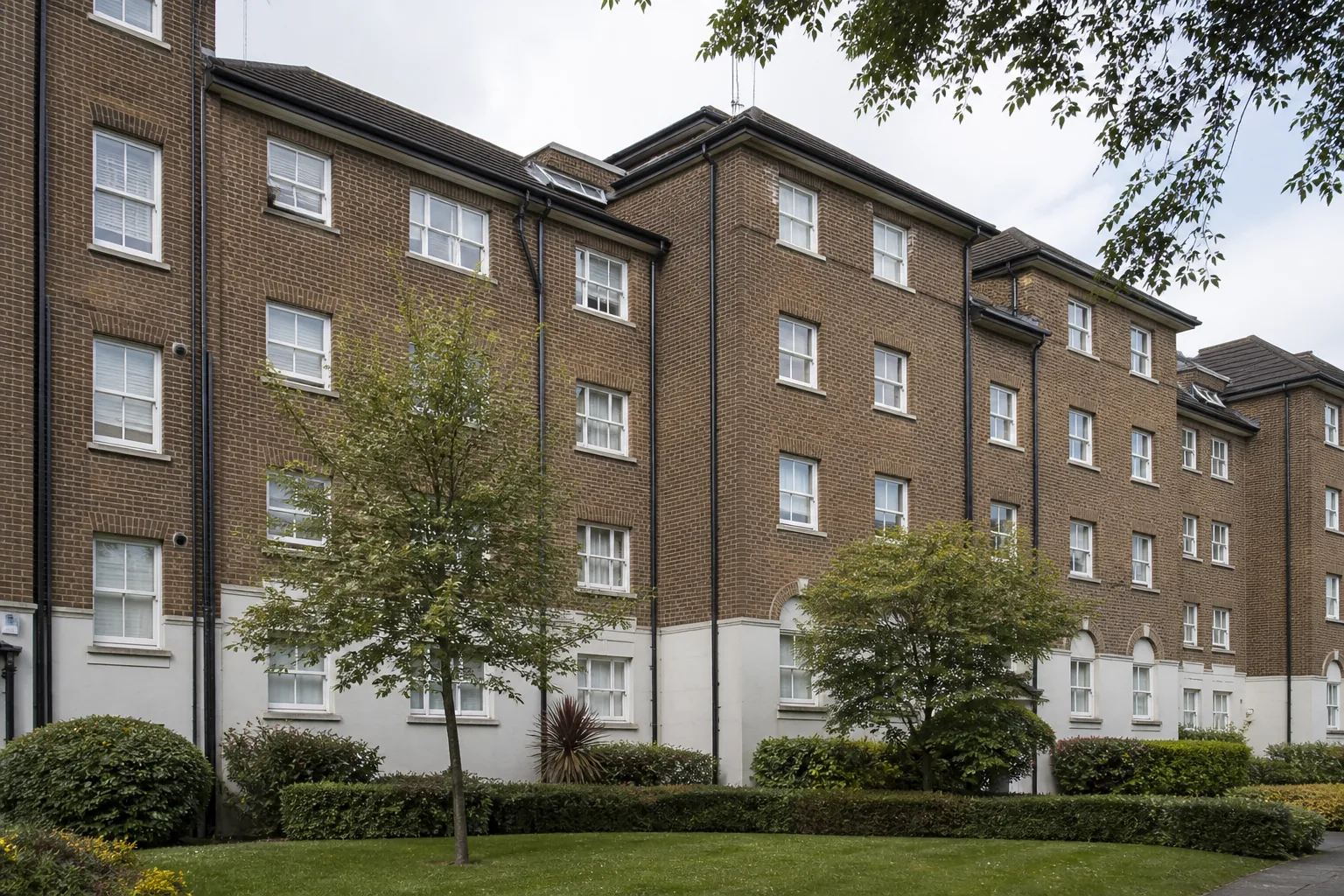
Leaves can accumulate quickly after autumn fall, but protected corners may also retain moss and fine deposits through the year. Previous build-up and the property’s immediate surroundings provide a better guide than a fixed timetable. New overflow is a practical reason to review the affected run.
Nearby trees, roof moss, gutter shape and exposure can all affect how quickly material accumulates. A visible symptom is more useful than applying one fixed timetable to every address.
Chiswick service area
Nearby gutter-cleaning pages
Before booking
Not automatically, but it changes the access question and must be raised in advance. The upper channel can be included only after its reachability is considered and agreed; a different access requirement would be assessed separately.
Explain its approximate width, where gates are positioned and whether an addition occupies part of the route. You do not need technical measurements; the aim is to show how the requested side or rear channel is approached.
The front runs can be considered as a clearly limited service if useful. Rear and side channels stay outside the scope, and the homeowner should understand that untreated sections may continue to hold material or affect rainwater flow.
The service concerns loose moss that has collected inside accessible agreed gutter channels. Moss on roof coverings is not automatically included, even where fragments from that surface are likely to enter a nearby lower gutter.
It identifies the affected area but not the underlying reason. Debris, an outlet restriction, channel alignment or a faulty connection may all send water over that edge, and each possibility calls for an appropriate response.
Authority depends on the lease, ownership and management arrangements. A resident may need prior consent from a landlord, freeholder or managing party, particularly when the rainwater goods or access areas are shared between several households.
Routine cleaning addresses visible, accessible channels and reachable openings agreed for the visit. A restriction farther inside a pipe cannot be assumed reachable or routine, so its location and suitable treatment need a separate assessment.
Included roof edges, channel length, levels, structures underneath, access routes, debris and specified outlet openings all contribute. Clear photographs or descriptions may help, but the price still reflects the actual agreed scope rather than the area name.
Permission and availability should be settled before the appointment. A route through communal or neighbouring space cannot be taken for granted, and the associated elevation remains conditional until the practical access arrangement is completely clear.
Consider what was removed, how quickly it had accumulated and whether nearby vegetation or roof moss is likely to contribute again. Visible growth, new overflow or repeated staining can justify review sooner than a routine calendar reminder.
Discuss the actual roofline
The likely charge reflects accessible channel length, elevations, roof levels, debris and outlet attention actually agreed. A porch or addition can divide what appears to be one roofline into different access questions. Repair work, deep pipe clearance and separately assessed access are not routine extras.
