
Can communal gutters be cleaned?
They may be included only when the responsible party has authorised the work and access is arranged. The relevant sections should be identified clearly rather than inferred from their connection to another run.
Rainwater routes · access · clear scope
Overflow is best approached as a route to trace, not a promise that cleaning will fix every cause. Wembley gutter cleaning covers ordinary debris in the accessible channels selected for the visit and reachable outlets when expressly included. The building layout sets the practical extent. Repairs, deep downpipe restrictions, underground drains and sections requiring specialist access sit outside that routine service.

Visible clues
Look for water running over an edge, vegetation, sediment lines, dripping beneath a join or an outlet that discharges poorly. These observations identify where to focus, but they do not by themselves distinguish channel debris from damaged fittings or a hidden restriction.
Local property context
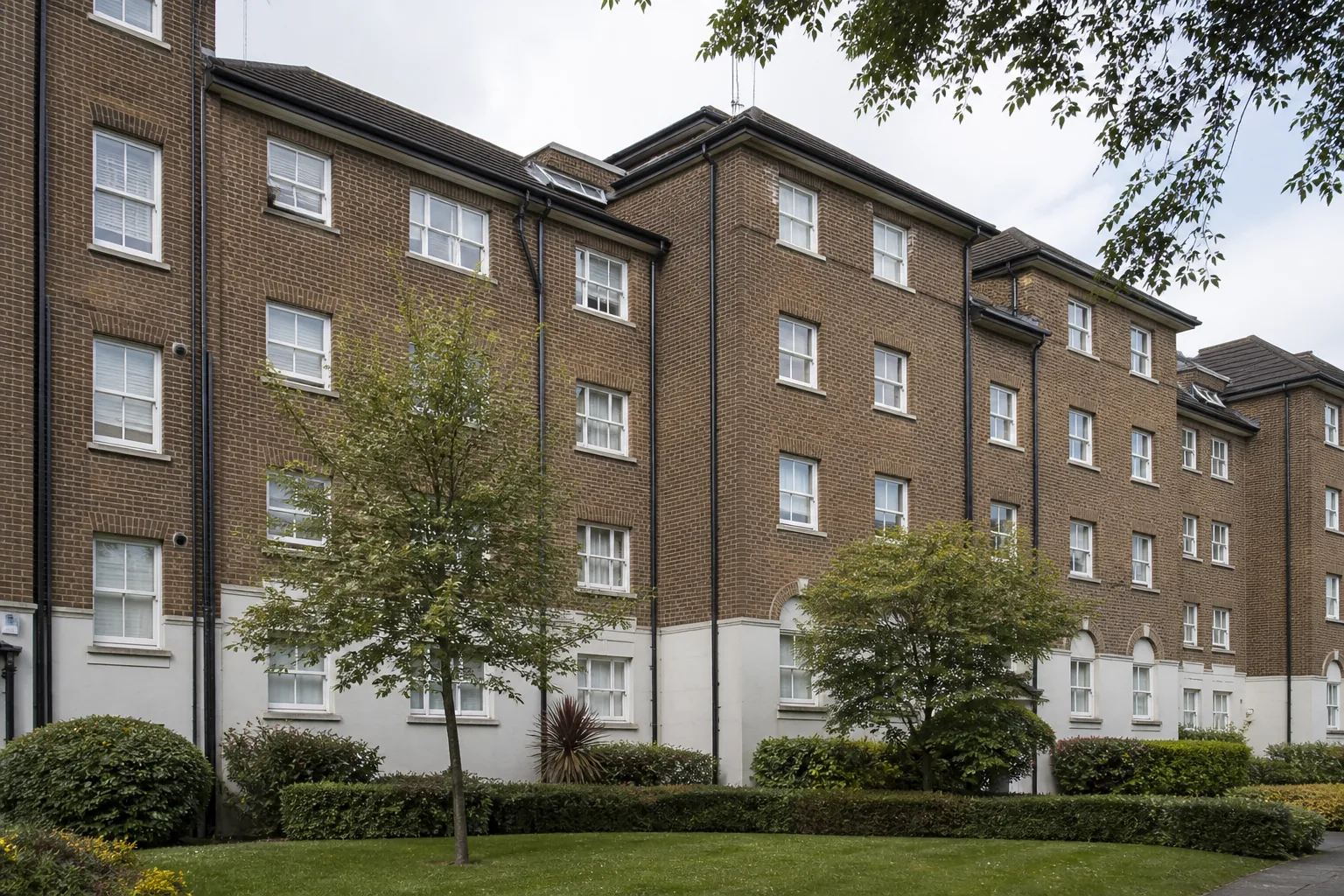
Some Wembley addresses may have connected roof edges, divided occupation or access through a shared space. Others may combine an upper house channel with smaller runs on bays, porches or additions. These are possibilities rather than area-wide facts, and each changes the questions worth asking. Establish who can approve work to communal sections, which elevations belong in the request, and whether gates or managed areas will be available. A channel should not be assumed accessible simply because it can be seen, and a connected run should not be treated as one owner’s responsibility without confirmation.
Once the intended sections are clear, the symptom can guide the next decision. A thick line of sediment reduces usable channel depth; leaves at an outlet can create a local dam; a drip at a union may remain if its seal has failed. The agreed clean deals with accessible leaves, moss, silt and similar loose matter, plus reachable outlet mouths where requested. It does not repair unions, change alignment or clear a concealed pipe route. Keeping those jobs distinct makes it easier to decide whether routine clearance is enough or another assessment is appropriate.
Access can depend on communal gates, parking areas, enclosed yards, roof-level changes and structures below the eaves. Permissions should be ready where another party controls the route. Any inaccessible channel or specialist access need is considered apart from routine gutter cleaning.
| Property situation | Access or gutter consideration |
|---|---|
| Terraced property | Continuous roof edges and rear routes may require clear boundaries and access arrangements. |
| Converted house | Responsibility for upper and lower gutters should be settled between the relevant parties. |
| Home with bay or porch roofs | Short lower runs need to be listed if they are expected within the visit. |
| Managed block | Authority, communal access and the selected elevations should be confirmed before booking. |
Structured service guide
| Area | Included when agreed | Not included by implication |
|---|---|---|
| Accessible selected channel | Ordinary loose debris removal | Repairs to the channel |
| Reachable outlet mouth | Loose obstruction at the opening | Internal downpipe clearance |
| Communal roof edge | Only with authority and access | Unconfirmed connected sections |
| Underground drain | No routine cleaning action | Drain investigation |
Structured service guide
| Symptom | Clearance may address | Separate consideration |
|---|---|---|
| Sediment reducing channel depth | Remove the deposit | None if discharge is normal |
| Drip from a broken joint | Any surrounding debris | Repair the fitting |
| Poor flow beneath a clear opening | No visible channel obstruction | Assess the hidden route |
Structured service guide
| Input | Its practical effect |
|---|---|
| Number of separate runs | Sets the intended extent |
| Storey and roof levels | Influences access |
| Shared or controlled approaches | May require prior arrangements |
| Debris condition | Changes clearing effort |
| Suspected damage | Keeps repair work distinct |
Structured service guide
| When present | Point to settle |
|---|---|
| A converted house | Who controls the requested upper run? |
| A continuous terrace channel | Where does the agreed section begin and end? |
| Several porch or bay roofs | Which lower gutters are included? |
| A managed yard | Will authorised access be available? |
Seasonal context
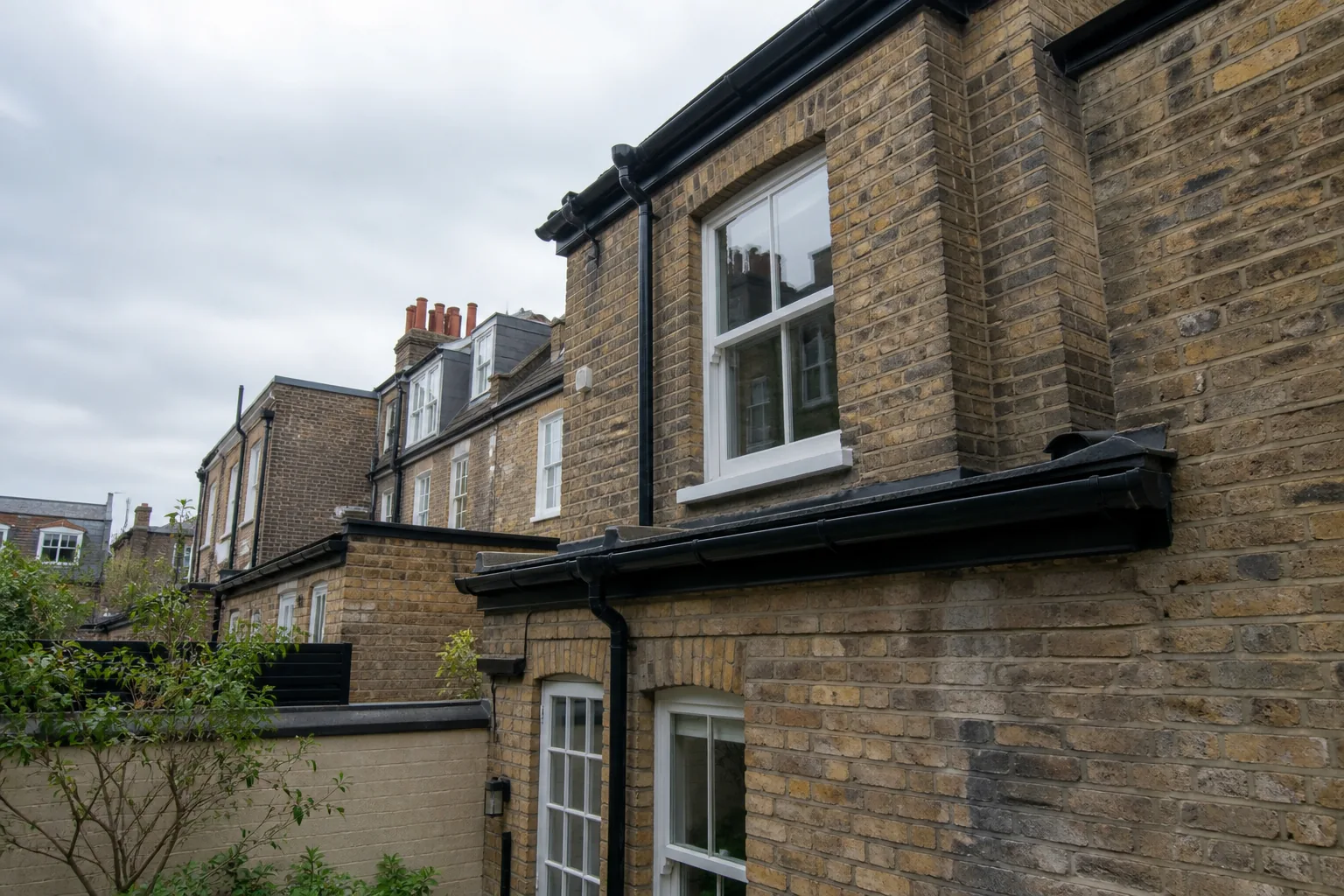
Leaves may arrive quickly during autumn, but grit, seeds and pieces of moss can settle throughout the year. Different sides of one building may fill at different rates. Previous accumulation and current flow offer a sounder maintenance guide than one fixed seasonal date.
Nearby trees, roof moss, gutter shape and exposure can all affect how quickly material accumulates. A visible symptom is more useful than applying one fixed timetable to every address.
A clear service sequence
Quick answers
They may be included only when the responsible party has authorised the work and access is arranged. The relevant sections should be identified clearly rather than inferred from their connection to another run.
Not automatically. Porch, bay, garage and extension gutters are separate runs that should be requested and assessed. Their lower position does not make them part of the main channel agreement.
Leaves, moss, silt, seeds and comparable loose material are typical routine contents. Anything unusual, fixed in place or potentially hazardous needs to be discussed before it is treated as standard clearance.
No. Removing nearby build-up may improve flow, but a split or cracked component remains damaged. It needs a repair assessment and should not be described as included cleaning work.
A gate, shared yard or managed parking area may be essential for reaching a requested elevation. Confirming availability beforehand helps determine whether that channel can realistically form part of the visit.
No. The visible mouth may be unobstructed while material remains at a bend, lower section or underground connection. Those concealed areas fall beyond routine cleaning of gutter channels.
Wembley service area
Nearby gutter-cleaning pages
Before booking
The service includes accessible gutter channels named in the agreement, with routine leaves, moss, silt and similar debris removed. Reachable outlet openings may also be included when specified. Repairs, concealed pipes and underground drainage are separate.
Front, side and rear sections may differ in level, length, approach and surrounding obstacles. Naming the affected elevation helps define the work and prevents a visible but inaccessible channel from being promised as part of a general visit.
It can reduce the space available for rainwater, especially when leaves or moss collect on top. Overflow can still have other causes, so clearing accessible deposits addresses one possibility without confirming that fittings and connected pipework are sound.
The person booking should establish any permission and practical entry required from an owner, neighbour or managing party. Without that arrangement, an affected communal or rear section may remain outside the work even if clearance has been requested.
No. A union may leak because water is backing up, but it may also have a failed seal or damaged fitting. Routine cleaning removes debris; restoring the joint is different work and must be assessed separately.
Its position can change whether the channel above is reachable within the ordinary arrangement. Mention bays, porches, garages and extensions before booking. If a section needs a different access solution, that requirement is considered separately.
A reachable opening may be freed of loose material if agreed, but routine channel cleaning does not cover the pipe’s concealed length. Slow discharge after the mouth is clear should lead to a separately scoped pipe or drainage assessment.
Their combined length, number, levels, access and debris condition all contribute to the work. Each requested porch, bay or extension run should be listed, allowing the quotation to reflect the real scope rather than only the main roof edge.
No. Growth indicates that moisture and organic material have remained in the channel, but it says little about the pipe below. Clearing the accessible growth is sensible; the downpipe needs separate consideration only if other symptoms point there.
Use the building’s own rate of accumulation. Nearby growth, roof condition, exposure and shelter may affect different elevations unequally. Check known collection points after leaf fall or troublesome weather, and respond to what is actually present.
Discuss the actual roofline
A useful price reflects the exact runs requested, their heights, the way each elevation can be approached and the volume of debris. Small lower channels count when added to the agreement. Repair, pipe and drainage enquiries require their own scope instead of being folded into a generic amount.
