
Leaves
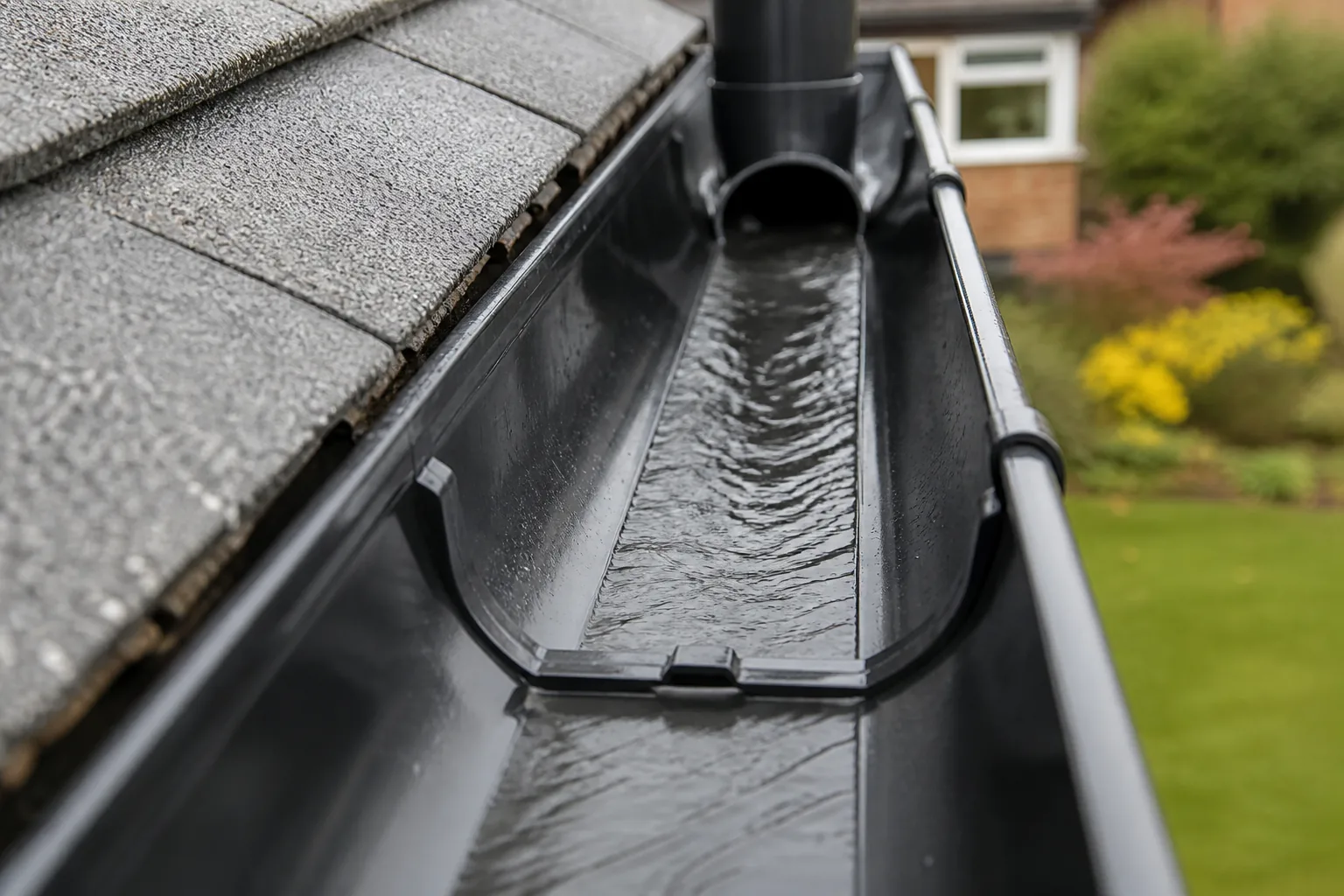
Wet leaves can settle into layers and slow water moving towards an outlet.
Rainwater routes · access · clear scope
A useful gutter clean begins with the roof edges that actually need attention. For a Dulwich property, the agreed visit can cover accessible channels containing leaves, moss, silt and routine debris, plus reachable outlets where included. Extensions, separate lower roofs and restricted routes are considered individually, while repairs, deeper downpipe obstructions and underground drainage require another assessment.
Structured service guide
| Area | Cleaning can cover | Separate matter |
|---|---|---|
| Named accessible channel | Leaves, moss, silt and loose debris | A run not agreed or not reachable |
| Reachable outlet opening | Loose material where specifically included | A blockage deeper inside the pipe |
| Gutter joint or bracket | Debris around the component | Sealing, replacing or realigning it |
| Below-ground connection | Nothing within routine gutter work | Drainage assessment |
Structured service guide
| What is noticed | Role for cleaning | Other concern |
|---|---|---|
| Loose moss along a run | Remove the accessible build-up | No repair implied |
| Overflow beside a full outlet | Clear reachable channel material | Check deeper flow if it continues |
| Drip through a separated union | Clear surrounding debris if suitable | Repair the fitting |
| Standing water in an open channel | Remove any remaining silt | Assess fall and supports |
Structured service guide
| Property detail | Why it matters |
|---|---|
| Front, rear and side runs requested | Defines the channel length and extent |
| Upper and lower roof edges | Shows where access decisions differ |
| Additions, boundaries or narrow routes | May limit a particular elevation |
| Debris type and visible depth | Indicates the likely clearing work |
| Outlet openings requested | Clarifies what is agreed beyond the run |
Structured service guide
| If the property has | Clarify before booking | Possible scope decision |
|---|---|---|
| A porch or bay | Does its lower run need attention? | List it separately if required |
| A rear extension | What lies beneath the original eaves? | Review upper and lower channels independently |
| A shared roof edge | Who can authorise the relevant section? | Proceed only with clear responsibility |
| Several outlet points | Which openings show build-up? | Include reachable ones by agreement |
Common causes
Leaves can catch on moss or small twigs and then hold fine silt after rain. The resulting patch may occupy only a corner yet still reduce the route towards an outlet. Routine cleaning deals with this loose material where the agreed channel can be accessed.
Wet leaves can settle into layers and slow water moving towards an outlet.
Loose roof moss can collect in the channel and hold other material in place.
Small twigs can bridge narrow points and trap lighter debris behind them.
Loose surface material may wash down from the roof during wet weather.
Older material can become dense and reduce the channel available for runoff.
Fine deposits can gather beneath larger debris and close to an outlet.
Local property context
A Dulwich home may have a main roof channel alongside shorter runs on a porch, bay, garage or later addition. Those features are not assumed at every address, and each can have a different outlet or access route. When enquiring, identify the side of the building, the approximate level and the point where water or debris is visible. Mention any structure directly below the eaves and whether a rear or side area is reached through a gate. This gives a clearer basis for deciding which sections can join the agreed clean.
The shape of the symptom can help frame the next question. Water spilling along a broad stretch may accompany widespread build-up, while a concentrated overflow beside an outlet may relate to a local pocket of material. Dripping beneath a joint or standing water in a clear-looking run can instead suggest a fitting or alignment concern. Cleaning removes accessible routine debris from the named channels; it does not repair components or prove that concealed pipework is open. If several causes seem possible, the scope should distinguish clearance from further assessment.
Every elevation needs its own access decision. A lower roof, glazed addition, narrow passage, boundary, raised bed or stored item may change the space available beneath one channel. Describe these conditions beforehand so reachability is not inferred simply from a street view.
| Property situation | Access or gutter consideration |
|---|---|
| Home with a bay or porch | The lower channel may have a separate outlet and should be listed if it needs attention. |
| House with a rear addition | The addition may carry its own gutter while changing access to the original upper run. |
| Property with several roof levels | Each level can differ in debris, length and reachable approach, so included edges should be named. |
| Converted or shared building | Responsibility for the relevant exterior sections and permission for access should be confirmed first. |
Seasonal context
Leaf fall can create a noticeable surge, but moss fragments and sediment may gather between seasons as well. The most useful timing follows visible accumulation, previous overflow and how quickly particular runs refill. One elevation may need a check sooner than another.
Nearby trees, roof moss, gutter shape and exposure can all affect how quickly material accumulates. A visible symptom is more useful than applying one fixed timetable to every address.
Quick answers
Yes. One elevation can form the agreed scope if it is clearly identified and accessible. Other sides, lower roofs and separate structures are not included unless they are also discussed and confirmed.
Leaves, moss, silt, small twigs and similar routine debris can be removed from accessible agreed channels. Fixed coverings, unusual objects or material outside the channel may need separate consideration.
No. Loose material at a reachable outlet opening can be removed where agreed, but a restriction farther inside the pipe is concealed work and needs another assessment.
Their gutters may sit at different levels, use separate outlets and require another approach. Naming them prevents a small additional run from being assumed within the main roof request.
It can remove debris that is making water back up, but it cannot restore a failed seal or displaced fitting. Continued dripping from a clear channel points towards repair assessment.
Mention roof levels, additions, conservatories, gates, narrow side routes, boundaries and anything below the affected edge. Safe ground-level photographs can also help explain the property layout.
A clear service sequence
Dulwich service area
Nearby gutter-cleaning pages
Before booking
The routine service covers leaves, loose moss, silt and comparable debris in the accessible channels agreed for the visit. Reachable outlet openings may be included when specified. Repairs, deep downpipe blockages, underground drainage and separately assessed access are excluded.
List them by side and level, such as a lower front run or upper rear channel, without relying only on the number of storeys. Add any porch, garage or extension gutter so the intended scope is unambiguous.
Yes. Material gathered at a bend, low point or outlet can interrupt flow even while most of the run appears open. A fitting fault or deeper restriction can look similar, so the affected position is useful context.
Its size, position and construction may limit the available approach to the channel above. Describe it before arranging the visit. The upper run should only be included after access has been considered for that particular property.
That depends on their design, condition and how they affect access to the contents beneath. Mention any mesh or cover before booking. Handling or removal should never be presumed within an ordinary channel-cleaning scope for the visit.
The gutter may have a low point, incorrect fall or support issue, or the outlet route may still be restricted below the opening. Those possibilities are not resolved by further surface clearance and need suitable separate assessment.
It may be considered once the responsible person, relevant section, access permission and boundaries of the request are clear. A connected roofline does not automatically give one occupier authority to arrange work across every part.
There is no universal interval. Nearby planting, roof condition, shelter and previous build-up may affect separate elevations differently. Visible material and rainwater behaviour provide a better guide than applying the same date to every channel.
Note where it gathers and what type of material appears. The surrounding roof, nearby growth and channel shape may influence that pattern. A recurring outlet concern can be reviewed without assuming all other gutters require the same attention.
It reflects the number and length of selected runs, separate levels, access conditions, expected build-up and agreed reachable outlet work. Repair needs, concealed pipe obstructions, drainage below ground and separately planned access remain outside that quotation.
Discuss the actual roofline
The likely charge reflects the selected runs, their lengths and levels, the available approach, the amount of loose material and any agreed work at reachable outlets. Short lower channels can add distinct tasks. Repairs or investigation beyond the open gutter are assessed separately.
