
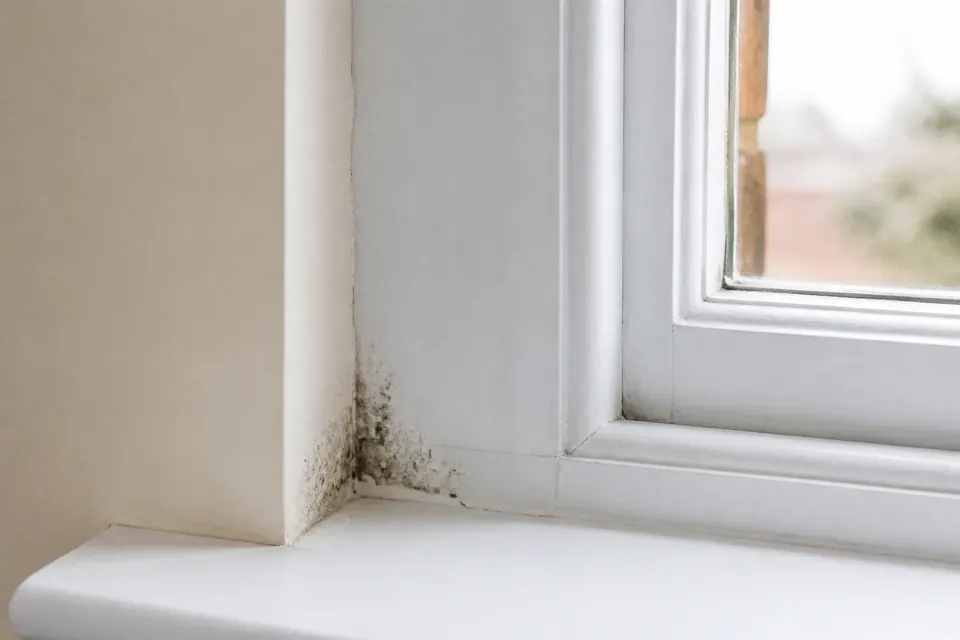
Frame paint beside a plaster reveal
Photograph the transition so the frame coating and wall finish remain identifiable. A narrow patch can cross both materials, and treatment of visible growth does not imply repair of the window assembly.
Basingstoke / PROPERTY CONDITION
The material boundary belongs in the quotation.
Painted wall, bare plaster and damaged coating should not be treated as one uniform surface simply because a mark crosses them. For Basingstoke, describe each affected finish and check address availability before asking what treatment can be proposed. Keep replacement and decoration distinct from removal.
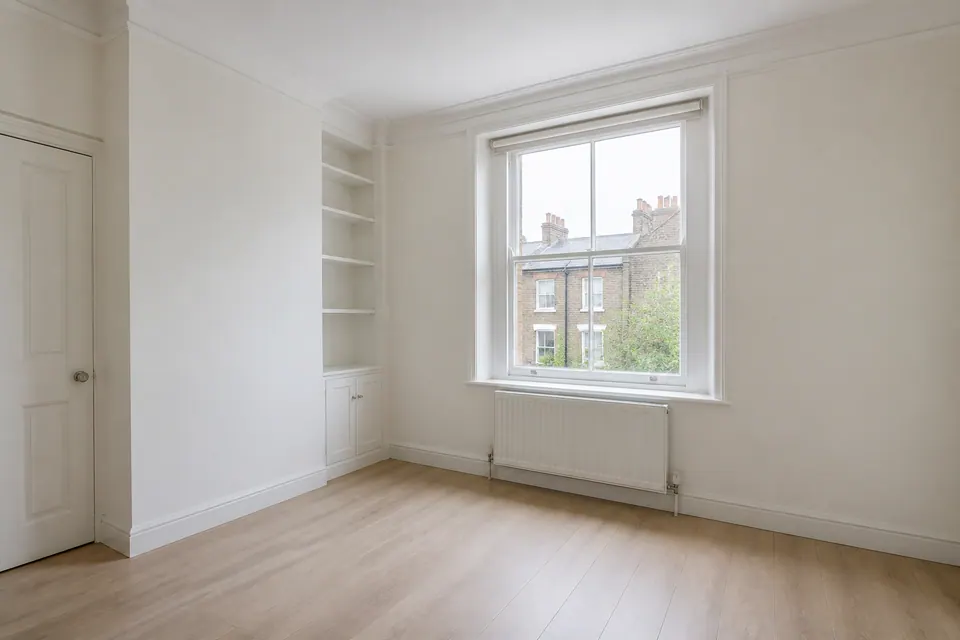
Coating · substrate · visible damage
01 / LOCATE THE ISSUE
The room selector locates the enquiry, while the material description helps define it. Two marks in the same room may involve different surfaces and different limits on appropriate work.
Photograph the transition so the frame coating and wall finish remain identifiable. A narrow patch can cross both materials, and treatment of visible growth does not imply repair of the window assembly.
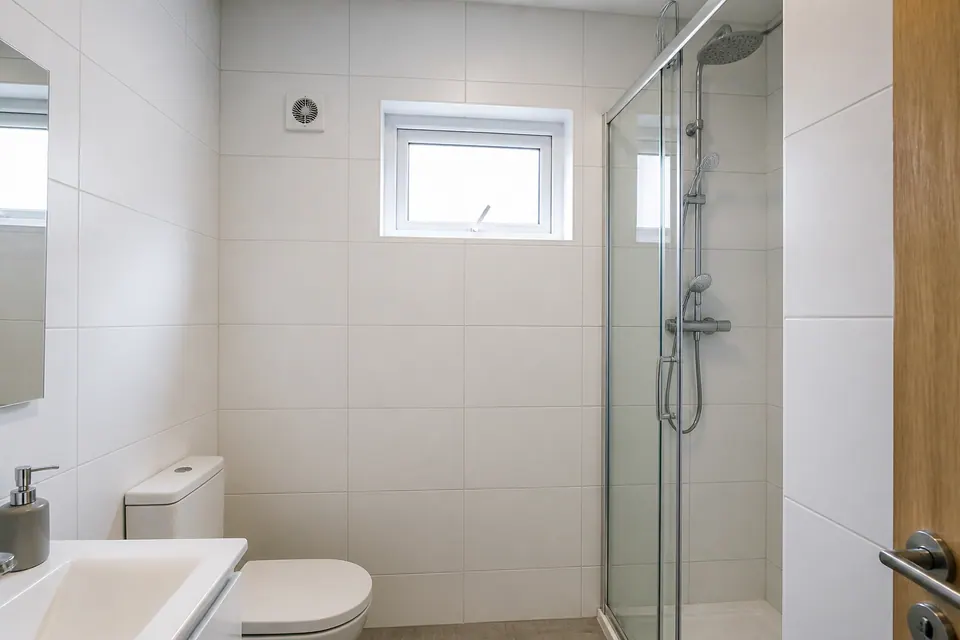
Name the bathroom finish rather than calling everything a bathroom surface. A deteriorated component may need replacement or another approach, while an intact coating presents a different assessment question.
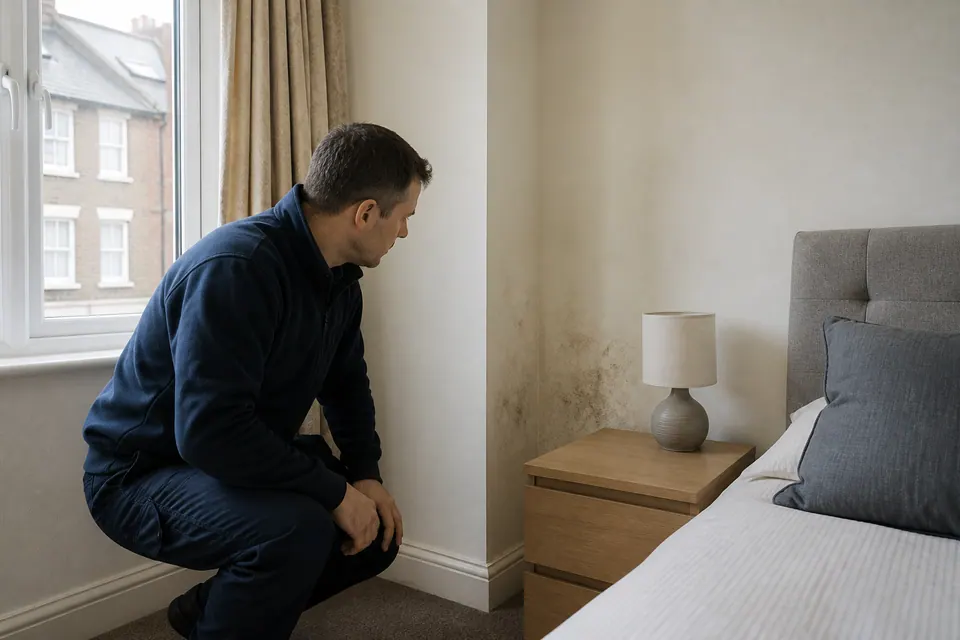
Describe the paper, paint or bare portion already visible without peeling more material away. The newly exposed area should not be assumed suitable just because its boundary can now be photographed.
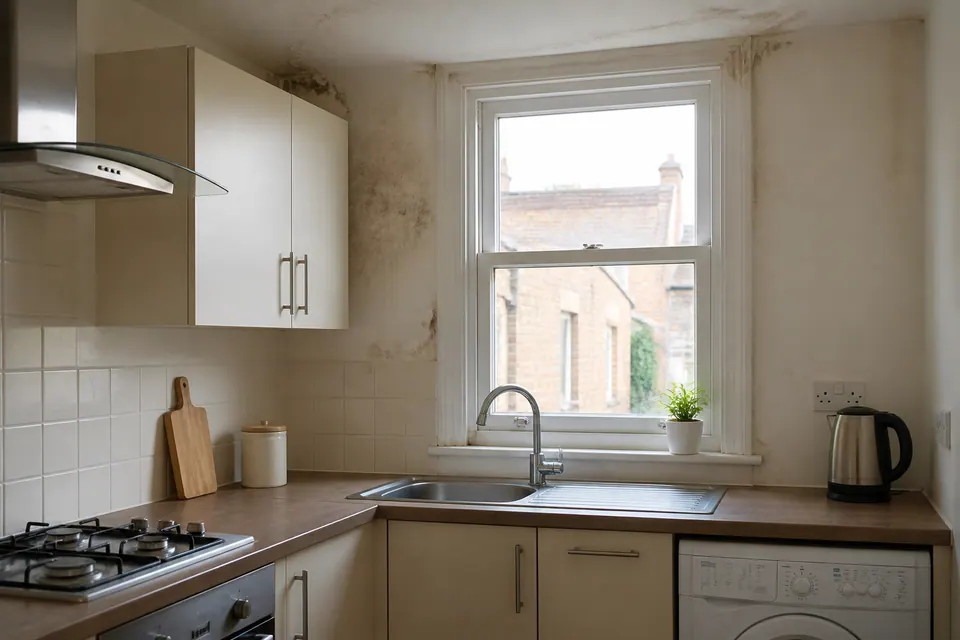
Separate the kitchen unit from the wall behind or beside it. Mention any known water event, but keep a concern about joinery or damaged backing distinct from a suitable painted-surface enquiry.

Include an unaffected comparison area in the same view. Report a loose or damaged finish separately from spotting so the expected result is not based solely on removing the visible colour.
State when the substrate became exposed if known and describe its present condition. Do not rub, scrape or press the material to demonstrate firmness; an uncertain substrate may need assessment before treatment.

A cupboard can contain coated board, timber and wall material in a small space. Identify what can be seen and what remains obscured rather than applying one material label to the entire enclosure.
A photograph can show a material transition without establishing the specification or suitability of either side. Leave unknown finishes labelled as unknown rather than choosing a convenient description for pricing.
Basingstoke / THE PROPERTY BRIEF
One room label is not a complete scope.
Confirm availability for the full Basingstoke postcode and provide views of the affected material beside an intact portion. If an earlier repair exposed plaster or removed a covering, explain that sequence. Ask what can be assessed for treatment and which damaged material or decorative work needs another quotation.
03 / SEPARATE THE QUESTIONS
Different materials may display a condition differently. Describe the visible evidence without assuming that a coating boundary identifies where moisture began or that a damaged finish is automatically restorable through removal.
| Visible issue | Possible contributing factor | What may need checking |
|---|---|---|
| Growth crosses frame paint and reveal | Moisture near the window may contribute | Consider the two finishes and any separate frame concern |
| Bathroom spotting beside deteriorated sealant | Repeated wetting may be relevant | Distinguish suitable treatment from replacement of a damaged component |
| Staining on exposed plaster after work | Past or retained moisture may matter | Clarify what was removed and the present substrate condition |
| Marks reappear across a new coating edge | A contributor may remain unchanged | Review the history rather than treating redecoration as source repair |
Material replacement, plaster repair, moisture investigation and decoration need separate agreement where required. A suitable treatment proposal should not be interpreted as a promise to restore every damaged layer.
Mould and damp are related but different conditions, while damage to a finish is another consideration. Keep all three visible in the enquiry instead of using one label for the whole problem.
| Question | Mould | Damp |
|---|---|---|
| What is described? | Fungal growth affecting a finish | An excess-moisture condition |
| What evidence helps? | The outline on each identified material | Known wetness and reliable water history |
| How can they relate? | Growth can develop where moisture persists | Moisture can contribute to renewed growth |
| What must be decided? | Which material is suitable for surface work? | Does the source require separate assessment or repair? |
04 / DIRECT ANSWERS
It does not identify the affected boundary, material condition or access. A smaller patch crossing damaged and intact finishes can raise more questions than a larger clearly defined suitable surface.
Ask what condition needs to be established before decoration. Removal, residual staining, substrate damage and the moisture question are distinct, so a treatment visit is not a universal go-ahead for coating.
Not by itself. The timing and material change can inform assessment, but they do not prove the moisture source or establish that earlier cosmetic work addressed it.
Do not assume so. Ask for the proposed sequence once suitability and preparation have been reviewed, particularly where damaged material may need another task before surface work.
Follow the instructions for the agreed method and circumstances. Neither an intact-looking finish nor a completed decorative plan substitutes for current return guidance.
Its condition needs assessment; replacement or other work should not be assumed avoidable through growth removal. Identify the sealant separately from the surrounding suitable finishes.
They can be described together in an enquiry, but the proposal should distinguish their suitability and limitations. Treatment does not automatically repair the frame or restore damaged coatings.
Only if explicitly agreed as part of an appropriate scope. Do not infer replacement, reinstatement or damp-source work from a quotation for treating visible growth.
05 / QUOTATION, NOT GUESSWORK
A quotation needs more than room size where the patch crosses different finishes. Provide material-specific evidence and ask whether photographs are enough or assessment is needed. Small accessible suitable areas, recurring concerns and complex damaged-material cases can require different quotation decisions.
See the main mould-removal service ↗| Scope | Quotation basis | What must be distinguished |
|---|---|---|
| Suitable intact accessible coating | Photographic pricing may be possible | Confirm the actual boundary and finish description |
| Several materials or recurring changes | Assessment may inform the quotation | Separate each surface and its earlier treatment history |
| Deteriorated plaster or uncertain backing | Specialist quotation may be necessary | Clarify replacement or further assessment before assuming removal |
Request a total with material-related exclusions clearly stated. A mould-removal price should not imply plaster repair, coating replacement or a matching decorative finish unless that work has been expressly agreed.
06 / A CONTROLLED APPROACH
Review the materials and their condition individually, identifying any damaged portion that may not belong in suitable surface treatment. Clarify uncertain descriptions before the scope is finalised.
Agree preparation around the relevant boundaries and nearby contents. Avoid unrequested scraping or covering that changes the material available for assessment.
Carry out the confirmed approach on suitable finishes, keeping any excluded replacement or decorative work explicit. A continuous visible patch does not require an assumed uniform method.
Explain residual staining, material limitations and any separate next step. The result should be described against each assessed finish rather than as an undifferentiated whole-room transformation.
The stages distinguish the treatment question from restoration of a damaged finish. They are not a promise that different coatings will look identical afterwards.
Identify intact coating and exposed material separately.
Follow the agreed limits for suitable surfaces.
Distinguish remaining damage from removed growth.
The diagram is illustrative rather than customer evidence. Repairing or redecorating a finish may remain separate, and continuing moisture can still affect the treated area.
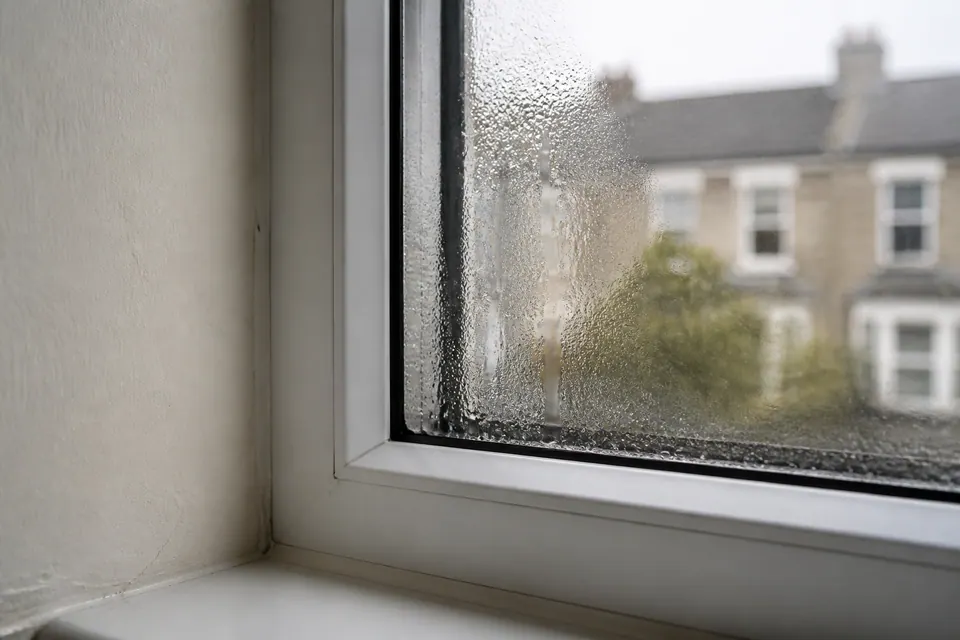
07 / WHEN IT COMES BACK
Keep the date of any coating removal or redecoration with the recurrence history. A newly exposed portion may reveal an older condition, while a fresh layer can alter how a mark appears without resolving its moisture context.
Continuing moisture may support another appearance, but the material transition alone does not identify its source. Report known water events and the present finish rather than assuming bare plaster or a paint edge explains the problem.
Retain photographs showing intact and affected material together. Do not remove more coating to make the comparison clearer; note what was already exposed and what remains uncertain.
08 / ROOM-BY-ROOM CONTEXT
In a bathroom, identify paint, tile joints and sealant rather than presenting one total surface. Deterioration of a component can require a separate decision from treating an intact finish.
A bedroom wall may retain paper beside exposed plaster after earlier work. Describe both and avoid removing another layer merely to simplify the quotation.
Kitchen joinery and plaster should remain labelled separately in the evidence. A similar-looking mark does not make the materials interchangeable or imply the same final appearance.
Show intact living-room coating alongside the affected portion. Expectations about staining or decorative restoration should be discussed before the work is agreed.
Identify which finish belongs to the dwelling and which to a shared area. Different ownership or access arrangements may sit alongside the material distinction.
For lower-ground rooms, include water history as well as the finish. Persistently wet or damaged material can require further assessment beyond an accessible growth-removal scope.
Basingstoke / ACCESS & PEOPLE
Describe the visible finish and current extent, with enough surrounding detail to show its boundary. Suitability still needs consideration even when the coating appears intact in a photograph.
Explain what is known about earlier removal or repair. An exposed backing is not simply another painted wall, and its condition may change the proposed approach.
Show where the materials meet and whether access differs between them. The smallest part of the patch can still involve a separate finish limitation that should be stated.
Tenants can show the finish and supply any known maintenance information while checking permission for the proposed work. They do not need to identify an unknown coating by removing or testing it.
Landlords can identify intended material replacement and provide the occupant contact. Do not ask the treatment scope to silently include reinstatement or a decorative match that belongs to another task.
Homeowners should ask what removal can address and what stain or damage may remain. A desired final appearance does not establish that every part of the existing material is suitable for treatment.
Basingstoke / PLAN THE APPOINTMENT
Check availability for the full Basingstoke postcode before choosing a visit window. Include images of the material transition and identify uncertain finishes so the proposed work reflects the actual surface.
Explain any separate repair or decorating appointment that could change the finish before assessment.
View the Basingstoke area map.
Basingstoke / BEFORE BOOKING
Give each material its own description so the proposed work does not hide important limitations inside one room label.
Provide separate approximate dimensions where practical and safe. A total can be included as context, but it should not obscure the condition or suitability of each material.
State that it is unknown and describe the visible appearance. Do not scrape or peel the finish to identify it; further assessment may be needed.
Yes. A view showing intact and affected portions can help explain the material change, provided it is taken without disturbing the coating.
No general cosmetic match should be assumed. Growth removal, residual staining, damage and later decoration need to be distinguished before expectations are agreed.
Its suitability requires assessment rather than a conclusion from a photograph alone. Explain the observed damage without probing it, and ask whether another specialist scope needs consideration.
Do not assume that is required. Describe the current covering and ask about preparation before changing the surface that needs review.
Explain the planned work and ask which decisions need to come first. A decorating date does not establish that the substrate is ready or that the moisture question is resolved.
Ask for that clarity where finishes differ. It helps distinguish suitable treatment from replacement or reinstatement that may need another arrangement.
It explains when the substrate became visible and what may have changed. Keep the known sequence factual rather than assuming the removal caused or exposed a particular hidden condition.
A PROPERTY-SPECIFIC NEXT STEP
Send the postcode, labelled material photographs and any known coating or repair history. Ask for the suitable treatment scope and its exclusions before planning the decorative result.
Property illustrations do not demonstrate treatment compatibility with a customer’s finish or a completed restoration result.
