
Can I send photographs taken by the occupant?
Yes, provide current images with clear room labels and permission to use them for the enquiry. Explain any uncertainty rather than interpreting the condition beyond what is known.
Bristol / CLEAR INFORMATION, FEWER ASSUMPTIONS
A useful enquiry connects the person seeing the problem with the person arranging help.
If you are coordinating from elsewhere, ask the occupant for an up-to-date account of the affected room. Send the Bristol postcode first, then clearly labelled photographs and a reliable contact for entry. Availability and the proposed work need confirmation before anyone makes arrangements around a visit.
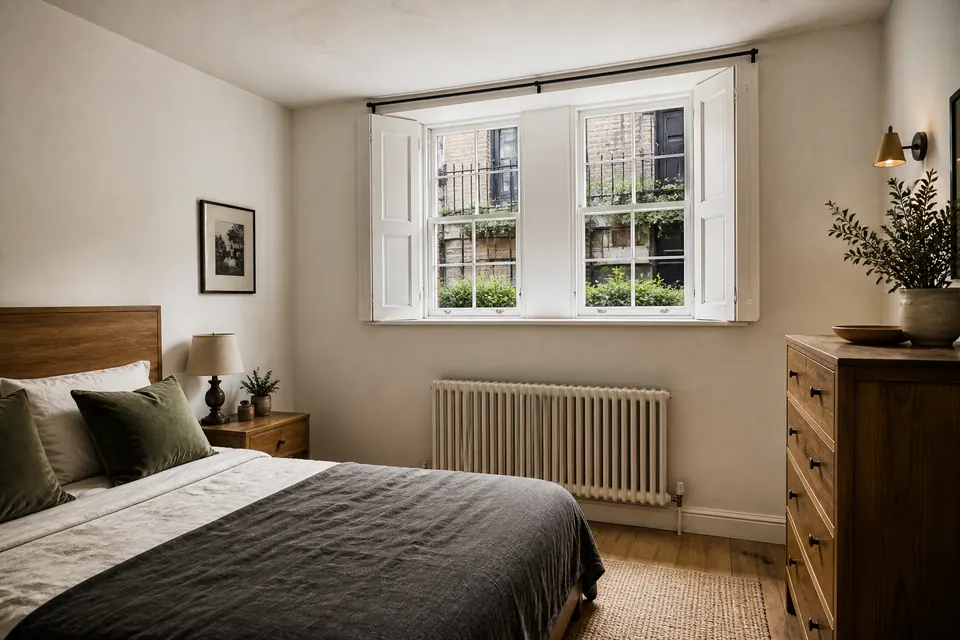
Current evidence · reliable contact · agreed next step
01 / DIRECT ANSWERS
Yes, provide current images with clear room labels and permission to use them for the enquiry. Explain any uncertainty rather than interpreting the condition beyond what is known.
No. Ask whether the postcode can be served and wait for the proposed next step before arranging entry or other work.
A small suitable accessible area may be considered from photographs. Several, recurring or complex concerns may require assessment or a specialist quotation.
The person arranging the work and whoever will carry out preparation or provide access need a consistent account of the agreed requirements.
Painting over the concern is not a substitute for suitable treatment and consideration of moisture. Ask about preparation before changing the surface.
Pass on the specific change and its position before the proposed appointment. The original images may no longer describe the work accurately.
Do not assume so. Surface treatment and investigation or repair of a moisture source must remain separately defined.
No fixed return time should be relayed without the method-specific instructions and actual booking details.
02 / SEPARATE THE QUESTIONS
Messages often become more definite as they are forwarded. Preserve the difference between what somebody saw, what they remember and what has been professionally established.
| Message received | Useful clarification | What remains open |
|---|---|---|
| Dark spots near a frame | Which component is marked? | The cause and suitable treatment |
| A room described as damp | What was actually wet or stained? | Whether moisture is continuing |
| A patch said to have returned | Which earlier action and date are known? | Why the mark appeared again |
| A leak said to be fixed | What repair is confirmed? | The affected material’s current condition |
If nobody knows whether a surface was previously treated or just wiped, say so. Missing information is preferable to an invented treatment history that shapes the wrong expectation.
A forwarded photograph can show a concern without explaining every condition behind it.
| Question | Mould | Damp |
|---|---|---|
| Subject | Possible fungal growth on a surface | Excess moisture affecting a material |
| Evidence available | A dated image of spots or patches | Observed wetness, staining or a known incident |
| Limit of that evidence | Appearance alone does not settle identification | An old event does not confirm today’s condition |
| Appropriate clarification | Assess the visible area and suitability | Consider any further source investigation needed |
03 / ROOM-BY-ROOM CONTEXT
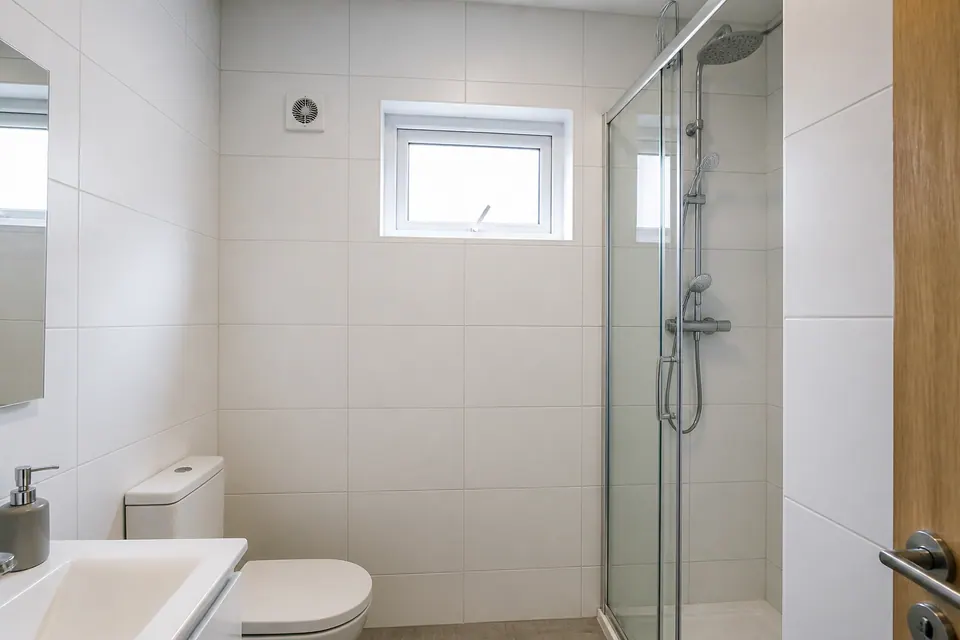
Identify whether the concern is overhead, on a wall or at a fitting.
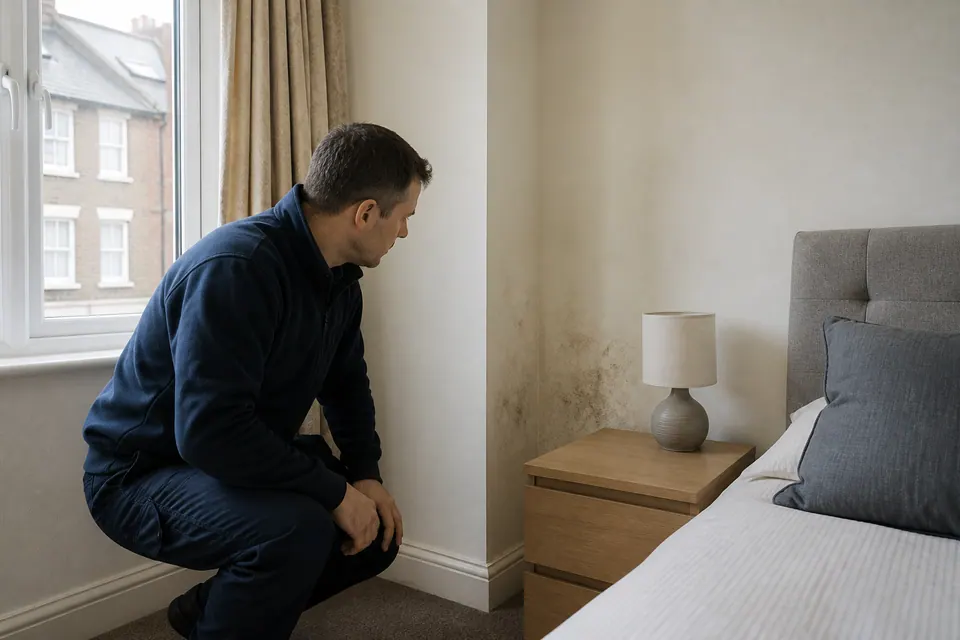
Use a clear room description where several bedrooms look similar.
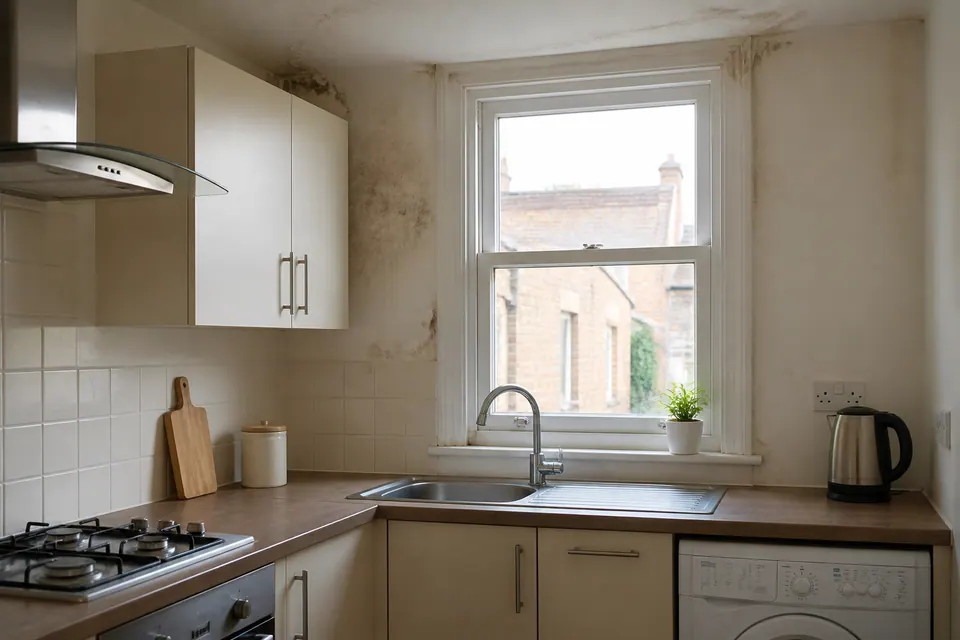
Distinguish the exposed face from an inaccessible area behind units.
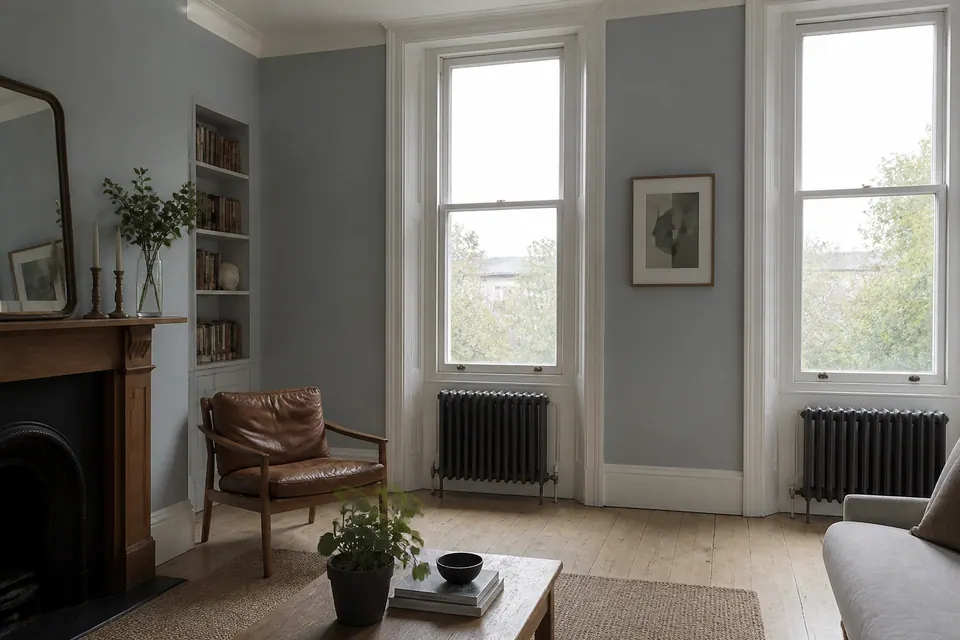
Record the position against a fixed feature rather than a movable chair.
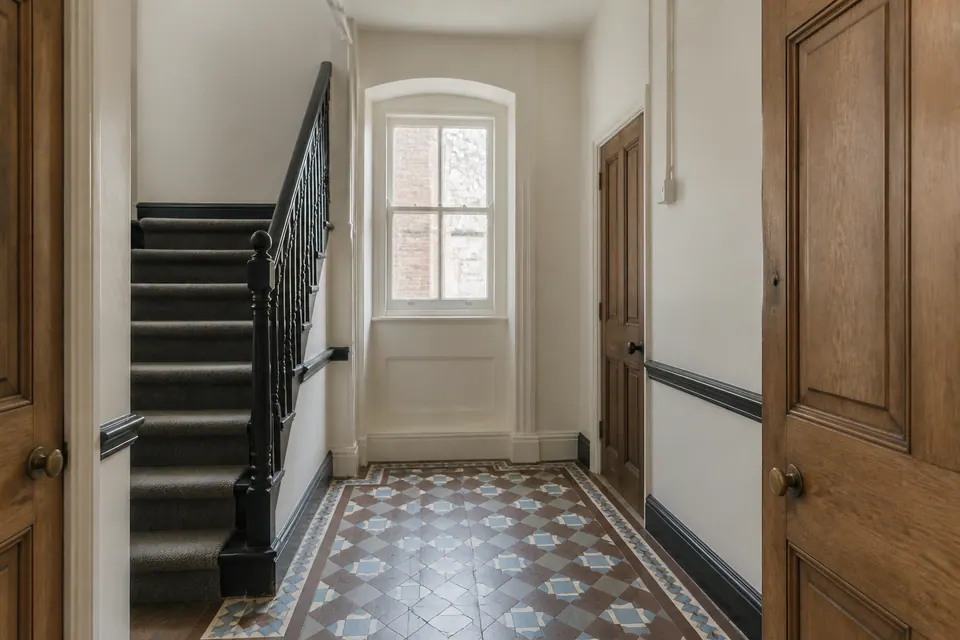
Clarify whether the requested work is inside the home or a separately authorised space.
Send the observed condition and known history without treating floor level as a diagnosis.
Bristol / THE PROPERTY BRIEF
Keep the latest evidence together.
A letting contact, owner or family member may arrange an enquiry without seeing the room themselves. Ask the person present to confirm that the images still represent the condition. Include the full Bristol postcode when checking availability, and make sure any proposed preparation reaches the person who will actually provide access.
05 / QUOTATION, NOT GUESSWORK
When several people are involved, a general request to sort the room out can mean different things to each of them. Ask for the actual affected surfaces, the suitable treatment scope and any exclusions before circulating a price or organising access.
Review the main service’s quotation approach ↗| Evidence and extent | Possible quotation route | What not to assume |
|---|---|---|
| One small suitable reachable area | Photographic quotation may be possible | That every room is included |
| Several positions or returning marks | Assessment to establish the work | That old images define current extent |
| Complex damp or damaged material | Specialist quotation required | That repairs follow automatically |
Confirm postcode availability and the proposed scope directly. A quotation forwarded without its limitations can create expectations that were never agreed.
Bristol / ACCESS & PEOPLE
The person at home may know the current condition best. Confirm how their observations and the preparation information will be shared.
Agree the room names used in the enquiry, especially where photographs cover several floors or similar-looking spaces.
Check whether the available images are still current and who can verify the room before a proposed visit.
Describe what you see and any changes you remember. You do not need to assign a technical cause or legal responsibility to make the report useful.
Keep the actual scope with any forwarded quotation. Confirm who is available to answer practical questions at the property.
Distinguish known building repairs from surface treatment requests and make sure separate requirements are not lost in the booking handover.
07 / LOCATE THE ISSUE
A room name alone may not distinguish two similar marks. Ask for a wider view and a detail image from somewhere they can safely reach, without requesting dismantling or intrusive checks.
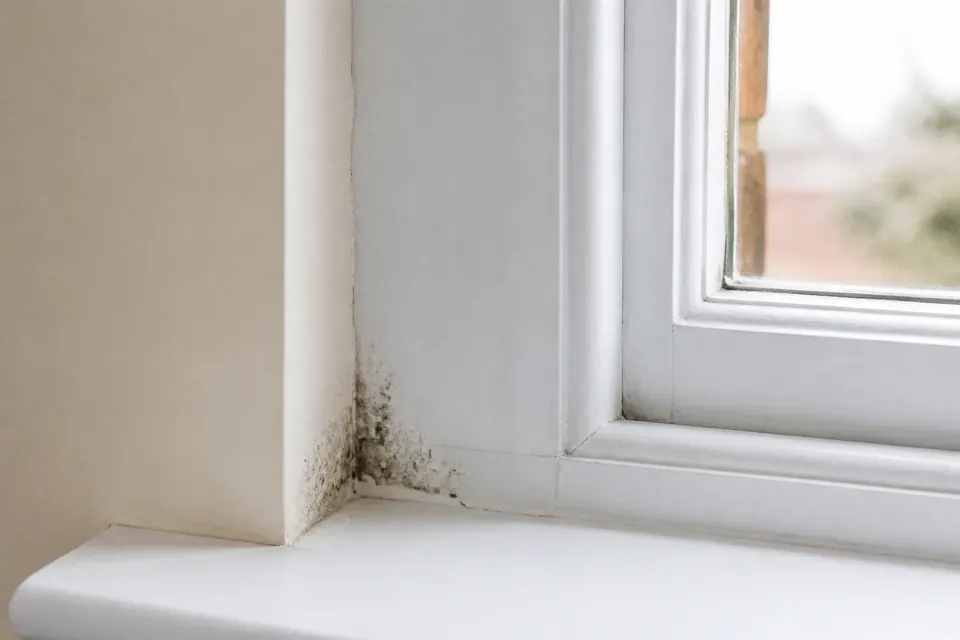
Ask which window and which part of its surround is affected. A description such as left reveal, viewed from inside, helps prevent confusion when several images arrive together.
Have the occupant distinguish a ceiling mark from an affected seal or painted wall. These surfaces need not share the same suitable treatment or material condition.
Use an agreed room name rather than assuming everyone calls it the main bedroom. Mention whether furniture currently obscures part of the affected face.
Identify the exposed surface and any known nearby water incident. A photograph of a whole kitchen may not show the detail needed to discuss the concern.
Record what has actually been noticed, including when it changed. Do not turn a message about a dark mark into a confirmed diagnosis as it is passed between contacts.
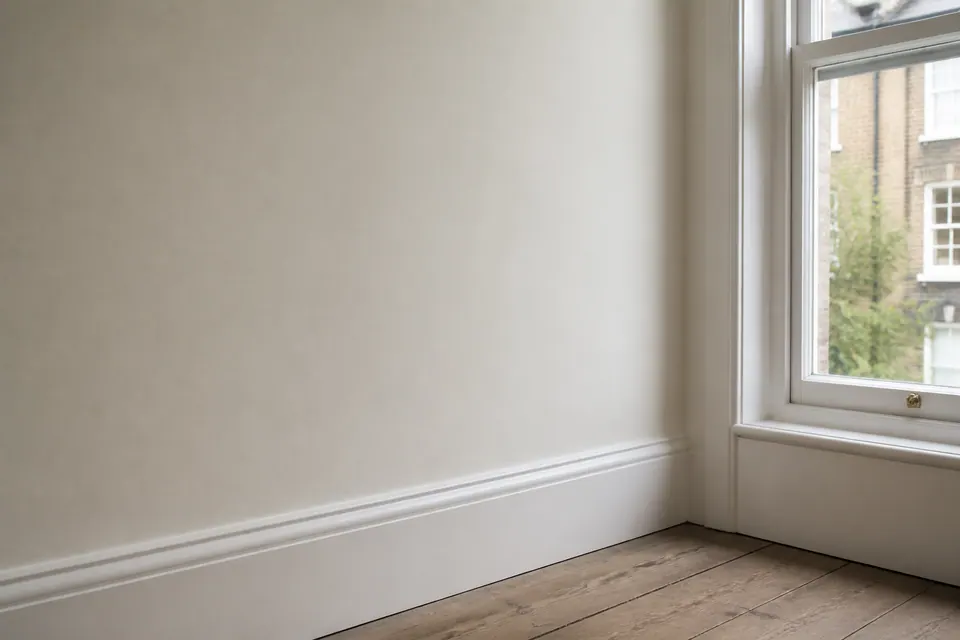
Ask for photographs from floor level. The person supplying evidence should not have to climb on furniture to produce a closer view for someone coordinating remotely.
Describe the visible internal face and what remains concealed. Do not request that fixed units be removed simply to complete an enquiry.
The aim is an accurate account of what is visible, not a complete diagnosis made by the occupant or the person booking.
08 / A CONTROLLED APPROACH
Bring current images and observations together so the enquiry concerns the same rooms for everyone involved.
Pass on the agreed instructions to the person who will carry them out. Do not rely on a third party guessing what needs moving.
The appropriate accessible surface work follows the assessed scope, not a broad instruction passed on without its details.
Make sure the appropriate contact receives any condition, moisture or return guidance rather than leaving it with somebody who cannot act on it.
Treatment, building work and room-use advice should not merge into one unsupported promise.
The present visible condition is recorded.
The suitable area and preparation are identified.
Relevant next steps reach the right contact.
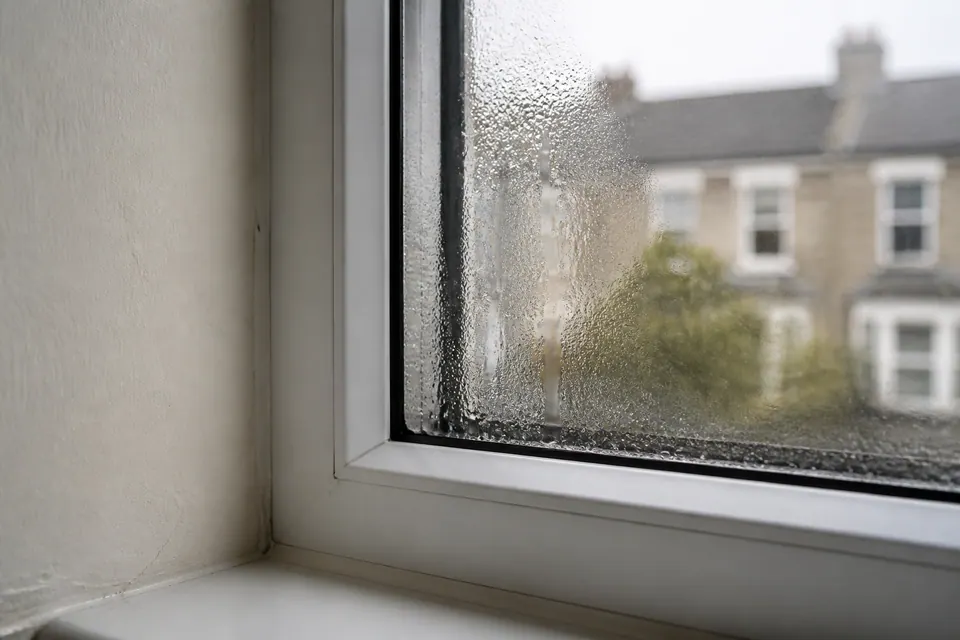
These pictures illustrate stages of a service enquiry; they are not a record of a Bristol customer’s treatment.
09 / WHEN IT COMES BACK
If the occupant says the mould is back, ask which mark they mean and whether it is the same face shown before. Include the date and what is known about earlier action. A general message about the room may conceal a different position or changed material condition.
Continuing moisture can allow growth to recur, but a forwarded message cannot establish the source. Keep confirmed repairs, wiping, treatment and decoration separately described so further assessment starts with an accurate history.
The room, the specific position, the date noticed and a current photograph are more informative than a conclusion that the entire earlier job has failed.
Bristol / PLAN THE APPOINTMENT
Provide the full postcode and ask about availability before organising a key handover or reserving time for somebody at the property.
Once a next step is proposed, confirm who will receive instructions and who can report changes before attendance.
Load the area map.
Bristol / BEFORE BOOKING
Keep information current and practical when you are arranging help remotely.
That can help describe the present condition. Use clear labels and identify who can answer questions about what is visible now.
They may not show the current concern or its detail. Ask for recent views of the actual affected position where these can be obtained safely.
Clarify the room names and image labels before combining the reports. Do not assume two descriptions refer to one patch.
Only pass on what is established. Separate their observation from a possible cause or a diagnosis made by somebody qualified to assess it.
Check that the person has received and can follow the agreed instructions. Possession of keys does not mean they know the treatment scope.
Avoid organising others around an unconfirmed visit. Check the Bristol postcode and wait for the proposed booking arrangements.
Make sure the new contact receives the current scope and relevant instructions, rather than relying on an old forwarded message.
A different position or surface needs clarification. Do not assume a price based on one image includes an unreported area.
Identify an appropriate contact who can act on it and share any relevant information with the occupant. Avoid relying on an informal chain of messages.
Bristol / MAKE THE ENQUIRY CLEAR
Send the postcode, labelled images and the appropriate contact information. Ask which next step is available before making arrangements at the property.
Illustrative interiors are used to explain property concerns; they do not show completed jobs or confirm local appointment availability.
