
An occupied home
The person using the room may have the latest observations. Make sure those are available to the booking contact.
Reading / CONFIRM THE ADDRESS
A useful enquiry starts with the property, not an assumed visit.
Send the Reading postcode and ask whether attendance can be offered before arranging access. Include the current affected finish and history so any next discussion concerns the actual room and practical work required.
Postcode · current evidence · practical contact
01 / WHEN IT COMES BACK
If the condition changes while arrangements are being discussed, send a dated update for the same position. An older photograph may no longer describe the area or preparation needed.
Include known work and actual water observations between appearances. Continued moisture may be relevant, but recurrence should not be turned into an assumed diagnosis or a guaranteed repeat-visit solution.
Say what has changed in the finish or access and what remains unknown. Keep the proposed appointment distinct from confirmation that every moisture issue has been resolved.
Reading / ACCESS & PEOPLE
The person using the room may have the latest observations. Make sure those are available to the booking contact.
Identify who can provide entry and answer questions about the photographs. An address alone does not supply a practical access arrangement.
Separate the affected positions and any other proposed work. One enquiry should not blur different material or repair requirements.
Provide current views and practical restrictions, while confirming the appropriate booking contact.
Keep availability, scope and access confirmations distinct. Pass preparation guidance to the person at the property.
Clarify treatment expectations and separate reinstatement or investigation needs. This page does not determine legal repair responsibility.
03 / DIRECT ANSWERS
No. Ask about the complete postcode before planning a visit. A published service description is not confirmation of attendance at a particular address.
Current room-labelled photographs, approximate affected dimensions, the finish where known and relevant recurrence or water history help define the enquiry.
Small suitable accessible areas may be quoted from photographs. Multiple, recurring or complex concerns can require assessment or a specialist quotation.
No invented city-based price should be assumed. The actual suitable area, material, preparation and access determine the proposed scope and quotation route.
Painting is not a substitute for mould treatment. Ask what preparation is appropriate rather than altering the condition before its suitability is discussed.
Report the date and current position, with confirmed work or water observations. Recurrence can raise moisture questions without proving a specific cause.
Raise the other address separately. Availability, condition and access need their own confirmation rather than being added by assumption.
Request the applicable instructions once the actual method and work are agreed. Neither the location nor a proposed arrival time establishes a generic return period.
04 / A CONTROLLED APPROACH
Check the postcode and review current evidence of the affected room. Identify any missing condition or access information.
Establish suitable assessment or treatment arrangements and preparation instructions before the household relies on a visit.
Treat the suitable accessible area within the confirmed scope. Other properties or repairs remain separate requests.
Clarify remaining marks, applicable return guidance and questions outside the surface work. A completed visit is not a whole-property guarantee.
The illustration does not promise availability, a particular date or permanent removal.
Provide the address and current condition.
Identify the suitable accessible area.
Understand instructions and remaining questions.
The sequence is illustrative and does not document a customer booking or verified treatment outcome.
Reading / THE PROPERTY BRIEF
Do not plan from a generic London coverage assumption.
For the Reading address, first ask whether service availability can be confirmed. Then match the room photographs, dimensions and known history to the person who can provide entry. Avoid coordinating household changes or another contractor around a visit that has not been agreed.
Reading / PLAN THE APPOINTMENT
Send the full Reading postcode and wait for coverage and the proposed next step to be confirmed. Include the current access details when discussing the visit.
Coordinate access and any other work only after the arrangements are clear for this property.
Load the area map.
07 / QUOTATION, NOT GUESSWORK
Coverage and a quotation answer different questions. Once the enquiry can be considered for the Reading postcode, the current finish and affected area still need an appropriate scope rather than a presumed whole-property package.
Read the published quotation approach ↗| Current concern | Possible approach | Information needed |
|---|---|---|
| Small suitable accessible area | Photographic quotation where appropriate | Dimensions, finish and clear access view |
| Multiple or recurring areas | Assessment to define the scope | Distinct positions and relevant history |
| Complex damp or damaged material | Specialist quotation required | Unresolved condition and limitations |
Confirm availability, inclusions and the total before making arrangements. Do not infer a reserved slot, a fixed travel arrangement or an entire-property scope from an initial enquiry.
08 / SEPARATE THE QUESTIONS
Describe observations and known events at the actual property. No cause or treatment method follows simply from a Reading address or a general description of the service.
| Visible concern | Relevant information | Question for assessment |
|---|---|---|
| Spots beside an opening | Where water is actually noticed | What conditions affect the finish? |
| Bathroom marks returning | Dates and earlier work | Is further moisture assessment needed? |
| A stain following an incident | Confirmed event and repair status | What remains damaged or wet? |
| A mark in a restricted position | The accessible view and material | What suitable area can be reached? |
Even where attendance is confirmed, surface treatment does not automatically include plumbing repairs, structural investigation, replacement materials or decoration. Those questions need separate clarification.
A location-specific enquiry should preserve the distinction rather than assume one visit resolves both.
| Question | Mould | Damp |
|---|---|---|
| What is described | Growth on an affected finish | An excess-moisture condition |
| Evidence to provide | Current position and extent | Known events or water observations |
| Why both matter | Treatment does not complete every repair | Continuing moisture may allow recurrence |
| What to clarify | Suitable accessible work | Any separate investigation or remedial need |
09 / LOCATE THE ISSUE
Location confirmation does not define treatment suitability. Use the selector to organise the visible concern, then explain the material and current condition in the Reading property.
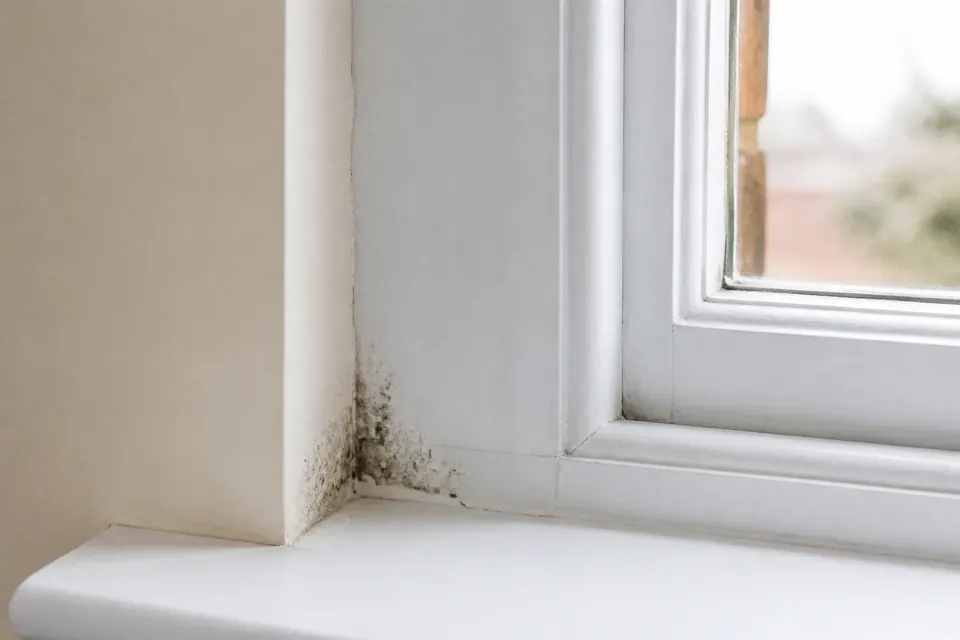
Show the frame and adjoining finish together. Identify where the mark lies and what water history is known without assuming a window fault.
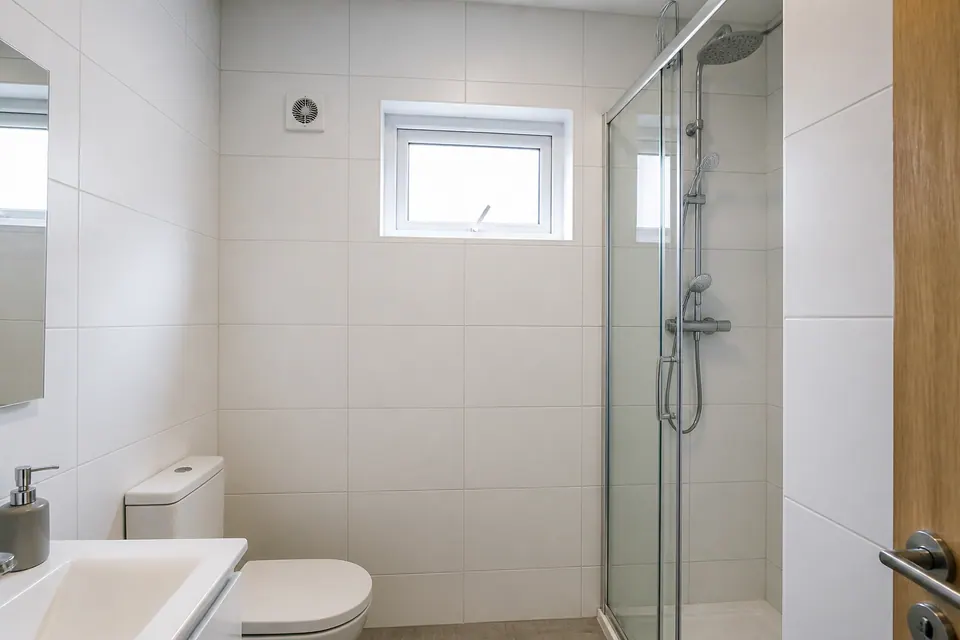
Name the painted, tiled or other affected finish and describe recurrence. The room label alone cannot provide a reliable quotation or timetable.
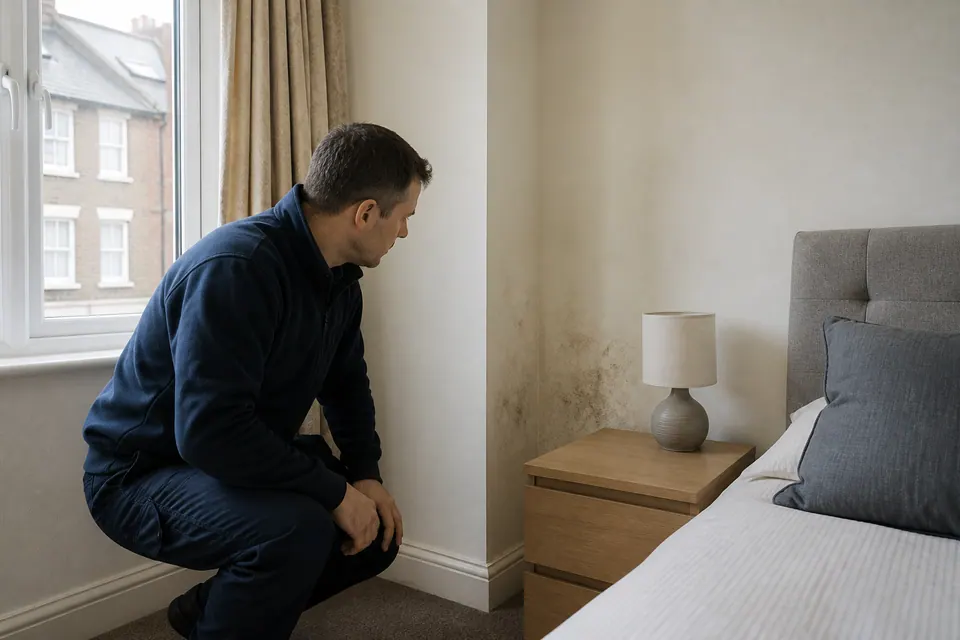
Include nearby furniture and the current use of the room. Preparation and return arrangements should relate to the actual occupied space.
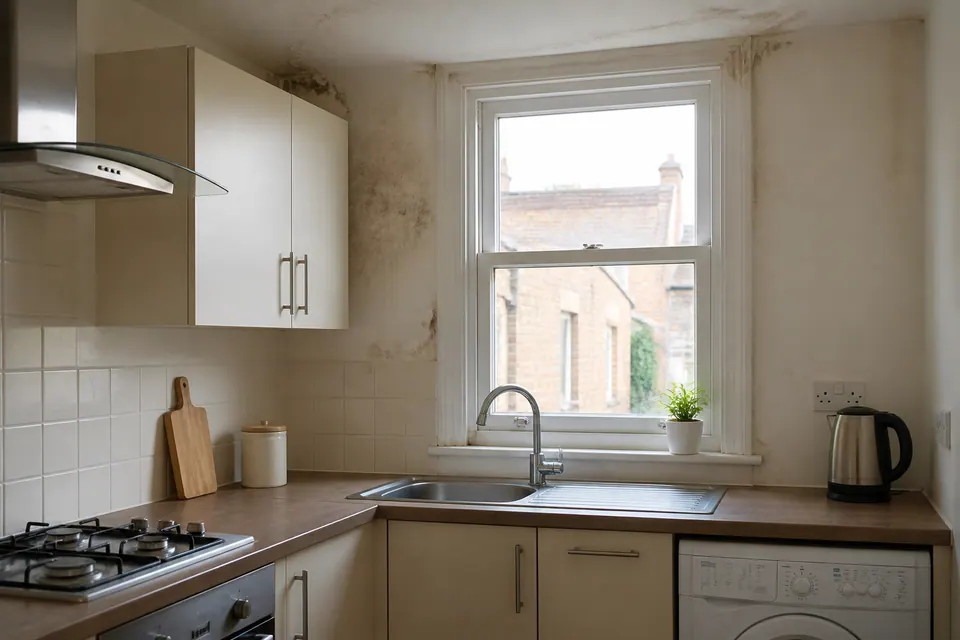
Show fixed fittings that limit the exposed area and separate confirmed plumbing information from guesses about the nearest pipe.
Include an unaffected part of the same finish for context. A decorative mark and material damage may require different decisions.
Label each position separately. The property’s floor area is not a measure of the wall or ceiling actually being considered.
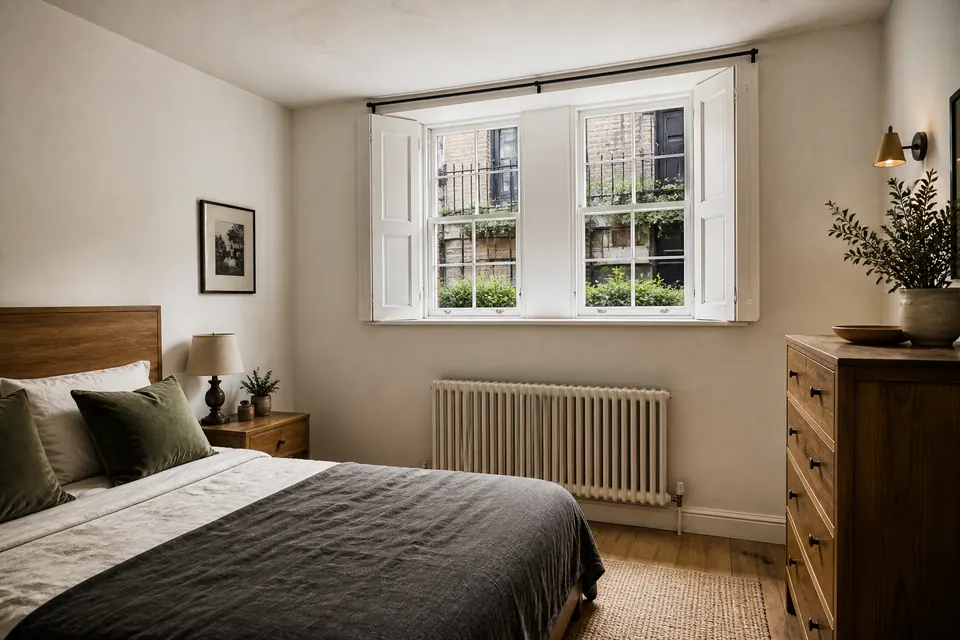
Explain what is visible and where the view ends. Do not treat an inaccessible continuation as a confirmed treatment quantity.
The address identifies the enquiry; it does not diagnose the condition, establish suitability or reserve a visit.
10 / ROOM-BY-ROOM CONTEXT
Identify the finish and any recurrence rather than asking for a standard room allowance.
Explain furniture clearance and normal use for the proposed arrangements.
Describe fixed units and confirmed water history without diagnosing nearby fittings.
Show the current coating and visible boundary in context.
Clarify whether the section belongs in the request and who can authorise access.
Give actual water history without inferring a structural cause from floor level.
Reading / BEFORE BOOKING
Confirm the actual property and next step before relying on a visit.
Yes. Send the complete property postcode and ask what attendance can be offered before arranging access.
Yes, it helps clarify the address-specific availability question before practical arrangements are made.
Wait for the proposed next step and availability to be confirmed. Sending images is not the same as reserving a visit.
Identify the appropriate access contact and ensure current observations and preparation information reach the relevant people.
No. Describe distinct affected positions and ask which areas form the proposed scope rather than assuming a whole-property quotation.
Include relevant confirmed work and dates, but distinguish them from proof of the present material or moisture condition.
Report the change with a current image and position so the proposed work can be clarified if necessary.
No. Explain separate investigation, repair or reinstatement requirements and confirm their own arrangements.
No permanent result should be inferred. Continuing moisture or other unresolved conditions can require separate attention.
Reading / CONFIRM BEFORE ARRANGING
Send current evidence and ask which next step can be offered for the address. Clarify the scope before organising access or other property work.
The images are illustrative property settings, not proof of local attendance or completed Reading customer treatments.
