
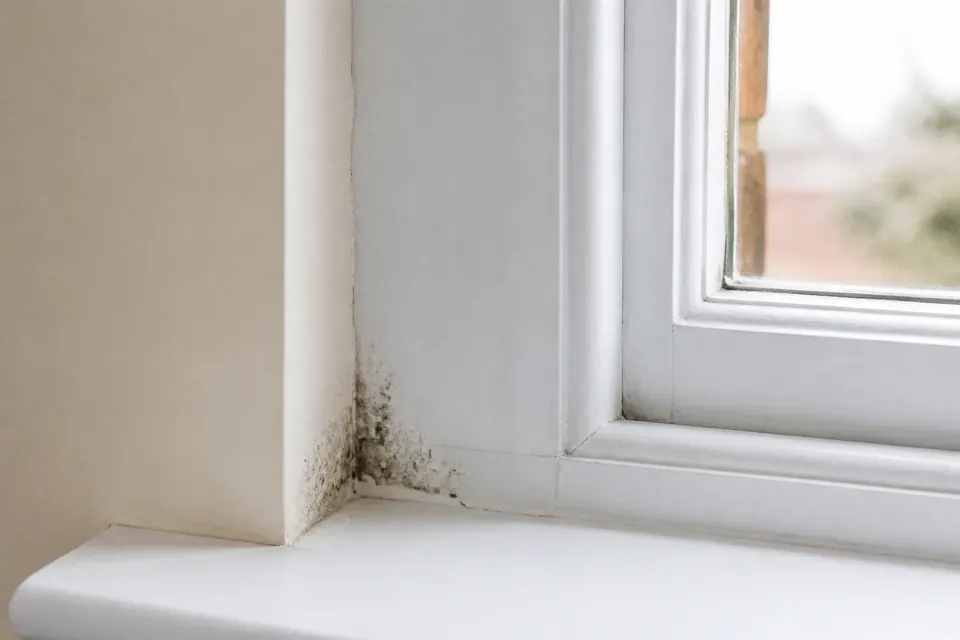
Window-surround decoration
Show the reveal and frame separately. Repainting the surrounding plaster and repairing a timber component are different tasks from treating suitable growth.
Oxford / BEFORE REDECORATION
The next coat should not hide the question you need answered.
If decoration is planned around a marked surface, first explain the current finish and any deterioration. Check availability for the Oxford postcode and clarify suitable treatment before relying on a painting date or a promised uniform appearance.

Existing finish · realistic outcome · separate tasks
01 / LOCATE THE ISSUE
Locate the marked area and explain the existing coating, not only the proposed colour or covering. The current material determines the questions needing assessment.
Show the reveal and frame separately. Repainting the surrounding plaster and repairing a timber component are different tasks from treating suitable growth.
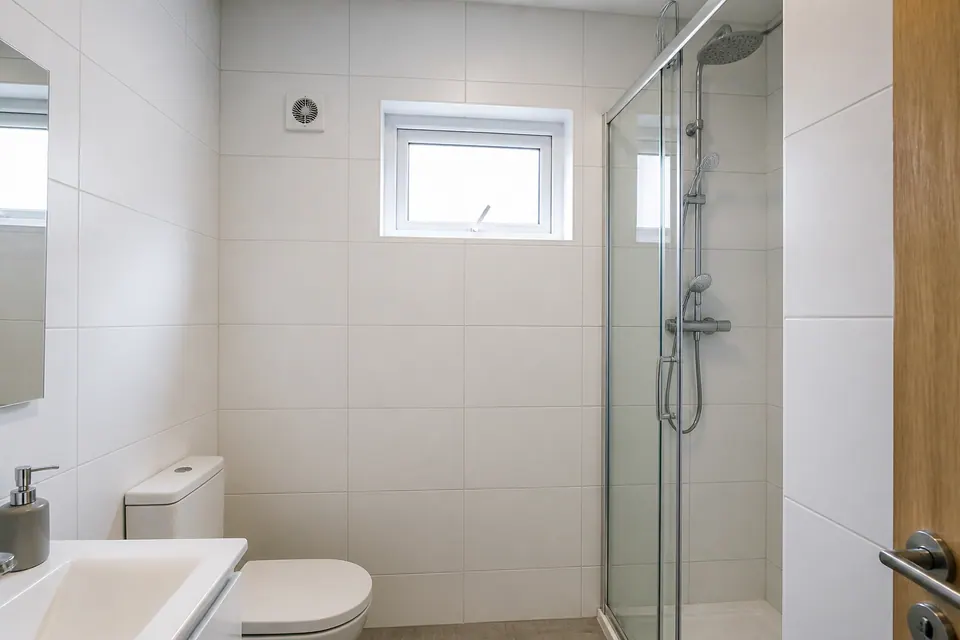
Describe peeling, blistering or recurring spots on the current coating. A bathroom paint label does not, by itself, resolve the underlying condition.
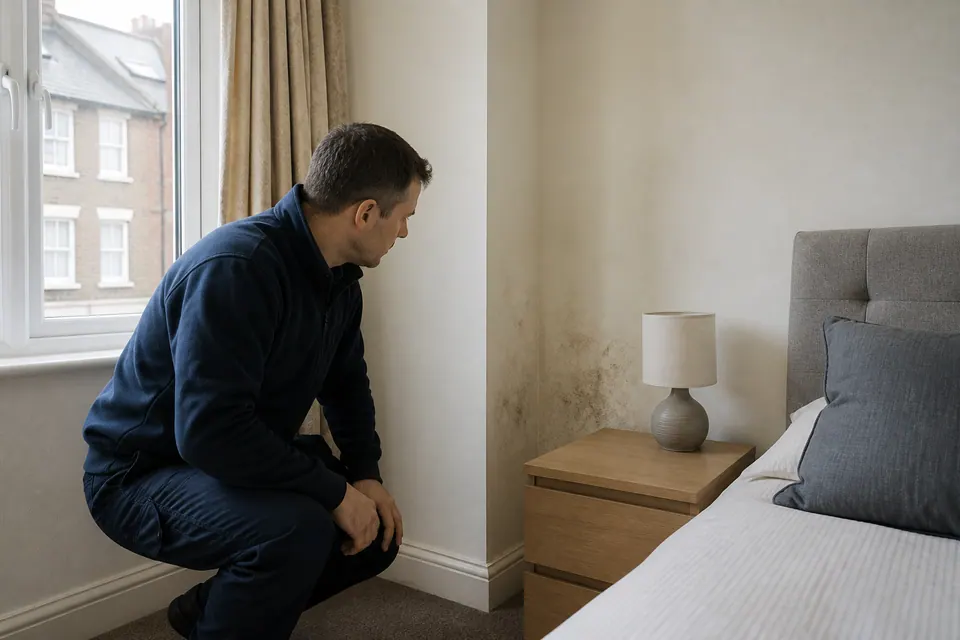
Identify the existing covering and visible damage without stripping it for the enquiry. Later replacement or decorative matching should be separately clarified.
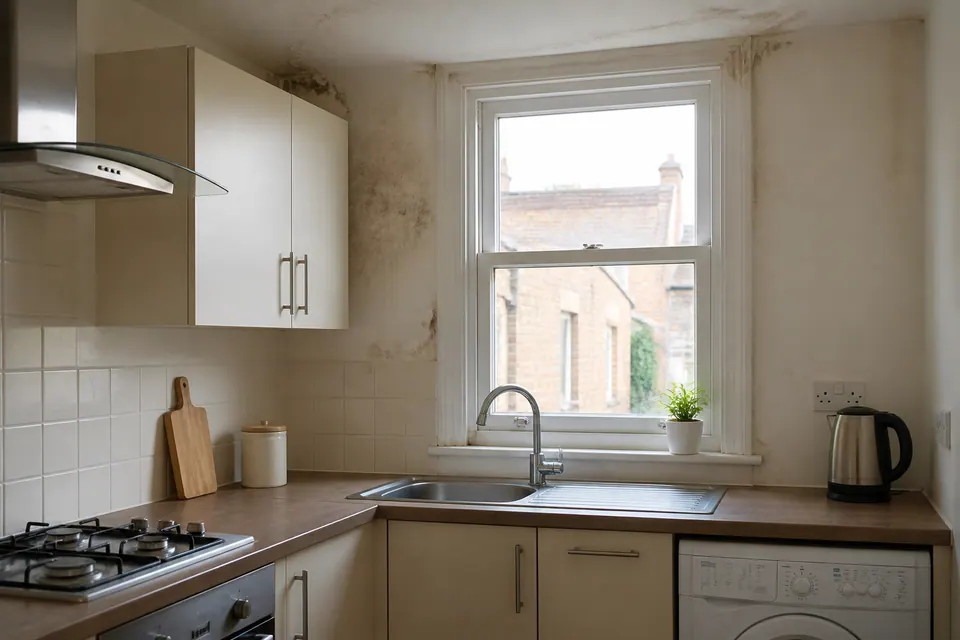
Show the affected face and adjoining fittings. A proposed splashback or new coating does not establish the condition of the material it would cover.
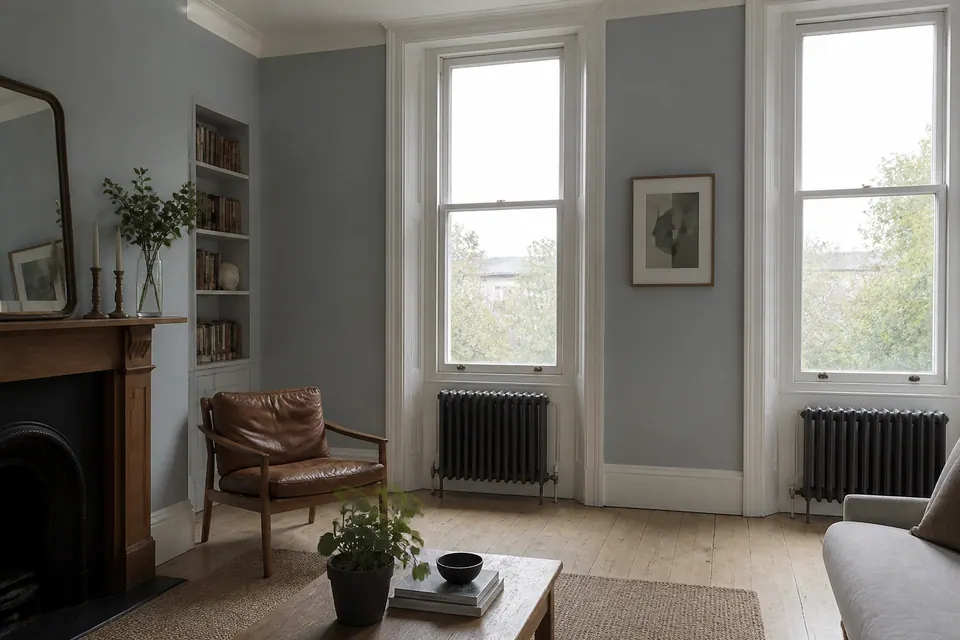
Mention delicate texture, paper or other known finish. The desired appearance should not be mistaken for an outcome automatically included in mould treatment.

Photograph the present condition from an accessible viewpoint. Loose material or an unresolved water issue may require another decision before decoration.
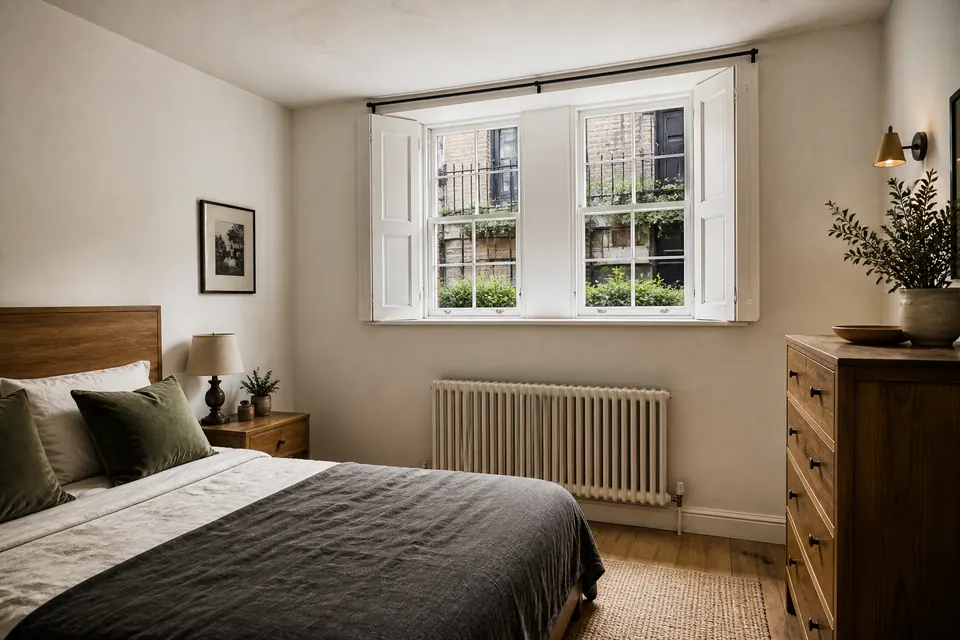
Identify the exposed lining and any unknown backing. Replacing a covering is not evidence that an unseen concern has been addressed.
A proposed new finish does not diagnose the present mark. Keep the condition visible in the enquiry and ask what sequence is appropriate.
Oxford / THE PROPERTY BRIEF
A decorating schedule should follow clarity, not replace it.
Confirm whether the Oxford address can be served and provide current photographs before the surface is changed. If a decorator is already involved, explain what has been proposed without treating that proposal as evidence of readiness. Ask what may remain after treatment and what belongs to separate reinstatement.
03 / SEPARATE THE QUESTIONS
Painting can change appearance without answering the moisture or material question. Describe the visible condition and known events before assuming another layer is the next appropriate step.
| Visible condition | Relevant history | Question to clarify |
|---|---|---|
| Spots on an intact painted face | First appearance and recurrence | What suitable treatment is appropriate? |
| Marks showing through a newer layer | When it was applied | What condition remains beneath the changed appearance? |
| Peeling around an old stain | Known water exposure or repairs | Does the coating need separate reinstatement? |
| A decorative covering with altered edges | Material information, if available | Is the finish suitable or damaged? |
Removing suitable growth may leave staining or material damage. Repainting, replacing coverings and matching a finish should not be inferred from the surface-treatment quotation.
The assessment concerns condition, not simply the appearance intended for the room.
| Question | Mould | Damp |
|---|---|---|
| What is described | Growth on an affected finish | Excess moisture in the material or setting |
| What can be recorded | Current spots and coating changes | Known incidents or continuing wetness |
| Why both matter | Removal does not restore every decorative layer | Continuing moisture can affect later results |
| Next decision | Agree suitable treatment and its limits | Clarify any separate moisture or repair need |
04 / DIRECT ANSWERS
Painting is not a substitute for appropriate mould treatment and consideration of moisture. Clarify the existing condition before applying another layer.
Do not assume that. Residual staining or damaged decoration can remain a separate issue even where suitable growth has been treated.
Ask about the appropriate next step rather than removing material for the enquiry. Describe visible edges and any damage already present.
Small suitable accessible areas may be considered from photographs. Multiple, recurring or complex concerns can require assessment or a specialist quotation.
Clarify the finish, remaining condition and applicable instructions first. The end of a visit is not a universal confirmation that painting can begin.
Continuing moisture or other unresolved conditions may be relevant. Give the dates and observations without assuming that another coat will solve the cause.
No replacement or reinstatement should be assumed within surface mould removal. Identify those requirements separately before arranging work.
No. Check the complete postcode and availability before coordinating Alesta’s proposed next step with another contractor.
05 / QUOTATION, NOT GUESSWORK
A treatment price and a redecoration price may refer to different results. Explain the current suitable area and the appearance you hope for, then ask which parts belong in separate work rather than assuming one total covers everything.
Read the main treatment and quotation scope ↗| Present concern | How it may be considered | Important distinction |
|---|---|---|
| Small suitable accessible patch | Photographs may support a quotation | Treatment rather than complete redecoration |
| Several or returning areas | Assessment to define the scope | Current condition rather than old paint coverage |
| Damaged material or complex damp | Specialist quotation required | Separate repair or replacement needs |
Confirm availability, included surfaces and limitations before agreeing a timetable. A request for a newly decorated room is broader than a request to treat suitable accessible growth.
06 / A CONTROLLED APPROACH
Consider current photographs, coating condition and relevant history before defining what treatment is suitable.
Clarify what should remain undisturbed and which decorative tasks are separate. Do not assume stripping or painting is required before the visit.
Carry out the accessible surface work in the scope. Damaged or unsuitable layers may need another decision.
Distinguish treated growth, remaining stains and repair questions so later decoration is not planned from an unsupported assumption.
They describe the treatment enquiry and its limits, not a guaranteed cosmetic transformation.
Record the mark before changing the coating.
Work on the assessed suitable finish.
Clarify remaining decorative requirements.
This sequence is illustrative, not customer before-and-after evidence or a promise of permanent appearance.
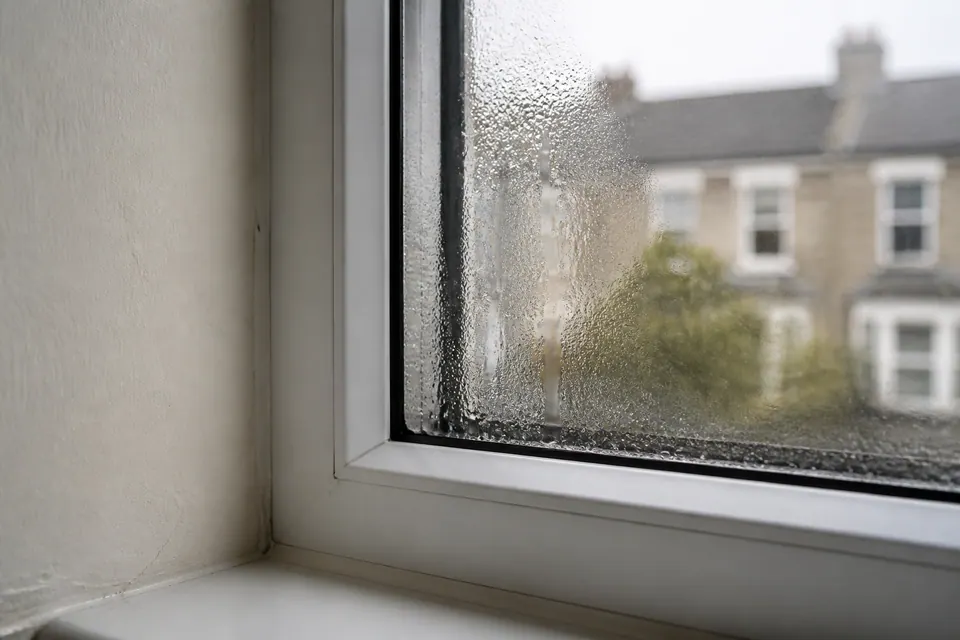
07 / WHEN IT COMES BACK
If spots show again after painting, record when the coating changed and when the marks were noticed. A later layer can alter visibility without establishing whether the underlying conditions have changed.
Include confirmed water events, repairs or treatment separately from decoration. Recurrence may require further assessment, not an automatic recommendation for another product or colour.
State what was painted, what was treated and what was repaired. Those descriptions should not become interchangeable in the account of earlier work.
08 / ROOM-BY-ROOM CONTEXT
Describe the coating’s condition before choosing another paint layer.
Identify paper or painted surfaces without stripping them for a photograph.
Keep the exposed wall and proposed covering distinct from plumbing or fitting work.
Mention delicate decoration and any requirement for separate reinstatement.
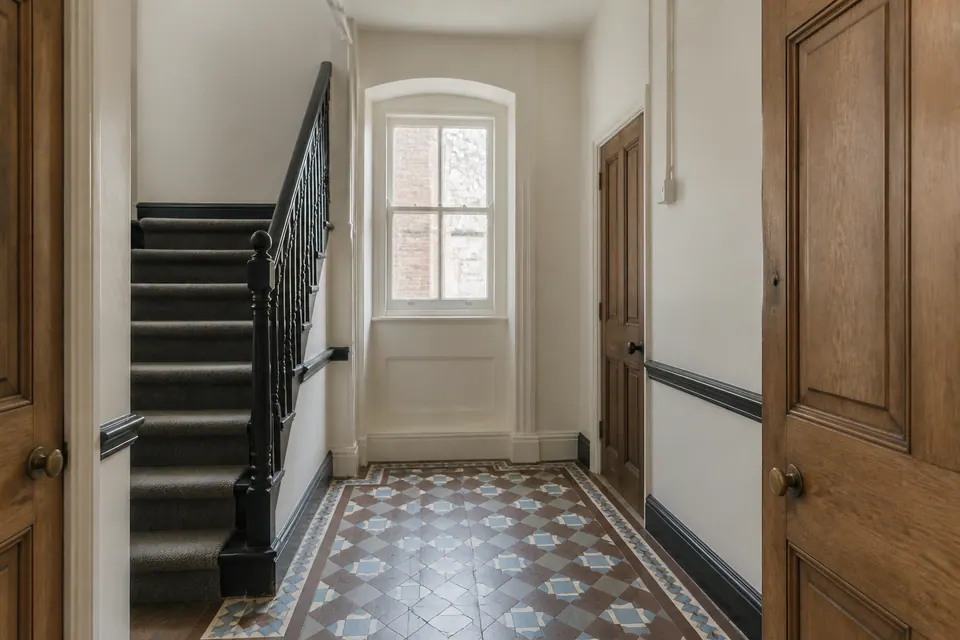
Clarify the authorised work area before including decoration of common surfaces.
Provide actual moisture history rather than assuming a new covering addresses the condition.
Oxford / ACCESS & PEOPLE
Explain the proposed date, but keep it conditional on understanding the existing finish. A convenient booking should not override suitability.
Identify what is known about the covering or coating. Do not assume a standard method or a matched reinstatement result.
Share available information about what was applied and when, without treating a second-hand description as a complete specification.
Describe current marks and changes through earlier layers. Confirm booking arrangements without inferring legal responsibility from the appearance.
Keep the treatment request and decorative proposal separately identified. Ensure preparation instructions reach the person providing entry.
Ask what realistic appearance can follow the assessed work and which remaining tasks require separate agreement.
Oxford / PLAN THE APPOINTMENT
Ask whether the Oxford postcode can be served before arranging treatment or relying on a decorating sequence. Include current condition and any proposed separate work in the initial message.
Do not treat a general service description as confirmation of attendance at the Oxford property or readiness for repainting.
Load the area map.
Oxford / BEFORE BOOKING
Clarify the existing condition before relying on the next layer or appointment.
Current views can help show the condition being discussed. Ask about preparation rather than changing the finish first and assuming the original concern remains assessable.
Do not assume decorative matching is included. Explain the desired result and clarify any separate reinstatement requirement.
Describe that deterioration separately from spotting and avoid disturbing it for the image. The suitable treatment and repair decision may differ.
Do not use the terms interchangeably. State what was actually done where known and leave uncertain methods clearly uncertain.
Clarify suitability, remaining condition and applicable instructions first. A treatment time does not establish a universal decoration interval.
Give an ordinary description and any reliable records. Do not invent a specification or strip material simply to identify it.
No such appearance should be assumed. Staining and damage can remain separate from the removal of suitable growth.
Provide the complete postcode and request availability before coordinating access or other work.
No permanent result should be inferred from decoration. Continuing moisture or other unresolved conditions may still need attention.
Oxford / CONDITION BEFORE COATING
Send the postcode, current photographs and known decorating history. Ask about availability, suitable treatment and any separate reinstatement before committing to a timetable.
The interior illustrations do not document customer decoration projects or guarantee a cosmetic treatment result.
