
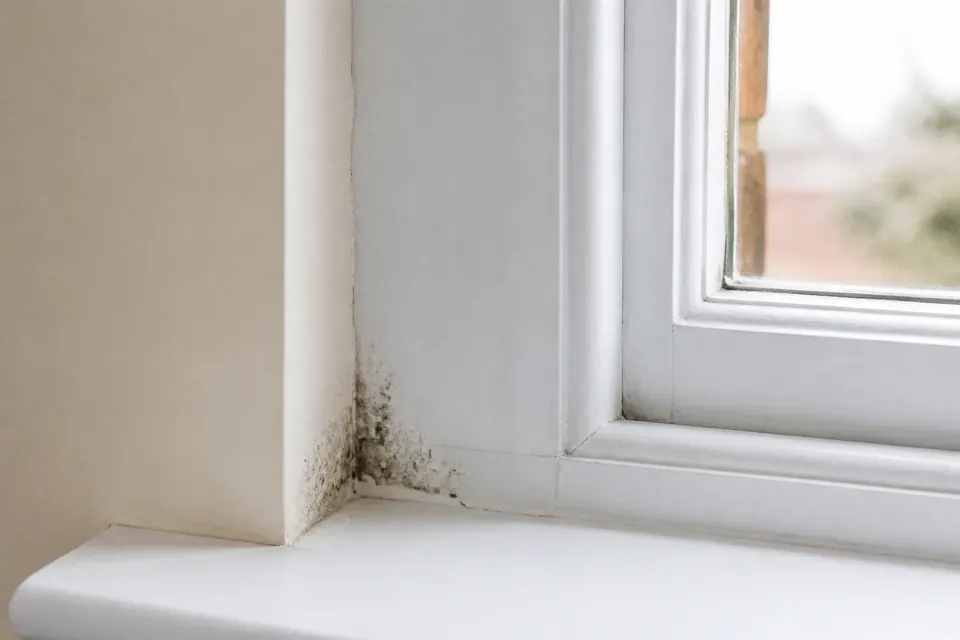
Cabinet beside a window
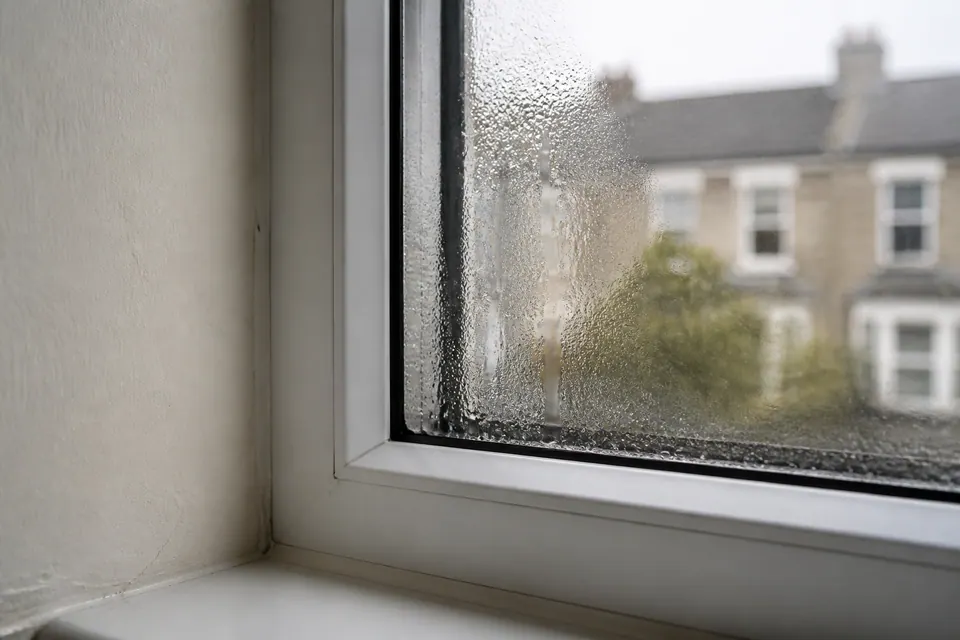
Show the window edge and cabinet position without pulling it away. Identify the visible material and any actual water observations at the frame.
Borehamwood / FURNITURE CLEARANCE
The wall you can see may not be the wall you can reach.
A large cabinet can leave a patch visible while preventing practical access to it. For Borehamwood, confirm postcode availability and explain the furniture arrangement before anyone attempts to expose more of the wall or promises a cleared treatment area.
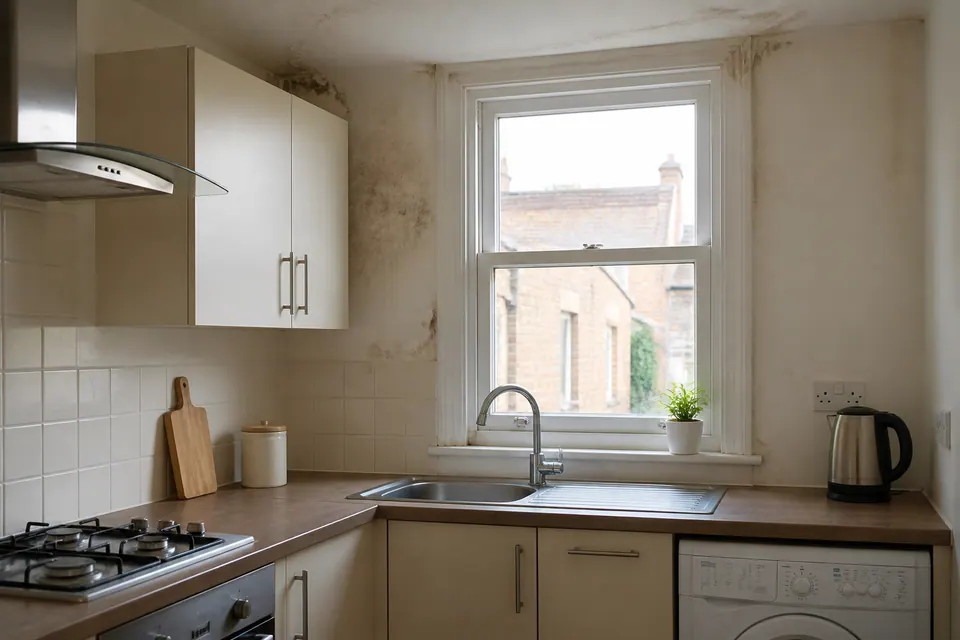
Furniture position · visible extent · movement limits
01 / LOCATE THE ISSUE
Choose the room setting and describe the furniture or fitting. The access plan should match the actual object rather than assume everything can be shifted.
Show the window edge and cabinet position without pulling it away. Identify the visible material and any actual water observations at the frame.
Explain whether the unit is fitted and whether services are connected. Removal or alteration of a fixed unit is not assumed in surface treatment.
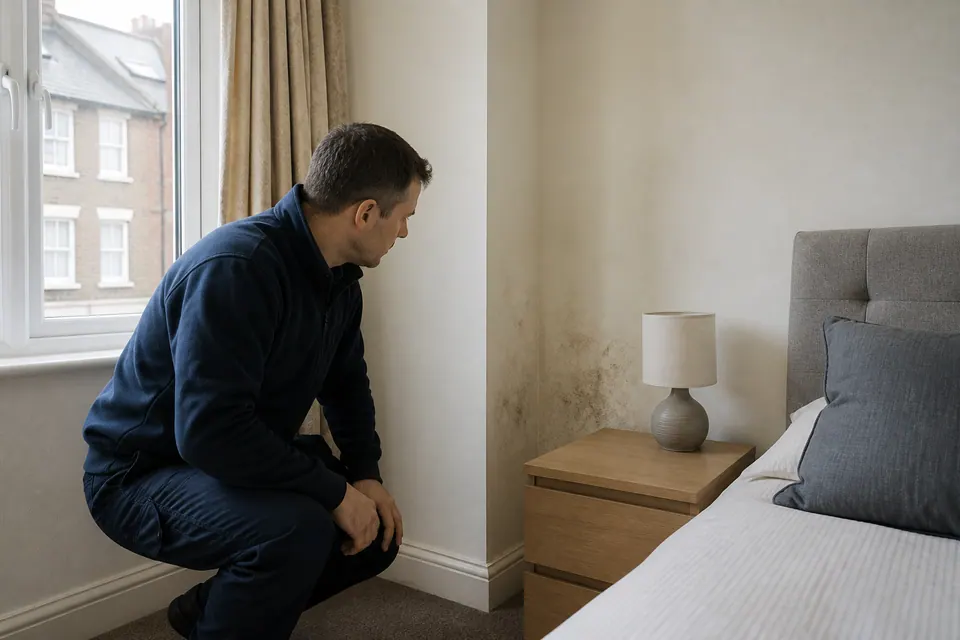
State whether it is attached to the wall and what view is available. Do not move a heavy wardrobe merely to supply a closer image.
Distinguish freestanding furniture from connected appliances or fixed units. Their movement may require separate arrangements beyond a removal visit.
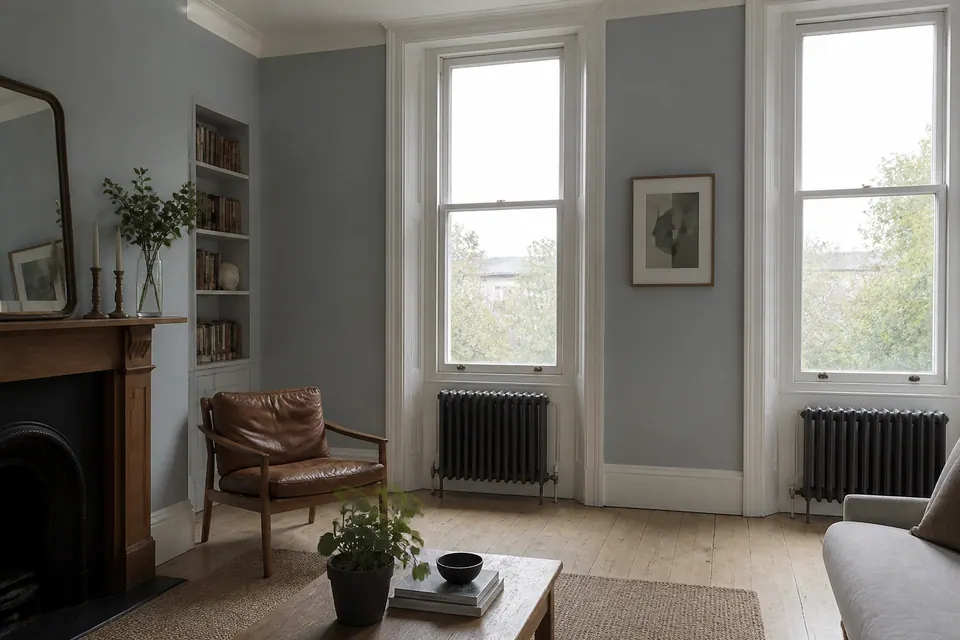
Show floor space around the object and the visible patch boundary. Contents and potential furniture damage should be discussed separately from the wall.
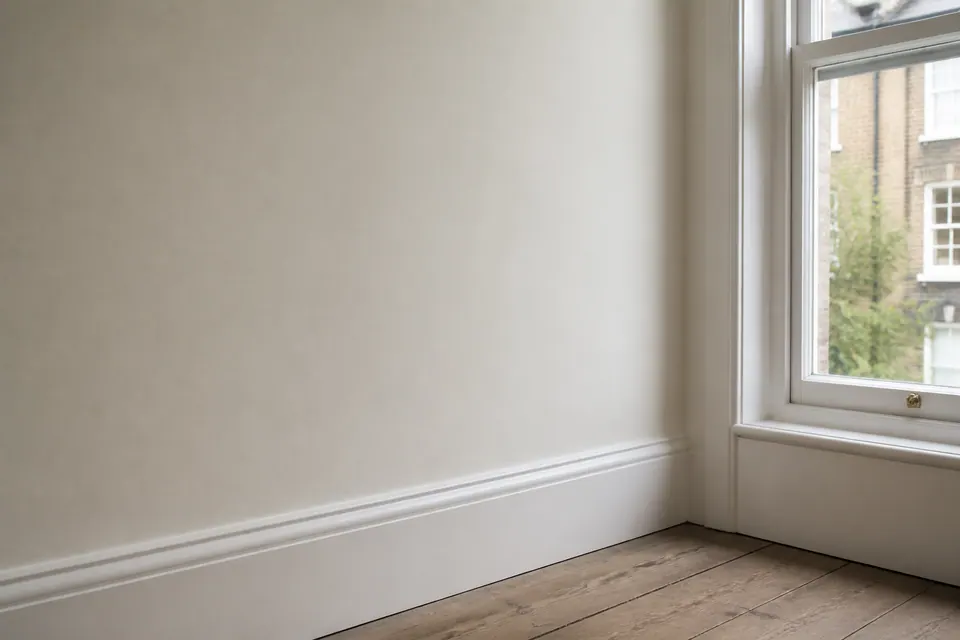
Photograph from a normal safe position. Do not use the furniture as a platform or assume moving it alone solves high-level access.
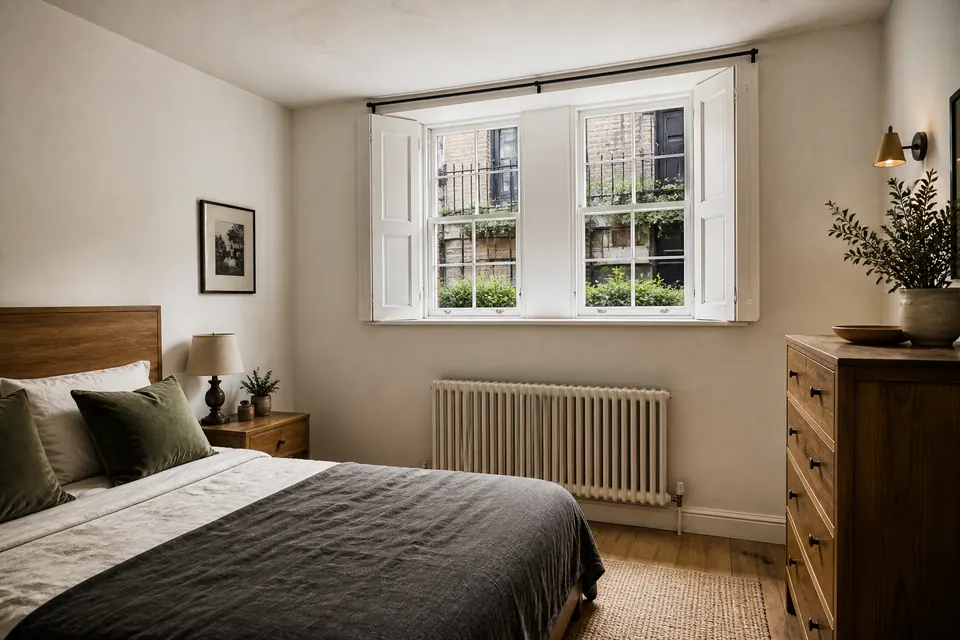
Identify fixed panels and the exposed edge. A hidden wall should not be described as measured growth before appropriate access and assessment.
These details help plan preparation. They do not establish the moisture cause or automatically include furniture work in the service.
Borehamwood / THE PROPERTY BRIEF
Do not let the appointment depend on an unplanned lift.
Confirm availability for the full Borehamwood postcode, then describe the cabinet, its fixing and the visible finish. If movement would need assistance, say so before the date is agreed. The treatment proposal should distinguish the wall surface from furniture handling and any hidden material that may only become visible after a separately arranged preparation step.
03 / SEPARATE THE QUESTIONS
A patch beside furniture still needs a material and moisture history. The cabinet’s presence should not become an automatic explanation for growth.
| Observation | Access detail | Question to clarify |
|---|---|---|
| A narrow strip beside a wardrobe | The object is fixed or heavy | What can be assessed without moving it? |
| Marks above a tall cabinet | Limited safe approach to the height | What working access is appropriate? |
| Visible change behind an open unit edge | Only part of the wall can be seen | What remains unassessed and uncertain? |
| Furniture itself appears affected | A separate contents or item concern | Does this need another handling scope? |
Moving, dismantling, restoring or disposing of furniture needs explicit discussion. A surface quotation should not silently depend on those tasks being carried out by the occupant or team.
An obstructed view limits what can be described, even when the room is otherwise accessible.
| Question | Mould | Damp |
|---|---|---|
| What is visible? | The exposed affected finish | Any observed wetness or known water event |
| What remains unknown? | The wall condition behind the object | Any concealed moisture path |
| Why plan movement first? | The accepted area may change after exposure | Access does not itself resolve water conditions |
| What must be agreed? | Suitable wall scope and practical clearance | Any separate handling or investigation work |
04 / DIRECT ANSWERS
Yes, with the wider furniture view and a clear statement of the limitation. Do not present it as evidence of the whole hidden wall.
No. Keep the present evidence available and seek preparation advice. Decoration does not resolve the unassessed condition behind the object.
No. Its position is context and an access constraint. Include known moisture observations and recurrence without assigning a diagnosis.
It may improve access, but material condition and newly visible extent can still change the appropriate scope.
Agree that explicitly. Do not assume the treatment team or occupant will undertake an unplanned lift or dismantling task.
Identify the fixing and connections. Alteration or removal may require separately arranged work rather than ordinary preparation.
Show what can be reached and ask about the proposed method. Do not assume treatment can extend behind it without access.
Only within the agreed accessible scope. Newly exposed or concealed concerns may need further assessment and a revised proposal.
05 / QUOTATION, NOT GUESSWORK
For Borehamwood, request coverage confirmation and show the visible wall with the obstructing object. The price discussion should identify what can be treated and what preparation must be arranged separately before the visit.
Check the main service scope ↗| Current area | Quotation route | Preparation information |
|---|---|---|
| Limited reachable wall surface | Photographs may support pricing | Actual clearance at the finish |
| Partly blocked or recurring area | Assessment informs the scope | Visible boundary and hidden limitation |
| Damage or major access work | Specialist or separate quotation may be needed | Movement, material or repair questions |
Confirm availability, preparation responsibility and exclusions. A wall quote does not automatically price heavy movement, dismantling or furniture restoration.
06 / A CONTROLLED APPROACH
Identify the visible patch, material and obstruction. State what cannot yet be assessed rather than extending the claimed area behind the object.
Clarify responsibility and any separate assistance or specialist task. Do not move heavy or potentially affected items on an assumed instruction.
Follow the suitable scope after agreed preparation. Newly visible damage or extent may require discussion before additional work.
Record treated areas and remaining inaccessible sections. Keep furniture condition and separate repairs distinct from the wall outcome.
The stages do not promise that every concealed section or the furniture itself has been treated.
Keep the obstruction in the evidence.
Avoid unplanned movement or dismantling.
Identify any area outside the completed scope.
The drawings illustrate preparation boundaries, not customer results or evidence that hidden material is unaffected.
07 / WHEN IT COMES BACK
If furniture is later moved and another marked area appears, explain that it was previously concealed. Do not automatically describe it as a patch that developed after the earlier treatment.
Compare the visible area with the recorded scope and known history. The appropriate question may concern newly available evidence rather than recurrence within the treated boundary.
It helps distinguish the surface that was accessible from what could not be observed before the furniture changed position.
08 / ROOM-BY-ROOM CONTEXT
A fitted unit may involve connections and fixed panels. Treat its removal as a question, not assumed clearance.
Wardrobes and beds can restrict the finish differently. Describe attachments, visible gaps and room-use needs.
Connected equipment and fixed cabinetry require explicit preparation decisions. Do not assume the wall team can move them.
Large storage units may need assistance and floor space. Include those limits with the affected-wall image.
Explain whether moving an object would affect an access route. Shared areas and permissions remain separate from private wall treatment.
Include stairs and movement constraints as well as known water history. The route can affect preparation without diagnosing the patch.
Borehamwood / ACCESS & PEOPLE
Describe its size and contents restrictions. Do not equate freestanding with safe for one person to move.
State known attachments and access limits. Dismantling or reinstatement should be separately agreed.
Identify that limitation before anyone attempts movement. A wall-treatment appointment is not assumed appliance or plumbing work.
Confirm preparation permissions and the authorised booking contact. Do not move or dispose of potentially affected furniture simply to demonstrate the wall.
Clarify who can provide assistance and access. A booking should not depend on an occupant being able to move a large item without agreement.
Separate wall removal from movement, furniture concerns and repairs. Confirm what will actually be ready before accepting an appointment.
Borehamwood / PLAN THE APPOINTMENT
Confirm service availability for the Borehamwood postcode before arranging furniture movement or a visit. Send the current arrangement and visible surface so the next step can be discussed realistically.
The map is town context only, not a coverage guarantee or a local office location.
Load the map if it helps explain the route to the property.
Borehamwood / BEFORE BOOKING
Agree the movement plan before promising that a concealed wall will be available.
Do not move a heavy or potentially affected item merely for the enquiry. Show the current view and ask what preparation is appropriate.
No. Request confirmation for the full postcode before planning a visit or arranging furniture movement.
State that clearly. Dismantling or releasing fixings is not automatically part of a surface-removal appointment.
That needs an explicit arrangement. Do not assume the occupant or treatment team will provide an unplanned handling service.
Describe it as unviewed rather than confirmed affected area. The scope may need review after appropriate access is available.
Report that separately. Wall treatment does not automatically include furniture cleaning, restoration, replacement or disposal.
Newly visible material or damage can change the proposed work. Confirm additions rather than assuming the whole revealed wall is included.
No such assumption should be made. Describe the connections and ask about a separate appropriate preparation arrangement.
Tell the booking contact in advance. A realistic revised plan is preferable to presenting inaccessible material as ready for treatment.
AGREE CLEARANCE BEFORE THE DATE
Send the postcode and a wider view showing the obstruction. Confirm coverage and preparation responsibility before moving the item or assuming a complete wall scope.
The interiors are illustrative and do not document customer furniture handling or treatment results.
