
Can a photograph lead to a quotation?
Small suitable accessible areas may be quoted from images. Multiple, recurring or complex concerns can require assessment; postcode availability must also be confirmed.
Watford / A PHOTO-LED FIRST ENQUIRY
Give the first enquiry enough context to be useful.
A tightly cropped photograph can show a mark without showing the room, material or access. For a Watford address, combine detail and room-wide views with approximate dimensions, then request postcode-specific availability before planning a visit.
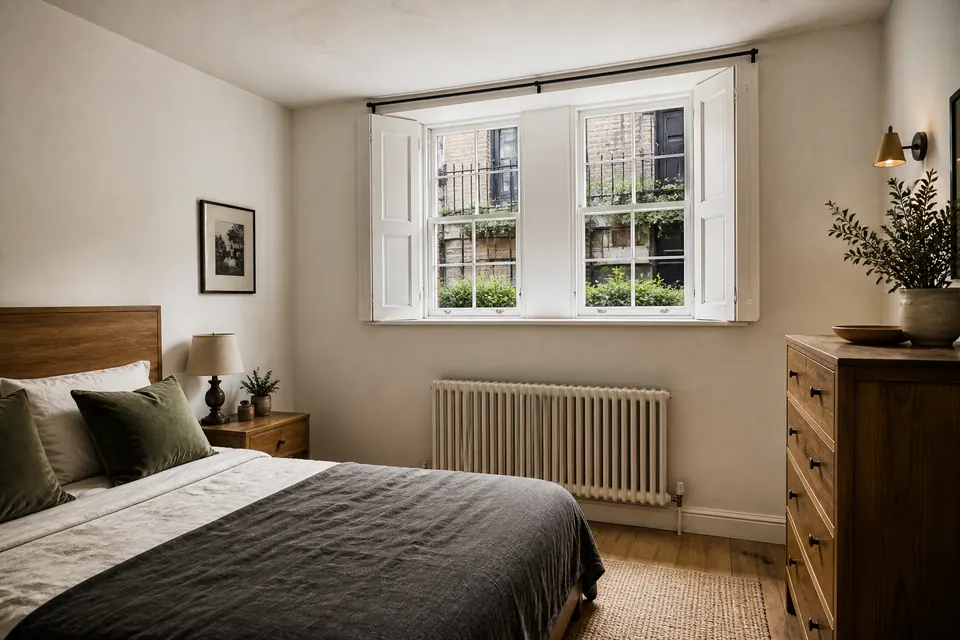
Wide view · detail · dimensions · history
Watford / THE PROPERTY BRIEF
A first enquiry should identify the property and the surface.
Start with the complete Watford postcode and ask whether the address can be served. Add a room-wide photograph, a detail view and the approximate affected dimensions. Explain any previous treatment or known water event in a short note. Do not arrange preparation or access until availability and the appropriate next step are confirmed.
02 / DIRECT ANSWERS
Small suitable accessible areas may be quoted from images. Multiple, recurring or complex concerns can require assessment; postcode availability must also be confirmed.
Do not alter it merely for the enquiry. Ask for preparation advice and show the current condition rather than a newly covered or scrubbed area.
Not by itself. Add the known interval, previous work and moisture observations so the recurrence is not interpreted from appearance alone.
No universal duration follows from an image. Extent, material, preparation and the accepted method determine the proposed timetable.
Show the existing arrangement safely and describe obstructions. Wait for handling guidance before moving potentially affected or heavy belongings.
State what is known and what is uncertain. Do not label an unknown board or covering as ordinary paint merely to simplify the request.
Yes, label them as the same area. The wide view provides location and access context that the close image can miss.
No. A photograph-supported surface enquiry is not a substitute for any necessary moisture investigation or repair assessment.
Watford / ACCESS & PEOPLE
Show its current use, visible finish and access. Avoid describing the whole property as affected from a single close-up.
Label each separately and identify duplicate views of the same area. A clear set prevents accidental double counting.
State what cannot be seen and why. Do not fill gaps in an image with an assumed hidden condition.
Share factual photographs with the authorised contact and confirm booking permissions. Images alone do not determine legal repair responsibility.
Add relevant maintenance information to the correct room record. A generic property history may not explain the surface shown.
Use the evidence to ask which work is appropriate. Keep any repair, material replacement or decorative expectation separate from photo-supported surface pricing.
04 / A CONTROLLED APPROACH
Match wide and detail images to the room reference, note material uncertainties and confirm whether further assessment is required.
Discuss access and contents using the actual room view. Do not prepare for an assumed method before the scope is accepted.
Proceed only within the accepted accessible scope and confirmed arrangements. Newly identified damage may need a different decision.
Keep the treated area and any remaining limits clear. Distinguish the visit result from questions that photographs or surface work cannot resolve.
The sequence explains the decision process without promising that photographs alone answer every question.
Keep room context and visible boundaries together.
Do not extend treatment to unassessed hidden areas.
Identify staining, damage or separate moisture work.
The illustrations are not customer results or evidence of a diagnosis made from photographs alone.
05 / QUOTATION, NOT GUESSWORK
For Watford, confirm address availability and submit a coherent photo set before making visit arrangements. The proposed price should reflect the assessed surface, not a diagnosis inferred from one isolated image or the floor area of the room.
Review the published quotation approach ↗| Evidence supplied | Possible pricing basis | What to add |
|---|---|---|
| Small suitable accessible area | Photographs may support a quote | Material, dimensions and clearance |
| Several or returning areas | Assessment informs the proposal | A separate labelled record for each |
| Damage or complex moisture concern | Specialist quotation may be required | Known events and visible deterioration |
Confirm availability, total and inclusions before booking. A photo-led discussion does not imply a fixed price, guaranteed diagnosis or coverage at an unchecked address.
06 / ROOM-BY-ROOM CONTEXT
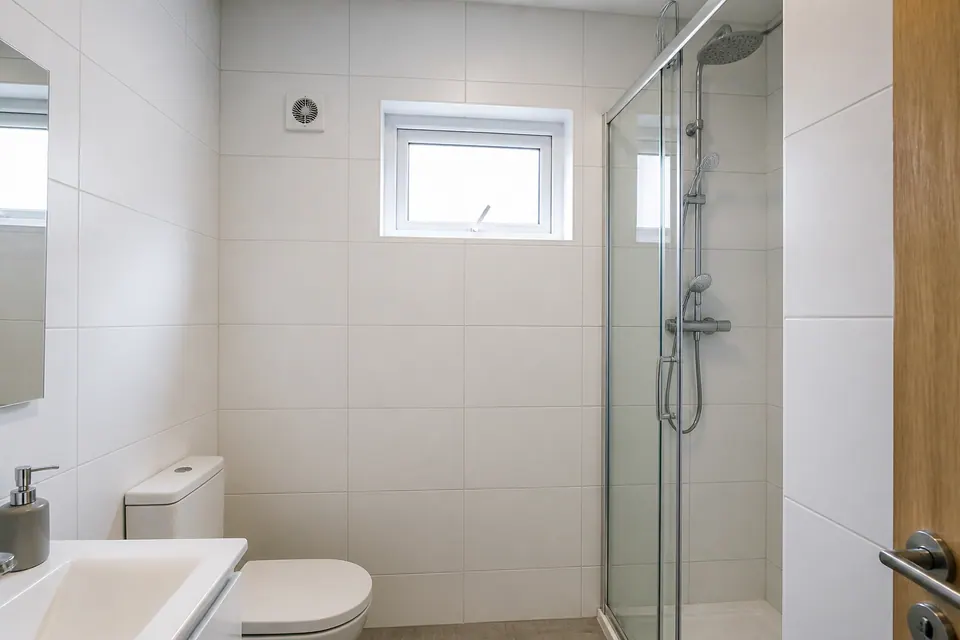
Show the position relative to fittings and describe the material. A close image alone may omit damage or access limitations.
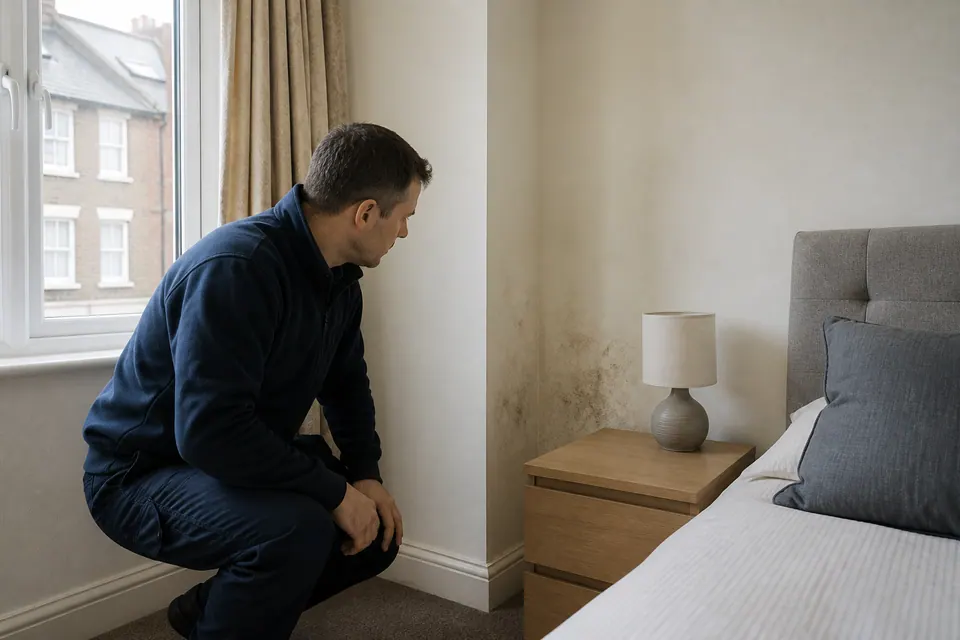
Include nearby furniture without moving affected items for presentation. State whether the room is needed for sleeping.
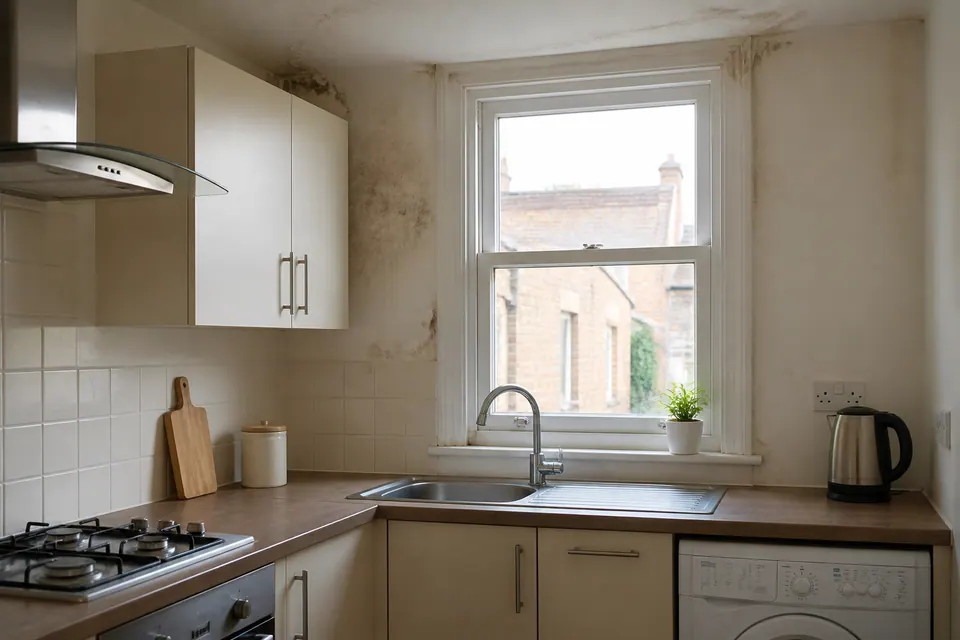
Identify fixed units and confirmed water events in the note. Nearby plumbing is not a diagnosis visible in the photograph.
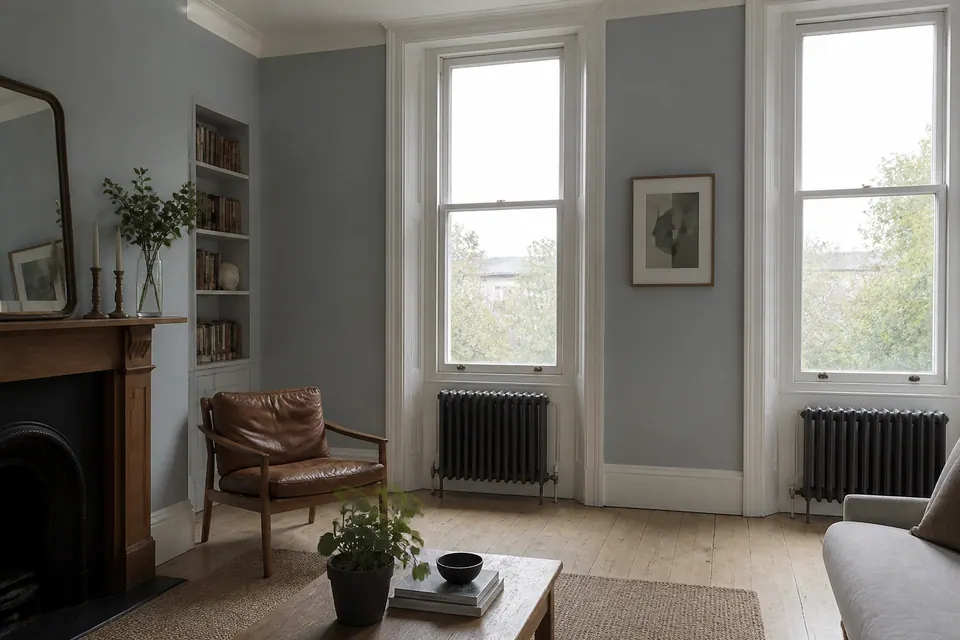
Keep a recognisable feature in the wide view and identify decorative coverings where known.
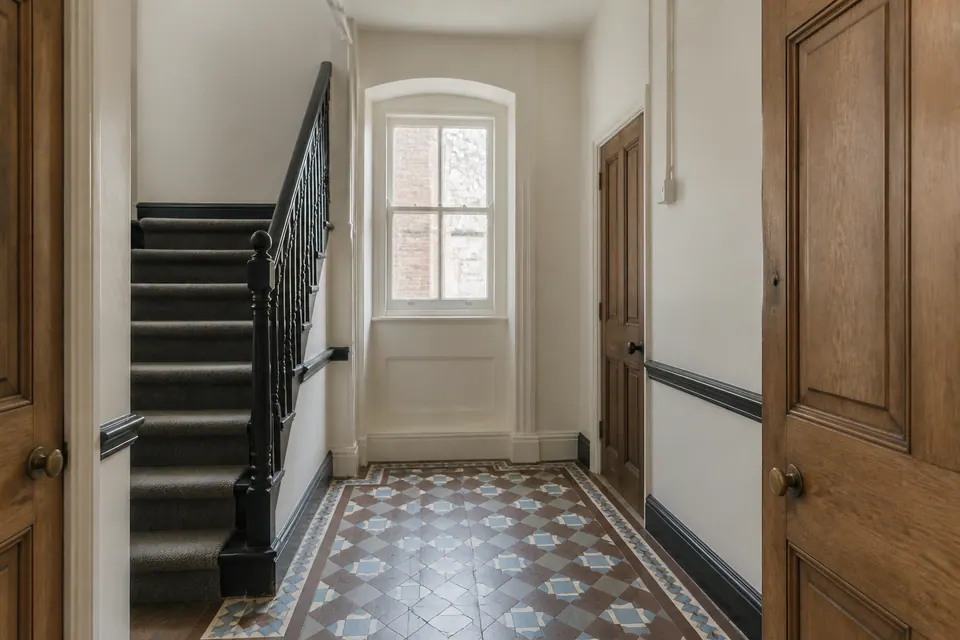
Label private and common spaces clearly. Availability of a photograph does not establish authorisation to treat the area.
State the actual floor level and known history. A room image cannot establish the source of a damp concern by itself.
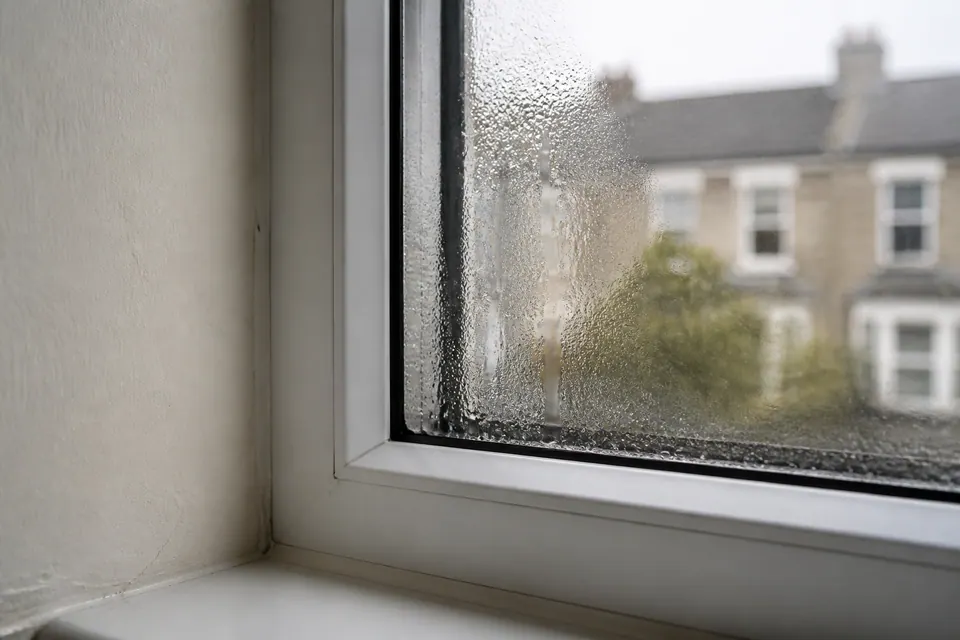
07 / WHEN IT COMES BACK
If marks return, label the old and current views with approximate dates and the same room reference. State which images show the present condition so an earlier patch is not mistaken for current extent.
Changes in angle, lighting or cropping can make comparison difficult. Describe known changes in words without claiming that image differences alone establish the cause.
A fixed room feature helps locate the patch later and prevents a close-up from losing its original context.
08 / SEPARATE THE QUESTIONS
Use photographs to describe the evidence while leaving moisture-source and material questions open for assessment.
| Visible evidence | Helpful written context | What remains uncertain |
|---|---|---|
| A patch beside a window | When water is actually observed | Whether condensation or another issue is involved |
| A ceiling mark | Known event and present paint condition | Whether the material is suitable for treatment |
| A partially hidden wall | The obstruction and visible dimensions | Condition of the concealed portion |
| A returning area | Earlier work and approximate interval | What moisture questions need further review |
A surface enquiry should not be interpreted as remote confirmation of a leak, damp type or concealed material condition. Separate investigations or repairs require their own scope.
Visible marks can be photographed; moisture history may depend on events and observations that the image cannot show.
| Question | Mould | Damp |
|---|---|---|
| What may be documented? | The current exposed surface appearance | Actual water when visible or a known event |
| What may not be established? | Suitability of an uncertain or damaged finish | The complete source or extent of moisture |
| Why add written information? | The image may omit earlier treatment or material details | A photograph is not the whole water history |
| What should follow? | An appropriate assessment or suitable treatment proposal | Clarification of any separately needed investigation |
09 / LOCATE THE ISSUE
Select the room to see what context the image should retain. Photographs support an enquiry but cannot confirm every material or moisture question.
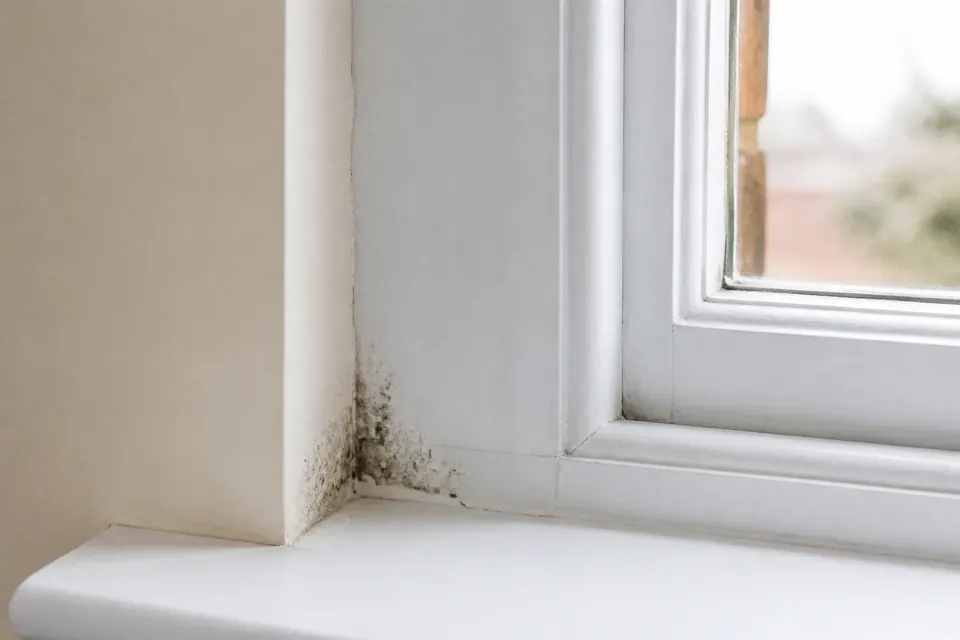
Include the whole opening and adjoining wall, then a closer view of the marked finish. Say which side is shown so another image is not counted as a separate window.
Show the affected position relative to fittings from a safe viewpoint. Identify whether the material is paint, panel or uncertain rather than expecting the image to establish it.
Include furniture near the patch and enough of the wall to locate it. Do not move affected belongings or climb for a better angle.
Show the finish and nearby fixed units. Add known water history in words; a picture of pipework does not prove it caused the visible change.
Retain a fixed feature such as a window or doorway for orientation. Describe any covering or decorative layer that may not be clear in the image.
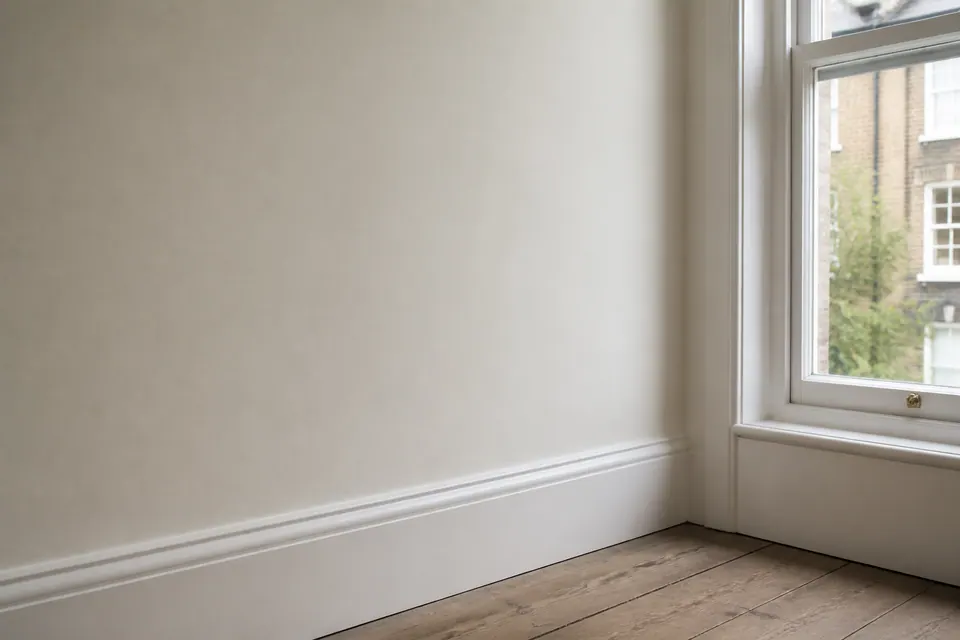
Use a safe room-wide view and identify the height approximately. Report loose or wet-looking material without touching it for a clearer demonstration.
Show the normal opening and accessible finish. Explain what the picture cannot reveal rather than treating a dark or obstructed area as confirmed growth.
A photograph can document appearance but cannot establish every cause, concealed condition or treatment limit. Add factual context and state uncertainty honestly.
Watford / PLAN THE APPOINTMENT
Coverage for the Watford address must be confirmed before a visit is assumed. Send the full postcode with the evidence set and wait for availability and scope confirmation before arranging access.
The map provides Watford location context only; it does not guarantee service coverage or identify a local branch.
Load the Watford map if it helps describe the location.
Watford / BEFORE BOOKING
Make the evidence useful without treating it as a complete inspection.
Include a room-wide view and a detail image where safely possible. Label them as the same area so they are not counted twice.
Yes. Request address-specific availability before assuming a visit can be arranged or preparing the room.
Label it clearly as an earlier view and explain that current condition is not confirmed. Do not present it as today’s evidence.
Approximate affected dimensions are useful if described honestly. Do not climb or disturb material to obtain a precise measurement.
State what you know and what remains uncertain. Material suitability may require further assessment rather than a guessed label.
Do not assume a definitive moisture diagnosis. Provide known water history and ask whether separate investigation is required.
Avoid alterations that change the appearance of the evidence. A clear unaltered view and factual description are more useful.
Not necessarily. The evidence may support a quote for a suitable limited area or indicate that assessment or specialist pricing is needed.
After availability and preparation requirements are confirmed. Do not move potentially affected belongings based on an assumed treatment method.
BEGIN WITH THE ADDRESS AND EVIDENCE
Send the full postcode, labelled views, approximate affected dimensions and known history. Ask for availability and the appropriate assessment route before arranging preparation.
These property images are illustrative, not customer evidence or proof of completed treatment.
