
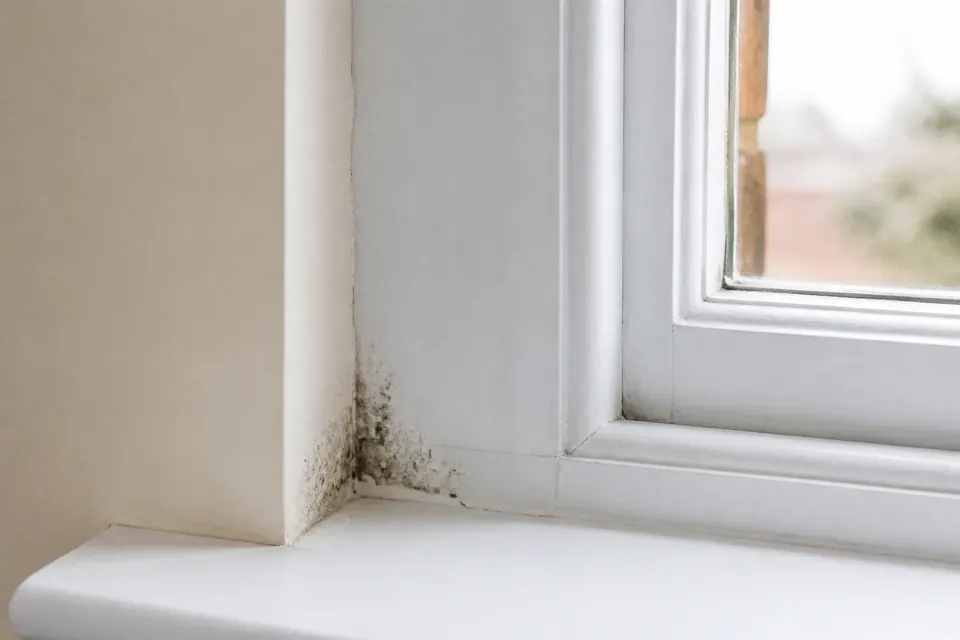
Decorative window surrounds
Show trim, paint and adjoining plaster separately. Explain known repairs and loose edges without removing material to reveal more.
St Albans / FINISH CONDITION FIRST
Describe the surface before expecting it to be preserved.
A decorative covering or older-looking finish needs an honest condition record, not an assumption that it can withstand treatment unchanged. For St Albans, request address availability and show affected and adjacent material before discussing removal or restoration.
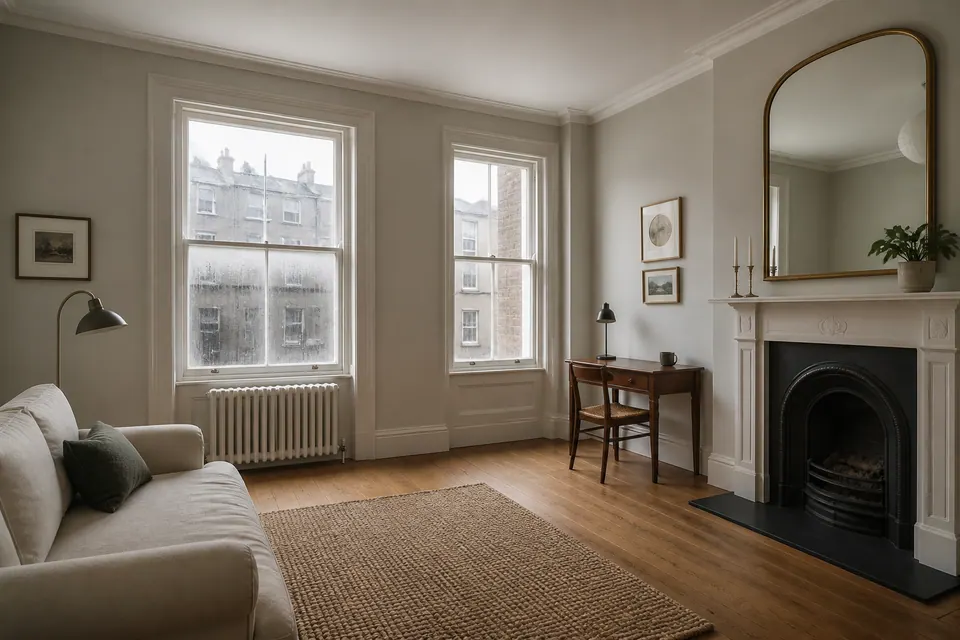
Covering · repair history · visible deterioration
01 / SEPARATE THE QUESTIONS
Visible growth, old staining and deterioration should be described separately before any promise is made about appearance.
| Observed detail | Useful history | What needs assessment |
|---|---|---|
| Marks on a decorative covering | Known material or uncertainty | Whether an appropriate treatment is suitable |
| Damage beside an earlier repair | What was repaired and when | How the adjoining conditions differ |
| A stain on otherwise intact-looking material | Whether the appearance is changing | What outcome is realistic without restoration |
| Loose edges around a patch | Current photographs without disturbance | Whether material work is required first |
Specialist decorative work, covering replacement and repair require explicit separate agreement. Do not assume a surface service can preserve an unknown delicate finish unchanged.
The importance of a finish does not identify the growth, moisture source or appropriate treatment.
| Question | Mould | Damp |
|---|---|---|
| What is visible? | Marks or growth on the exposed finish | Water-related evidence or known events |
| What remains uncertain? | Material suitability and cosmetic limits | The moisture source or continuing condition |
| Why does this matter? | Treatment may not restore the original appearance | A separate repair can be necessary |
| What should be agreed? | Appropriate scope for suitable accessible material | Any specialist restoration or moisture work |
02 / LOCATE THE ISSUE
Select the setting and describe the actual material and condition. Appearance alone cannot establish its age, composition or suitability.
Show trim, paint and adjoining plaster separately. Explain known repairs and loose edges without removing material to reveal more.
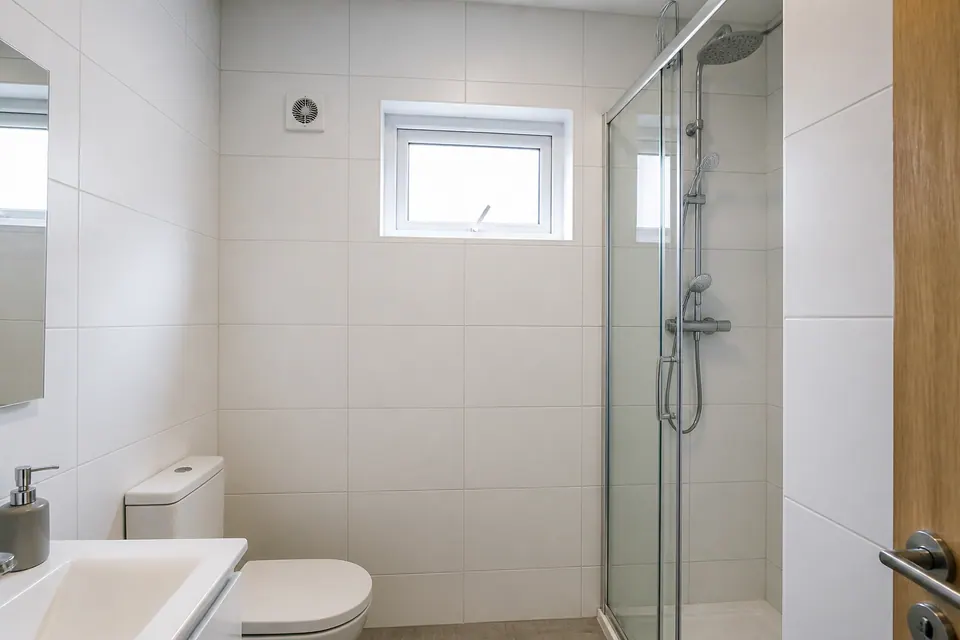
Identify the visible finish and any deterioration. An unusual or delicate covering should not be treated as ordinary intact paint by default.
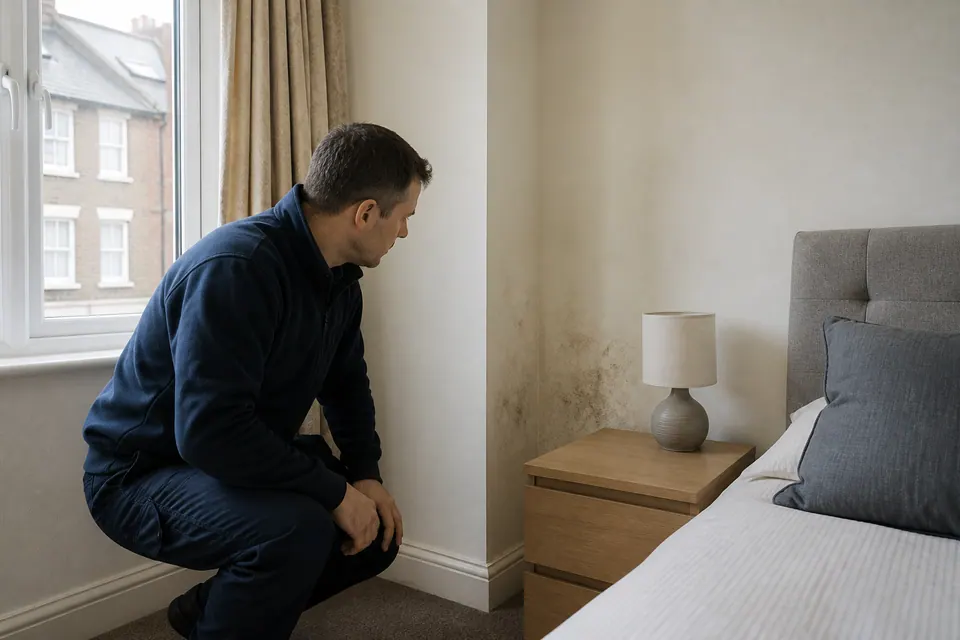
Show the marked portion and an adjacent unmarked-looking area. Do not peel back paper or fabric to discover what lies beneath.
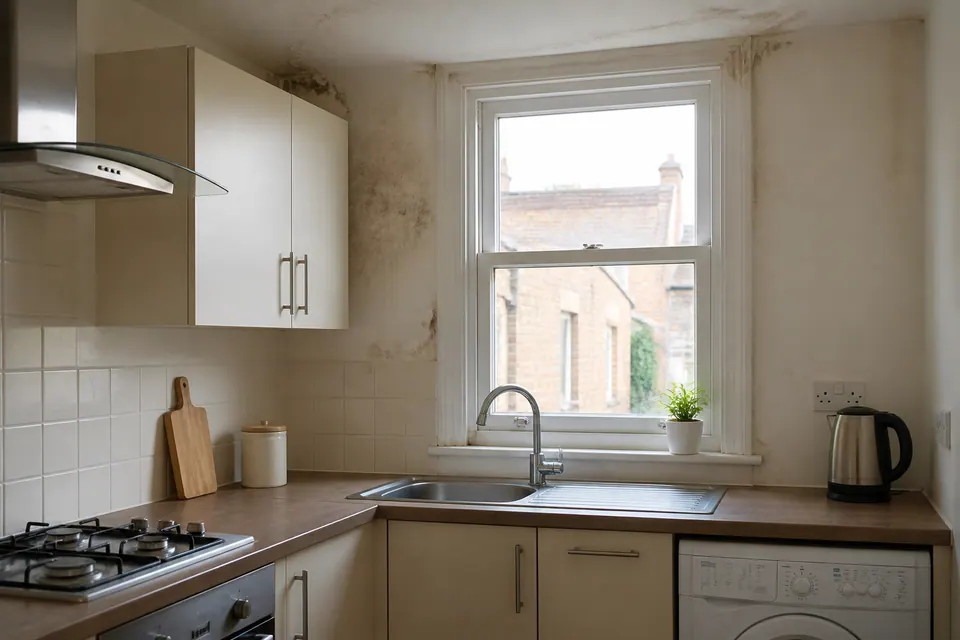
Describe the surface near the marks and any known refinishing. Treatment of growth should not be assumed to preserve every decorative effect.
State what is known about the covering rather than calling it historic or specialist without evidence. Include damage that could limit the proposal.
Show where the repair meets existing material. The two portions may have different condition and treatment limits.
Explain accessible panels and fixed coverings. A concealed substrate remains uncertain; do not open it for a cosmetic assessment photograph.
A careful description supports assessment without promising preservation, dating a material or assigning a moisture cause from appearance.
St Albans / THE PROPERTY BRIEF
Do not let the desired appearance define an unassessed method.
For a St Albans address, confirm availability before making access arrangements. If the affected room has a delicate covering, explain what matters about the finish and what is actually known about previous work. Ask whether suitable treatment is possible and which restoration questions need another specialist, rather than assuming removal can leave every decorative detail unchanged.
04 / A CONTROLLED APPROACH
Identify what is known about the material and note damage without disturbing it. Consider preservation expectations as a question, not an assumed outcome.
Discuss nearby fragile features and contents. Do not strip edges or touch up the patch to make the finish appear ready.
Follow the appropriate agreed scope where the accessible finish is suitable. Uncertainty or deterioration may require a different specialist decision.
Distinguish removal from staining, repair and restoration. Keep any separate decorative work out of claims about what the surface visit achieved.
The sequence does not promise an unchanged decorative surface or specialist restoration.
Keep affected and comparison areas in the evidence.
Do not extend a method to unassessed material.
Identify repair or restoration questions clearly.
These illustrations explain stages and do not document customer preservation outcomes or guarantee a cosmetic match.
05 / QUOTATION, NOT GUESSWORK
For St Albans, confirm postcode availability and provide photographs showing both marked and adjacent material. The quotation should distinguish suitable growth removal from preservation, replacement or restoration work that may require another scope.
Read the main assessment information ↗| Surface evidence | Quotation approach | What to identify |
|---|---|---|
| Limited suitable accessible area | Photographs may support pricing | Material and visible condition |
| Recurring or several affected finishes | Assessment informs the proposal | Separate surfaces and their histories |
| Delicate, damaged or unknown covering | Specialist decision may be needed | Preservation limits and material uncertainty |
Confirm availability and inclusions before commissioning further work. A treatment price is not a promise to reproduce a decorative finish or preserve all material without change.
06 / WHEN IT COMES BACK
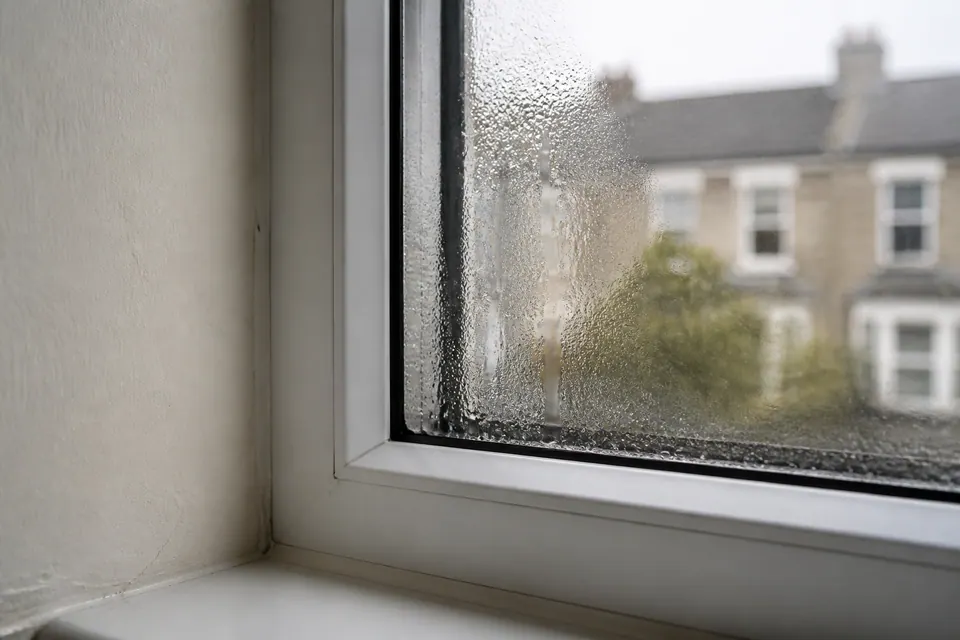
Record the present change without another cosmetic touch-up or trial product. Compare with existing photographs and state any known moisture or repair event between appearances.
The material’s appearance and recurrence history should be assessed together. A valued finish does not justify guessing a method or assuming that repeated applications are suitable.
If material type or age is unknown, retain that uncertainty rather than adding an unsupported description to the enquiry.
St Albans / ACCESS & PEOPLE
Explain the known material and current condition. Do not label a covering as historic or specialist unless that is established.
Show the boundary between repaired and existing material. They may require different suitability decisions.
Describe what may affect preparation and working space. Handling or restoration of those features is not automatically included.
Share the surface condition and known history with the authorised contact. Do not remove a covering to establish a repair claim.
Provide available material or decoration information relevant to that room. Avoid assuming a finish can be preserved from a generic property description.
Explain preservation expectations, then ask what is realistic. Keep any conservation, replacement or redecoration decision separately scoped.
08 / ROOM-BY-ROOM CONTEXT
Identify coatings or panels and their condition. Bathroom location does not make an uncertain finish equivalent to ordinary paint.
Show wall coverings and any lifting edges without peeling them. Ask about suitability before expecting a preserved appearance.
Describe known refinishing and nearby fixed details. Surface treatment should not be interpreted as restoration of cabinetry or decorative work.
Include trim and covering transitions in the wider view. A cosmetic match is a separate expectation to discuss.
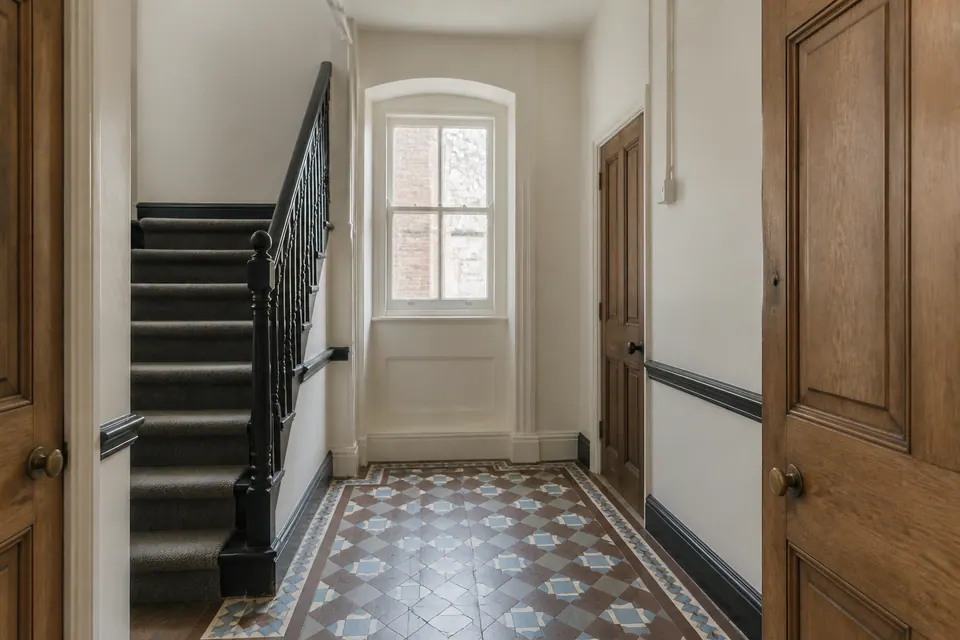
Confirm the material and authorisation boundary. Common-area work needs its own approval and scope.
Add known water history and present deterioration. Room level does not determine whether delicate material can be treated.
09 / DIRECT ANSWERS
Do not assume a preservation guarantee. Provide material and condition details and ask what is appropriate before deciding on the desired appearance.
No. A cosmetic covering can hide evidence and damaged edges. Show the present condition and request preparation guidance.
Not automatically. Recurrence and material condition need assessment; replacement or restoration decisions should not be made from appearance alone.
It can change the appropriate scope, but timing should follow assessment. Do not infer a method or duration from the material’s perceived value.
Describe them and ask for preparation instructions. Avoid handling potentially affected or fragile items on an assumed requirement.
Not without identifying its condition and suitability. An uncertain or deteriorated covering may need another scope.
Show repaired and existing portions with known dates. Earlier repair does not establish that either finish is currently suitable or dry.
No such service should be assumed within removal. Ask for any required restoration or repair to be explicitly and separately arranged.
St Albans / PLAN THE APPOINTMENT
Availability for the St Albans postcode must be confirmed before arranging a visit. Send the full address area with material photographs and any access constraints.
The map shows St Albans for location context only. It does not guarantee coverage or imply a local office.
Load the map if it helps describe the address.
St Albans / BEFORE BOOKING
Raise preservation expectations without turning them into a guaranteed treatment result.
You can explain the priority, but preservation cannot be assumed. Material and condition need assessment before an appropriate scope is proposed.
State the uncertainty and provide photographs of existing visible edges. Do not remove material to identify it for the enquiry.
Yes, if known. Explain what was repaired and where; the date is history rather than proof of the current moisture condition.
No. Request confirmation for the complete postcode before planning access, preparation or a visit.
Do not assume restoration. Growth removal, replacement and decorative repair are different tasks that may require separate arrangements.
Do not perform a trial for the enquiry. Ask for preparation and suitability advice rather than introducing another product or alteration.
Show that distinction and the surrounding material. It is useful evidence but does not establish the cause on its own.
Ask what is realistic for the assessed finish. Residual staining may remain and require a separately considered decorative decision.
Do not assume specialist material authentication is part of the service. Describe what is known and ask which separate expertise may be needed.
DISCUSS THE LIMITS FIRST
Send the postcode, current material views and known repair history. Confirm availability and suitability before planning restoration or expecting an unchanged decorative result.
The images illustrate property finishes and are not evidence of completed customer restoration or treatment.
