
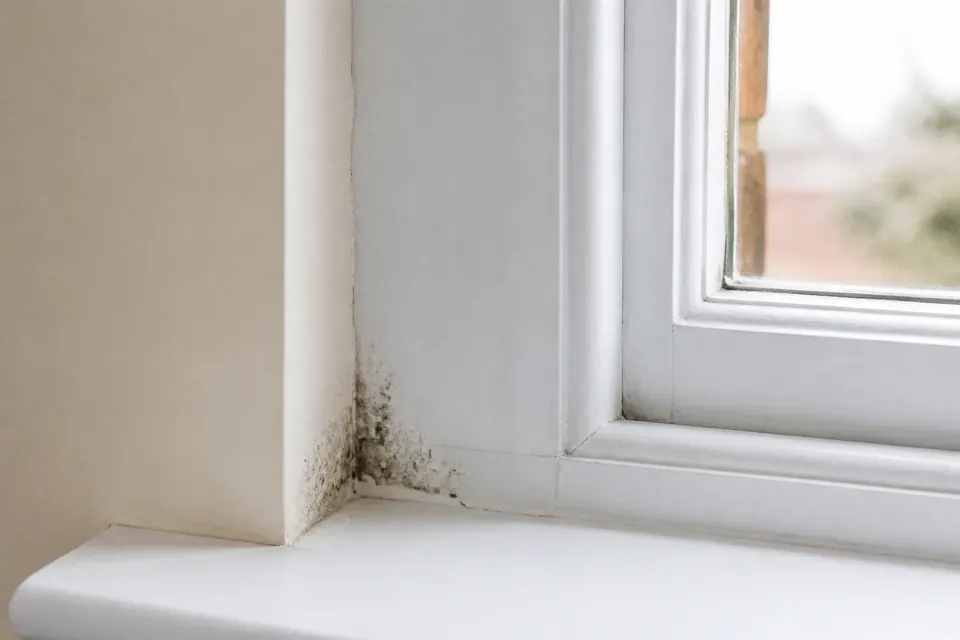
The frame-to-wall junction
Include the narrow boundary where joinery meets plaster. A small strip can contain two finishes with different condition limits. Do not combine their measurements merely because the marks touch.
CHELSEA / WINDOW MATERIALS
One opening can contain several different treatment questions.
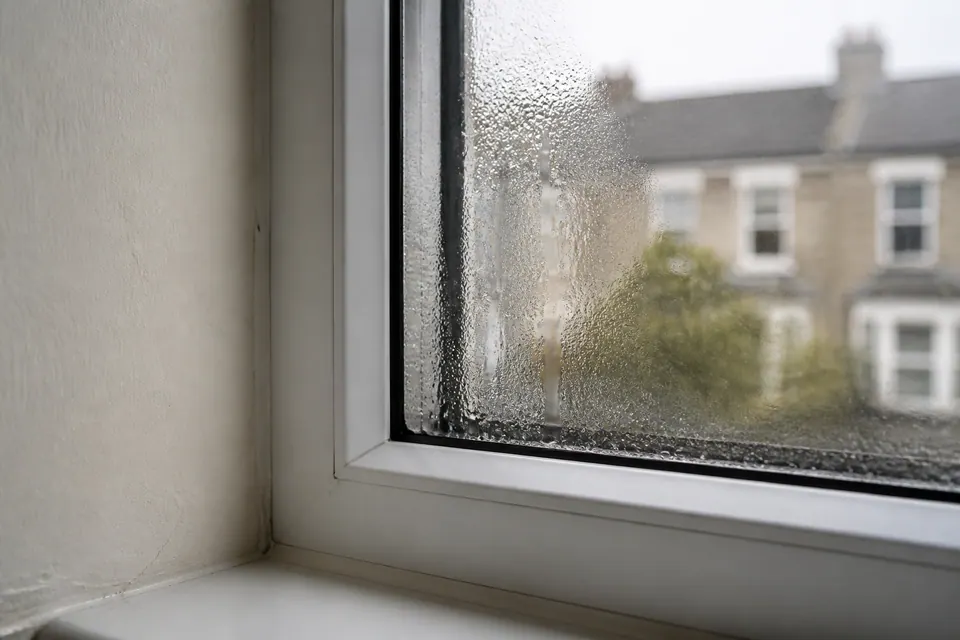
A marked window frame and the plaster beside it should not disappear into one description of a damp window. For a Chelsea enquiry, identify where each material changes and where water is actually seen. That gives the assessment a clearer starting point than a close-up without context.
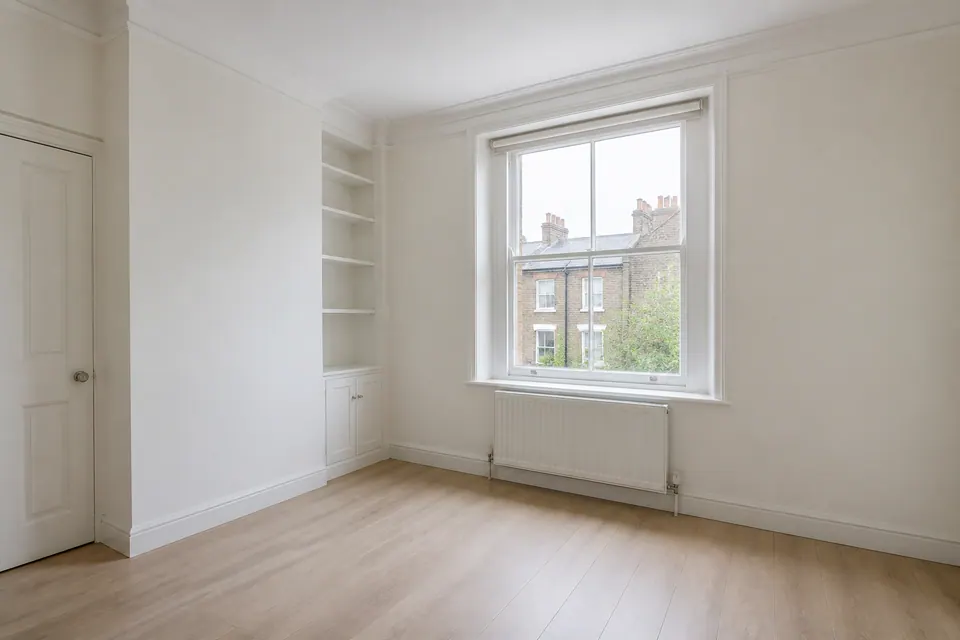
Material boundary · water observation · access
01 / LOCATE THE ISSUE
A window enquiry often leads to questions about the room around it. Choose the setting and keep each material recognisable in the evidence.
Include the narrow boundary where joinery meets plaster. A small strip can contain two finishes with different condition limits. Do not combine their measurements merely because the marks touch.
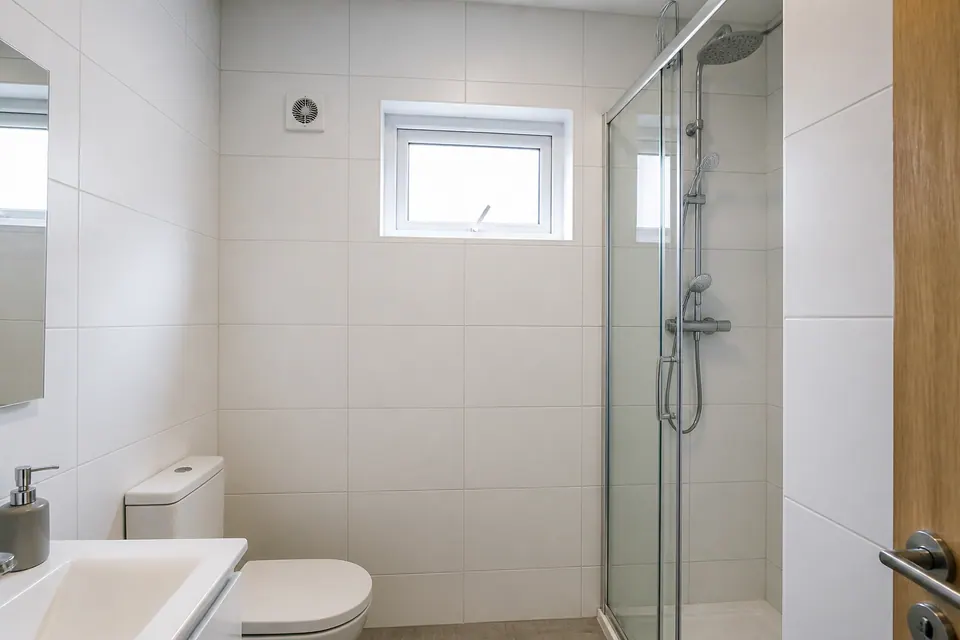
Show the marked opening in relation to the shower and ceiling. Report how the room dries between uses without assuming all window marks come from bathing moisture.
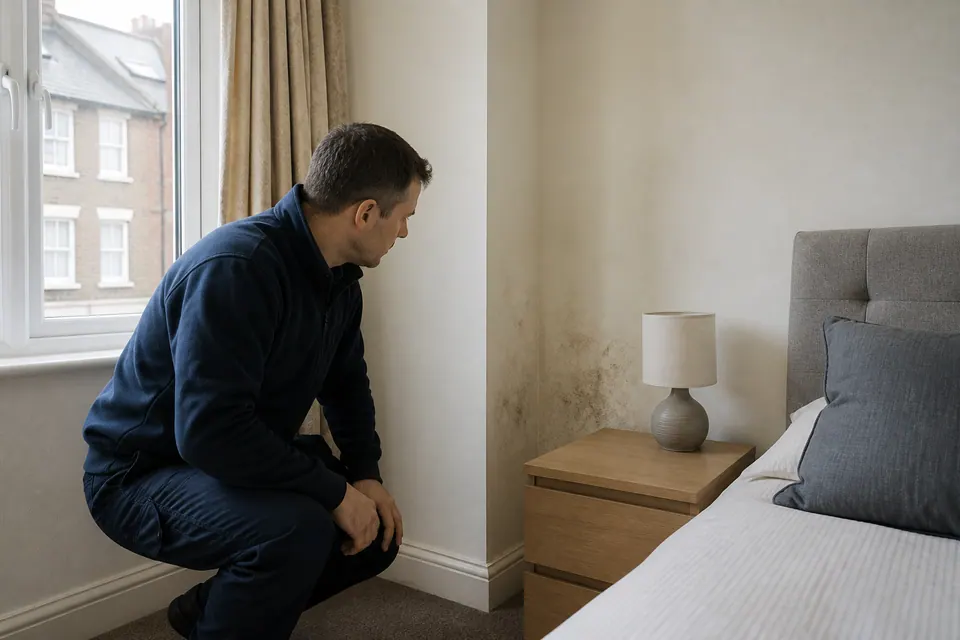
Explain whether a bed or bedside unit prevents access to the side of the opening. Agree clearance rather than pulling furniture against the marked frame to make space.
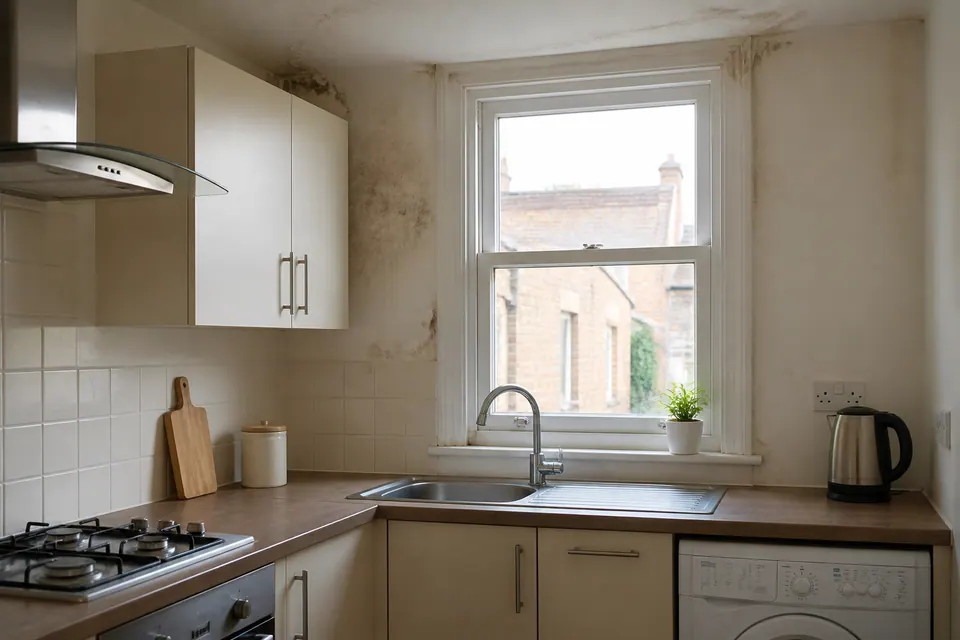
Identify the accessible sill and any area blocked by a sink or unit. Water from normal kitchen activities and confirmed plumbing incidents should be described separately.
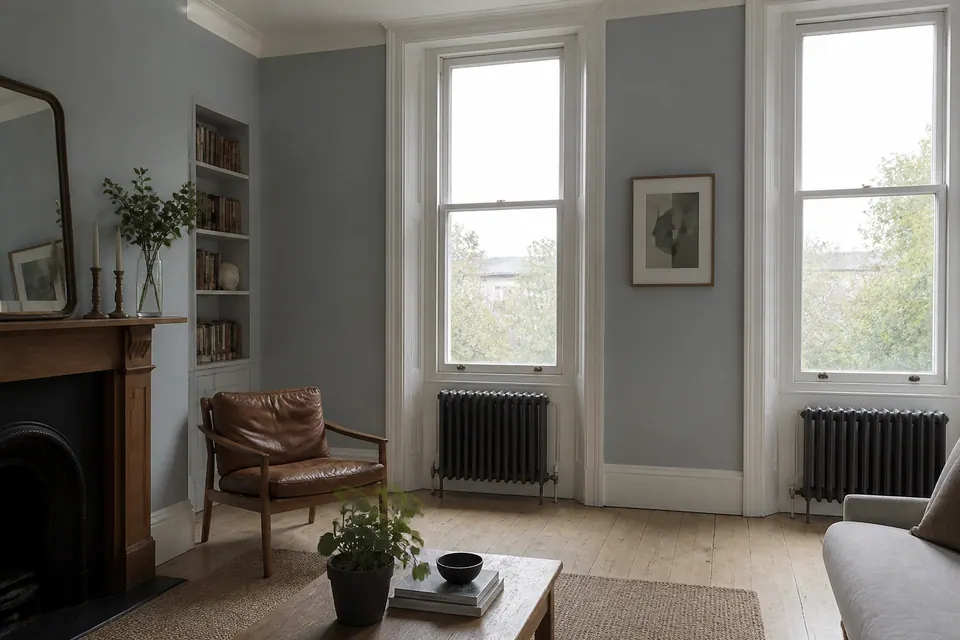
Show the wider arrangement, including curtains and adjacent decorated walls. If several reveals are involved, label their positions so later photographs refer to the same section.
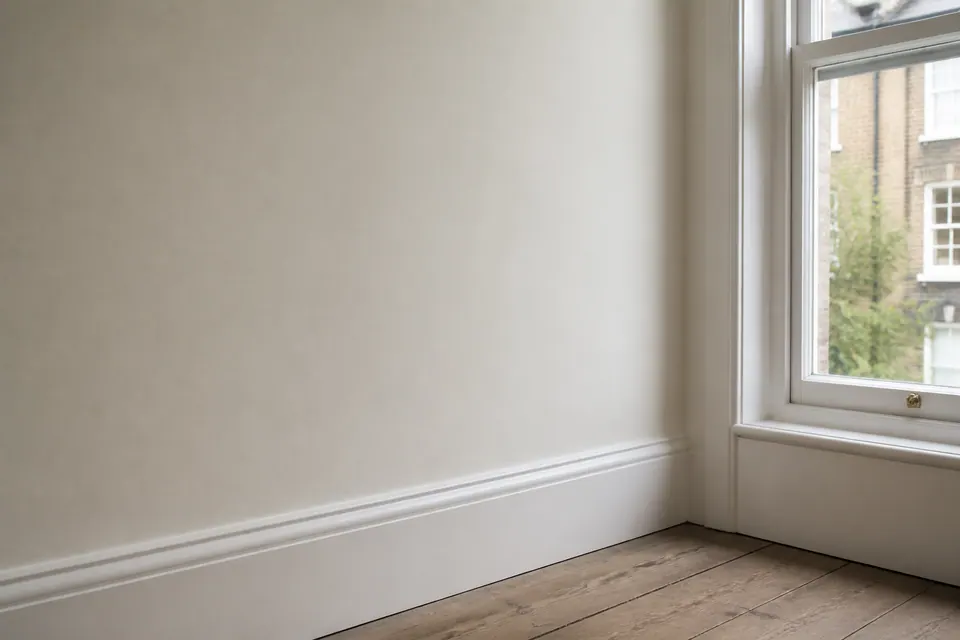
Mention loose paint or damaged plaster as well as visible spotting. Removal of suitable growth does not repair an unstable reveal, and a photograph cannot establish concealed condition.
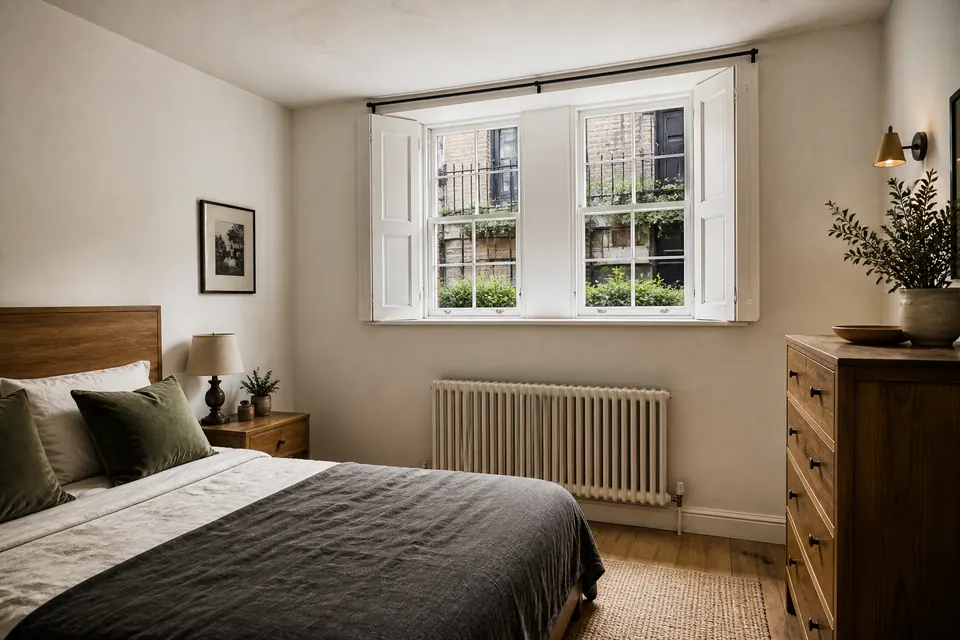
Explain where shutters or fixed storage limit the view. Do not dismantle fittings for the initial enquiry; a concealed strip remains unassessed until suitable access is agreed.
None of these observations proves a particular fault. The point is to record the materials and timing accurately.
Chelsea / ACCESS & PEOPLE
Clarify which surfaces are inside the dwelling and whether another contact controls window repairs. The treatment enquiry should name the accessible interior finishes.
Keep the history and dimensions attached to each window. A repaired kitchen opening should not supply the assumed explanation for a bedroom patch.
Describe shutters, deep sills and fixed furniture before the visit. Being able to enter the room does not demonstrate a practical approach to every reveal.
Photograph the affected interior and ask how booking permissions will be arranged. Report known water without making a legal judgement about who must repair the frame.
Supply the actual scope of previous window work where available. A record of sealing or repainting is useful, but does not itself prove the present moisture issue is resolved.
Discuss growth treatment and repair needs as separate questions. A realistic sequence may involve another specialist before the desired decorative finish can be restored.
Chelsea / WINDOW JOINERY
The frame is not the same surface as the wall.
If timber joinery meets plaster in your Chelsea room, photograph both individually and then together. Note any shutters, curtain fittings or furniture that limit the approach. Report water observed after rain separately from beads on the glass, and include the scope of any previous repair where known. Neither the age of the opening nor its appearance confirms the source of moisture.
04 / WHEN IT COMES BACK
Start by identifying what the earlier visit actually did. Repainting a frame, replacing a seal and treating growth are different interventions. Give the date and the available description rather than simply stating that the window was fixed.
Report any water noticed since that work and where it appeared. Condensation and moisture entry are possibilities to consider, not conclusions from a returning patch. Avoid assuming either a successful repair or a defective frame without assessment.
Use the same names for sill, left reveal and upper frame when sending later photographs. That prevents a different viewpoint being mistaken for a changing area.
05 / A CONTROLLED APPROACH
Match each photograph to the frame, sill or reveal. Assess the finish and extent alongside the available water and repair history.
Clarify preparation around curtains, furniture and fixed fittings. Any handling beyond ordinary room access should be discussed before the appointment.
Carry out the appropriate agreed method on suitable accessible material. Discovery of unstable coating can require discussion rather than unplanned repair.
Distinguish addressed growth from residual marks, coating damage or unresolved window issues. Ask what needs another trade or further observation.
A cleaner appearance is not evidence that every component of the opening has been repaired.
Label the affected frame section and adjoining reveal.
Treat the named suitable finishes without assuming repair work.
Discuss timber condition and wall condition as distinct outcomes.
These stages are schematic, not photographs of a customer window. Continuing moisture may allow renewed growth.
06 / QUOTATION, NOT GUESSWORK
A Chelsea window enquiry is clearer when the frame, reveal and surrounding wall have separate labels. Small accessible suitable areas may be quoted from photographs. Recurrence, several affected openings or material damage can require assessment or a specialist quotation.
Read the published mould-removal approach ↗| Condition or extent | Quotation route | Information to provide |
|---|---|---|
| Limited marks on sound accessible finishes | Photographs can support an initial quotation | Separate dimensions for frame and reveal |
| Several openings or recurring patches | Assessment before agreeing the work | Which sections returned and what happened previously |
| Deteriorated joinery or damaged surrounding material | Specialist quotation may be required | Visible damage and known repair information |
Confirm which materials are included before booking. Glazing work, sealing, coating repairs and decoration must not be inferred from a mould-removal price.
07 / SEPARATE THE QUESTIONS
An opening may show moisture in more than one position. Keep observations separate until the relevant questions have been assessed.
| What is visible | What may be relevant | What to clarify |
|---|---|---|
| Beads on the inside of glass | Condensation conditions around the opening | When the water appears and which nearby finish changes |
| A marked bathroom reveal | Repeated moisture and drying between uses | The position relative to bathing and extraction |
| A changed strip after rain | Possible moisture entry or another coinciding condition | Whether water was observed and what repairs are documented |
| Growth returning at a repaired corner | A continuing condition despite earlier attention | Exactly what the previous work addressed |
Treatment of suitable growth does not confirm that seals, glazing, timber joints or the surrounding building fabric are sound. Any repair or investigation of those components needs a separately defined scope.
One describes growth; the other describes a condition that may need an explanation.
| Question | Visible mould | Moisture / damp |
|---|---|---|
| What is being reported? | Fungal growth on an affected frame or surrounding finish | Water or excess moisture around the opening |
| Useful photographic detail | Its location on timber, coating or adjoining plaster | Where water is observed and whether material looks wet |
| Why distinguish them? | Treating growth does not repair a window component | Persistent moisture may permit growth to recur |
| What follows? | Assess suitability of each accessible material | Clarify whether separate repair investigation is appropriate |
08 / ROOM-BY-ROOM CONTEXT
Relate the marked reveal to the shower and drying pattern. That context does not replace assessment of the actual coating.
Show furniture and any soft furnishings beside the opening. Room-return arrangements should be based on the proposed method, not an assumed short visit.
Explain fixed fittings below the opening and any confirmed water event. Do not diagnose plumbing from its position in a photograph.
Different parts of a bay can carry different finishes. Use position labels rather than treating all sides as one identical patch.
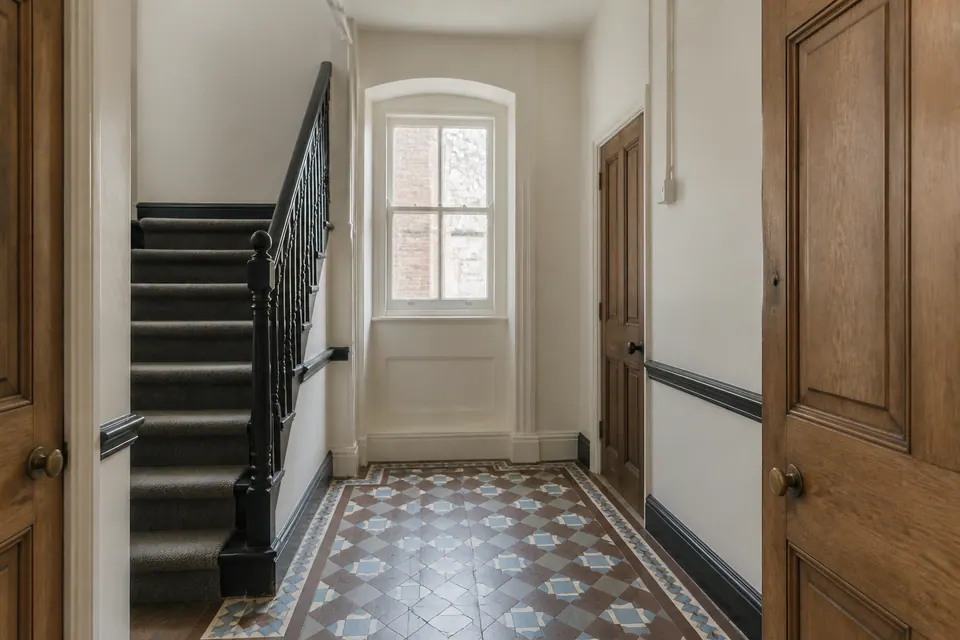
Identify the person authorised to arrange work in common parts. Access through a landing does not automatically include its windows in a private-room quote.
Describe level, access and observed moisture without assigning a damp diagnosis. Window position alone does not establish the required repair.
09 / DIRECT ANSWERS
They can be described in one enquiry, but identify both. Their condition and suitability may differ, so the proposed quotation should not hide them behind a single window count.
Painting is not a replacement for dealing with suitable growth or understanding moisture. Ask about the present coating before arranging cosmetic work.
Not necessarily. Record actual water observations and earlier repair details. Reappearance alone does not establish the route or source of moisture.
There is no reliable duration based only on the number of openings. Material condition, reach, preparation and the agreed method need review first.
Describe their position and ask for preparation guidance. Do not assume removal is required, included or straightforward where fittings need specialist handling.
Suitable accessible finishes can be assessed. Include the surrounding bathroom context, while treating damaged sealant or failed paint as separate material questions.
No sealing or glazing repair should be assumed. Ask for those items to be separately confirmed if they are needed alongside surface treatment.
No such conclusion follows from accessible surface work. Concealed investigation and repairs beyond the visible finish require another explicit agreement.
Chelsea / PLAN THE APPOINTMENT
Include the Chelsea postcode, room location and window-access details when asking about availability. A visit should be arranged around the actual interior surfaces, not only the building entrance.
If a management contact controls related window work, clarify their role before expecting treatment and repair to happen together.
Use the area map to explain the location if needed.
Chelsea / BEFORE BOOKING
Clarify what the photographs show and what the proposed work does not establish.
A wider view can help explain the opening, especially if water is visibly present. Keep it alongside a clear image of the affected plaster rather than using it as proof of a cause.
It is better to identify them separately. They may have different coatings, damage and suitability even when the visible marks meet at their edge.
It is relevant information, not a completed diagnosis. Describe what you observed, when it happened and any known repairs so the appropriate questions can be considered.
Do not assume it will. Growth, residual staining and failed coating are distinct conditions; restoring paint is a separate cosmetic or repair decision.
Explain the condition first. The appropriate repair sequence cannot be decided from a generic page, and sealing is not automatically part of the mould-removal service.
Mention how they restrict access and ask for instructions. Do not dismantle fittings for an initial photo enquiry or assume their removal is included.
Ask for guidance suited to the agreed method and room. The end of the attendance is not, by itself, an instruction to resume every activity.
Different materials, recurrence and access can make a combined enquiry more complex than one suitable accessible patch. The quotation should reflect those differences.
Retain its date and description, plus any later photographs of water or marks. That record is more useful than an unsupported statement that the whole opening was repaired.
START AT THE MATERIAL JUNCTION
Show the frame and reveal separately, include the wider room and describe any observed moisture. With the postcode and repair history, the next assessment step can be discussed clearly.
Window and room illustrations provide context, not evidence of completed customer work.
