
Can the existing wallpaper be retained?
That cannot be promised from a picture. Describe its condition and discuss suitability; a weakened or affected covering may need a separate replacement decision.
KENSINGTON / FINISHES MATTER
Protect the distinction between growth and damaged decoration.
An affected decorative wall is not simply a dirty surface. Show the coating, its condition and the edge of the visible patch when enquiring about mould removal in Kensington. The useful first decision is what can be treated—not which colour will eventually cover it.
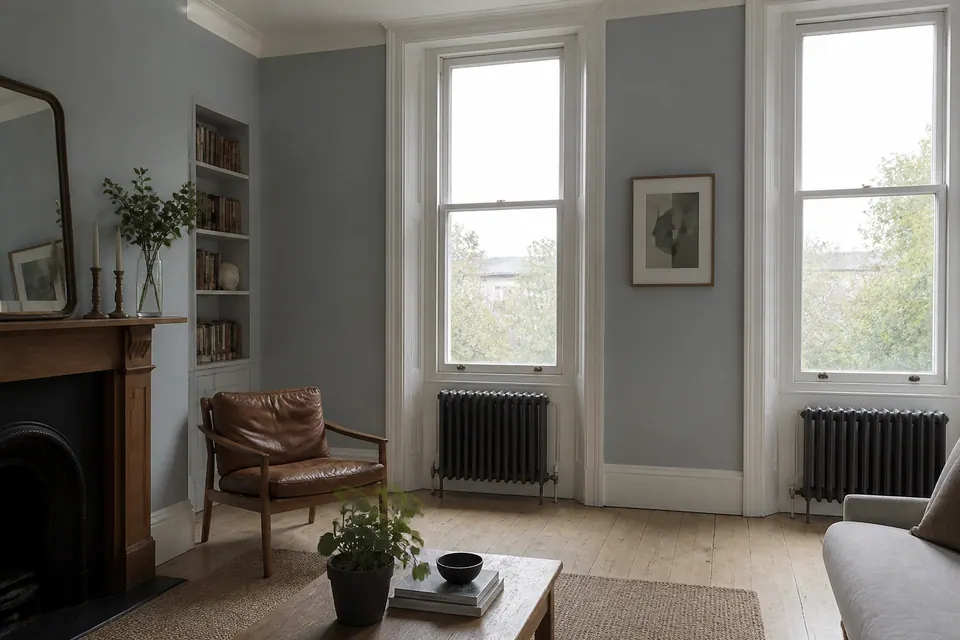
Visible growth · adhesion · repair boundary
01 / DIRECT ANSWERS
That cannot be promised from a picture. Describe its condition and discuss suitability; a weakened or affected covering may need a separate replacement decision.
No. Covering a mark neither treats suitable growth nor establishes why moisture was present. Assess the existing layer before planning a decorative finish.
A returning outline needs its own history. It could involve persistent moisture or a residual mark; colour and shape alone do not establish which condition is present.
The method, access and condition determine the proposed duration. Explain fragile details early rather than assuming the timetable for a plain washable wall applies.
Ask first and identify anything needing specialist handling. A wall appointment should not depend on unagreed movement of valuable or difficult objects.
A suitable intact finish may be assessed for mould removal, but treatment does not repair failed adhesion or guarantee that staining disappears. Redecoration remains a separate decision.
Identify it as a separate material. A method proposed for adjoining plaster does not automatically apply to joinery or restore damaged frame coatings.
Do not assume opening-up or concealed investigation is included. The quotation must distinguish accessible surface work from any inspection or repair beneath the covering.
02 / SEPARATE THE QUESTIONS
Decorative damage can accompany moisture, but a damaged finish and fungal growth are not interchangeable findings.
| Visible change | Possibility to consider | Evidence worth supplying |
|---|---|---|
| Paper lifting beside a window | Moisture affecting the covering or its backing | Position of the seam and any water actually observed |
| Spotting on bathroom paint | Repeated dampness around an exposed coating | Whether the paint stays wet between uses |
| Discolouration beneath newer decoration | Earlier staining or an unresolved condition | The sequence of repair, painting and later change |
| A patch matching an old outline | Growth recurring where moisture persists | Earlier photographs with dates, if available |
Wallpaper replacement, plaster repairs, repainting and correction of a moisture source require their own agreed work. A treatment quotation should make that boundary explicit rather than promising an invisible repair.
Both deserve attention, but they answer different questions about the wall.
| Point to distinguish | Mould | Damp |
|---|---|---|
| What the term describes | Fungal growth affecting the visible material | Excess moisture in or around the wall assembly |
| What a picture may show | Spots or a patch on the decorative layer | A wet-looking edge, tide mark or changed coating |
| Why one may accompany the other | A persistently moist setting may allow growth | Moisture can also weaken decoration without proving mould |
| What needs deciding | Whether the exposed finish is suitable for treatment | Whether further investigation or repair is required |
03 / ROOM-BY-ROOM CONTEXT
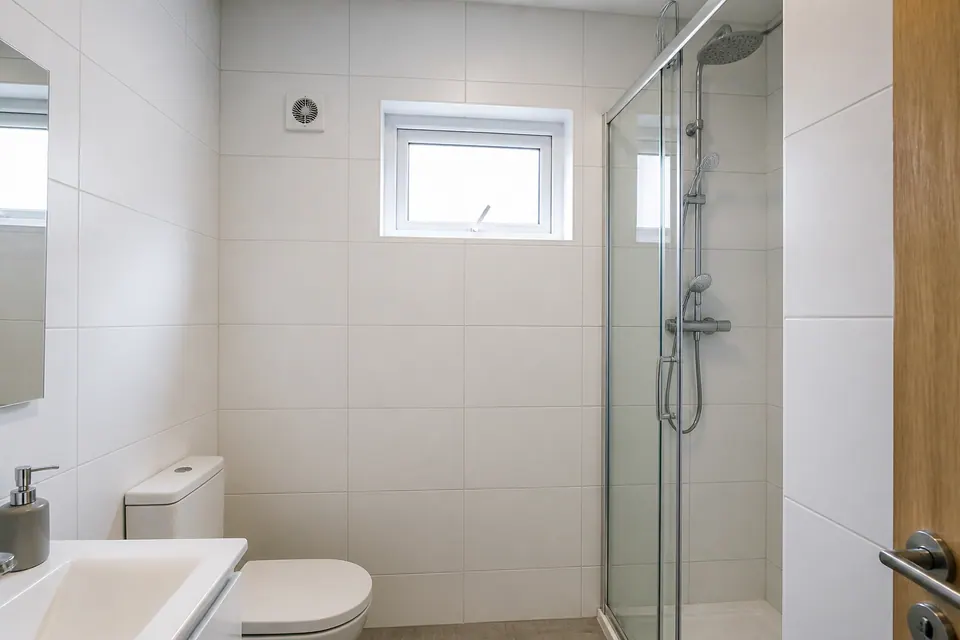
Describe the ceiling coating and whether it is lifting. Repeatedly wet finishes need a different discussion from sound paint with a limited visible patch.
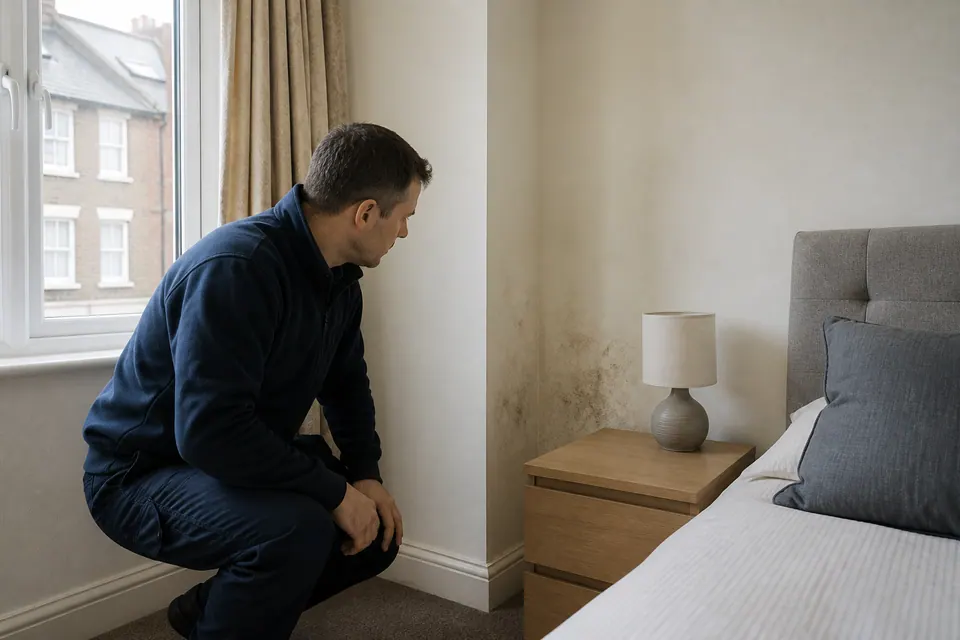
Paper and paint behind furnishings may be partly hidden. State what is accessible and what has not been inspected before planning clearance.
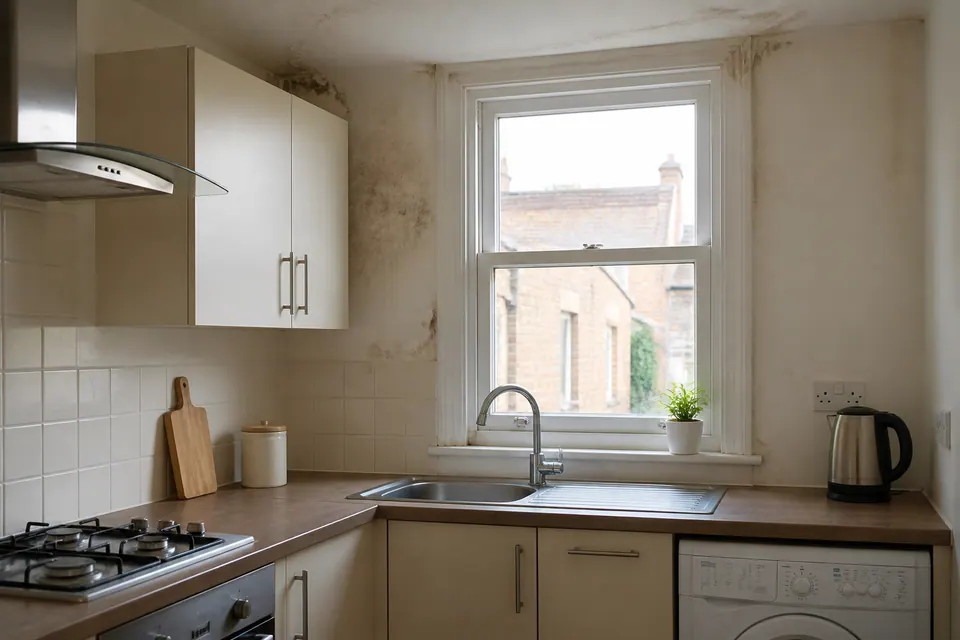
Show the boundary between a decorated wall, tiles and fixed units. Each material and access limit belongs in the enquiry.
Include trim, artwork and the wider pattern around the mark. Preservation priorities should be raised before a treatment method is agreed.
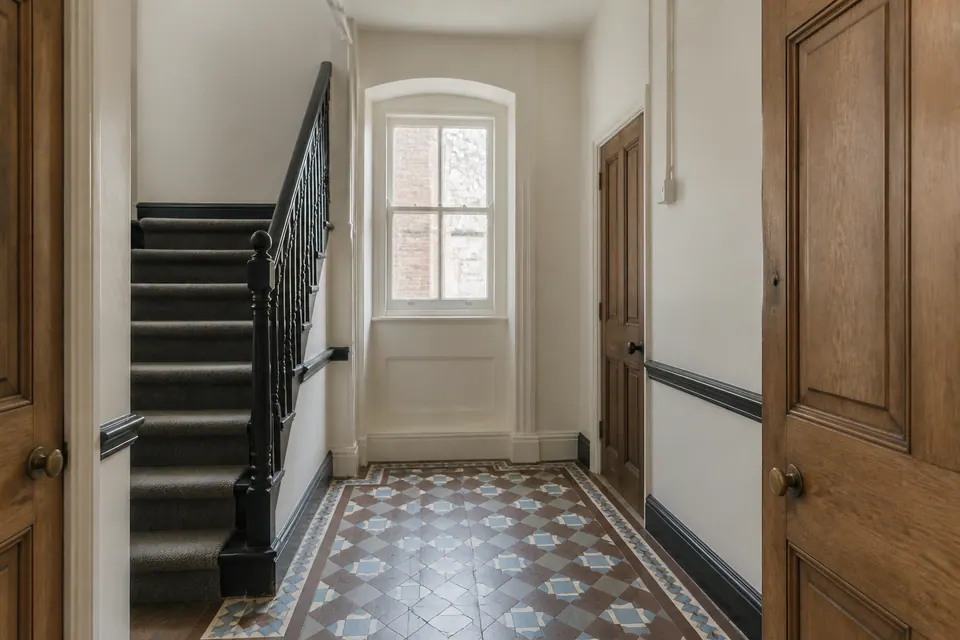
A communal finish may involve another booking contact. Permission to enter a building is not permission to alter its common-area decoration.
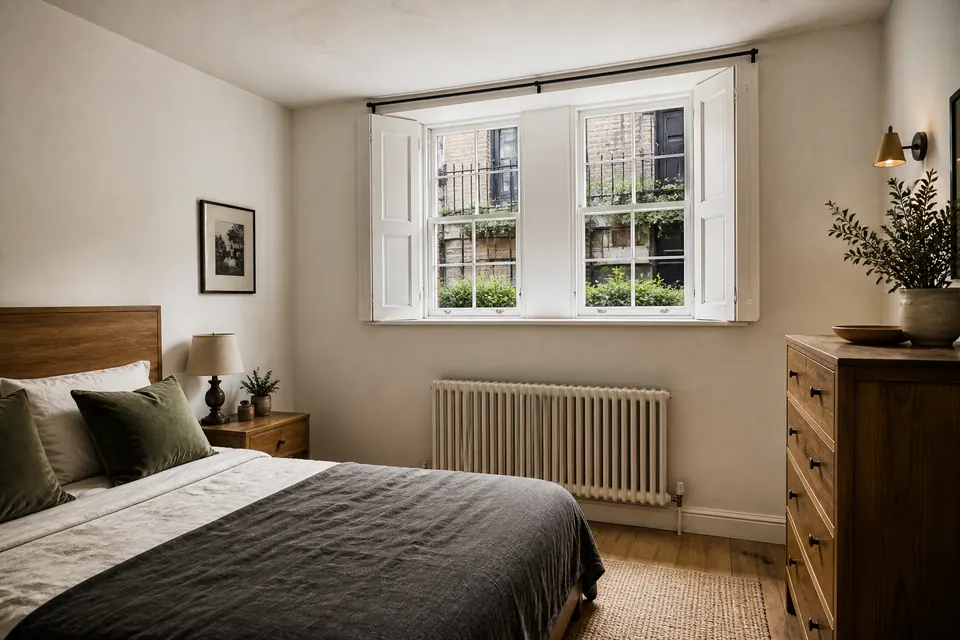
Report floor level and visible deterioration without diagnosing damp from the location. Unstable plaster may require another scope before cosmetic work.
Kensington / DECORATED WALLS
A beautiful finish still needs an honest condition assessment.
Where a Kensington room has layered paint, paper or detailed trim, identify which part has changed and which part remains sound. An older photograph may show whether a mark preceded the latest decoration. Do not strip the surface to answer that question: concealed material may require a different investigation. Tell Alesta about a finish you hope to retain, while recognising that treatment cannot guarantee preservation of already weakened decoration.
05 / QUOTATION, NOT GUESSWORK
For Kensington decoration enquiries, a close photograph is useful only when it is accompanied by the covering type and wider position. Alesta quotes small suitable accessible areas from photographs; recurring, multiple or damaged areas may need assessment or a specialist quotation.
Check the main treatment information ↗| Condition described | Quotation approach | Helpful detail |
|---|---|---|
| A limited patch on sound accessible coating | Photographs may provide the initial basis | Extent and the adjoining unaffected finish |
| Returning marks across several decorated areas | Assessment to establish the proposed work | Separate history for each affected wall |
| Loose covering or damaged substrate | Specialist quotation where needed | What is visibly unstable and what remains concealed |
Ask for exclusions before arranging a decorator. Treating growth is not a promise to colour-match, strip wallpaper or reinstate a damaged wall.
Kensington / ACCESS & PEOPLE
Identify which walls are within the dwelling and whether alterations or handling restrictions affect them. The property label is less useful than the coating and its present condition.
A painted landing and a papered room need separate descriptions. Do not combine their areas unless the quotation identifies both materials and their suitability.
Mention vulnerable trim, artwork and anything that cannot be moved routinely. Assessment should not rely on an improvised clearance plan after arrival.
Supply photographs of visible changes and obtain the necessary booking arrangements. You do not need to remove a covering to provide useful evidence, and this page does not allocate repair liability.
Share decorating dates and relevant repair information where available. Distinguish cosmetic covering of an old mark from treatment or correction of a known water issue.
Explain which finishes you hope to retain and ask what result is realistic. If reinstatement is necessary, agree its relationship to treatment rather than assuming one appointment includes both.
07 / LOCATE THE ISSUE
Use the room selector to describe the setting, then identify the finish. Appearance alone cannot establish what lies underneath a covering.
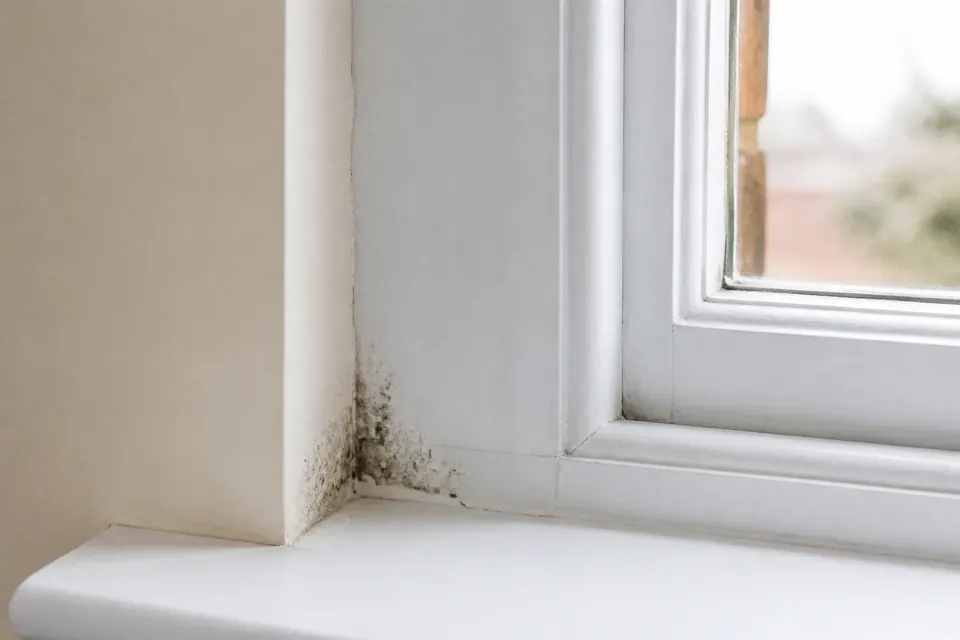
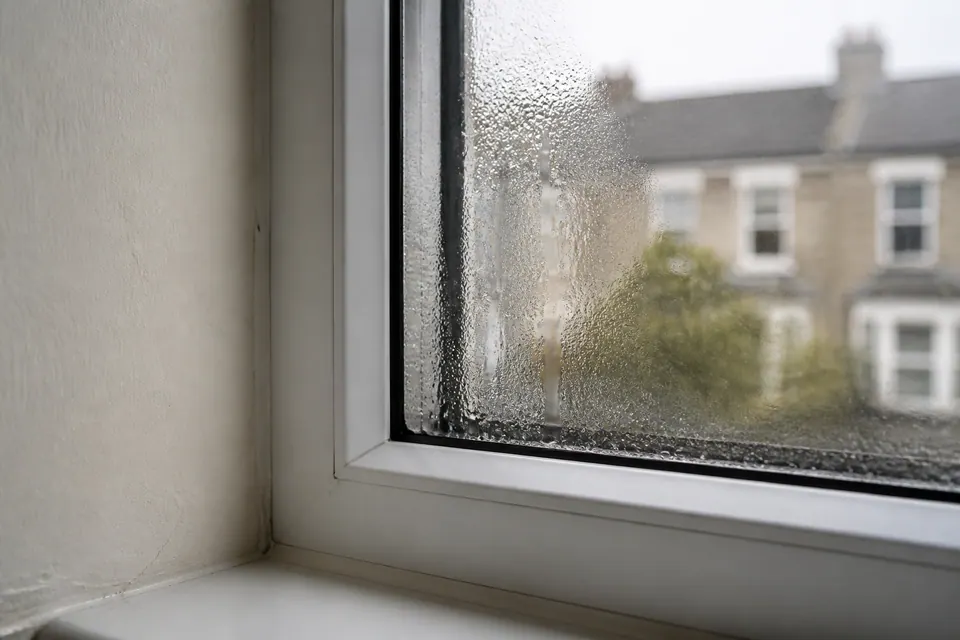
A reveal can meet timber, plaster and a decorative covering within a small area. Show those boundaries. Moisture on the pane is useful context, but it does not establish why the painted edge is marked.
Include intact paint beside any flaking ceiling section. A method suitable for sound coating may not restore an unstable layer. Report known water from above independently of the normal bathroom-use pattern.
Identify the wall covering and show whatever is visible beside the furniture. Do not pull a bed or wardrobe through the affected area to reveal a seam. Clearance and contents handling should be discussed first.
Distinguish the finish above units from sealant or tiled surfaces. Food storage and fixed fittings affect preparation; their presence does not make cleaning utensils or dismantling cabinets part of wall treatment.
A close-up can hide the size and position of a patch within a pattern. Add a wider image that includes trim or a corner. Mention artwork that would require separate handling rather than assuming it can be moved during the visit.
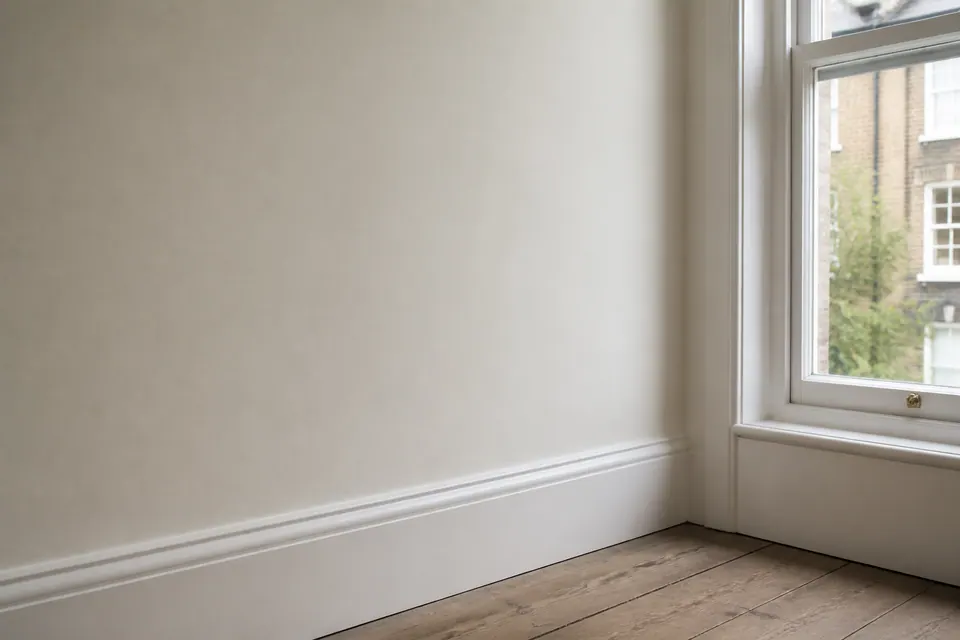
Visible growth, a persistent stain and a weakened plaster surface are different conditions. Loose or softened material may need a specialist repair decision. Leave it undisturbed while the appropriate scope is discussed.
A papered backing or painted shelf may conceal part of the wall. Record accessible marks and explain the obstruction without dismantling anything. An enclosed smell does not prove what is behind the covering.
These details describe condition, not a diagnosis. Keep visible observations separate from assumptions about hidden growth.
08 / A CONTROLLED APPROACH
Review the visible patch, adjacent decoration and known history. Establish which accessible material can appropriately be included in treatment.
Clarify clearance, protection and any objects requiring another arrangement. Leave unstable coverings alone until preparation instructions are confirmed.
Carry out the agreed work on the assessed surface. Finding a failed coating can require a new discussion, not an automatic extension into stripping or repair.
Separate residual staining and damaged decoration from the growth addressed. Ask what needs further investigation before planning the final appearance.
The sequence explains the scope; it does not promise a flawless decorative result.
Record the patch and the sound finish beside it.
Apply the agreed method only to suitable assessed material.
Identify any staining or failed coating needing separate attention.
The graphics are explanatory, not customer before-and-after evidence. Moisture that remains unresolved can support further growth.
09 / WHEN IT COMES BACK
Keep the repainting date distinct from the date of any treatment or repair. A new coat can change the appearance without changing the conditions behind it. Earlier photographs help show whether the present outline is genuinely new.
Do not diagnose failure simply because a mark remains visible. Residual staining, coating deterioration and renewed growth are different possibilities. Share the sequence of changes so the next assessment can address the actual question.
Retain available photographs and notes about the material used. There is no need to peel back the newest layer to recreate an old view.
Kensington / PLAN THE APPOINTMENT
Send the Kensington postcode with the surface photographs and any handling restrictions. Confirm access and availability before arranging a decorator around an assumed treatment date.
If the affected finish belongs to a shared entrance, identify the contact who can agree work there separately from the private dwelling.
Open the map for area context when arranging access.
Kensington / BEFORE BOOKING
Use these points to separate a material assessment from a purely cosmetic request.
No opening-up is needed for an initial enquiry. Photograph what is already visible and describe the loose edge; ask whether further assessment requires a separate plan.
Yes, if it already exists. Give its approximate date and explain what work happened afterwards so the earlier mark is not confused with the current condition.
No colour match or invisible result should be assumed. Growth removal, staining and paint damage are separate outcomes to discuss before confirming work.
Say so at the outset and provide the information you have about the material. Suitability and any specialist handling need agreement before treatment is proposed.
Only if it is expressly listed in an agreed scope. Do not infer stripping, replacement or redecoration from a quotation for accessible mould treatment.
Do not use decoration as a substitute for assessment. Ask for preparation guidance and avoid obscuring the present condition before it has been reviewed.
Wait until the surface condition and any remaining moisture or damage have been discussed. Completion of treatment does not automatically establish readiness for decoration.
Small suitable accessible areas can be quoted from photographs, but an unstable finish or uncertain underlying condition may require assessment instead.
Record the timing and retain the previous scope. The next enquiry should distinguish residual staining from a new visible change rather than assuming either one.
A MATERIAL-SPECIFIC ENQUIRY
Include a wider wall view, a clear photograph of the finish and any relevant decorating history. Explain what you hope to retain so the treatment and repair boundaries can be discussed.
The property images are illustrative and do not represent completed customer treatments.
