Crawley / PROPERTY CONDITION

Mould Removal Crawley: After maintenance, before treatment

A completed repair and a ready surface are different questions.

If a Crawley wall remains marked after maintenance, explain what was repaired and what has changed since. A repair date helps the enquiry without proving that the surrounding finish is dry, intact or suitable for treatment. Check availability for the address before organising the next visit.

  • Keep the repair record with a current wall photograph.
  • Separate the old water outline from newer spotting.
  • Report loose or softened coating without testing it.
  • Identify any contractor who still needs access.
Illustrative clean interior with pale walls and an armchair
PROPERTY CONTEXT Crawley
Surface condition
THE ENQUIRY BRIEFAfter maintenance

Repair record · current change · remaining decisions

No automatic readiness assumptionA present-condition assessmentRepair and treatment kept distinct

01 / DIRECT ANSWERS

After the repair:
what still needs deciding?

Can the old maintenance quote cover mould removal?

Only work explicitly included should be assumed covered. Ask for a separate present-surface scope where needed, identifying extent, material condition and access rather than relying on the repair price.

Can I repaint as soon as the plumber leaves?

Do not use departure time as evidence of readiness. Ask what needs checking about the finish and moisture context before decoration; painting is not a substitute for appropriate treatment or material work.

Does new spotting mean the same leak continues?

It raises a question but does not prove that conclusion. Provide the current evidence and confirmed repair details so assessment can consider what remains unresolved.

How soon after repair can treatment happen?

There is no universal interval to infer from the calendar. The present condition and proposed method need review, particularly where damage or another check may affect the sequence.

Do repair instructions also cover use after treatment?

Ask for the instructions applicable to the treatment being agreed. Guidance from another task should not silently replace current preparation or return-to-room advice.

Can bathroom marks be assessed after a fitting was fixed?

Yes, describe the suitable accessible surfaces for review and keep the fitting repair separate. Deteriorated components or damaged coating may require another approach.

What if a repaired window still has a marked reveal?

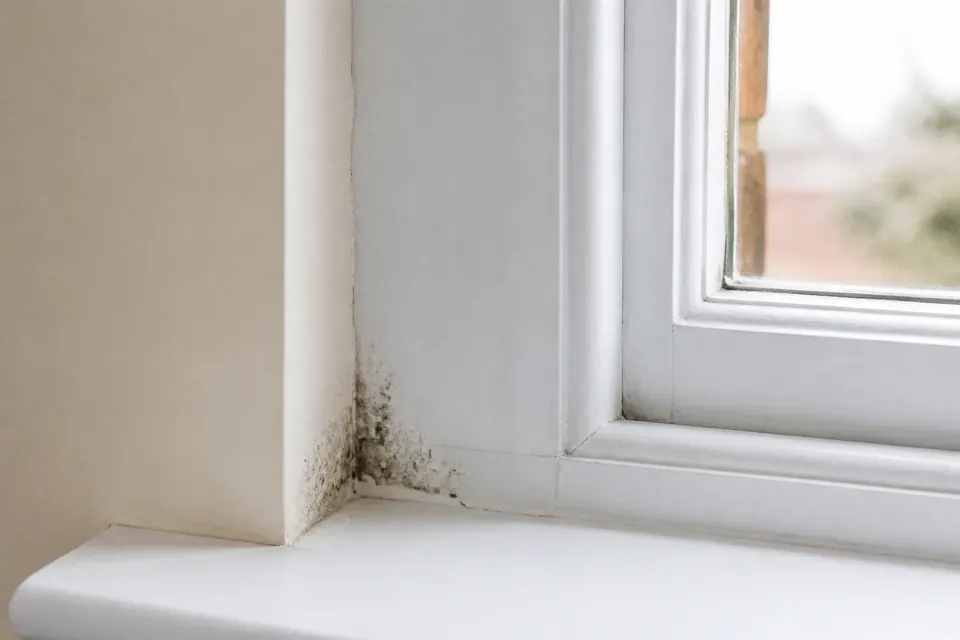
Show the reveal and provide the known frame-work description. Remaining stain, growth and material damage need to be distinguished rather than assuming the whole window area has one unresolved fault.

Will surface treatment confirm the damp is gone?

No such certification should be assumed. Treatment and moisture-source investigation are different scopes, and any remaining concern should be identified explicitly.

02 / SEPARATE THE QUESTIONS

A repair is part of the history,
not the whole diagnosis

A mark can remain or change for more than one reason. Describe the confirmed maintenance and the present evidence without using either as automatic proof of the other’s explanation.

Reading post-maintenance observations carefully
Visible issuePossible contributing factorWhat may need checking
Marks remain beside a repaired framePast or current moisture may be relevantReview the adjacent finish and the actual scope of frame work
Bathroom spotting after a fitting repairRepeated wetness or another contributor may remainDistinguish the repaired fitting from the condition of surrounding coatings
A wall still shows a water outlineHistoric staining or retained moisture may be involvedAssess present material rather than relying only on elapsed time
New growth appears after maintenanceAn unresolved or different condition is possibleReview the sequence without presuming a particular repair failure
Surface removal does not certify the repair.

Plumbing work, ventilation changes, material replacement and treatment have different purposes. A proposal for one should not be read as a guarantee that the others have been completed or are unnecessary.

Growth, moisture and an old stain

Mould is fungal growth, while damp refers to excess moisture. A historic stain is another visible feature and should not be treated as proof of current growth or current wetness without assessment.

Different evidence after a water event
QuestionMouldDamp
The condition being discussedGrowth on the present surfaceExcess moisture affecting material
What to provideThe newer outline and finish conditionCurrent observations and confirmed water history
The possible relationshipGrowth can return if contributing moisture persistsMoisture may remain relevant beyond a visible repair task
The decision aheadIs the current finish suitable for treatment?Does a source or material question require further work?

03 / ROOM-BY-ROOM CONTEXT

Look at the room after maintenance

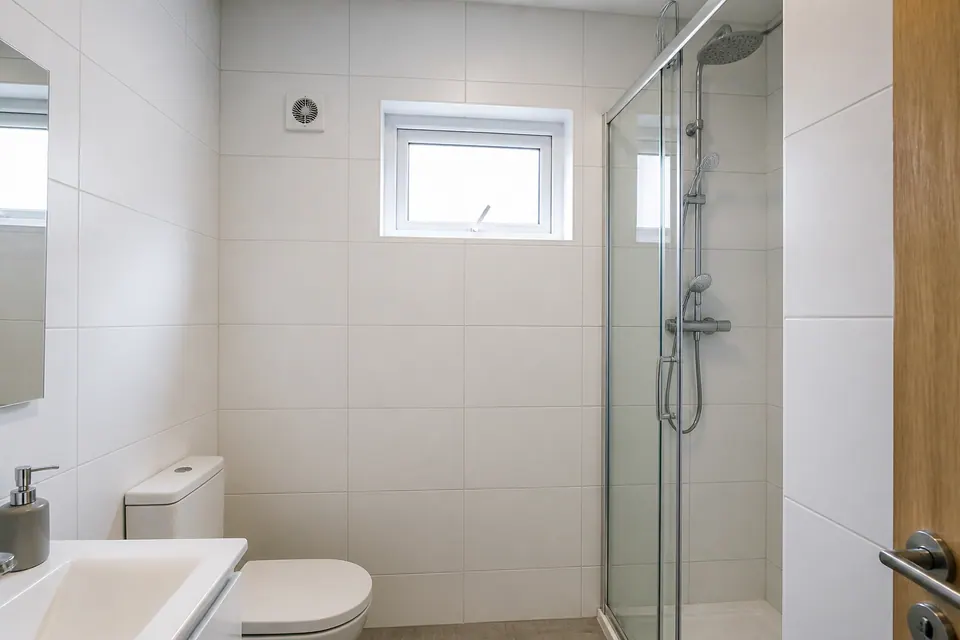
Illustrative bathrooms setting for a mould-removal enquiry

Bathrooms

A bathroom repair may involve one fitting while ceiling paint or sealant raises another question. Identify the actual component and the finish that still needs review.

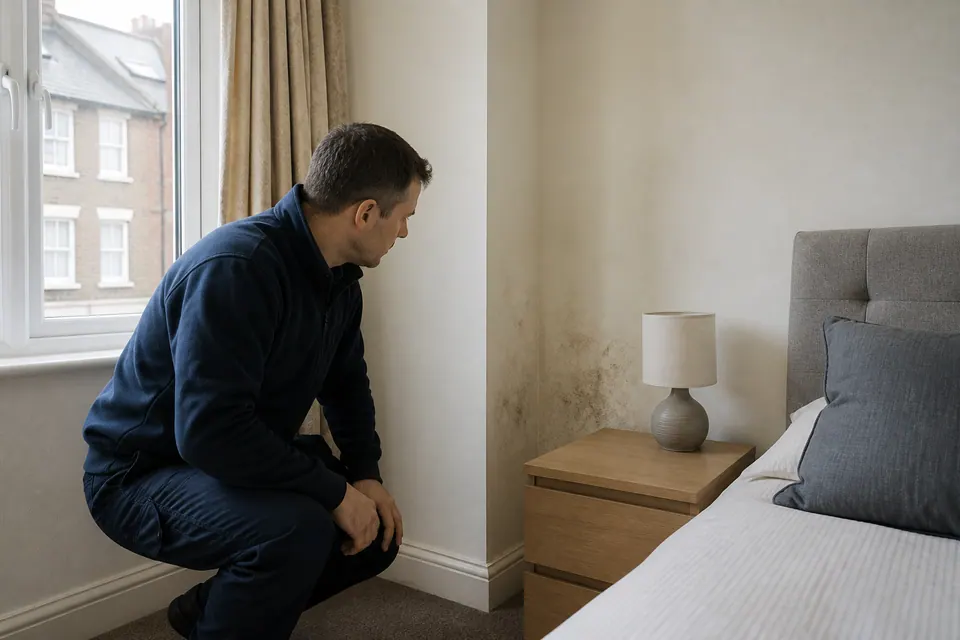
Illustrative bedrooms setting for a mould-removal enquiry

Bedrooms

For a bedroom affected by earlier water, show the current layout and distinguish the old stain from newer marks. The furniture arrangement during repairs may no longer apply.

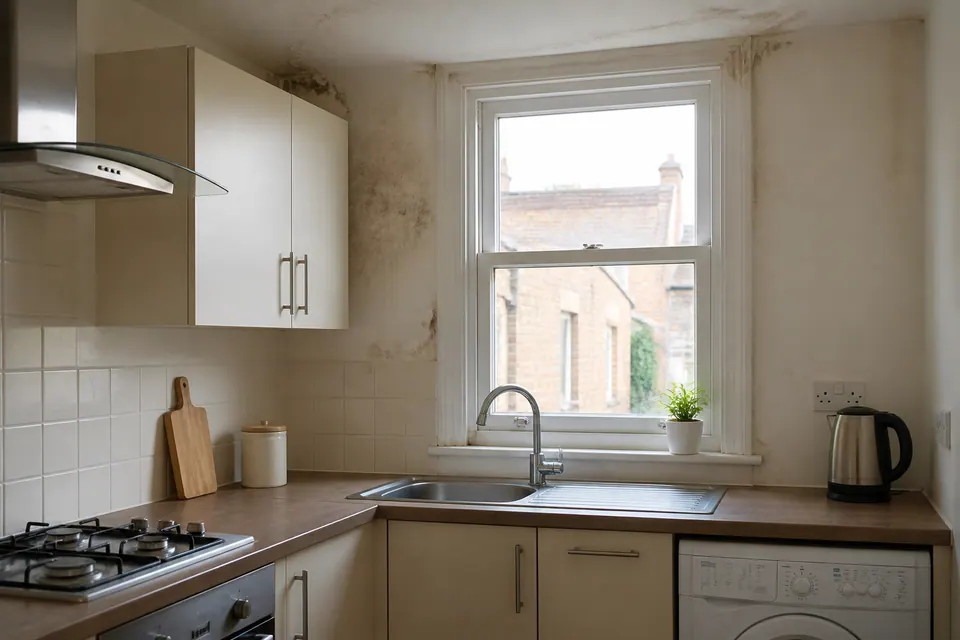
Illustrative kitchens setting for a mould-removal enquiry

Kitchens

A repaired pipe and the adjacent wall should each have a clear description. Do not treat the plumbing invoice as confirmation that the wall material is ready for a cosmetic finish.

Illustrative living rooms setting for a mould-removal enquiry

Living rooms

A living-room decorating plan should allow for assessment of damage and residual staining. A surface-removal proposal does not automatically include making the room look newly decorated.

Illustrative hallways & shared spaces setting for a mould-removal enquiry

Hallways & shared spaces

Where maintenance involved a shared system, identify the responsible information contact. A room treatment should not be mistaken for an assessment of every common component.

Illustrative lower-ground rooms setting for a mould-removal enquiry

Lower-ground rooms

A lower-ground room needs its water history explained even after a repair. Persistent wetness or damaged material may call for further investigation beyond accessible growth removal.

Crawley / THE PROPERTY BRIEF

Review the remaining finish
at the Crawley property

Maintenance history is useful, not conclusive.

Confirm coverage for the complete Crawley postcode and explain the sequence of repair and later observations. If another contractor is due to return, mention that before arranging treatment. A suitable next step should reflect the present material and any outstanding question, not simply the time elapsed since maintenance.

A post-repair evidence brief

Work completed
Give the date and the actual repair description where available.
Condition now
Show the affected finish in a current image, including its surroundings.
Visible changes
Distinguish longstanding marks from observations made after the work.
Pending checks
Identify unresolved repair or access arrangements that may affect the sequence.

05 / QUOTATION, NOT GUESSWORK

A repair invoice
is not a treatment quotation.

The surface proposal needs its own scope based on present extent, material and access. Small suitable areas may be considered from photographs; recurring or damaged-material concerns can require assessment or a specialist quotation. Give the maintenance record as context, not as proof that every other question is settled.

See the main mould-removal service ↗
START WITH THREE THINGS
  1. The actual repair description and date
  2. Current photographs of the remaining finish
  3. Any pending check or contractor return
Request the post-repair surface scope
Quoting the work that remains
ScopeQuotation basisCurrent information required
A defined suitable accessible finishPhotographs may support a quoteIdentify current dimensions and any residual staining
New or recurring changes after maintenanceAssessment may be neededSeparate the earlier event from the present observation
Damaged substrate or unresolved damp concernSpecialist quotation may be requiredClarify material work or further investigation before treatment assumptions

What a repair record does not price

  • The current affected extent
  • Damage to the remaining coating
  • Access after furnishings have returned
  • Preparation for the chosen treatment approach
  • Any additional assessment or work stage
  • Replacement and later decorative tasks

Confirm the removal total and exclusions separately from the maintenance invoice. Drying decisions, material replacement, investigation and decoration should not silently transfer into a surface-treatment quotation.

Crawley / ACCESS & PEOPLE

Who knows the repair
and who sees the room now?

The occupant’s present view

Explain current wetness, spotting or material change without assuming the repair outcome. A firsthand observation can be useful even when the occupant does not hold the maintenance paperwork.

The repair contractor’s record

Share the work description and any confirmed follow-up requirement. Do not add a conclusion about drying or adjacent material if the record does not establish it.

The person coordinating the next visit

Check whether access has changed since repair work and whether another contractor still needs the same area. A timetable should not depend on two uncoordinated tasks occupying the room at once.

TENANT ENQUIRY

Keep observations separate from conclusions

Tenants can supply current photographs and pass on known repair information while checking permission for treatment. The enquiry does not determine fault or legal repair responsibility.

LANDLORD ENQUIRY

Provide a complete sequence

Landlords can identify completed maintenance, proposed checks and the occupant contact. A planned task should not be represented as finished work when the surface proposal is discussed.

HOMEOWNER ENQUIRY

Avoid a premature cosmetic deadline

Homeowners should ask which condition must be reviewed before redecoration. Completing a plumbing task is not automatically the final decision about the wall affected by the earlier event.

07 / LOCATE THE ISSUE

What remains visible after the work?

Choose the affected setting and describe the present finish. The location of a repair can be relevant without explaining every nearby mark or establishing what treatment is suitable.

Illustrative around windows property context

A reveal after frame maintenance

Share the scope of known frame work and show the surrounding finish as it is now. A repaired component does not automatically establish the condition of adjacent plaster or explain later spotting.

Illustrative bathroom property context

A bathroom after plumbing attendance

Identify the fitting that was attended to and the coating still affected. Distinguish confirmed repair information from a belief that all moisture has gone, particularly where the material remains visibly damaged.

Illustrative bedroom property context

A bedroom wall near earlier water damage

Describe the old outline and any newer change separately. Include furniture in the wider view so preparation is based on the current room rather than the arrangement during the repair.

Illustrative kitchen property context

The wall beside repaired pipework

Send the repair date and location with the present photograph. Do not infer from an invoice alone that the wall backing has been checked or that surface treatment can precede every remaining material decision.

Illustrative living room property context

A living-room finish awaiting decoration

Explain what cosmetic work is planned but not yet done. The wish to repaint is separate from the assessment of growth, remaining stain and damage to the existing finish.

Illustrative walls & ceilings property context

A coating altered by the water event

Report lifting paint, exposed backing or softened material without pressing it. A dry-looking photograph may not settle suitability, and damaged material can require another specialist scope.

Illustrative corners & cupboards property context

A repaired area behind storage

State what remains accessible after belongings were returned. Earlier repair access does not mean the current treatment area can be reached, and moving affected possessions needs an agreed preparation plan.

Details that separate repair from current condition

  • The original water-mark boundary
  • New spotting after the recorded work
  • An odour still noticed in the room
  • A change beside the repaired component
  • Current wetness reported as an observation
  • Damage remaining in the coating

Keep the work record precise. It confirms the task described on it, not necessarily the condition of every surrounding material or the resolution of all possible moisture contributors.

08 / A CONTROLLED APPROACH

Connect the repair history with today’s assessment

01

Assess

Review the current finish alongside confirmed maintenance information. Identify damage, newer growth and outstanding questions before agreeing whether suitable surface treatment can proceed.

02

Prepare

Coordinate access with any remaining repair work and agree preparation for the room as it is now. Do not assume the earlier contractor’s working arrangement is still available.

03

Treat

Carry out the agreed work on appropriate finishes, keeping material replacement and source-related repair outside the scope unless explicitly included.

04

Advise

Explain what remains visible and what further decision may be needed before decoration. Current room-use instructions should be clear without implying that every moisture concern is closed.

Recorded repair, present work, remaining questions

The illustration distinguishes stages of a surface enquiry. It does not certify a repair or promise that every mark from a water event disappears.

  1. Visible issue

    Identify the old mark and the newer observation.

  2. Treatment in progress

    Work within the suitability and access confirmed now.

  3. Reviewed surface

    Separate remaining stain from damage requiring another task.

These schematic stages are not customer photographs. A cleaner surface and a repair invoice do not together guarantee that growth cannot recur.

Illustrative condensation along a window pane

09 / WHEN IT COMES BACK

What changed after the repair date?

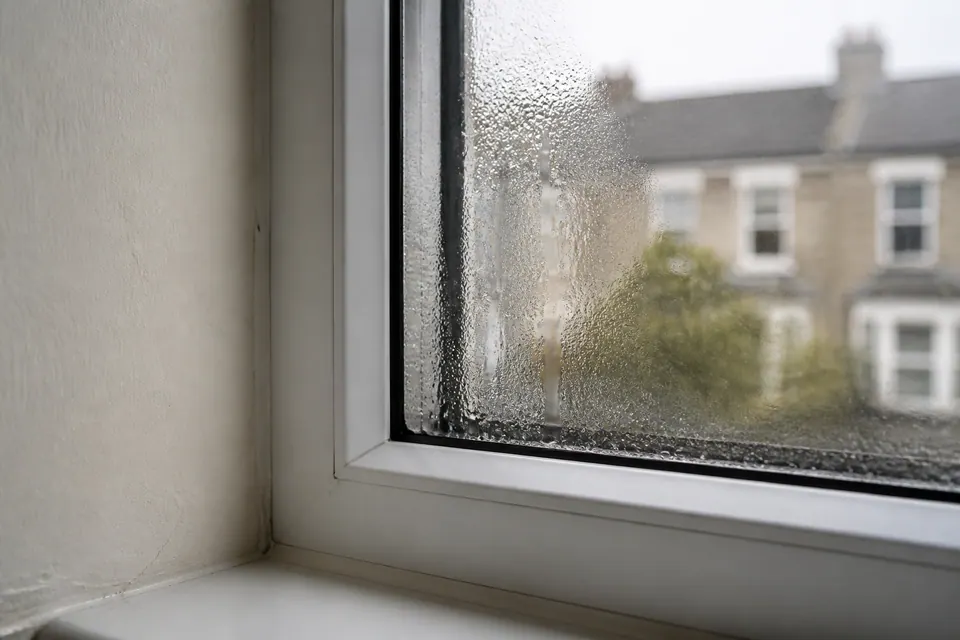
Keep the original stain and any later spotting distinguishable in the record. Describe when the newer change was noticed, without assuming it began on the day the repair finished or that it proves the same source remains.

A continuing or different moisture condition may require consideration. Surface treatment does not establish that all surrounding material has recovered from a water event, and a repair record should not be used as a substitute for reviewing the present finish.

Keep both records, with their limits.

Retain the maintenance description and the current image sequence together. They answer different questions: what work was recorded, and what can now be observed on the surface.

Crawley / PLAN THE APPOINTMENT

Crawley
confirm the next visit separately

Ask about attendance for the full Crawley postcode before arranging the surface work. Explain any pending repair check and who can provide access so the next visit fits the confirmed maintenance sequence.

Send a current image with the repair record so the enquiry reflects the condition now, not only the earlier water event.

Open in Google Maps ↗

Mould Removal in other areas

Crawley

View the Crawley area map.

Crawley / BEFORE BOOKING

Post-maintenance questions
for a Crawley enquiry

Use the repair record to explain the sequence while keeping the present finish and any outstanding work in view.

Should I send the repair invoice?

Yes, if it relates to the area. Keep its wording and date intact, and explain what remains visible now rather than assuming the invoice settles the condition of surrounding material.

What if the wall looks dry in the photograph?

Describe that appearance without treating it as proof of readiness. Material condition and the moisture question may need assessment beyond a single image.

How do I distinguish an old stain from a newer change?

Point out the longstanding outline and describe what was noticed later, using existing dated photographs if available. Do not scrape or clean the surface to make the difference more dramatic.

Does new spotting prove the repair failed?

Not by itself. It should be reported with the known sequence, but the explanation requires consideration of the present condition rather than a conclusion based only on timing.

Can treatment be booked before the contractor returns?

Explain the pending visit and ask how the work should be coordinated. Do not assume surface treatment should proceed ahead of a check that may affect the material or access.

Should I test whether the plaster is soft?

Describe visible damage without pressing, scraping or disturbing it. Ask what assessment is appropriate instead of changing the finish to demonstrate its condition.

Can redecoration be included automatically?

No. Decoration and replacement of damaged material need explicit agreement where relevant; removal of suitable growth does not imply restoration of every cosmetic effect.

What if furniture has been put back since the repair?

Show the current arrangement and explain any clearance limitation. Earlier access for maintenance should not be assumed available for the next visit.

What records should I keep afterwards?

Retain the treatment scope, instructions and any later observations with the repair record. They describe different work and should not be combined into a blanket guarantee against future changes.

A PROPERTY-SPECIFIC NEXT STEP

Review what remains
after the Crawley repair

Send the postcode, confirmed maintenance details and a current view of the finish. Ask what needs assessing before treatment or decoration becomes the next step.

The images are illustrative settings, not documentation of a customer repair, drying assessment or completed treatment.

Chat