
Should an old stain be counted as current mould?
Do not assume that. Describe its history and any recent change so assessment can consider the actual condition.
Reigate / OLD STAIN, RECENT CHANGE
Give the recent change its own description.
A room with earlier water damage can carry an old stain alongside newly noticed spotting. For Reigate, confirm postcode availability and distinguish those observations before assuming that every mark is current mould or that removal will erase the whole history of the finish.
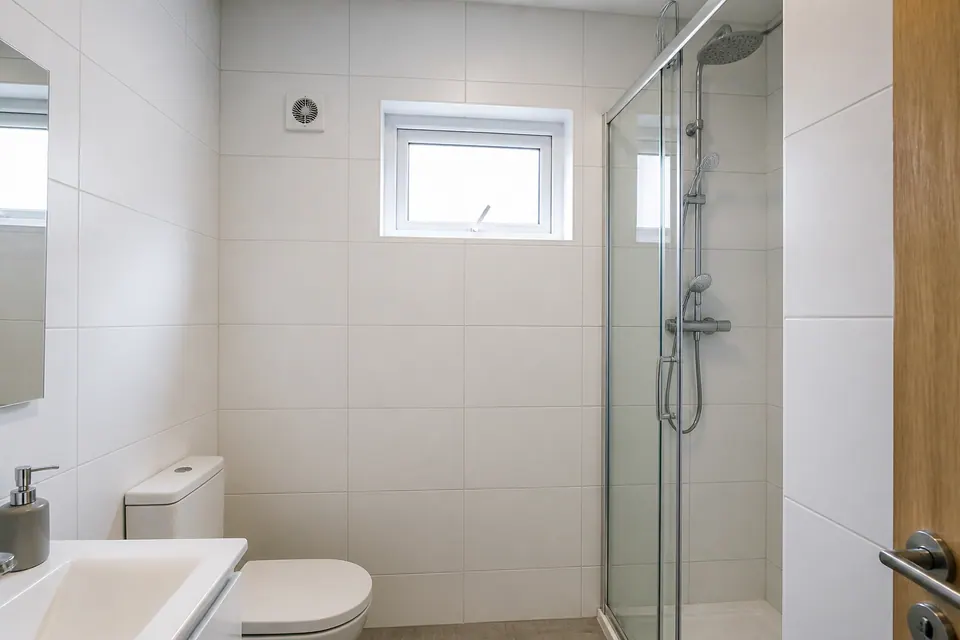
Old stain · current boundary · repair record
01 / DIRECT ANSWERS
Do not assume that. Describe its history and any recent change so assessment can consider the actual condition.
Painting is not a substitute for assessing current growth and moisture. Cosmetic finishing should be considered separately.
Not by itself. Provide the known history and current evidence without reusing an earlier diagnosis automatically.
The appropriate scope may not match the entire discoloured area. Material, current concern, access and proposed method matter.
Use the safe available view and describe access limits. Ask for preparation guidance before moving heavy or potentially affected belongings.
Identify its condition separately. Residual appearance or deterioration may need another task rather than a promised removal result.
No. Repair history and cosmetic outcome are different questions. Show the current finish and discuss realistic limits.
No such conclusion should be assumed. Any necessary moisture assessment or repair remains separately scoped.
02 / SEPARATE THE QUESTIONS
Old damage, current growth-like marks and residual appearance can overlap while requiring different questions.
| Visible record | History to provide | What needs assessment |
|---|---|---|
| Stable stain after earlier water | Known event and repair details | Whether any current treatment is appropriate |
| New spotting beside the stain | When noticed and present material | The scope of the recent concern |
| An outline that has changed | Earlier and current views | What condition is progressing? |
| Damaged finish around both areas | Visible deterioration | Material limits beyond removal |
Repair, stain finishing and redecoration need separate consideration. A suitable removal scope should not be presented as complete cosmetic restoration of earlier water damage.
A visible stain can remain part of a finish’s history without establishing the current moisture condition or growth status.
| Question | Mould | Damp |
|---|---|---|
| What is observed? | Current growth-like change on the finish | Longstanding staining or water-related damage |
| What does age not prove? | Whether the recent mark is the same concern | Whether moisture is currently resolved |
| Why distinguish the areas? | Treatment and appearance limits can differ | Repair or further assessment may be separate |
| What should be agreed? | Suitable current removal scope | Any cosmetic or moisture task outside it |
03 / ROOM-BY-ROOM CONTEXT
Identify current spotting, old discolouration and damaged components separately. They may not share the same outcome.
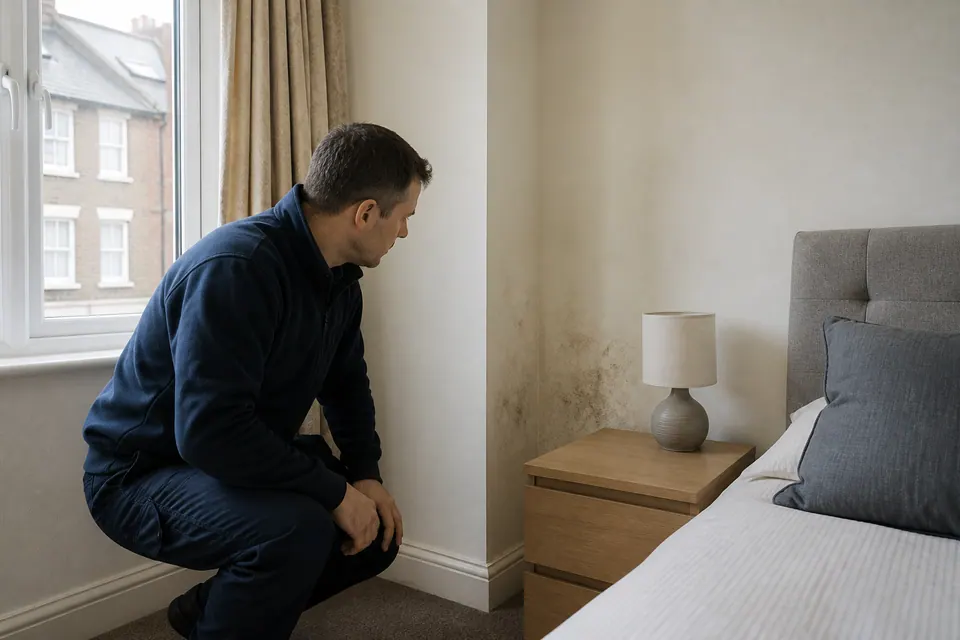
Describe stable and recently noticed areas without assuming when unseen growth began.
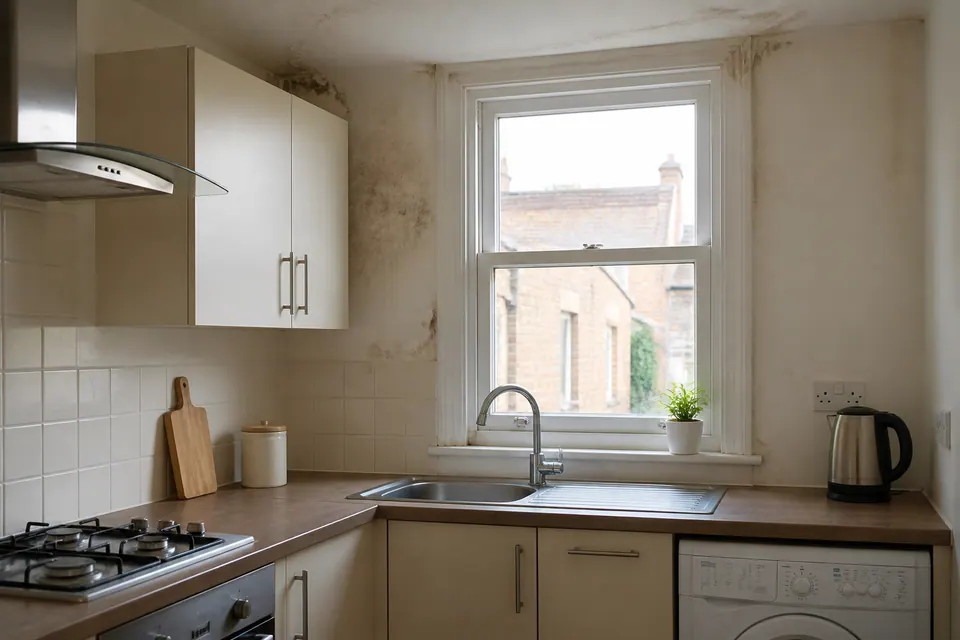
Add confirmed water and repair history, distinguishing it from current material condition.

Identify decorative coverings and residual stains. A cosmetic match is not automatically part of growth removal.
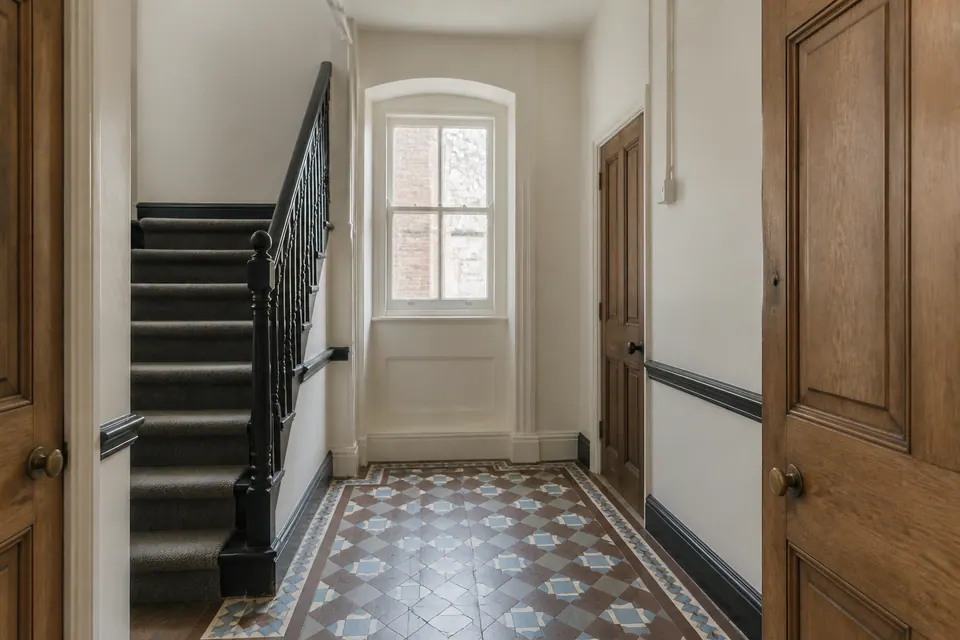
Confirm location and authorisation as well as history. A private surface record does not establish common-area conditions.

State known events and current evidence without assigning a damp type from the level or stain age.
Reigate / THE PROPERTY BRIEF
The requested outcome should match the current condition.
Confirm availability for the full Reigate postcode and show what has changed since any known earlier water event. Provide repair dates where available without filling gaps with guesses. Ask what can appropriately be treated now and what staining or decorative damage may remain outside that outcome rather than expecting the finish to lose every historic mark.
05 / QUOTATION, NOT GUESSWORK
For Reigate, confirm coverage and distinguish recent growth-like change from longstanding staining. The quotation should explain suitable work and its limitations rather than promise that every discoloured area will look newly decorated.
Review the main quotation scope ↗| Current evidence | Quotation route | Outcome to clarify |
|---|---|---|
| Limited suitable recent growth | Photographs may support pricing | Accepted area and material |
| Returning or several changed areas | Assessment informs the proposal | Individual histories and present extent |
| Damage or complex moisture concern | Specialist quotation may be needed | Repair and residual-appearance limits |
Confirm availability and realistic inclusions. A surface quote should not be interpreted as guaranteeing complete removal of historic water staining or decorative damage.
Reigate / ACCESS & PEOPLE
Provide actual event and repair details. The current surface still needs its own condition description.
State what was covered or repaired where known. New paint does not establish the present moisture condition beneath it.
Explain that earlier appearance is unknown. Do not label it recent growth solely because it has just become visible.
Share the old and recent evidence with the authorised contact. The record should not be presented as a legal determination of repair responsibility.
Link repair information to the relevant surface and period. Avoid using a historic diagnosis as confirmation of today’s cause.
Ask what current removal can achieve and what decorative work may remain. Keep a completely renewed appearance as a separate discussion.
07 / LOCATE THE ISSUE
Choose the room and describe both the longstanding mark and the recent observation. Their boundaries and likely outcomes should not be assumed identical.
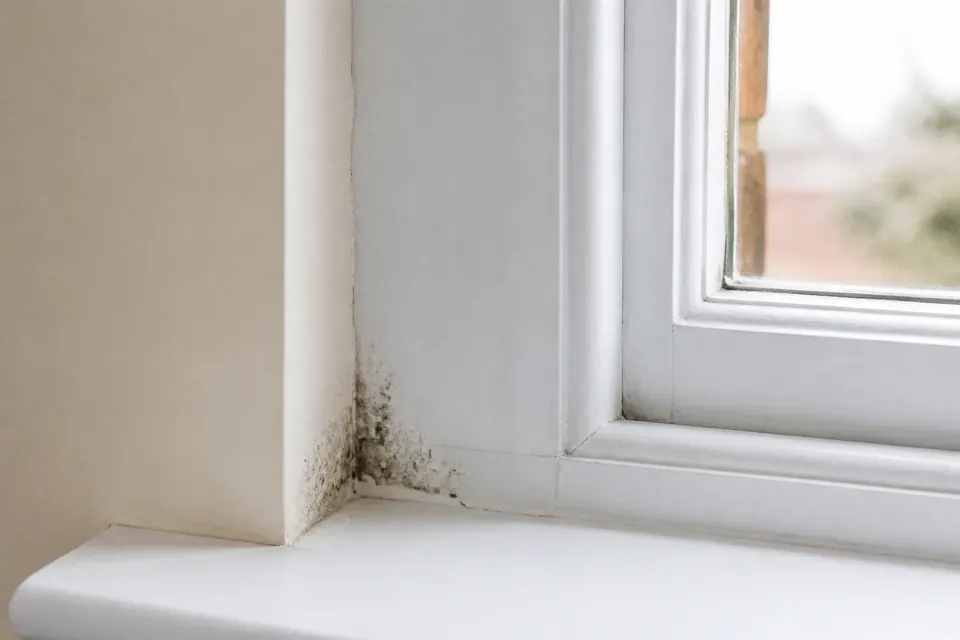
Show the current patch beside the earlier stain and include known frame history. Do not treat every discoloured portion as the same material condition.
Identify new spotting separately from old marks and damaged sealant or paint. A room-wide cosmetic expectation can hide different tasks.
Describe what has remained stable and what is newly noticed. Include an available earlier image without presenting it as current evidence.
Give known repair dates and current observations. A past repair does not establish the present finish or guarantee stain removal.
Explain whether the appearance has changed and identify the material. Cosmetic restoration is different from treatment of suitable growth.
Use a safe wide view and indicate the recent portion in words. Do not touch or mark the surface to create a comparison.
State if the material was previously hidden. Newly seen is not automatically newly developed or a recurrence of treated growth.
Age and colour alone do not identify mould or establish the cause. Current material and reliable history need review together.
08 / A CONTROLLED APPROACH
Identify the present concern and material while keeping longstanding stain history separate. Do not assume every dark portion needs the same method.
Clarify access and the realistic scope. Avoid covering the old or recent area before the current condition has been reviewed.
Follow the agreed surface boundary and material limits. Damage or another condition may require a separate decision.
Record what was addressed and what stain, damage or moisture question remains. Avoid equating treatment with full decorative renewal.
The stages do not promise that a finish loses every sign of its earlier history.
Keep stable stain and recent change identifiable.
Do not treat all discolouration as one assumption.
Distinguish growth removal from decorative work.
These illustrations are not customer before-and-after results or a guarantee of complete stain removal.
09 / WHEN IT COMES BACK
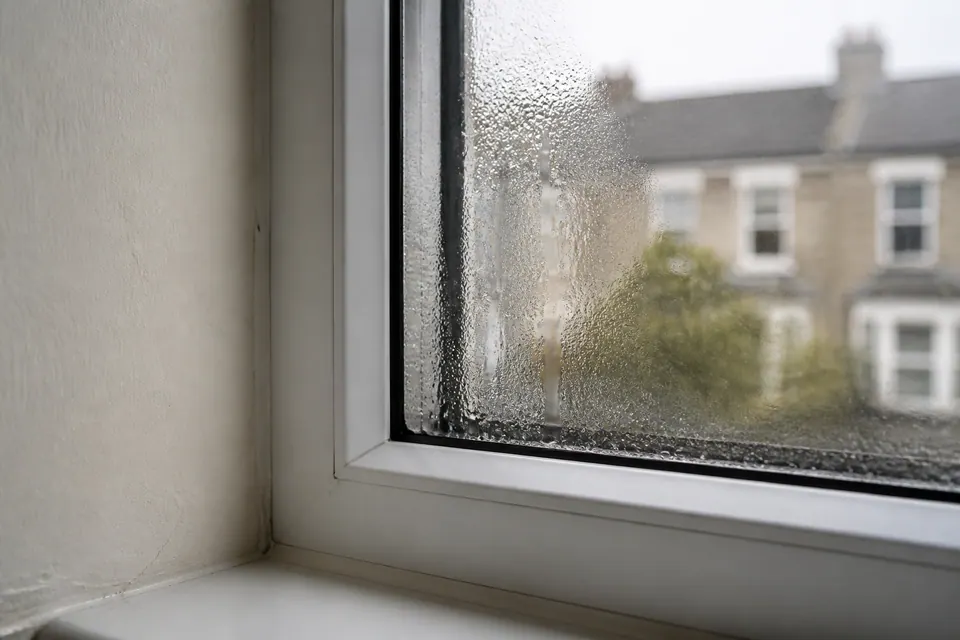
If appearance changes again, state what is different from the previous record. A darker old stain, new spots and a wider outline should not become one generic claim.
Use the current material and known events to frame another assessment. The history can be relevant without proving that the same source or condition has returned.
Separate earlier views from current ones so a historic stain is not accidentally presented as today’s new growth extent.
Reigate / PLAN THE APPOINTMENT
Confirm availability for the complete Reigate postcode before arranging a visit. Send the current concern with reliable older evidence and repair information.
Use the map to locate the address and discuss access where useful.
Load the Reigate area map.
Reigate / BEFORE BOOKING
Keep the historic appearance distinct from the current treatment question.
Yes, a residual cosmetic mark may remain. Discuss realistic outcomes rather than assuming growth removal restores every historic stain.
No. Request availability for the full postcode before preparing or booking a visit.
Only report the known history and current observation. Do not assume the same cause without assessment.
State that the date or history is uncertain. An honest gap is preferable to an invented exact record.
Yes, clearly label it as earlier and identify the same surface. Keep the current view separate.
No. Colour alone does not establish the condition, cause or appropriate scope.
Do not assume decorative work is included. Confirm it separately from suitable surface removal.
Describe both boundaries rather than pricing the whole stain as confirmed current growth.
No. Appearance and moisture repair are separate questions that may require their own assessment.
SEPARATE THE HISTORY FROM THE CURRENT CHANGE
Send the postcode, present boundary and reliable earlier evidence. Confirm availability and ask what treatment can address without assuming every historic stain will disappear.
The images illustrate property finishes and are not documented customer stain-removal guarantees.
