
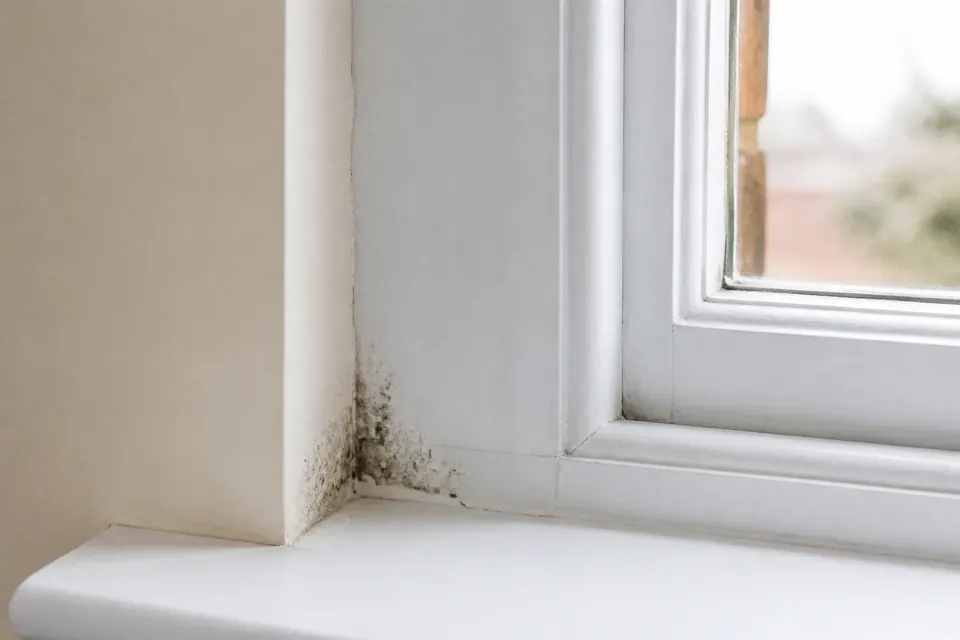
Pane and reveal in the same view
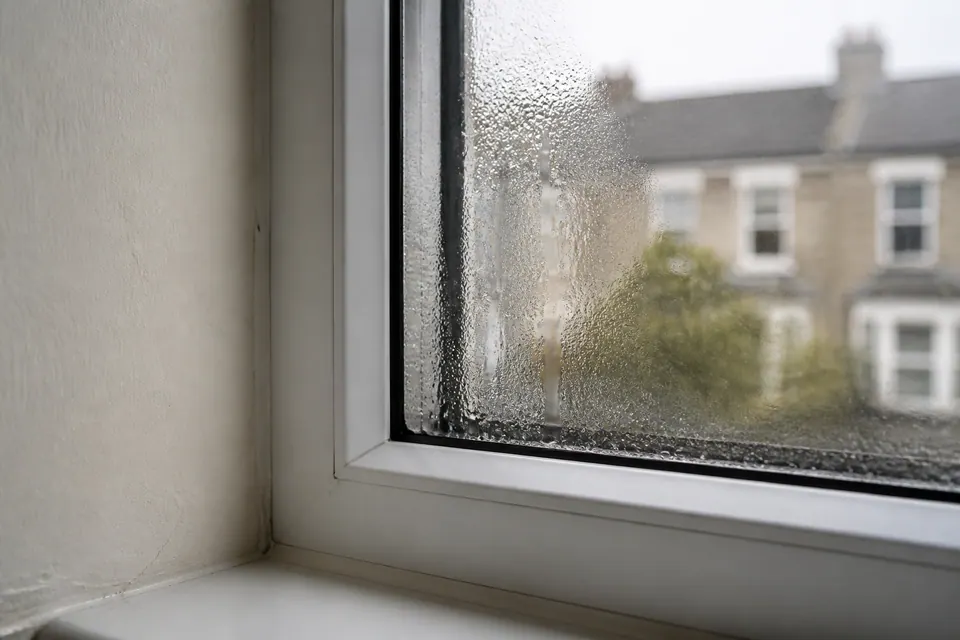
Show where droplets are observed and where the coating is marked or loose. The two boundaries may not be identical.
Epsom / GLASS MOISTURE AND FINISH DAMAGE
Describe the water and the paint separately.
Water on a pane and a damaged reveal can appear together without establishing one confirmed cause. For Epsom, check postcode availability and show the current finish, adjacent intact material and any known frame work before discussing suitable surface treatment.
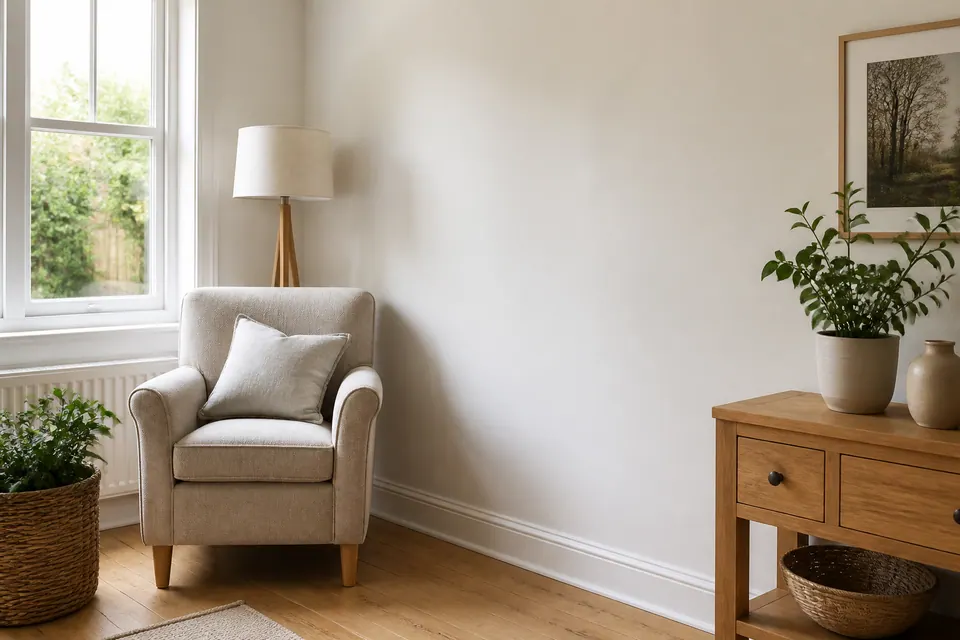
Pane water · coating damage · repair history
01 / SEPARATE THE QUESTIONS
The pane observation and the damaged finish can support assessment without confirming the source or appropriate repair.
| Observation | Information to add | What needs assessment |
|---|---|---|
| Water visible on the glass | When and where it is noticed | Relevant moisture context |
| Loose paint on the reveal | Current coating and affected extent | Suitability of the finish for treatment |
| Marks beside an intact-looking area | A wider comparison view | Growth, staining and damage boundaries |
| Change after known frame work | Actual repair details and date | Present condition rather than assumed outcome |
Frame repairs, coating renewal, ventilation work and material replacement are separate unless expressly agreed. A pane observation should not silently expand the removal scope.
Condensation concerns water on a surface; growth and deteriorated paint need their own evidence and decisions.
| Question | Mould | Damp |
|---|---|---|
| What can be seen? | Marks on the exposed finish | Actual droplets or wet material |
| What does it not establish? | That every damaged area is current growth | The complete cause of the wall condition |
| Why record both? | Material suitability affects removal | Moisture questions may need other work |
| What should be agreed? | Suitable treatment and appearance limitations | Any separate frame, coating or moisture task |
02 / LOCATE THE ISSUE
Choose the setting and identify whether the observation concerns water, growth-like marks or damaged finish. They should not be merged into one label.
Show where droplets are observed and where the coating is marked or loose. The two boundaries may not be identical.
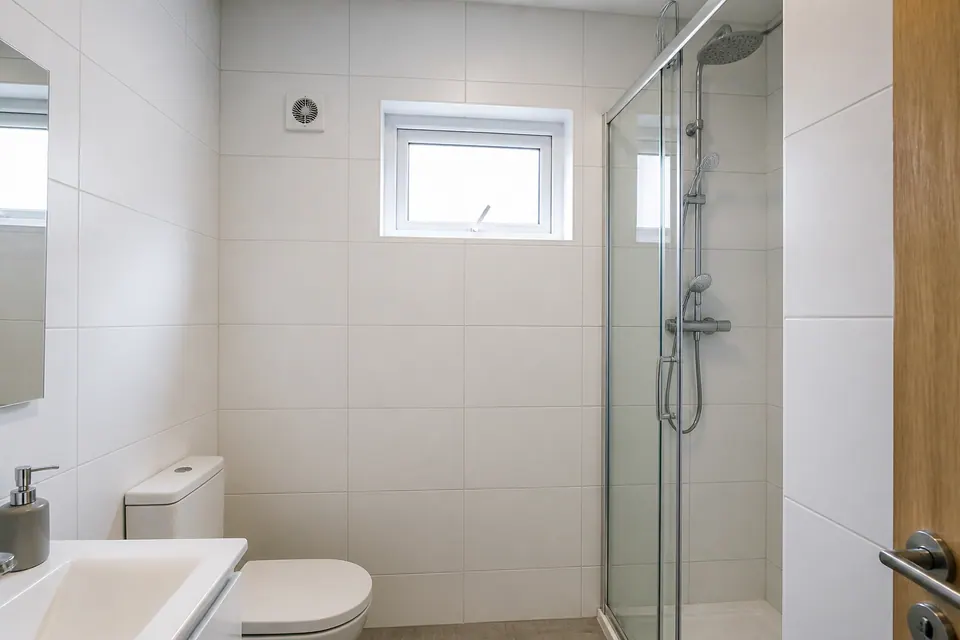
Describe paint, sealant and adjoining material independently. The bathroom setting does not establish why the coating has deteriorated.
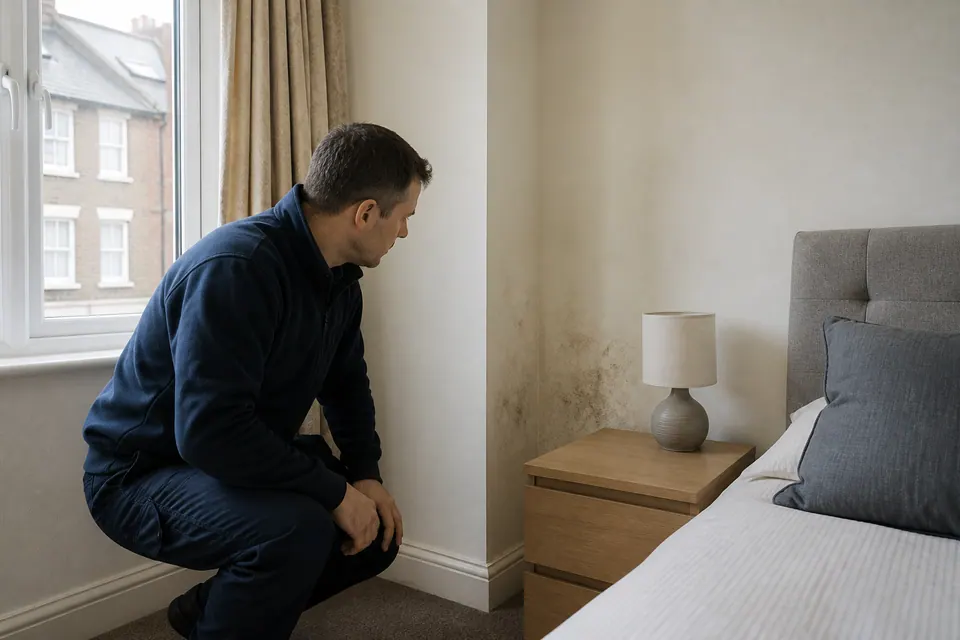
Include the wall beyond the reveal and nearby furniture. Record glass moisture as an observation rather than proof that ventilation caused the marks.
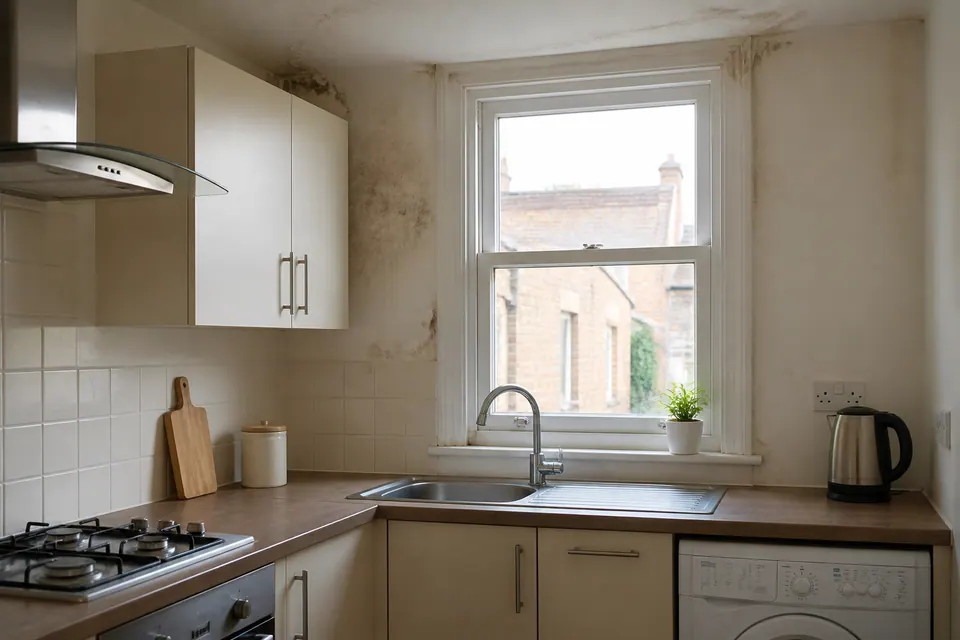
Separate known frame work, water observations and current finish. Nearby cooking or washing activity should not become an assumed diagnosis.
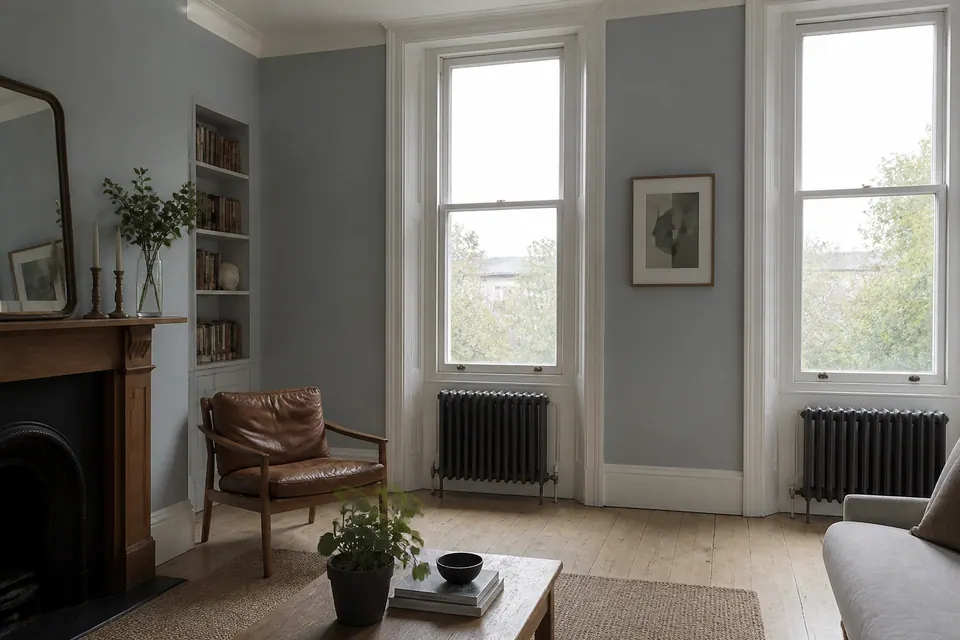
Show an intact-looking portion beside damaged coating. A decorative mismatch or stain can be a different issue from suitable growth removal.
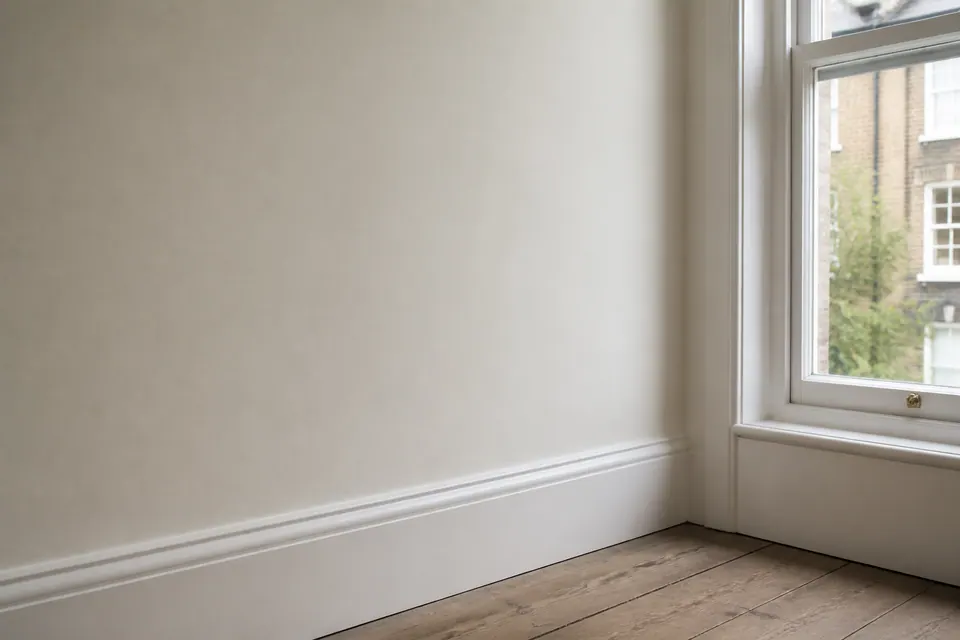
Photograph from a safe position and state any visible loose material. Do not scrape to reveal the substrate for the enquiry.
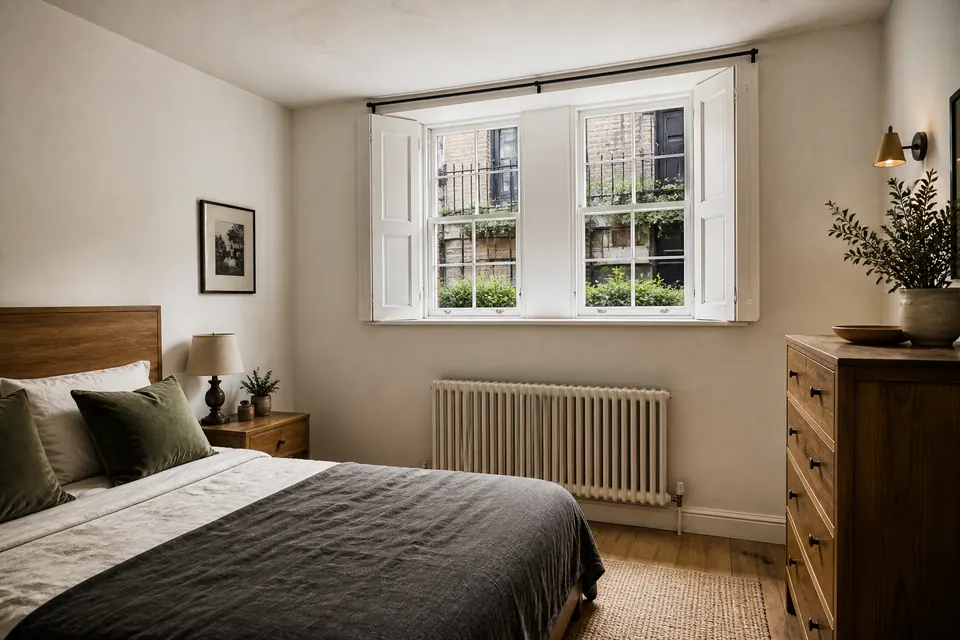
Explain what blocks the view and what remains accessible. Hidden continuation should remain uncertain rather than included as measured growth.
Co-occurrence is useful context, not proof of a single cause. Current material condition still needs assessment.
Epsom / THE PROPERTY BRIEF
Water evidence should not replace a finish description.
Confirm availability for the full Epsom postcode and provide the current surround beside an intact comparison area. Explain when water is actually seen on the glass, if it is, and list known frame work separately. Ask which surfaces are suitable for removal and which damaged coating or repair questions need another scope.
04 / A CONTROLLED APPROACH
Distinguish droplets, growth-like marks and loose coating. Include the intact comparison and known repairs without choosing a diagnosis.
Clarify contents and access around the window. Do not scrape damaged paint or remove components merely to expose more material.
Follow the agreed surface scope. Deteriorated material can require another decision rather than an assumed cosmetic restoration.
Record staining, coating damage and separate window or moisture questions. Avoid promising that treated paint means dry glass in future.
The stages do not equate growth removal with window repair or renewed decoration.
Show water and finish evidence separately.
Do not add frame or coating work by assumption.
Distinguish appearance and moisture questions.
The illustrations explain stages rather than customer window repairs or guaranteed condensation outcomes.
05 / QUOTATION, NOT GUESSWORK
For Epsom, confirm postcode coverage and include material condition, affected dimensions and actual water observations. The proposed price should distinguish suitable removal from paint repair or window work rather than treat them as one automatic task.
Review the main assessment scope ↗| Current finish | Quotation route | Separate information |
|---|---|---|
| Limited suitable accessible area | Photographs may support pricing | Material and clearance |
| Returning or several window areas | Assessment informs the proposal | Individual timing and history |
| Damaged coating or complex moisture | Specialist quotation may be needed | Repair and material questions |
Confirm availability and inclusions before booking. A surface-treatment quote should not be interpreted as restoring all paint damage or preventing future condensation.
06 / WHEN IT COMES BACK
If marks return, say what changed on the reveal and whether water was actually noticed during the interval. Do not use one glass photograph as the whole history.
The current coating may have different limits after earlier work. A repeat enquiry should review the finish rather than assume the same method or a confirmed ventilation explanation.
It helps describe where deterioration or marks stop without disturbing the material to test it.
Epsom / ACCESS & PEOPLE
Show intact and loose portions. The condition of the coating matters independently from water observed on glass.
Describe known frame work and visible damage. Refinishing or repair should not be assumed within removal.
Explain access limits and any concealed portion. Visibility of the pane does not establish reach to the whole finish.
Share actual observations and known history with the authorised contact. Avoid assigning a repair diagnosis or legal responsibility from the image.
Provide relevant frame work details and present occupant observations. A past repair record does not settle today’s material condition.
Separate suitable removal from coating renewal and window questions. Ask what outcome is realistic before arranging a decorative refresh.
08 / ROOM-BY-ROOM CONTEXT
Describe water observations, paint and sealant independently. The setting alone does not identify the cause.
Include furniture and the adjoining wall in the view. Room-use arrangements remain a separate practical question.
Record known frame or water history without assuming nearby activity explains every mark.
Show decorative coating differences and intact material. A matching finish is not automatic growth removal.
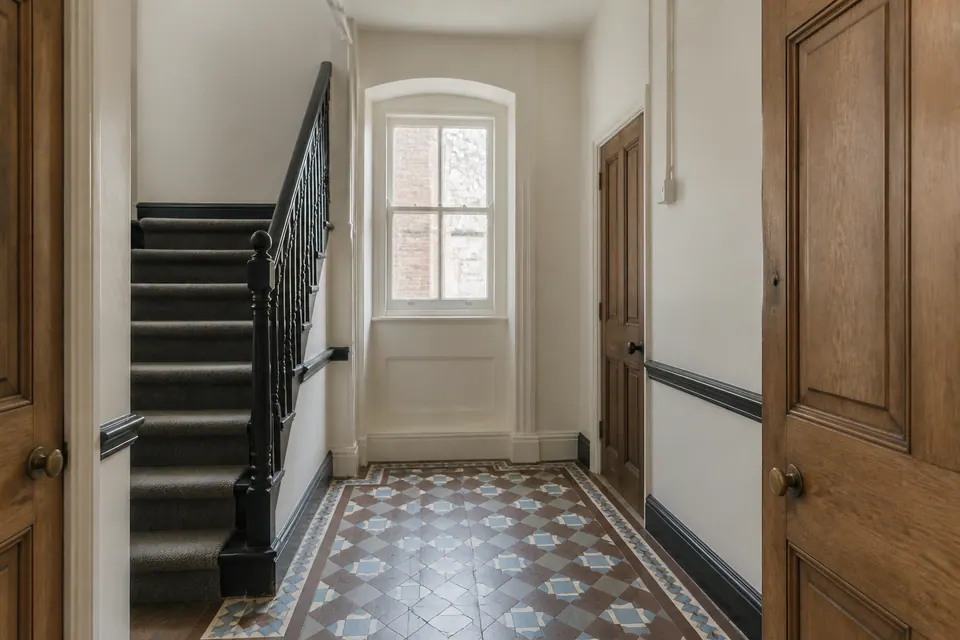
Identify the material and authorisation boundary. Common-area work needs a separate agreed scope.
State the room level and current evidence. Position does not establish a damp type or suitability by itself.
09 / DIRECT ANSWERS
No. Record the observation and current material, but leave the explanation open for assessment.
Do not conceal or scrape it for the enquiry. Show the condition and ask about suitable preparation or separate material work.
A single dry observation does not establish the full moisture history. Describe the timing and previous work rather than choosing a cause.
No. Affected extent, coating condition, clearance and the proposed method matter, not only the opening dimensions.
Show the safe available view and ask for handling or preparation advice if items may be affected or restrict access.
Identify it separately. Replacement or repair may differ from treatment of suitable visible growth.
Not automatically. Provide current evidence and the repair history so material suitability can be considered.
No such result should be assumed. Surface removal does not itself change glazing, ventilation or every moisture condition.
Epsom / PLAN THE APPOINTMENT
Confirm service availability for the complete Epsom postcode before arranging a visit. Send the water observations and current finish evidence together.
Use the map to locate the address and discuss the route if needed.
Load the Epsom area map.
Epsom / BEFORE BOOKING
Describe the two observations without turning them into one confirmed explanation.
Yes, with a wider view linking their positions. Their boundaries and timing may differ, which is useful context.
No. Check the complete postcode before arranging preparation or a visit.
Do not disturb it for the enquiry. Describe the visible deterioration and ask what assessment or preparation is appropriate.
No single observation establishes the full history. Report what has actually been seen and when without guessing.
Yes, if known. Give the task and date without assuming it proves either success or failure for the present finish.
Not automatically. Coating damage and decorative restoration can require separate work.
Do not assume that scope. Identify each affected area and its own material and history.
No. It does not by itself change every condition affecting water on glass.
Identify both materials and show the joint. Their suitability and repair needs can differ within the same surround.
SHOW WATER AND FINISH AS SEPARATE EVIDENCE
Send the postcode, current coating views and actual water observations. Confirm availability and ask which treatment and separate repair questions apply.
The images illustrate property settings rather than documented customer condensation or coating-repair results.
