
Does recent decoration make treatment cheaper?
Not necessarily. The current material, extent and preparation need review, and a damaged or uncertain coating can introduce questions rather than remove them.
Crouch End / PROPERTY CONDITION
A fresh coating can change the appearance without closing the question.
If marks have returned on a redecorated Crouch End wall, keep the decorating date and current finish together in the enquiry. Explain what preparation is actually known, without stripping the new layer to reconstruct the past. Ask what needs assessment before another cosmetic step is planned.
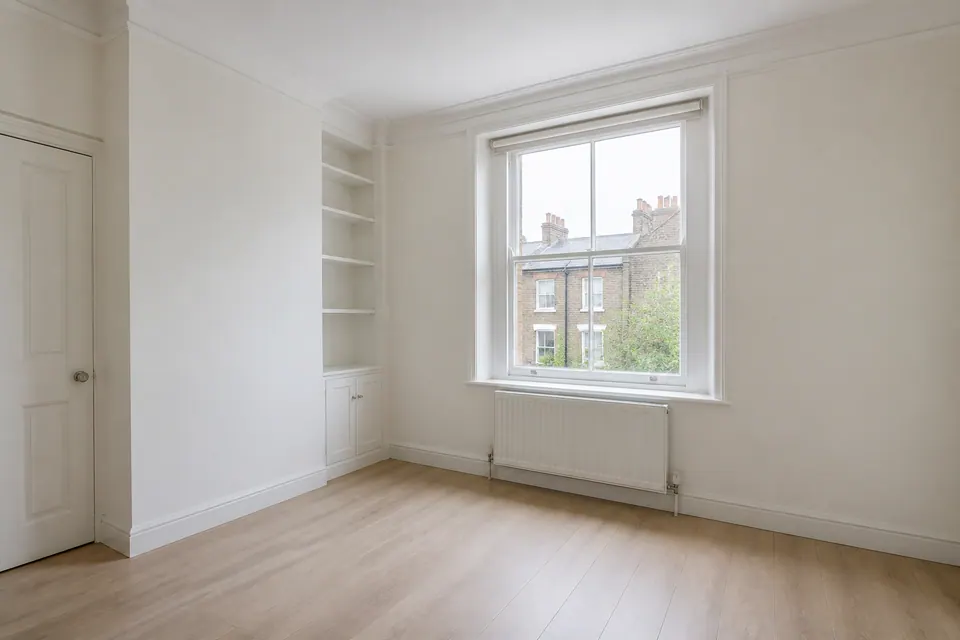
Coating history · current outline · next decision
01 / DIRECT ANSWERS
Not necessarily. The current material, extent and preparation need review, and a damaged or uncertain coating can introduce questions rather than remove them.
A cosmetic layer is not a substitute for considering growth and moisture. Ask what must be assessed before another finish is applied.
No such conclusion follows from timing alone. Provide the actual work record and current evidence without assigning fault or a diagnosis.
Explain the proposed sequence and ask which decision should come first. Unrequested stripping or covering can change the condition that needs review.
Ask what instructions and material conditions apply before the next task. The end of the visit is not automatically a go-ahead for another coating.
Describe the visible deterioration without removing it. Suitability and any replacement or reinstatement question need assessment rather than an assumed cleaning-only result.
Identify those separate finishes and histories. The proposal should not merge them merely because the mark is close to the junction.
Only explicitly agreed work should be assumed included. Treatment, material repair and decoration are different tasks with different limits.
02 / SEPARATE THE QUESTIONS
Describe what was done and what is visible now without assuming that sequence alone proves the moisture source. Cosmetic work and source-related work should remain clearly distinguished.
| Visible issue | Possible contributing factor | What may need checking |
|---|---|---|
| A reveal marks through fresh paint | Moisture near the window may remain relevant | Review frame observations and the coating separately |
| Bathroom spotting follows ceiling decoration | Repeated wetness may contribute | Clarify actual preparation and present material condition |
| A stain shows beside a recorded repair | Past or continuing moisture may matter | Keep repair, treatment and decoration dates distinct |
| The same outline returns after another layer | A contributor may remain unresolved | Assess the history rather than repeating a cosmetic assumption |
Leak work, ventilation changes, material replacement and treatment need their own scope where relevant. A decorating record should not be used as proof that those different tasks were completed.
Mould concerns fungal growth, while damp concerns excess moisture. A stain showing through a coating is another observation and should not automatically be identified as either without assessment.
| Question | Mould | Damp |
|---|---|---|
| The condition described | Growth affecting the current surface | Excess moisture in material or surroundings |
| Evidence to provide | The returned outline and coating condition | Known wetness and reliable water history |
| A possible connection | Growth can recur where moisture persists | Moisture may remain relevant despite a cosmetic layer |
| The next decision | Is the present coating suitable for treatment? | Does a contributor need separate assessment or repair? |
03 / ROOM-BY-ROOM CONTEXT
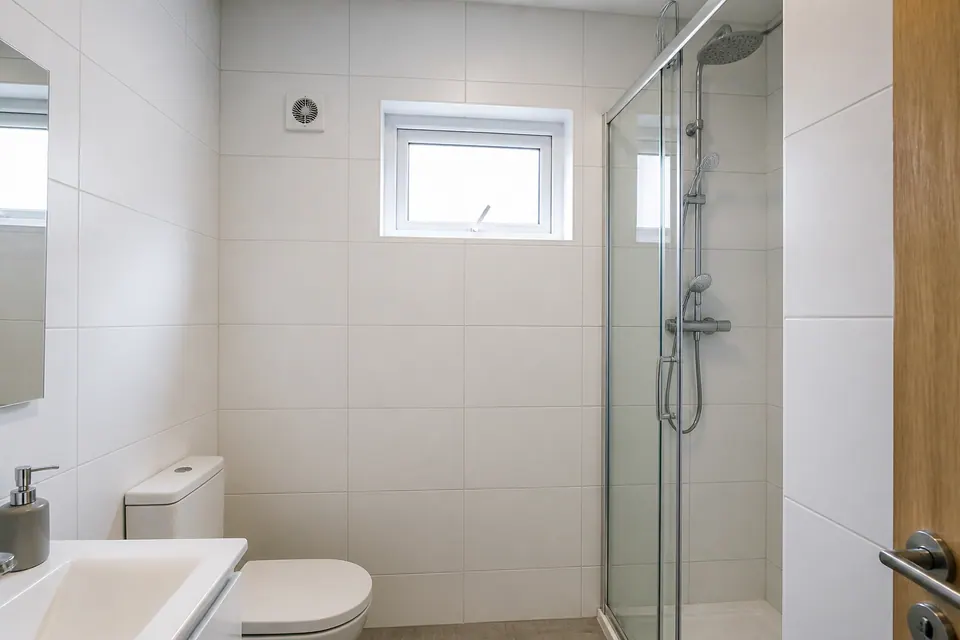
A repainted bathroom ceiling should have its own work date and present-condition description. Do not assume the same preparation applied to sealant or other components.
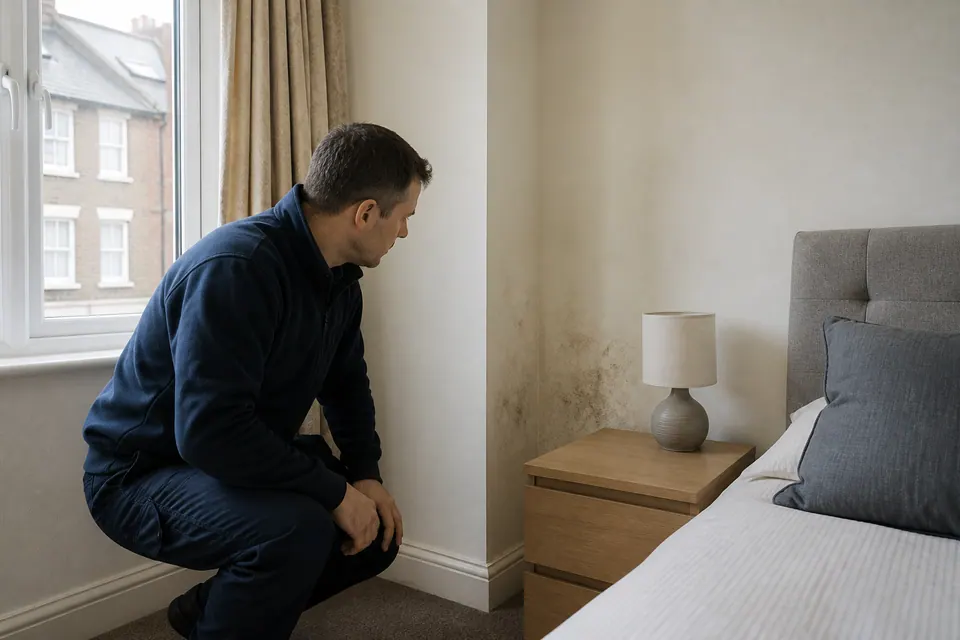
For a bedroom wall, show the furniture arrangement now and retain earlier images if available. Access during decorating may no longer be available.
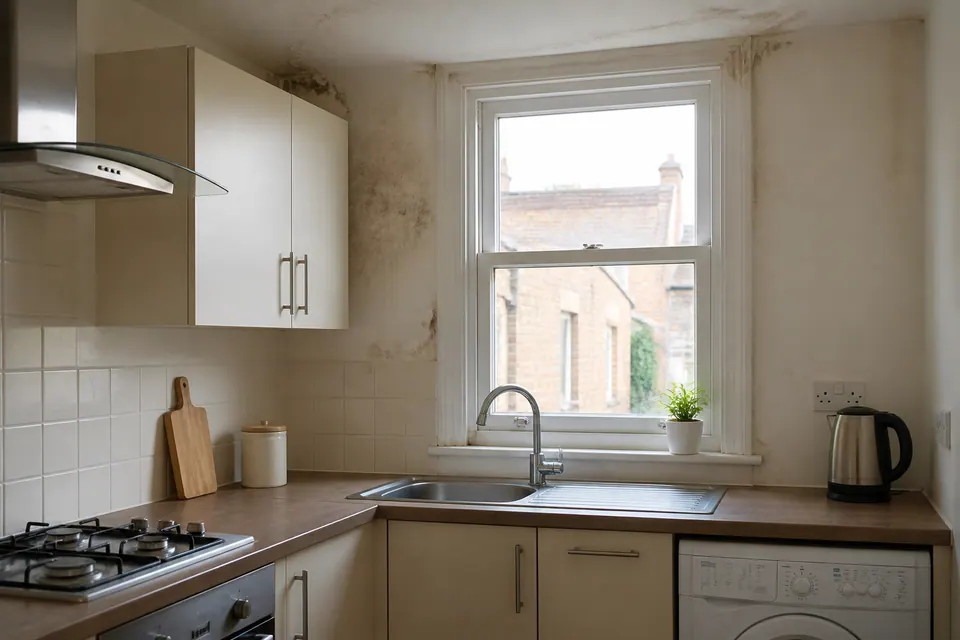
In a kitchen, distinguish a repainted unit from the adjoining wall. Matching colour does not establish matching material or a single treatment scope.
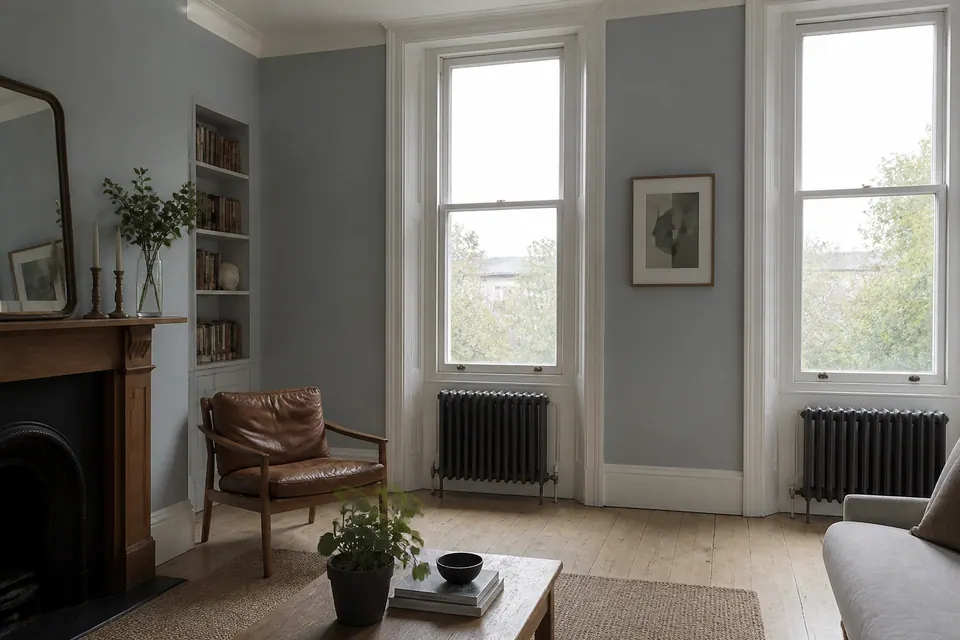
For a living-room elevation, describe a returning mark and any coating change separately. The hoped-for final appearance should not replace the suitability question.
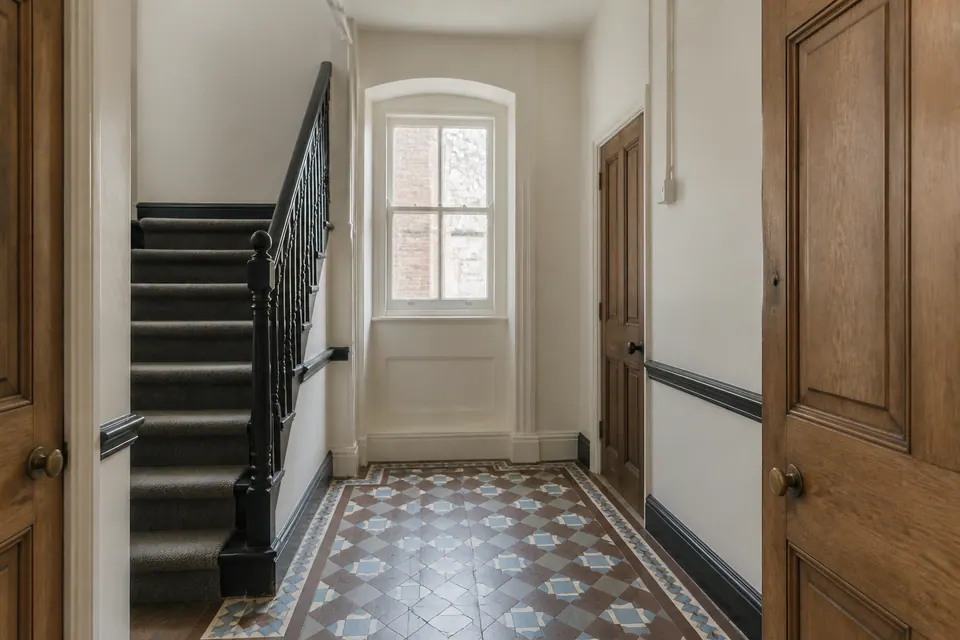
Shared-area decoration may have been arranged by another contact. Keep that record attributed and do not assume it defines permission for further work.
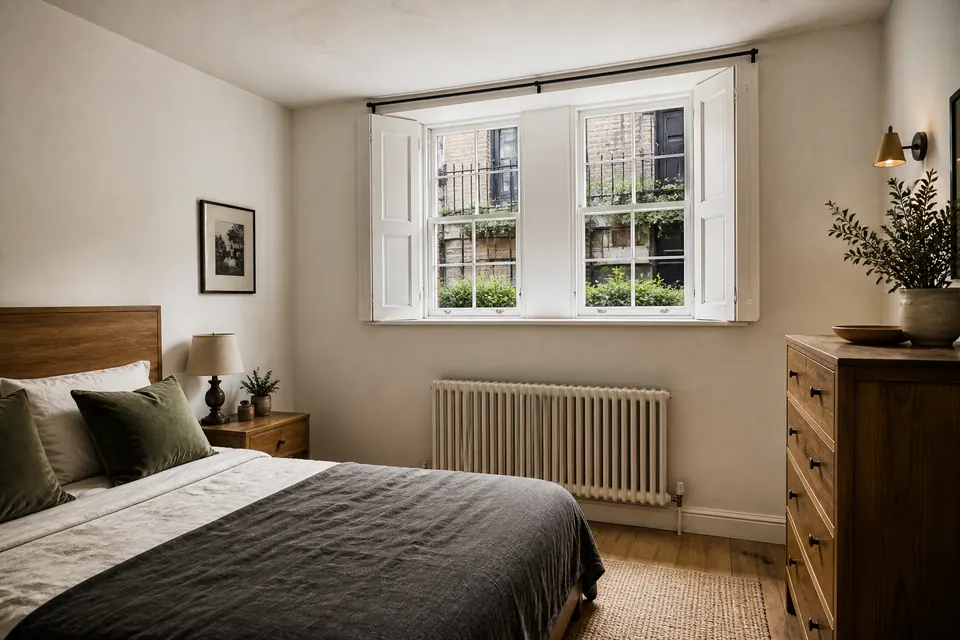
For a lower-ground room, include reliable water history alongside the repainting date. A new finish does not establish that persistent moisture or material damage was addressed.
Crouch End / THE PROPERTY BRIEF
Review the sequence and the material that exists now.
Provide the known decorating date, any recorded preparation and the current appearance. If earlier photographs exist, keep their dates and room references. Ask whether the finish is suitable for treatment and which moisture or material questions should be clarified before redecoration is considered again.
05 / QUOTATION, NOT GUESSWORK
The current condition, extent and access determine the proposed surface work. A small suitable area may be considered from photographs, while recurrence or damaged coating can require assessment. Provide the earlier work record without assuming its price or scope carries over to treatment.
See the main mould-removal service ↗| Scope | Quotation basis | Current question to clarify |
|---|---|---|
| A suitable accessible coated area | Photographs may support pricing | Identify the current boundary and coating condition |
| Marks return after earlier work | Assessment may be needed | Separate recorded preparation from assumptions |
| Lifting coating or uncertain substrate | Specialist quotation may be required | Clarify material work before expecting cosmetic restoration |
Confirm the treatment total and exclusions. Stripping, repainting, repairing plaster or matching the decorative finish should not be inferred from a mould-removal quotation.
Crouch End / ACCESS & PEOPLE
Share the work description or product record if available. Do not assume a general decorating invoice confirms investigation or treatment that is not listed.
State that the preparation is unknown rather than filling the gap with a guessed process. The present finish still needs assessment on its own condition.
Show the current layout and any new obstruction. The access available to the decorator may no longer describe what can be reached for a treatment visit.
Tenants can provide current images and known dates while checking permission for further work. They do not need to strip a new coating to establish the concern or assign responsibility.
Landlords can identify which surfaces were decorated and what preparation was agreed. Keep any proposed further work distinct from tasks already confirmed complete.
Homeowners should ask what the current return means for the next decision rather than simply ordering another coat. Treatment, source assessment and decorative reinstatement remain different questions.
07 / LOCATE THE ISSUE
Choose the room setting and identify the present coating. A new decorative layer is useful history, but it does not establish what was addressed underneath or explain every later mark.
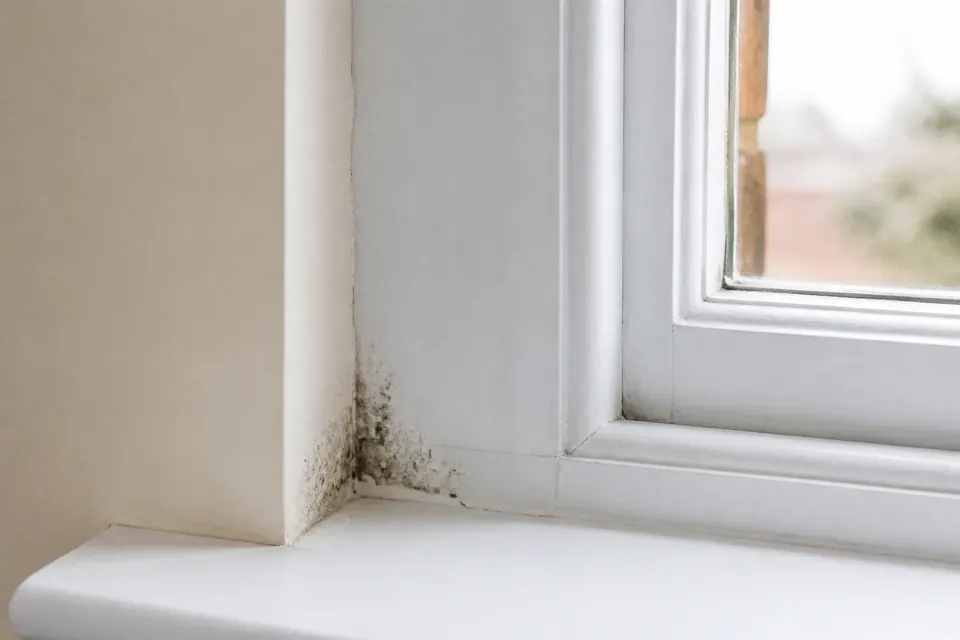
Show the current reveal and provide known frame or decorating information separately. A mark through new paint should not automatically be described as a frame defect or proof of a particular moisture source.
State when the ceiling was decorated and what preparation is recorded. Keep observations of wetness distinct from assumptions about ventilation or the suitability of the paint.
Include any existing earlier image and show the current furniture position. The room may have been clearer during decorating, so access should be described as it is now.
Identify which material was repainted and which was not. Similar colour can conceal different finishes, and known plumbing work should remain a separate item in the history.
Use a wide view to locate the return rather than only a close-up of the new mark. Describe whether the coating is intact, lifting or otherwise changed without testing its adhesion.
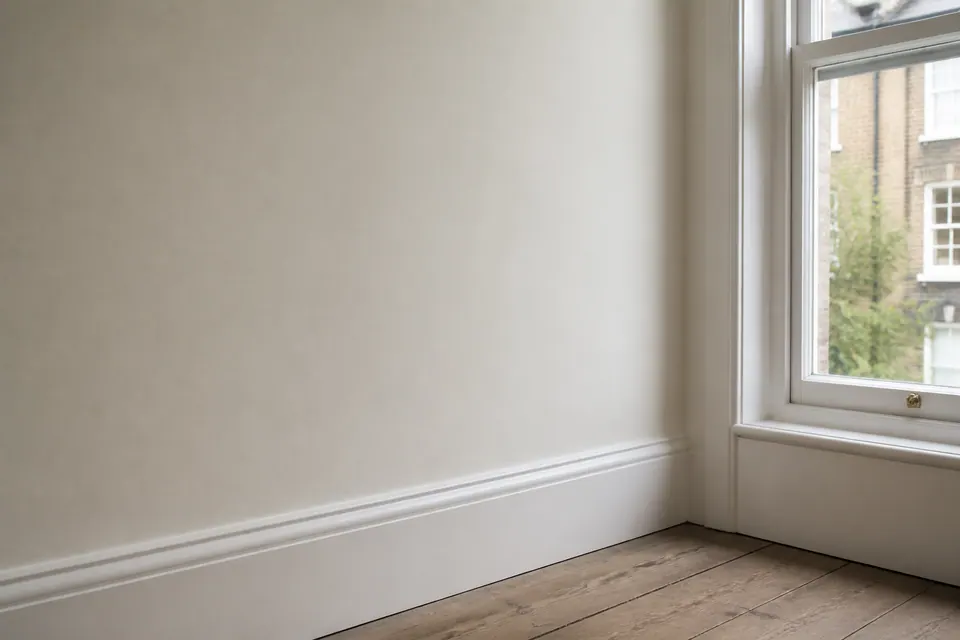
Explain what is known about the earlier preparation and leave unknown methods unspecified. Do not scrape through the new coating to demonstrate an assumed condition beneath it.
State whether the area was visible during the work and how it is accessed now. A concealed portion should not be described as assessed simply because the room was recently painted.
Keep the description factual. Reappearance after painting raises a question, but it does not by itself identify the cause or prove what an earlier contractor did incorrectly.
08 / A CONTROLLED APPROACH
Assess the current finish with the known decorating history. Identify damage, uncertain preparation and the present extent rather than relying on an older description of the wall.
Agree preparation without unrequested stripping or cosmetic covering. Explain furniture returned after decoration and any product information that is actually available.
Carry out suitable work within the confirmed surface scope. A recently painted appearance should not override material limitations or imply a guaranteed decorative result.
Explain residual staining, damage and any question needing attention before later decoration. Keep room-use guidance separate from permission to apply another coating.
The schematic does not promise that a fresh layer or another visit creates a permanent cosmetic result.
Record the present coating and the dated history.
Use the scope agreed for its current condition.
Distinguish remaining marks from material deterioration.
These stages are illustrative, not customer decorating evidence. A treated finish may still need separate reinstatement, and continuing moisture can remain relevant.
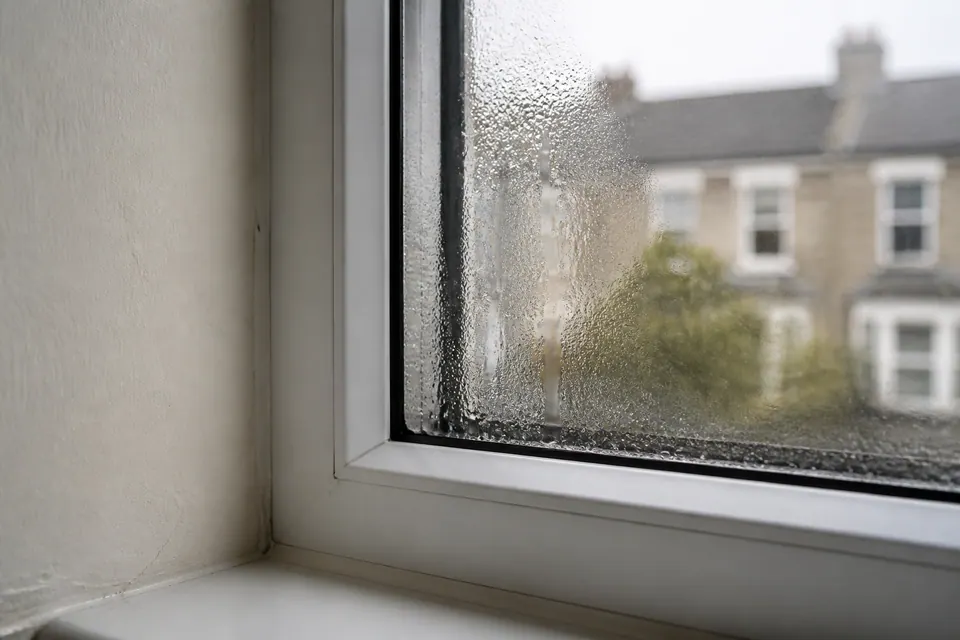
09 / WHEN IT COMES BACK
Record the interval between decoration and the next visible change. Keep a new outline distinct from a stain that was never fully concealed, using existing photographs where they genuinely show the difference.
Continuing moisture can allow growth to return, but the timing does not prove one particular cause or earlier failure. Review the current coating, reliable preparation history and any known water event without treating paint as source repair.
Leave the present layer intact for the initial enquiry. Existing records are preferable to scraping, stripping or applying another product merely to demonstrate that the mark has returned.
Crouch End / PLAN THE APPOINTMENT
Send the postcode with the present wall view and available decorating details. Explain any further appointment already planned so the next step is not built around an unexamined cosmetic deadline.
Identify the person who can provide current access, particularly if furniture has returned since the earlier work.
View the Crouch End area map.
Crouch End / BEFORE BOOKING
Use the known sequence without stripping the wall or treating a returned mark as proof of a particular earlier mistake.
No removal should be assumed necessary for the initial enquiry. Keep the present finish intact and use existing earlier photographs where available.
State that it is unknown. Do not infer a treatment or investigation from a general decorating invoice that does not list it.
It is useful context, not a complete explanation. Give the later observation date and any reliable intervening history without making a causal assumption.
Appearance can change with a coating, but that does not establish that growth or a moisture contributor has been addressed. Review the condition before another cosmetic step.
Provide known information if available, without guessing. It can form part of the present-surface discussion alongside condition and recurrence.
Show the current layout and explain what has returned. The treatment plan should use today’s access rather than an old empty-room arrangement.
Not automatically. The extent and material should be assessed rather than inferred from a general room label or a previous decorative area.
No universal decorative guarantee should be assumed. Continuing moisture, material condition and later work remain relevant and may need separate decisions.
Keep the current appearance, known work history and agreed treatment limits together, with any unresolved moisture or material question clearly identified.
A PROPERTY-SPECIFIC NEXT STEP
Send the Crouch End postcode, current coating view and known decorating sequence. Ask what needs assessment before another finish becomes the next task.
These illustrations are not customer repainting records or proof of a permanent decorative result after treatment.
