
Can one person request the whole quotation?
A lead contact can organise the enquiry, but the room evidence and entry arrangements still need to be clear. Multiple affected areas require assessment.
ISLINGTON / SEVERAL ROOM USERS
One household message should not hide several room arrangements.
Where several people use an Islington property, identify the affected rooms and who can arrange access to each. Keep their surface histories separate and make sure practical instructions reach the relevant users. A lead contact can coordinate the visit without assuming every occupied space is available.
Availability · evidence · preparation
01 / DIRECT ANSWERS
A lead contact can organise the enquiry, but the room evidence and entry arrangements still need to be clear. Multiple affected areas require assessment.
Ask for preparation guidance rather than making separate improvised attempts. Painting does not replace assessment of growth or moisture.
Not necessarily. People may observe different rooms or times. Record the location and uncertainty instead of forcing a single explanation.
The agreed scope should identify access in advance. Unavailable rooms cannot be assumed assessed or included because others are open.
Every relevant room user should receive the applicable guidance through the agreed coordination arrangement. A message to one person may not be sufficient.
Explain that constraint before booking. The method and finish still need review, and facility arrangements should not be guessed.
Name each opening and material separately. One window photograph should not stand in for all other rooms.
No. It organises practical evidence and work; it does not assign blame or determine legal repair responsibility.
02 / SEPARATE THE QUESTIONS
Keep each account attached to its actual location rather than forcing every patch into a single history.
| Reported change | Possible context | Information to keep distinct |
|---|---|---|
| Window spotting in one bedroom | Moisture near that opening | The observation from the person using that room |
| Shared bathroom marks returning | Repeated wetting and drying conditions | Previous work on the relevant finish |
| Kitchen staining after a known leak | Water exposure or residual damage | Confirmed repair information |
| A patch in another room appearing later | A separate or continuing condition | Its own first observation and material |
A treatment plan may include several suitable surfaces while another area needs separate investigation or repair. Keep those distinctions in the agreement without assigning blame to an occupant.
Different people may notice different events; neither account should be overstated.
| Record | Mould | Damp / moisture |
|---|---|---|
| Condition described | Fungal growth on a named affected finish | Excess moisture relevant to that room |
| Useful detail | Current extent and material condition | Observed water and known repair history |
| Why distinguish them? | Treatment does not identify every underlying contributor | Persistent moisture may allow renewed growth |
| Next agreement | Suitable accessible surfaces and room access | Any separate investigation or repair questions |
03 / ROOM-BY-ROOM CONTEXT
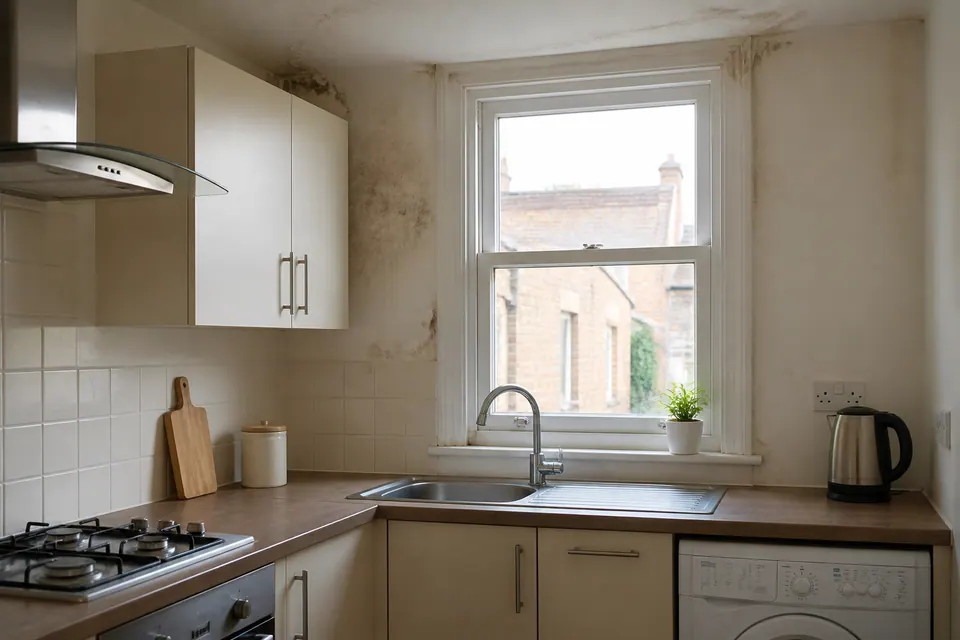
Identify the affected finish and coordinate facility use without assuming immediate unrestricted return.
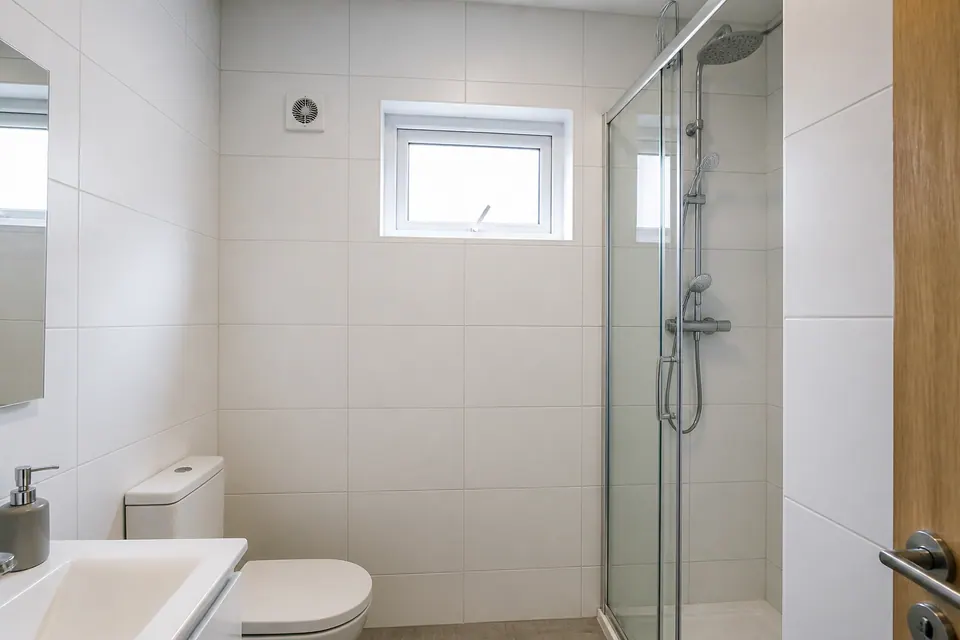
Confirm entry and preparation with the relevant user. Similar rooms may have different layouts and histories.
Explain fixed fittings and how instructions reach users. Treatment is not a general food-area cleaning agreement.
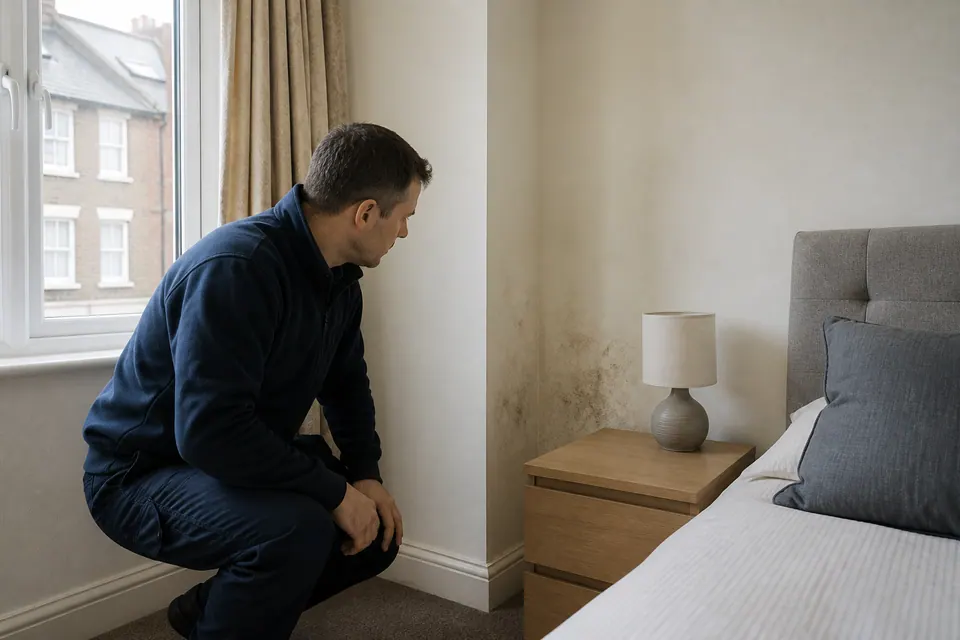
Show normal movement and furnishings. Shared use does not remove the need for a defined work boundary.
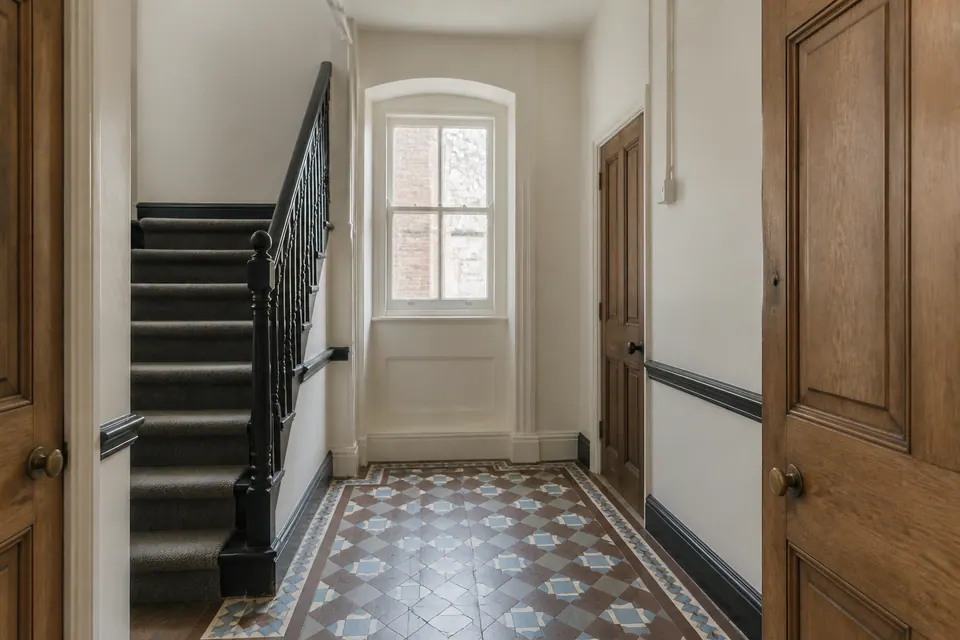
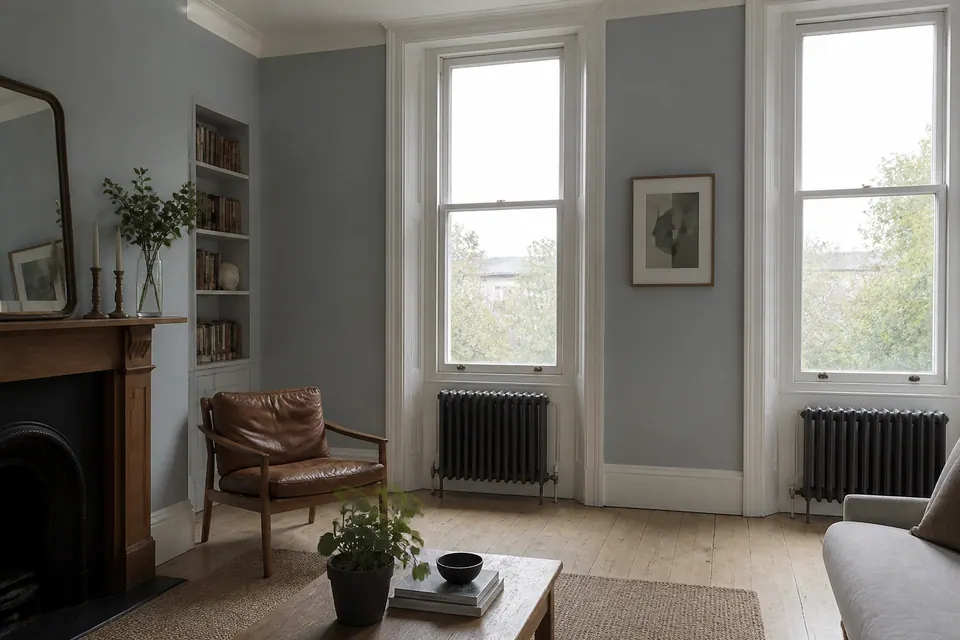
Distinguish the private household space from separately controlled common parts. Access alone does not authorise treatment.
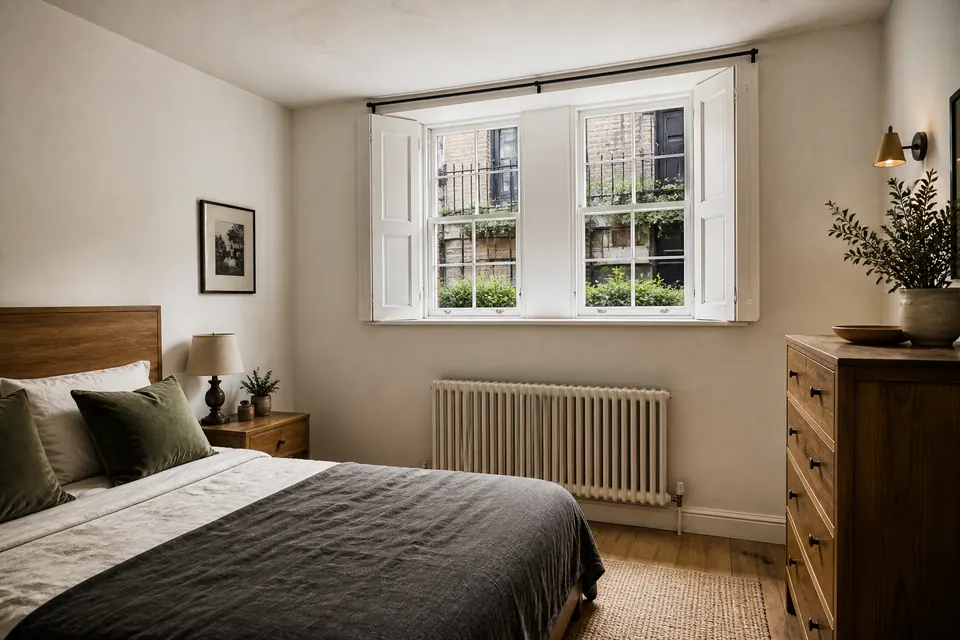
Give level and water history as facts. Its occupant or location does not determine material suitability.
Islington / SHARED-OCCUPANCY COORDINATION
A shared address does not make every room equally available.
List the rooms with visible marks and the practical contact for each. Someone may be able to open the building but not a private bedroom, or one room may be unavailable at the proposed time. Keep those limits visible before the quotation and appointment are confirmed. Share only the practical information needed, not unnecessary details about individual occupants.
05 / QUOTATION, NOT GUESSWORK
For Islington multi-occupant enquiries, send a labelled room list with current images and genuine access limits. Small suitable accessible areas may be quoted from photos; multiple, recurring or complex concerns need assessment or specialist quotation as appropriate.
Review the main quotation approach ↗| Proposed work | Quotation route | Coordination requirement |
|---|---|---|
| One suitable accessible patch | Photographic quotation where appropriate | Entry to the pictured room confirmed |
| Several rooms or recurring areas | Assessment of each relevant condition | Separate evidence and availability |
| Damaged material or complex moisture | Specialist quotation where needed | Confirmed records and repair status |
Check the named rooms before confirming. A lead contact does not automatically add unavailable spaces or building repairs to the quotation.
Islington / ACCESS & PEOPLE
Keep the current room list and gather relevant answers. Avoid presenting incomplete histories as a confirmed diagnosis.
Provide observations and practical access limits for their spaces. Ensure they receive the instructions that apply to the work.
Raise constraints on bathroom, kitchen or passage use before agreeing the appointment rather than after preparation begins.
Document visible condition and arrange necessary booking permissions. This page does not decide liability or blame between residents.
Supply known maintenance records and keep occupants involved in practical arrangements. Do not assume one person can release every room.
The same clarity is useful where owners share rooms or facilities. Separate treatment from any moisture repairs and agree who coordinates each action.
07 / LOCATE THE ISSUE
Select the setting and keep its users, access and material distinct. A shared-property enquiry should not flatten several rooms into one assumption.
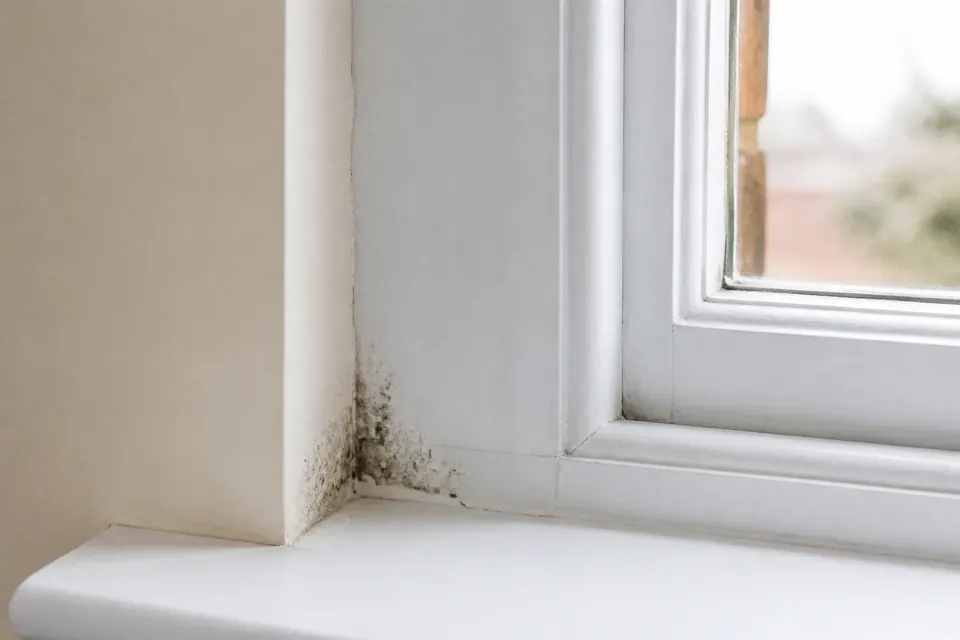
Label each opening with its room and affected finish. Similar frames do not establish the same moisture history or access arrangement.
Explain who coordinates facility use and preparation. Identify ceiling, wall or sealant changes separately rather than treating the room as one material.
Confirm practical entry to the named room. Another occupant cannot be assumed to provide access or preparation on behalf of that room user.
Identify the affected surface and how preparation information will be shared. Fixed fittings and food-storage areas require clear practical discussion.
Explain furniture and normal passage through the room. Shared use does not imply that unrestricted access can continue during agreed treatment.
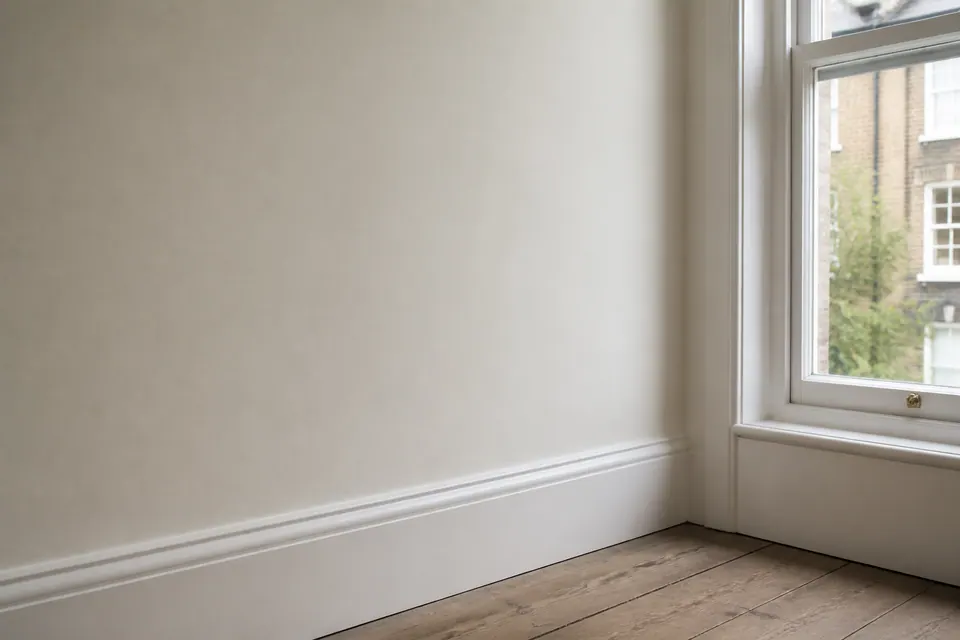
Keep each patch linked to its room, finish and history. A common property label does not establish material suitability throughout.
State whether cupboards can actually be opened and who uses their contents. Unavailable areas must remain clearly outside an assumed assessment.
These arrangements help organise assessment. They do not determine moisture causes or assign legal repair obligations.
08 / A CONTROLLED APPROACH
Match each photograph and history to its room. Identify suitable accessible surfaces and any information or access gap.
Confirm who receives applicable instructions and when rooms are available. Avoid separate unagreed cleaning or clearance attempts.
Work within the named scope. Newly available rooms or additional findings require discussion rather than automatic inclusion.
Explain remaining condition and relevant return guidance for the users affected. Keep separate repair questions clear.
Coordination does not imply identical methods or cosmetic results in every room.
Keep photographs linked to their room users and finishes.
Treat suitable accessible material as agreed.
Ensure practical handback information reaches the room users.
The stages are schematic rather than customer results. Continuing moisture may support later growth.
09 / WHEN IT COMES BACK
Identify the actual room and compare the previous scope. Another person may be describing an untreated or previously hidden surface rather than recurrence in the same area.
Retain dates and location labels while allowing uncertainty in observations. A renewed enquiry should assess the condition without assigning blame from differences in room use.
Store the room references with the agreed work and later images so multiple messages do not confuse different surfaces.
Islington / PLAN THE APPOINTMENT
Provide the Islington postcode and confirmed room access. Discuss availability only with the practical limits of the affected spaces in view.
Share necessary preparation information through the agreed contact arrangement without including unnecessary personal details.
The map provides location context for the property visit.
Islington / BEFORE BOOKING
A lead contact helps, but does not remove individual room constraints.
Yes, if the relevant room evidence and arrangements remain clear and practical instructions reach the people affected.
Report that before booking. It cannot be assumed included or assessed because other rooms are accessible.
No. Identify the room and any uncertainty. Different observations can be useful without inventing a precise shared history.
Ask whether the agreed work has room-specific requirements. Do not generalise an instruction from one material or area.
No. Separate room histories and materials should remain available for assessment.
Follow the agreed preparation arrangement for the relevant room. Do not assume another occupant or the team will perform unplanned handling.
Obtain the applicable guidance for the work rather than assuming a single return time for every space.
Compare named rooms and surfaces with the current evidence list, including exclusions and unavailable areas.
No. The page provides practical enquiry guidance, not legal responsibility findings or blame allocation.
KEEP EVERY ROOM IN THE CONVERSATION
Send the postcode, labelled photographs and the relevant entry arrangements. Keep each room user informed so preparation can be agreed realistically.
The room illustrations do not document treatment in a specific shared household.
