
The ceiling finish
Describe its visible condition and any known earlier work. Do not assume it has the same material or history as the wall below.
Crystal Palace / PROPERTY CONDITION
Show the junction, not only the darkest point.
A mark at a Crystal Palace ceiling edge can cross different coatings and raise questions about both condition and access. Include the wall, ceiling and room setting in the evidence. Keep a suspected roof or ventilation explanation separate from what is actually visible, and describe loose paint without disturbing it.
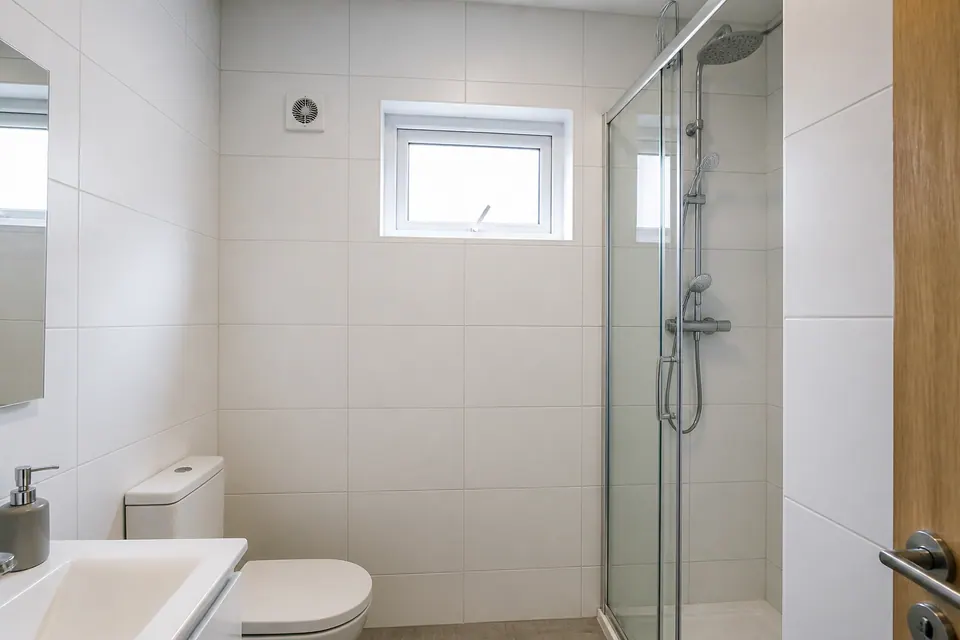
Junction · coating condition · safe view
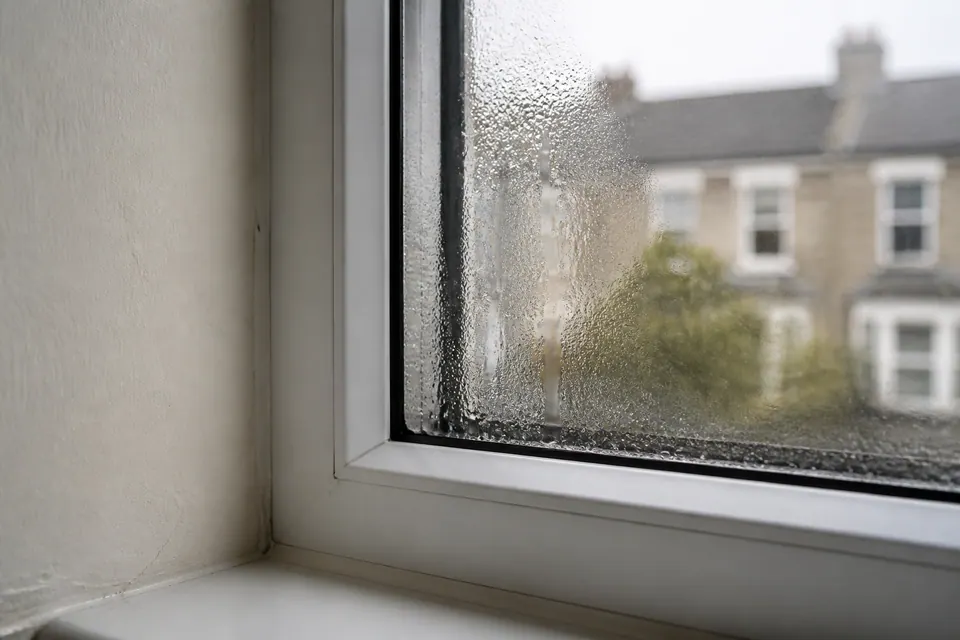
01 / WHEN IT COMES BACK
Use a fixed window or doorway reference and retain the earlier date where available. Describe whether the change is on the ceiling, wall or both without assuming the entire line followed the same sequence.
Continuing moisture may contribute to recurrence, but height and position do not identify a source. Known water history and the current coatings need review separately from a suspected roof or equipment issue.
Keep the visible condition and report uncertainty about concealed material. Removing loose paint to make the boundary clearer is not a necessary way to prepare the initial enquiry.
Crystal Palace / ACCESS & PEOPLE
Describe its visible condition and any known earlier work. Do not assume it has the same material or history as the wall below.
Identify paint, covering or another finish independently. A mark crossing the junction does not establish identical suitability on both sides.
Show what restricts reach and explain fixed furnishings. A high edge should not be included on the assumption that the occupant will provide improvised access.
Tenants can show the junction from the room and clarify permissions without climbing or disturbing loose coating. The enquiry does not establish responsibility for a suspected source.
Landlords can provide known ceiling or wall work with dates. A broad room description should not merge different repairs or imply a confirmed roof diagnosis.
Homeowners should ask what surface work can address and what stain or damage may remain. A unified decorative appearance should not be assumed from treatment of the junction.
03 / DIRECT ANSWERS
It can identify suitable work on both where appropriate, but each coating and limitation should remain clear rather than hidden in one line measurement.
Do not use decoration to replace review of growth and moisture. Keep the current finish available for assessment before another cosmetic step.
Not automatically. Provide known history and the present evidence without diagnosing solely from the position.
Do not assume a material-removal or reinstatement task is included. Describe the condition and ask what appropriate scope is needed.
Follow the applicable guidance for the selected approach and circumstances. The height of the work does not establish a universal return time.
Their material and condition need separate consideration. Similar appearance at the junction does not establish the same limitations.
Describe any relevant observation, but do not add the whole window automatically. The included finish boundary needs agreement.
Not by implication. Concealed conditions and moisture-source investigation are separate questions from visible surface work.
04 / A CONTROLLED APPROACH
Review both coatings, the visible extent and reliable history. Keep uncertain source explanations separate from findings about the finish.
Agree preparation and reach around fittings below the edge. Do not rely on unrequested climbing, furniture alteration or removal of loose material.
Carry out suitable treatment within the confirmed ceiling and wall boundaries. Any damaged or concealed portion outside the scope should remain explicit.
Explain the result for the relevant finishes and any separate material or source question. Keep return instructions distinct from a promise of decorative reinstatement.
The schematic does not demonstrate a roof diagnosis or guarantee an identical cosmetic result on ceiling and wall.
Record both sides of the junction.
Follow the agreed material and access boundaries.
Distinguish staining and damage from addressed growth.
These stages are illustrative, not customer ceiling-repair evidence. A treated junction does not certify concealed material or resolution of a moisture source.
Crystal Palace / THE PROPERTY BRIEF
The ceiling and wall should remain identifiable.
Send a wide view and a safe detail image, explaining the materials where known and any loose edge. Show the fittings or furnishings below. Ask which suitable surfaces can be included and which source or concealed-material question requires separate investigation rather than an assumption from position.
Crystal Palace / PLAN THE APPOINTMENT
Send the postcode and an image locating the junction within the room. Explain any fixed fitting below it and identify known work without turning a suspected source into a confirmed finding.
Ask which access and material details are needed before the proposed treatment is agreed.
View the Crystal Palace area map.
07 / QUOTATION, NOT GUESSWORK
The proposed work should identify the ceiling and wall finishes, their condition and the access below. Photographs may support suitable defined surfaces, while recurrence, damage or uncertainty can require assessment. Keep separate investigation and reinstatement outside an implied surface price.
See the main mould-removal service ↗| Scope | Quotation basis | Distinction to keep visible |
|---|---|---|
| Suitable reachable coatings with clear extent | Photographs may support pricing | Identify each finish and its visible boundary |
| Recurring line or different material histories | Assessment may be needed | Keep the ceiling and wall evidence separately described |
| Loose coating or concealed concern | Specialist quotation may be required | Clarify material work or source investigation independently |
Confirm the total and exclusions. Roof work, removing damaged finishes or redecorating both surfaces should not be inferred from a quotation for visible growth at the junction.
08 / SEPARATE THE QUESTIONS
The position can guide questions without settling them. Describe the coatings, observed change and confirmed history before assigning a roof, plumbing or ventilation explanation.
| Visible issue | Possible contributing factor | What may need checking |
|---|---|---|
| A line near the window head | Moisture near the reveal may be relevant | Separate glass or frame observations from the ceiling finish |
| Bathroom spotting at the upper edge | Repeated wetness may contribute | Review both coatings and ordinary-use observations |
| A junction stain after known work | Past or continuing moisture may matter | Match the repair record to the area actually described |
| The same line returns | An ongoing contributor may remain | Assess recurrence without diagnosing from height alone |
Leak work, ventilation changes, material replacement and concealed investigation need separate agreement where relevant. The surface proposal should not imply that a suspected source has been confirmed or repaired.
Mould refers to fungal growth, while damp refers to excess moisture. A loose ceiling coating is another observation and should not be used as a complete diagnosis.
| Question | Mould | Damp |
|---|---|---|
| The condition described | Growth on a particular coating | Excess moisture affecting material or surroundings |
| Useful evidence | The line and each finish’s condition | Observed wetness and reliable water history |
| A possible relationship | Growth can recur where moisture persists | Moisture may contribute without identifying a roof fault |
| The next decision | Which suitable surfaces can be treated? | Does a source or material question need further assessment? |
09 / LOCATE THE ISSUE
Choose the setting and show the line within the room. A close-up of the darkest point can hide the affected extent, the material transition and the access below it.
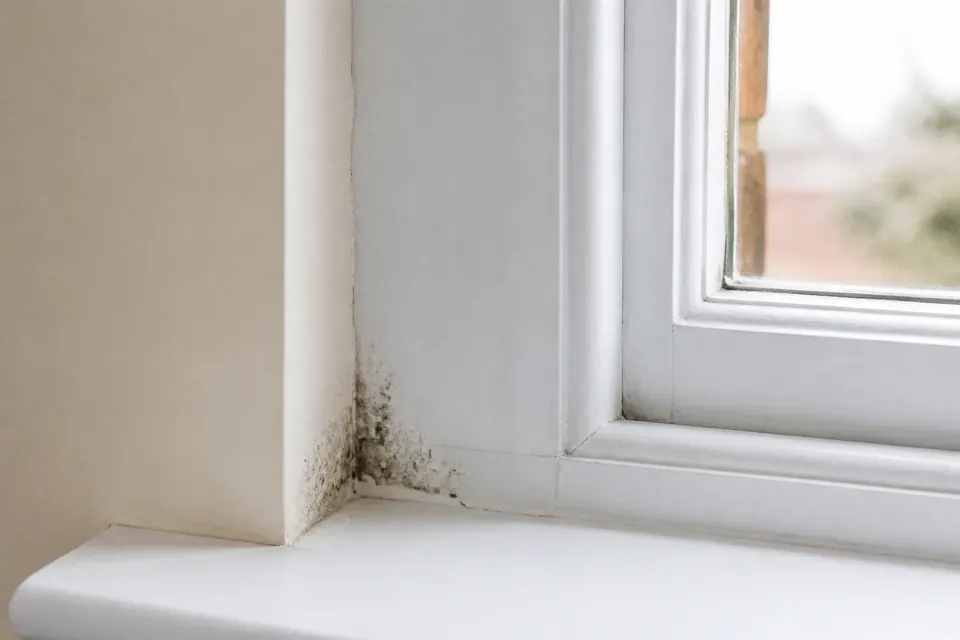
Include the frame and the adjoining ceiling line in a wider view. A nearby window can orient the image without proving that glass moisture or a frame issue explains the whole junction.
Describe ceiling paint and the wall finish separately. If a fitting sits below the line, include it so access is considered alongside the current condition.
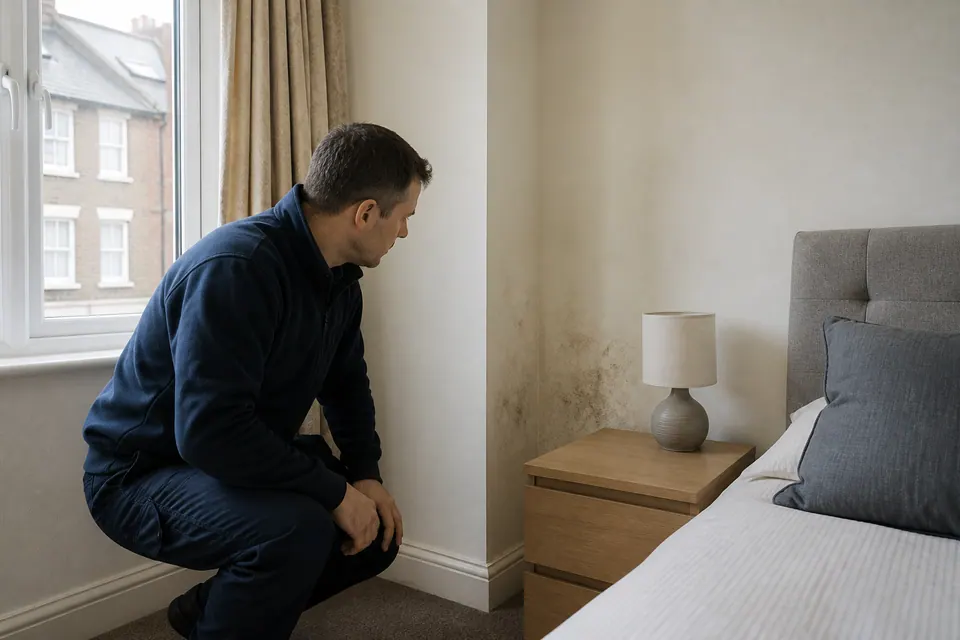
Show the bed or wardrobe below the mark from a safe position. Do not climb to photograph the edge or assume an unobstructed room view means the full line is reachable.
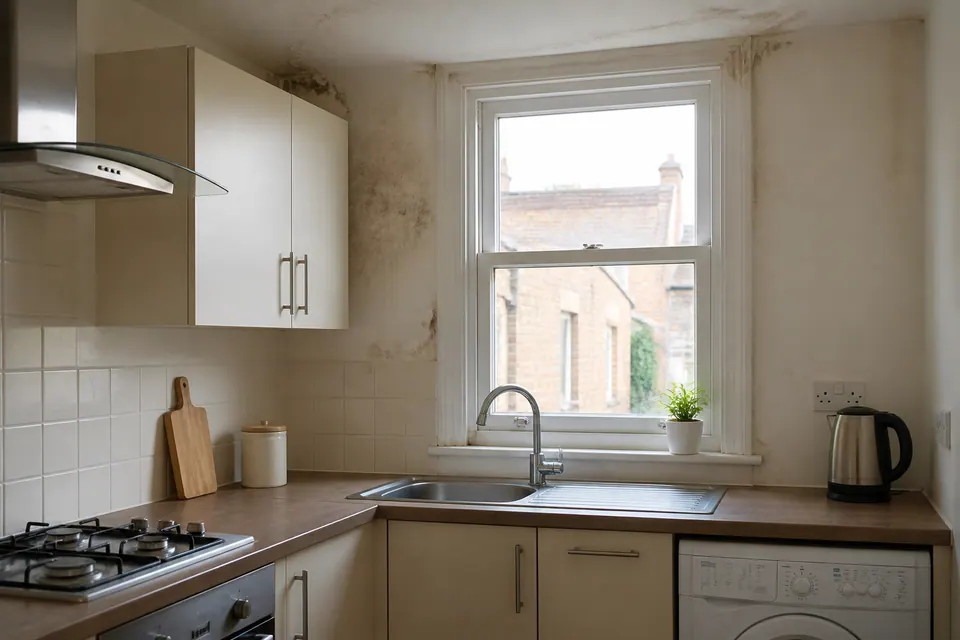
Identify where the junction sits relative to units and known pipework. Report confirmed water events separately rather than diagnosing from the high position.
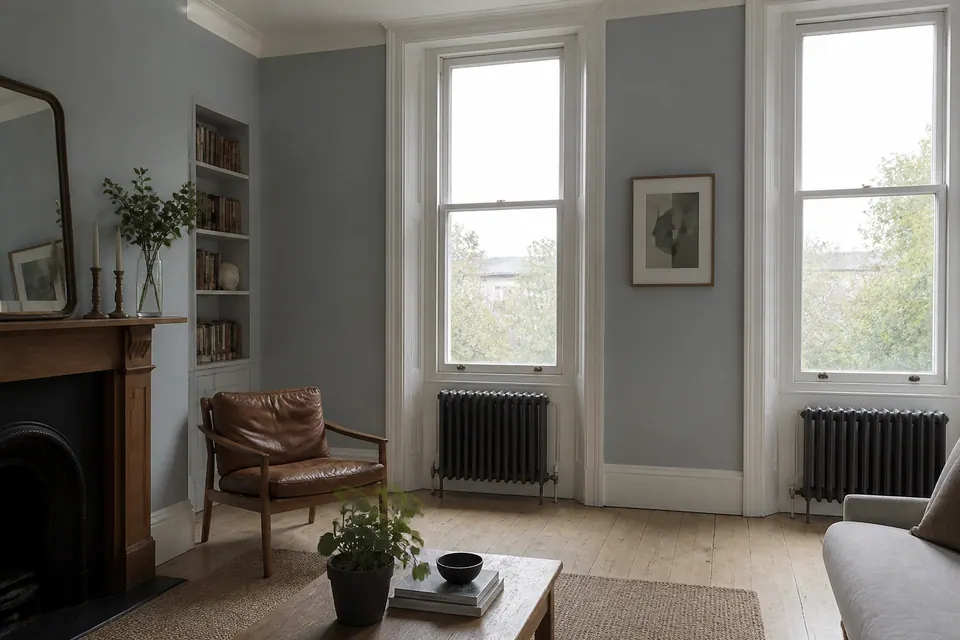
Show enough of the elevation to locate the visible beginning and end of the mark. A continuous-looking line may still involve different coatings or separate areas of damage.
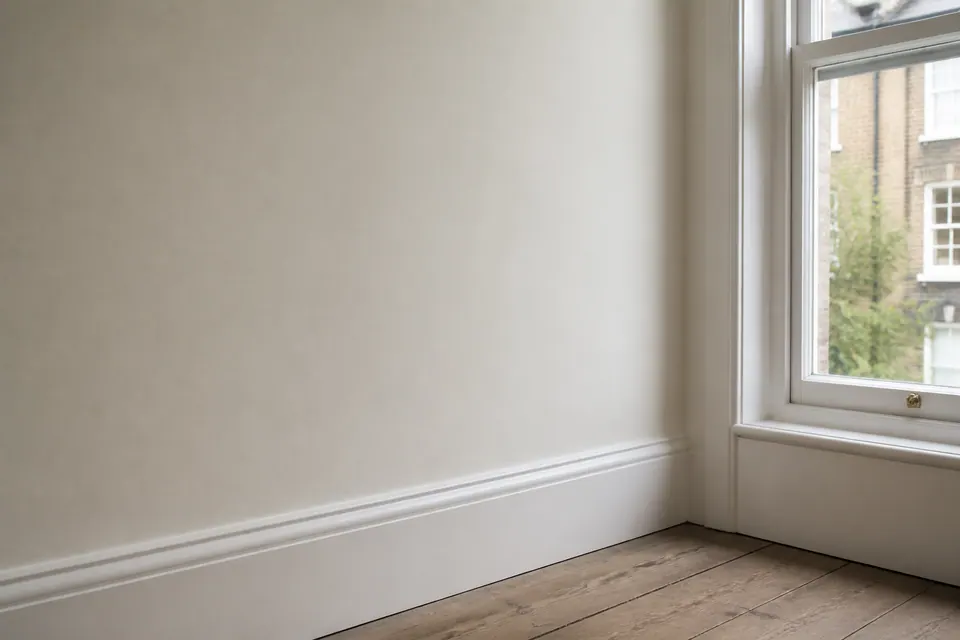
Describe lifting or flaking without pulling the edge away. Damage to a coating is a separate consideration from visible growth and may affect what work is suitable.
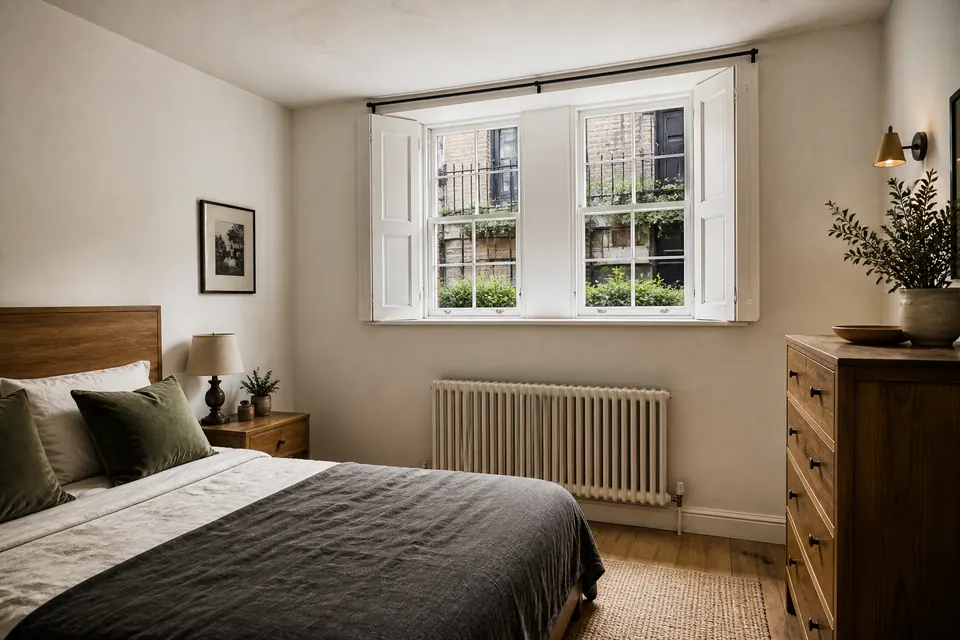
State where the view stops and keep the concealed continuation unconfirmed. Dismantling furniture or opening material is not an assumed step for an initial surface enquiry.
A high line is a location, not a diagnosis. Keep the current coating evidence separate from suspected roof, plumbing or ventilation explanations.
10 / ROOM-BY-ROOM CONTEXT
A bathroom junction may meet different materials and fixed fittings. Describe the ceiling and wall independently rather than assuming a uniform washable surface.
A bedroom edge above furniture needs a safe view and an honest access description. Do not prepare an improvised platform to photograph it.
For a kitchen, locate the junction relative to units and any confirmed water history. High position alone is not a source diagnosis.
For a living room, retain the full visible line in the wider image. A close-up of one point should not stand in for the whole elevation.
If a junction belongs to a shared area, clarify permission and scope separately. Access through the building does not automatically include that finish.
For a lower-ground room, provide floor level and reliable water history alongside the high-edge evidence. The location of the line does not settle material suitability.
Crystal Palace / BEFORE BOOKING
Describe the line, materials and reach without assuming the position supplies a diagnosis.
Include enough of the room to locate the visible line and its ends, with a safe detail view if available. Do not rely only on the darkest point.
No. Use a safe floor-level view and explain any limit. The enquiry should not depend on unsafe access to the edge.
Describe them separately, including damage and known history. The proposal should retain any different suitability or outcome limitation.
It is a condition to report, not a complete diagnosis. Avoid pulling it away to investigate and ask what assessment is appropriate.
It does not describe both materials, damage or access. Give the visible extent with those details rather than relying on length alone.
Provide the actual record if relevant, with its date. Do not assume it confirms the present condition or explanation of every nearby mark.
Do not assume reinstatement or a uniform cosmetic result. Growth, residual staining and coating damage need to remain distinct.
State the visible limit and keep the concealed continuation unconfirmed. Dismantling should not be presumed included.
The assessed material condition, any remaining moisture question and the separate scope for reinstatement. Completion of surface treatment is not a universal decorating instruction.
A PROPERTY-SPECIFIC NEXT STEP
Send the Crystal Palace postcode, both finishes and the safe access view. Ask which suitable work can be agreed and which uncertainty needs another assessment.
The illustrations are not customer roof findings or evidence that a particular ceiling-edge mark has one confirmed cause.
