
Does repeated wiping make the quote simpler?
Not necessarily. It may have changed the appearance or coating. The present finish and extent still need to be clear before suitable work can be priced.
Thornton Heath / PROPERTY CONDITION
When the marks return, the history matters more than another wipe.
For a Thornton Heath enquiry, explain what was used on the area and how soon the marks were seen again. A photograph taken after cleaning can conceal the earlier extent. Send the present view alongside any dated image from before it, without applying another product just for the enquiry.
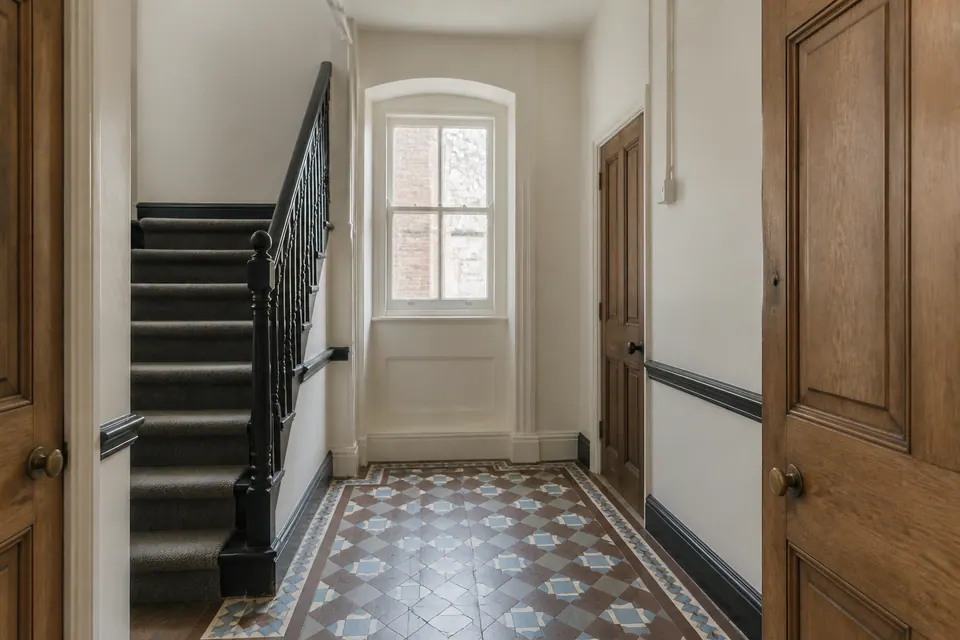
Earlier image · product history · present appearance
01 / DIRECT ANSWERS
Not necessarily. It may have changed the appearance or coating. The present finish and extent still need to be clear before suitable work can be priced.
Do not cover the evidence merely to tidy the room for an enquiry. Ask about the next step first, especially where the coating is already loose or marks have returned.
No. Returning growth may involve an unresolved moisture condition. The agreed work and any investigation or repair boundary should be understood before attendance.
It may make the history less clear. Send the evidence already available and ask about timing without assuming another application is needed.
Obtain the instructions for the actual work and any products used. Do not substitute the return time from a previous household cleaning attempt.
Describe that pattern, known wetness and any maintenance information. Frequency alone does not establish a ventilation diagnosis or the correct remedy.
Yes, if actually observed. Give its timing separately from the date the marks reappeared so the two observations are not treated as the same event.
Only work explicitly agreed is included. Ask about any separate moisture investigation or repair before assuming treatment resolves it.
02 / SEPARATE THE QUESTIONS
The table separates what can be observed from questions that remain open. Earlier cleaning may change the appearance without answering why that particular place is affected.
| Visible issue | Possible contributing factor | What may need checking |
|---|---|---|
| Spotting after a wiped interval | A continuing moisture condition may be relevant. | When did it reappear, and what else changed? |
| A stain visible all along | The remaining colour may differ from newly observed growth. | Was it ever absent, or simply less noticeable? |
| Loose coating after several attempts | The substrate or coating may need a different approach. | What condition is visible now without disturbing it? |
| A similar mark in another room | The second area may have a different history. | Which observations belong to each room? |
Knowing what was applied helps the enquiry, but it does not identify the moisture source or prove that the current material is suitable for the same method.
If a leak or ventilation repair also occurred, add its date and documented status. Keep it distinct from the date somebody wiped the wall.
| Question | Mould | Damp |
|---|---|---|
| What is being considered? | Suitable visible growth on an identified finish. | A water or building condition requiring investigation. |
| What evidence helps? | Current images and the known application record. | Repair reports and observations of continuing wetness. |
| What may be excluded? | Restoration of damaged coatings and hidden material. | Tasks not included in the commissioned investigation. |
| What happens afterwards? | Follow the aftercare and report later changes accurately. | Confirm the repair outcome through the appropriate route. |
03 / ROOM-BY-ROOM CONTEXT
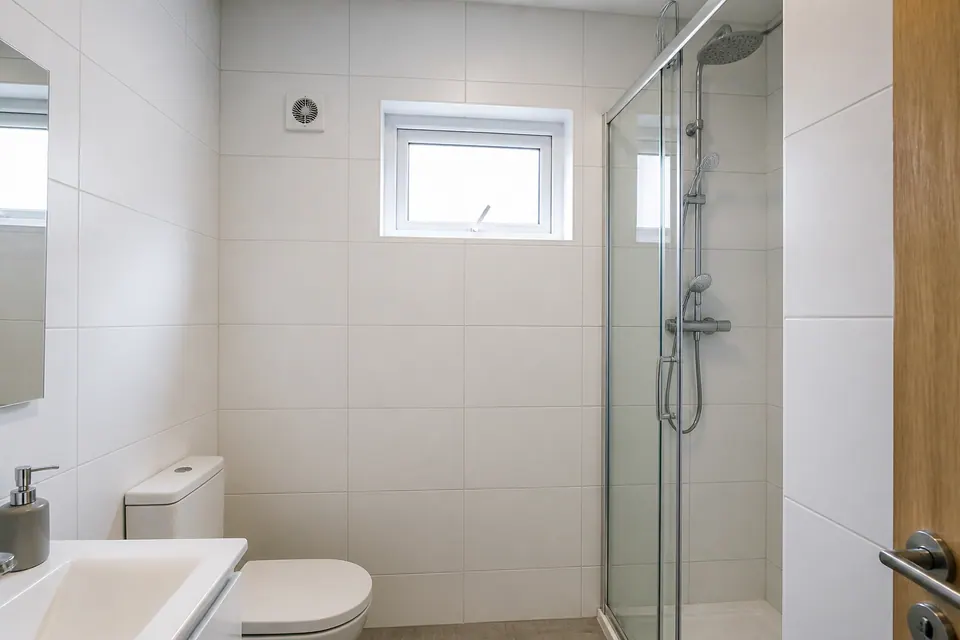
Give the cleaning dates for the bathroom paint rather than a general household product list. Include a repair or ventilation report only if it actually relates to this room.
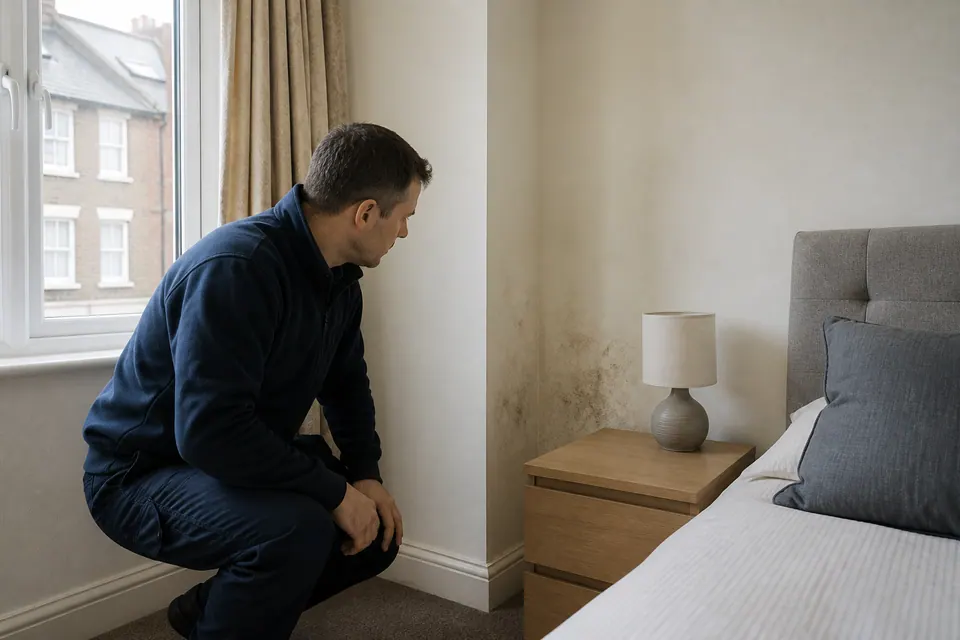
If bedding or furniture was moved before a photograph, explain that. The earlier position may help describe access, while any concern about fabric needs its own enquiry.
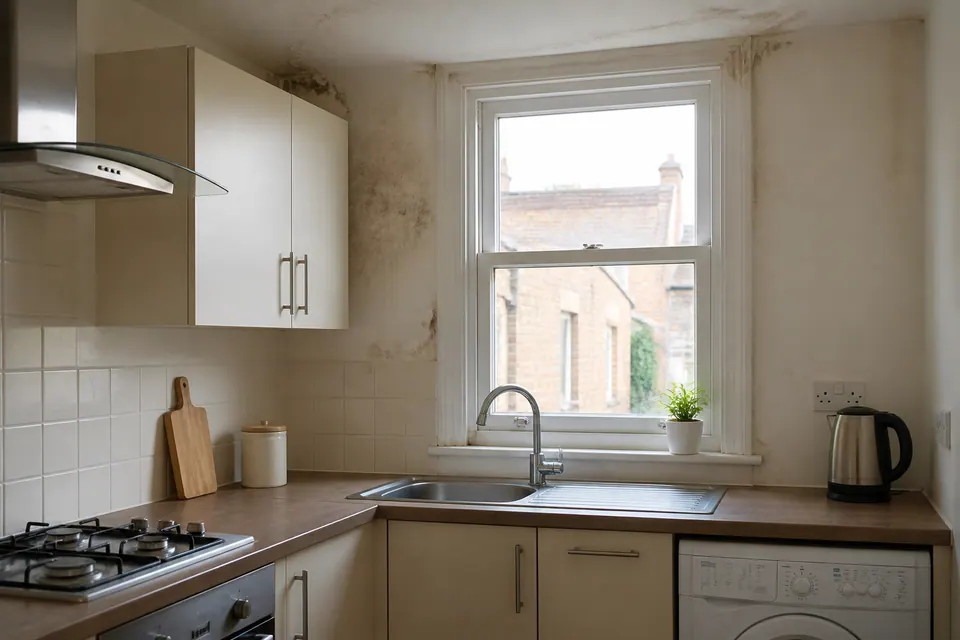
Name the cabinet, wall or ceiling finish involved. Routine cleaning of nearby worktops does not establish what was applied to the marked material.
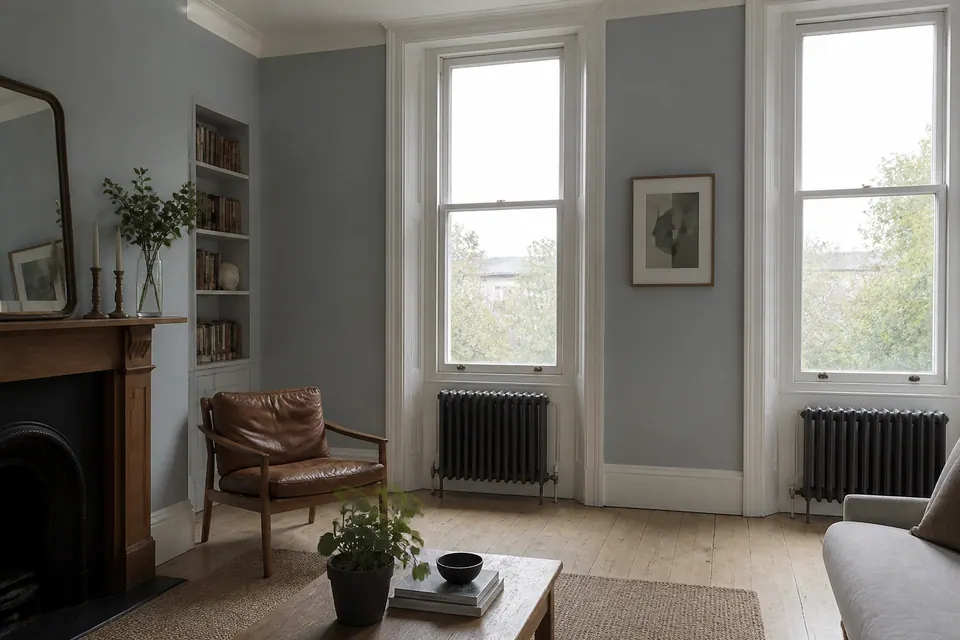
If the area was decorated between photographs, include that event. An image of fresh paint is not equivalent to an image of the previously exposed finish.
Shared cleaning arrangements can leave an uncertain record. Identify who knows about the last attempt and avoid filling gaps with assumptions.

A lower position in the building does not identify the cause. Report actual water observations and any relevant repair history alongside the surface photographs.
Thornton Heath / THE PROPERTY BRIEF
“It keeps coming back” becomes more useful when the dates are explained.
Start with the latest photograph, then add one or two earlier views where available. Note which details are remembered rather than documented. The next visit should not be planned on the assumption that a repeated cosmetic change solves the moisture question, or that another round of cleaning will suit a damaged coating.
05 / QUOTATION, NOT GUESSWORK
An enquiry about returning marks needs the present extent, finish and access information. The number of products tried does not establish the amount of suitable work or remove the need to assess damaged material.
See the main mould-removal service ↗| Scope | Quotation basis | History to include |
|---|---|---|
| A small accessible patch | A photo-led quotation may be possible when the finish and extent are clear. | Explain the latest application and show what remains visible. |
| Several returning areas | An assessment may be needed to understand the current job. | Label each room and avoid treating all attempts as one event. |
| Damaged or uncertain material | A specialist quotation may be necessary for the proposed next step. | Describe coating failure and any repair or opening-up question. |
Confirm the total and what it includes before booking. A quotation for mould removal is not an automatic allowance for repainting, leak repair or unlimited return visits.
Thornton Heath / ACCESS & PEOPLE
Identify its boundary rather than describing the entire room as treated. Another corner may have a different history and need a separate photograph.
Give the approximate date and any known preparation. A freshly covered wall may still need investigation if the marks return or the underlying material is damaged.
Keep that uncertainty explicit. Nobody needs to recreate an earlier attempt to make the enquiry complete; the current condition can be reviewed with the missing information noted.
Pass on the photographs and the actions you personally know about. Keep a maintenance report distinct from your own cleaning history so the recipient can follow both.
Tell the occupant if another contractor has already attended and provide the relevant work record. Do not ask them to hide the current marks before assessment.
Before buying another coating or product, ask whether the finish is suitable for treatment and whether recurring moisture needs a different investigation.
07 / LOCATE THE ISSUE
The room selector helps organise the photographs. Each area needs its own account of what happened there; a product used in the bathroom may never have been used on the bedroom wall.
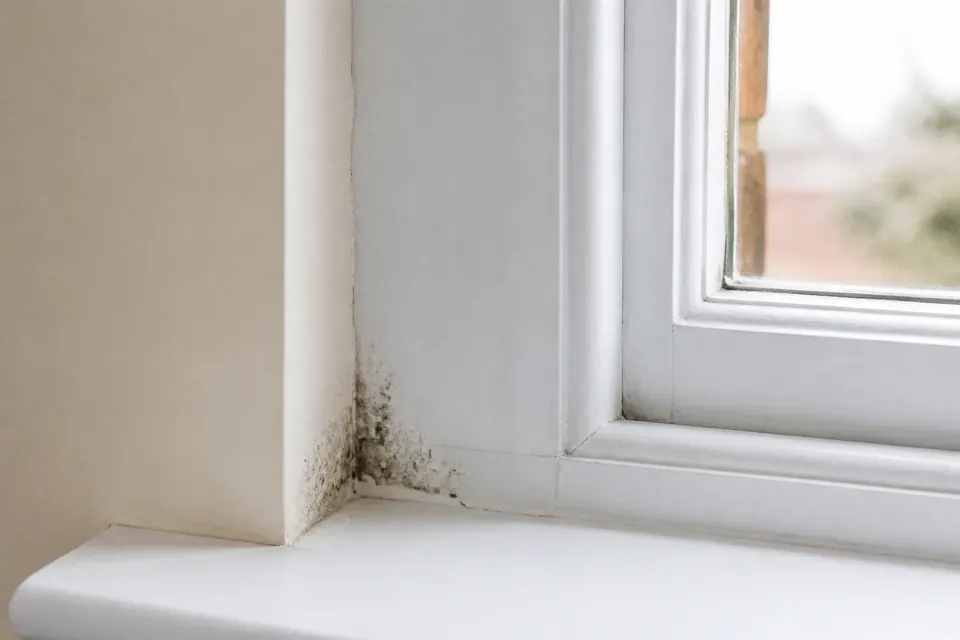
Show the painted edge and the frame together. Explain whether marks reappeared in precisely the same place or alongside it, and whether water was actually seen on the window at either time.
List the attempts you remember and the finish affected. Do not add a new cleaner or mix products while waiting for advice; a tidy-looking patch is not a useful substitute for an accurate record.
Include the bed or cabinet position and any older image. If the wall now looks different, describe that change without assuming the full extent can be reconstructed from memory.
Distinguish ordinary cleaning around food preparation from work directed at the marked wall. Name the surface and report any damaged coating without guessing which product caused it.
Say when it was painted and whether cleaning took place first. The coating history helps explain the present appearance, but painting alone does not establish that the reason for recurrence was addressed.
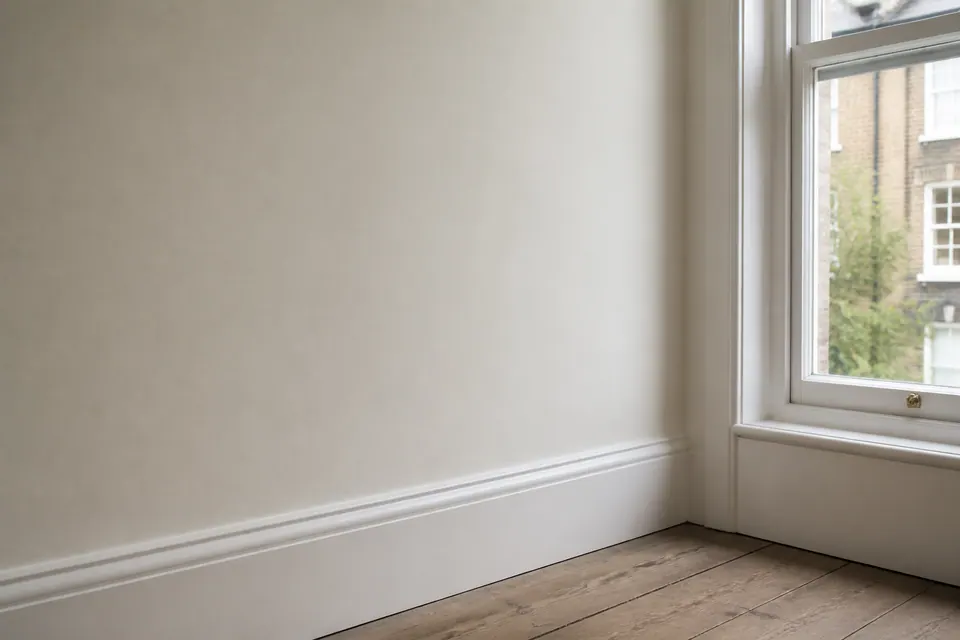
Photograph the current coating without scraping or dry brushing it. Loose paint, a remaining outline and new spotting are different observations that can all matter to the next decision.
If someone else cleaned the cupboard, say that the method is unknown. A gap in the record is more useful than an invented product name or an assumed date.
You do not need to repeat an earlier method to demonstrate that it failed. Supply what is already known and allow the present surface to be considered on its own evidence.
08 / A CONTROLLED APPROACH
Review the present photographs together with the brief history. Decide whether the area can be considered for suitable surface work or needs further assessment first.
Agree what should be left undisturbed and how the room will be prepared. Tell the team about a recent product application and follow the instructions provided for the proposed visit.
Carry out only the work agreed for suitable accessible material. An uncertain coating or damaged area may require a different decision instead of repeating the earlier method.
Provide the relevant aftercare and explain any unresolved moisture or repair question. Keep a record of the work so future changes can be compared accurately.
The diagram describes a possible work sequence. It is not a prediction that every mark will disappear or that recurrence has been prevented.
Record the current appearance before further cleaning changes it.
Note the agreed work and any area that could not be included.
Compare later observations with the documented result and advice.
This sequence is illustrative; it is not a photographed customer treatment or a guaranteed outcome.
09 / WHEN IT COMES BACK
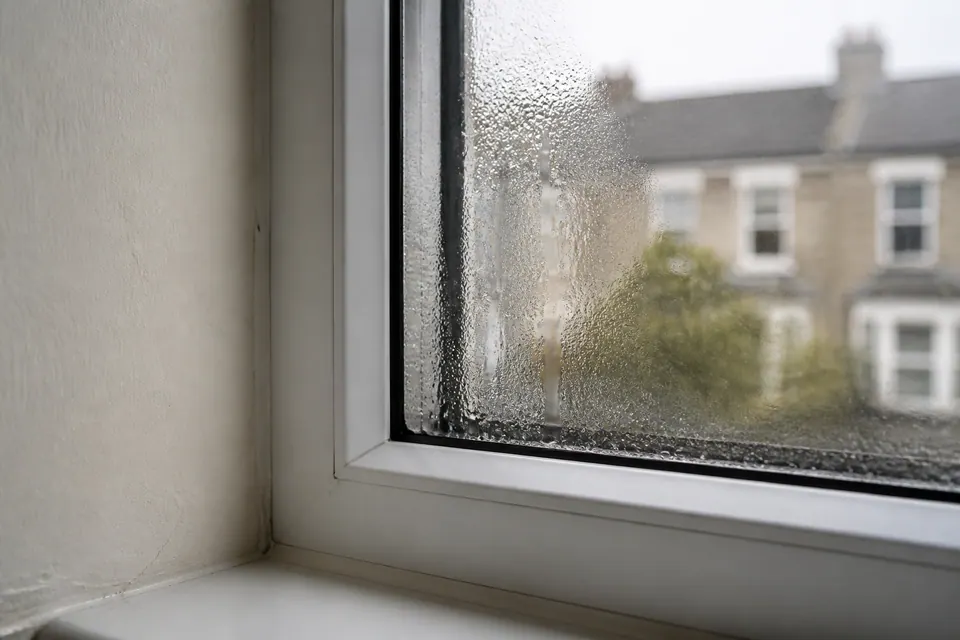
The time between attempts can reveal a pattern worth reporting, but it does not by itself diagnose why growth returns. Include changes in the room or any repair carried out during that interval.
Distinguish a stain that remained visible throughout from spotting noticed later. Combining them into a single “return” can make the chronology harder to understand.
Avoid mixing products, scraping or dry brushing to improve the evidence. Ask how to proceed with the actual surface and disclose any recent application before attendance.
Thornton Heath / PLAN THE APPOINTMENT
Send the full Thornton Heath postcode and the current image first. Add the relevant history in date order so the enquiry can be reviewed without sorting through unrelated room photographs.
If another person carried out the earlier work, identify what they can confirm. Attendance and the proposed approach depend on the actual property information provided.
View the Thornton Heath area map.
Thornton Heath / BEFORE BOOKING
These answers help turn a repeated problem into a clear account without encouraging another trial application.
No. Say the name is unknown and describe when it was used and on which surface. If the original container is available, a photograph may help without another application.
Start with a current room view, a closer image and a relevant earlier comparison. Label dates and rooms so the important change is easy to follow.
Explain that a visible outline remained and say what subsequently changed. A persistent stain and new spotting should not be collapsed into a single event.
No. Show the coating as it is and ask for guidance. Disturbing it can change the evidence and is not a necessary preparation for an enquiry.
Send your current observations and identify which history came from that person. Keep their account separate from details you witnessed yourself.
The method must suit the current material and agreed work. A temporary change in appearance does not establish that repeating a previous product is appropriate.
Yes, with its documented status. Put it alongside the cleaning dates so a repair, an application and a later observation remain distinct events.
It needs its own photograph and description. The material, history and access may differ even when the marks look similar.
Retain the agreed work description, aftercare and dated photographs where available. That record makes any later enquiry clearer without promising that another visit will be unnecessary.
A PROPERTY-SPECIFIC NEXT STEP
For Thornton Heath, include the postcode, affected room, known earlier actions and the interval before marks returned. Leave unknown details labelled as unknown.
The property scenes are illustrations, not a customer’s photographic record of repeated cleaning or a verified result.
