
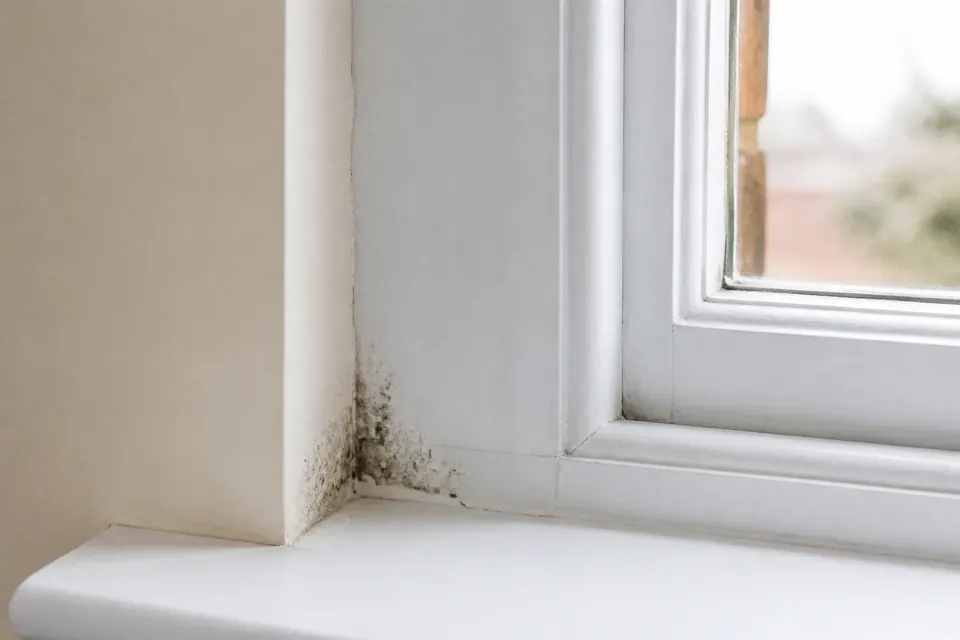
A window behind stored items
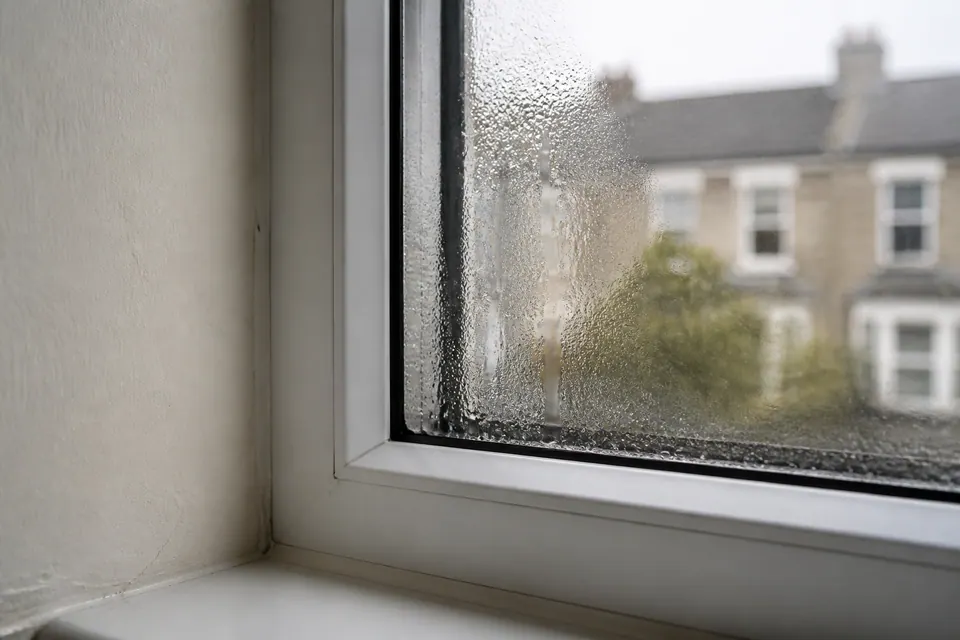
Include the reveal and the boxes that restrict the view. If water is noticed on the pane, record when; do not assume that observation explains every mark revealed during the room tidy-up.
Norwood / PROPERTY CONDITION
Plan the spare room before it becomes the guest room.
A Norwood spare room may hold boxes most of the year and a bed when visitors arrive. If marks are noticed while preparing it, show the wall before moving everything around. Include the next intended use and ask for preparation and return instructions before promising the room to a guest.
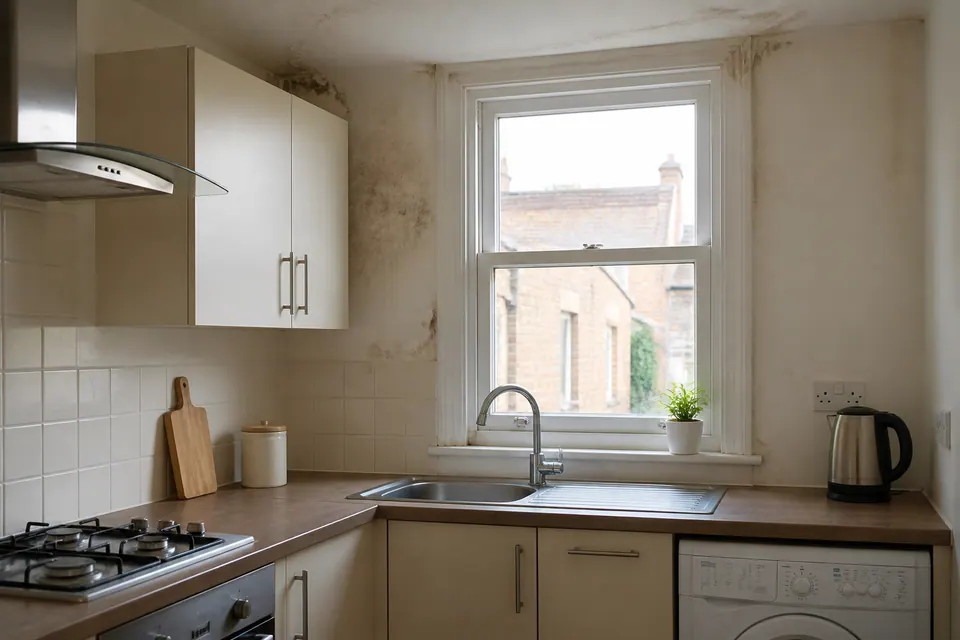
Guest date · spare bedding · accessible wall
01 / LOCATE THE ISSUE
Choose the nearest setting and show the room as it stands today. The useful first view includes the bed, boxes and marked area, not only the arrangement you hope to create for visitors.
Include the reveal and the boxes that restrict the view. If water is noticed on the pane, record when; do not assume that observation explains every mark revealed during the room tidy-up.
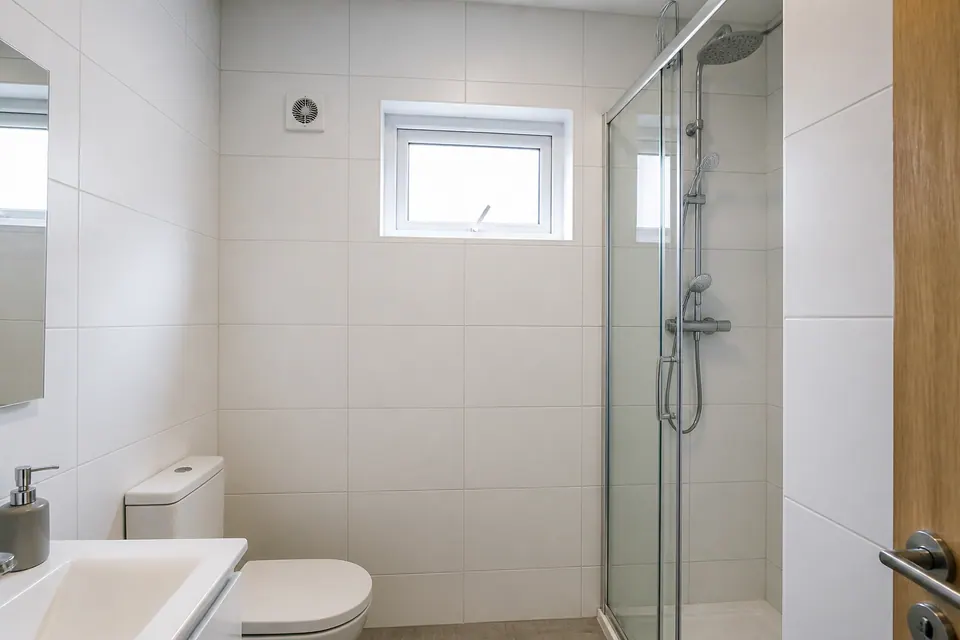
Say whether the bathroom has been unused for a period and show the affected paint or component. A dry-looking visit to the room does not describe what happens during ordinary washing and showering.
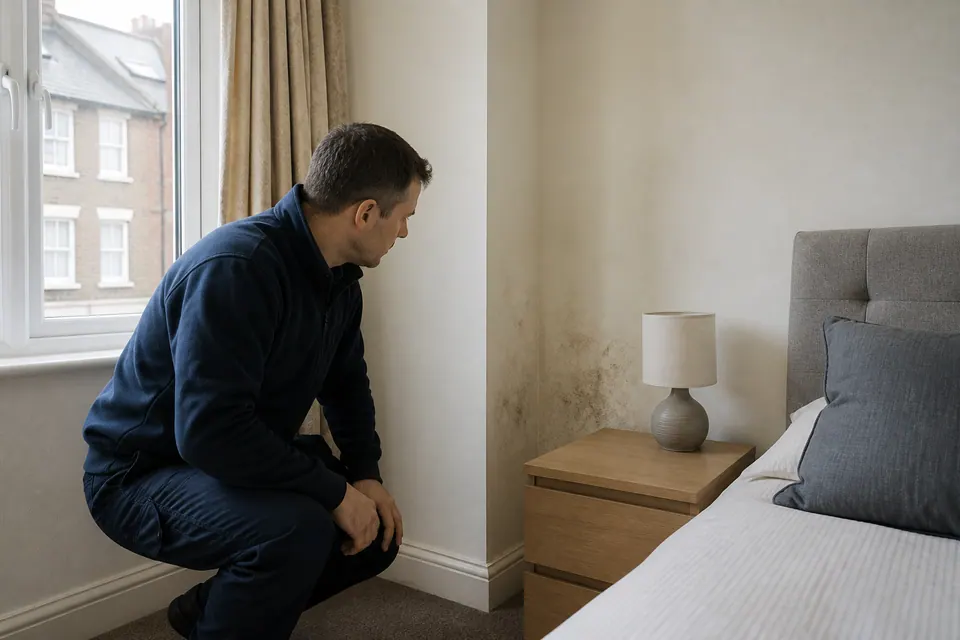
Show whether the bed is folded, assembled or surrounded by storage. Ask before moving affected belongings across the room, and identify a separate concern about the mattress or bedding if one exists.
If another room is involved, label it separately. Marks near a cabinet or appliance need their own material and water history rather than becoming part of a general guest-room clean.
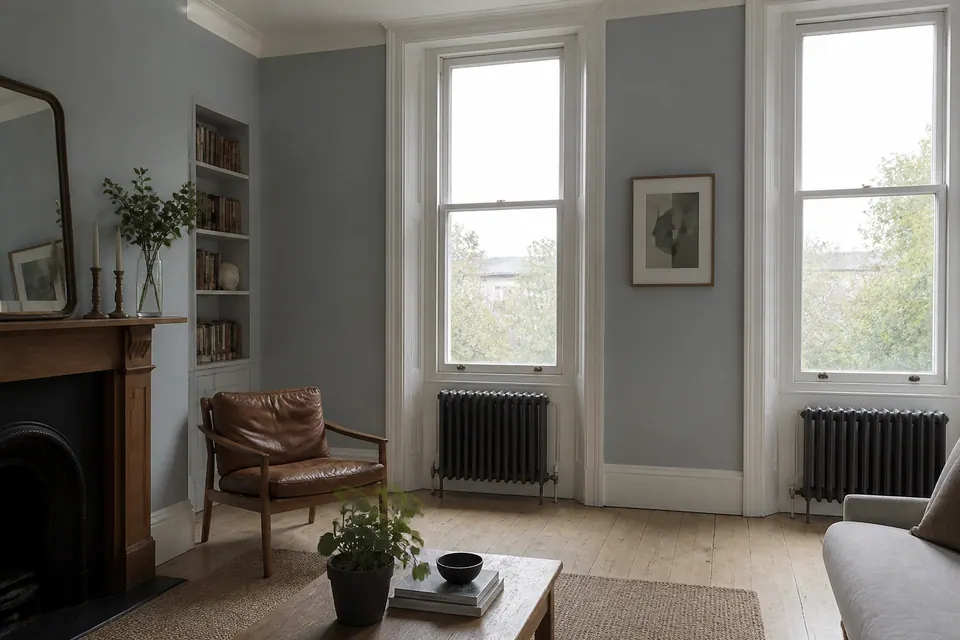
Explain the fold-out or temporary sleeping arrangement where relevant. The room’s daytime layout may differ from the position of furniture when it is used for sleep.
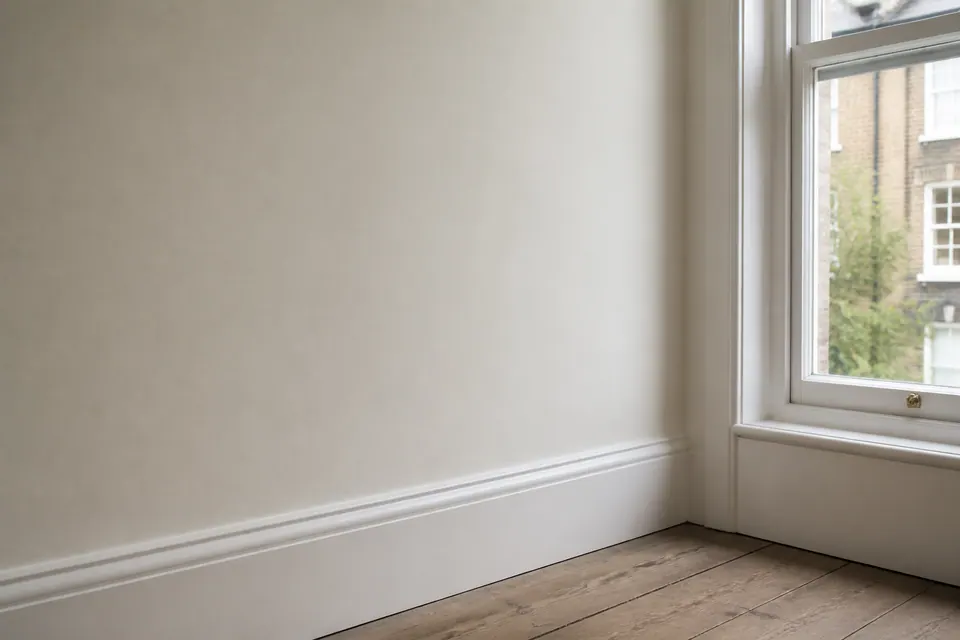
Describe the paint or covering now visible and any loose edge. A newly seen mark may have existed before the boxes were moved, so keep discovery date separate from an assumed start date.
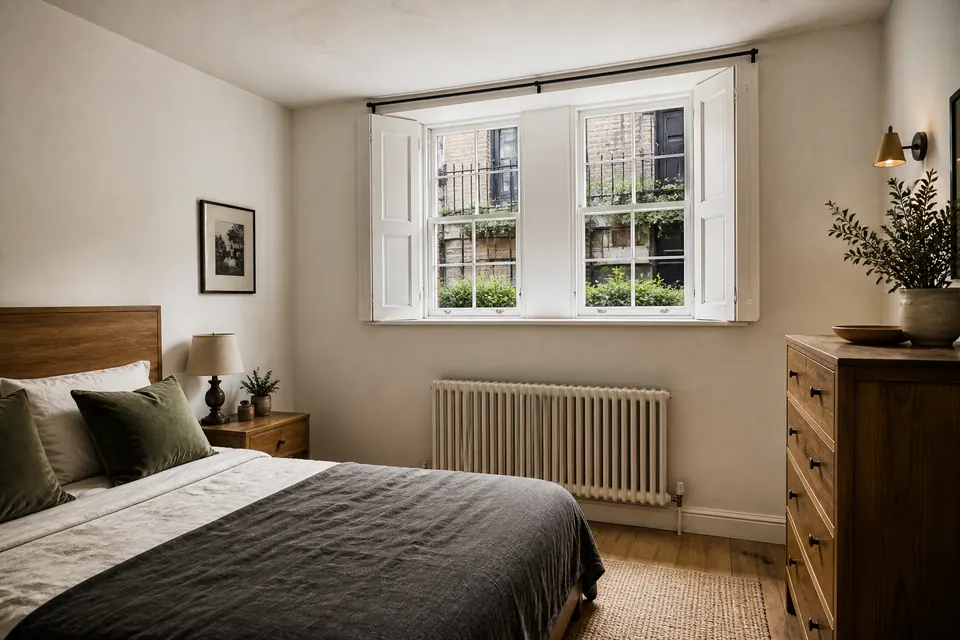
Identify the cupboard wall and the belongings as different concerns. Do not unpack affected linen simply to improve a photograph; ask what preparation is appropriate before changing the arrangement.
The room being used infrequently does not establish a cause or remove the need for preparation. Describe the present evidence and the next intended use without making a readiness promise.
Norwood / THE PROPERTY BRIEF
A visitor date is useful information for the enquiry.
Explain whether the room is normally storage, occasionally used for sleep or already occupied. Show which wall can be reached before boxes or bedding are moved. Ask for the instructions that apply to the proposed work, then plan guest use around the confirmed arrangement rather than an assumed same-day turnaround.
03 / SEPARATE THE QUESTIONS
Describe when the mark was discovered without assuming it began then. Stored belongings and occasional use explain the viewing conditions, not necessarily the moisture source.
| Visible issue | Possible contributing factor | What may need checking |
|---|---|---|
| A mark appears beside a previously covered window | Moisture near the reveal may be relevant | Separate current glass observations from the unknown earlier period |
| Guest bathroom spotting after little use | Earlier repeated wetness may matter | Describe reliable history rather than judging from one dry-looking day |
| A wall mark found behind boxes | Past or current moisture may be involved | Keep discovery date distinct from a guessed onset |
| A patch is visible again before another visit | An ongoing contributor may remain | Review the timeline without blaming occasional use alone |
Treatment of the wall, plumbing or ventilation work, replacing damaged material and handling belongings have different purposes. Do not combine them into an assumed promise that the room is ready for every next activity.
Mould describes fungal growth and damp describes excess moisture. A room smelling different when opened is an observation to report, not confirmation of every hidden surface or item.
| Question | Mould | Damp |
|---|---|---|
| The condition described | Growth on the identified finish | Excess moisture affecting material or surroundings |
| Useful evidence | The visible wall and its previous viewing history | Known water events and current wetness observations |
| A possible relationship | Growth can recur where moisture persists | Moisture may remain relevant during infrequent use |
| The next decision | What suitable work can be agreed before the next use? | Does a moisture or belongings question need another assessment? |
04 / DIRECT ANSWERS
No. It is a planning constraint to explain, while the suitable finish, extent and preparation determine the proposed work.
Do not use decoration to replace review of growth and moisture. Ask what needs clarification before another finish or guest-room rearrangement.
Do not assume that explanation. Describe the period of use and reliable observations alongside the wall history.
Ask for the instructions applicable to the agreed approach before relying on a same-day plan. The visit ending is not automatically the next-use time.
Follow the specific return guidance provided for the work and circumstances. Do not infer readiness from the wall looking cleaner or the bed being made.
Describe its affected finish separately and confirm any inclusion. It should not be assumed covered because it serves the same visitor.
Show the available view and explain the obstruction. Ask about preparation before moving affected belongings to expose more of the reveal.
Not automatically. A concern about linen, mattresses or other possessions needs a separate appropriate discussion.
05 / QUOTATION, NOT GUESSWORK
The number of expected visitors does not define the treatment price. The affected finish, visible extent and practical preparation matter. Photographs may support a suitable defined area, while hidden, recurring or damaged portions can need assessment before a quotation is agreed.
See the main mould-removal service ↗| Scope | Quotation basis | Practical information to include |
|---|---|---|
| A suitable wall with a clear visible boundary | Photographs may support pricing | Show what is reachable before guest preparation |
| A partly obscured or returning concern | Assessment may be needed | Explain the period when the wall was not visible |
| Damaged material or a separate belongings concern | Another specialist decision may be required | Keep linen, furniture and replacement questions distinct |
Check the total and exclusions before planning the guest-room reset. Making beds, handling stored linen and later decoration should not be inferred from a quotation for the affected finish.
06 / A CONTROLLED APPROACH
Look at the affected wall and the current arrangement, including areas still hidden by storage. Identify what needs further review before treating the room as ready for its next use.
Agree what should happen to boxes, bedding and nearby furniture before work. The person preparing the room should receive those instructions directly.
Carry out the agreed treatment on suitable accessible finishes. A concern about stored linen or a mattress should not be presented as addressed merely because the wall was included.
Explain when and how the room may return to use for the selected approach, with any remaining stain, damage or moisture question clearly identified.
The diagram is not a guarantee that a spare room can host visitors immediately after the visit or that stored belongings have been assessed.
Record the wall before the guest-room rearrangement.
Follow the preparation agreed for the items present.
Clarify instructions before making the room available.
These stages are illustrative, not customer guest-room turnaround evidence. Room appearance alone does not settle return instructions or an unresolved moisture concern.
07 / WHEN IT COMES BACK
If the room was rarely opened or the wall was hidden, say so. The absence of photographs does not establish that the mark disappeared, and discovery during guest preparation is not necessarily its starting date.
A repeat appearance may involve continuing moisture, but infrequent use alone does not prove the explanation. Record known water events, earlier work and current observations rather than attributing the issue automatically to a closed spare room.
Photograph the current arrangement before making major changes, where safe. Retain older images if available without recreating them by moving affected bedding or boxes.
08 / ROOM-BY-ROOM CONTEXT
A guest bathroom needs its own finish description and use history. Do not assume that a period without visitors establishes how the room behaves during use.
A spare bedroom should be photographed with the bed and storage in place. Ask about preparation before unpacking linen or changing the arrangement.
If a kitchen area is also affected, keep that evidence separately labelled. A guest-room enquiry should not imply a whole-property treatment.
A living room used for overnight guests may have a different furniture arrangement when the bed is opened. Explain both positions where relevant to preparation.
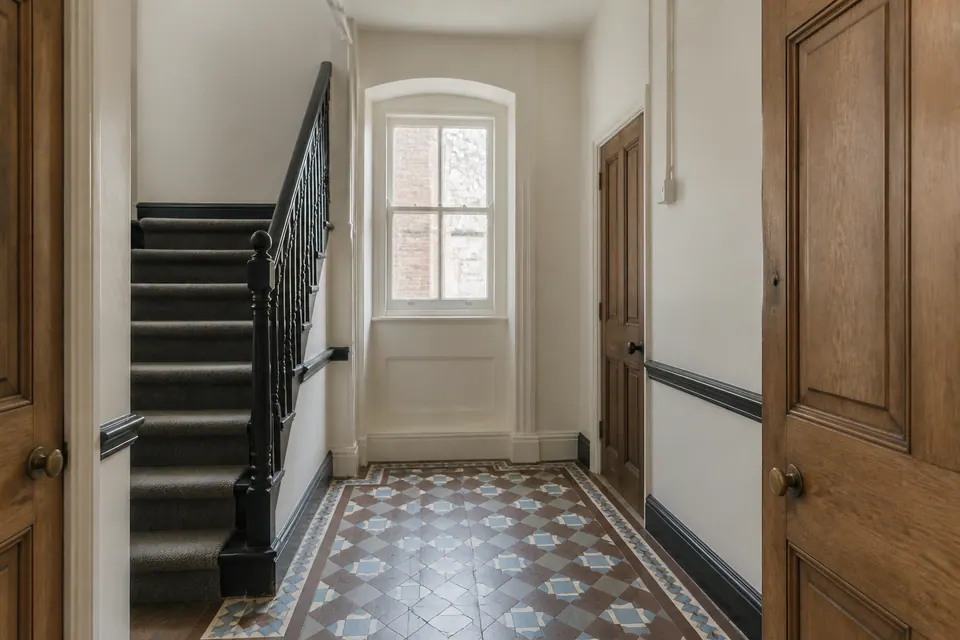
Shared passages should not be assumed available for temporary boxes while the spare room is cleared. Agree any practical arrangement separately.
For a lower-ground spare room, include reliable water history and the floor level. Infrequent use does not settle the material or moisture question.
Norwood / ACCESS & PEOPLE
Explain what normally occupies the floor and walls. An infrequently entered room is not necessarily empty or easy to prepare for a visit.
Give the intended arrival date and current sleeping arrangement. The appointment time should not be treated as confirmation that the bed can immediately be made ready.
Describe a desk, fold-out bed or stored furniture if relevant. Preparation should reflect how the room actually changes between uses rather than one ideal layout.
Tenants can provide photographs and the intended use while checking permission for proposed work. The enquiry does not require clearing affected possessions or making a legal claim about the room.
Landlords should ensure the person preparing the room receives the applicable instructions. A date for incoming use does not substitute for reviewing the wall and belongings arrangement.
Homeowners can explain a preferred timetable while asking what needs to be established first. Avoid promising a guest a prepared room solely because a treatment appointment has been requested.
Norwood / PLAN THE APPOINTMENT
Send the postcode, current room view and the intended visitor or use date. Explain what is stored there and who will prepare the room so the practical instructions reach the right person.
Keep the preferred timetable separate from confirmed return guidance when planning the next use.
View the Norwood area map.
Norwood / BEFORE BOOKING
Explain the room’s occasional use without assuming that storage, vacancy or a visitor date determines the treatment outcome.
Yes, as a practical constraint. Do not treat the date as a confirmed readiness promise before the proposed work and return instructions are clear.
State the period as accurately as known and provide the current view. Discovery during a tidy-up does not establish when the condition began.
Ask for preparation advice before handling affected belongings. Keep any bedding concern separate from the wall evidence.
No such assumption should be made. Boxes, furniture and the next activity still need consideration for the agreed approach.
Show its position and explain how it changes when opened. Ask about preparation rather than assuming either arrangement is suitable.
Use the current evidence and state the history you know. Do not recreate an earlier appearance or invent dates to complete the record.
Appearance does not replace the applicable return guidance or settle separate belongings and moisture questions.
Describe it as a separate task so ordinary cleaning is not mistaken for assessment or treatment of the marked finish.
The relevant use instructions, any excluded belongings or wall area and any outstanding repair question. Keep those decisions separate from the visitor timetable.
A PROPERTY-SPECIFIC NEXT STEP
Send the Norwood postcode, current wall view and the room’s next intended use. Ask about preparation and return guidance before arranging the guest-room reset.
The images illustrate rooms, not customer guest-arrival turnarounds or verification of stored bedding.
