
An owner-cleaned room
Describe the actions and products you actually remember. Do not fill gaps with assumptions based on a bottle found elsewhere in the house.
Edgware / AFTER EARLIER CLEANING
Bring the history, not another product.
If the same patch has been wiped several times, a fresh enquiry needs more than its current photograph. For Edgware, explain what was tried, what is known about the product and how soon marks returned, without adding another treatment before advice.

Product history · return interval · finish condition
Edgware / ACCESS & PEOPLE
Describe the actions and products you actually remember. Do not fill gaps with assumptions based on a bottle found elsewhere in the house.
Obtain relevant available records from the booking contact. Distinguish a documented service from a report that somebody wiped the wall.
Explain known cleaning before painting and the present condition. The new layer does not establish that the earlier issue or moisture was resolved.
Share the recurring pattern and any known actions with the authorised contact. Do not undertake another treatment merely to demonstrate the issue.
Provide previous work records where available and involve occupants in the current evidence. Avoid treating a past invoice as proof of today’s surface suitability.
Ask whether the finish now needs a different assessment or material work. Keep any moisture repair and later decorating decision separate from the removal quotation.
02 / LOCATE THE ISSUE
Choose the setting and describe the actual material. The room name does not tell the team what products or methods have already touched it.
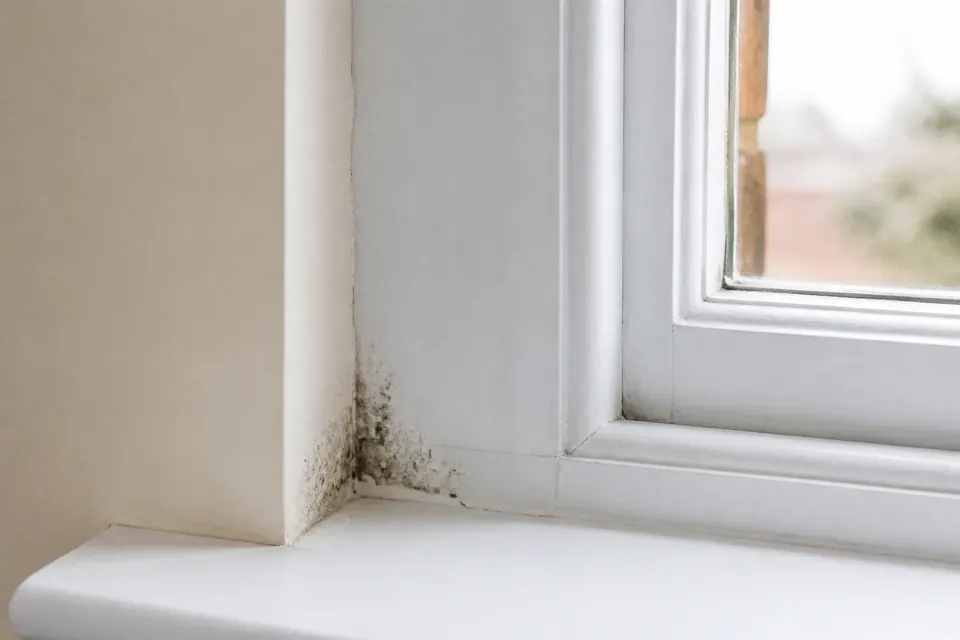
State whether the work was on the frame, reveal or sill. Include the interval before spotting returned and any observed water at the window.
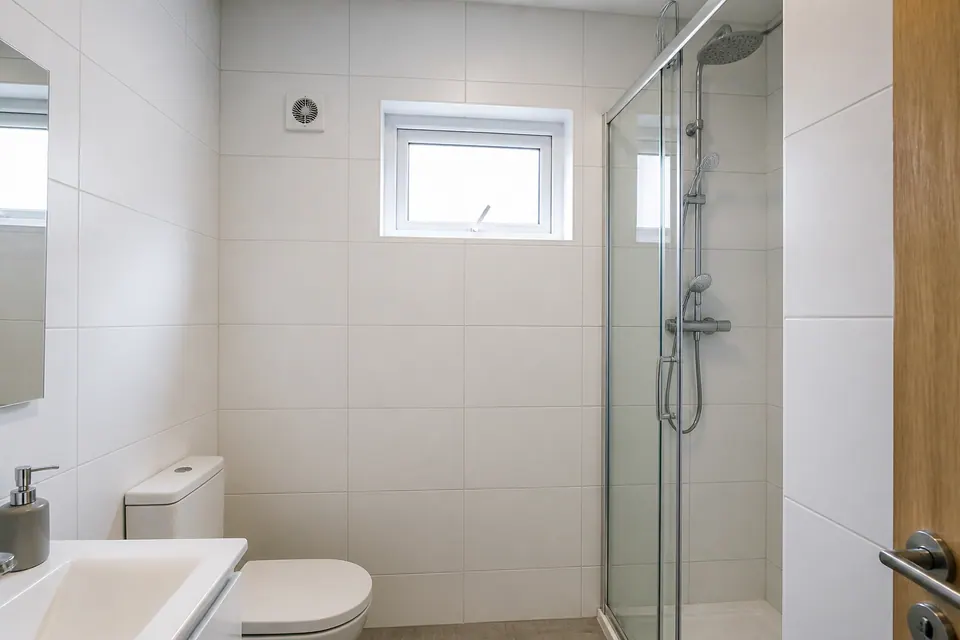
Explain whether paint, sealant or another surface was involved. Do not assume that repeated cleaning has left the material sound or that replacement is included.
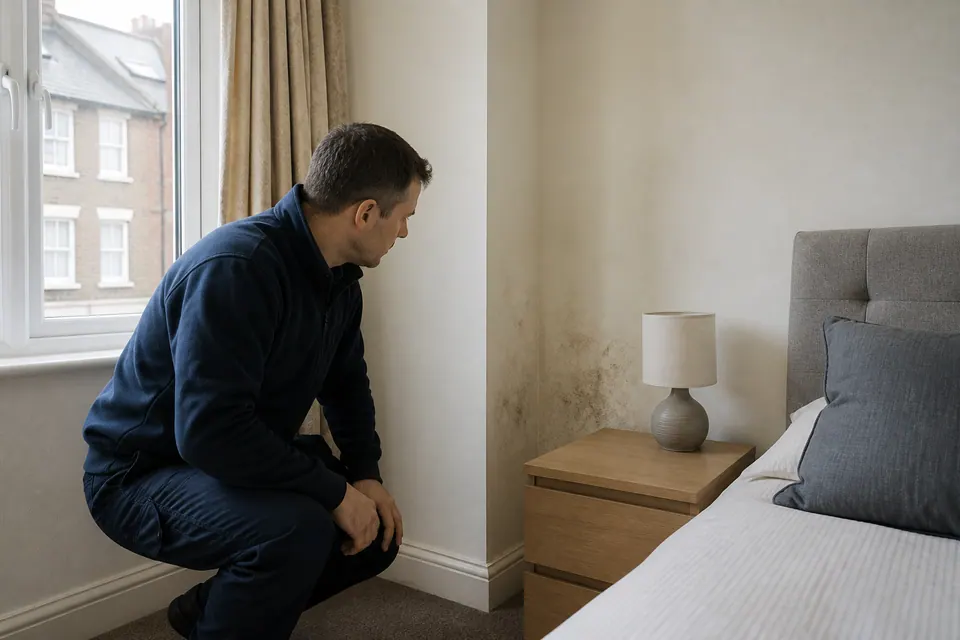
Describe fading, lifting or remaining staining after earlier attempts without testing the finish again. Mention furniture limiting a clear view of the affected portion.
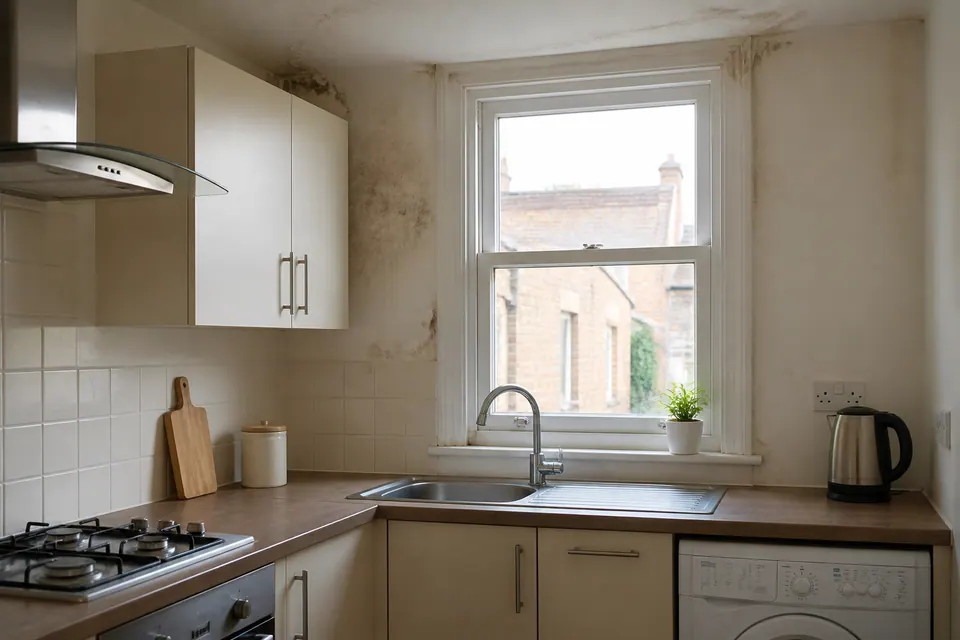
If the product name is known, provide it separately from the symptom description. Do not combine products or repeat an application to demonstrate the previous result.
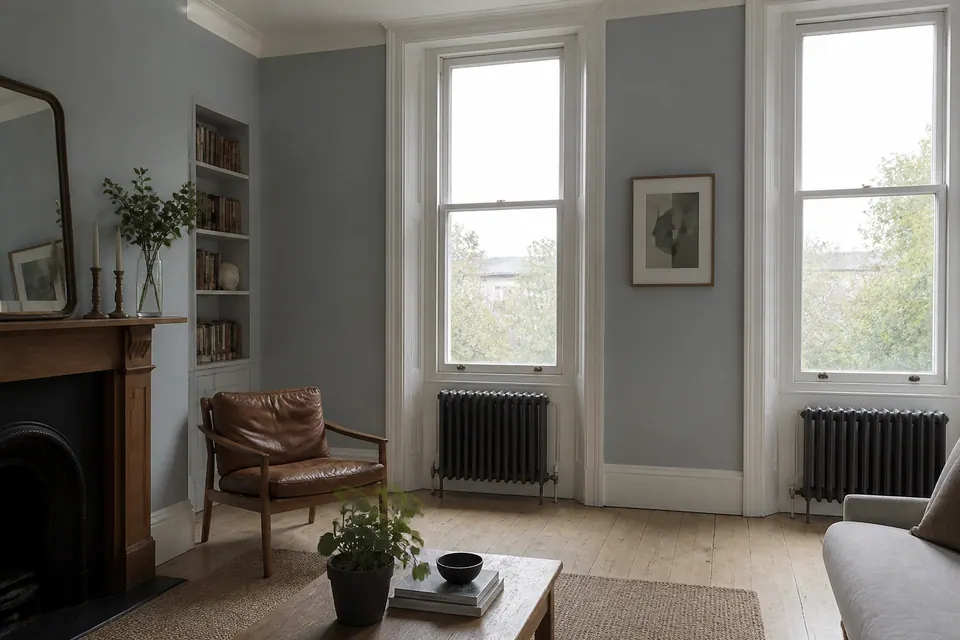
Give any known cleaning and decorating sequence. A current patch may overlap old staining or damage, so show the surrounding finish as well.
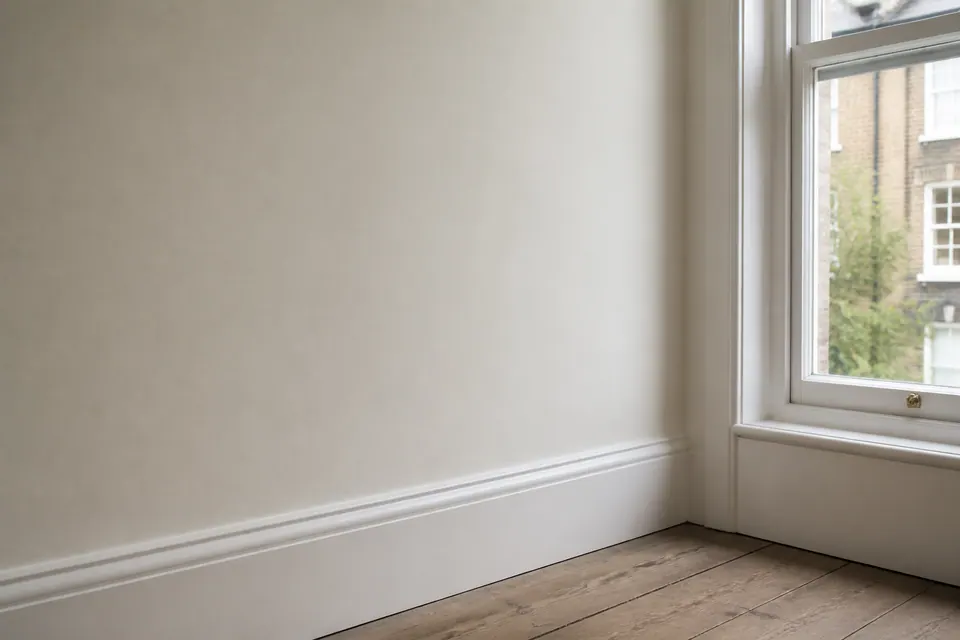
Explain visible loose material and earlier repainting. Suitable growth removal should not be assumed to restore a finish weakened by past work or moisture.
Say which part was actually reached before. An inaccessible continuation should not be described as previously treated simply because the cupboard was wiped.
A temporary change in appearance does not establish the cause or suitability of the next treatment. Share the sequence rather than repeating it.
03 / SEPARATE THE QUESTIONS
Earlier cleaning shows what happened to appearance. It does not prove that the moisture condition or affected material was resolved.
| Recorded change | Information worth adding | Question for review |
|---|---|---|
| Spotting returns within the same outline | Approximate interval after cleaning | What continuing moisture context needs assessment? |
| Paint lifts after an application | Known product and previous finish condition | Is the material suitable for further treatment? |
| A stain remains but growth looks different | Earlier and current photographs | What is residual appearance versus current change? |
| A new area appears after a water event | The sequence between attempts | Does this concern differ from the original patch? |
Do not treat repeated surface work as confirmation that a leak, ventilation issue or damaged building material has been repaired. Those questions need their own evidence and scope.
One records actions on a finish; the other records moisture observations and known repairs.
| Question | Mould | Damp |
|---|---|---|
| What was acted on? | The surface reached by earlier cleaning | Any separately addressed water issue |
| What can still be uncertain? | The suitability of the remaining finish | Whether moisture is continuing |
| Why does recurrence matter? | A different scope may now be appropriate | The underlying condition may need investigation |
| What should happen next? | Review the present material before another method | Clarify unresolved water or building questions |
Edgware / THE PROPERTY BRIEF
An honest gap in the history is better than a guess.
For an Edgware enquiry, put the known cleaning attempts in order and distinguish what you did from work completed by somebody else. If a product name or date is uncertain, say so. Include how the finish now looks before arranging another visit; repeating the previous approach may overlook material damage or continuing moisture.
05 / QUOTATION, NOT GUESSWORK
For Edgware, send the visible extent alongside the cleaning history. Multiple previous attempts can leave unanswered questions about moisture and finish condition, so a quotation should describe what is appropriate now rather than repeat an old room-based price.
Review the published pricing approach ↗| Current concern | Quotation basis | History to provide |
|---|---|---|
| A suitable reachable patch | Photographs may support the proposal | Current finish plus known previous work |
| Repeated or multiple affected areas | Assessment informs the quotation | Return intervals and separate locations |
| Deteriorated finish or complex damp | Specialist quotation may be required | Damage and unresolved water information |
Confirm the new inclusions rather than assuming another visit repeats the last one. Neither a previous cleaning price nor a temporary cosmetic improvement defines today’s treatment scope.
06 / DIRECT ANSWERS
It is useful history. Name it if known and explain the current finish; do not guess a product or assume compatibility with another method.
Painting over the area is not a substitute for assessing growth and moisture. It may also hide material damage that affects the next work.
A continuing moisture condition may be relevant, but the interval alone does not establish the cause. Include the room and material context.
Do not assume so. Current extent, damage, access and the agreed approach may differ from the earlier attempt.
Follow the product’s instructions and seek appropriate advice if concerned. For the proposed Alesta work, obtain separate method-specific access and return guidance.
Do not assume restoration. Identify the material and condition; deteriorated sealant or another damaged finish may need replacement outside surface removal.
Record that distinction and the previous treatment boundary. A local recurring area should not inherit a diagnosis from another room.
Not automatically. Treatment of suitable growth and repair of a water or building problem remain separate scopes unless explicitly agreed.
07 / A CONTROLLED APPROACH
Compare the current condition with what is known about previous attempts. Keep uncertain dates and products explicitly uncertain.
Ask what is required before the proposed work. Do not apply another substance to make the area seem cleaner for the appointment.
Use the accepted method on suitable accessible surfaces. Earlier treatment does not guarantee that damaged material can receive the same approach again.
Distinguish growth removal, residual staining and material damage. Record separate moisture questions instead of promising that this attempt ends recurrence permanently.
The sequence is about a better-defined decision, not simply repeating the earlier application.
Keep the present image with the known history.
Do not assume the earlier method is being repeated.
Note appearance limits and any further assessment need.
The schematic is not a customer comparison or a guarantee against recurrence after a particular number of treatments.
08 / ROOM-BY-ROOM CONTEXT
Identify whether prior cleaning touched paint, tile or sealant. Different materials can have different damage and treatment limits.
Mention products or repainting only where known. Show current marks without moving affected furniture solely for a demonstration.
Keep cleaning-product history separate from confirmed plumbing events. Either can be relevant without proving the cause of the other.
Describe visible lifting, fading or remaining stain after earlier attempts. A decorative covering may not be restorable through removal alone.
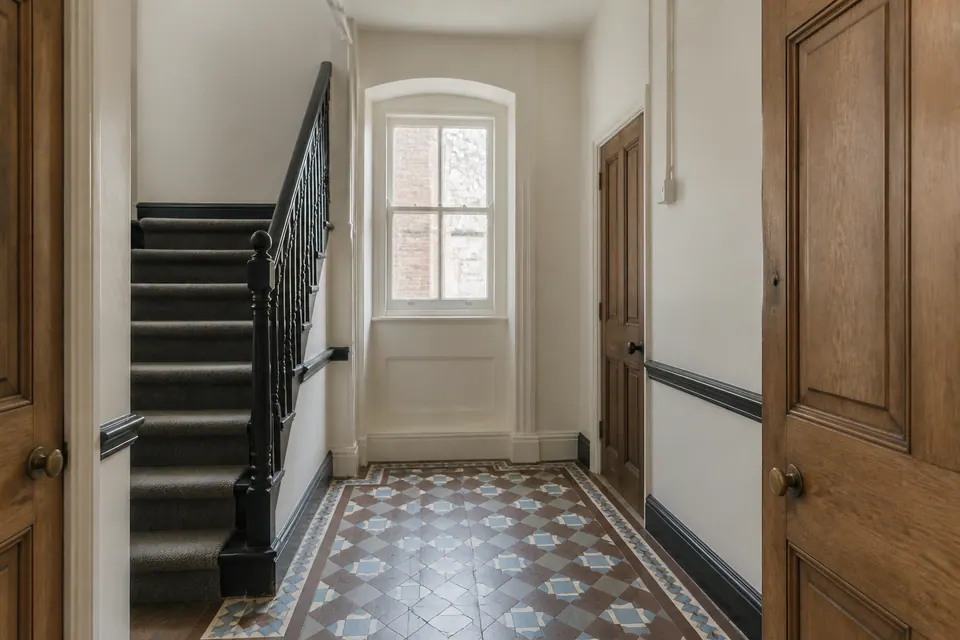
Identify who arranged previous work and what area it covered. A flat’s treatment history does not automatically include communal finishes.
Add known water observations to the treatment timeline. The room level does not explain why a particular application failed to last.
09 / WHEN IT COMES BACK
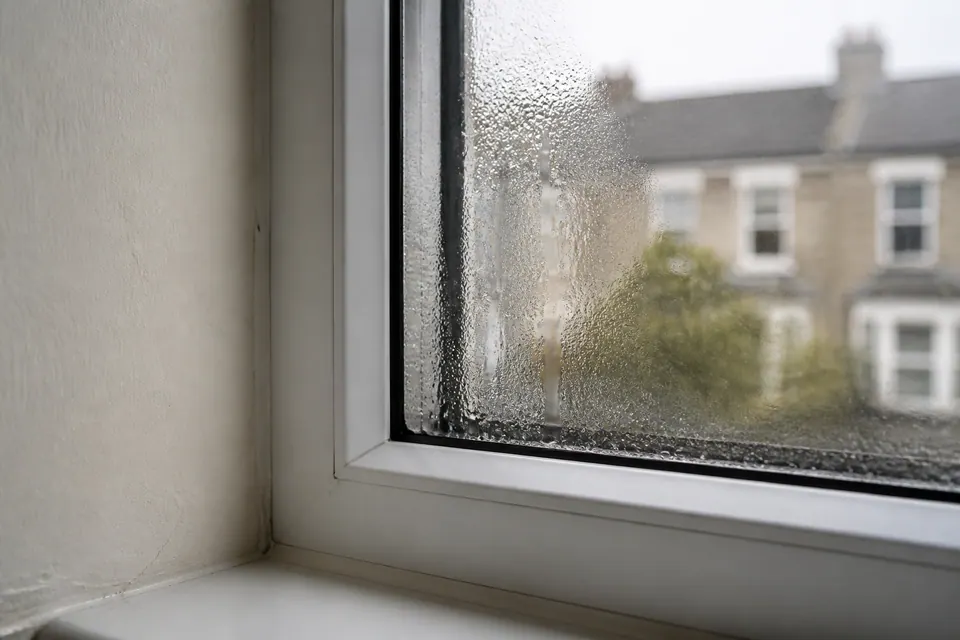
A return after days, weeks or a longer interval should be described as accurately as possible without inventing a date. Mention any known water event or change in room use between appearances.
The timeline can help frame assessment, but it does not identify a moisture source by itself. Another surface application may not address the condition allowing marks to reappear.
Keep existing photographs and product information. Ask for preparation guidance instead of trying several substances to see which alters the appearance most.
Edgware / PLAN THE APPOINTMENT
Include the Edgware postcode, current photographs and the known sequence of earlier attempts. Confirm availability for a fresh assessment rather than assuming a repeat of an old appointment.
The map helps locate the property; it says nothing about which previous method is suitable now.
Load the local map when discussing the address.
Edgware / BEFORE BOOKING
Bring what is known about the earlier work without repeating it for the enquiry.
Yes, if known. Include the information without guessing and describe how the surface looks now; do not apply it again to demonstrate the effect.
State that it is unknown. An honest uncertainty is more useful than an invented name when the present finish is being reviewed.
Do not create a test area for photographs. Existing images and an untouched current view are more useful for an appropriate assessment.
It shows a recurring visible concern, but appearance alone does not settle its identity or cause. Explain the timeline and material changes.
Relevant records can help clarify the earlier scope. Do not assume they establish the current moisture condition or guarantee the finish remains suitable.
Report that damage and stop testing the material. It may change the appropriate scope beyond treatment of suitable surface growth.
No universal promise should be assumed. Continuing moisture and material condition can affect recurrence and any separately agreed follow-up work.
It is background only. The current affected extent, preparation and method may differ, so request a new timetable for the proposed scope.
Yes. Describe the repair status separately; a temporary improvement in appearance does not confirm that a water issue is resolved.
BRING THE HISTORY INTO THE ENQUIRY
Send the postcode, current photographs and what is known about earlier attempts. Ask for a review of the present finish before choosing another treatment or decorative step.
The scenes illustrate property conditions and do not prove outcomes from customer treatments.
