
Is the repeat quotation automatically the same?
No price or scope should be assumed. Provide the current extent and earlier work so recurrence can be assessed appropriately.
LEWISHAM / BEDROOM RECURRENCE
The useful question is what changed after the earlier work.
If bedroom spotting has returned in Lewisham, describe the interval and whether the outline is the same, wider or in a different position. Include the bed and window in a wider view. Another appointment should begin with the current finish and previous scope, not an automatic repeat of the last approach.
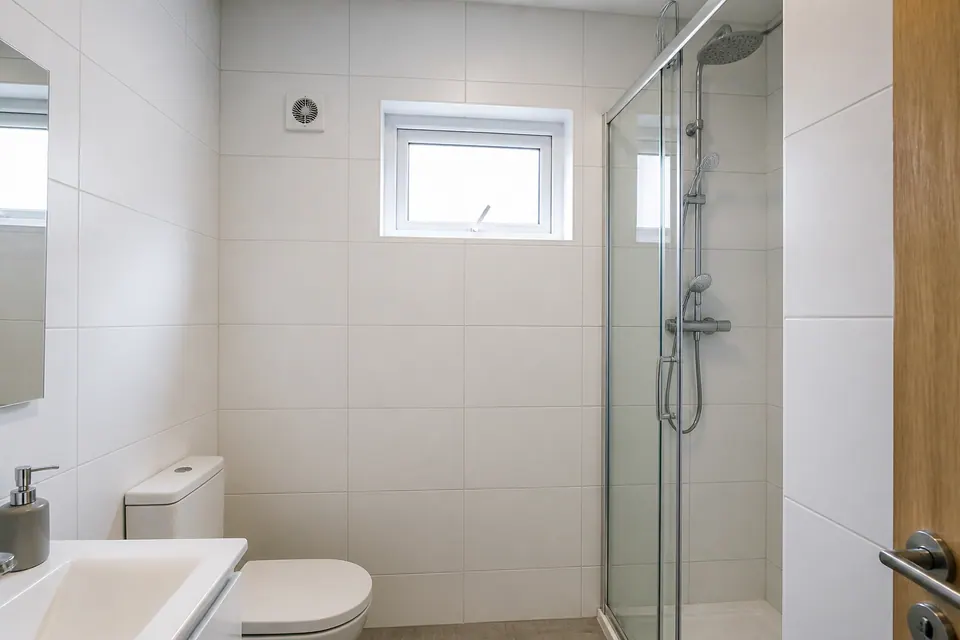
Time · position · current finish
01 / DIRECT ANSWERS
No price or scope should be assumed. Provide the current extent and earlier work so recurrence can be assessed appropriately.
Do not cover the evidence before assessment. Decoration does not explain the condition or replace treatment of suitable growth.
No. It is useful history, but the cause cannot be established from the return interval or shape alone.
The current material, extent and preparation may differ. Ask after review rather than treating the earlier visit duration as a promise.
Obtain instructions for the agreed method and current circumstances. Previous guidance should not be assumed to apply unchanged.
Describe that room separately with its own material and history. A shared date of discovery does not establish one combined cause.
Identify it clearly and say whether it was previously visible or treated. Do not call an unknown earlier condition a confirmed recurrence.
Any additional investigation or repair must be explicitly agreed. Accessible surface work should not be interpreted as a complete moisture diagnosis.
02 / SEPARATE THE QUESTIONS
Keep the previous intervention, present location and possible moisture context distinct.
| Present observation | Possible context | What to compare |
|---|---|---|
| Spots beside the same window | Moisture conditions continuing near the opening | The exact reveal and previous scope |
| Bedroom and bathroom marks noticed together | Separate room conditions | Different materials and histories |
| A patch after a new water incident | Intervening exposure or damage | The confirmed event and repair status |
| A wider outline than before | Changed extent or previously unseen material | Earlier boundary and current view |
A new enquiry may raise repair or investigation questions outside surface work. Do not assume either that previous treatment failed or that the next visit should simply repeat it without assessment.
Describe what is actually seen rather than using either term as a diagnosis.
| Question | Mould | Damp / moisture |
|---|---|---|
| What is recorded? | Visible growth on the present affected finish | Observed moisture relevant to that area |
| Useful comparison | Old and current extent at the same location | Water events and conditions between observations |
| Why distinguish them? | A new visible area may not have been treated before | Persistent moisture may require another scope |
| Next decision | Current suitability and treatment boundary | Separate investigation or repair if appropriate |
03 / ROOM-BY-ROOM CONTEXT
Record its material and earlier work separately from the bedroom. Similar timing does not establish identical conditions.
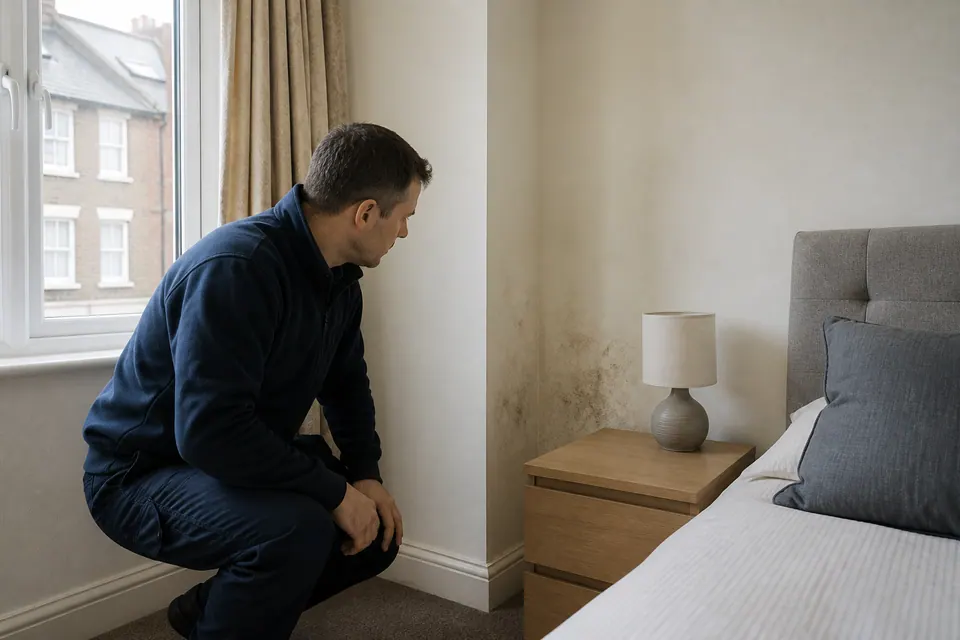
Compare the same location using a fixed room feature and the current furniture layout.
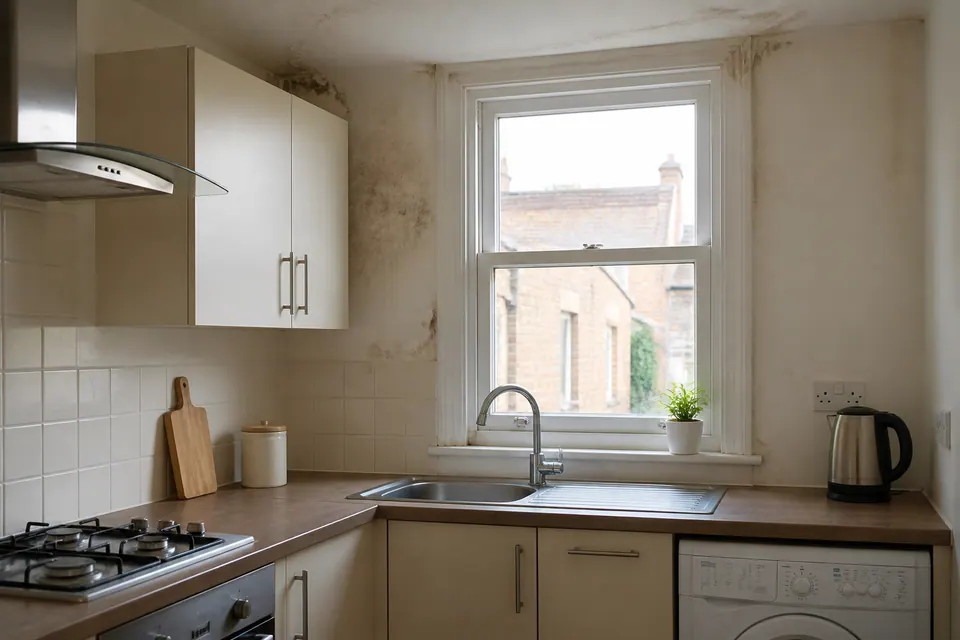
Give its own water and treatment history rather than borrowing the bedroom explanation.
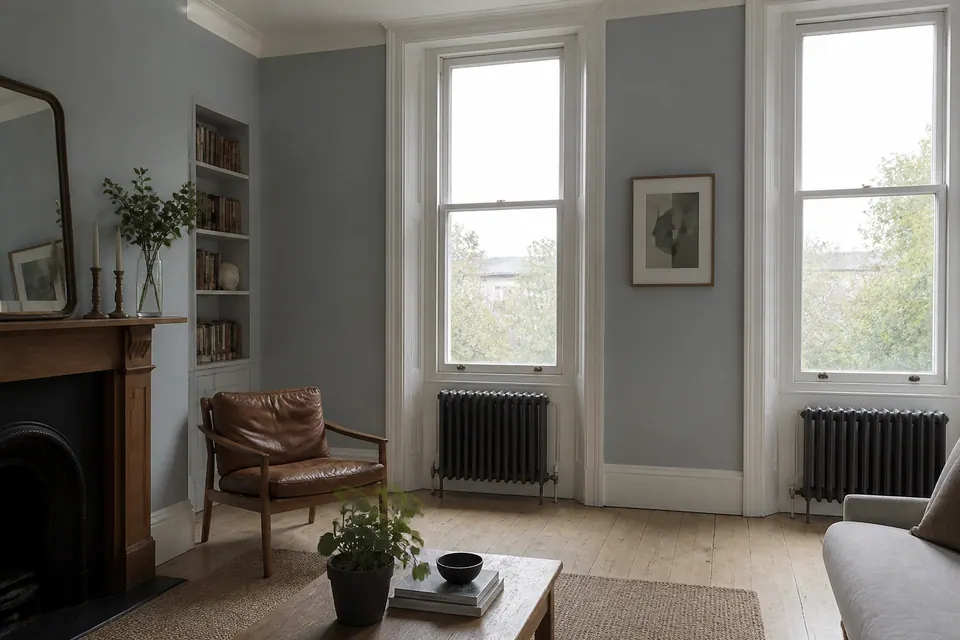
Explain present sleeping or sitting use and any layout changes since the previous work.
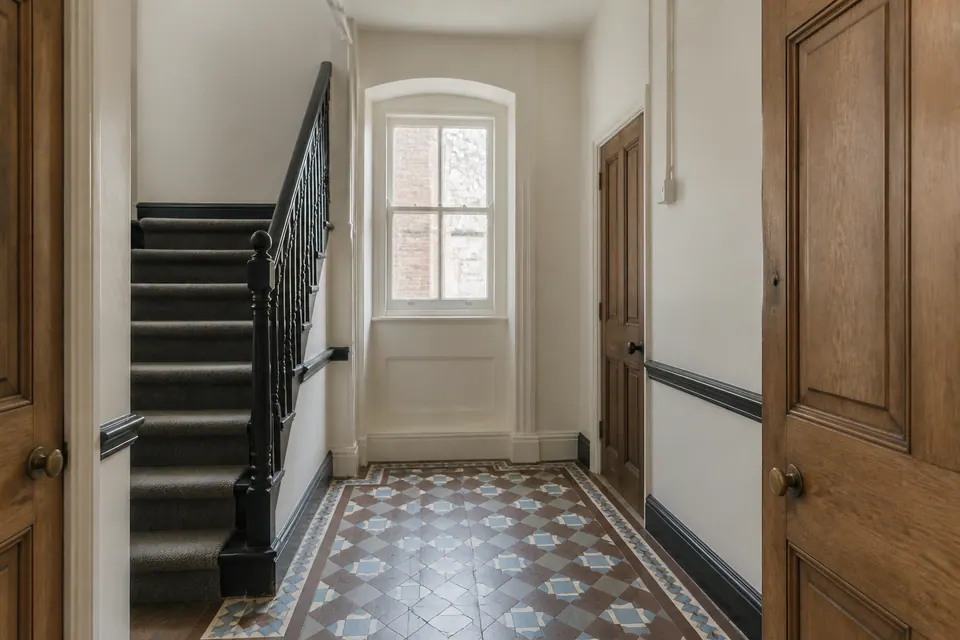
Check whether they were inside the earlier scope. A nearby shared area may be a separate enquiry.
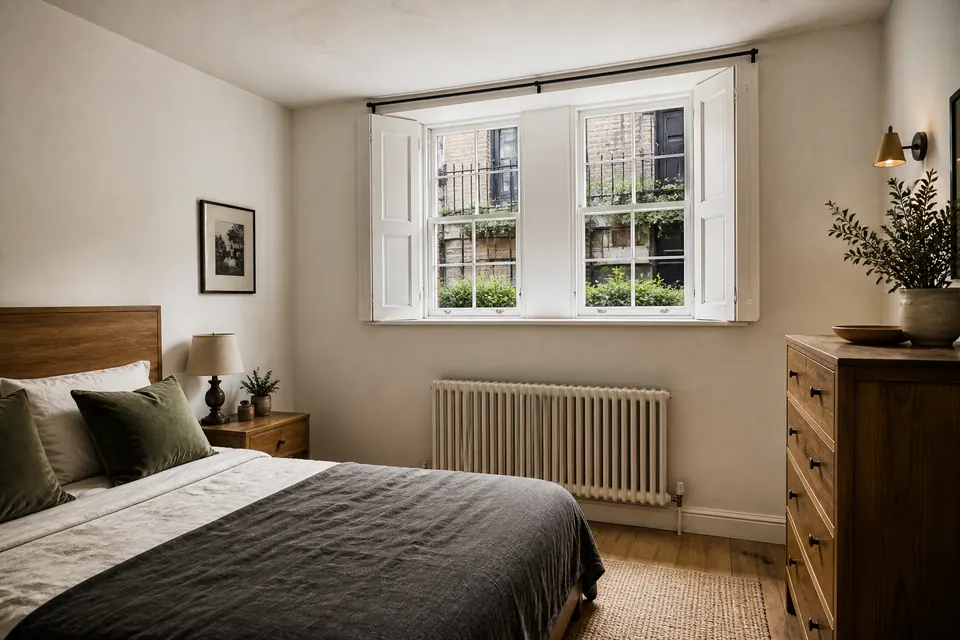
State level and actual observations without deriving a damp diagnosis from recurrence or position.
Lewisham / NEWLY NOTICED PATCHES
A close-up of a new angle may not show the same surface.
Use the same window edge, trim or wall junction to identify the affected area in earlier and current photographs. State what the previous visit or cleaning actually covered and whether furniture has moved since then. A newly exposed strip may be a new observation rather than growth returning on treated material. Keep uncertainty in the dates or original extent explicit.
05 / QUOTATION, NOT GUESSWORK
For a Lewisham recurrence quotation, send current photographs and the actual previous work description. Recurring areas need assessment; damaged materials or complex damp may need specialist quotation. Do not assume a first small-area photo price applies unchanged.
Read the current service scope ↗| Current situation | Quotation route | Information needed |
|---|---|---|
| A new suitable accessible limited area | Photographs may support quotation | Clarify whether it is distinct from the old patch |
| Returning growth on the previous area | Assessment of current condition | Earlier scope, interval and changed extent |
| Damage or complex moisture concerns | Specialist quotation where necessary | Confirmed events and current material condition |
Agree the new inclusions before booking. A return visit is not automatically a repeat price, identical method or complete moisture repair.
Lewisham / ACCESS & PEOPLE
Keep the named area and action rather than a general statement that the room was cleaned. Different interventions answer different questions.
Say what is unknown. Do not claim that every newly visible strip was treated before.
Show current furnishings and explain any movement. Greater visibility can reveal a different area without proving new growth.
Retain existing images and provide visible observations through the booking arrangement. Do not disturb the patch to demonstrate responsibility.
Supply actual earlier work and repair information. A recurring complaint should be assessed from location-specific evidence, not assumptions about room use.
Ask what the present condition requires before requesting an identical repeat. Keep treatment and moisture-repair decisions separate.
07 / LOCATE THE ISSUE
Locate the present area before comparing it with earlier work. Nearby but different surfaces should remain separate in the enquiry.
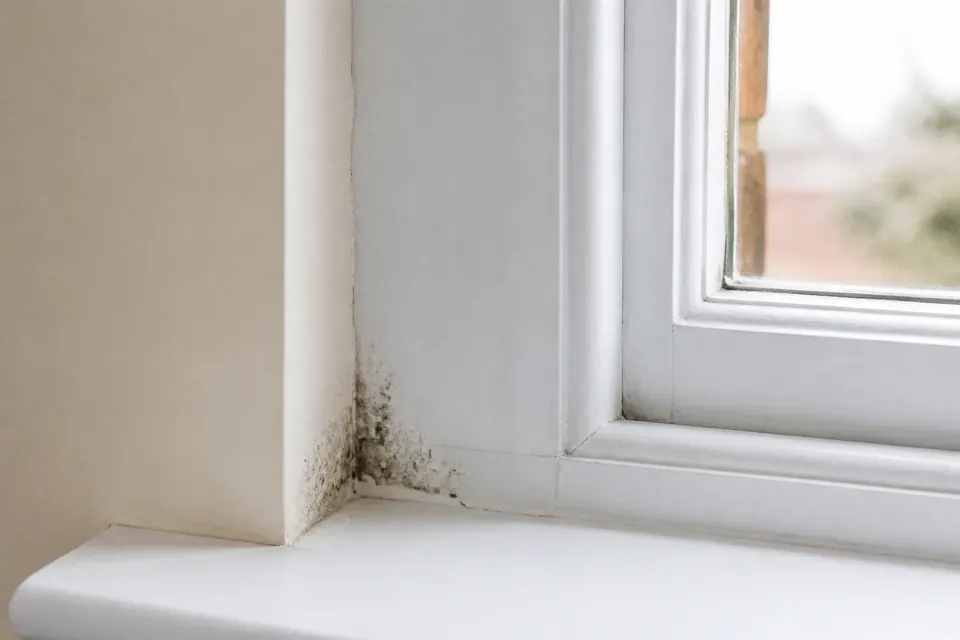
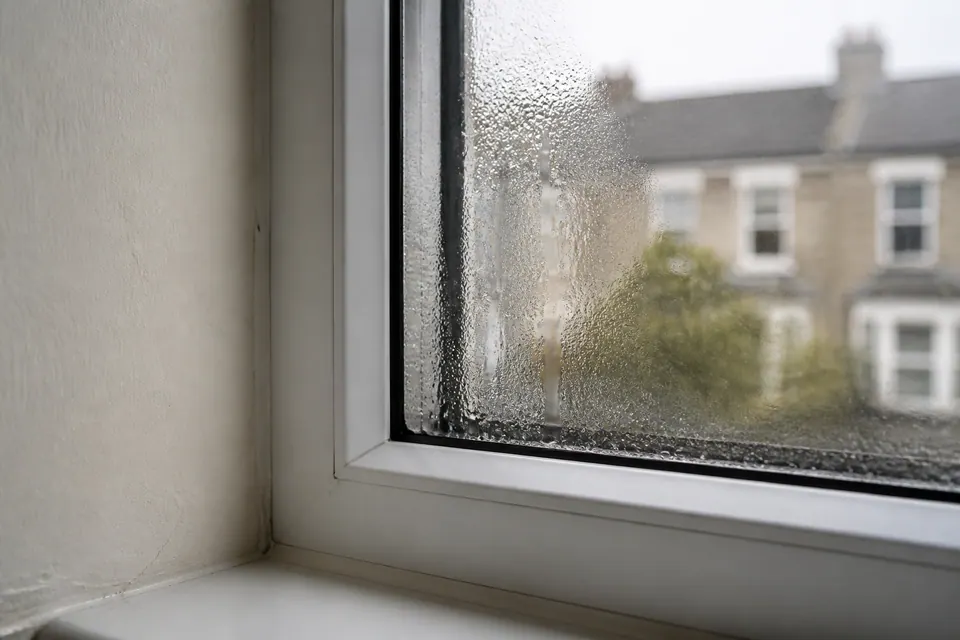
Identify the affected side of the opening and whether the previous work included it. Moisture on glazing is useful history but not proof of why spots returned.
Treat this as a separate location even if noticed at the same time. Its material and wet-use history may differ from the bedroom wall.
Show the current finish and the wider layout. A changed furniture position can affect visibility without proving a cause of recurrence.
Do not use the bedroom history as a diagnosis for a kitchen surface. Give that area its own confirmed water and treatment record.
Explain the usual layout and what changed since earlier work. Preparation and return guidance should fit the present use.
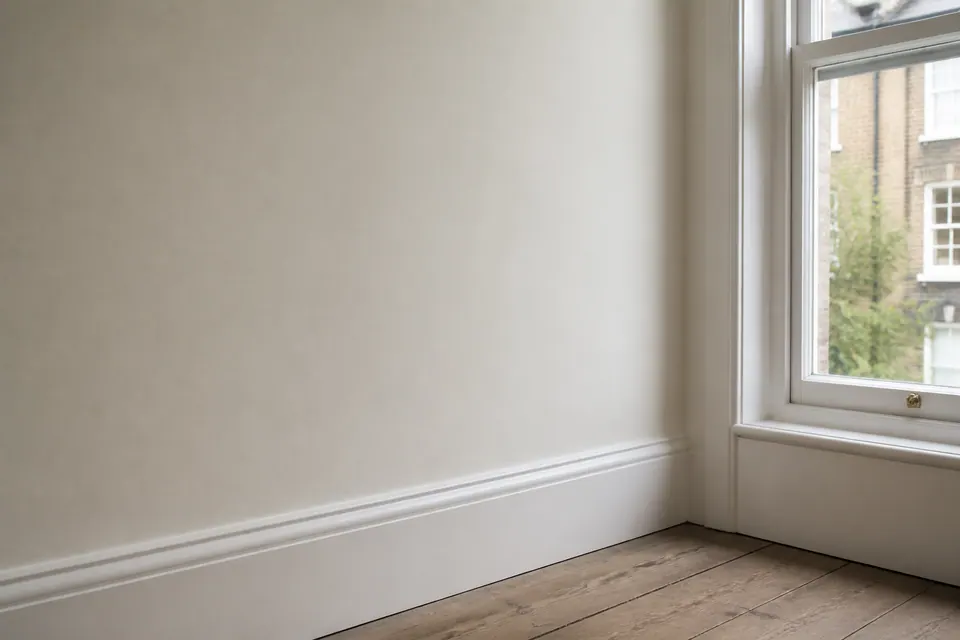
Record whether the new pattern extends onto another coating or damaged material. Do not scrape a boundary to make comparison easier.
Label it as newly exposed if its earlier condition was unknown. It should not automatically be counted as recurrence within the treated area.
Recurrence is a reason to review the evidence, not proof of a single moisture explanation or a guaranteed need for the same method.
08 / A CONTROLLED APPROACH
Match current photographs to the earlier boundary and identify the present material condition.
Agree instructions around the current room and furnishings. Do not automatically repeat an old clearance arrangement.
Carry out suitable work within the new scope. Additional extent or damage needs explicit discussion.
Clarify what was addressed, what remains and the applicable room guidance. Keep separate moisture questions visible.
A repeat attendance does not promise permanent absence of marks or an unchanged method.
Use the same location references and current dimensions.
Treat suitable accessible material as reassessed.
Record remaining condition and further questions clearly.
The stages are illustrative, not customer recurrence evidence. Continuing moisture may permit further growth.
09 / WHEN IT COMES BACK
Avoid compressing several visits into a statement that the whole bedroom keeps failing. Keep each action, date and affected boundary identifiable.
Report whether the new appearance is on the same finish, a damaged adjacent area or a strip previously hidden by furniture. That distinction helps the next assessment ask the right question.
Approximate dates and missing older images are acceptable. Do not invent precision to complete the timeline.
Lewisham / PLAN THE APPOINTMENT
Send the Lewisham postcode with current images and the available earlier record. Confirm availability after the present scope and access are understood.
Mention any intervening repair or planned work separately so another treatment is not booked on an unverified assumption of completed moisture repair.
The map gives area context for arranging the next enquiry.
Lewisham / BEFORE BOOKING
The previous work is useful history, not an automatic prescription.
Yes, if available and clearly dated. Use the same location reference so the comparison is meaningful.
Describe the changed extent and material. Do not assume the additional area was included in the previous work.
No. It provides context but cannot identify the moisture mechanism on its own.
Only its actual history should be stated. If it was hidden before, identify it as newly observed rather than confirmed returning growth.
Do not assume that. Current extent, condition and the reassessed scope determine the new discussion.
Ask for current guidance rather than applying previous instructions automatically.
Follow instructions for the newly agreed work and circumstances. Earlier return guidance may not apply unchanged.
The condition or extent may differ, and unresolved moisture or material questions may need separate consideration.
Keep the named surface, date, agreed action and any remaining condition so later changes can be described accurately.
COMPARE BEFORE REPEATING
Send the postcode, present photographs and the earlier scope if available. Explain what changed and what remains unknown so the next step is based on evidence.
The room images illustrate context, not a documented sequence of customer repeat treatments.
