
An owner-arranged repair
Describe the task you commissioned and the evidence you have. Distinguish an agreed task from an assumption that every bathroom issue was fixed.
Woodford / AFTER BATHROOM MAINTENANCE
Explain what was repaired and what changed afterwards.
An upstairs bathroom may have been redecorated or repaired before marks appeared again. For Woodford, give the actual work history and show the present finish without assuming the old repair either explains or resolves the current concern.
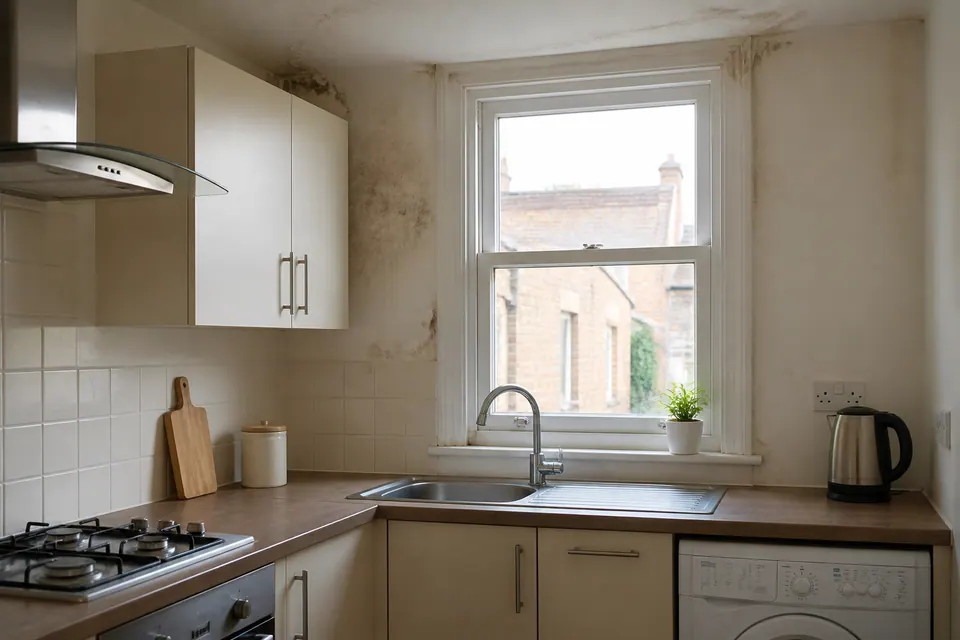
Completed work · present finish · new observations
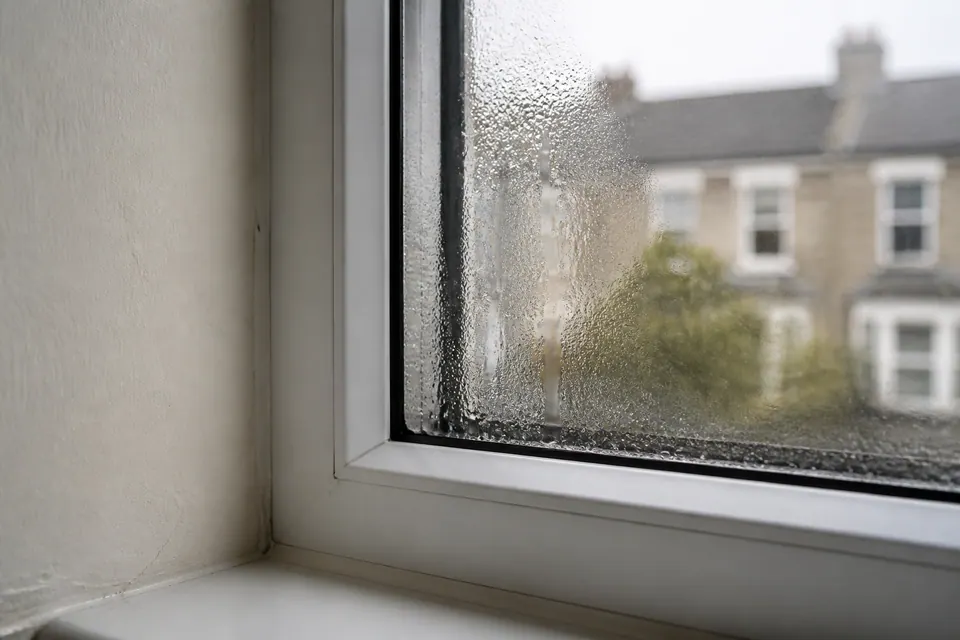
01 / WHEN IT COMES BACK
State when the new marks were first noticed and whether the bathroom had returned to normal use. Keep any known water event or later repair in its own place in the sequence.
A return can raise further questions without proving a single explanation. The current finish may need assessment alongside moisture history rather than another cosmetic covering.
If dates or details are missing, say so. Do not invent a precise repair history to make the enquiry sound complete.
Woodford / ACCESS & PEOPLE
Describe the task you commissioned and the evidence you have. Distinguish an agreed task from an assumption that every bathroom issue was fixed.
Ask the booking contact for relevant available maintenance information. Occupants can still describe present observations without diagnosing the earlier work.
Identify new paint, sealant or board separately. The age of a finish does not by itself establish treatment suitability.
Provide current photographs and report known changes to the authorised contact. This is not a determination of who is legally responsible for repairs.
Supply relevant work dates and occupant observations. Avoid treating a maintenance invoice as a substitute for the present surface evidence.
Ask which concern is accessible growth and which needs another repair assessment. Plan decoration only after those boundaries are understood.
03 / DIRECT ANSWERS
Yes, if available. Identify the work and date, then show current conditions rather than expecting the record alone to define the new scope.
Not as a substitute for assessing the present growth and moisture context. Decoration is a separate task with its own material requirements.
It does not establish that conclusion by itself. Describe the sequence and current evidence without assigning blame or a diagnosis.
No reliable assumption follows from that duration. The current extent, finish and proposed work may be different.
Ask for preparation guidance. Explain everyday use and alternative facilities instead of adopting an unconfirmed restriction or return timetable.
Do not assume replacement is included. Identify the material and current condition so the appropriate scope can be discussed.
State what was painted and when, then show the reveal and adjoining wall. Fresh decoration does not identify the source of the marks.
Only the agreed scope applies. A surface visit is not automatically a technical review of plumbing, extraction or concealed construction.
04 / A CONTROLLED APPROACH
Compare the affected material with the known work history. Identify whether the marks are within the repaired area or on a different surface.
Discuss fittings, contents and room use for the proposed method. Do not remove sealant or loose material just to demonstrate a repair concern.
Follow the accepted surface scope. Deterioration or an unresolved water condition may require a separate decision before further work.
Distinguish the treatment outcome from old staining, repair questions and later decoration. Keep the record tied to the actual area treated.
The stages do not judge or guarantee the outcome of a previous contractor’s work.
Show its position against the completed maintenance.
Do not assume the earlier repair scope is repeated.
Keep material repair and surface removal distinct.
The diagrams are explanatory stages, not customer results or proof that a past moisture issue has been resolved.
Woodford / THE PROPERTY BRIEF
Keep completed tasks separate from expected outcomes.
For a Woodford upstairs bathroom, name the area worked on and provide an approximate date if known. Explain whether the present mark is in that area or elsewhere. Ask what needs reviewing now rather than assuming a surface-treatment visit includes correcting earlier building work, replacing fittings or repeating the decoration.
Woodford / PLAN THE APPOINTMENT
Send the Woodford postcode, current bathroom photographs and any relevant work details. Confirm availability and access for the assessment actually being requested.
The map helps locate the address; it does not confirm repair coverage or the condition of the bathroom.
Load the local area view when planning access.
07 / QUOTATION, NOT GUESSWORK
For Woodford, combine current photographs with a concise maintenance history. This helps distinguish suitable surface work from damaged finish or unresolved repair questions before a quotation is accepted.
Check the main quotation information ↗| Current area | Quotation route | History to attach |
|---|---|---|
| A limited suitable finish | Photographs may support pricing | Current condition after earlier work |
| Recurring or several affected surfaces | Assessment informs the proposed scope | Separate dates and locations |
| Damaged material or complex water concern | Specialist quotation may be required | Confirmed repair status and remaining issues |
Confirm inclusions and exclusions afresh. A previous maintenance payment does not establish the cost, suitability or scope of the present mould-removal request.
08 / SEPARATE THE QUESTIONS
The sequence of repair, decoration and new marks helps assessment without proving why the current surface changed.
| Present observation | Relevant history | What needs reviewing |
|---|---|---|
| Spotting on repainted ceiling | When decoration occurred | Current paint condition and moisture context |
| Marks beside a replaced fitting | The actual replacement work | Whether another issue remains unresolved |
| Staining outside the repair boundary | Original and current photographs | Whether this is a separate condition |
| A patch returns after apparent improvement | Interval since the earlier work | What changed beyond surface appearance? |
Plumbing, extraction changes, damaged-board replacement and decorative reinstatement must be separately confirmed. Do not infer them from a bathroom mould-removal quotation.
A visible surface outcome does not establish that every source of excess moisture has been addressed.
| Question | Mould | Damp |
|---|---|---|
| What can the history show? | Which finish received earlier work | Which water or ventilation task was actually completed |
| What does it not prove? | That the current material remains suitable | That no moisture issue continues |
| Why review the present condition? | New damage can alter treatment limits | An earlier repair may not answer today’s question |
| What should be agreed? | The accessible finishes proposed for removal | Any separate repair or investigation still needed |
09 / LOCATE THE ISSUE
Select the setting and describe the material now visible. A maintenance description may not identify every surface affected today.
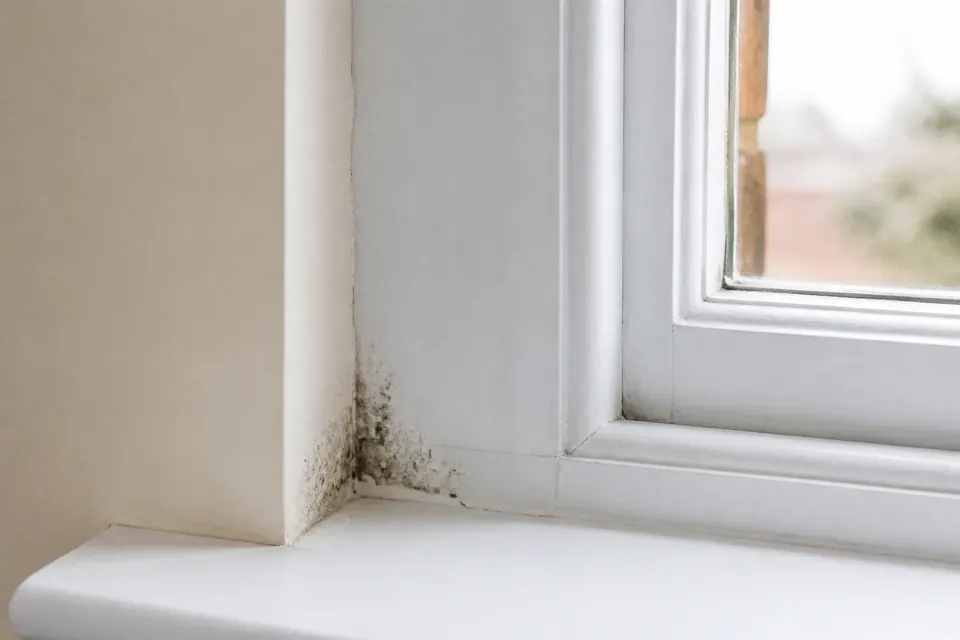
State whether the reveal was repainted, repaired or left untouched. Show current marks and observed water separately from the appearance immediately after the work.
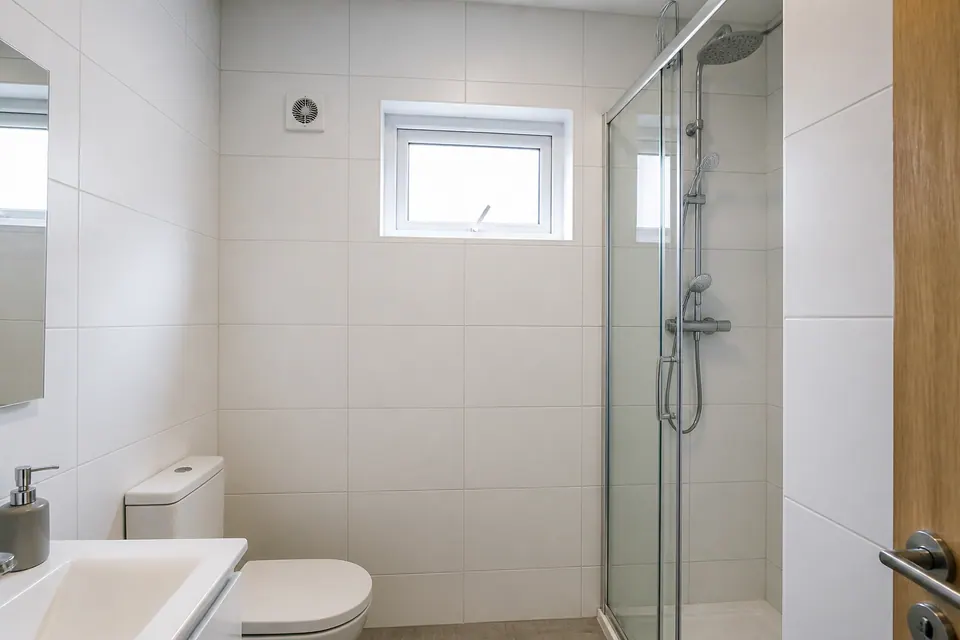
Locate the affected finish relative to the shower, bath or extractor. Explain what was done without assuming a new fitting guarantees different moisture conditions.
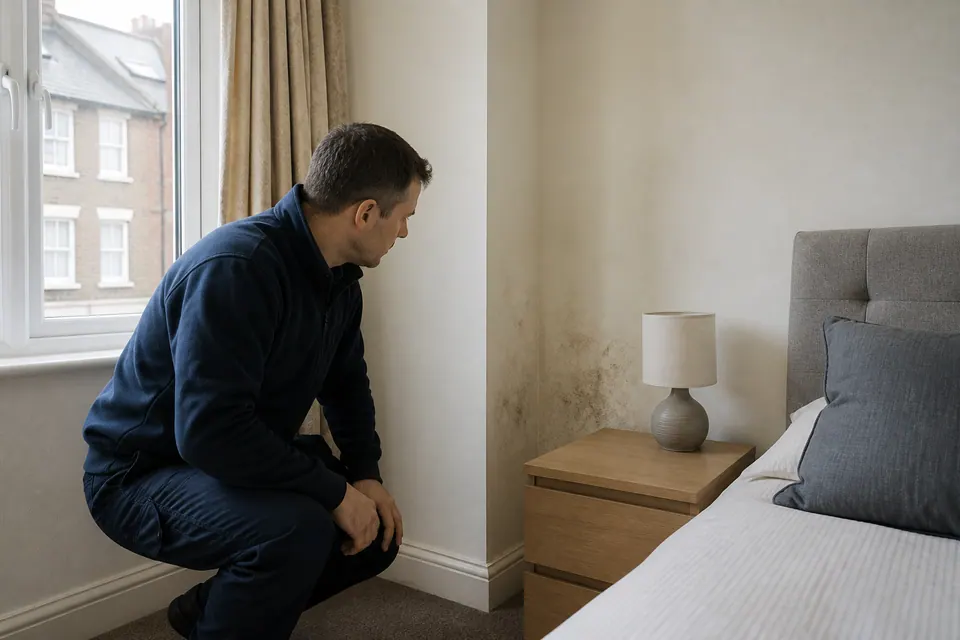
Provide its own photographs and timeline. A nearby change should not automatically be attributed to the bathroom maintenance or included in the same scope.
Keep a separate room concern separate. Bathroom repair records cannot stand in for the kitchen’s material and water history.
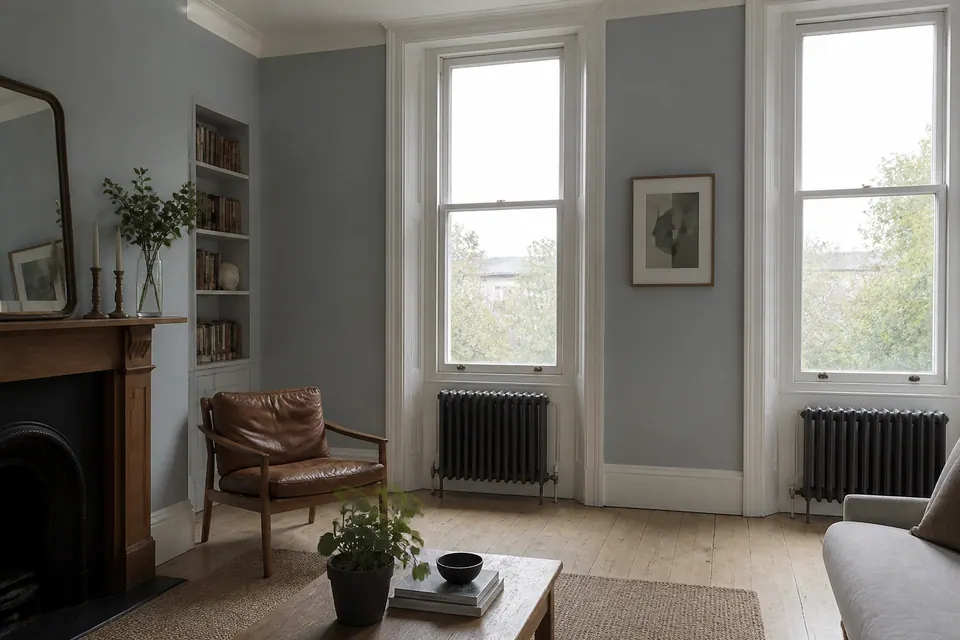
Describe location and timing without drawing a concealed water route. Known events can support assessment, but proximity is not confirmation of the cause.
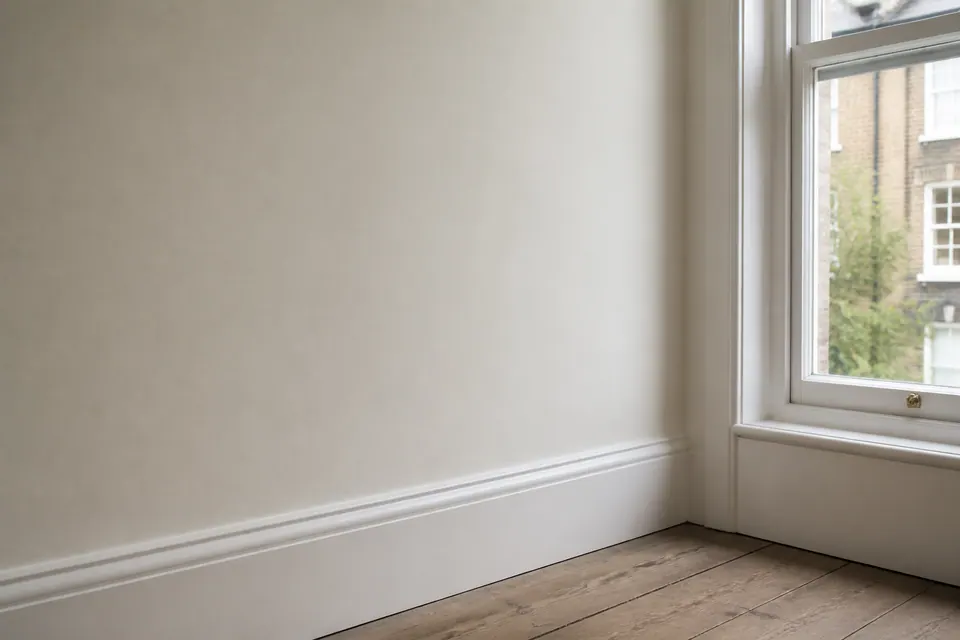
Show where repaired material meets the existing finish. Loose or discoloured areas may need a different decision from suitable growth removal.
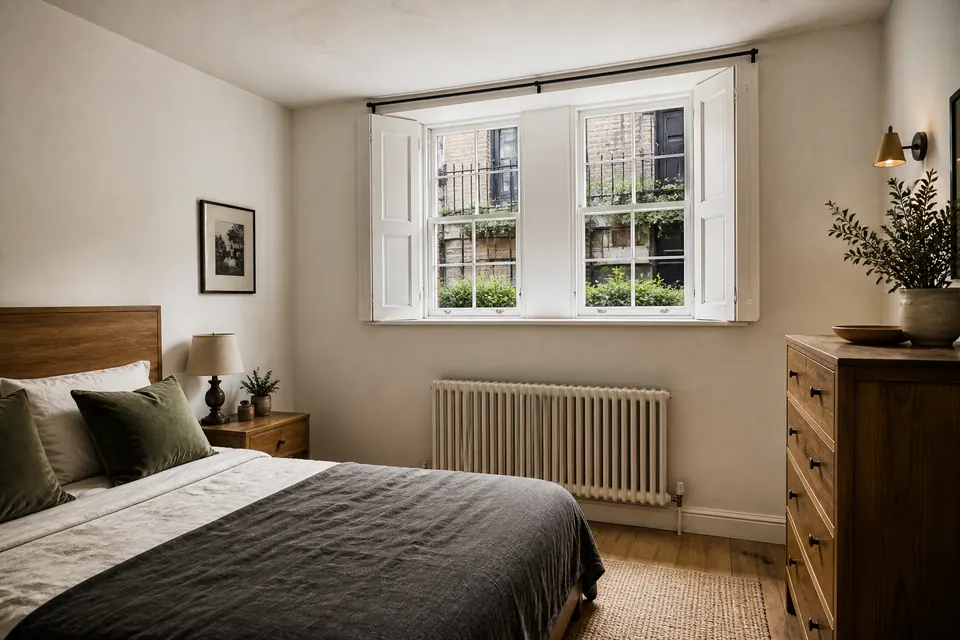
Say what is accessible and what remains covered. Earlier maintenance does not prove that concealed spaces were inspected or repaired.
Describe the sequence accurately. A repair invoice, fresh paint or a replacement fitting does not alone establish today’s moisture condition.
10 / ROOM-BY-ROOM CONTEXT
Locate the marks relative to completed work and fittings. A changed ceiling may need different consideration from deteriorated sealant.
Give its own material and timeline. Do not assume the bathroom’s maintenance explains every neighbouring mark.
Keep separate known water events and treatment requests distinct. One room’s records cannot define another room’s condition.
Describe position without claiming a water path through the building. Any concealed investigation requires its own scope.
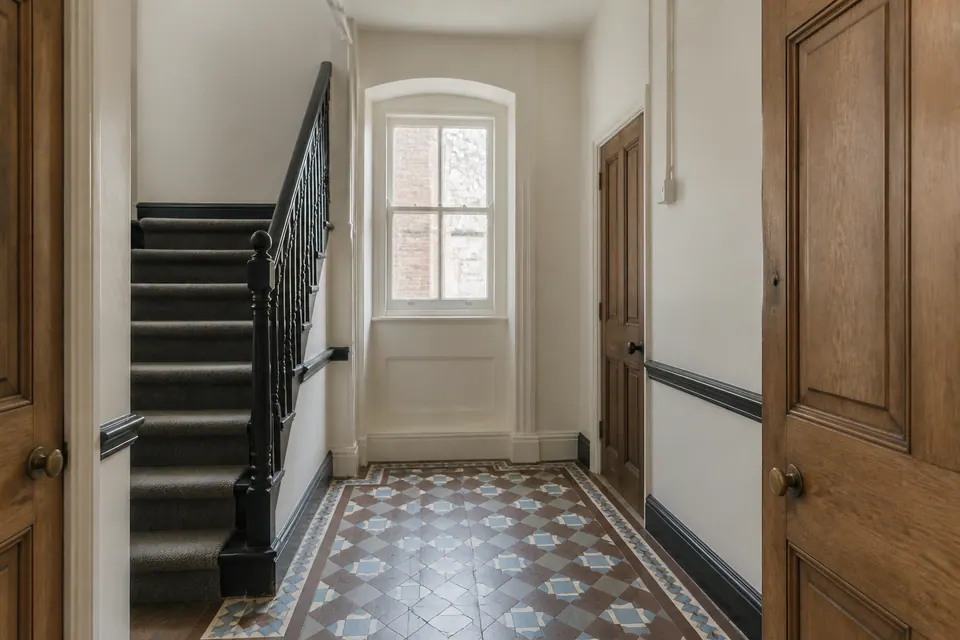
Identify whether the area is private or communal and whether maintenance records actually concern it.
Provide its own observations and history. The fact that bathroom work happened upstairs is context, not a confirmed diagnosis.
Woodford / BEFORE BOOKING
Explain what was done while leaving today’s condition open for assessment.
Relevant records can help identify the task and date. Include current photographs because the invoice does not establish the present surface condition.
Say exactly that and identify the area if known. Do not infer that plumbing or moisture repairs took place as part of decoration.
No conclusion should be drawn from recurrence alone. Describe the observations and sequence for assessment without assigning blame.
Show it separately and explain its age. Ask what is suitable for treatment rather than assuming old stain and new growth have the same outcome.
Do not remove it for the enquiry. Photograph the condition and ask whether replacement or another separate task is needed.
Not automatically. Opening construction or checking hidden plumbing is outside an assumed accessible-surface appointment.
Use an approximate sequence and state the uncertainty. Reliable general timing is preferable to an invented exact date.
A cosmetic match is not guaranteed by growth removal. Residual staining and decorative repair need separate discussion.
Ask about current material condition and moisture first. A removal visit does not automatically establish readiness for decoration.
EXPLAIN WHAT CHANGED
Send the postcode, present photographs and the work history you actually know. Ask for a scope based on today’s finish rather than assumptions about the earlier repair.
The images illustrate residential contexts and are not evidence of completed customer treatments.
